Kamran Faqir is a volunteer investigative journalist and writer committed to exposing hidden truths and amplifying underreported stories. Driven by social justice, he brings sharp insight and fearless truth-telling to independent journalism. NUJ registered.
Original Article Date Published:
Article Date Modified:
19 minutes
Views:405
Listen to this article
Help support our mission, donate today and be the change. Every contribution goes directly toward driving real impact for the cause we believe in.
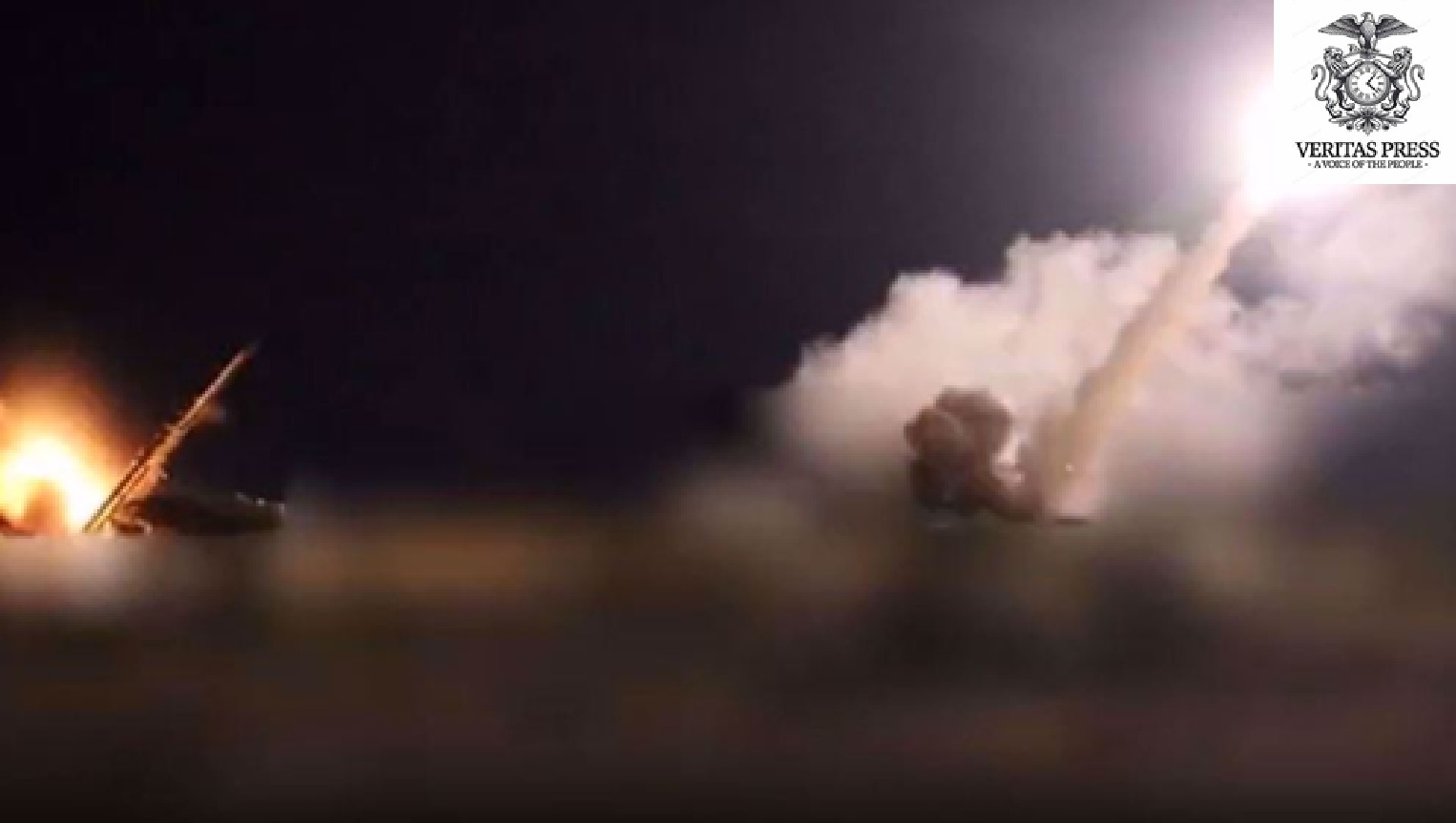
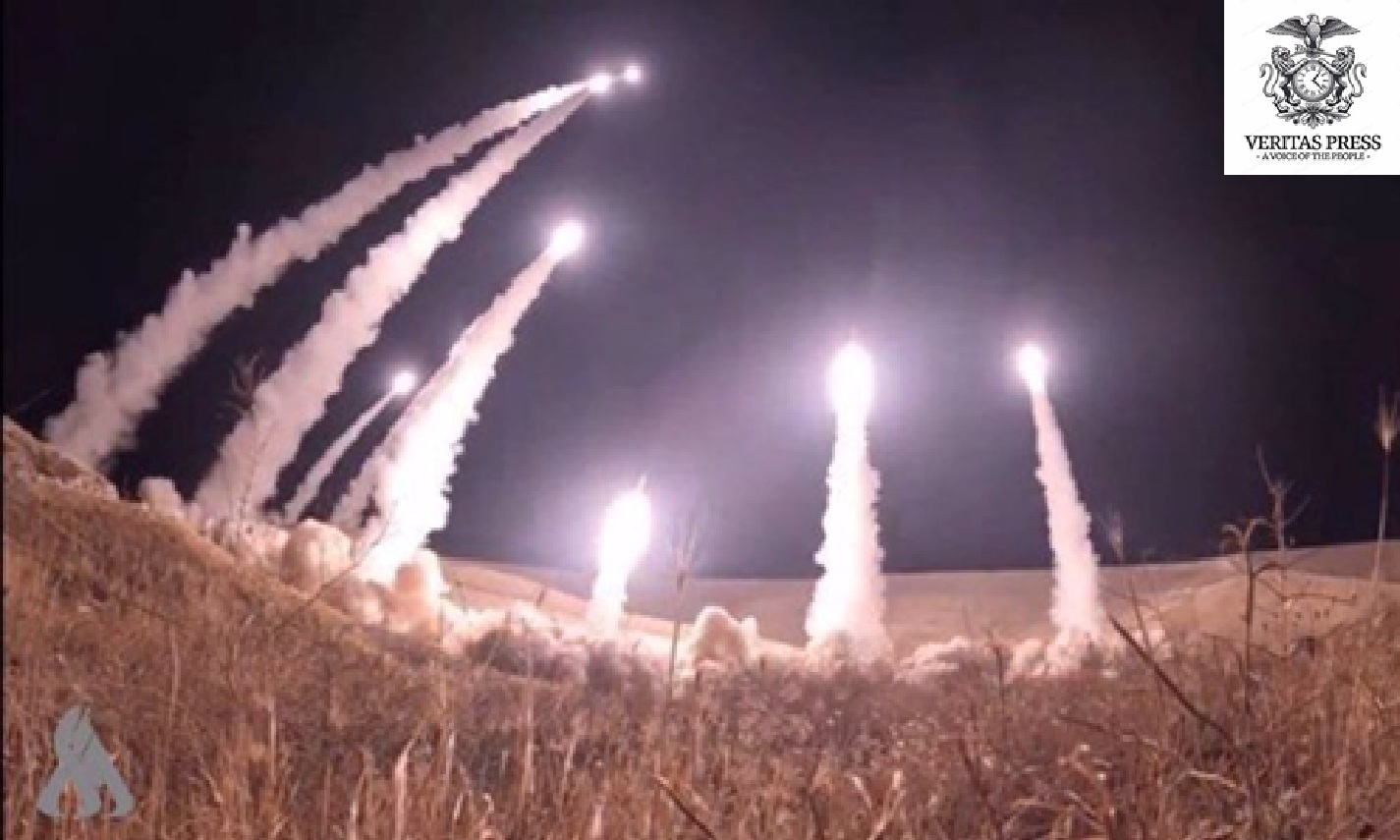
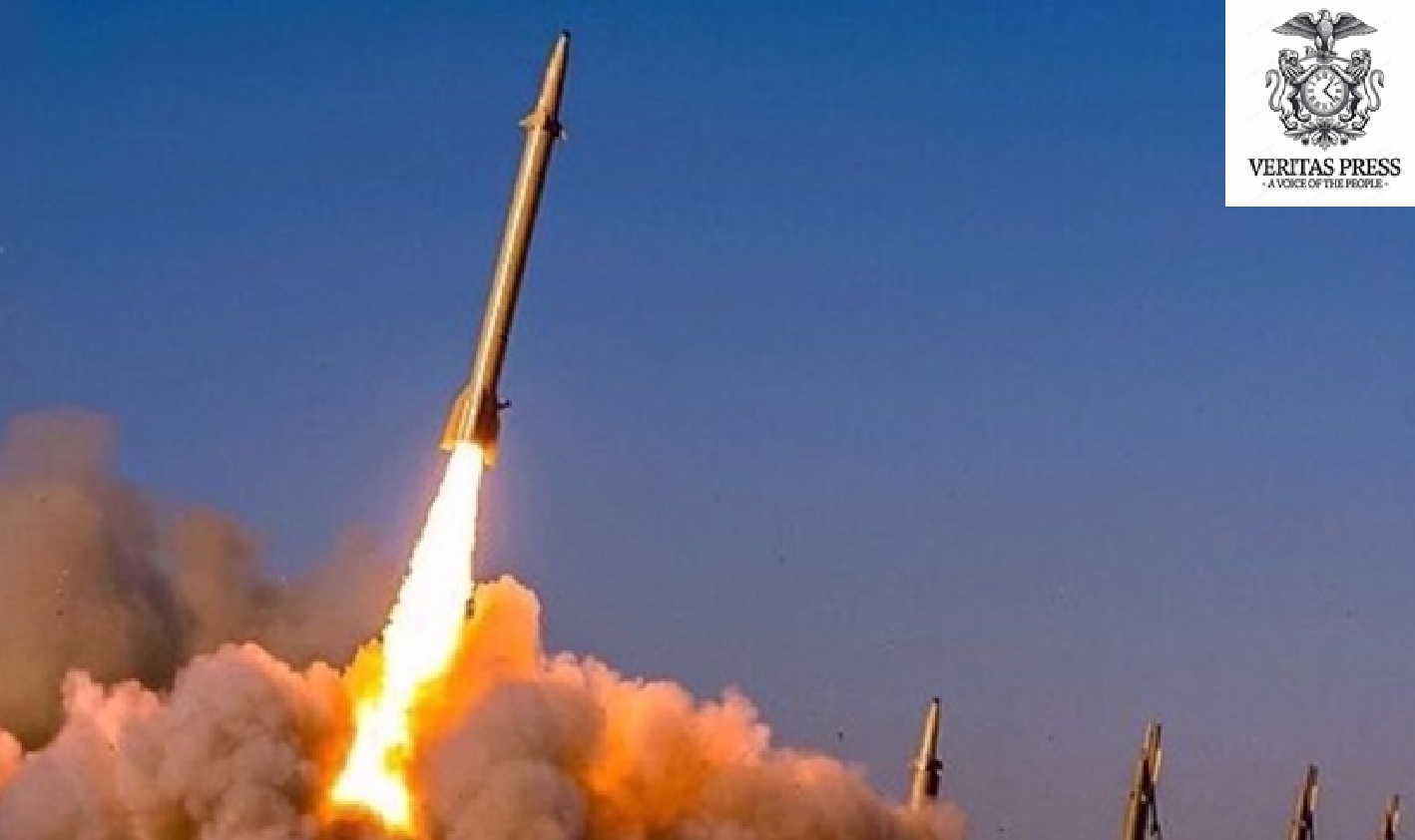
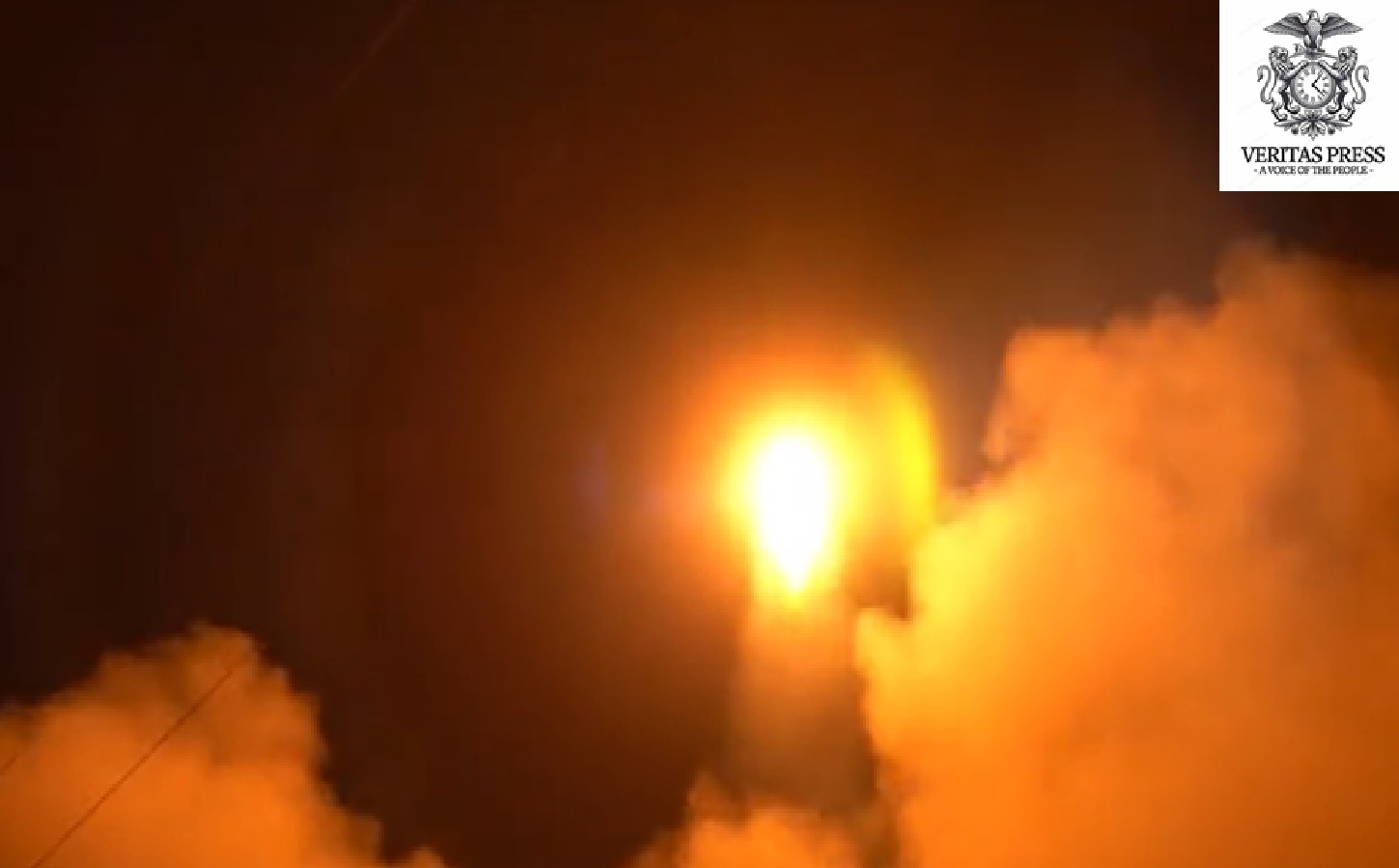
TEHRAN — In the early hours of March 31, 2026, the Islamic Revolution Guards Corps (IRGC) Navy announced the execution of four coordinated “heavy and lightning-fast” operations against what it described as American and Israeli terrorist targets across the Persian Gulf region. The strikes, designated as the 88th wave of Operation True Promise 4, represent a significant escalation in Iran’s retaliatory campaign following the US-Israeli attacks that began on February 28, which resulted in the death of Iran’s Supreme Leader Ayatollah Ali Khamenei and senior military commanders.
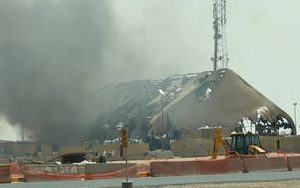
The operations targeted an Israeli-linked container ship in the central Persian Gulf, a US Marine Corps position on the UAE coast, a Fifth Fleet counter-drone system in Bahrain, and early warning radar systems at a US base in Kuwait. The IRGC declared that the Strait of Hormuz remains “fully secured and under firm control” of its forces, warning that “the smallest movement of enemies will be met with missile and drone strikes”.
The Four Operations: A Detailed Analysis
First Strike: Israeli Container Ship In The Persian Gulf
According to IRGC statements, ballistic missiles launched by the Naval Forces struck a container ship identified as Express Halfong in the central waters of the Persian Gulf. The vessel was described as belonging to the “Zionist regime”.
Verification challenges: Ship tracking databases do not list a vessel named Express Halfong. However, a Singapore-flagged container ship named Haiphong Express was confirmed to be in the Gulf region at the time of the reported attack. The Iranian naming discrepancy has not been explained by IRGC officials, though it may reflect transliteration differences or intelligence terminology.
The targeting of commercial shipping marks a significant tactical evolution. Unlike previous operations that focused primarily on military installations, this strike directly targeted what Iran describes as economic infrastructure linked to Israeli interests. The IRGC has not released imagery confirming the strike, and neither US Central Command nor Israeli officials have commented on the alleged vessel attack.
Second Operation: US Marine Corps Position In The UAE
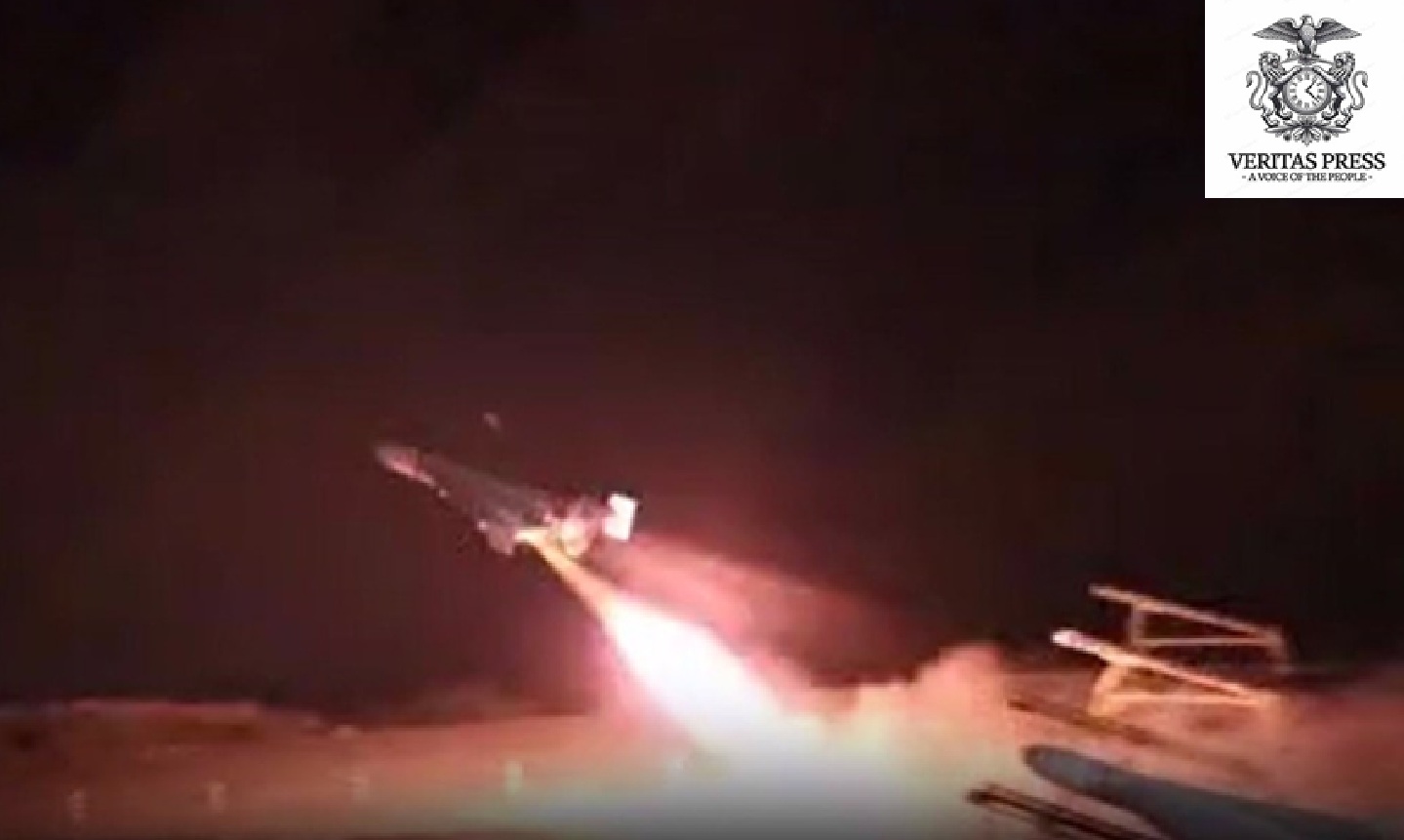
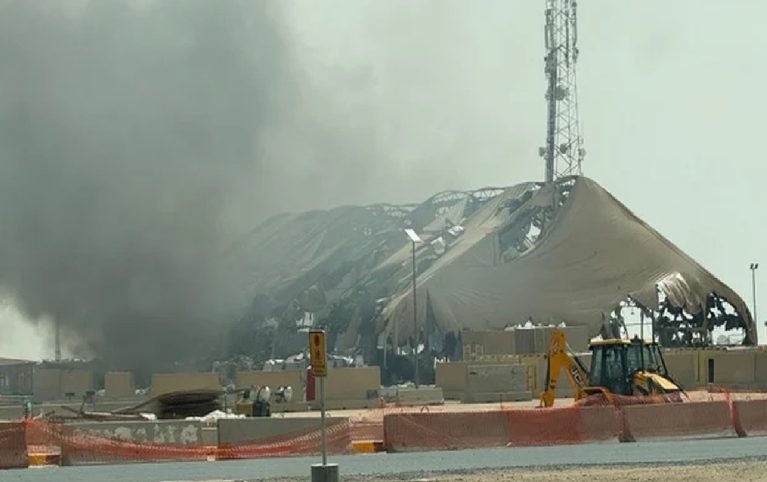
In what the IRGC described as a “combined operation,” loitering attack drones struck a gathering of US Marines along the UAE coast. The statement claimed these American personnel had “taken cover outside military bases” and concealed themselves, fearing the IRGC’s destructive missiles.
Iranian media, citing IRGC sources, reported that the targeted location housed approximately 200 American troops, including commanders and officers, and was situated near Al Minhad Air Base in Dubai. The IRGC claimed its intelligence apparatus had located the hideout and destroyed it with “tactical missiles” during Wave 88.
Strategic significance: This operation signals Iran’s claimed ability to strike US personnel operating outside traditional military installations, a development that, if confirmed, would fundamentally alter force protection calculations for American military advisors operating in Gulf Cooperation Council countries.
A US defence official, speaking on condition of anonymity due to the sensitivity of the ongoing conflict, declined to confirm the strike but noted: “We are aware of Iranian claims regarding operations in the region. Force protection measures remain at elevated levels across all US Central Command areas of responsibility.”
Third Operation: Anti-Drone System In Bahrain
The IRGC claimed its drones destroyed a “HAWK anti-drone system” belonging to the US Fifth Fleet that had been deployed outside its base near Manama Airport in Bahrain. The reference to “HAWK” likely indicates an improved MIM-23 HAWK air defence system, though the Fifth Fleet’s official inventory includes more advanced systems such as the AN/TWQ-1 Avenger and the Navy Marine Expeditionary Ship Interdiction System.
Bahrain, home to the US Fifth Fleet headquarters since 1971, has been a critical US naval hub. A successful strike on US air defence assets in Bahrain would represent a significant penetration of one of the most heavily defended US military installations in the region.
Bahraini government response: There has been no official statement from Manama regarding the alleged attack. The Bahraini Ministry of Foreign Affairs has maintained silence on the incident, reflecting the delicate position of Gulf states caught between their security alliance with Washington and geographic proximity to Tehran.
Fourth Operation: Radar Systems In Kuwait
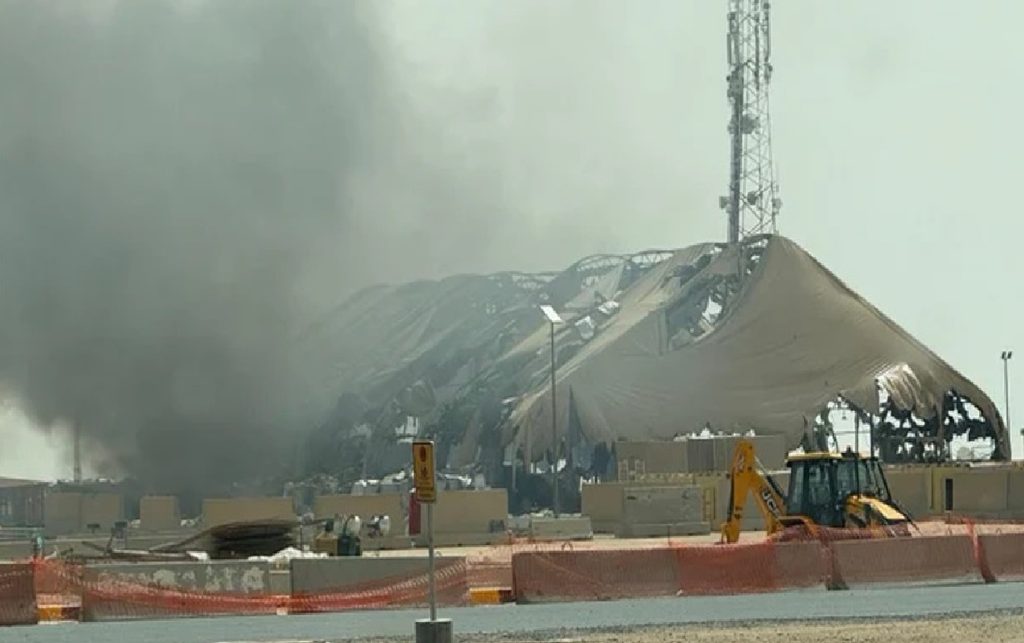
The final claimed operation involved drone strikes against “two advanced early warning radars” at the Jaber al-Ahmad US base in Kuwait. The IRGC described the base as a “US terrorist base” in its official statement.
The Jaber al-Ahmad Air Base, located approximately 40 kilometres west of Kuwait City, hosts US Air Force personnel and equipment under the bilateral Defence Cooperation Agreement between Kuwait and the United States. The base serves as a critical node for US air operations in the region, including intelligence, surveillance and reconnaissance missions.
Kuwaiti response: Kuwait’s official news agency, KUNA, has not reported on the alleged strikes. A Kuwaiti security source, speaking to Al Jazeera on condition of anonymity, stated that “reports of attacks on Kuwaiti territory are being investigated” but declined to confirm or deny the IRGC’s claims.
The Aerospace Force Component: Striking Deep into Occupied Territories
Simultaneously with the naval operations, the IRGC Aerospace Force executed a separate phase of Wave 88, employing what it described as “ultra-heavy missile systems including Emad, Khorramshahr-4, and Qadr” against targets across Israel.
According to the IRGC statement, missiles struck “the site of a meeting of Zionist Home Front commanders in Bnei Brak, as well as Tel Aviv, Be’er Sheva, the Galilee, the Negev, Tel Nof Airbase, Arad, and areas south of the Dead Sea”.
The targeting of Bnei Brak, a densely populated Orthodox Jewish city east of Tel Aviv, marks a significant expansion of target selection. The IRGC claimed the strike specifically targeted a gathering of Home Front Command officials, the Israeli military body responsible for civilian defence and emergency services.
Israeli response: There has been no official confirmation from the Israel Defence Forces regarding the strikes. However, Israeli media reported air raid sirens sounding in central Israel during the early morning hours. The IDF Home Front Command issued guidance for residents to remain near protected spaces but did not attribute any specific attacks to Iran.
The IRGC Aerospace Force also claimed strikes on US force positions, including “hideouts of American forces and their drone control centres at Al Dhafra, Victoria, and Ali Al Salem bases using attack drones and precision-guided missiles”.
The Resistance Front: Coordinated Operations Across The Region
Perhaps the most significant development reported by the IRGC is the coordination of operations across what it terms the “Axis of Resistance”, a network of Iranian-aligned forces including Lebanon’s Hezbollah, Iraqi resistance groups, and Yemen’s Ansar Allah (Houthi) movement.
According to the IRGC statement, these allied forces “in recent hours have carried out more than 120 successful and effective operations against northern and southern areas of the occupied Palestinian territories, as well as against the locations and hideouts of American commanders in central and northern Iraq”.
This claimed level of coordination, over 120 operations in a single period, suggests a unified command structure or at least synchronised operational planning across multiple national and sub-state actors.
Hezbollah’s role: A Lebanese security source, speaking to Reuters on condition of anonymity, confirmed that Hezbollah “has increased the tempo of operations against Israeli positions in the disputed border area” but did not provide specific numbers. The source described the coordination with Iran as “ongoing at multiple levels.”
Yemen’s entry: The involvement of Yemen’s Ansar Allah represents a critical expansion of the conflict. On March 27, Yemeni military officials warned they had their “hands on the trigger” for direct military action if the US and Israel expanded aggression against Iran.
A report released on March 30 by Iranian media suggested that Israeli strategy “designed to prevent the formation of a unified resistance front has ended in failure following Yemen’s entry into the war.” The report further indicated that Israeli fears now centre on the potential closure of the Bab al-Mandeb Strait, a strategic chokepoint through which approximately 10% of global maritime trade passes.
The Martyrdom Of Admiral Tangsiri: Strategic Implications
The 88th wave of Operation True Promise was dedicated to Rear Admiral Alireza Tangsiri, the IRGC Navy commander who was reportedly martyred while reinforcing Iran’s coastal defences. The IRGC confirmed Tangsiri’s death on March 30, stating that he died from “severe injuries sustained while on duty” as he was “organising and strengthening his forces and beefing up the country’s defensive shield along the islands and coastlines targeted by hostile forces”.
Israeli Defence Minister Israel Katz claimed on March 27 that Tangsiri was killed in an overnight airstrike that also targeted an Iranian naval base in the southern port city of Bandar Abbas. The conflicting accounts of Tangsiri’s death, Iran citing duty-related injuries, Israel claiming a targeted airstrike, reflect the information fog surrounding the conflict.
Iran’s new supreme leader mourns: In a message released March 30, Iran’s new Supreme Leader Mojtaba Khamenei, who assumed leadership following his father’s death in the February 28 attacks, described Tangsiri as a “brave commander” who attained martyrdom after years of struggle.
The full text of Khamenei’s message, published by Pars Today, stated: “The martyrdom of this valiant son of Tangestan, a soldier of Iran and a guardian of Islam in the epic of the third imposed war, is considered a great honor for the brave people of Bushehr, the youth of the southern region, the armed forces of the Islamic Republic, and the Iranian nation”.
The language of “the third imposed war” frames the current conflict within Iran’s revolutionary narrative, drawing parallels to the 1980-1988 Iran-Iraq War (the “first imposed war”) and the US-led pressure campaigns that followed.
Claims vs. Verified Reality
While the IRGC’s statements provide a detailed operational account, independent verification remains limited. Several critical factors warrant analysis:
1. The Vessel Identification Issue
The discrepancy between the claimed Express Halfong and the existing Haiphong Express raises questions about intelligence accuracy or intentional naming conventions. The Haiphong Express, a 2006-built container ship flagged in Singapore, has a documented history of calling at Israeli ports including Ashdod and Haifa. However, its current operator is not Israeli, and its ownership structure does not show direct Israeli links.
Maritime security analyst Ian Ralby, founder of I.R. Consilium, noted: “Targeting commercial shipping based on past port calls or indirect ownership links represents a significant expansion of what Iran considers legitimate military targets. This sets a dangerous precedent for maritime security in the Gulf.”
2. The US Marine Corps Hideout Claim
The IRGC’s claim that US Marines were “concealed” outside bases “fearing Iran’s destructive missiles”, suggests an operational awareness that, if accurate, would indicate significant intelligence penetration. However, the claim that US forces would operate in such exposed positions without air defence coverage contradicts standard US military force protection protocols.
A former US Central Command intelligence officer, who requested anonymity due to the sensitivity of ongoing operations, told this reporter: “US forces in the region operate under strict force protection conditions. The idea that 200 Marines would be concentrated in an unprotected ‘hideout’ near Al Minhad is inconsistent with operational security protocols. If such a location were struck, it raises serious questions about intelligence failures or the possibility that the Iranians are overstating their success.”
3. The AWACS Loss And Strategic Shift
The IRGC’s statements reference an earlier US AWACS loss, described in Iranian media as signalling “a strategic shift in dynamics in the war on Iran.” The claim that the US has lost airborne early warning aircraft in the conflict remains unverified by US or allied sources.
4. The Drone Shootdown Claim
Iran’s army claimed its air defence systems shot down an MQ-9 Reaper drone over Isfahan province early on March 31, bringing the total number of US and Israeli drones downed since February 28 to 146. This figure, 146 drones in 31 days, would represent a loss rate unprecedented in modern air warfare. The US military has not commented on these claims.
A Prolonged Conflict With Global Implications
Ali Vaez, Iran Project Director at the International Crisis Group, provided a sobering assessment of the escalating confrontation in an interview with Anadolu Agency on March 30.
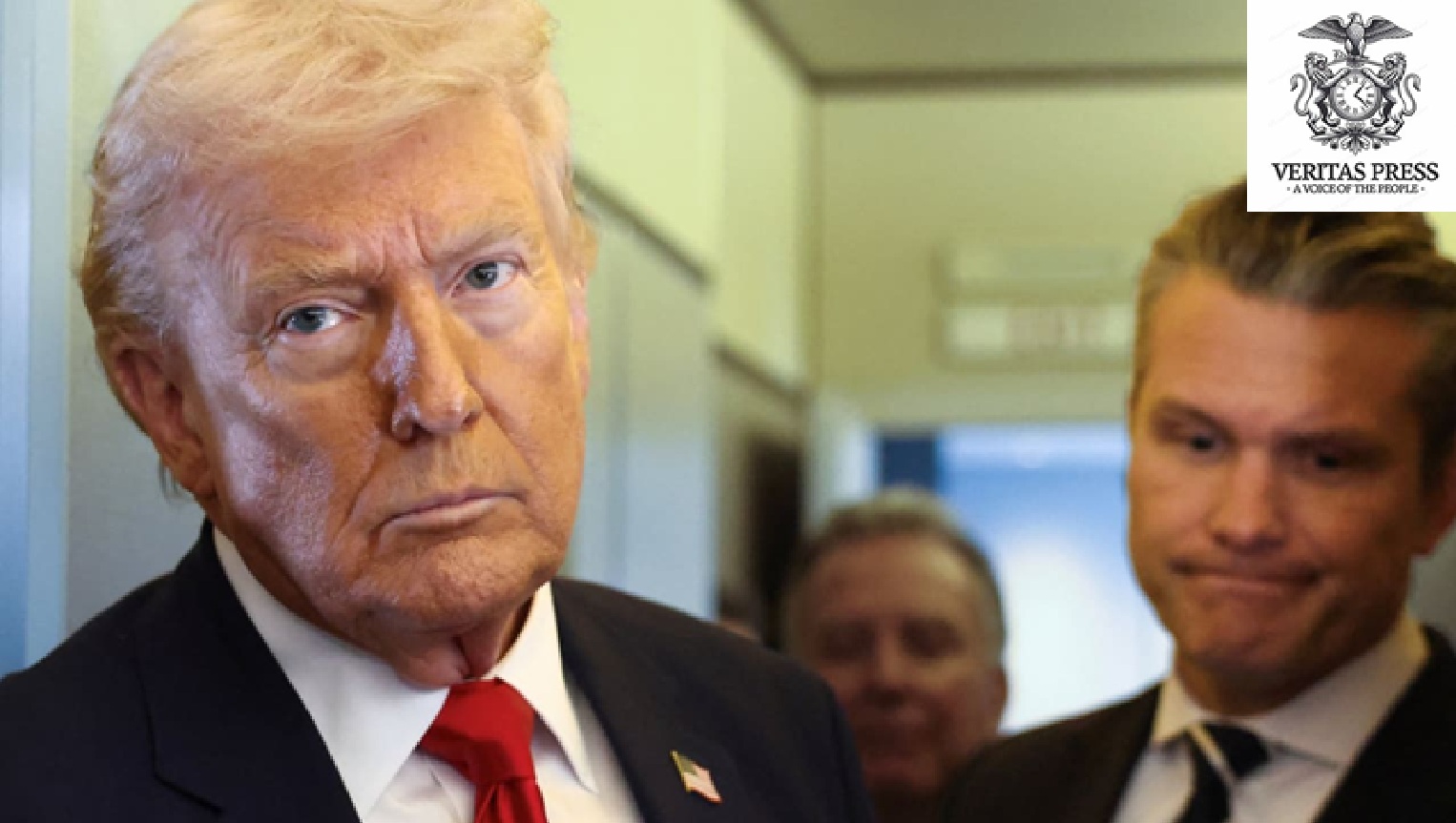
On the failure of diplomacy: Vaez argued that US President Donald Trump’s negotiating strategy, which emphasised maximum pressure without reciprocal concessions, effectively doomed diplomatic resolution in both of his terms. “President Trump always surrounded himself by people who were in charge of the negotiations, who did not share his interest in any kind of serious agreement. They conveyed to him this view that Iran would be able to capitulate to him under pressure, so he doesn’t need to engage in any kind of give and take.”
On the military option’s limits: “The military option is not a solution,” Vaez stated. He noted that even after Trump claimed last year that Iran’s nuclear program had been “obliterated,” fighting resumed months later. “Any kind of optimism about a permanent solution through a military option is wrong-headed.”
On US strategic options: Vaez described two difficult paths for the Trump administration. Exiting the conflict would require acknowledging that Iran’s government remains intact, its enriched uranium stockpile persists, and Tehran retains influence over strategic routes such as the Strait of Hormuz. Escalation, however, risks deeper entanglement.
“One option is sending ground troops and occupying some of the islands of Iran in the Persian Gulf,” Vaez said. “But that is really the definition of mission creep and being bogged down in something like Vietnam.”
The alternative, targeting Iranian energy infrastructure, could trigger devastating retaliation. “If he does that, the Iranians would torch the energy infrastructure of the rest of the region. Oil prices would go above $250 a barrel, and we would have a global economic meltdown.”
On Israel’s strategic objectives: Vaez suggested Israel’s goals extend beyond regime change. “What Israel wants is state failure that Iran to become another failed state, which would not be able to project power beyond its borders and challenge Israel’s dominance of the region.”
On Gulf states’ predicament: Vaez described Gulf countries as trapped between their security dependence on the United States and geographic proximity to Iran. “By the force of geography, they’re Iran’s neighbours. They can’t move away. They have to eventually learn to live right next door to Iran and find a modus vivendi.”
On nuclear proliferation risks: Perhaps most alarmingly, Vaez warned the conflict could undermine the global nuclear non-proliferation regime. “A nuclear-weapon state, the United States, and another nuclear-weapon state, Israel, have bombed a country that was a member of the NPT and did not have nuclear weapons.” If Iran ultimately pursues nuclear weapons, it would become the world’s 10th nuclear-armed state, potentially triggering a regional arms race.
The Economic Dimension: Targeting Aluminum Production
A critical development preceding Wave 88 was the March 28 Iranian strike on the Emirates Aluminum (EMAL) plant in the UAE and the Aluminum Bahrain (ALBA) plant. The IRGC justified these attacks as responses to US-Israeli strikes on Iranian steel producers in Isfahan and Khuzestan provinces.
Strategic significance: EMAL operates the world’s longest aluminium production line and, according to Iranian intelligence, plays “a significant role in supplying US military industries.” The targeting of industrial infrastructure represents a new phase in economic warfare, with both sides seeking to degrade each other’s industrial capacity.
The UAE’s EMAL facility, located in the Khalifa Industrial Zone in Abu Dhabi, is a joint venture between Dubai’s Emirates Global Aluminium and local investment entities. The plant’s importance to the UAE economy makes it a sensitive target for the Gulf state.
UAE response: The UAE government has not officially acknowledged the EMAL strike. However, a source familiar with UAE security thinking told The National that “the UAE is reviewing its defence posture following recent incidents. The ability of Iranian missiles to reach industrial targets within UAE territory is a matter of significant concern.”
Maritime Chokepoints: The Strait Of Hormuz And Bab Al-Mandeb
The IRGC’s declaration that the Strait of Hormuz is “fully secured and under firm control” of its forces represents a direct challenge to US freedom of navigation operations in the waterway through which approximately 20% of global oil production transits.
The IRGC Navy’s warning, “the smallest movement of enemies will be met with missile and drone strikes”, suggests Iran may be prepared to enforce a blockade or at least assert operational dominance over the strait.
Simultaneously, Yemen’s Ansar Allah has threatened action in the Bab al-Mandeb Strait at the southern entrance to the Red Sea. A report from March 30 indicated that “Israel’s primary fear now centres on the potential closure of the Bab al-Mandeb Strait, a strategic chokepoint whose disruption would sever vital shipping routes for some Arab governments aligned with the enemy”.
The simultaneous pressure on both strategic chokepoints would, if implemented, effectively block maritime access to the Suez Canal and the Persian Gulf, disrupting global trade routes.
The Unanswered Questions
As the conflict enters its second month with no diplomatic resolution in sight, several critical questions remain:
What is the US strategic endgame? The Trump administration has not articulated clear objectives beyond degrading Iranian military capabilities. The expert consensus, articulated by Vaez and others, suggests military pressure alone cannot achieve sustainable outcomes.
What is Israel’s exit strategy? Israeli operations have expanded from targeting Iranian nuclear facilities to strikes on naval bases, industrial infrastructure, and now, apparently, leadership targets. The broadening target set suggests an expanding rather than contracting conflict.
Can the Gulf states maintain neutrality? The strikes on UAE and Kuwaiti territory, if confirmed, place Gulf states in an impossible position, dependent on US security guarantees but facing Iranian retaliation that US air defences may not fully prevent.
What is the status of Iran’s nuclear program? Following the February 28 attacks, Iran’s nuclear status remains unclear. Vaez noted that “Iran has mastered the art of nuclear enrichment. It’s a science and knowledge that cannot be bombed out of the mindset of the Iranian scientists.”
Will the conflict expand further? The IRGC’s reference to “a long-term horizon for the erosion of the power of the Zionist regime and the US military in the region” suggests Iran is preparing for protracted conflict rather than seeking immediate de-escalation.
Conclusion: A Strategic Crossroads
Operation True Promise 4, Wave 88, represents more than a military operation; it signals Iran’s commitment to a sustained campaign of attrition against US and Israeli assets across the region. The claimed coordination with Hezbollah, Iraqi resistance groups, and Yemen’s Ansar Allah suggests a unified front that US strategic planners had hoped to prevent.
The IRGC’s concluding statement in its March 31 announcement emphasised this long-term perspective: “A long-term horizon has been defined for the erosion of the power of the Zionist regime and the US military in the region, paving the way for a final confrontation and the movement of the Islamic Ummah toward occupied Al-Quds”.
Whether such ambitious objectives are achievable remains uncertain. What is clear is that the conflict has entered a new phase, one characterised by simultaneous operations across multiple countries, the targeting of economic infrastructure, and the explicit threat to global maritime chokepoints.
As Ali Vaez noted, the costs and risks will only increase the longer the war continues. “As unattractive as a ceasefire might look, it is the best option available”. Yet with both sides committed to escalation, the path to de-escalation remains unclear.
For the Gulf states caught in the middle, for the global economy dependent on uninterrupted energy flows, and for the civilian populations on all sides bearing the brunt of this conflict, the stakes could not be higher.
Source: Multiple News Agencies
Submissions:
For The Secure Submission Of Documentation, Testimonies, Or Exclusive Investigative Reports From Any Global Location, Please Utilise The Following Contact Details For Our Investigations Desk: enquiries@veritaspress.co.uk or editor@veritaspress.co.uk
Help Support Our Work:
Popular Information is powered by readers who believe that truth still matters. When just a few more people step up to support this work, it means more lies exposed, more corruption uncovered, and more accountability where it’s long overdue.
Help Protect Independent Journalism, Which Is Currently Under Attack.
If you believe journalism should serve the public, not the powerful, and you’re in a position to help, becoming a DONATOR or a PAID SUBSCRIBER truly makes a difference.
DONATION APPEAL: If You Found This Reporting Valuable, Please Consider Supporting Independent Journalism.
Help Support Our Work – We Know, We Know, We Know …
Seeing these messages is annoying. We know that. (Imagine what it’s like writing them … )
Your support fuels our fearless, truth-driven journalism. In unity, we endeavour to amplify marginalised voices and champion justice, irrespective of geographical location.
But it’s also extremely important. One of Veritas Press’s greatest assets is its reader-funded model.
1. Reader funding means we can cover what we like. We’re not beholden to the political whims of a billionaire owner. We are a small, independent and impartial organisation. No one can tell us what not to say or what not to report.
2. Reader funding means we don’t have to chase clicks and traffic. We’re not desperately seeking your attention for its own sake: we pursue the stories that our editorial team deems important and believe are worthy of your time.
3. Reader Funding: enables us to keep our website and other social media channels open, allowing as many people as possible to access quality journalism from around the world, particularly those in places where the free press is under threat.
We know not everyone can afford to pay for news, but if you’ve been meaning to support us, now’s the time.
Your donation goes a long way. It helps us:
Keep the lights on and sustain our day-to-day operations
Hire new, talented independent reporters
Launch real-time live debates, community-focused shows, and on-the-ground reporting
Cover the issues that matter most to our communities, in real time, with depth and integrity
We have plans to expand our work, but we can’t do it without your support. Every contribution, no matter the size, helps us stay independent and build a truly people-powered media platform.
If you believe in journalism that informs, empowers, and reflects the communities we serve, please donate today.
Kamran Faqir is a volunteer investigative journalist and writer committed to exposing hidden truths and amplifying underreported stories. Driven by social justice, he brings sharp insight and fearless truth-telling to independent journalism. NUJ registered.
SEATTLE, TEHRAN — The U.S. Department of Homeland Security (DHS) will allow Iran’s national football team to enter the country 48 hours before their critical World Cup match against Egypt on Friday, a modest concession in a tournament where Team Melli’s travel conditions have sparked claims of oppression and competitive disadvantage.