Kamran Faqir is a volunteer investigative journalist and writer committed to exposing hidden truths and amplifying underreported stories. Driven by social justice, he brings sharp insight and fearless truth-telling to independent journalism. NUJ registered.
Original Article Date Published:
Article Date Modified:
10 minutes
Views:390
Listen to this article
Help support our mission, donate today and be the change. Every contribution goes directly toward driving real impact for the cause we believe in.
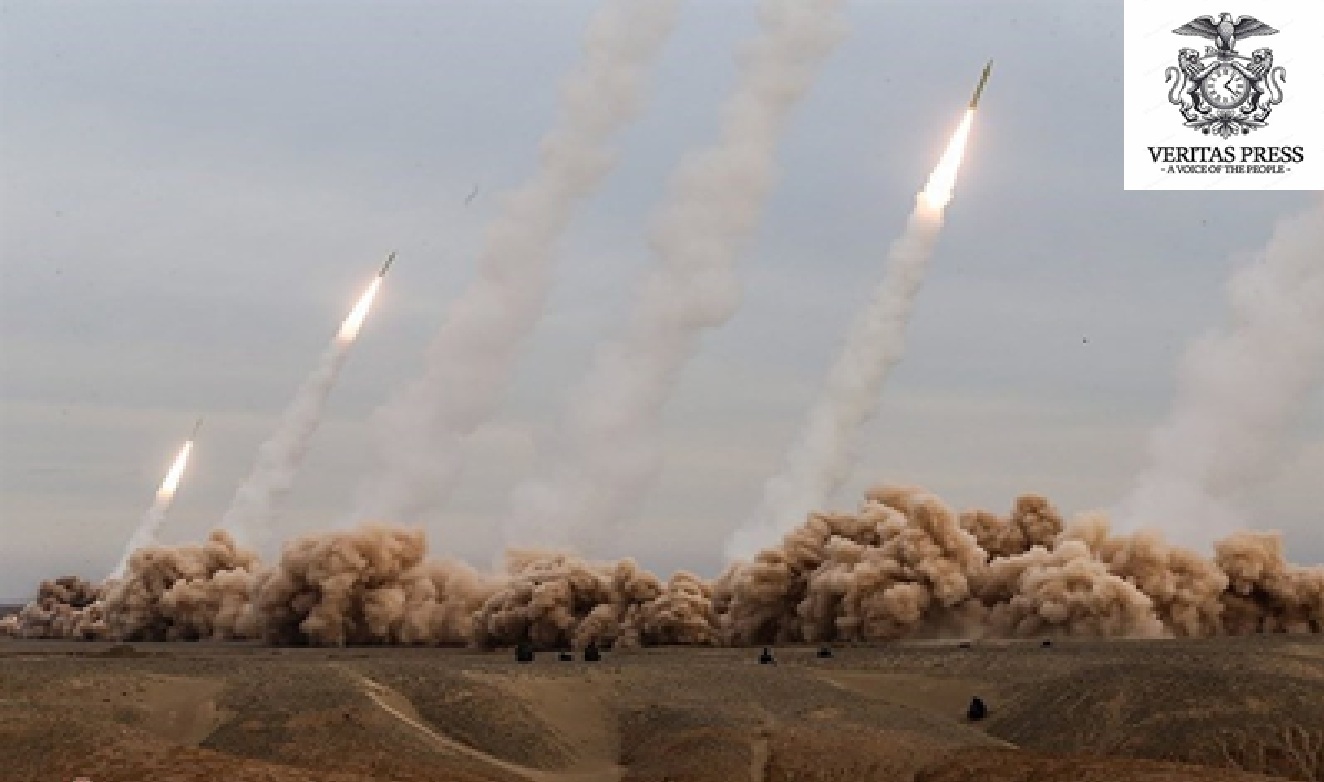
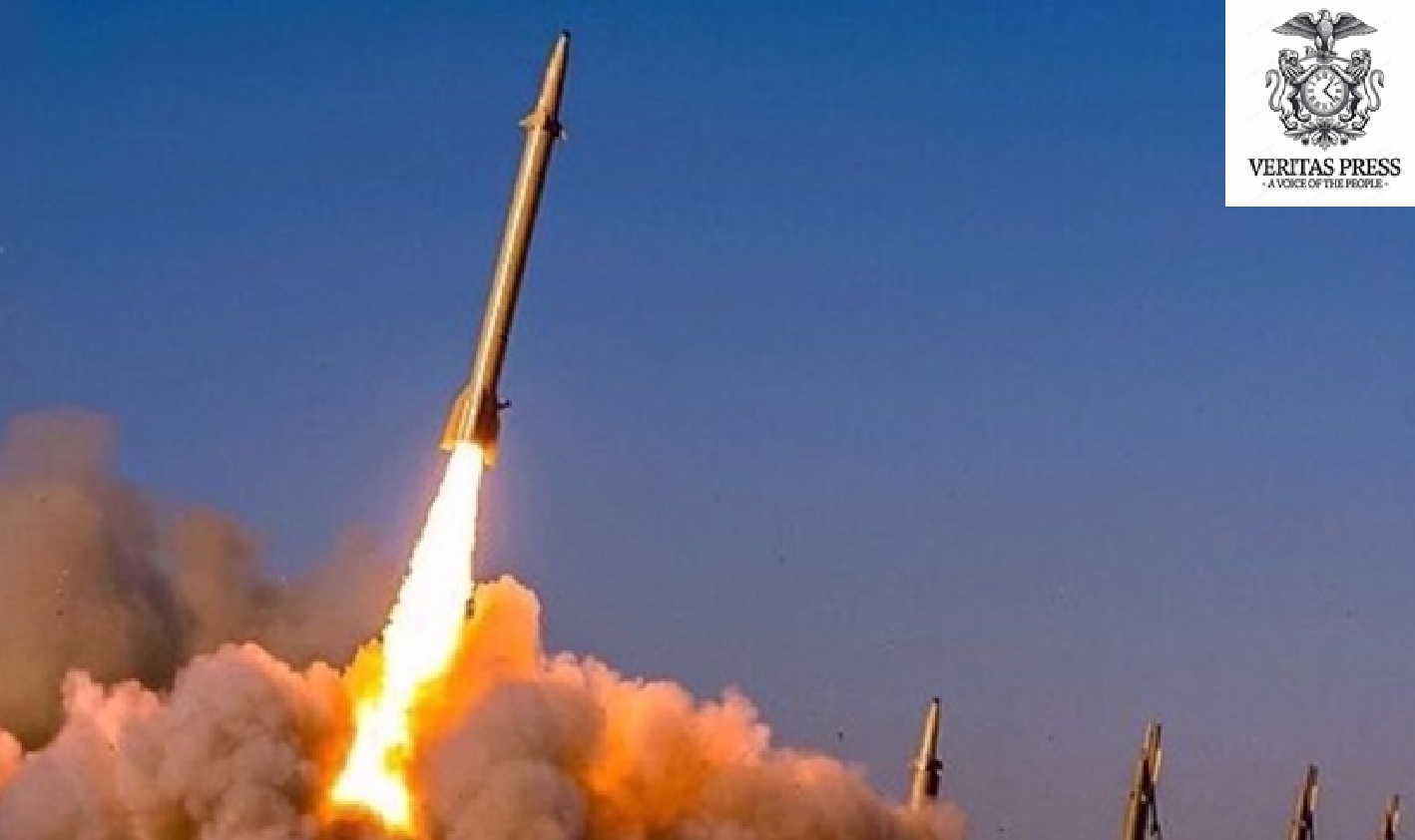
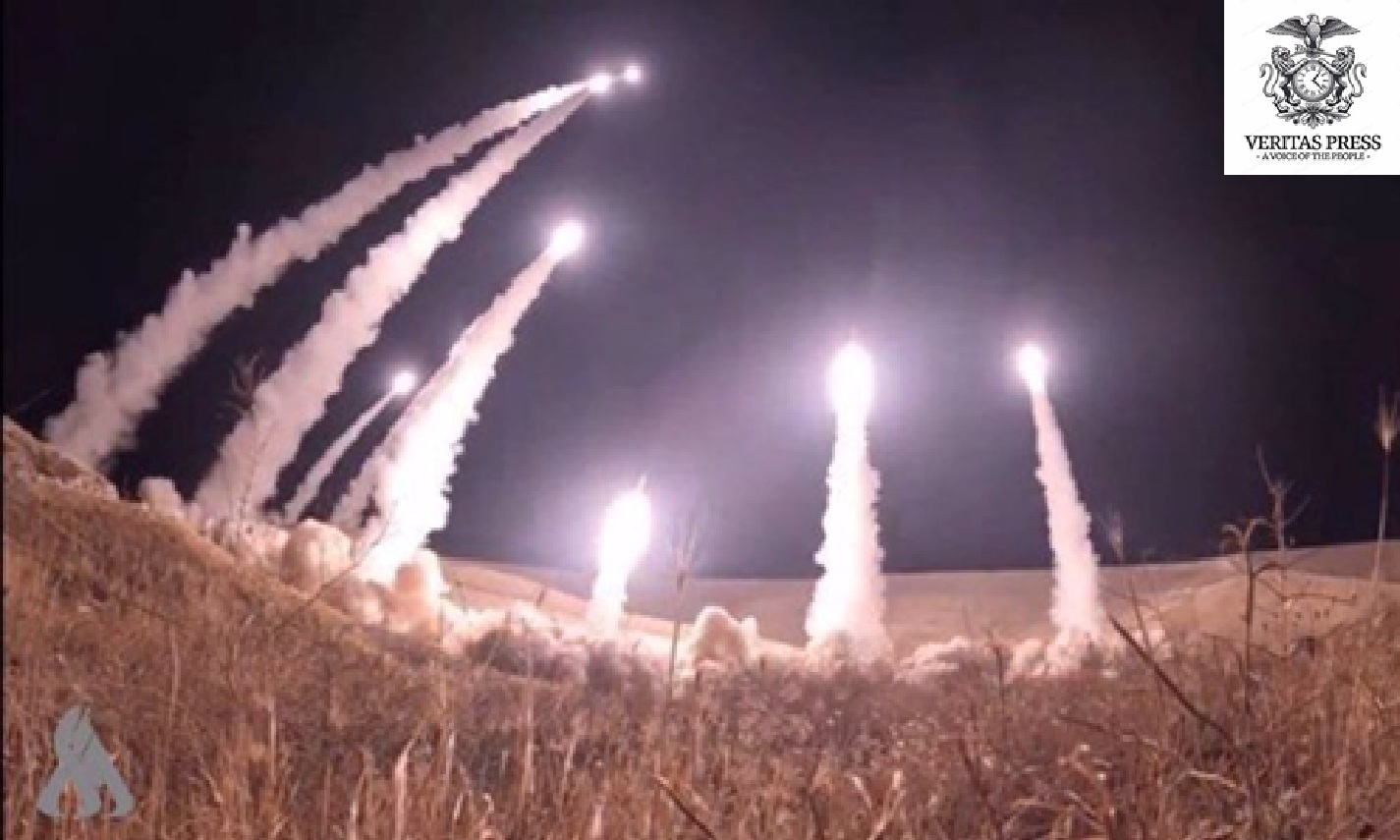
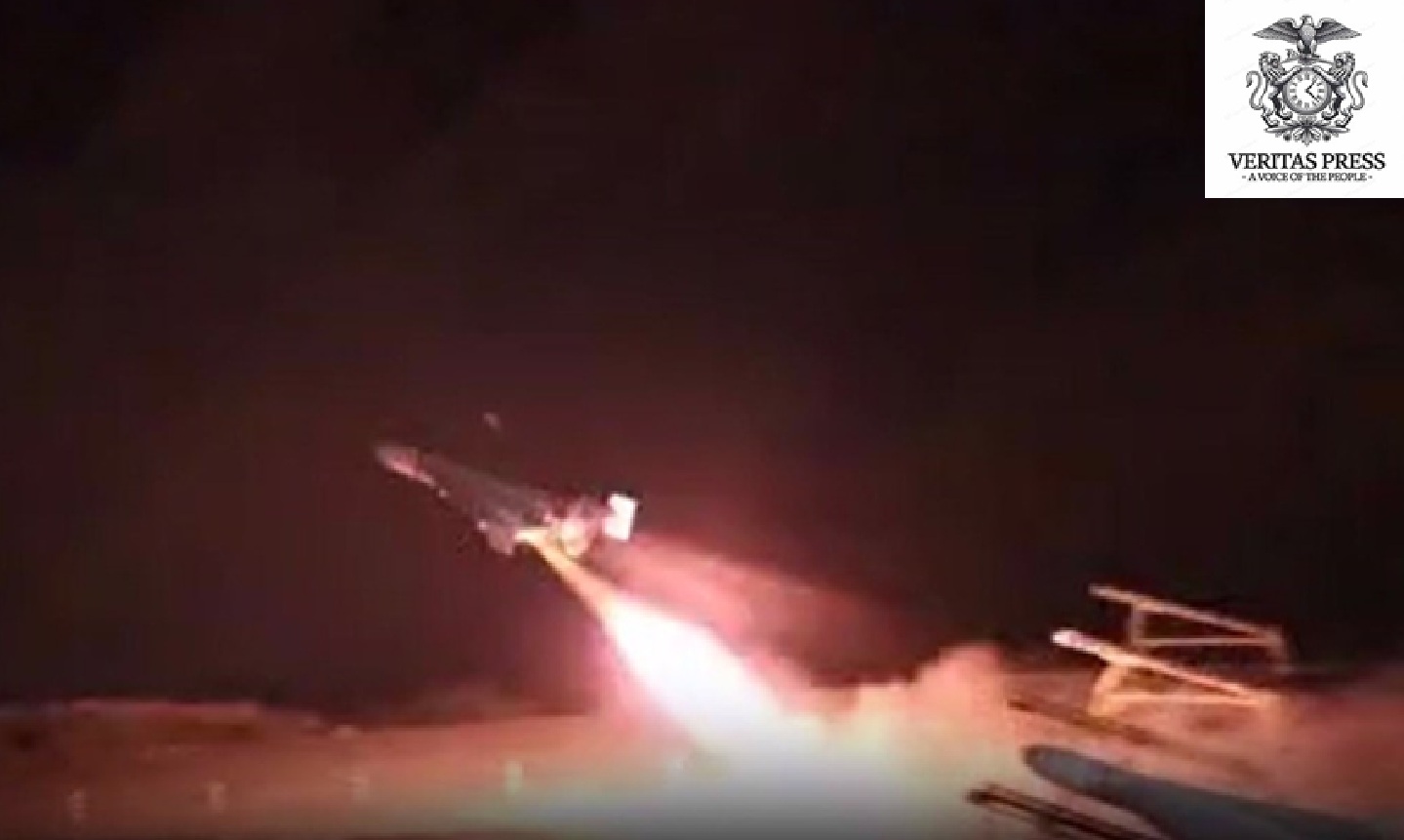
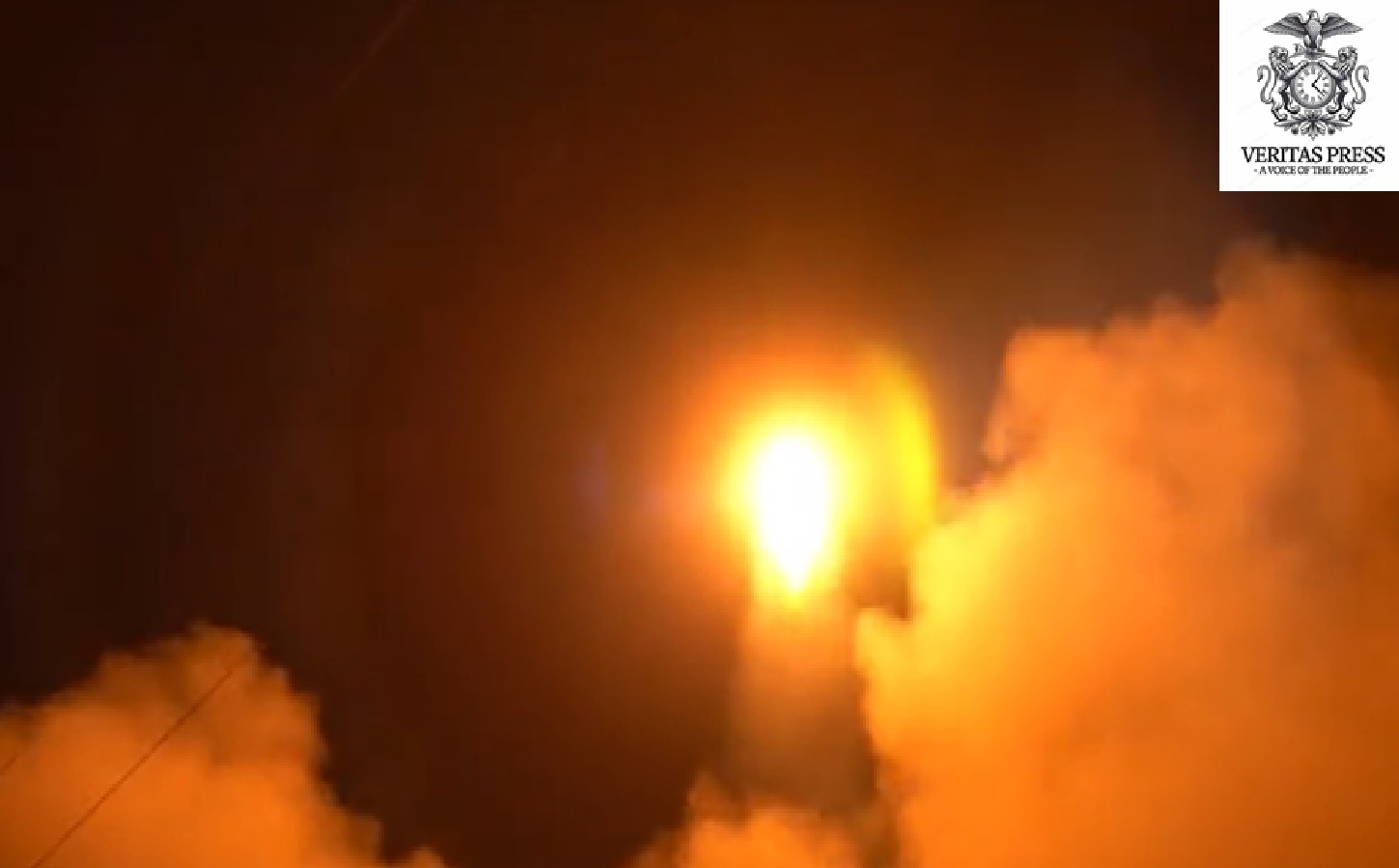
TEHRAN — In the predawn hours of Monday, the skies over the Middle East once again blazed with fire. The Islamic Revolution Guards Corps (IRGC) announced the launch of the 55th wave of its retaliatory operation, “True Promise 4,” marking a significant and sustained escalation in the ongoing conflict that erupted following the February 28 assassination of former Iranian Supreme Leader Ayatollah Seyed Ali Khamenei.
According to a statement from the IRGC’s Public Relations Office, cited by Iran’s Tasnim News Agency, this latest wave employed a devastating cocktail of hypersonic, precision-strike, and heavy missiles, including the Fattah, Emad, and Qadr, alongside destructive drones. The stated targets were twofold: aerospace military weapons production centres and aerial refuelling logistical installations deep inside the occupied territories, specifically in Tel Aviv and near Ben Gurion Airport.
Simultaneously, the IRGC claimed to have struck what it termed “centres of the American terrorist army” at three strategic locations: the Al Dhafra Airbase (UAE), the Juffair Naval Base (Bahrain), and the Sheikh Isa Airbase (Bahrain). For these strikes, the IRGC utilised medium-range, solid-fuel missiles such as the Fateh, Zolfaqar, and Dezful.
This is not a singular event but the latest chapter in a conflict that has fundamentally altered the geopolitical landscape of the Middle East. What began as a high-risk assassination operation by the U.S. and Israel has morphed into a multi-front war of attrition, testing the limits of Israel’s air defence, the United States’ regional base security, and Iran’s ability to project power across sovereign borders.
The Context: An Assassination That Ignited A War.
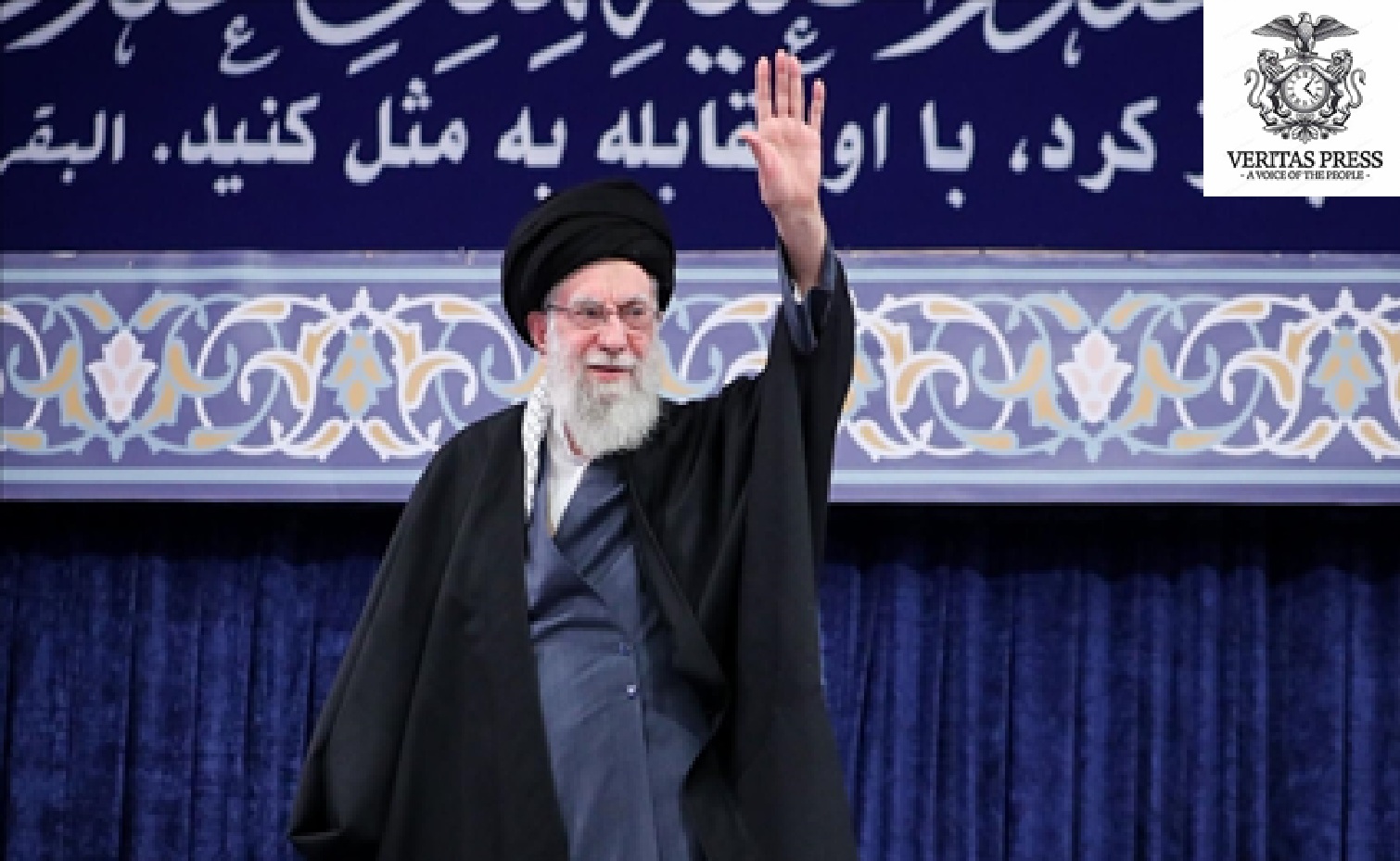
To understand the ferocity of the 55th wave, one must return to the spark. On February 28, a joint U.S.-Israeli operation launched a large-scale, unprovoked military campaign against Iran. The primary target was a high-level meeting at the residence of Supreme Leader Ayatollah Ali Khamenei. The strike succeeded in its mission, killing Khamenei, several top military commanders, and family members.
In a revelation that adds a profound layer of pathos to the conflict, Abdul Majid Hakeem Ilahi, a representative of the late Supreme Leader, recounted that Khamenei had refused multiple pleas from his aides to move to a bunker as tensions escalated. “Khamenei refused to move to a bunker unless there was a secure place for all 90 million Iranians,” Ilahi stated at a media event in New Delhi. This act of defiance, or profound solidarity, sealed his fate and transformed him from a political leader into a martyr for the Iranian cause.
The 55th Wave: A Tactical Analysis.
The “55th wave” designation is critical. It signifies a shift from the initial, massive barrages to a sustained, explosive campaign. Earlier waves, such as the 40th, were conducted in coordination with Hezbollah, targeting over 50 installations across Israel and American bases in Jordan and Saudi Arabia. The 51st wave focused on the Al Kharj Air Base in Saudi Arabia, a hub for U.S. F-35 and F-16 operations. The 52nd wave expanded the theatre to include the Al-Harir air base in Erbil, Iraq.
An investigative critique of this strategy reveals a multi-layered objective:
Saturation of Air Defences: By launching frequent waves, numbered sequentially for maximum psychological impact, Iran aims to deplete Israeli and U.S. interceptor missiles. A U.S. official recently confirmed that Israel’s stockpile of ballistic missile interceptors is approaching a “serious shortage,” a claim that, while denied by Israeli authorities, aligns with the emergency war procurement budget of approximately $827 million approved by the Israeli government.
Targeting Logistics, Not Just Symbols: The specific targeting of “aerial refuelling logistical installations” in the 55th wave is a sophisticated move. By striking these assets, Iran is attempting to degrade the range and loitering time of Israeli and U.S. aircraft, hindering their ability to conduct deep-strike missions into Iran.
Regional De-hyphenation: The simultaneous targeting of bases in the UAE and Bahrain serves a clear strategic message to Gulf states: there is no sanctuary. “The regional US security umbrella has proven to be full of holes and inviting rather than deterring trouble,” Iranian Foreign Minister Abbas Araghchi stated over the weekend, urging neighbouring states to “expel foreign aggressors”.
Voices From The Ground: Chaos And Defiance.
The reality of the “55th wave” on the ground in Israel was one of panic and destruction. Sirens blared continuously across central Israel. Yemen’s Saba News Agency, citing enemy media, reported “violent explosions and fires in Bnei Brak” and described shrapnel from Iranian missiles striking a building belonging to the U.S. consular residence in Israel.
In Tel Aviv, the “siren-to-siren life” has become the new normal. An Israeli resident of Holon, speaking to local Channel 12 after two people were lightly injured in his city from missile debris, described the scene: “We heard the Iron Dome interceptions, but then a massive boom. The building shook. We are used to rockets from Gaza, but this is different. This feels like a war on our homes, everywhere, all at once”.
Meanwhile, in Iran, the human cost of the initial U.S.-Israeli strikes is becoming clearer. The Iranian Red Crescent Society reports that more than 24,500 civilian structures have been damaged, including nearly 20,000 homes, 4,500 businesses, and 69 schools. The confirmed death toll from the February 28 aggression stands at 154, with hundreds more injured.
The IRGC has also alleged a shift in enemy tactics, accusing the U.S. and Israel of targeting civilian industrial zones. “Over the last 48 hours, civilian factories have been targeted, resulting in the deaths of a number of dear workers who were engaged in production and earning lawful sustenance were martyred while fasting,” the IRGC claimed, advising residents near factories with American shareholders to evacuate temporarily.
The International And Regional Reckoning:
The conflict has exposed deep geopolitical fractures and left regional allies in a precarious position. The Arab League initially condemned Iran’s missile attacks as violations of sovereignty. Saudi Arabia, in particular, strongly denounced what it called “treacherous Iranian aggression” after strikes hit its territory. Yet, the use of Prince Sultan Airbase and Al Kharj Airbase as staging grounds for U.S. jets has dragged Riyadh into the crosshairs, undermining its Vision 2030 economic diversification goals.
In a significant diplomatic shift, Syria, once a close Iranian ally, condemned Iran’s actions, signalling a pragmatic break by its new government to distance itself from the chaos.
Global powers are walking a tightrope. French President Emmanuel Macron held a phone conversation with Iranian President Masoud Pezeshkian on Sunday, warning that the escalation “risks dragging the entire Middle East into chaos.” Macron insisted that France’s military activities in the region are purely defensive, aimed at protecting its interests and ensuring freedom of navigation.
Professor Stefan Wolff, an international security expert at the University of Birmingham, offered a stark critique of the Western position. “There’s been general doubt expressed, quite vocally by several governments, about the legality of the war that Israel and the US started,” he told CGTN. “There are rules and regulations that say very clearly under what conditions force can be used. There’s absolutely no evidence that this war… was in any way legal.” He cautioned that European governments must exercise extreme caution “so that they do not get drawn into the war – that they do not become co-belligerents”.
The Nuclear Spectre And The Path Forward:
Amidst the missile duels, a more dangerous spectre looms. Iran’s nuclear facilities were damaged in the initial strikes. Foreign Minister Araghchi stated that nuclear materials are currently “buried under the rubble” and that Iran has no immediate plans to retrieve them. However, he noted that any future recovery would be under IAEA supervision.
This statement suggests that while Iran’s nuclear program has been physically set back, the political will to pursue its goals remains. For now, the battlefield is the primary arena.
As the 55th wave of “True Promise 4” recedes, the conflict shows no signs of abating. The IRGC has threatened Israeli Prime Minister Benjamin Netanyahu directly, stating that if he is “still alive, we will continue pursuing and killing him with full force”. The White House has yet to officially confirm the extent of the damage to its bases, but the message from Tehran is clear: the cost of the February 28 assassination will be paid in missiles, drones, and a new, protracted reality of war that respects no borders and offers no sanctuary.
Source: Multiple News Agencies
Submissions:
For The Secure Submission Of Documentation, Testimonies, Or Exclusive Investigative Reports From Any Global Location, Please Utilise The Following Contact Details For Our Investigations Desk: enquiries@veritaspress.co.uk or editor@veritaspress.co.uk
Help Support Our Work:
Popular Information is powered by readers who believe that truth still matters. When just a few more people step up to support this work, it means more lies exposed, more corruption uncovered, and more accountability where it’s long overdue.
Help Protect Independent Journalism, Which Is Currently Under Attack.
If you believe journalism should serve the public, not the powerful, and you’re in a position to help, becoming a DONATOR or a PAID SUBSCRIBER truly makes a difference.
DONATION APPEAL: If You Found This Reporting Valuable, Please Consider Supporting Independent Journalism.
Help Support Our Work – We Know, We Know, We Know …
Seeing these messages is annoying. We know that. (Imagine what it’s like writing them … )
Your support fuels our fearless, truth-driven journalism. In unity, we endeavour to amplify marginalised voices and champion justice, irrespective of geographical location.
But it’s also extremely important. One of Veritas Press’s greatest assets is its reader-funded model.
1. Reader funding means we can cover what we like. We’re not beholden to the political whims of a billionaire owner. We are a small, independent and impartial organisation. No one can tell us what not to say or what not to report.
2. Reader funding means we don’t have to chase clicks and traffic. We’re not desperately seeking your attention for its own sake: we pursue the stories that our editorial team deems important and believe are worthy of your time.
3. Reader Funding: enables us to keep our website and other social media channels open, allowing as many people as possible to access quality journalism from around the world, particularly those in places where the free press is under threat.
We know not everyone can afford to pay for news, but if you’ve been meaning to support us, now’s the time.
Your donation goes a long way. It helps us:
Keep the lights on and sustain our day-to-day operations
Hire new, talented independent reporters
Launch real-time live debates, community-focused shows, and on-the-ground reporting
Cover the issues that matter most to our communities, in real time, with depth and integrity
We have plans to expand our work, but we can’t do it without your support. Every contribution, no matter the size, helps us stay independent and build a truly people-powered media platform.
If you believe in journalism that informs, empowers, and reflects the communities we serve, please donate today.
Kamran Faqir is a volunteer investigative journalist and writer committed to exposing hidden truths and amplifying underreported stories. Driven by social justice, he brings sharp insight and fearless truth-telling to independent journalism. NUJ registered.
SEATTLE, TEHRAN — The U.S. Department of Homeland Security (DHS) will allow Iran’s national football team to enter the country 48 hours before their critical World Cup match against Egypt on Friday, a modest concession in a tournament where Team Melli’s travel conditions have sparked claims of oppression and competitive disadvantage.