Kamran Faqir is a volunteer investigative journalist and writer committed to exposing hidden truths and amplifying underreported stories. Driven by social justice, he brings sharp insight and fearless truth-telling to independent journalism. NUJ registered.
Original Article Date Published:
Article Date Modified:
9 minutes
Views:398
Listen to this article
Help support our mission, donate today and be the change. Every contribution goes directly toward driving real impact for the cause we believe in.
LONDON, UK – As the US-Israeli campaign against Iran enters its second week, a chilling statistic has sent shockwaves through Westminster and British industry: the United Kingdom now has less than 48 hours’ worth of natural gas in storage. At 6,999 gigawatt hours (GWh), a dramatic drop from 9,105 GWh this time last year, Britain’s reserves are a fraction of what its European neighbours hold. While officials scramble to project calm, a deeper investigation reveals a systemic vulnerability years in the making, now brutally exposed by the closure of the Strait of Hormuz and the first major energy war of the 2020s.
The ‘Just-in-Time’ Gamble:
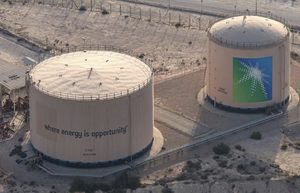
The raw data from National Gas paints a stark picture. With a maximum capacity equivalent to roughly 12 days of winter demand, current levels suggest the UK is operating on a hair-trigger. However, both government and industry insiders are keen to frame the narrative not around what is stored, but what is flowing.
A National Gas spokesperson insisted to this publication that the figures are misleading out of context. “Britain’s gas storage levels are broadly in line with what we would expect at this point in the year,” they said. “It’s important to remember that storage makes up only a small part of Britain’s diverse gas supply mix. Most of our gas comes from the UK continental shelf and Norway”.
A Department for Energy Security and Net Zero spokesperson echoed this, calling the two-day figure “categorically untrue” as a measure of total supply. “We have a diverse energy mix and are confident in our security of supply,” they added.
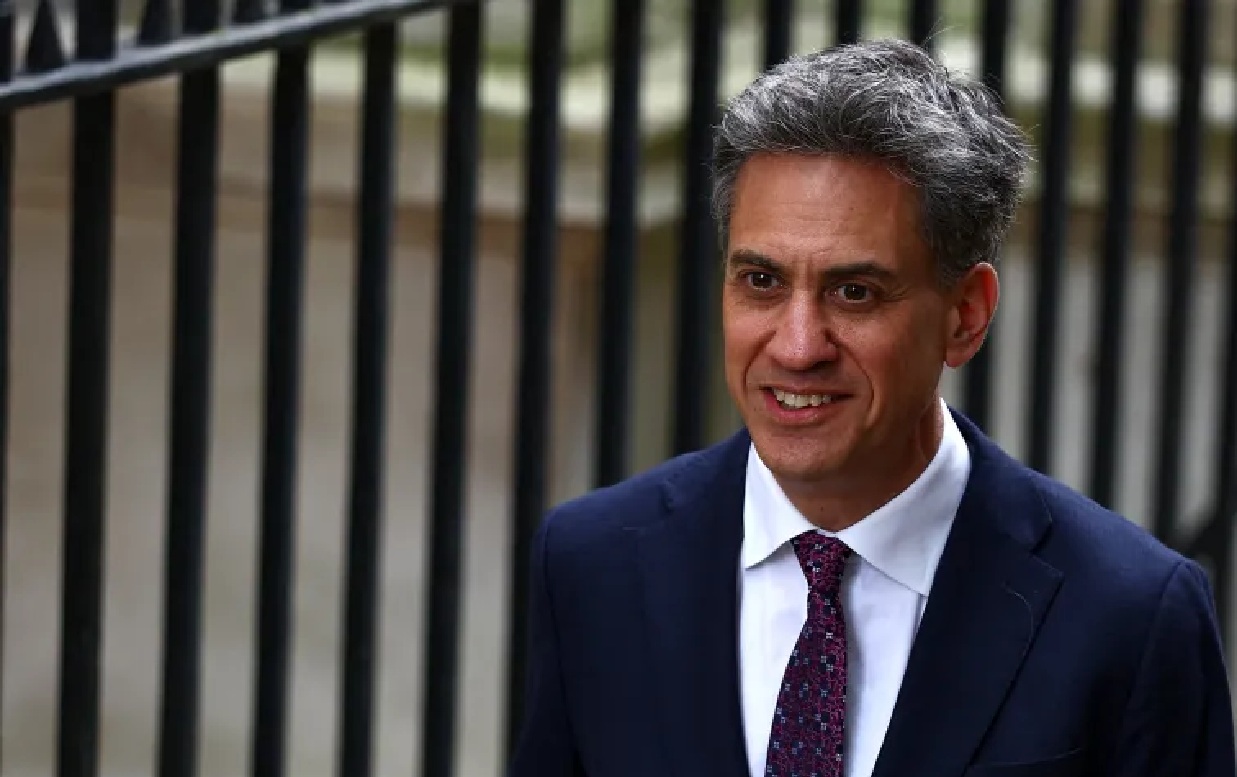
Yet, this “diverse mix” relies heavily on the smooth functioning of global markets, a luxury that has evaporated. The war has effectively transformed the energy system from a resilient grid into a just-in-time supply chain, vulnerable to the slightest geopolitical tremor. Cabinet Minister Steve Reed attempted to soothe public fears on Monday, telling Times Radio there is “no immediate threat” and that supplies from the North Sea remain stable. But stability at the wellhead means little if the tankers stop coming.
The Hormuz Effect: From Diversion To Disaster.
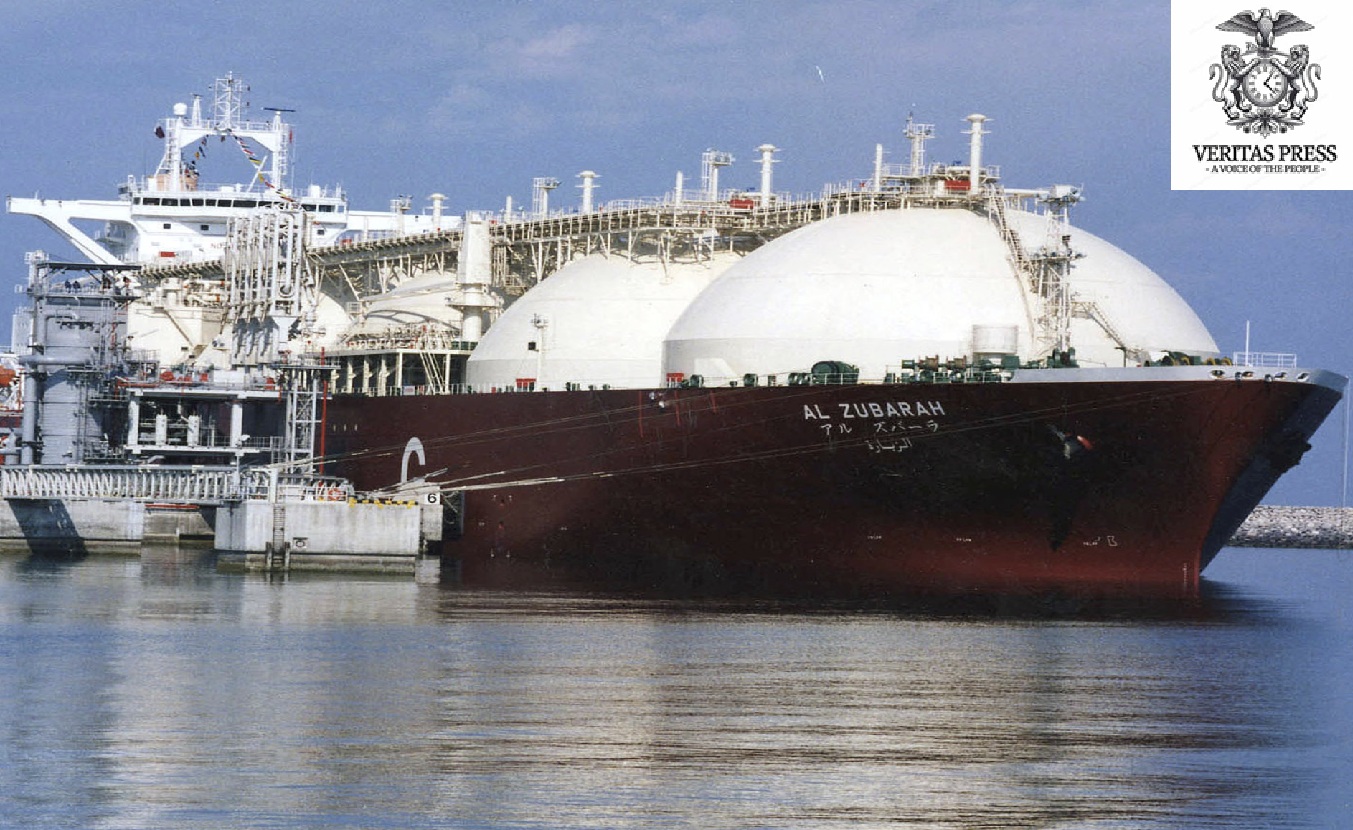
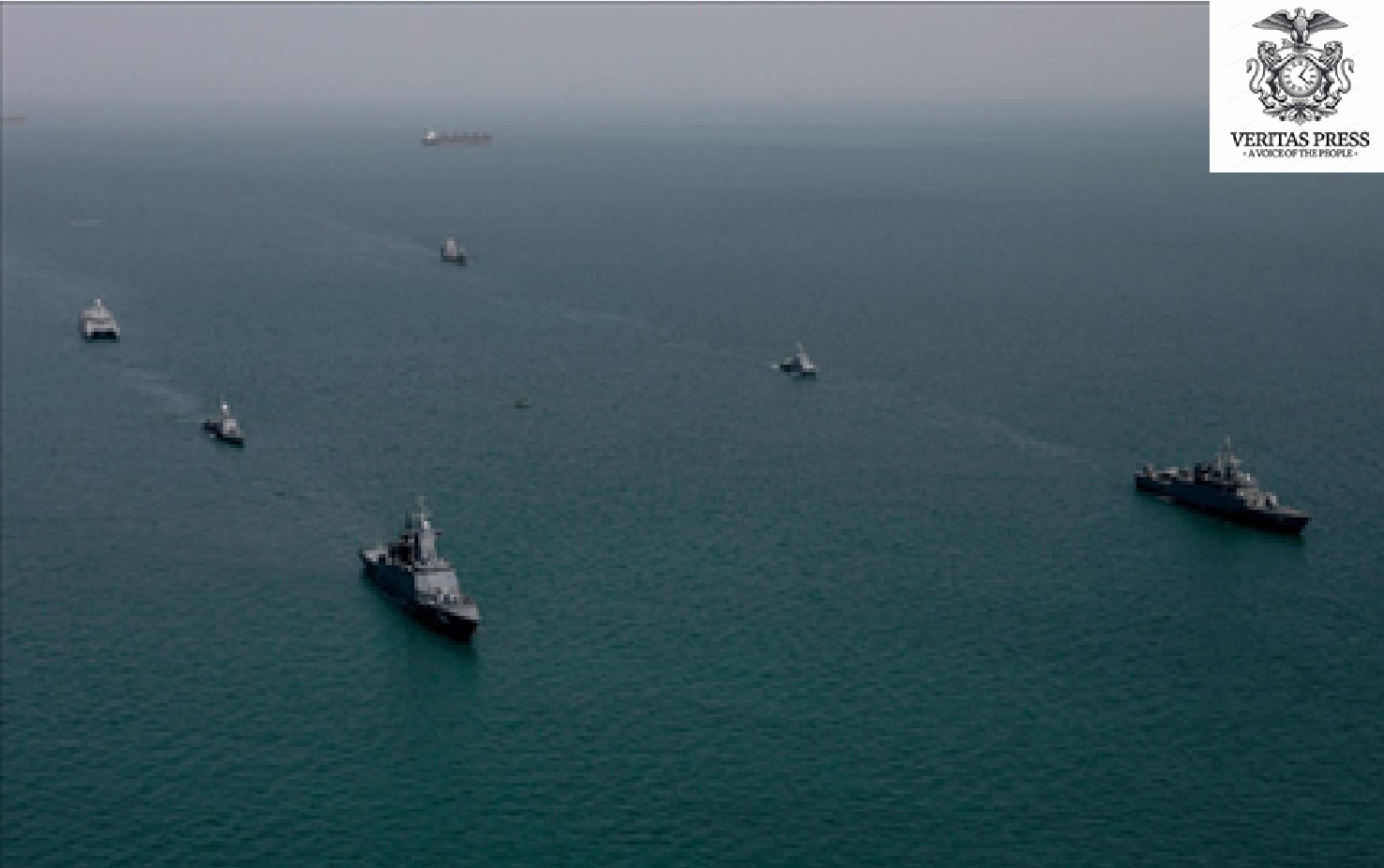
The immediate trigger for the current panic is the near-total closure of the Strait of Hormuz. Following the breakdown of nuclear negotiations, which analysts now describe as a diplomatic mirage, Iran’s Revolutionary Guard made good on threats to “set ablaze” Western tankers. The result has been a physical blockade of the chokepoint through which 20% of the world’s liquefied natural gas (LNG) flows.
Unlike the Red Sea crisis of 2023-24, which merely delayed shipments, the closure of Hormuz constitutes a “resource (resource cut-off) event, as described in analysis from Chinese energy experts. Ships aren’t just sailing around a problem; the source itself has been capped. Qatar, the world’s LNG giant, has been hit hardest. State-owned QatarEnergy confirmed it suspended production at the massive Ras Laffan facility, the world’s largest, following Iranian bombardment.
This has triggered a desperate game of global arbitrage. Ship-tracking data compiled by Bloomberg shows at least five tankers originally bound for Europe have been redirected mid-Atlantic towards Asia, where buyers are paying a premium to replace lost Qatari supply.
Natasha Fielding, head of gas pricing at Argus Media, explained the knock-on effect for Britain. “The price of gas in the UK has increased by more than almost anywhere in Europe,” she told The Standard. “The UK gas hub price is now above the Dutch TTF all the way from now until the end of May. Before this week, the UK was priced below the EU”. She added that Britain’s meagre stockpiles leave it “more exposed to price spikes” because “we can’t rely on withdrawing more from storage, so we have to get that gas from abroad”.
The Price Of Exposure: Households In The Crosshairs.
For British households still nursing the wounds of the 2022 cost-of-living crisis, the abstract movement of tankers translates into very concrete pain. Wholesale prices have nearly doubled since the conflict began, with month-ahead gas soaring to 137p a therm from 78.5p.
The impact is already being calculated. Just days after Ofgem confirmed a £117 drop in the price cap for April, analysts at Cornwall Insight have revised their July forecast upwards by £160, potentially pushing the average annual bill to £1,801.
Dr. Craig Lowrey of Cornwall Insight warned that this spike “puts the role of wholesale markets firmly back in the spotlight and illustrates how exposed UK households remain to international market movements”.
Professor Mohamed El-Erian of the University of Pennsylvania painted an even bleaker picture for the average person, who he said will “get hit from multiple sides.” Appearing on BBC Radio 4’s Today programme, he explained that this isn’t just about heating bills. Higher energy prices will translate into higher mortgage rates and “noticeable increases in a broad range of goods and services because of supply chain disruptions”.
This is compounded by a legacy of debt. Even before the current crisis, household energy arrears were projected to hit £7 billion by the end of 2026, adding a hidden surcharge of roughly £50 to every bill just to cover bad debt. Simon Francis, coordinator of the End Fuel Poverty Coalition, warned that if elevated prices persist, “the only lasting protection for households is to cut gas demand through a nationwide insulation programme, expand homegrown renewables and reform energy pricing”.
An Investigative Critique: The Reckless Decade.
The current crisis did not emerge from a vacuum; it is the culmination of a decade of political choices that prioritised market forces over strategic resilience. The UK’s storage capacity was effectively gutted in 2017 when the Conservative government declined to subsidise the closure of the Rough facility, the country’s largest storage site. Once providing 70% of UK storage, Rough was mothballed, transforming Britain from a nation with weeks of reserve to one dependent on short-term market transactions.
A National Gas spokesperson admitted last month that systemic change, including “declining North Sea production, increased reliance on imports and shifting demand patterns”, was creating new challenges. CEO Jon Butterworth called it a “defining moment for Britain’s energy security”. But for critics, it is a moment that was entirely foreseeable.
Green groups and energy security experts have long warned against over-reliance on volatile global LNG markets. The decision to let storage wither was a bet that globalisation would smooth out supply. That bet has now been called in by the most volatile geopolitical climate since the Cold War.
The Geopolitical Vacuum:
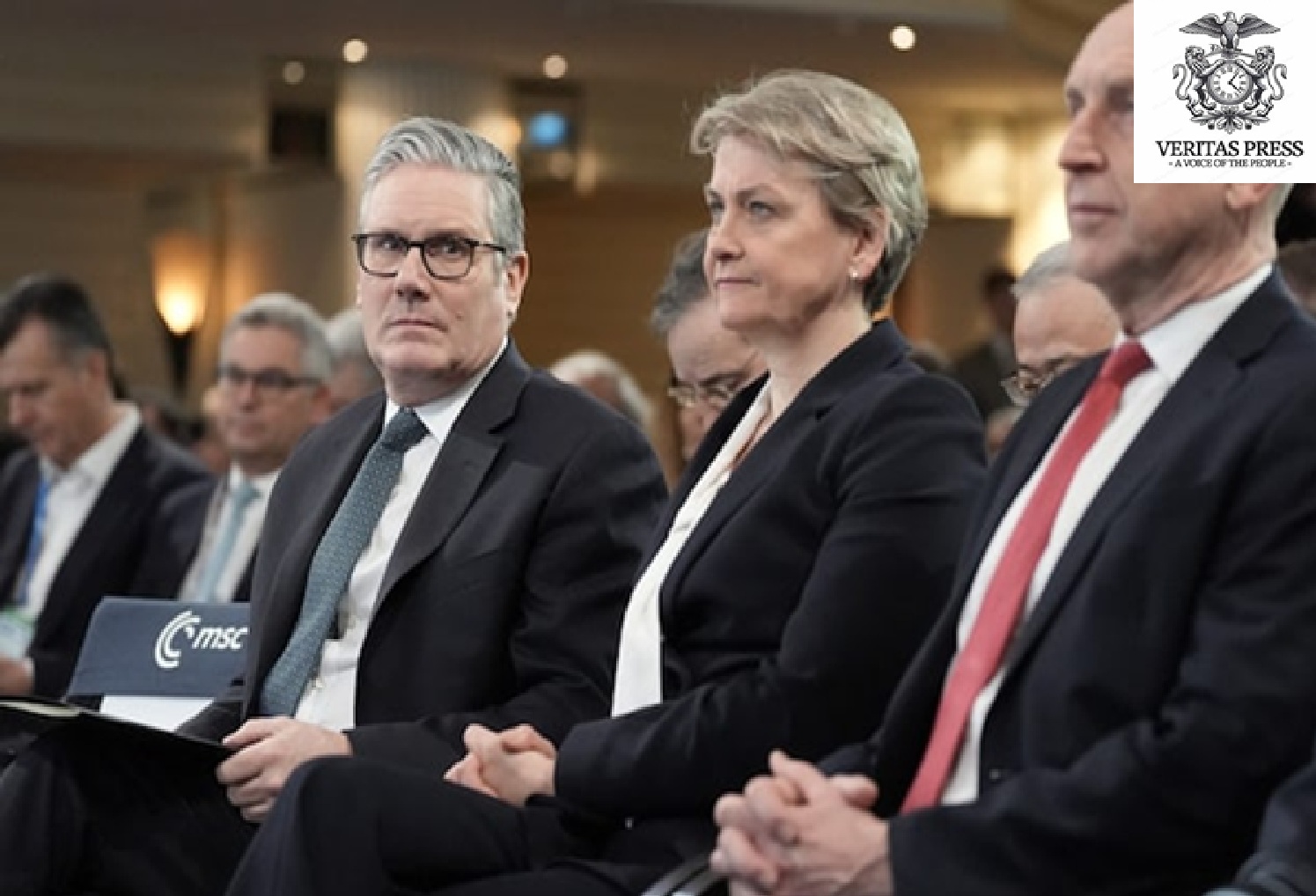
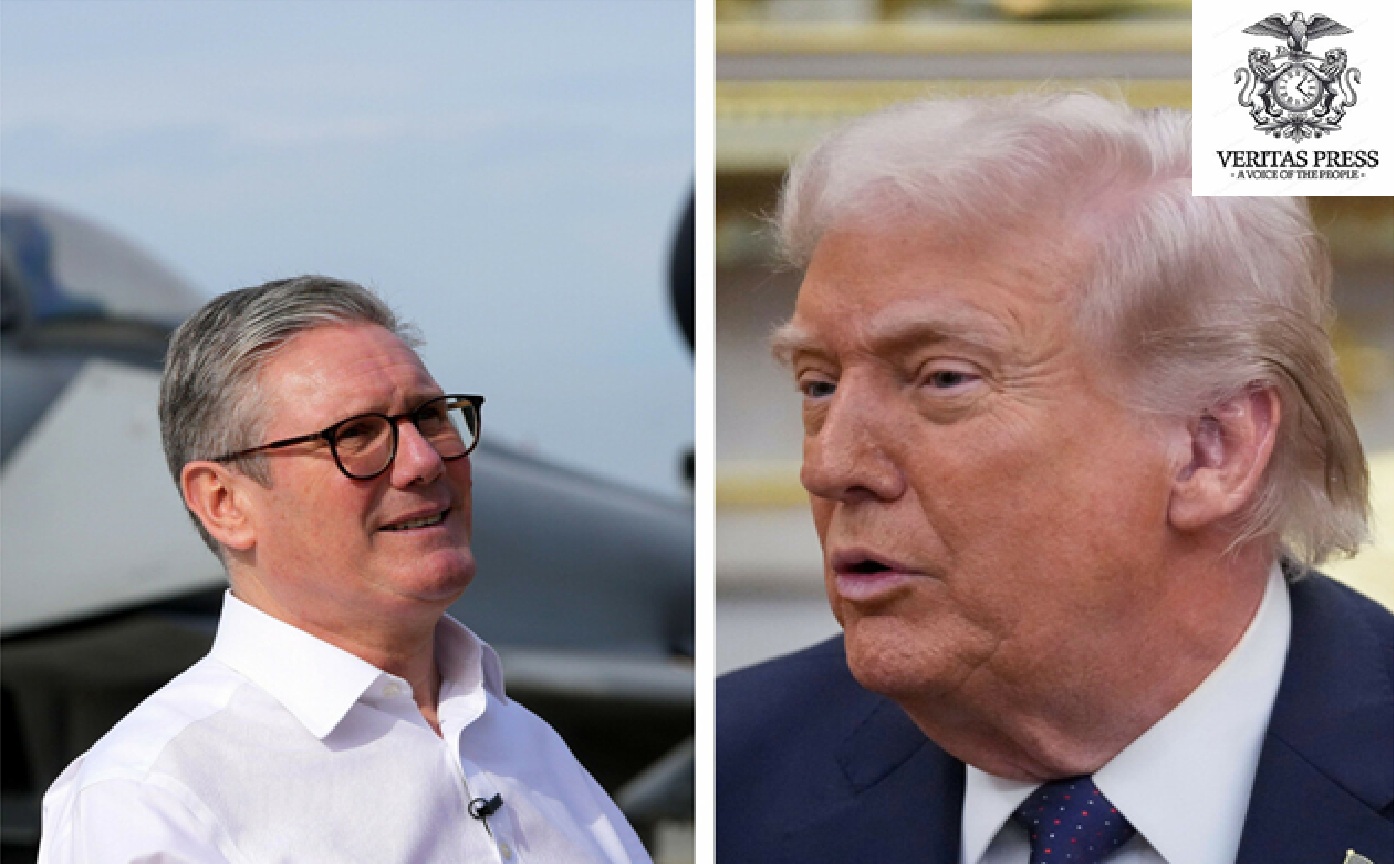
The government’s response has been to point to the diversity of supply and issue reassuring statements. But on the international stage, the UK appears isolated. Prime Minister Keir Starmer faces criticism from multiple fronts. Donald Trump, now in the throes of a major Middle East war, publicly rebuked the UK leader, stating, “We don’t need people that join Wars after we’ve already won,” a comment reportedly linked to the UK’s slow deployment of naval assets to the region.
Meanwhile, the diplomatic track lies in ruins. Analysts suggest that US Special Envoy Steve Witkoff’s demand for “full capitulation” from Iran during nuclear talks made conflict inevitable. Trita Parsi of the Quincy Institute noted, “Trump thought that his war would be over by Monday morning,” a miscalculation that has led to a widening “quagmire”. With Supreme Leader Ali Khamenei killed in the initial strikes and a new leadership council formed in Tehran, the conflict shows no signs of abating.
Conclusion:
Great Britain is not, as the government insists, about to run out of gas. Pipeline links to Norway and the dwindling output of the North Sea ensure the lights will stay on for now. But the country has entered a new era of energy insecurity. It is paying the highest prices in Europe, watching LNG tankers sail past its shores towards Asia, and has virtually no buffer against the next shock.
The two-day reserve is not just a statistic; it is a measure of strategic vulnerability. As the Strait of Hormuz remains closed and the Middle East burns, the UK is learning a hard lesson: you cannot heat homes with talking points about diversity of supply. You need gas in the ground.
Source: Multiple News Agencies
Submissions:
For The Secure Submission Of Documentation, Testimonies, Or Exclusive Investigative Reports From Any Global Location, Please Utilise The Following Contact Details For Our Investigations Desk: enquiries@veritaspress.co.uk or editor@veritaspress.co.uk
Help Support Our Work:
Popular Information is powered by readers who believe that truth still matters. When just a few more people step up to support this work, it means more lies exposed, more corruption uncovered, and more accountability where it’s long overdue.
Help Protect Independent Journalism, Which Is Currently Under Attack.
If you believe journalism should serve the public, not the powerful, and you’re in a position to help, becoming a DONATOR or a PAID SUBSCRIBER truly makes a difference.
DONATION APPEAL: If You Found This Reporting Valuable, Please Consider Supporting Independent Journalism.
Help Support Our Work – We Know, We Know, We Know …
Seeing these messages is annoying. We know that. (Imagine what it’s like writing them … )
Your support fuels our fearless, truth-driven journalism. In unity, we endeavour to amplify marginalised voices and champion justice, irrespective of geographical location.
But it’s also extremely important. One of Veritas Press’s greatest assets is its reader-funded model.
1. Reader funding means we can cover what we like. We’re not beholden to the political whims of a billionaire owner. We are a small, independent and impartial organisation. No one can tell us what not to say or what not to report.
2. Reader funding means we don’t have to chase clicks and traffic. We’re not desperately seeking your attention for its own sake: we pursue the stories that our editorial team deems important and believe are worthy of your time.
3. Reader Funding: enables us to keep our website and other social media channels open, allowing as many people as possible to access quality journalism from around the world, particularly those in places where the free press is under threat.
We know not everyone can afford to pay for news, but if you’ve been meaning to support us, now’s the time.
Your donation goes a long way. It helps us:
Keep the lights on and sustain our day-to-day operations
Hire new, talented independent reporters
Launch real-time live debates, community-focused shows, and on-the-ground reporting
Cover the issues that matter most to our communities, in real time, with depth and integrity
We have plans to expand our work, but we can’t do it without your support. Every contribution, no matter the size, helps us stay independent and build a truly people-powered media platform.
If you believe in journalism that informs, empowers, and reflects the communities we serve, please donate today.
Kamran Faqir is a volunteer investigative journalist and writer committed to exposing hidden truths and amplifying underreported stories. Driven by social justice, he brings sharp insight and fearless truth-telling to independent journalism. NUJ registered.
SEATTLE, TEHRAN — The U.S. Department of Homeland Security (DHS) will allow Iran’s national football team to enter the country 48 hours before their critical World Cup match against Egypt on Friday, a modest concession in a tournament where Team Melli’s travel conditions have sparked claims of oppression and competitive disadvantage.