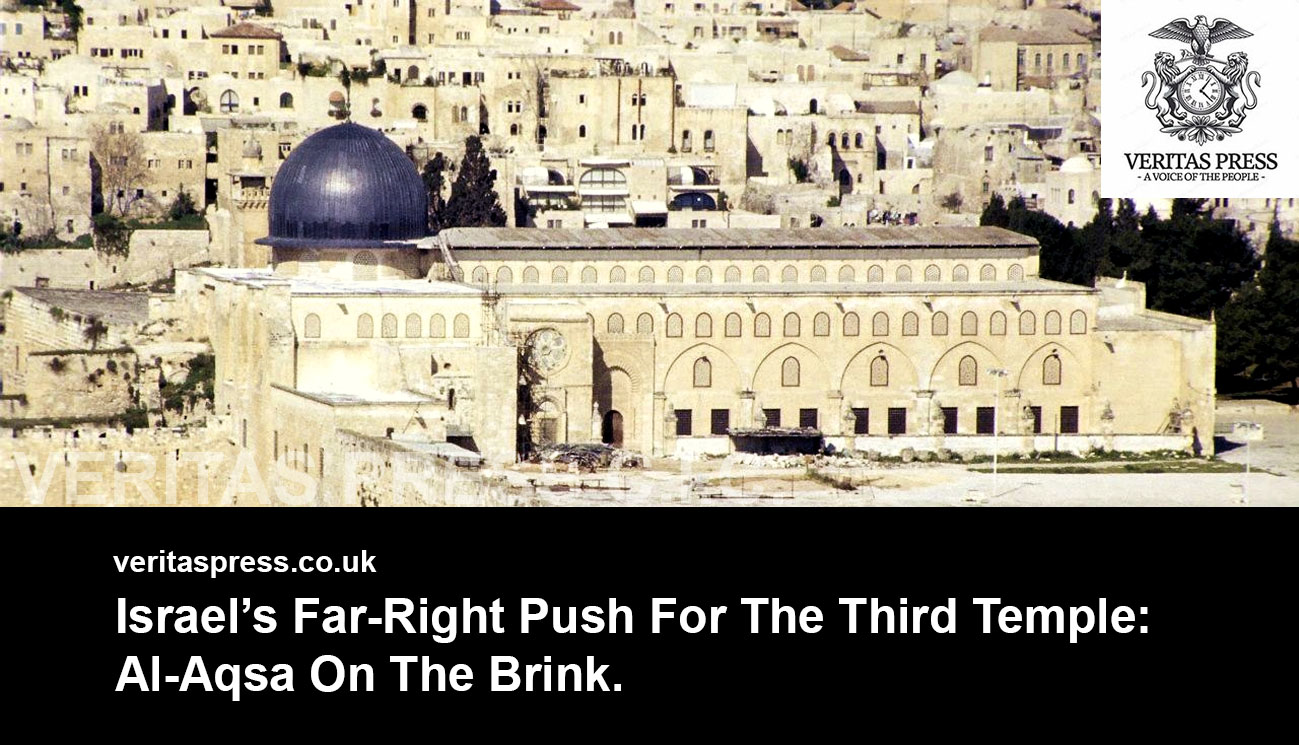
JERUSALEM, THIRD TEMPLE: ‘Red Lines Crossed’ – Inside The Far-Right Push To Sacrifice At Al-Aqsa And The Creeping Annexation Of Jerusalem Under Cover Of War.
JERUSALEM, THIRD TEMPLE: ‘Red Lines Crossed’ – Inside The Far-Right Push To Sacrifice At Al-Aqsa And The Creeping Annexation Of Jerusalem Under Cover Of War.
Kamran Faqir is a volunteer investigative journalist and writer committed to exposing hidden truths and amplifying underreported stories. Driven by social justice, he brings sharp insight and fearless truth-telling to independent journalism. NUJ registered.
Original Article Date Published:
Original Date Modified:
11 minutes
Views:343
Listen to this article
Help support our mission, donate today and be the change. Every contribution goes directly toward driving real impact for the cause we believe in.
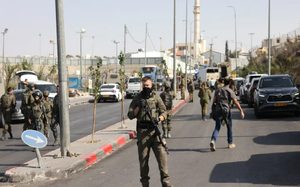
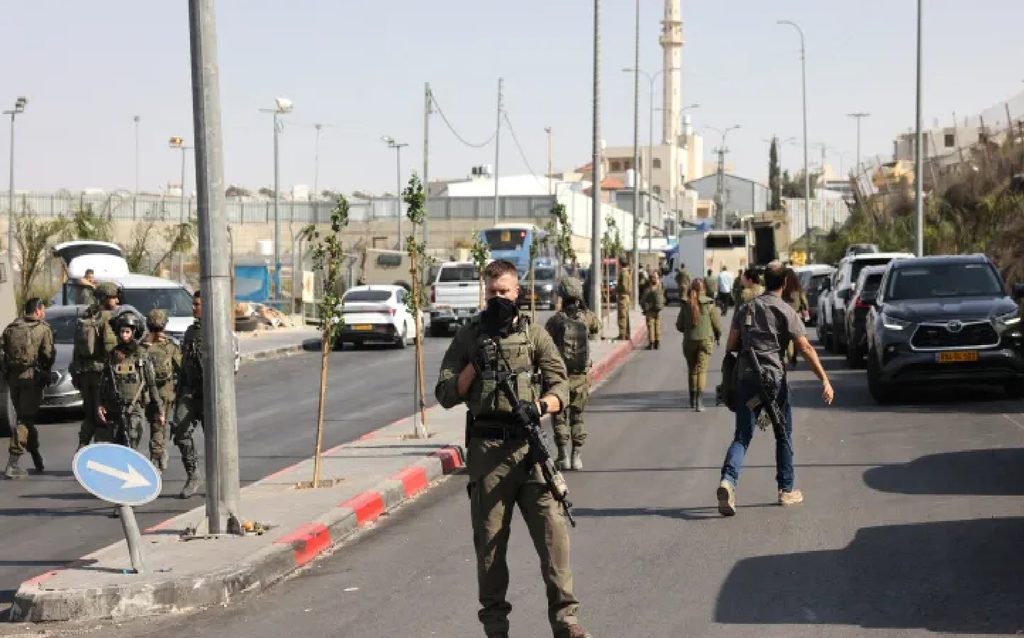
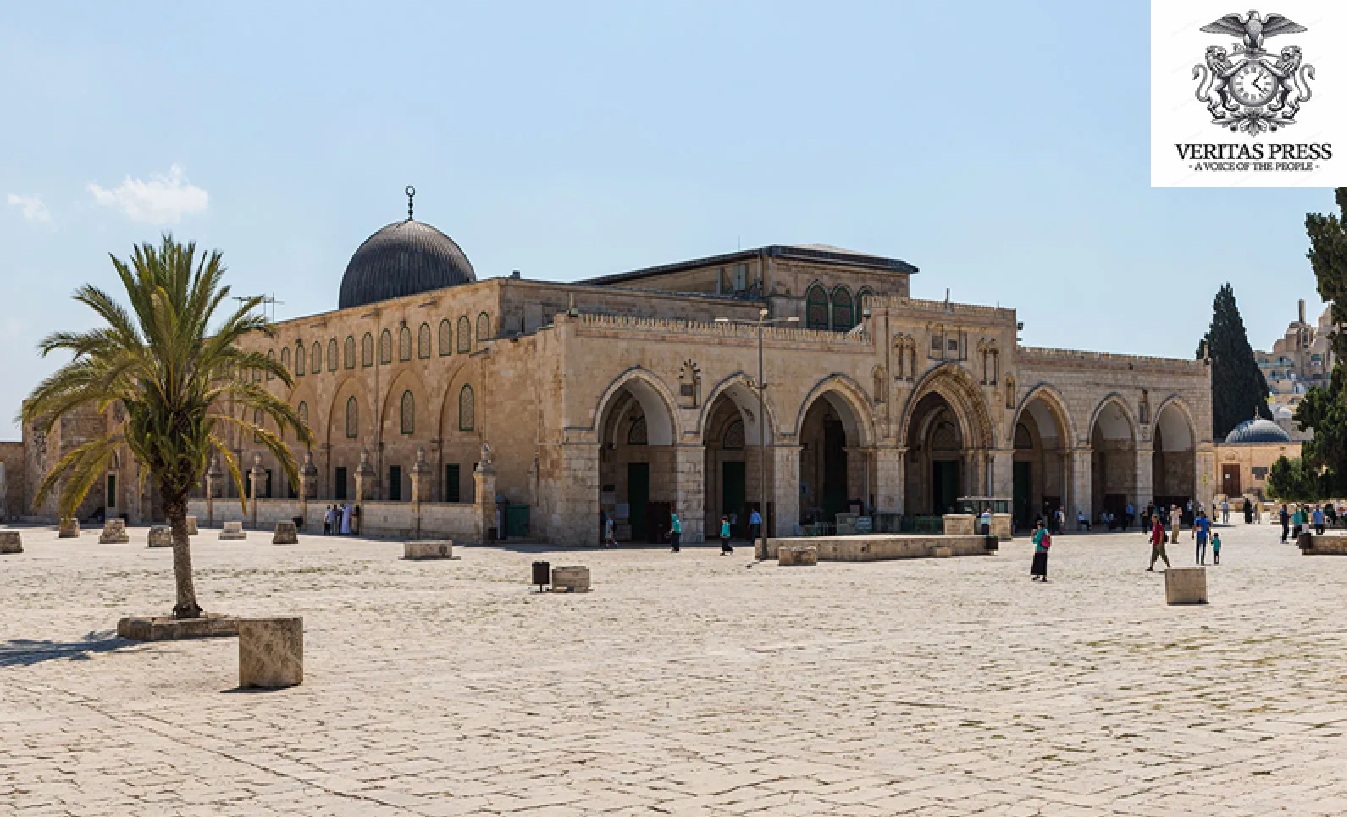
JERUSALEM — In the narrow, winding streets of the Old City, the silence is deafening. For the ninth consecutive day, the metallic clang of iron gates being pulled shut at the entrances to Al-Aqsa Mosque has replaced the soft hum of dawn prayers. For the first time since the 1967 occupation, the Israeli police have officially barred Muslims from performing Taraweeh prayers during the last, most sacred ten days of Ramadan, a move experts describe not as a security measure, but as “an act of war waged with soft power.”
Under the cover of a regional conflagration involving Iran, and with the world’s gaze fixed elsewhere, a dual campaign is unfolding in occupied East Jerusalem and the West Bank. On one front, extremist “Temple” groups, emboldened by key appointments within the Israeli security apparatus, are accelerating a messianic drive to impose the Passover sacrifice inside the Al-Aqsa Mosque compound. On the other hand, the Israeli military and settlers are exploiting the “state of emergency” to accelerate land grabs and military closures, pushing Palestinians toward forced displacement at a rate not seen in years.
The ‘Red Heifer’ Moment: Provocation As Policy.
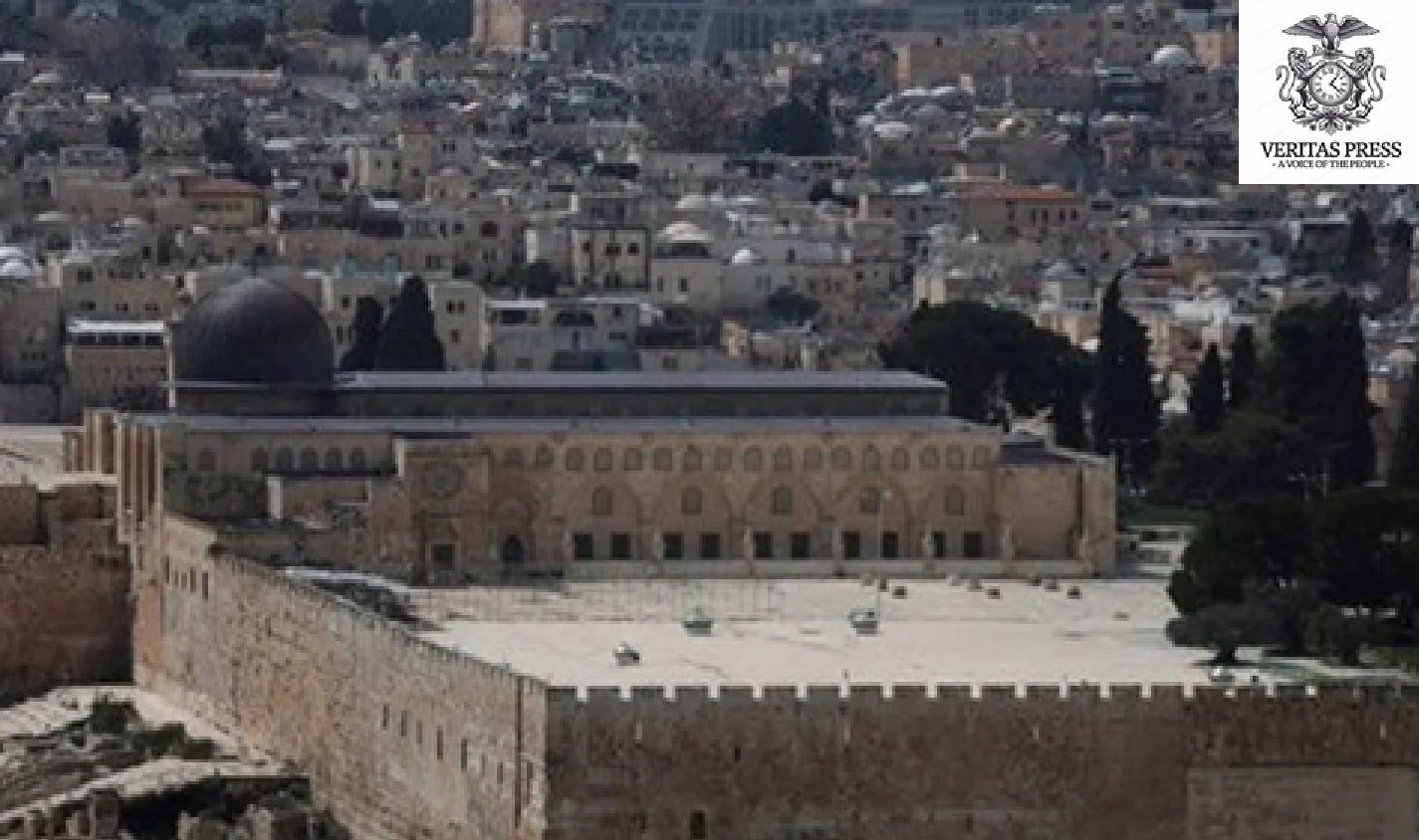
The campaign to “sacrifice” on the Haram al-Sharif (Temple Mount) has moved from fringe provocation to a tangible threat backed by institutional support. The Jerusalem Governorate has documented a disturbing leap in the sophistication of these efforts. Elkana Wolfson, of the so-called “Temple Mount Religious School,” recently released an AI-generated video advertisement depicting a sacrificial feast where the Al-Aqsa Mosque once stood, aiming to normalise the idea of the “Third Temple” in the public consciousness.
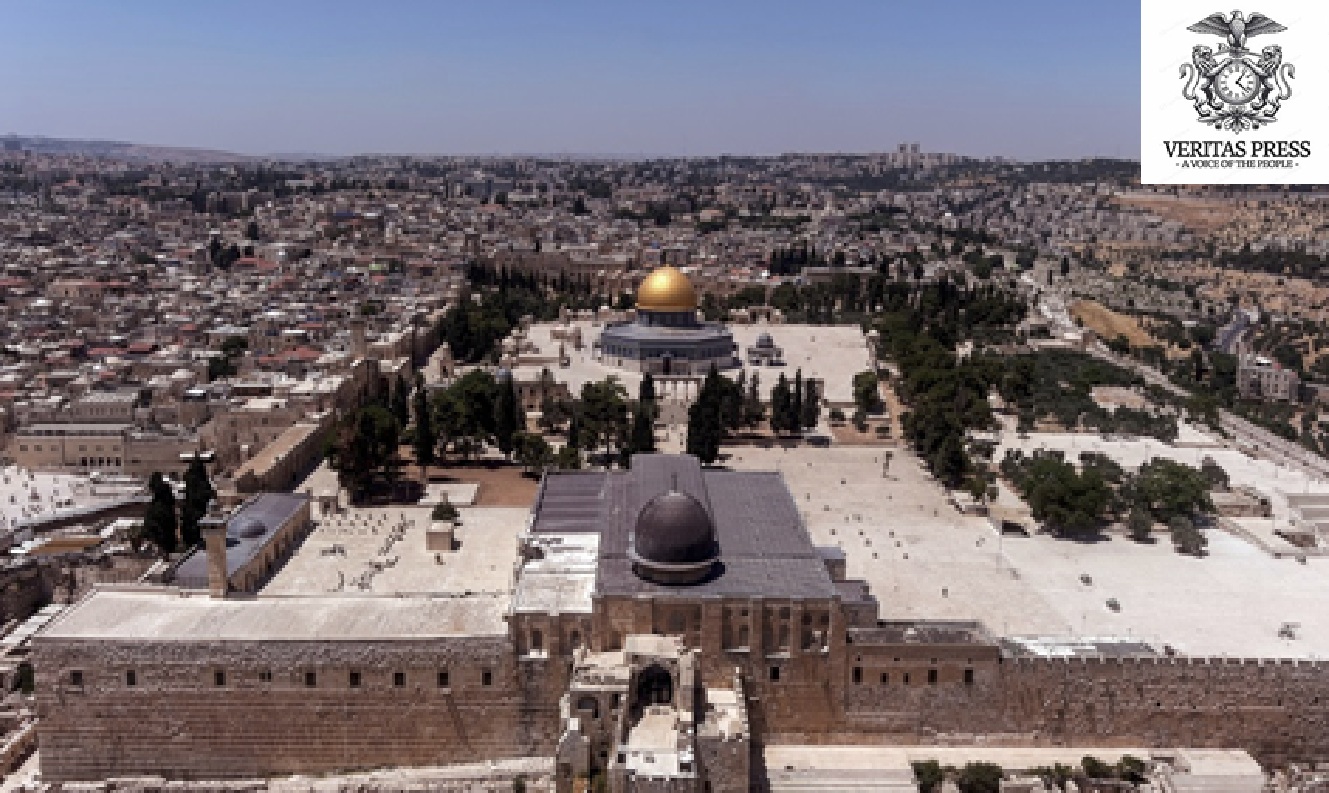
But it is the statement from the so-called “Temple Institute” that has raised the highest alarm. The group published an image of an animal sacrifice feast set against the backdrop of the Dome of the Rock, featuring a constructed religious altar. The accompanying caption read: “Establishing the temple within one month may be difficult, but building the altar and renewing the sacrifice is certainly possible.”
This is not merely rhetoric. It is a strategic roadmap. “They are testing the waters. Last year, they tried to bring in small animals and even pieces of slaughtered meat. This year, they are preparing the religious infrastructure and the public mindset,” said a local activist in Jerusalem who requested anonymity for fear of retaliation. “The goal is to create a reality where the sacrifice becomes a ‘tradition’ enforced by the police.”
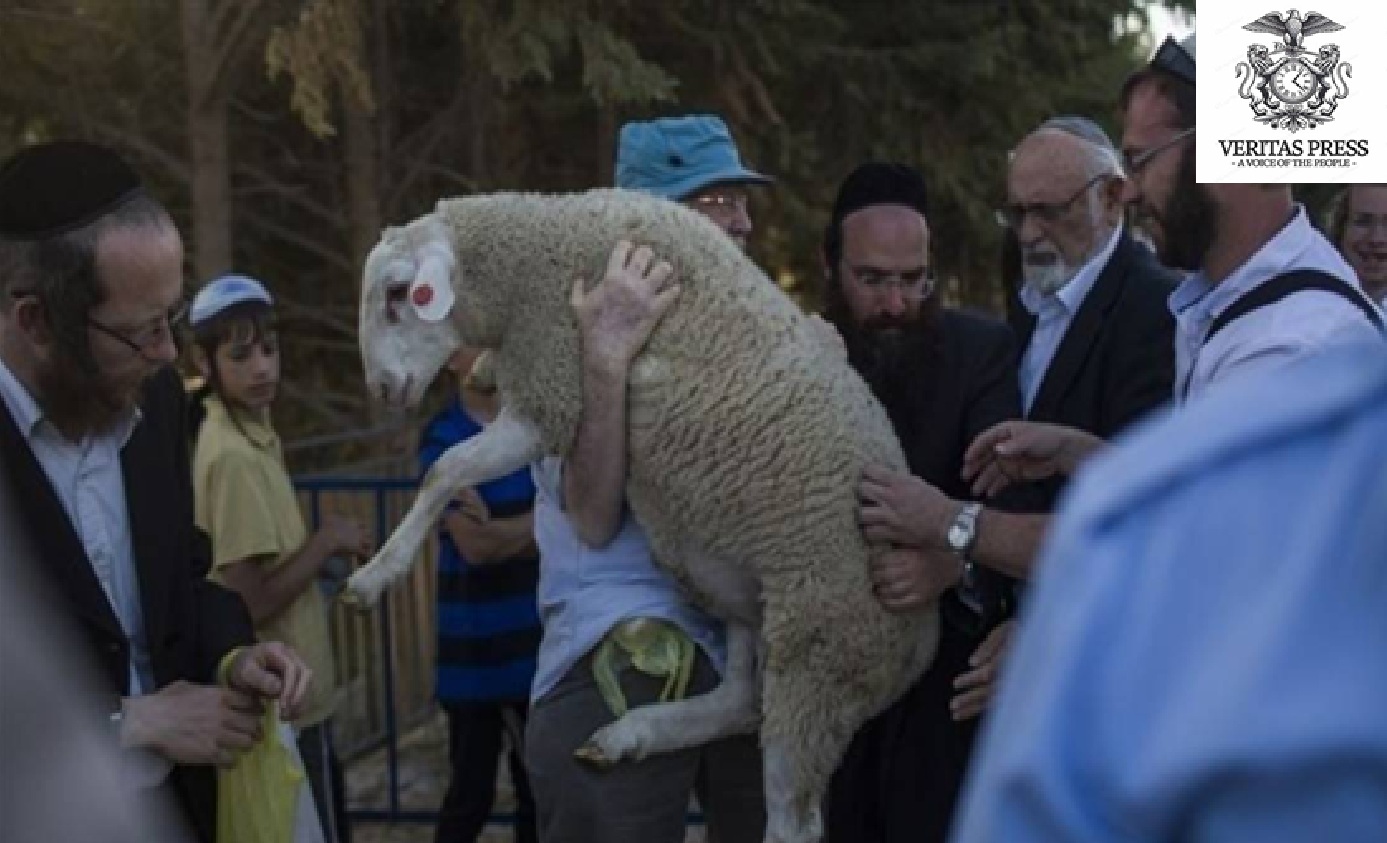
This year’s push is distinguished by a political green light. The appointment of Avshalom Peled, an extremist known for his alignment with religious Zionist ideology, as the Jerusalem police commander ahead of Ramadan was widely seen as a signal by far-right National Security Minister Itamar Ben-Gvir. “The police are no longer neutral arbiters of the status quo; they are active participants in its dismantlement,” said Sheikh Ekrima Sabri, former Grand Mufti of Jerusalem and head of the Supreme Islamic Council. In a recent statement condemning settler attempts to bring a lamb into the compound, Sabri called it “a criminal, provocative act,” but warned that the real threat lies in the official complicity that allows it.
A Mosque Under Lockdown: Engineering A New Reality.
The closure of Al-Aqsa, officially justified by Israel as a “wartime safety measure” following Iranian missile strikes, has effectively severed the Islamic heart of Jerusalem from its worshippers. But critics argue that safety is a pretext for a broader strategic objective.
Ziad Abhais, an Al-Quds affairs expert, noted that while Israel has restricted access in the past, it has never before issued an official police order banning Taraweeh prayers during the last ten days of Ramadan. “This is a dangerous development in the policies of restricting worship at the mosque,” Abhais stated, pointing out that even during the 2014 Gaza war, such a blanket ban was not enforced.
Mustafa Abu Sway, a Palestinian Islamic scholar and deputy head of the Islamic Waqf, voiced the collective grief of the Muslim community. “The Muslim worshipers who associate Ramadan with praying at Al-Aqsa Mosque are very heartbroken by this closure,” he told The New York Times. In a direct challenge to the Israeli safety rationale, Abu Sway added, “If the issue is the safety of worshipers, then Al-Aqsa Mosque has massive subterranean halls that can host thousands of people.”
The silence inside the mosque, however, is being exploited. Palestinian officials have warned that Israeli excavation and mapping operations are continuing unabated beneath the compound, unimpeded by the absence of worshippers.“They are using the war to create facts on the ground,” a Fatah official in Ramallah stated. “They close the gates to Muslims but open them to settlers and surveyors.”
The West Bank: A Surge In ‘Price Tag’ And Military Aggression.
The violence is not confined to Jerusalem. The first week of March 2026 saw a 25% spike in settler attacks, according to the Jerusalem Governorate. In the village of Khirbet Abu Falah, northeast of Ramallah, the Hamayel family buried two of its sons on the same day. Thaer Farouq Hamayel, 24, and Farea Jawdat Hamayel, 57, were shot in the head, reportedly by Israeli civilians. A third resident, Mohammad Hussein Murra, 55, died from suffocation after inhaling tear gas fired by Israeli forces who arrived on the scene.
The IDF initially described the incident as a response to an “attack by Israeli civilians on Palestinians” and stated that forces used “riot control measures to disperse the rioters.” However, Commander of the Israeli army’s Central Command Avi Bluth conceded the incident was “unacceptable and dangerous,” warning it undermined “security and stability in the region.”
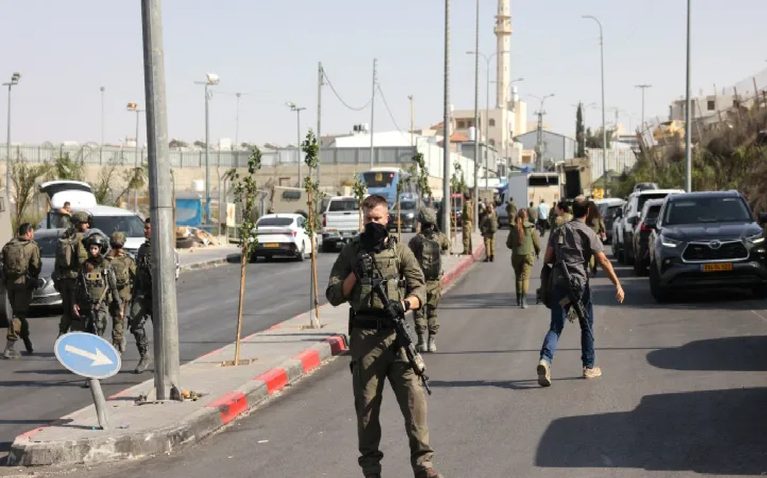
In the village of Al-Mughayyir, north of Ramallah, a resident described the terror of facing armed settlers backed by military vehicles. “They come not just with stones, but with M16s. They surround the village, and the army watches. Sometimes, they arrest us for throwing stones at the settlers who are trying to kill us,” he said over the phone, as background noise revealed ongoing clashes.
The Palestinian Ministry of Foreign Affairs accused Israel of exploiting the regional tensions to escalate violence, stating that the attacks reflect a “dangerous escalation” intended to impose a new reality on Palestinians. The Ministry called on the international community to impose sanctions on the settlement enterprise.
Land Theft And ‘Military’ Roads:
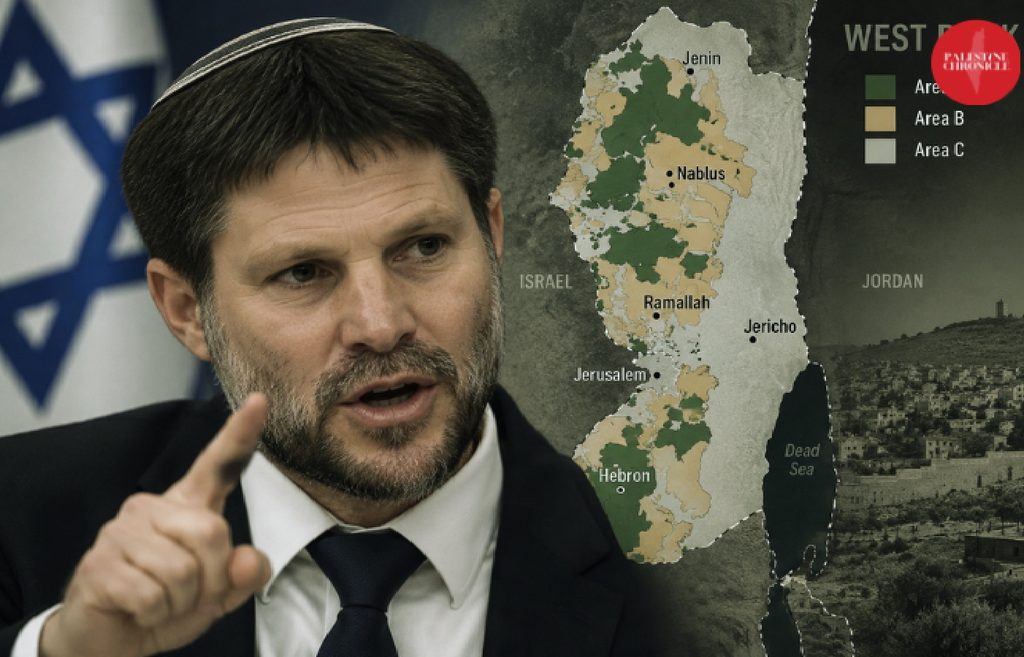
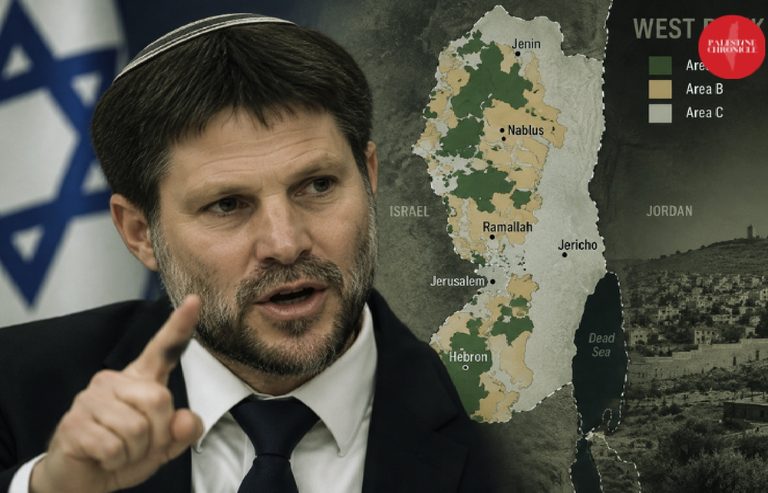
Beyond the gunfire, a bureaucratic war is being waged. On March 7, Israeli authorities issued a military order to “seize” vast swaths of privately-owned land belonging to the towns of Silwad, Deir Jarir, and Al-Mazra’a Al-Sharqiya, east of Ramallah. The declared purpose is to construct a “military and settlement road” linking the strategic “Jabal Al-Asur” base to surrounding settlements.
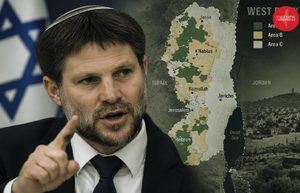
Human rights organisations view this as a blueprint for de facto annexation. By declaring land seizures for “military purposes,” Israel bypasses the civilian legal frameworks that govern settlements. “This is how Area C is being swallowed,” said a representative from a local land defence committee. “They call it a military road, but it will end up serving the settlers of Ofra and Beit El, cutting us off from the Jordan Valley.”
Simultaneously, the Civil Administration issued notices to uproot olive trees on more than 100 dunums of land in Ni’lin, west of Ramallah, a village famous for its decades-long, non-violent resistance to the Separation Wall. The uprooting of olive trees, a symbol of Palestinian sumud (steadfastness), is seen by villagers as a death sentence for their agricultural livelihood.
Gaza: The Toll Of The ‘Ceasefire’.
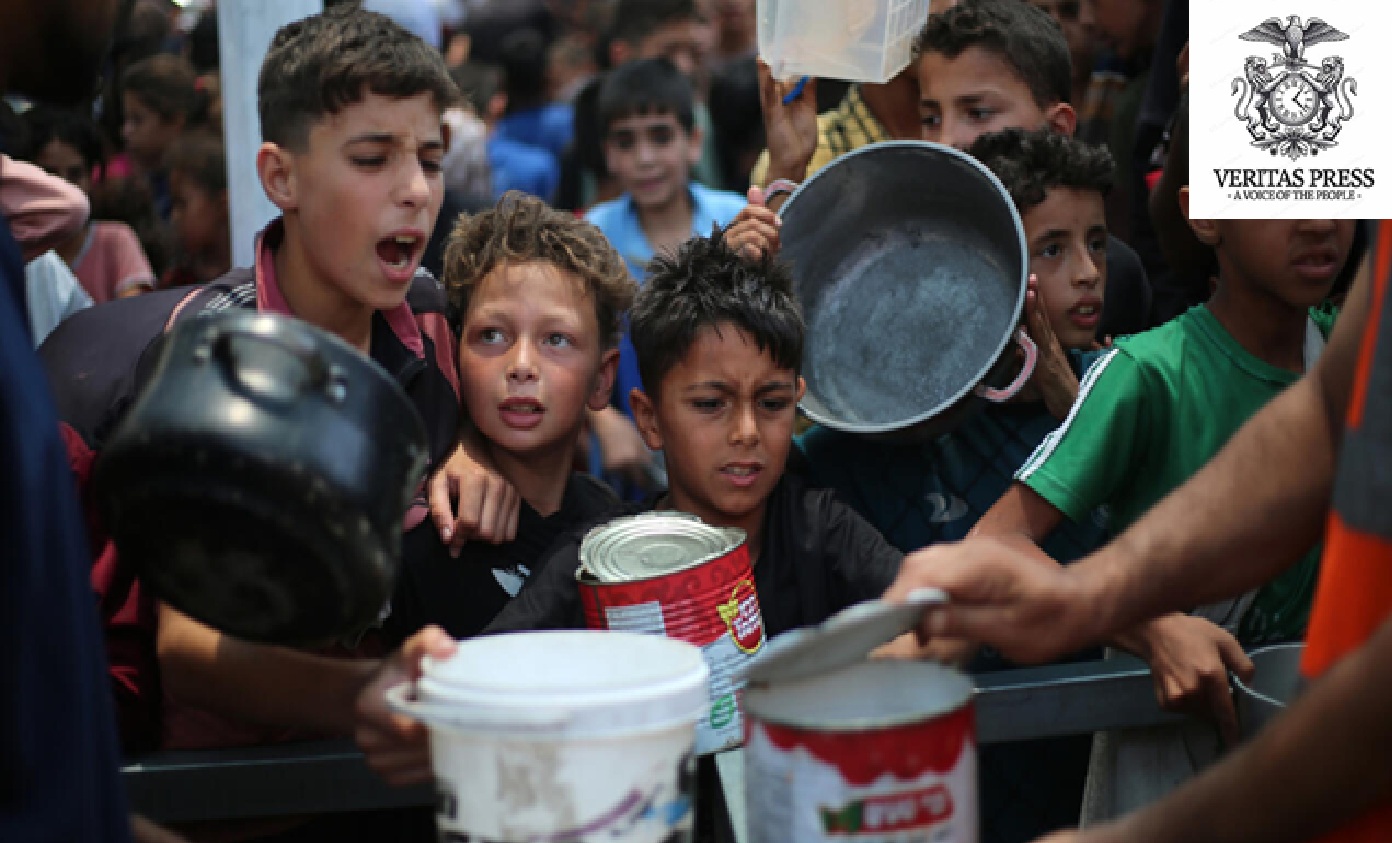
While international attention focuses on the regional war, the Gaza Strip remains under a tight blockade. The Ministry of Health in Gaza released updated figures on March 9, revealing that since the start of the ceasefire agreement in October, 641 Palestinians have been killed and 1,711 injured by Israeli fire. The death toll has alarmingly surpassed 100,000 since October 7, 2023, with over 2,126 lives lost and more than 377,000 people injured.
The World Health Organization (WHO) warned that the continued closure of crossings threatens to halt the entry of humanitarian aid entirely. “Patients are facing life-threatening delays,” a WHO official stated, noting that medical evacuations have been suspended due to the inability to rotate UN staff.
International Condemnation and the ‘Irreversible’ Shift:
The international community has begun to sound the alarm, but action remains elusive. A panel of UN experts issued a stark warning on March 6, stating that Israel is accelerating measures that alter Jerusalem’s demographic composition, religious character, and legal status. “What is being done to this world symbol of spiritual coexistence and shared heritage is irreversible,” the experts said.
They detailed that between 2021 and 2025, 144 Palestinians were killed in the Jerusalem Governorate, and over 11,500 were arrested. Crucially, they noted a staggering 73,871+ settler incursions into the Al-Aqsa Mosque compound in 2025 alone. “These are not security measures,” the experts concluded. “They are components of a systematic project of demographic engineering and domination to entrench exclusive Jewish control”.
Back in Jerusalem, the perspective from the ground is more immediate. A shopkeeper near the Damascus Gate, who has lost 90% of his business during Ramadan, summed up the sentiment: “They want us to leave. They want the city to be empty so they can build their third temple. But where are we supposed to go? This is not a war on Hamas. This is a war on our presence.”
As Eid al-Fitr approaches, the fear is that Passover will not bring a celebration of freedom for one people, but the final crushing of another’s ability to worship on their own land.
Source: Multiple News Agencies
Submissions:
For The Secure Submission Of Documentation, Testimonies, Or Exclusive Investigative Reports From Any Global Location, Please Utilise The Following Contact Details For Our Investigations Desk: enquiries@veritaspress.co.uk or editor@veritaspress.co.uk
Help Support Our Work:
Popular Information is powered by readers who believe that truth still matters. When just a few more people step up to support this work, it means more lies exposed, more corruption uncovered, and more accountability where it’s long overdue.
Help Protect Independent Journalism, Which Is Currently Under Attack.
If you believe journalism should serve the public, not the powerful, and you’re in a position to help, becoming a DONATOR or a PAID SUBSCRIBER truly makes a difference.
DONATION APPEAL: If You Found This Reporting Valuable, Please Consider Supporting Independent Journalism.
Help Support Our Work – We Know, We Know, We Know …
Seeing these messages is annoying. We know that. (Imagine what it’s like writing them … )
Your support fuels our fearless, truth-driven journalism. In unity, we endeavour to amplify marginalised voices and champion justice, irrespective of geographical location.
But it’s also extremely important. One of Veritas Press’s greatest assets is its reader-funded model.
1. Reader funding means we can cover what we like. We’re not beholden to the political whims of a billionaire owner. We are a small, independent and impartial organisation. No one can tell us what not to say or what not to report.
2. Reader funding means we don’t have to chase clicks and traffic. We’re not desperately seeking your attention for its own sake: we pursue the stories that our editorial team deems important and believe are worthy of your time.
3. Reader Funding: enables us to keep our website and other social media channels open, allowing as many people as possible to access quality journalism from around the world, particularly those in places where the free press is under threat.
We know not everyone can afford to pay for news, but if you’ve been meaning to support us, now’s the time.
Your donation goes a long way. It helps us:
Keep the lights on and sustain our day-to-day operations
Hire new, talented independent reporters
Launch real-time live debates, community-focused shows, and on-the-ground reporting
Cover the issues that matter most to our communities, in real time, with depth and integrity
We have plans to expand our work, but we can’t do it without your support. Every contribution, no matter the size, helps us stay independent and build a truly people-powered media platform.
If you believe in journalism that informs, empowers, and reflects the communities we serve, please donate today.
Kamran Faqir is a volunteer investigative journalist and writer committed to exposing hidden truths and amplifying underreported stories. Driven by social justice, he brings sharp insight and fearless truth-telling to independent journalism. NUJ registered.
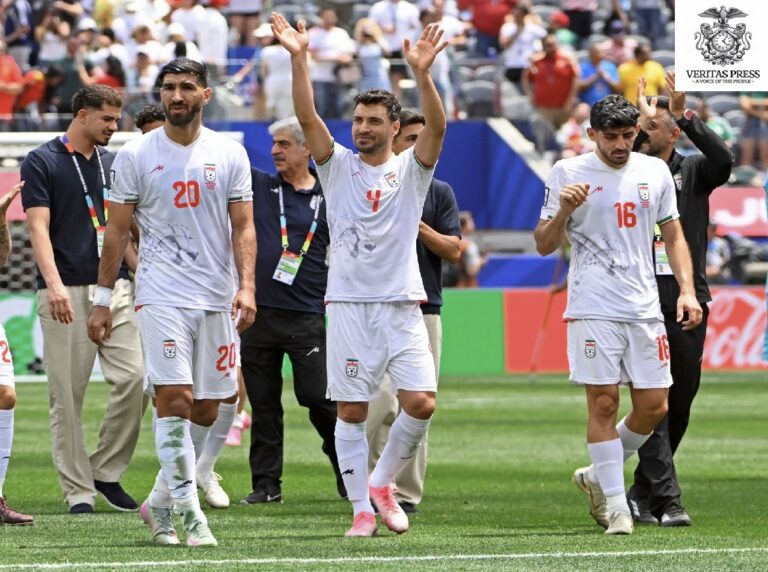
SEATTLE, TEHRAN — The U.S. Department of Homeland Security (DHS) will allow Iran’s national football team to enter the country 48 hours before their critical World Cup match against Egypt on Friday, a modest concession in a tournament where Team Melli’s travel conditions have sparked claims of oppression and competitive disadvantage.