Kamran Faqir is a volunteer investigative journalist and writer committed to exposing hidden truths and amplifying underreported stories. Driven by social justice, he brings sharp insight and fearless truth-telling to independent journalism. NUJ registered.
Original Article Date Published:
Article Date Modified:
13 minutes
Views:389
Listen to this article
Help support our mission, donate today and be the change. Every contribution goes directly toward driving real impact for the cause we believe in.
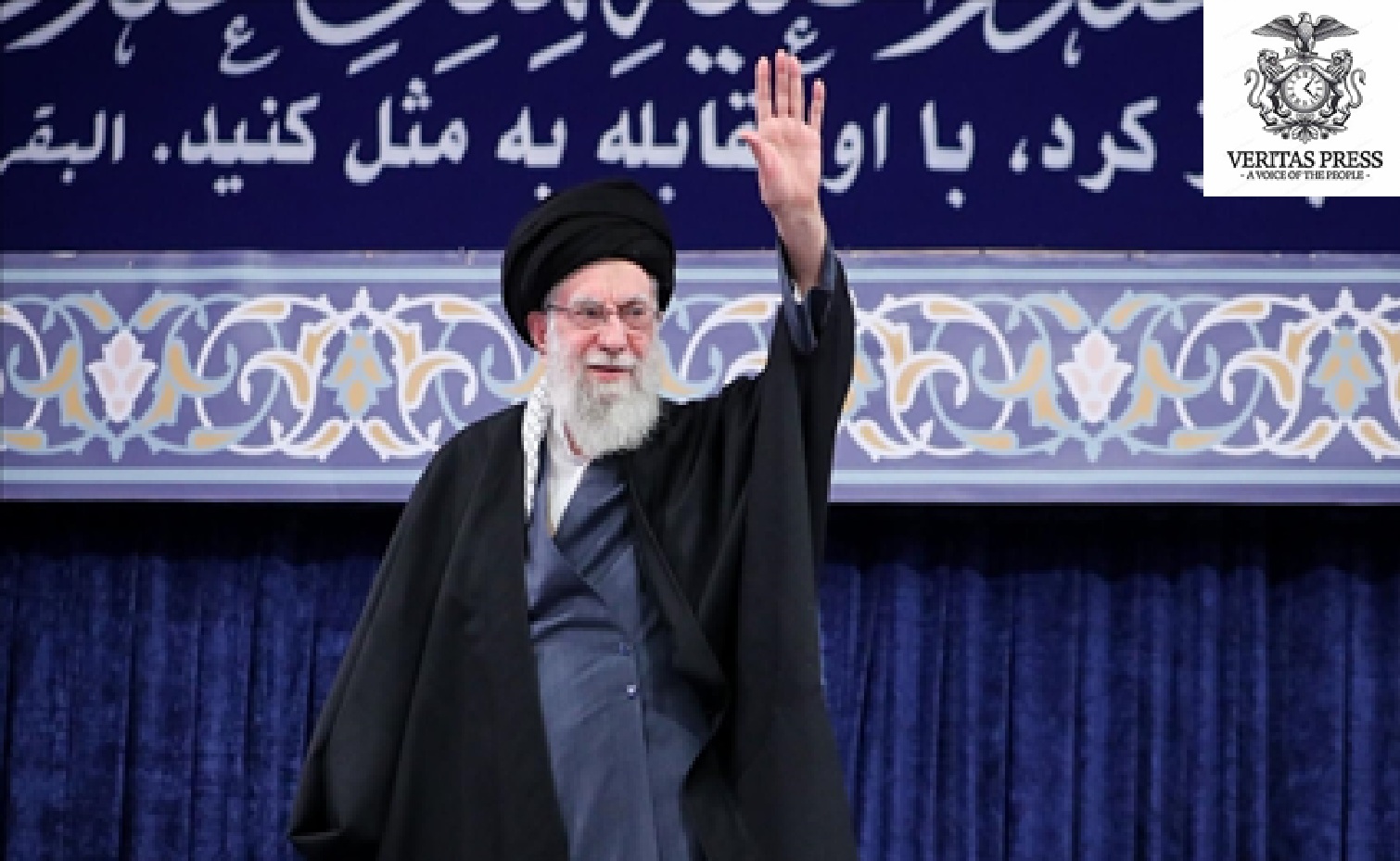
Tehran, Iran – The sudden death of Ayatollah Ali Khamenei in the joint US-Israeli strikes of February 28 has plunged the Islamic Republic into its most consequential succession crisis since the 1979 revolution. As Iran navigates war, internal power struggles, and aggressive external pressure, the selection of its next Supreme Leader has become the focal point of a multifaceted battle, one being fought not only in the clandestine meeting rooms of the Assembly of Experts but also in the statements of world leaders and on the streets of Iranian cities. This report investigates the high-stakes process, the key players vying for power, the uncompromising Iranian rejection of foreign interference, and the escalating military conflict that frames this historic transition.
The Succession Mechanism: Secrecy, Speed, And Institutional Resilience.
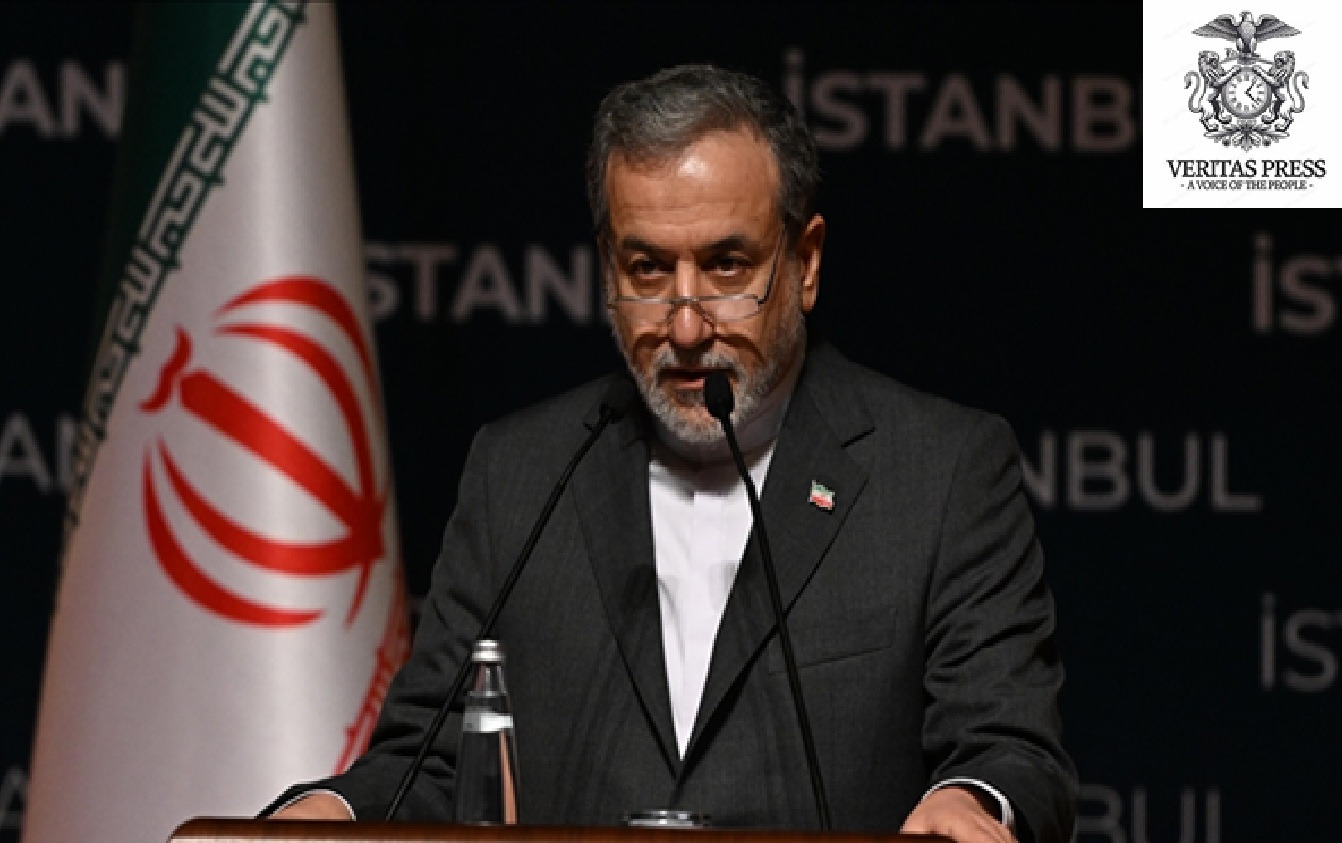
Despite the assassination of its leader, the Islamic Republic has moved with deliberate speed to activate its constitutional machinery. Foreign Minister Abbas Araghchi confirmed to Al Jazeera in the days following the attack that the transition was already underway. “The transition council is established,” he stated, describing the three-member interim body comprising President Masoud Pezeshkian, Judiciary Head Gholamhossein Mohseni Ej’ai, and a jurist from the Guardian Council. Araghchi predicted the new leader would be chosen swiftly: “I assume that it takes a short period of time. Maybe in one or two days, they will elect a new leader for the country.”
The formal responsibility lies with the Assembly of Experts, an 88-member body of senior clerics elected by the public, though all candidates are vetted by the cleric-dominated Guardian Council, a body whose members are ultimately appointed by the Supreme Leader himself. According to the constitution, they must select a successor by simple majority vote in a process designed for continuity rather than public debate. By early March, reports confirmed that a decision had been reached, though the name remained undisclosed due to what officials describe as wartime security concerns about convening a full session. Assembly member Mohsen Heydari stated, “The most suitable candidate, approved by the majority of the Assembly of Experts, has been determined.” Another member, Mohammad Mehdi Mirbagheri, corroborated that “a firm opinion reflecting the majority view has been reached.”
This institutional resilience is by design. Analysts note that the Iranian system was constructed to withstand the loss of a single figure. “The Iranian system is bigger than one man – removing Khamenei could harden the regime rather than weaken it,” Danny Citrinowicz of the Atlantic Council told Reuters. The priority for Tehran is projecting stability and control, demonstrating that the state structure remains intact and operational despite the decapitation strike.
The Geopolitical Battle Lines: “Nobody Else’s Business” Vs. “Unconditional Surrender”
The succession crisis has ignited a fierce rhetorical war over sovereignty. Foreign Minister Araghchi has been unequivocal in rejecting any foreign role, directly countering statements from US President Donald Trump. “We allow nobody to interfere in our domestic affairs,” Araghchi told NBC News. “It is only the business of the Iranian people, and nobody else’s.” This was reinforced by Iran’s UN ambassador, Amir Saeid Iravani, who stated that Trump’s comments “constitute a clear violation of the principles of non-interference in the internal affairs of states and enshrined in the Charter of the United Nations.”
The US stance has, paradoxically, influenced the internal dynamics of the selection. Ayatollah Mohsen Heidari Alekasir suggested that American opposition to certain candidates had become an inadvertent endorsement within the Assembly. He stated that the “Great Satan” had done the assembly “a kind of service” by publicly criticising candidates, adding, “Someone opposed by the enemy is more likely to benefit Iran and Islam.” This sentiment effectively renders Trump’s attempt to veto candidates counterproductive, framing opposition to US preferences as a criterion for legitimacy.
Israel has also issued direct, unprecedented threats. Israeli army spokesperson Ella Waweya warned in a Farsi-language post that it would pursue not only Khamenei’s successor but also “anyone who tries to appoint him,” specifically threatening the members of the Assembly of Experts. This external pressure has reinforced the regime’s narrative of a nation under siege, justifying rapid decision-making and sidelining internal dissent in the name of national security. For Tehran, the cascading nature of these threats confirms a strategy not of containment, but of total regime weakening.
The Candidates: The Cleric, The Son, And The Power Brokers.
While the Assembly’s choice remains officially secret, leaked intelligence and historical reporting have identified several key figures as potential successors, each representing different factions and power bases within the establishment.
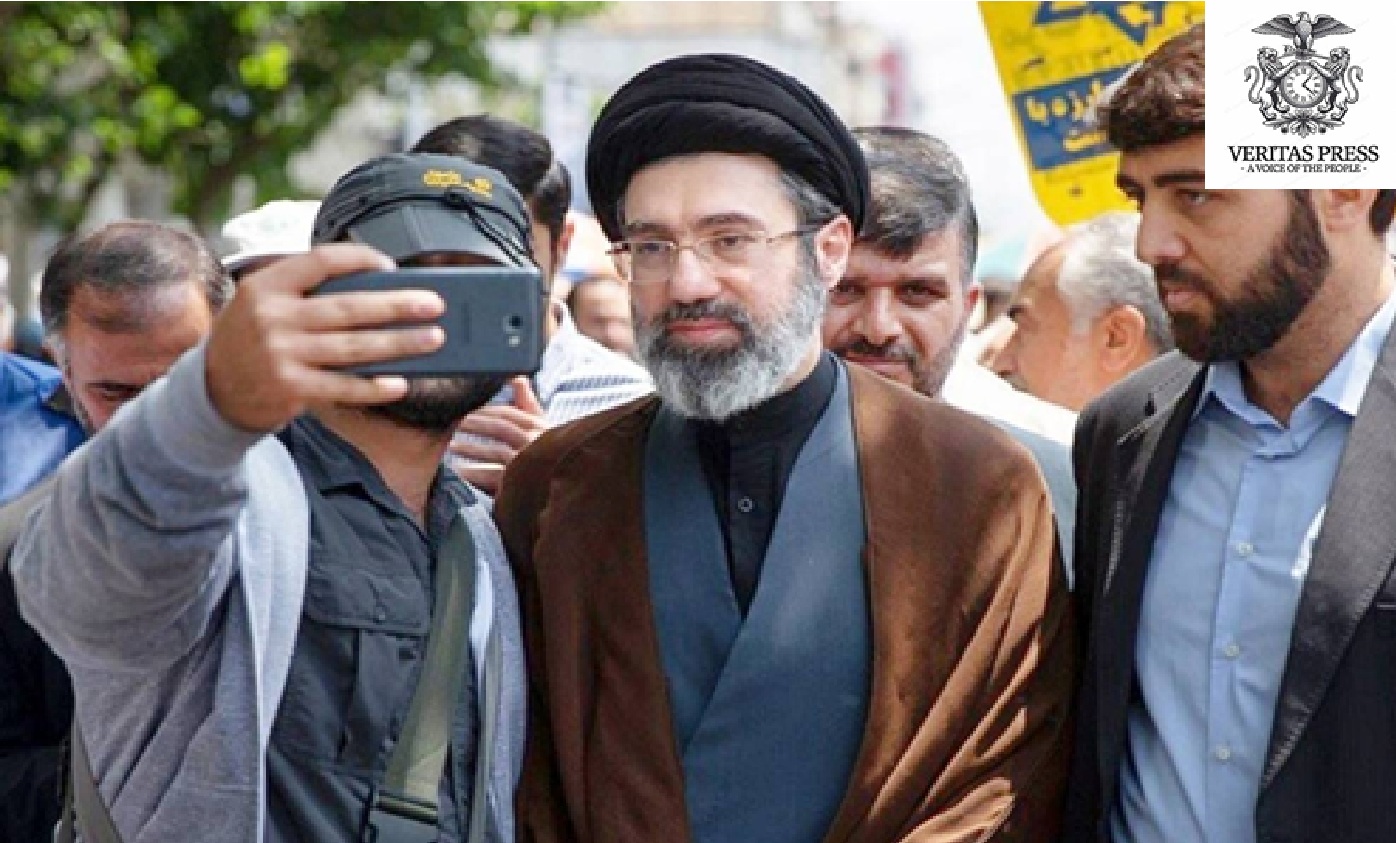
The most controversial candidate is Mojtaba Khamenei, the 56-year-old son of the slain leader. A mid-ranking cleric with deep ties to the Islamic Revolutionary Guard Corps (IRGC) and intelligence services, he is widely seen as the informal “power core” behind his father in recent years. Reports indicate that the IRGC has significantly tightened its grip on decision-making and is pushing for a successor aligned with its hardline vision, making Mojtaba the preferred choice of the military establishment. However, his appointment would be fraught with peril for the regime’s ideological legitimacy. It would trigger accusations of hereditary succession, a direct contradiction of the republic’s foundational opposition to monarchy. Analysts note that the late leader himself reportedly did not wish for the position to become hereditary and had pointed to other figures.
Among those reportedly favoured by Khamenei before his death were Gholam-Hossein Mohseni-Eje’i, the judiciary chief, and Hassan Khomeini, the moderate grandson of the revolution’s founder. While Hassan Khomeini appeals to reformist and moderate clerical factions, his relative distance from the IRGC’s hardline core makes him a less likely choice in the current wartime environment.
Another figure is Ali Larijani, a seasoned politician and nuclear negotiator from a prestigious clerical family. Khamenei had reportedly entrusted Larijani with key files in recent months, including war planning and nuclear negotiations, signalling deep trust in his crisis management abilities. However, his status as a non-cleric could be a constitutional hurdle. The most “realistic” candidate in the eyes of some analysts is a senior cleric like Alireza Arafi, the head of Iran’s seminary system, who could serve as a consensus-based, transitional figure, wielding religious authority without the unchecked power of a political insider.
The IRGC Factor: A State Within A State, Or The State Itself?
The true centre of gravity in Iran’s power structure is the Islamic Revolutionary Guard Corps. The succession crisis unfolds against a backdrop of heavy IRGC losses from the US-Israeli strikes, creating an unpredictable variable. However, rather than fracturing, the IRGC has demonstrated remarkable institutional adaptability. Reports confirm that the IRGC has fully tightened its grip on decision-making, activating a “decentralised command” strategy years in the making.
This strategy, developed after observing the collapse of the Iraqi army in 2003, delegates extensive powers to provincial commanders to ensure that “if a particular province is attacked, it can defend itself and maintain the authority and rule of the regime” even if central command is decapitated. Deputy Minister of Defence Reza Talaeinik revealed the “Successors’ plan,” confirming that every leadership position has three ready replacements to ensure continuity.
“The real question is whether Khamenei’s death takes the air out of the IRGC, the force that actually runs Iran, or whether they close ranks and harden,” said Alex Vatanka of the Middle East Institute. The evidence points decisively toward the latter. The IRGC is now involved in all major sovereign decisions, bypassing traditional political structures. While this empowers the new leader, it also makes them a hostage to the IRGC’s hardline agenda. The selection of a successor is therefore not just a clerical decision; it is a negotiation with a military apparatus that has become a “state within a state,” possessing financial independence through its vast construction empire and the unwavering loyalty of the Basij militia for internal control.
Voices From Within: Reformists, Dissent, And The Demand For Change
Amidst the elite power struggle, other voices are attempting to shape Iran’s future. The main reformist coalition, the Reform Front, issued a rare public statement urging the leadership to choose a successor who can signal a new direction, conveying “a message of peace and friendship with the world” and calling for a general amnesty for political prisoners to foster national unity.
Beyond the reformist elite, there are deeper currents of dissent. In the weeks prior to the strikes, university students had resumed protests, reviving slogans from the 2022 Mahsa Amini movement and the anti-establishment demonstrations of late 2025. These groups demand an indigenous democracy free from both clerical rule and foreign domination.
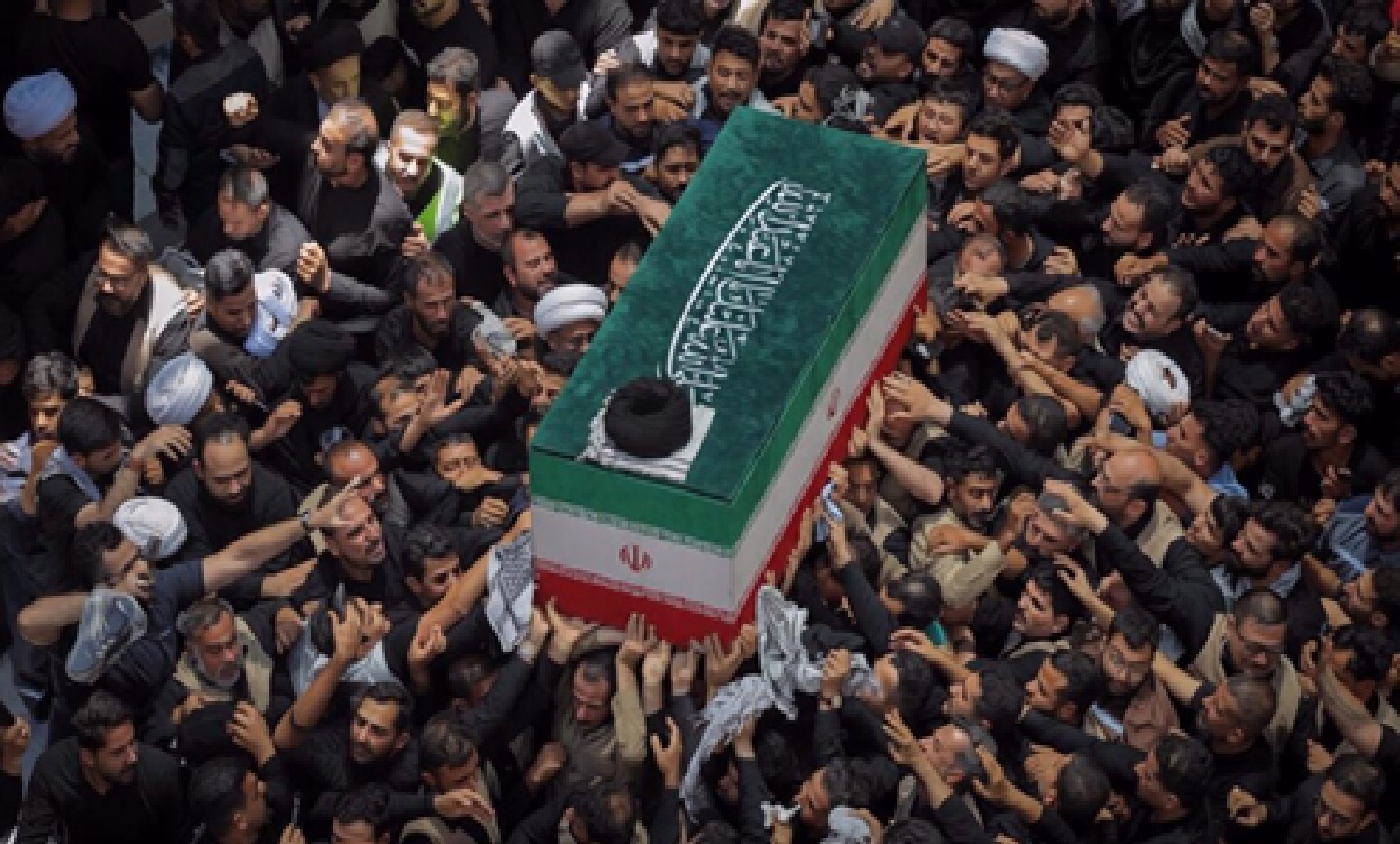
However, the external attack has, for now, galvanised mourning rallies. Thousands gathered in Tehran’s Enghelab Square, with state media broadcasting images of public grief. While this temporarily bolsters the regime’s legitimacy, analysts caution that the underlying grievances remain. The government spokeswoman has warned protesters to respect “red lines,” indicating that the potential for internal unrest simmers beneath the surface of wartime unity. The IRGC’s tightened grip on internal security is designed precisely to ensure that any dissent is swiftly crushed, making it difficult for external powers betting on an internal uprising to succeed.
The War As Context: Escalation And The “Decentralised” Battlefield.
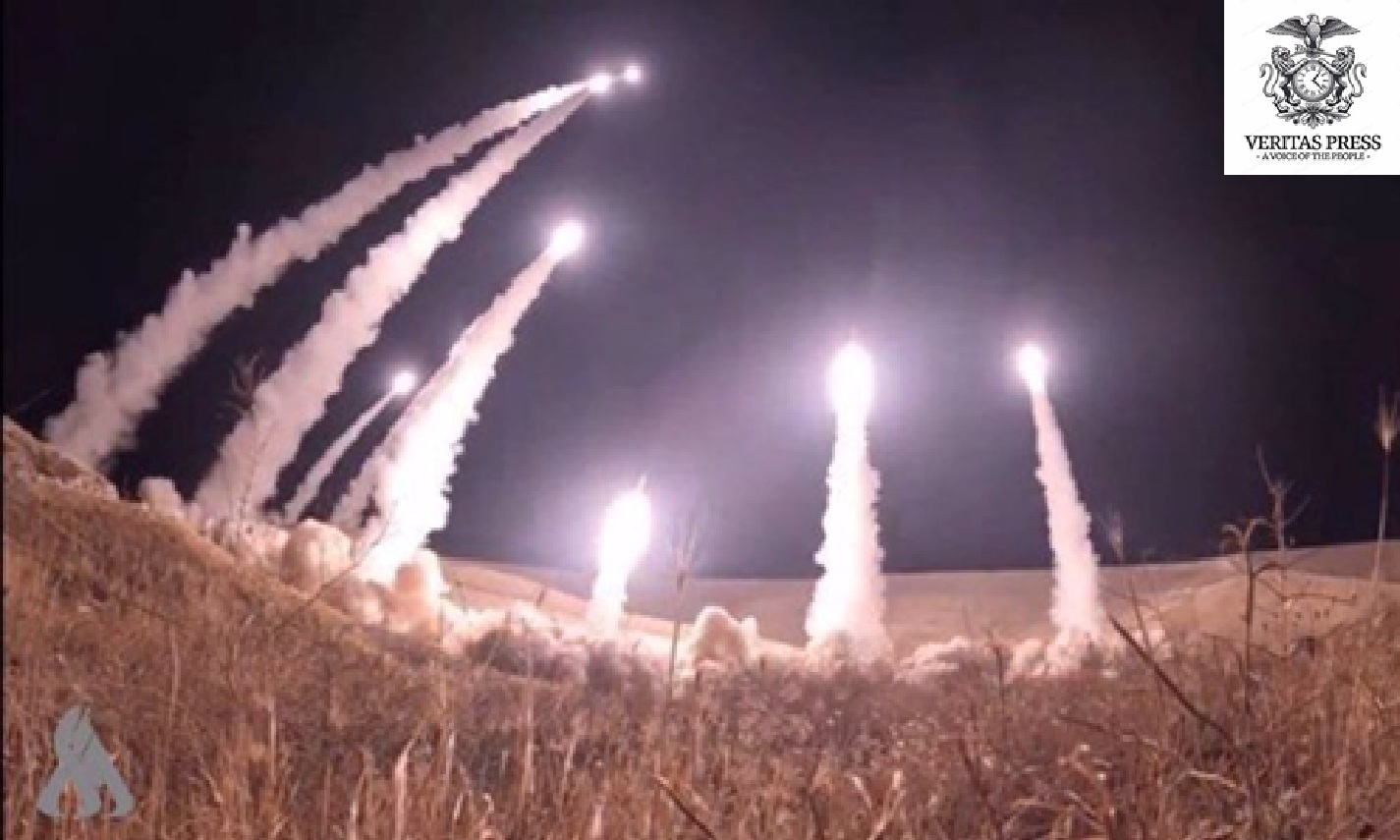
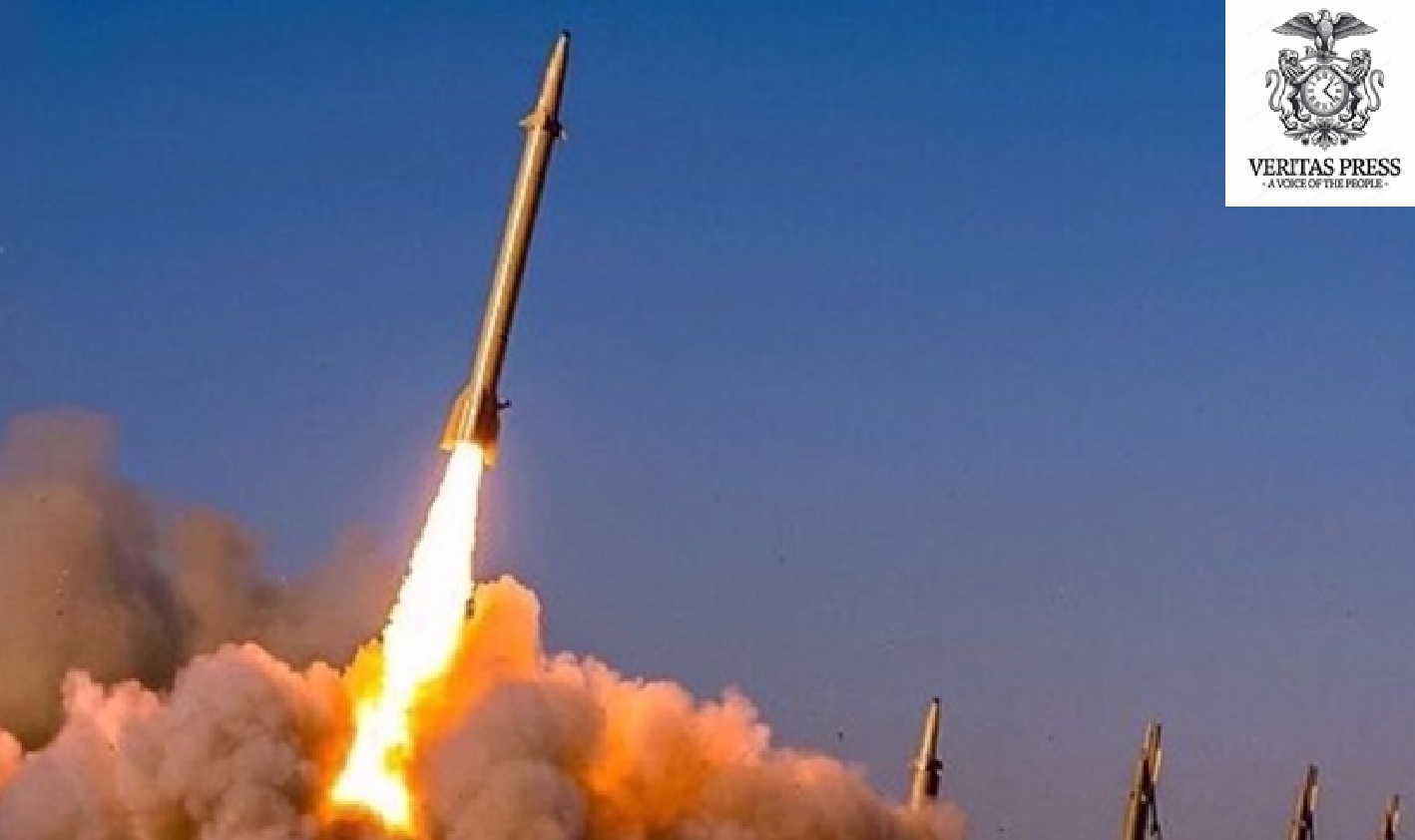
The succession drama is unfolding amidst a full-scale war that has fundamentally changed character. Following the initial strikes that killed Khamenei, Iran launched retaliatory drone and missile attacks, not just at Israel, but at US assets in Gulf countries. Strikes have been reported near Dubai and Doha, widening the conflict’s geographic scope. Foreign Minister Araghchi defended these actions, stating, “We are not attacking our neighbours. We are attacking Americans who are attacking us.”
The activation of the IRGC’s decentralised command has made the conflict more unpredictable. By delegating extensive powers to lower-ranking officers, the risk of battlefield miscalculation has increased. A notable example was the launch of a ballistic missile towards Turkish territory, a NATO member, signalling an unprecedented escalation.
The war has also created a propaganda dilemma for Tehran. While the leadership must project strength, the expansion of retaliatory attacks risks casting Iran as an aggressor, reducing its diplomatic capacity to end the war. The regime must balance the need to demonstrate its military capabilities, which, despite the decapitation strike, remain potent, with the strategic necessity of not alienating global opinion or creating a unified international coalition against it.
Conclusion: A Precarious Future And The War Behind The War.
As the world awaits the official announcement of Iran’s third Supreme Leader, the Islamic Republic stands at a precipice. The succession process, managed with constitutional formality, masks a profound internal contest over the very identity of the regime. The chosen successor, whether it is the IRGC-linked Mojtaba Khamenei, a clerical placeholder like Alireza Arafi, or a compromise figure, will inherit a nation at war, an economy under crippling sanctions, and a populace with deeply divided loyalties.
Foreign Minister Araghchi’s defiant assertion that this is the “business of the Iranian people and nobody else’s” encapsulates the regime’s stance against external pressure. Yet, the true test will be whether the new leader can command authority beyond the elite circles of the Assembly and the IRGC. The external war has, paradoxically, provided the regime with a rationale for unity and speed, but it has also exposed the new leader to immediate existential threats from an Israel that has promised to pursue them.
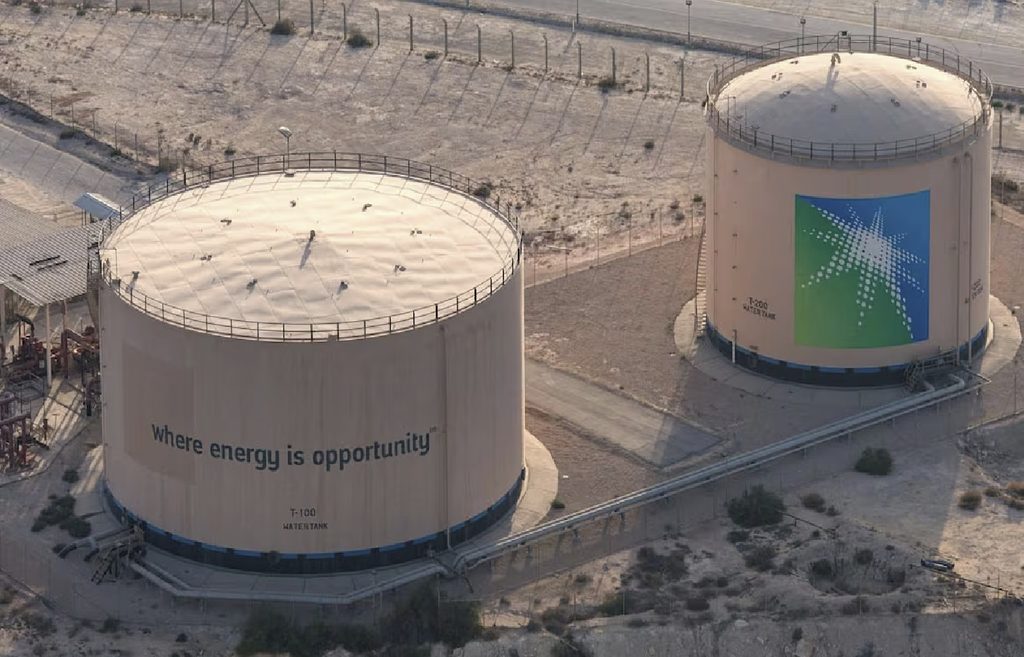
Ultimately, the confrontation surrounding Iran exposes a far-reaching strategic calculus beyond nuclear non-proliferation. The systematic targeting of Iran’s energy, mineral resources, defensive architecture, missile production sites, air defence networks, and IRGC command centres suggests a broader ambition: to dismantle Iran’s military deterrent and render the nation vulnerable to external coercion, political and economic enslavement. For Tehran, this is not merely a war over weapons; it is a war for sovereignty, freedom, unity and independence.
The resilience of the Iranian system is being tested as never before. With its decentralised military command, its ideological commitment to resistance, and its institutionalised succession mechanisms, the regime has demonstrated a capacity to survive decapitation strikes. The coming weeks will determine whether that survival translates into long-term stability or merely a prelude to a more fragmented and volatile future. The stakes are nothing less than the survival of Iran’s sovereignty and the balance of power in the Middle East.
Submissions:
For The Secure Submission Of Documentation, Testimonies, Or Exclusive Investigative Reports From Any Global Location, Please Utilise The Following Contact Details For Our Investigations Desk: enquiries@veritaspress.co.uk or editor@veritaspress.co.uk
Help Support Our Work:
Popular Information is powered by readers who believe that truth still matters. When just a few more people step up to support this work, it means more lies exposed, more corruption uncovered, and more accountability where it’s long overdue.
Help Protect Independent Journalism, Which Is Currently Under Attack.
If you believe journalism should serve the public, not the powerful, and you’re in a position to help, becoming a DONATOR or a PAID SUBSCRIBER truly makes a difference.
DONATION APPEAL: If You Found This Reporting Valuable, Please Consider Supporting Independent Journalism.
Help Support Our Work – We Know, We Know, We Know …
Seeing these messages is annoying. We know that. (Imagine what it’s like writing them … )
Your support fuels our fearless, truth-driven journalism. In unity, we endeavour to amplify marginalised voices and champion justice, irrespective of geographical location.
But it’s also extremely important. One of Veritas Press’s greatest assets is its reader-funded model.
1. Reader funding means we can cover what we like. We’re not beholden to the political whims of a billionaire owner. We are a small, independent and impartial organisation. No one can tell us what not to say or what not to report.
2. Reader funding means we don’t have to chase clicks and traffic. We’re not desperately seeking your attention for its own sake: we pursue the stories that our editorial team deems important and believe are worthy of your time.
3. Reader Funding: enables us to keep our website and other social media channels open, allowing as many people as possible to access quality journalism from around the world, particularly those in places where the free press is under threat.
We know not everyone can afford to pay for news, but if you’ve been meaning to support us, now’s the time.
Your donation goes a long way. It helps us:
Keep the lights on and sustain our day-to-day operations
Hire new, talented independent reporters
Launch real-time live debates, community-focused shows, and on-the-ground reporting
Cover the issues that matter most to our communities, in real time, with depth and integrity
We have plans to expand our work, but we can’t do it without your support. Every contribution, no matter the size, helps us stay independent and build a truly people-powered media platform.
If you believe in journalism that informs, empowers, and reflects the communities we serve, please donate today.
Kamran Faqir is a volunteer investigative journalist and writer committed to exposing hidden truths and amplifying underreported stories. Driven by social justice, he brings sharp insight and fearless truth-telling to independent journalism. NUJ registered.
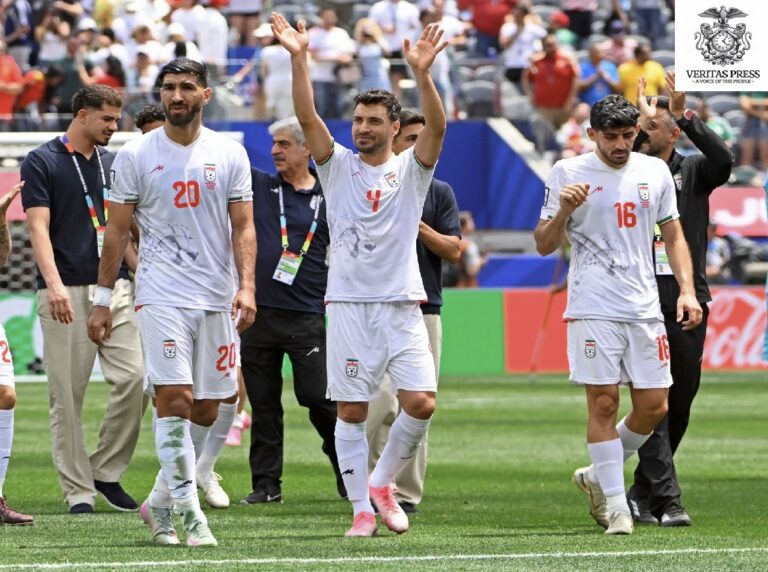
SEATTLE, TEHRAN — The U.S. Department of Homeland Security (DHS) will allow Iran’s national football team to enter the country 48 hours before their critical World Cup match against Egypt on Friday, a modest concession in a tournament where Team Melli’s travel conditions have sparked claims of oppression and competitive disadvantage.