US-Israeli/Iran: “A Reckoning In Blood” – Inside The 555 Deaths, The Hunt For Iran’s Leadership, And The Regional Earthquake Triggered By The US-Israeli Campaign
US-Israeli/Iran: “A Reckoning In Blood” – Inside The 555 Deaths, The Hunt For Iran’s Leadership, And The Regional Earthquake Triggered By The US-Israeli Campaign
Kamran Faqir is a volunteer investigative journalist and writer committed to exposing hidden truths and amplifying underreported stories. Driven by social justice, he brings sharp insight and fearless truth-telling to independent journalism. NUJ registered.
Original Article Date Published:
Article Date Modified:
Views:415
Listen to this article
Help support our mission, donate today and be the change. Every contribution goes directly toward driving real impact for the cause we believe in.
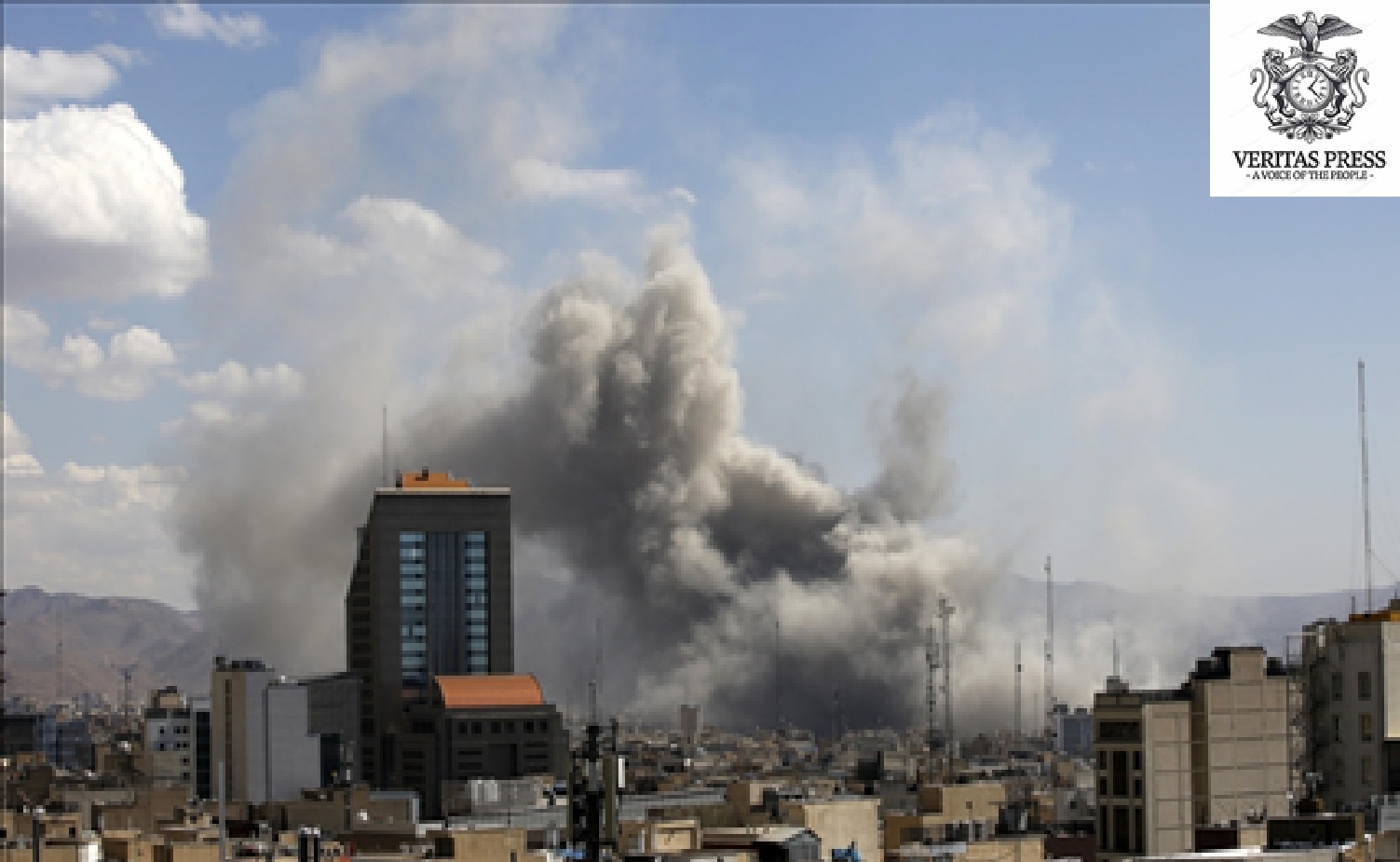
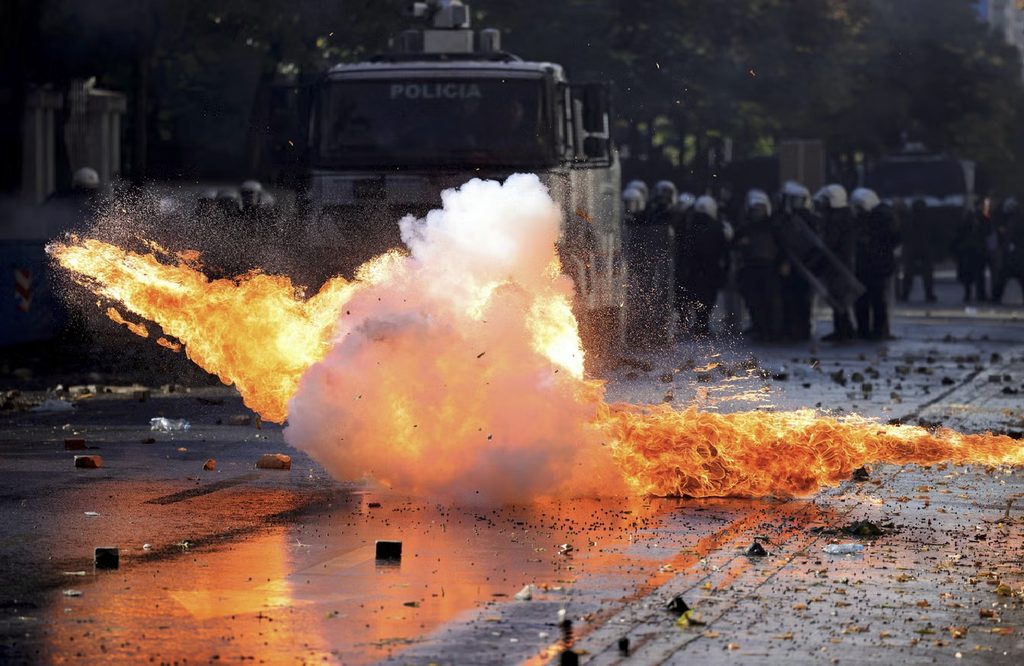
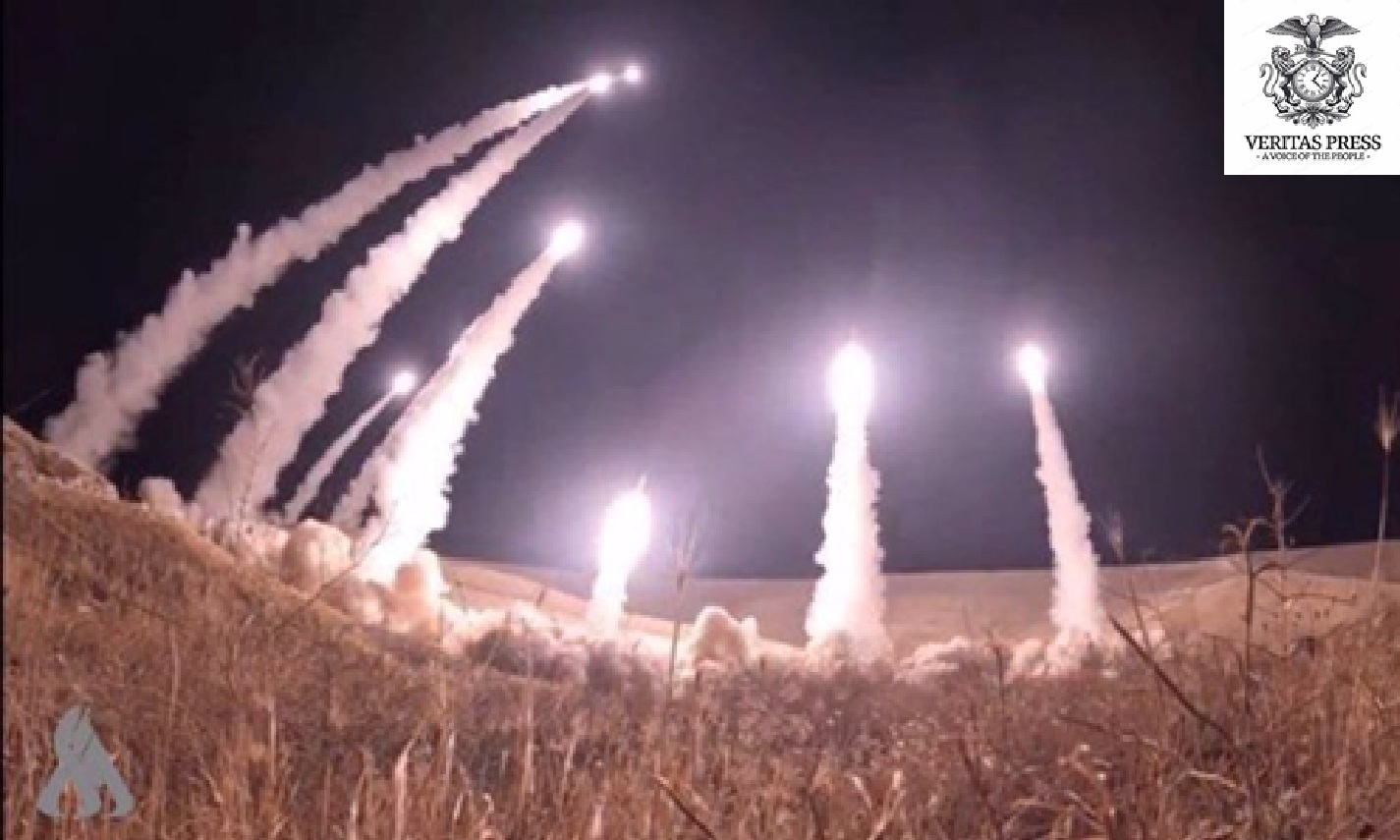
The human cost of the “Lion’s Roar” operation has crystallised into a stark, horrifying statistic. On Monday, the Iranian Red Crescent Society (IRCS) updated its toll from the joint US-Israeli military campaign, announcing that at least 555 people have been killed across the Islamic Republic of Iran. The attacks, which began on Saturday, have scorched 131 residential areas and cities.
The numbers tell only a fraction of the story. This is not merely a series of airstrikes; it is a calculated decapitation strategy that has assassinated a Head of State, triggered a cascade of retaliatory fires across the Gulf, and exposed the brittle fault lines of a region teetering on the edge of a global war.
As the IRCS scrambles to respond, placing over 100,000 rescuers and a network of 4 million volunteers on full alert, the reality on the ground is one of chaos, grief, and defiance. “The operations of release, assistance, transportation and provision of medical services continue continuously,” an IRCS representative told the Mehr news agency. “Unfortunately, 555 compatriots have died”.
The “Martyred” Leader And The Schoolhouse Tragedy:
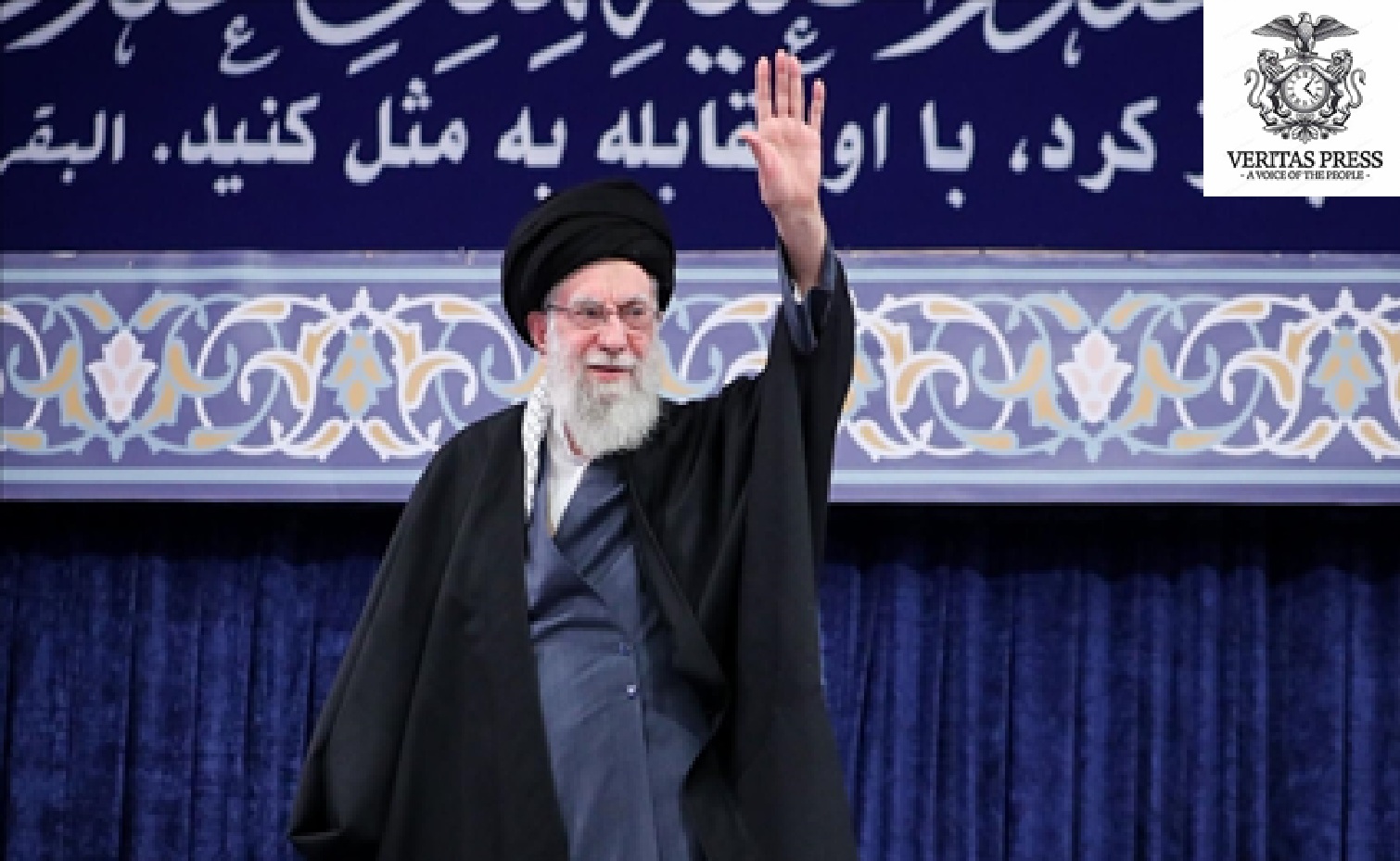
The epicentre of the political shockwave is the confirmed death of Iran’s Supreme Leader, Ayatollah Ali Khamenei. While Israeli and US officials have remained taciturn on the specific details of the strike that killed him, the Israeli military confirmed his death, and Iranian President Masoud Pezeshkian acknowledged that an interim leadership council has assumed power.
Khamenei’s death has cleaved the Iranian public in two. In Tehran, state television broadcast images of mourners, dressed in black, weeping in packed squares. Yet, in an unprecedented display of defiance against the theocracy, social media verification by Reuters and other agencies has shown citizens celebrating in the streets of Karaj, Dehloran, and Izeh. “People [are] in the street jubilating, singing, dancing, passing chocolates and lollies to one another,” described James Younessi, an Iranian-Australian doctor monitoring the situation from Sydney.
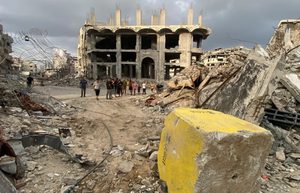
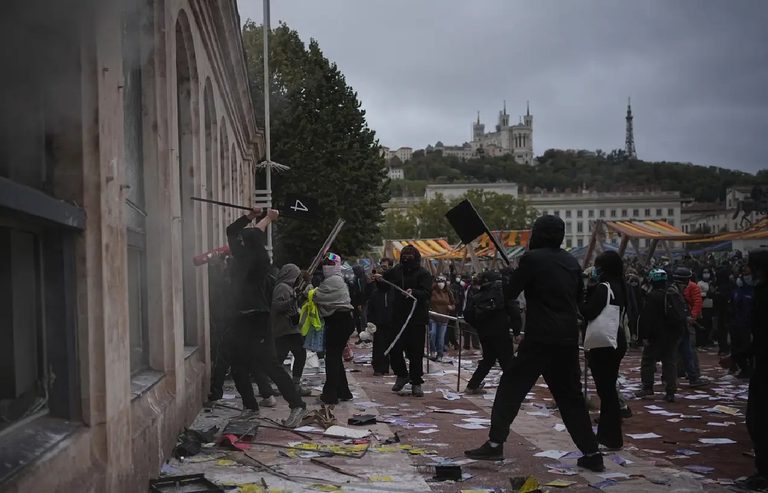
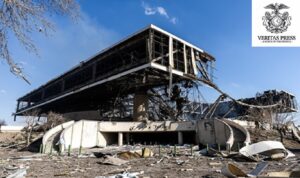
However, for every Iranian celebrating the fall of a regime they view as oppressive, there are families burying children. Among the deadliest incidents reported is a strike on a girls’ school in the southern city of Minab. Iranian state media now reports the death toll from that single attack has risen to 165. The targeting of civilian infrastructure, which international humanitarian law strictly prohibits, has become a central theme of the conflict.
The “Axis” Strikes Back: From Tel Aviv To Ras Tanura.
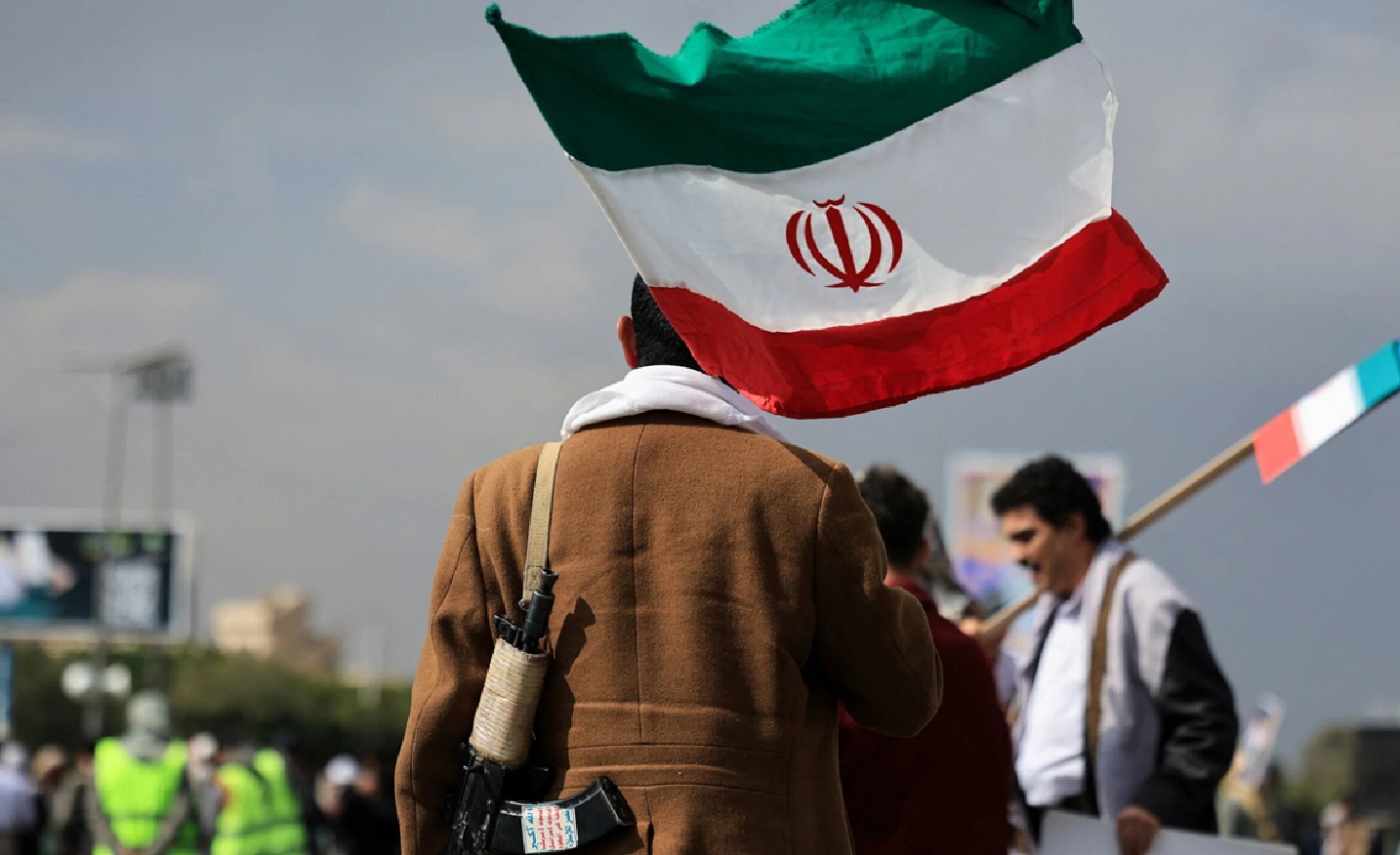
The Iranian retaliation, dubbed “Operation True Promise 4,” has been swift and geographically expansive, transforming a bilateral conflict into a multilateral regional crisis.
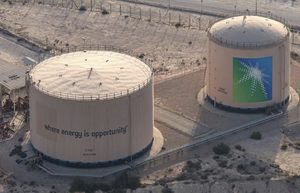
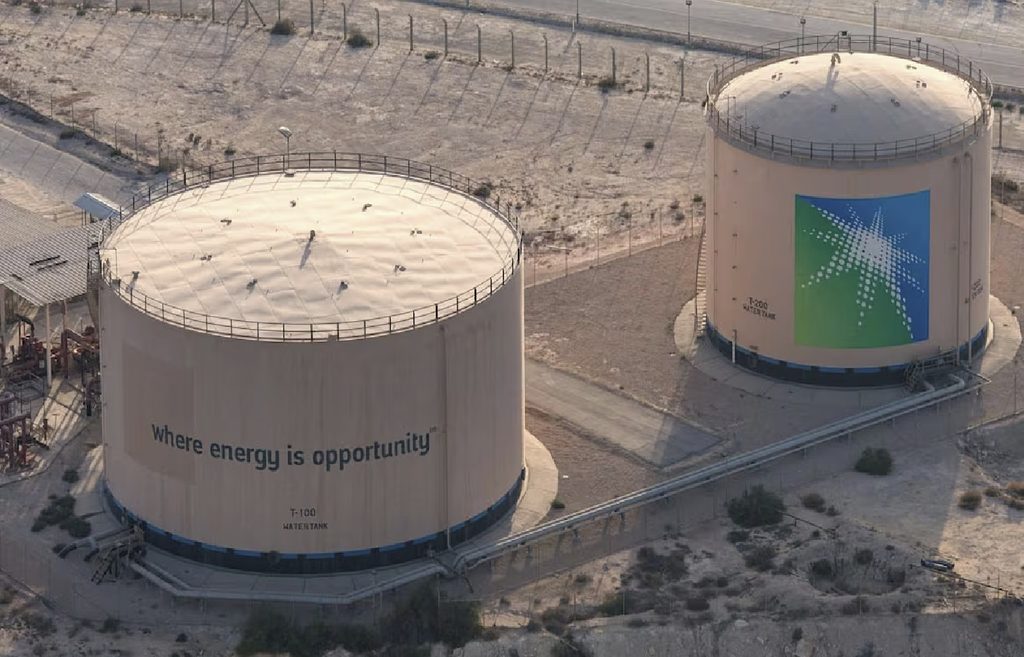
Energy War Ignited: In the most economically significant strike, Iran successfully targeted Saudi Arabia’s Ras Tanura refinery, the kingdom’s largest, with a drone attack on Monday. The facility, capable of processing 550,000 barrels per day, was forced to shut down. Although Saudi Aramco has controlled the ensuing fires, the global energy market reacted with convulsive fear; Brent crude prices surged by 9.32%.
Gulf States Under Fire: The Iranian retaliatory wave was not limited to Saudi Arabia. Missiles and drones rained down on Kuwait, Bahrain, Qatar, and the UAE. Dubai International Airport, a vital global travel hub, sustained damage. The UAE confirmed three fatalities, and Kuwait reported one civilian death. In a significant military setback for the US, multiple American F-15E fighter jets crashed at Kuwait’s Ali Al Salem Airbase. While crews survived the incident, captured on video analysis by CNN, underscores the intensity of the air campaign and the risks of operating from bases within strike range.
Hezbollah Joins the Fray: Fulfilling the worst fears of military analysts, Hezbollah launched missiles into northern Israel early Monday, marking its first claimed attack in over a year. Israel’s response was immediate and brutal, striking targets in Lebanon and killing at least 31 people, including senior Hezbollah leader Mohammed Raad.
International Reaction: A World Divided.
The international community has splintered along familiar geopolitical fault lines.
The US and its Allies Double Down: US President Donald Trump, announcing that three American service members had been killed, declared that combat operations would continue “in full force” until objectives are met. “Sadly, there will likely be more before it ends. That’s the way it is,” Trump stated, while also claiming the destruction of nine Iranian warships. In a significant show of force unity, the US, alongside Bahrain, Jordan, Kuwait, Qatar, Saudi Arabia, and the UAE, issued a joint statement condemning Iran’s “indiscriminate and reckless” retaliatory strikes. Britain, France, and Germany have signalled they stand ready to support the US effort to “curb Iran’s attacks,” while Australia’s Prime Minister Anthony Albanese welcomed the strikes, stating Khamenei’s “passing will not be mourned”.
Russia and China Call for Restraint: Conversely, Moscow has denounced the US-Israeli action as a “premeditated and unprovoked act of armed aggression.” China confirmed that one of its citizens was killed in Tehran and has facilitated the evacuation of over 3,000 nationals from Iran. Chinese Foreign Minister Wang Yi told his Russian counterpart that the killing of a sovereign leader is “unacceptable,” urging an immediate stop to military actions.
The Humanitarian And Investigative Void:
Amidst the geopolitical manoeuvring, humanitarian organisations are struggling to be heard. The International Committee of the Red Cross (ICRC) president, Mirjana Spoljaric, has urged all parties to respect the rules of war, a plea that appears increasingly futile given the strike on the Minab school and the widespread targeting of residential areas.
The casualty figures provided by the Red Crescent remain difficult to independently verify due to the destruction of infrastructure and likely telecommunication blackouts. However, they paint a picture of a nation under siege. With 131 counties affected, the displacement crisis is just beginning.
Analysis: A New Middle East Or A Deeper Abyss?
This conflict marks a departure from the shadow war that has defined US-Iran tensions for decades. The overt, direct targeting of the Supreme Leader inside Tehran is a gambit of immense proportions.
For the Iranian regime, the immediate challenge is survival. The formation of an interim council suggests an attempt at stability, but the images of public celebration in parts of the country reveal a dangerous internal legitimacy crisis. As Sara Rafiee, an Australia-based human rights advocate, noted, Iranians “want the regime gone in its entirety”. The US appears to be betting on this internal dissent to finish the job that bombs cannot.
However, the external costs are mounting. The attack on Ras Tanura ensures that the global economy is now a hostage to this conflict. The strikes on Gulf states that host US bases, Qatar, UAE, and Kuwait, risk alienating the very partners Washington needs to maintain its military footprint. And supervise the establishment of a favourable regime that serves US-Israeli interests.
As the sun rises on the fourth day of fighting, the world watches a tinderbox ignite. With 555 dead and counting, a leadership vacuum in Tehran, and oil prices spiking, the “Lion’s Roar” has been heard around the world. The question remains whether it signals the death knell of the Islamic Republic or the first thunder of a much larger storm.
Submissions:
For The Secure Submission Of Documentation, Testimonies, Or Exclusive Investigative Reports From Any Global Location, Please Utilise The Following Contact Details For Our Investigations Desk: enquiries@veritaspress.co.uk or editor@veritaspress.co.uk
Help Support Our Work:
Popular Information is powered by readers who believe that truth still matters. When just a few more people step up to support this work, it means more lies exposed, more corruption uncovered, and more accountability where it’s long overdue.
If you believe journalism should serve the public, not the powerful, and you’re in a position to help, becoming a DONATOR or a PAID SUBSCRIBER truly makes a difference.
DONATION APPEAL: If You Found This Reporting Valuable, Please Consider Supporting Independent Journalism.
Help Support Our Work – We Know, We Know, We Know …
Seeing these messages is annoying. We know that. (Imagine what it’s like writing them … )
Your support fuels our fearless, truth-driven journalism. In unity, we endeavour to amplify marginalised voices and champion justice, irrespective of geographical location.
But it’s also extremely important. One of Veritas Press’s greatest assets is its reader-funded model.
1. Reader funding means we can cover what we like. We’re not beholden to the political whims of a billionaire owner. We are a small, independent and impartial organisation. No one can tell us what not to say or what not to report.
2. Reader funding means we don’t have to chase clicks and traffic. We’re not desperately seeking your attention for its own sake: we pursue the stories that our editorial team deems important and believe are worthy of your time.
3. Reader Funding: enables us to keep our website and other social media channels open, allowing as many people as possible to access quality journalism from around the world, particularly those in places where the free press is under threat.
We know not everyone can afford to pay for news, but if you’ve been meaning to support us, now’s the time.
Your donation goes a long way. It helps us:
Keep the lights on and sustain our day-to-day operations
Hire new, talented independent reporters
Launch real-time live debates, community-focused shows, and on-the-ground reporting
Cover the issues that matter most to our communities, in real time, with depth and integrity
We have plans to expand our work, but we can’t do it without your support. Every contribution, no matter the size, helps us stay independent and build a truly people-powered media platform.
If you believe in journalism that informs, empowers, and reflects the communities we serve, please donate today.
Kamran Faqir is a volunteer investigative journalist and writer committed to exposing hidden truths and amplifying underreported stories. Driven by social justice, he brings sharp insight and fearless truth-telling to independent journalism. NUJ registered.
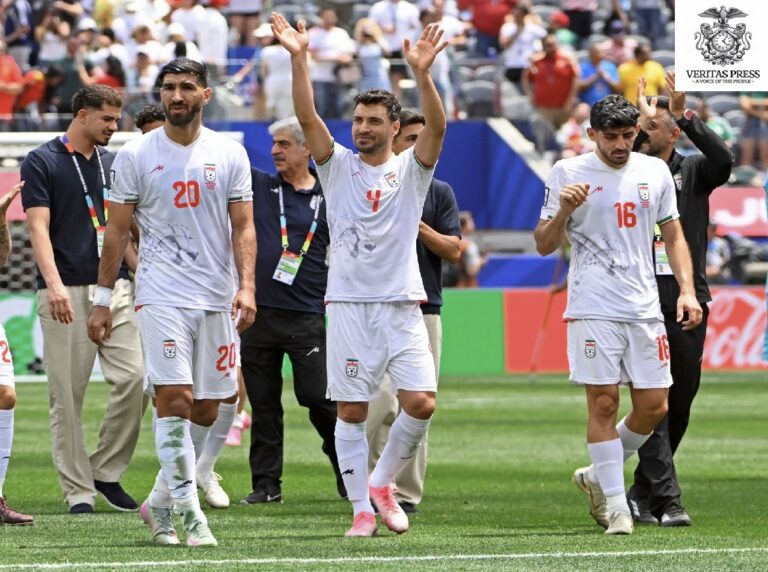
SEATTLE, TEHRAN — The U.S. Department of Homeland Security (DHS) will allow Iran’s national football team to enter the country 48 hours before their critical World Cup match against Egypt on Friday, a modest concession in a tournament where Team Melli’s travel conditions have sparked claims of oppression and competitive disadvantage.