Kamran Faqir is a volunteer investigative journalist and writer committed to exposing hidden truths and amplifying underreported stories. Driven by social justice, he brings sharp insight and fearless truth-telling to independent journalism. NUJ registered.
Original Article Date Published:
Article Date Modified:
Views:425
Listen to this article
Help support our mission, donate today and be the change. Every contribution goes directly toward driving real impact for the cause we believe in.
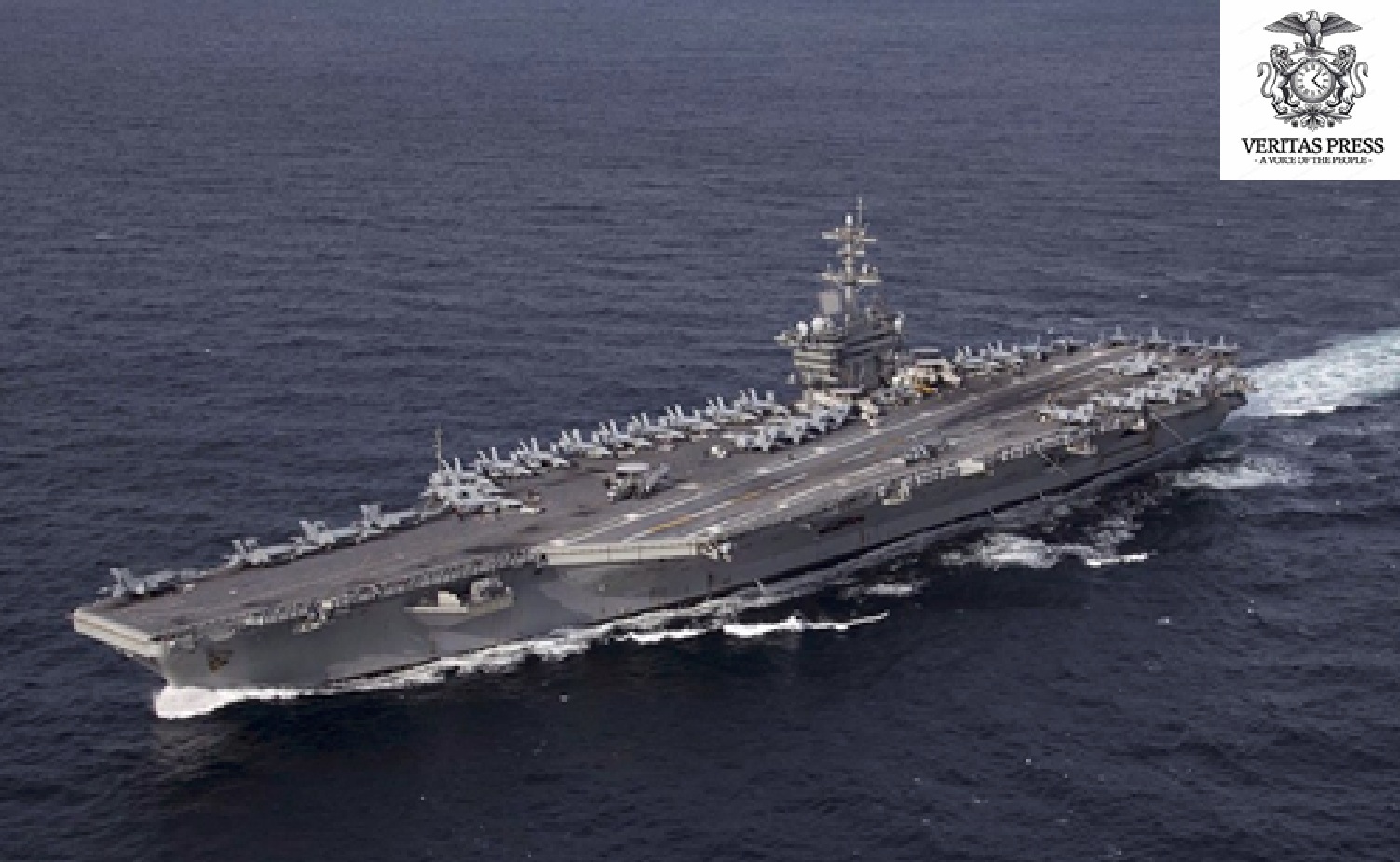
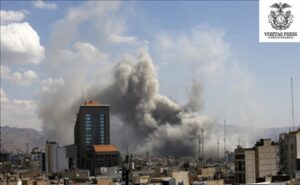
IRAN – The third day of “Operation Epic Fury” has plunged the Middle East into a constitutional crisis and a shooting war simultaneously. As joint US-Israeli strikes continue to pound Iranian military infrastructure for the third consecutive day, a fierce information war is raging over the fate of the USS Abraham Lincoln (CVN-72).
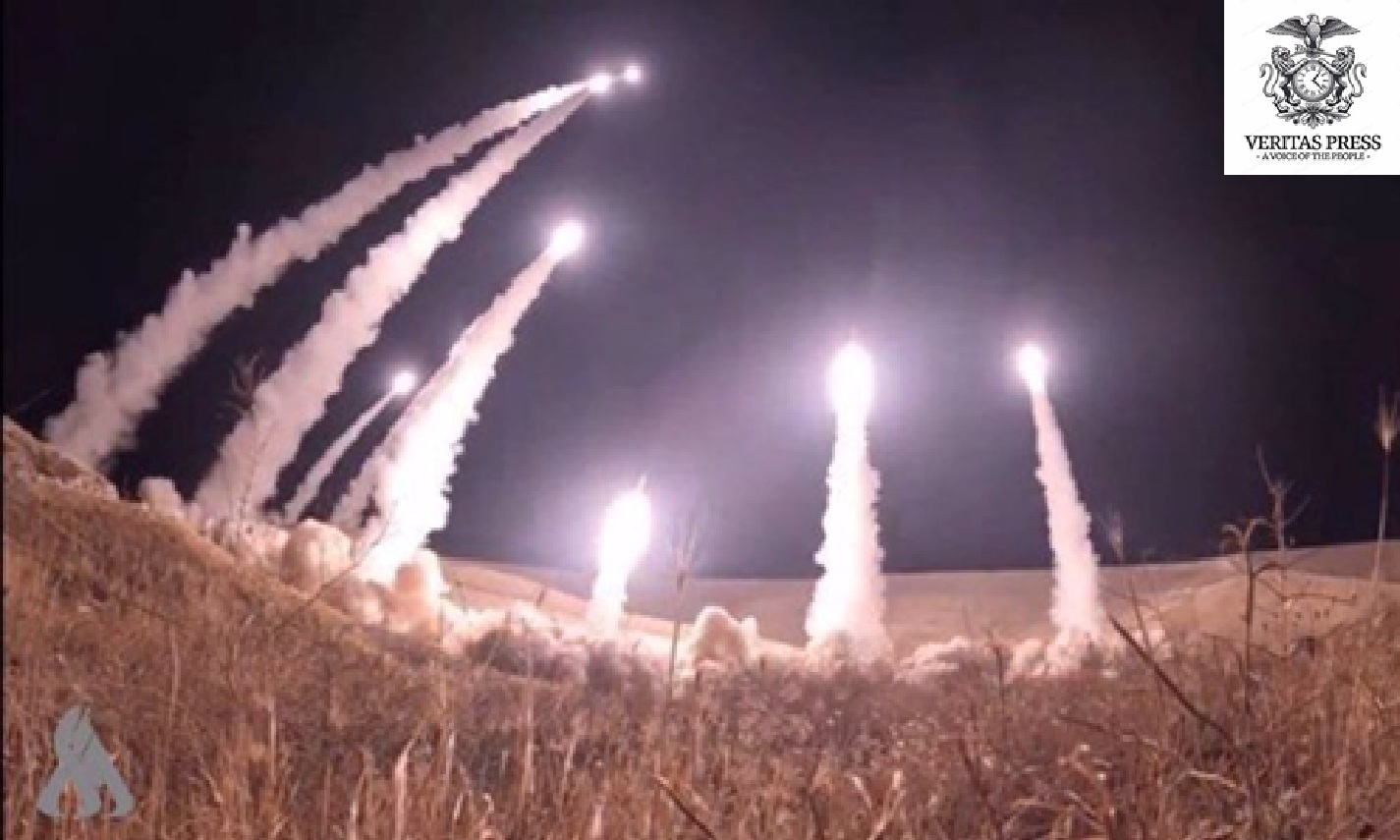
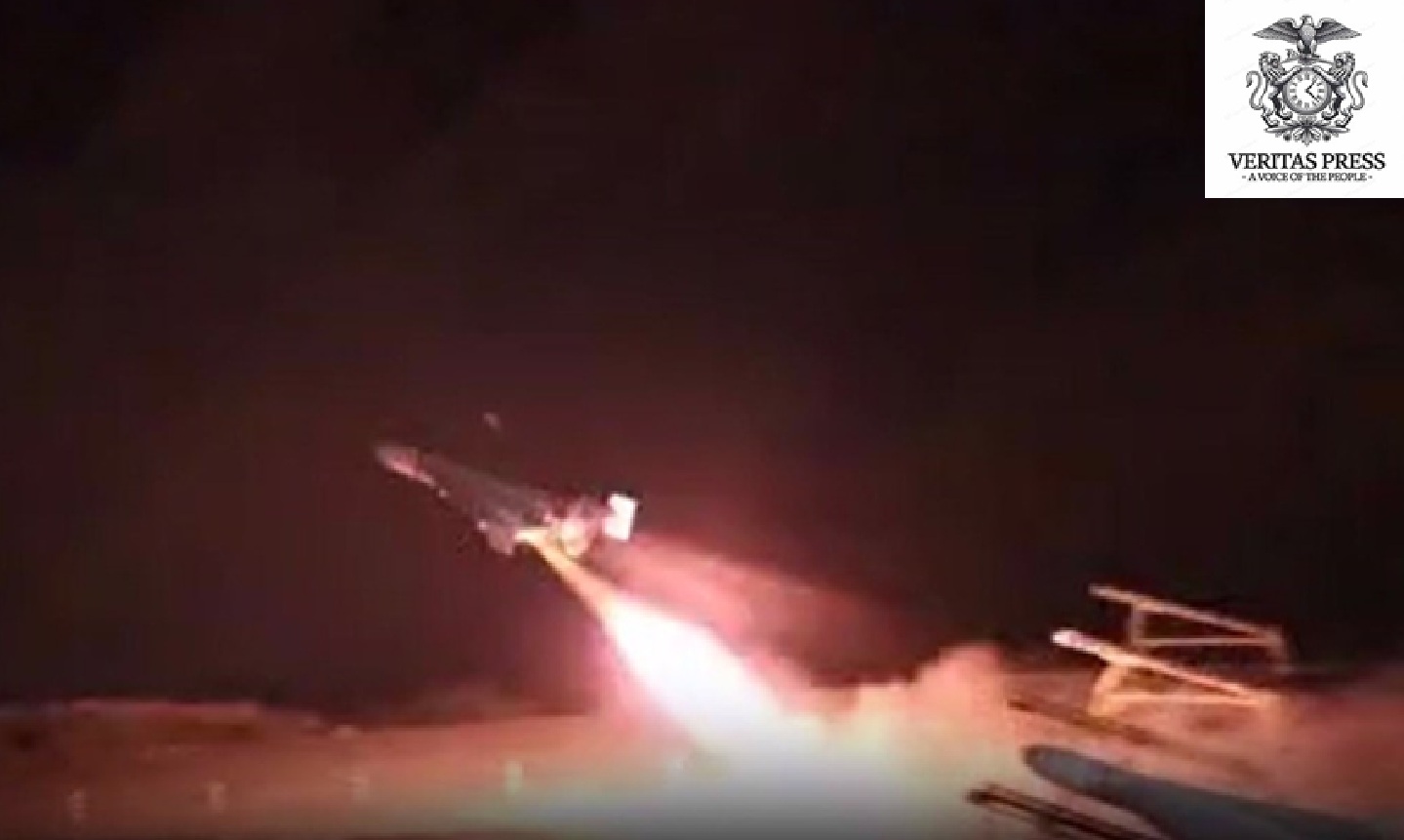
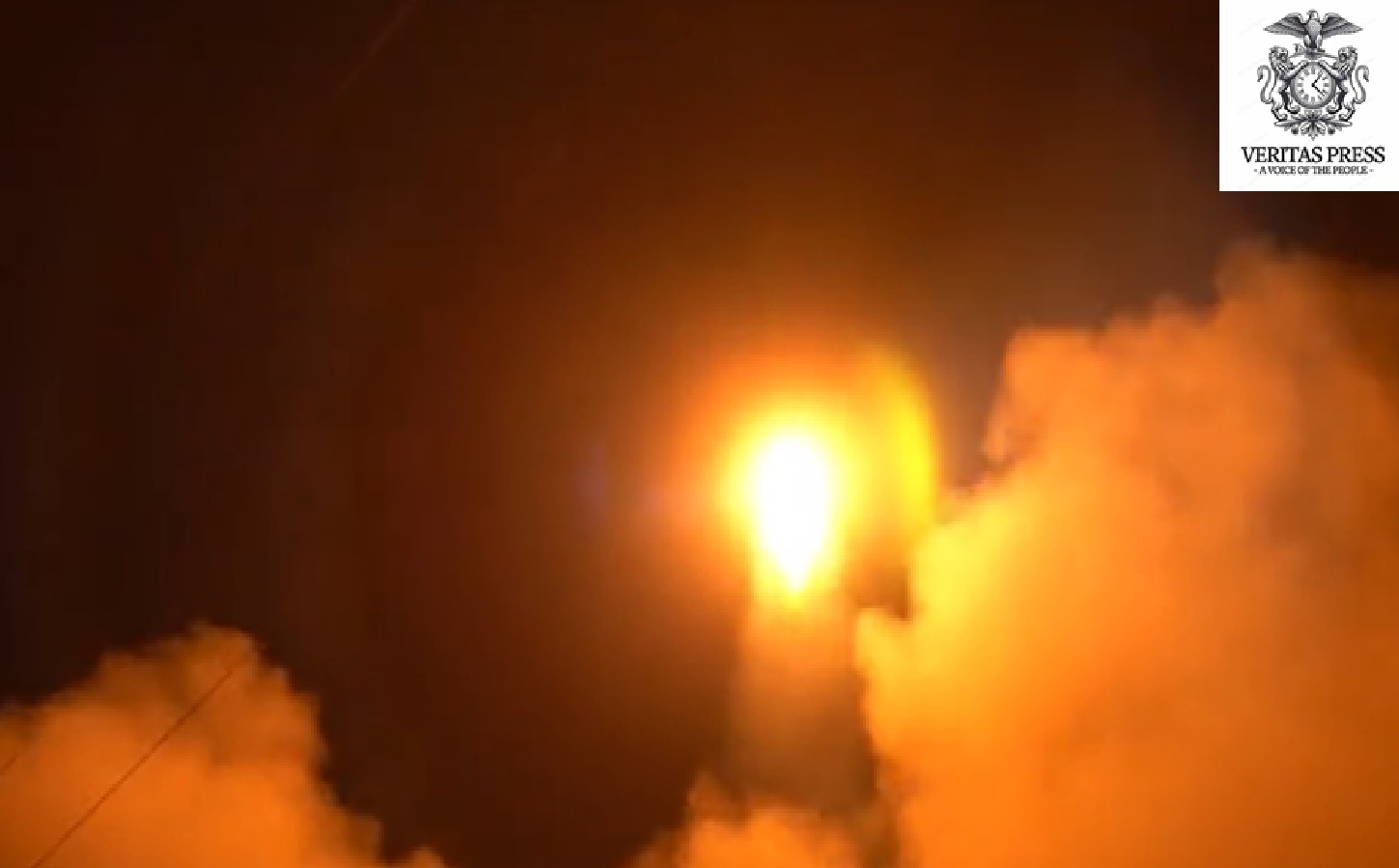
The Islamic Revolutionary Guard Corps (IRGC) claimed a monumental victory on Sunday, stating that it successfully struck the American nuclear-powered aircraft carrier with four ballistic missiles as part of Operation True Promise 4. However, the United States Central Command (CENTCOM) has vehemently denied the claim, stating the missiles “didn’t even come close”. While the physical damage to the carrier remains officially unconfirmed by independent sources, the human toll of this escalation is becoming tragically clear: the Pentagon has confirmed the first US military deaths in this theatre, with three service members killed and five seriously wounded.
The Battle Of The Narratives: The Lincoln Gambit.
The IRGC’s claim, carried by state media, was framed as the opening salvo of a “new phase” of conflict. “The US aircraft carrier Abraham Lincoln was struck by four ballistic missiles,” the Guards announced, warning that “the land and sea will increasingly become the graveyard of the terrorist aggressors”.
The choice of target is deeply symbolic. The USS Abraham Lincoln, part of the Third Carrier Strike Group, had been deployed to the Arabian Sea weeks prior, serving as the floating airbase for the strikes that ultimately killed Supreme Leader Ayatollah Ali Khamenei. For Tehran, hitting the carrier represents a retaliatory “punching up” against the primary symbol of American power projection.
Yet, within hours, CENTCOM issued a stark rebuttal on X (formerly Twitter). Calling the Iranian assertion a “LIE,” the command stated, “The Lincoln was not hit. The missiles launched didn’t even come close. The Lincoln continues to launch aircraft in support of CENTCOM’s relentless campaign to defend the American people by eliminating threats from the Iranian regime”.
So far, no satellite imagery or independent verification has emerged to support the IRGC’s claim of a direct hit. Defence analysts suggest that the Lincoln operates within a Carrier Strike Group protected by a “layered defence” of Aegis-equipped destroyers and electronic warfare measures, making a successful ballistic missile strike a highly complex undertaking. However, the fact that Iran attempted such a high-profile attack, and that the US felt compelled to issue a rare, emphatic denial, underscores the escalatory nature of the conflict.
Casualties Of A Widening War:
While the carrier battle remains disputed, the death toll is not. The Pentagon confirmed on Sunday that three US service members were killed in action during the ongoing operations, with five others seriously wounded.
President Donald Trump acknowledged the deaths in a video statement, vowing retaliation. “Sadly, there will likely be more before it ends,” Trump said. “But America will avenge their deaths and deliver the most punishing blow to the terrorists who have waged war against, basically, civilisation”.
The White House released a statement mourning the loss, calling the fallen service members “true American patriots”.
The human cost extends far beyond American forces. The Iranian Red Crescent has reported that more than 200 people have been killed in the initial US-Israeli strikes. Among the most horrifying incidents was the destruction of an elementary school for girls in Minab, in the southern province of Hormozgan. According to a statement released by the Iranian Embassy in Bangkok, nearly 200 young girls were killed in that single strike.
The embassy condemned the act as a “crime of aggression,” stating that the strike occurred on the eve of Nowruz while diplomatic negotiations were still technically active, a claim Tehran now dismisses as a “theatre of deception” by Washington.
In Israel, the Iron Dome has been tested to its limits. Iranian missile barrages have caused significant casualties and damage to buildings. In the ultra-Orthodox city of Beitar Illit, a ballistic missile struck a civilian shelter directly, killing nine people and wounding over 20. Israeli authorities admitted that “the protective facility could not withstand a direct hit from a ballistic missile”.
The Region On Fire: Gulf States Caught In The Crossfire.
Iran’s retaliatory strategy has been to target US bases and interests across the region, regardless of host-nation borders. This has turned the Gulf states into a battleground.
The United Arab Emirates reported a devastating barrage: of the 165 ballistic missiles and 541 drones launched toward its territory, the UAE military intercepted the vast majority. However, falling debris from the intercepts and missiles that leaked through caused civilian casualties. The UAE Ministry of Defence confirmed that three civilians were killed and 58 sustained minor injuries.
In Kuwait, the situation was similarly dire. The Kuwaiti Ministry of Defence reported one death and 32 injuries following Iranian attacks. According to local sources cited by IRNA, the conflict nearly escalated further on Monday morning, with Iran claiming to have shot down a US F-15 fighter jet in the skies over Kuwait, a claim that remains unverified and uncommented on by US officials.
Qatar, home to the sprawling Al Udeid Air Base, the headquarters of CENTCOM’s forward operations, also reported repelling attacks. Bahrain, which hosts the US Fifth Fleet, confirmed that a US naval supply centre was hit.
These retaliatory strikes have triggered a diplomatic ripple effect. The UAE announced the closure of its embassy in Tehran and the withdrawal of its ambassador. Saudi Arabia condemned the Iranian attacks, standing in “full solidarity” with its Gulf neighbours.
The International Community Divides:
As the conflict escalates, the world is choosing sides. At the United Nations, Secretary-General António Guterres warned that international peace is being undermined, calling for an immediate halt to hostilities.
But the Security Council remains paralysed by the same divisions playing out on the battlefield. Russia condemned the US-Israeli strikes as “irresponsible aggression,” while China criticised the killing of Khamenei as a “serious violation of Iran’s sovereignty”.
In Europe, the response has been mixed. France, Germany, and the UK issued a joint statement urging an end to destabilising activities, though they were careful to note they were not involved in the initial strikes. UK Prime Minister Sir Keir Starmer stated that British forces were only conducting “regional defensive” missions.
Oman, a traditional mediator, expressed profound disappointment. Foreign Minister Badr Albusaidi issued a stark warning to Washington: “This is not your war”.
The Strait Of Hormuz: A Global Chokepoint Squeezed.
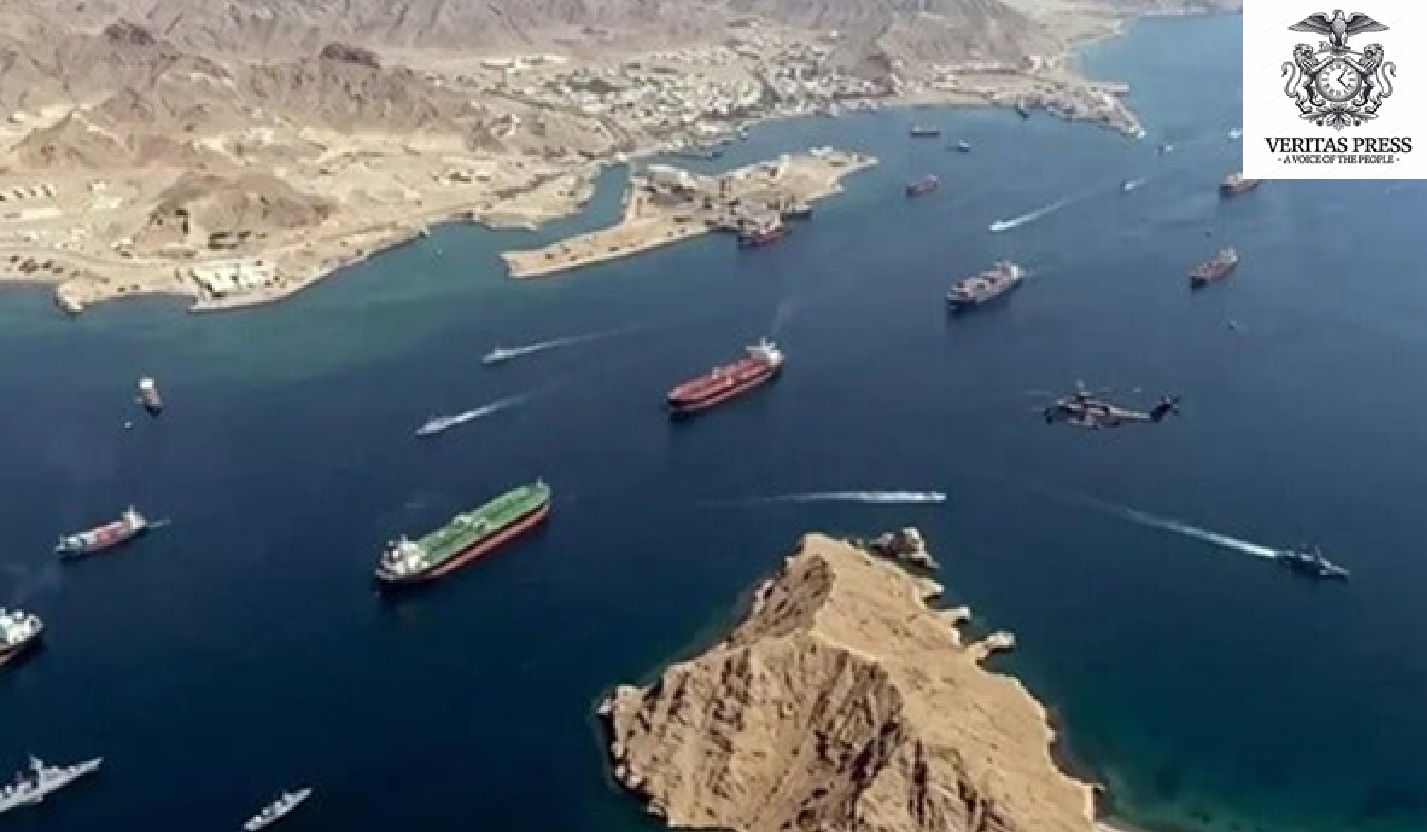
Beyond the missile strikes, Iran is waging economic warfare. The IRGC has effectively imposed a blockade on the Strait of Hormuz, through which a fifth of the world’s oil passes.
Iranian state media reported that an oil tanker attempting to “illegally” traverse the strait was hit and is “gradually sinking”. The targeted vessel was identified as the Marshall Islands-flagged tanker MKD Vyom.
The effect has been immediate. According to MarineTraffic data, at least 150 oil and LNG tankers have anchored in the Gulf outside the strait, unwilling to sail into the danger zone. Global energy markets are bracing for a spike, with analysts warning of a supply shock if the blockade persists.
An Investigative Critique: The Fog Of War And The Fragility Of Truth.
In the fog of war, the first casualty is truth. The conflicting reports regarding the USS Abraham Lincoln highlight a dangerous dynamic: the information war is now as critical as the kinetic one.
1. The Question of Iranian Capability
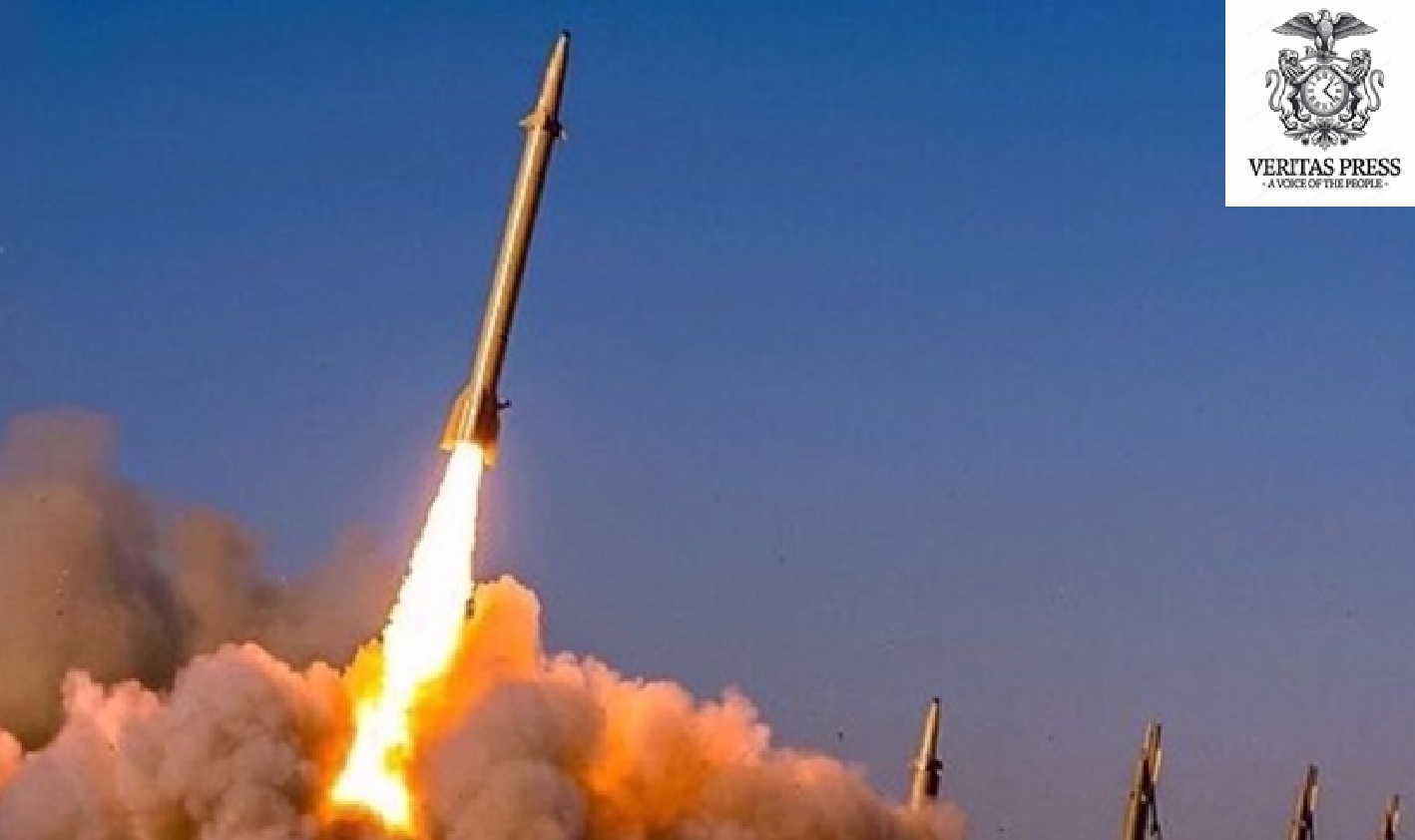
For years, the IRGC has claimed it can sink US carriers. The “Fattah-2” hypersonic missile, which Tehran says can evade air defences, was likely the weapon of choice in this attack. If the US denial is accurate and the missiles missed by a wide margin, it suggests that either US electronic warfare capabilities successfully degraded the missile’s guidance systems or that Iran’s much-vaunted precision-strike capabilities are overstated. However, if the missiles came close enough to force the carrier group to take evasive action (similar to the USS Harry S. Truman incident last year, where an F/A-18 was lost overboard during manoeuvres), the strategic effect is still achieved: the US Navy is now operating in a denied environment.
2. The Strategy of Denial
CENTCOM’s response was unusually aggressive, branding the Iranian claim a “lie” on social media. This is a departure from standard military protocol, which often involves a “no comment” or a simple denial. The shift toward scorched-earth rhetoric indicates that the US is deeply concerned about the propaganda victory Iran would achieve if the perception of a “hit” were to take hold in the global south and among non-aligned nations.
3. The Human Cost of “Decapitation”
The stated US goal is the removal of the Iranian government. The killing of Ayatollah Khamenei and “40 senior commanders” was hailed by Israel as a “first step”. However, the law of unintended consequences is brutal. The strikes have killed a Supreme Leader and triggered a wave of retaliation that is killing civilians from Abu Dhabi to Beitar Illit. The targeting of the girls’ school in Minab, whether by accident or design, will serve as a recruitment poster for hardliners for a generation. Far from cowing the population, the attacks appear to be galvanising a “Death to America” response among loyalists, even as some Iranians secretly cheer the fall of the regime.
Conclusion:
As Day 3 of the war dawns, the conflict shows no signs of de-escalation. President Trump has warned the fighting could last “four or even five weeks,” and has urged the Iranian people to “take over your government,” framing this as their “only chance for generations”.
On the ground, Hezbollah has now entered the fray, striking northern Israel and forcing the evacuation of 50 villages. Iran’s Supreme National Security Council head, Ali Larijani, has declared that “Trump plunged the region into chaos with his ‘delusional fantasies'” and ruled out any possibility of negotiation.
The USS Abraham Lincoln remains on station, launching aircraft. The IRGC is preparing its next “True Promise.” And the civilians of the Middle East, from the schoolgirls of Minab to the families in the shelters of Jerusalem, are paying the price for a war that shows no sign of ending.
Submissions:
For The Secure Submission Of Documentation, Testimonies, Or Exclusive Investigative Reports From Any Global Location, Please Utilise The Following Contact Details For Our Investigations Desk: enquiries@veritaspress.co.uk or editor@veritaspress.co.uk
Help Support Our Work:
Popular Information is powered by readers who believe that truth still matters. When just a few more people step up to support this work, it means more lies exposed, more corruption uncovered, and more accountability where it’s long overdue.
If you believe journalism should serve the public, not the powerful, and you’re in a position to help, becoming a DONATOR or a PAID SUBSCRIBER truly makes a difference.
DONATION APPEAL: If You Found This Reporting Valuable, Please Consider Supporting Independent Journalism.
Help Support Our Work – We Know, We Know, We Know …
Seeing these messages is annoying. We know that. (Imagine what it’s like writing them … )
Your support fuels our fearless, truth-driven journalism. In unity, we endeavour to amplify marginalised voices and champion justice, irrespective of geographical location.
But it’s also extremely important. One of Veritas Press’s greatest assets is its reader-funded model.
1. Reader funding means we can cover what we like. We’re not beholden to the political whims of a billionaire owner. We are a small, independent and impartial organisation. No one can tell us what not to say or what not to report.
2. Reader funding means we don’t have to chase clicks and traffic. We’re not desperately seeking your attention for its own sake: we pursue the stories that our editorial team deems important and believe are worthy of your time.
3. Reader Funding: enables us to keep our website and other social media channels open, allowing as many people as possible to access quality journalism from around the world, particularly those in places where the free press is under threat.
We know not everyone can afford to pay for news, but if you’ve been meaning to support us, now’s the time.
Your donation goes a long way. It helps us:
Keep the lights on and sustain our day-to-day operations
Hire new, talented independent reporters
Launch real-time live debates, community-focused shows, and on-the-ground reporting
Cover the issues that matter most to our communities, in real time, with depth and integrity
We have plans to expand our work, but we can’t do it without your support. Every contribution, no matter the size, helps us stay independent and build a truly people-powered media platform.
If you believe in journalism that informs, empowers, and reflects the communities we serve, please donate today.
Kamran Faqir is a volunteer investigative journalist and writer committed to exposing hidden truths and amplifying underreported stories. Driven by social justice, he brings sharp insight and fearless truth-telling to independent journalism. NUJ registered.
SEATTLE, TEHRAN — The U.S. Department of Homeland Security (DHS) will allow Iran’s national football team to enter the country 48 hours before their critical World Cup match against Egypt on Friday, a modest concession in a tournament where Team Melli’s travel conditions have sparked claims of oppression and competitive disadvantage.