Kamran Faqir is a volunteer investigative journalist and writer committed to exposing hidden truths and amplifying underreported stories. Driven by social justice, he brings sharp insight and fearless truth-telling to independent journalism. NUJ registered.
Listen to this article
Help support our mission, donate today and be the change. Every contribution goes directly toward driving real impact for the cause we believe in.
Article Date Published:
Article Date Modified:
13 minutes
Views:104
As Storm Chandler devastates Somerset and a new Flood and Drought Resilience Taskforce convenes, ministers promise £4.2 billion and a “one-stop shop” for flood advice, but shadow ministers, activists and local communities ask whether Britain’s defences are fit for purpose.
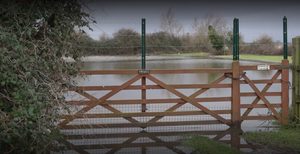
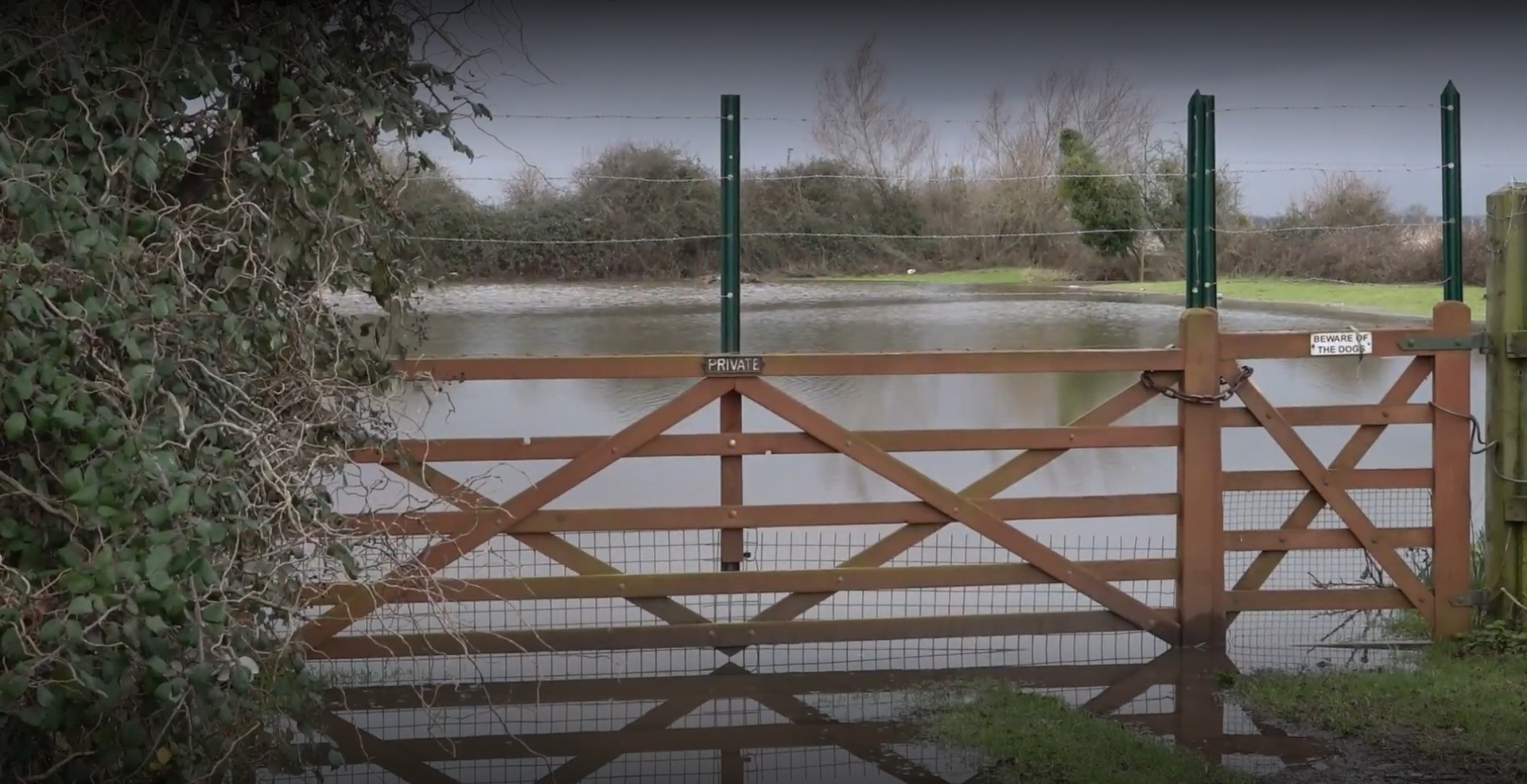
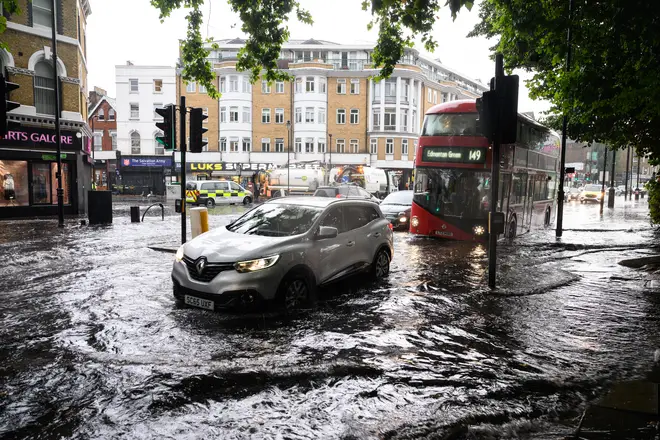
Somerset hit by heavy flooding in Storm Chandra as major incident declared
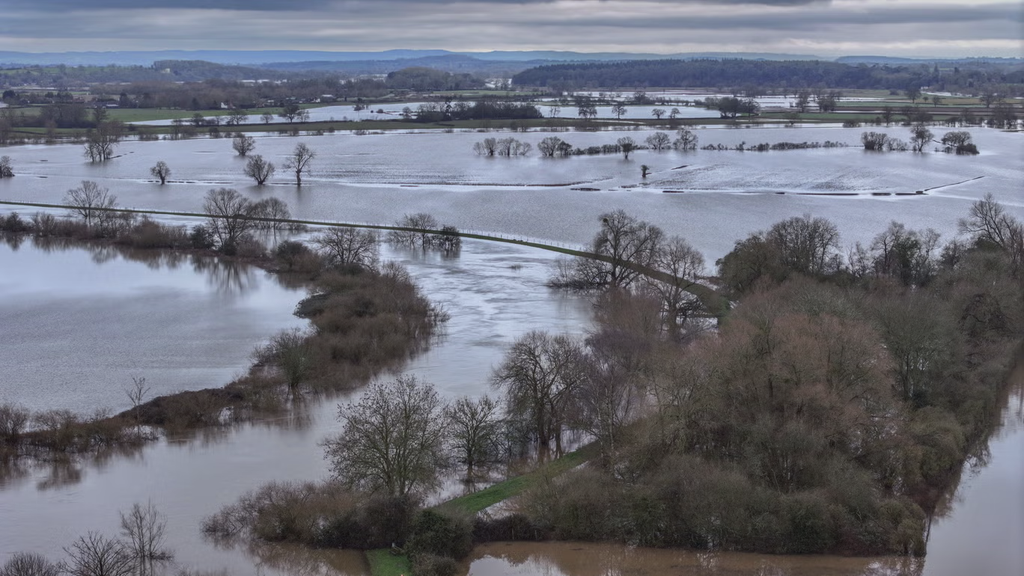
SOMERSET, England — The water came without warning, as it always does. In the village of Muchelney, residents watched from upstairs windows as the River Parrett burst its banks for the third time in eighteen months, turning lanes into rivers and gardens into lakes. For 72 hours, the community was an island, cut off, once again, by a combination of record rainfall, saturated ground, and what campaigners describe as decades of under-investment in the very defences meant to protect them.
“We’ve been here before,” said Sarah Whitcombe, 54, a retired teacher who has lived in the Somerset Levels for most of her life. “They tell us they’re investing billions. They tell us they’re more prepared than ever. But when the water comes, we’re still filling sandbags ourselves while we wait for help that arrives too late.”
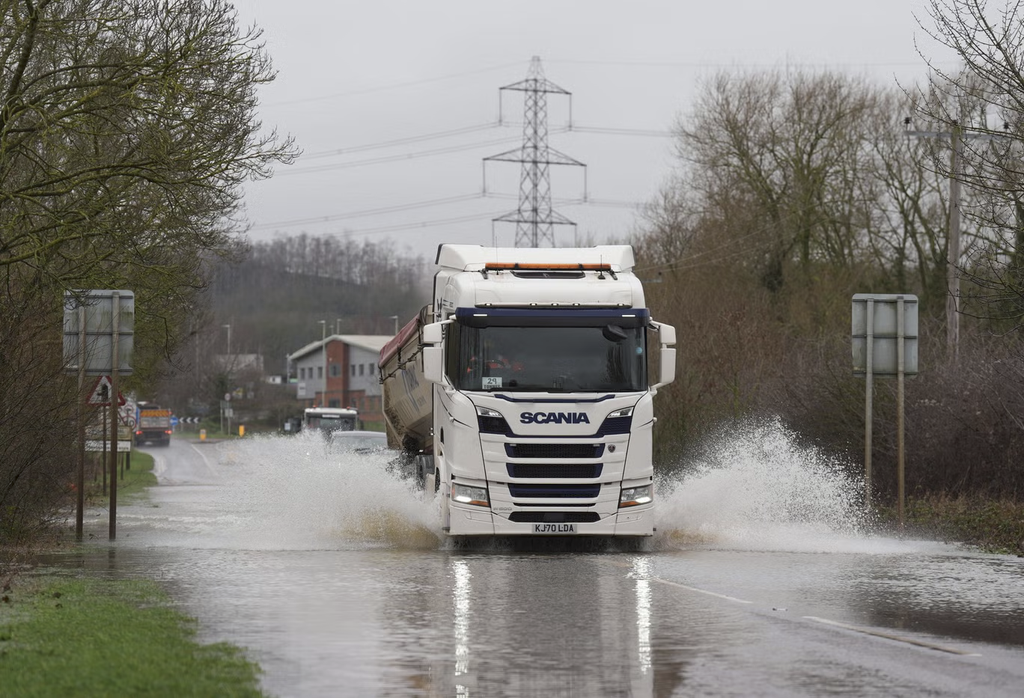
Whitcombe’s frustration echoes across England this week as the government launches its annual Flood Action Week campaign, unveils a new online flood warning portal, and convenes a freshly minted Flood and Drought Resilience Taskforce, all against the backdrop of Storm Chandler, which forced Somerset to declare a major incident as heavy flooding submerged roads, trapped residents, and reignited bitter memories of the catastrophic 2013–14 winter floods.
The New Architecture Of Flood Preparedness
At the heart of the government’s renewed push is “Flood Action Online,” a single-portal website designed to serve as what officials describe as a “one-stop shop” for flood advice. The platform allows residents to assess their property’s flood risk, access practical guidance on property flood resilience measures, and receive real-time Met Office weather alerts during active incidents.
Floods Minister Emma Hardy, the Labour MP for Hull West and Haltemprice, framed the initiative as a response to the accelerating climate crisis.
“Climate change means that extreme weather can switch quickly, but we’re more prepared than ever before for the challenges posed by floods,” Hardy said. “An investment of £4.2 billion into new and existing flood defences aims to support the country against severe weather in the coming years. We are continuing to step up our defences against the weather, and encourage everyone to check their flood risk, prepare a flood plan, and follow warnings to protect their home and family.”
The government has committed at least £10.5 billion up to 2036 to protect homes, businesses, and critical infrastructure from flooding. Between April 2024 and March 2029 alone, £4.2 billion is earmarked for repairing and replacing existing defences and constructing new ones, with a target of improving protection for 200,000 properties, delivering what officials estimate will be £27.9 billion in avoided economic damage.
Caroline Douglass, the Environment Agency’s executive director for floods, emphasised the operational scale of the response apparatus.
“Every year, flooding threatens communities across England, and as we deal with the changing climate, it’s never been more important for people to understand what they can do to prepare,” Douglass said. “This Flood Action Week, our new flood website will make it easier than ever to access helpful guidance, while our ongoing investment and maintenance programme will ensure our flood defences continue to protect the areas that need them most. As we head into the winter, our teams are ready to respond around the clock, backed by hundreds of pumps and kilometres of temporary barriers, but we can all play our part in making a difference.”
Brits urged to use new flood warning service ahead of extreme weather
According to the Environment Agency, it maintains 260 mobile pumps, including 17 ultra-high-volume units, and 25 kilometres of temporary barriers ready for deployment. Some 600 personnel are on call at any given time, operating a 24/7 response capability.
The government also announced that its first two years of investment totalled £2.65 billion, with almost 62,000 properties better protected, exceeding the original target of 52,000. The percentage of flood defence assets at or above their required condition rose to 93% at the end of March 2026, with a new target of 93.5% by March 2029.
The Political Battlefield
But the fanfare surrounding the new initiatives has done little to silence critics who argue that the government’s approach amounts to digital window-dressing over crumbling physical infrastructure.
Shadow Environment Secretary Victoria Atkins delivered a scathing assessment: “Communities in fear of devastating flooding need physical and natural defences urgently, and a new website does little to tackle that. The Environment Agency is failing to clear rivers and maintain defences to prevent flooding, despite this being their job. This is why the Conservatives believe this department needs wholesale change, including bringing flood prevention under Ministerial control to get a proper grip, and accountability, on this vital issue.”
Atkins’ criticism taps into a broader concern that has been building among environmental groups, local authorities, and residents: that the Environment Agency’s maintenance budget has been stretched thin, leaving rivers choked with silt and debris, and defences in disrepair.
The agency itself has acknowledged challenges. In its most recent annual report, it noted that while asset conditions have stabilised after “years of decline,” significant work remains to bring all defences up to standard. The 93% figure, while an improvement, still means thousands of assets, from embankments to sluice gates, are not at their required condition.
Storm Chandler: A Wake-Up Call
The taskforce’s first meeting on Wednesday comes as the Met Office warns of a “heightened potential” for wet, windy, and stormy weather this autumn and winter, following a summer of record temperatures and widespread drought. The paradox of drought and flood occurring simultaneously, or in rapid succession, is one that scientists say is becoming increasingly common as climate change disrupts traditional weather patterns.
Yorkshire was one of only two areas of England not officially in drought over the summer, yet it still experienced record temperatures. Now, farmers across the region face the prospect of flooded fields and ruined harvests, compounding the economic pressures already bearing down on the agricultural sector.
Flood action online is designed as a one-stop shop for people to understand the flood risk to their homes and take action to reduce it, as well as providing easy access to weather alerts from the Met Office during incidents
For Somerset, the arrival of Storm Chandler was a bitter reminder of vulnerabilities that residents say have never been fully addressed. The 2013–14 floods caused an estimated £1 billion in damage and led to the creation of the Somerset Rivers Authority, a partnership body tasked with improving flood management. Yet a decade later, residents like Whitcombe say the fundamental problems remain.
“They talk about resilience, but resilience is what you need when the system fails,” she said. “We need the system not to fail in the first place.”
A Taskforce Under Scrutiny
The new Flood and Drought Resilience Taskforce, chaired by Hardy, brings together the Met Office, Environment Agency, mayoral authorities, and representatives from the farming, water, and insurance industries. Its stated aim is to “strengthen the UK’s resilience to flooding and drought” and “put communities and businesses at the heart of our work.”
Hardy described the taskforce as a “smarter, more joined-up approach to manage the nation’s water.”
But some environmental campaigners question whether the taskforce has the teeth to drive meaningful change, or whether it will become another talking shop.
“It’s encouraging to see the government acknowledging that flood and drought are interconnected challenges,” said Dr. Lena Marshall, a climate adaptation researcher at the University of Leeds. “But the real test will be whether this taskforce can translate its discussions into concrete action on the ground. We’ve had numerous reviews, strategies, and taskforces over the years. What we need now is implementation.”
Friends of the Earth’s flood campaigner, Jamie Peterson, was more direct: “The government’s £4.2 billion is a welcome sum, but it’s spread over five years and has to cover both new defences and repairs to existing ones. When you factor in inflation and the scale of the challenge, it’s simply not enough. And a website, however user-friendly, doesn’t stop water.”
The Insurance Industry’s Warning
The insurance industry, which has been closely involved in flood resilience discussions, has also raised concerns. The Association of British Insurers (ABI) has warned that unless flood defence investment keeps pace with climate change, some communities could become uninsurable within the next two decades.
“Insurers want to continue providing cover, but that depends on the government delivering on its flood defence commitments,” said an ABI spokesperson. “We welcome the new taskforce and the investment announced, but we need to see consistent, long-term funding, not just for new defences, but for the maintenance of existing ones. Neglecting maintenance is a false economy that ultimately costs more.”
The ABI’s warning echoes findings from the National Audit Office, which has repeatedly highlighted the risks of deferred maintenance. In a 2020 report, the NAO noted that the Environment Agency’s maintenance backlog had grown to over £1 billion, with potential consequences for flood protection.
Local Voices, National Challenges
In the flood-prone communities of England, the gap between government rhetoric and lived reality is stark.
In Hull, where Hardy serves as MP, residents have long complained about inadequate drainage and flood defences. The city, which sits below sea level in places, was devastated by floods in 2007, when over 8,600 homes were affected. Since then, investment has improved defences, but many residents remain anxious.
“We’ve heard promises before,” said David Okonkwo, a community organiser in Hull. “Every time there’s a flood, politicians come and say they’ll fix it. Then the cameras leave, and nothing changes. We need action, not announcements.”
In the Thames Valley, where the Environment Agency has been working to improve defences along the River Thames, local authorities have raised concerns about the pace of progress. The Thames Scheme, a major flood alleviation project, has been delayed by funding shortfalls and planning challenges.
“Climate change is happening now, but our infrastructure is playing catch-up,” said Councillor Emma Reynolds of the Local Government Association. “Councils are doing what they can, but we need the government to step up with sustained investment and a clear national strategy.”
A Winter Of Uncertainty
As Britain braces for winter, the Met Office’s warnings of potential storms and flooding have taken on added urgency. The combination of drought-parched ground, which can exacerbate flooding by reducing absorption, and the possibility of heavy rainfall is a recipe for disaster.
“The conditions we’re seeing are precisely what climate scientists have been predicting,” said Dr. Marshall. “More extreme weather, more frequent floods, more intense droughts. The question is whether our institutions and infrastructure can adapt fast enough.”
The government will be convening to assess how prepared the UK is for flooding this winter. Picture: Leon Neal/Getty
For residents like Whitcombe in Somerset, the answer is far from certain.
“I’ll sign up for the new warning service,” she said. “I’ll check my flood risk, I’ll make a plan. But what I really want is to know that the defences will hold. That the rivers will be cleared. That when the rain comes, and it will come, we won’t be left to fend for ourselves.”
The Road Ahead
The government’s new flood portal and taskforce represent a genuine attempt to improve coordination and public awareness. But as critics have noted, information alone cannot stop water. The real test will be whether the £4.2 billion investment delivers tangible improvements, and whether the government can address the systemic issues that have left communities vulnerable for decades.
As Flood Action Week gets underway, the message from ministers is clear: prepare, check your risk, sign up for alerts. But from the floodplains of Somerset to the streets of Hull, the message from residents is equally clear: we need more than warnings. We need defences that work, rivers that are maintained, and a government that treats flood prevention as the national priority it has become.
The taskforce will meet, the website will launch, and the winter rains will come. Whether Britain is truly prepared, or merely better informed, remains an open question, and one that will be answered not in press releases, but in the flooded streets and submerged fields of a country increasingly defined by its relationship with water.
The Environment Agency also provides free flood warnings to help people prepare for flooding and reduce the impact it has on their lives.
Veritas Press Investigative Analysis Independent journalism examining global affairs, power, diplomacy, and accountability.
Source:Veritas Press C.I.C. | Multi-News Agencies
Help Support Our Work
Readers who believe that truth still matters have power over popular information. When just a few more people step up to support this work, it means more lies exposed, more corruption uncovered, and more accountability where it’s long overdue.
Help Protect Independent Journalism, Which Is Currently Under Attack.
If you believe journalism should serve the public, not the powerful, and you’re able to help, becoming a regular DONOR or a PAID SUBSCRIBER truly makes a difference.
DONATION APPEAL: If you found this reporting valuable, please consider supporting independent journalism.
Your support fuels our fearless, truth-driven journalism. In unity, we endeavour to amplify marginalised voices and champion justice, irrespective of geographical location. We operate independently, with no financial backing from billionaires; our readers support us.
But it’s also extremely important. One of Veritas Press’s greatest assets is its reader-funded model.
1. Reader funding means we can cover what we like. We’re not beholden to the political whims of a billionaire owner. We are a small, independent and impartial organisation. No one can tell us what not to say or what not to report.
2. Reader funding means we don’t have to chase clicks and traffic. We’re not desperately seeking your attention for its own sake; we pursue the stories that our editorial team deems important and believes are worthy of your time.
3. Reader Funding: enables us to keep our website and other social media channels open, allowing as many people as possible to access quality journalism from around the world, particularly those in places where the free press is under threat.
We know not everyone can afford to pay for news, but if you’ve been meaning to support us, now’s the time.
Your donation goes a long way. It helps us:
Keep the lights on and sustain our day-to-day operations
Hire new, talented, independent reporters
Launch real-time live debates, community-focused shows, and on-the-ground reporting
Cover the issues that matter most to our communities, in real time, with depth and integrity
Without your support, independent voices like ours will be silenced.
Furthermore, we have plans to expand our work, but we can’t do it without your support. Every contribution, no matter the size, helps us stay independent and build a truly people-powered media platform.
If you believe in journalism that informs, empowers, and reflects the communities we serve, please donate today.
SEATTLE, TEHRAN — The U.S. Department of Homeland Security (DHS) will allow Iran’s national football team to enter the country 48 hours before their critical World Cup match against Egypt on Friday, a modest concession in a tournament where Team Melli’s travel conditions have sparked claims of oppression and competitive disadvantage.