Kamran Faqir is a volunteer investigative journalist and writer committed to exposing hidden truths and amplifying underreported stories. Driven by social justice, he brings sharp insight and fearless truth-telling to independent journalism. NUJ registered.
Original Article Date Published:
Article Date Modified:
17 minutes
Views:390
Listen to this article
Help support our mission, donate today and be the change. Every contribution goes directly toward driving real impact for the cause we believe in.
“An Iranian deputy defence minister says the country would allow passage through the Strait of Hormuz in the Persian Gulf after the conclusion of the US-Israeli aggression under protocols that protect Iran’s security.“
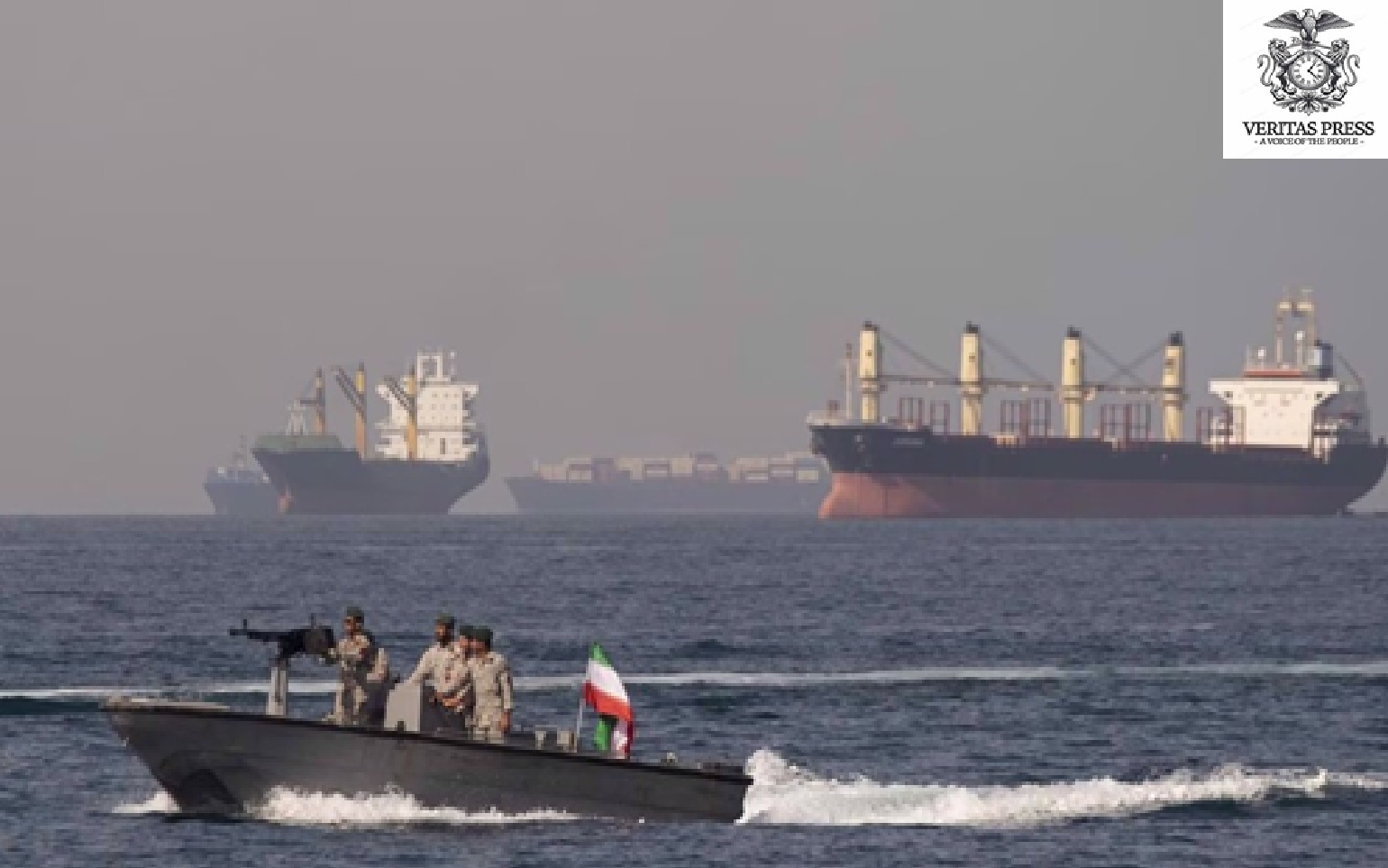
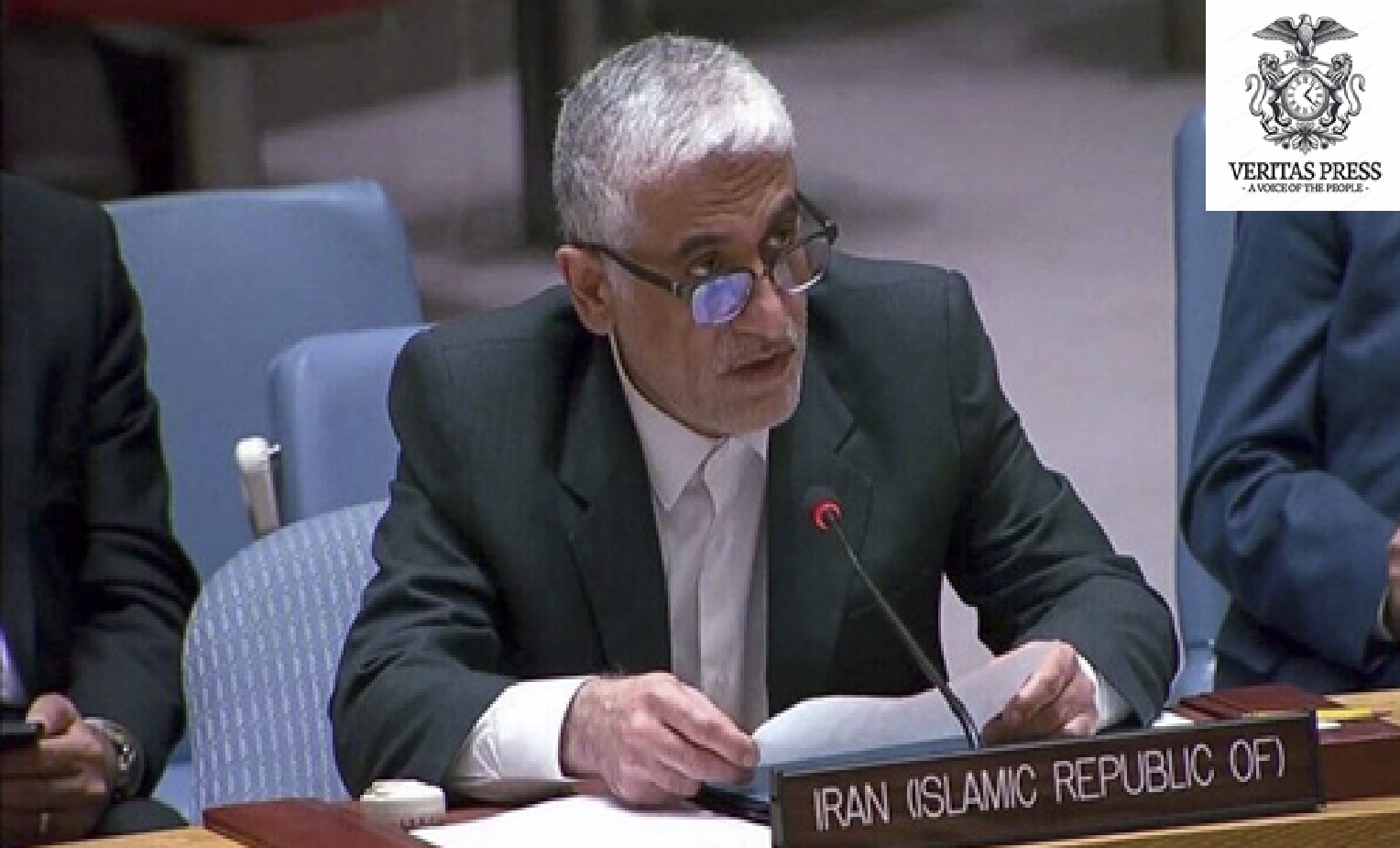
BISHKEK / TEHRAN / WASHINGTON — April 28, 2026, On the very day that the guns largely fell silent, a different kind of detonation rippled through the global economy. Brigadier General Reza Talaei-Nik, Iran’s deputy defence minister and ministry spokesman, sat before a gathering of the Shanghai Cooperation Organisation’s defence ministers in Bishkek, Kyrgyzstan, and delivered a message that was by turns conciliatory, defiant, and profoundly unsettling for the established guardians of global trade. Post-war transit through the Strait of Hormuz, the jugular vein of the world’s energy supply, would resume, but only under Iran’s security protocols. “Allowing the smooth transit of commercial ships will be on the agenda after the end of the war, provided that protocols that do not jeopardise Iran’s security are observed,” he stated.
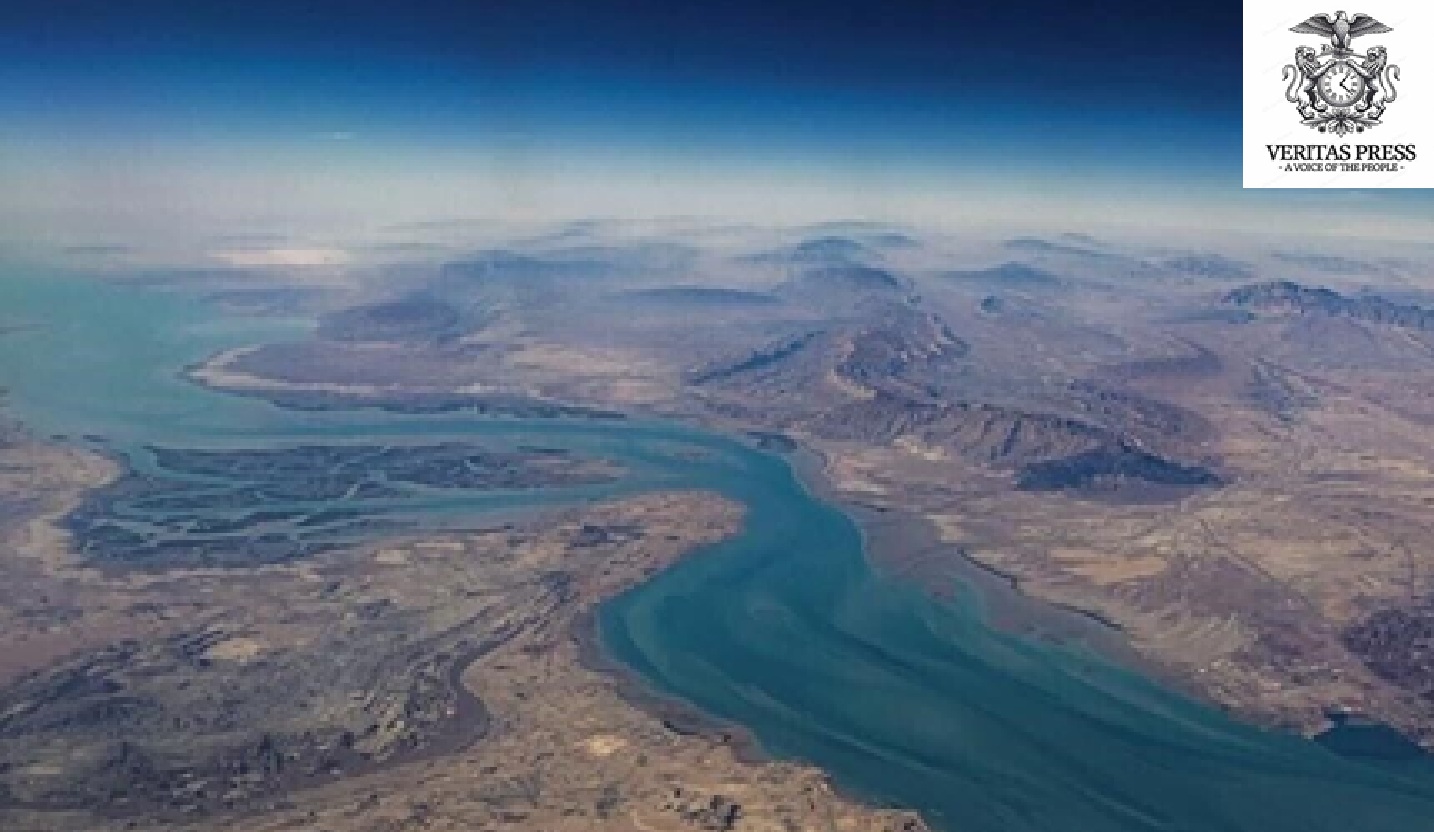
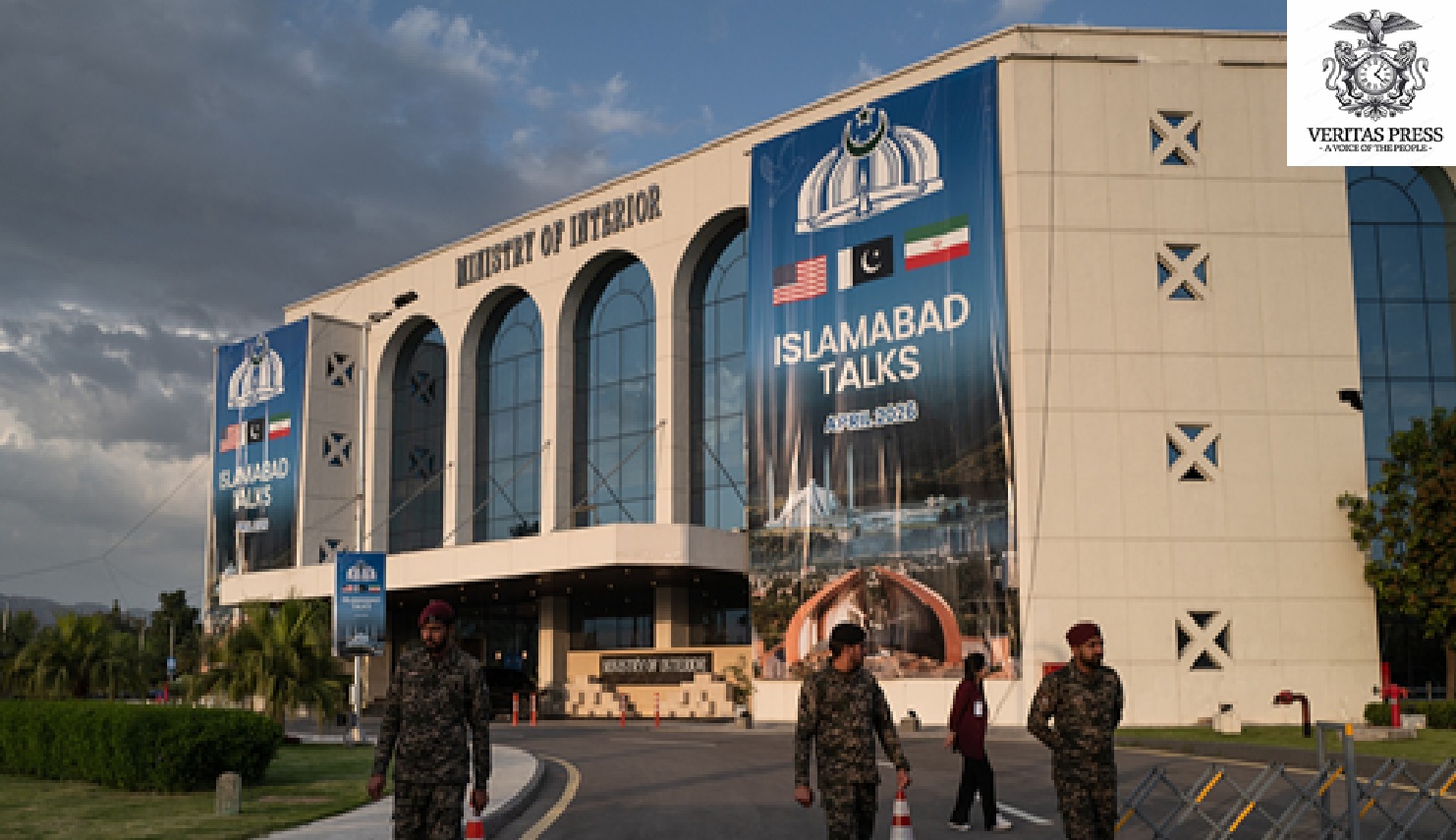
The words, delivered in the staid diplomatic vernacular of a multilateral forum, masked a tectonic shift. After a 39-day conflict that pitted the United States and Israel against the Islamic Republic, a war that began with strikes on February 28 and paused with a fragile ceasefire on April 8, Iran is seeking to convert its geographic advantage into a permanent legal and financial architecture. The Strait, which in peacetime carries roughly one-fifth of the world’s oil, gas, and a significant share of global trade, is no longer just a waterway; it is becoming a toll booth, a screening checkpoint, and the focal point of a new, multipolar struggle over the rules-based international order.
The Toll Booth Takes Shape: From Emergency Measure To Permanent System.
While Washington and Tehran trade barbs over who violated the ceasefire first, Iran has been busy building the institutional scaffolding of its new maritime regime. The plan is no longer a contingency discussed in war rooms. It is law in waiting. Senior MP Alaeddin Boroujerdi has confirmed that parliament will advance a bill titled the “Hormuz Strait Security Plan,” which would formalise the toll system and create what he described as a “sustainable source of revenue”. To accommodate the flow, the Central Bank of Iran has already opened four special accounts, in rials, Chinese yuan, US dollars, and euros, to collect the proceeds.
The tolls are not symbolic. Lloyd’s List Intelligence has reported at least one supertanker paying $2 million for a single passage. Iran’s IRGC Navy, which operates the de facto checkpoints, has been collecting payment in cryptocurrency or Chinese yuan, effectively circumventing the Western banking infrastructure designed to isolate it. A senior Iranian official told CNN that vessels which agree to pay would be prioritised; those that do not will have their passage postponed.
The toll system is coordinated with a new traffic separation scheme around Larak Island, where the IRGC has identified hazardous areas, suggesting the possible presence of sea mines. Vessels must coordinate directly with Iranian armed forces, disclose detailed ownership and insurance information, and essentially submit to a political screening before being granted safe-conduct.
The revenue generation is a direct response to what Tehran describes as the economic damages of years of Western sanctions, but it is also an assertion of sovereignty that fundamentally challenges the principle of free passage through international straits. IMO Secretary-General Arsenio Dominguez was unequivocal: there is “no legal basis” for imposing fees on vessels passing through strategic waterways. Yet with the UN Security Council paralysed and the world’s navies unable or unwilling to physically force open the corridor, international law is proving as inviolable as the paper it is written on.
The Screening Regime: A Ban On Enemies, A Preference For Friends.
Talaei-Nik’s Bishkek statement elaborated on the contours of the new order. Under the proposed legal regime, ships owned by or linked to the Israeli regime face a total ban. Ships related to hostile countries and their affiliates will face restrictions. This edict, enforced by the same IRGC that earlier this conflict declared the Strait “closed” to US-Israel-allied vessels under threat of “harsh measures”, effectively creates a two-tier system of maritime access that divides the world into approved and proscribed nations.
Ebrahim Azizi, chairman of the Parliament’s National Security and Foreign Policy Committee and a former IRGC commander, made the bottom line explicit: control over the Strait is “an inalienable right” from which Iran will “never” retreat. Azizi’s committee is pushing a bill that would also deny passage to states accused of causing damage to Iran until reparations have been paid. In this framing, navigation is not a universal right under the UN Convention on the Law of the Sea but a revocable privilege contingent on Tehran’s political calculus.
The system has already been operationalised on a selective basis. Reporting indicates that Iran has granted preferential access to ships from China, Russia, India, Pakistan, and several other nations while blocking or delaying Western-linked vessels. This selective enforcement is precisely what Secretary of State Marco Rubio warned against: “They cannot normalise, nor can we tolerate them trying to normalise, a system in which the Iranians decide who gets to use an international waterway”.
“The Sound Of Shattering Unilateralism”: A Geopolitical Masterstroke.
If the operational details of Iran’s Hormuz strategy are audacious, the political framing is revolutionary. In his Bishkek address, Talaei-Nik emphasised that the US-Israeli war had made the world “more clearly hear the sound of shattering the backbone of unilateralism and the global dictatorship.” He declared that the United States “is no longer in a position to dictate its policies to independent nations”. The language is calibrated for an SCO audience that includes Russia, China, India, and Pakistan, nations that have long chafed at American dominance and that now see in Iran’s defiance a potential template for challenging the maritime order more broadly.
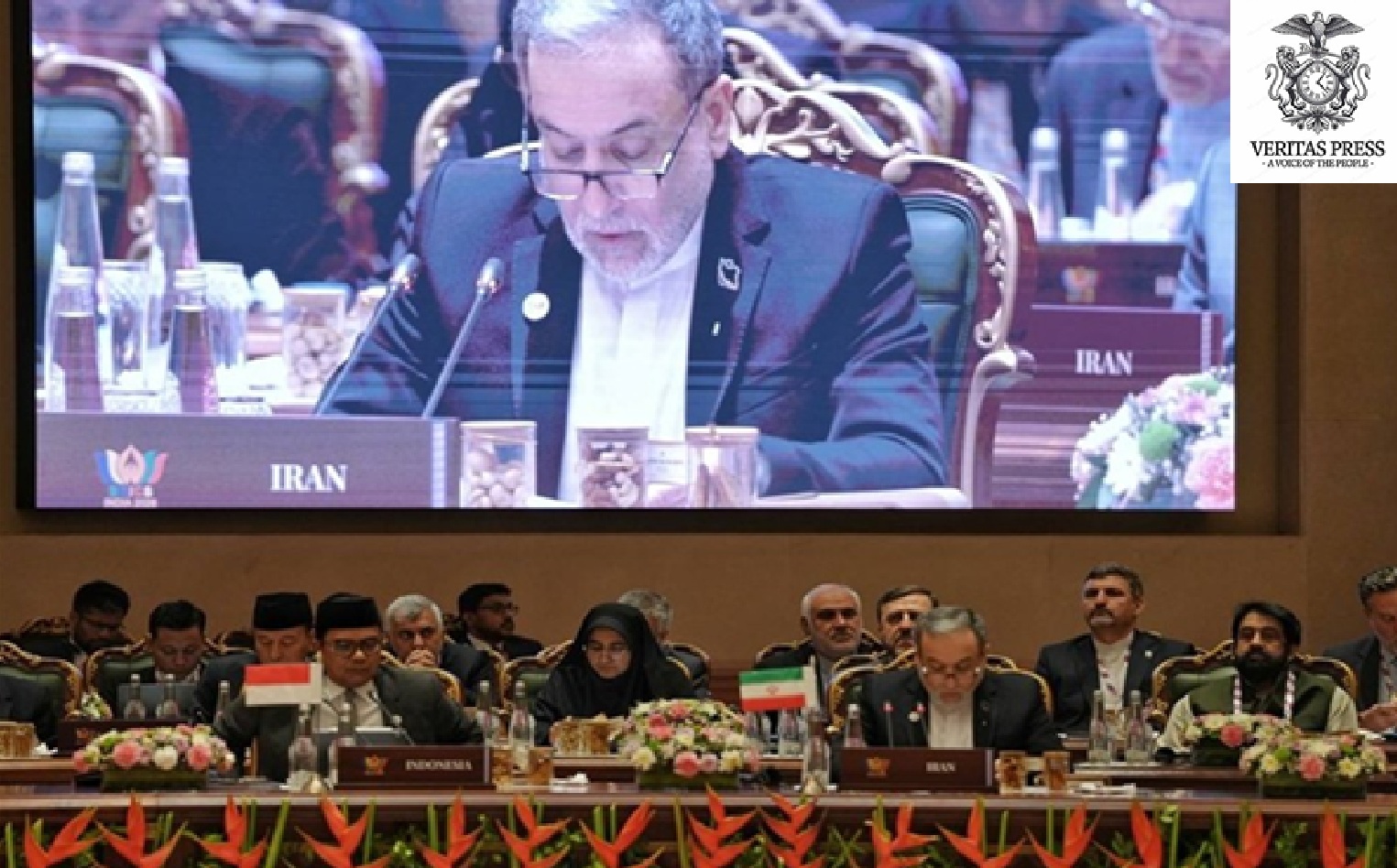
This framing is not incidental. Iran’s full SCO membership, granted in July 2023, was always the cornerstone of Tehran’s “Look to the East” strategy. But the war has accelerated the alliance’s transformation from a talking shop into a de facto security bloc. In Bishkek, Talaei-Nik publicly offered to share Iran’s “battle-tested defence power” and its “experiences of America’s defeat” with SCO members. Russian Defence Minister Andrei Belousov, in a private meeting, assured his Iranian counterpart that Moscow would continue to support Tehran “under any circumstances,” reaffirming Russia’s commitment to Iran’s sovereignty and territorial integrity.
The message was unmistakable: the US and Israel may have superior military technology, but Iran had absorbed their strikes, continued to launch waves of drones and missiles at US bases across the region, and, crucially, emerged with its most potent strategic asset, the Strait, firmly in its grip. The American public was told one story; the reality, as US media has begun to reveal, was that the extent of damage suffered by the US military at the hands of Iranian armed forces “is far beyond the narratives of the Trump administration”.
Washington’s Rejection And The Nuclear Linkage:
The US has responded with a mixture of outright rejection and internal discord. Secretary Rubio stated bluntly that “if what they mean by opening the straits is, ‘yes, the straits are open as long as you coordinate with Iran, get our permission, or we’ll blow you up, and you pay us,’ that’s not opening the straits”. President Trump convened his top national security advisors on Monday to review the Iranian proposal, but White House spokesperson Karoline Leavitt declined to characterise the meeting as a formal review, saying only that the president’s “red lines” had been made clear.
What has emerged from these discussions is a fundamental disagreement over sequencing. Iran’s proposal, conveyed through Pakistani mediators and via Foreign Minister Abbas Araghchi’s shuttle diplomacy to Oman, Pakistan, and ultimately to St. Petersburg, where he met with Vladimir Putin, envisions a phased deal. First, declare an end to the war and reopen the Strait. Then, resolve the US naval blockade and maritime disputes. Only afterwards would talks on Iran’s nuclear program begin. This effectively decouples the nuclear file from the immediate crisis, a move that would leave Iran’s uranium enrichment capabilities intact while addressing the economic emergency.
Trump, who has made denial of nuclear weapons to Iran a personal crusade, reportedly did not reject the proposal outright during his Monday meeting but suggested Tehran was “negotiating in bad faith” and was unable to commit to halting enrichment. Officials indicated the White House would likely make a counterproposal, but the path forward is obscured by the administration’s own contradictions. Trump’s tweeted dismissal, “Too much time wasted on travelling, too much work!”, of the planned Islamabad talks was matched by Vice President JD Vance’s private scepticism, as reported in The Atlantic, about the Pentagon’s rosy assessments and the depletion of US weapons stockpiles.
The Economic Stranglehold: Bleeding The World To Pressure Washington
While diplomats debate sequencing, the Strait’s near-closure is eviscerating the global economy. As of Tuesday, Brent crude surged past $110 per barrel, with West Texas Intermediate nearing 100. Both benchmarks are hovering at levels not seen in years. Goldman Sachs estimates that the blockade and attacks on regional energy infrastructure have reduced global oil production by 14.5 million barrels per day. Traffic through the Strait, normally 129 vessels a day, has collapsed. Just eight vessels crossed on the Sunday before Talaei-Nik’s address. Some 600 large ocean-going vessels remain stranded inside the Gulf.
The human cost is cascading. UN Secretary-General António Guterres, in a special Security Council session, warned that prolonged disruption “risks triggering a global food emergency, pushing millions, especially in Africa and South Asia, into hunger and poverty.” He appealed directly to the parties: “Open the strait; let ships pass; no tolls, no discrimination; let trade resume; let the global economy breathe”. But his words, like the IMO’s legal pronouncements, lack enforcing power.
On the ground, the consequences are stark. Approximately 20,000 seafarers are estimated to be stranded aboard vessels caught in the crossfire. Major container lines, Maersk, MSC, Hapag-Lloyd, CMA CGM, and Ocean Network Express, have all suspended bookings to and from the Arabian Gulf. DHL is racing to airlift Gulf cargo through Leipzig, while wait times at overflow ports like Khorfakkan have stretched to 10 days. The S&P Global PMI index showed eurozone business activity shrinking for the first time in 16 months.
The Iranian calculation, as articulated by Soufan Centre analysts, is straightforward: a prolonged elevation of global energy prices and mounting shortages will increasingly pressure Trump to accede to Iran’s positions, end the war, and eventually withdraw US forces. The US counter-calculation that its own naval blockade, imposed on April 13, will quickly cripple Iran’s economy by preventing its oil exports, has yet to produce a capitulation. Iran’s oil inventories have ballooned more than tenfold, from 4.6 million barrels before the war to 49 million, out of a maximum storage capacity of 95 million. Analysts cited by the Wall Street Journal say Iran could run out of storage space in less than two weeks. But whether economic asphyxiation will translate into political concession remains the billion-dollar question. Danny Citrinowicz of the Tel-Aviv Institute for National Security Studies warned that “Tehran has consistently demonstrated a willingness to absorb economic pain while holding firm on what it views as core national interests. There is little reason to believe this time will be different”.
The Fractured Peace: Ceasefire Violations And Reciprocal Blockades.
The path to this juncture was paved with mutual accusations of bad faith. Despite the April 8 ceasefire, Iran did not restore free navigation. Instead, Tehran began implementing a controlled access system under which vessels had to coordinate with Iranian armed forces and pay passage fees. On April 18, Iran reimposed full restrictions, accusing the US of breaching the ceasefire by maintaining its naval blockade. Iran’s joint military command declared that “control of the Strait of Hormuz has returned to its previous state under strict management and control of the armed forces”.
Parliamentary Speaker Mohammad Bagher Ghalibaf, who led Iran’s delegation at the first round of talks, captured Tehran’s logic: “A complete ceasefire only has meaning if it is not violated through a naval blockade. Reopening the Strait of Hormuz is not possible amid a blatant violation of the ceasefire”. Meanwhile, the US claimed its blockade was necessary to prevent Iran from exporting oil and circumventing sanctions, arguing that vessels transiting Hormuz to and from non-Iranian ports would not be impeded.
The result was a reciprocal stranglehold. Both sides seized commercial vessels. IRGC units forced the Panama-flagged MSC Francesca and the Liberia-flagged Tifani to the Iranian shore. Iran’s Foreign Ministry accused the US of “outright legalisation of piracy and armed robbery on the high seas” after US forces captured two Iran-linked oil tankers. With warships still crowding the narrow waters, the ceasefire began to feel less like peace than like an intermission in a conflict that had merely shifted from aerial bombardment to naval strangulation.
Oman’s Shadow And The Toll Diplomacy:
Beneath the surface of the US-Iran standoff, a quieter diplomatic channel has been at work. Foreign Minister Araghchi made a point of visiting Oman during his weekend shuttle, hoping to persuade Muscat to support a mechanism that would enable Iran to collect tolls from vessels passing through Hormuz. The idea is not new: Iran has reportedly proposed that passage could be routed through Omani waters, with Oman acting as a guarantor or co-administrator of a new transit framework.
The proposal represents a potential face-saving compromise. Oman, which maintains cordial relations with both Iran and the West and has a long history of facilitating backchannel talks, could provide the diplomatic cover for a system that would otherwise be seen as outright Iranian coercion. But the US has shown no willingness to countenance any arrangement that legitimises tolls, with Rubio insisting the strait is an “undisputed international passage” and cannot be subjected to any form of payment regime. The rejection leaves Oman—and by extension, any potential mediator in a difficult position: eager to facilitate a solution that restores global trade but unable to endorse a precedent that would shred the fabric of international maritime law.
The Local Stake: Regional Allies, Silent Suffering, And The Multipolar Pivot.
For the Gulf states, the crisis is an unmitigated disaster delivered not by an external enemy but by their most powerful neighbours. The UAE’s announcement that it will withdraw from OPEC and OPEC+ effective May 1 is a direct consequence of the crisis, a strategic decision by one of the world’s few holders of spare production capacity to distance itself from a cartel rendered impotent by events beyond its control. Qatar has warned against the possibility of a “frozen conflict” in the Gulf. British Prime Minister Keir Starmer convened an emergency COBRA meeting to assess the economic impact of the prolonged war. German Chancellor Friedrich Merz openly criticised the US government for failing to find an exit strategy, lamenting that “Iranian authorities are openly mocking the U.S.”.
The SCO meeting in Bishkek, meanwhile, underscored the extent to which the crisis has accelerated realignment. The Iranian offer to share defensive capabilities with “independent countries” is both a threat and an invitation, one that Russia, still waging its own war against Ukraine, has readily embraced as it seeks to stretch American resources further. The message to Washington is stark: your adversaries are coordinating, sharing battlefield lessons, and constructing an alternative security architecture that explicitly excludes you. The “collapse of unilateralism” that Talaei-Nik proclaimed may be hyperbolic, but the erosion of American hegemony is real, and it is happening in real-time at the mouth of the Persian Gulf.
Conclusion: A New Normal Or A Permanent Emergency?
As of April 28, 2026, the Strait of Hormuz remains an open wound in the global economy. Iran has made clear that the pre-war status quo, a tacitly accepted American guardianship over freedom of navigation, is dead. In its place, Tehran is building a tolled, politicised, and militarised corridor, one that banks the first proceeds of a revenue stream that its hardliners intend to make permanent. The United States, for its part, is boxed in: a naval blockade that cannot be lifted without a nuclear deal, and a nuclear deal that Iran refuses to discuss until the blockade is lifted.
Maritime analyst Richard Meade captured the dilemma: “They are not moving their ships until they get some clarification over what happens next”. For the 20,000 seafarers stranded, the millions facing food shortages, and the global economy buffeted by triple-digit oil prices, the clarification cannot come soon enough. But as long as Iran holds the chokepoint and Washington insists on unconditional surrender of the toll system and the nuclear program, the war may be paused, but the crisis is only beginning.
The world is being asked to accept a new axiom: that passage through one of its most vital arteries is not a right, but a negotiation. And the price of that negotiation is being set not in Washington, Brussels, or Geneva, but in Tehran. The ghost of unilateralism may be shattering, but what rises in its place, a fractured world of armed gatekeepers and transactional sovereignty, may prove no safer for the people who depend on the free flow of commerce to survive.
Source: Multiple News Agencies
Submissions:
For The Secure Submission Of Documentation, Testimonies, Or Exclusive Investigative Reports From Any Global Location, Please Utilise The Following Contact Details For Our Investigations Desk: enquiries@veritaspress.co.uk or editor@veritaspress.co.uk
Help Support Our Work:
Popular Information is powered by readers who believe that truth still matters. When just a few more people step up to support this work, it means more lies exposed, more corruption uncovered, and more accountability where it’s long overdue.
Help Protect Independent Journalism, Which Is Currently Under Attack.
If you believe journalism should serve the public, not the powerful, and you’re in a position to help, becoming a DONATOR or a PAID SUBSCRIBER truly makes a difference.
DONATION APPEAL: If You Found This Reporting Valuable, Please Consider Supporting Independent Journalism.
Help Support Our Work – We Know, We Know, We Know …
Seeing these messages is annoying. We know that. (Imagine what it’s like writing them … )
Your support fuels our fearless, truth-driven journalism. In unity, we endeavour to amplify marginalised voices and champion justice, irrespective of geographical location.
But it’s also extremely important. One of Veritas Press’s greatest assets is its reader-funded model.
1. Reader funding means we can cover what we like. We’re not beholden to the political whims of a billionaire owner. We are a small, independent and impartial organisation. No one can tell us what not to say or what not to report.
2. Reader funding means we don’t have to chase clicks and traffic. We’re not desperately seeking your attention for its own sake: we pursue the stories that our editorial team deems important and believe are worthy of your time.
3. Reader Funding: enables us to keep our website and other social media channels open, allowing as many people as possible to access quality journalism from around the world, particularly those in places where the free press is under threat.
We know not everyone can afford to pay for news, but if you’ve been meaning to support us, now’s the time.
Your donation goes a long way. It helps us:
Keep the lights on and sustain our day-to-day operations
Hire new, talented independent reporters
Launch real-time live debates, community-focused shows, and on-the-ground reporting
Cover the issues that matter most to our communities, in real time, with depth and integrity
We have plans to expand our work, but we can’t do it without your support. Every contribution, no matter the size, helps us stay independent and build a truly people-powered media platform.
If you believe in journalism that informs, empowers, and reflects the communities we serve, please donate today.
Kamran Faqir is a volunteer investigative journalist and writer committed to exposing hidden truths and amplifying underreported stories. Driven by social justice, he brings sharp insight and fearless truth-telling to independent journalism. NUJ registered.
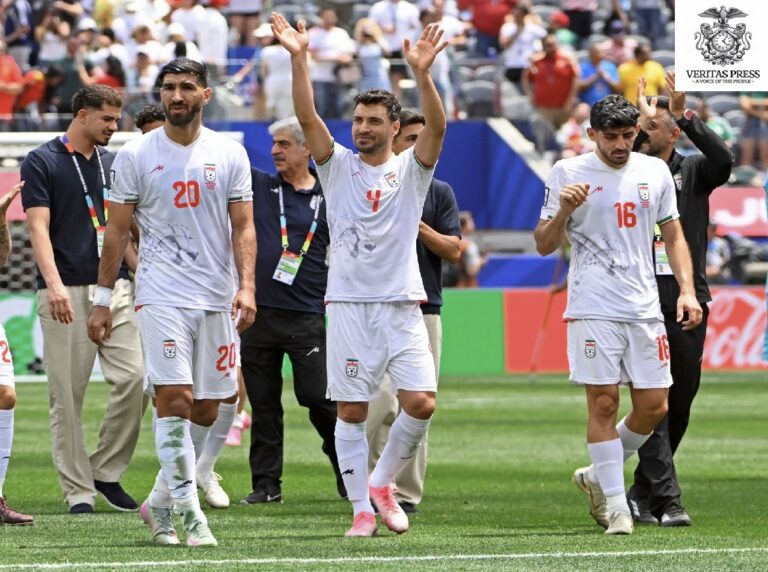
SEATTLE, TEHRAN — The U.S. Department of Homeland Security (DHS) will allow Iran’s national football team to enter the country 48 hours before their critical World Cup match against Egypt on Friday, a modest concession in a tournament where Team Melli’s travel conditions have sparked claims of oppression and competitive disadvantage.