Kamran Faqir is a volunteer investigative journalist and writer committed to exposing hidden truths and amplifying underreported stories. Driven by social justice, he brings sharp insight and fearless truth-telling to independent journalism. NUJ registered.
Original Article Date Published:
Article Date Modified:
12 minutes
Views:406
Listen to this article
Help support our mission, donate today and be the change. Every contribution goes directly toward driving real impact for the cause we believe in.
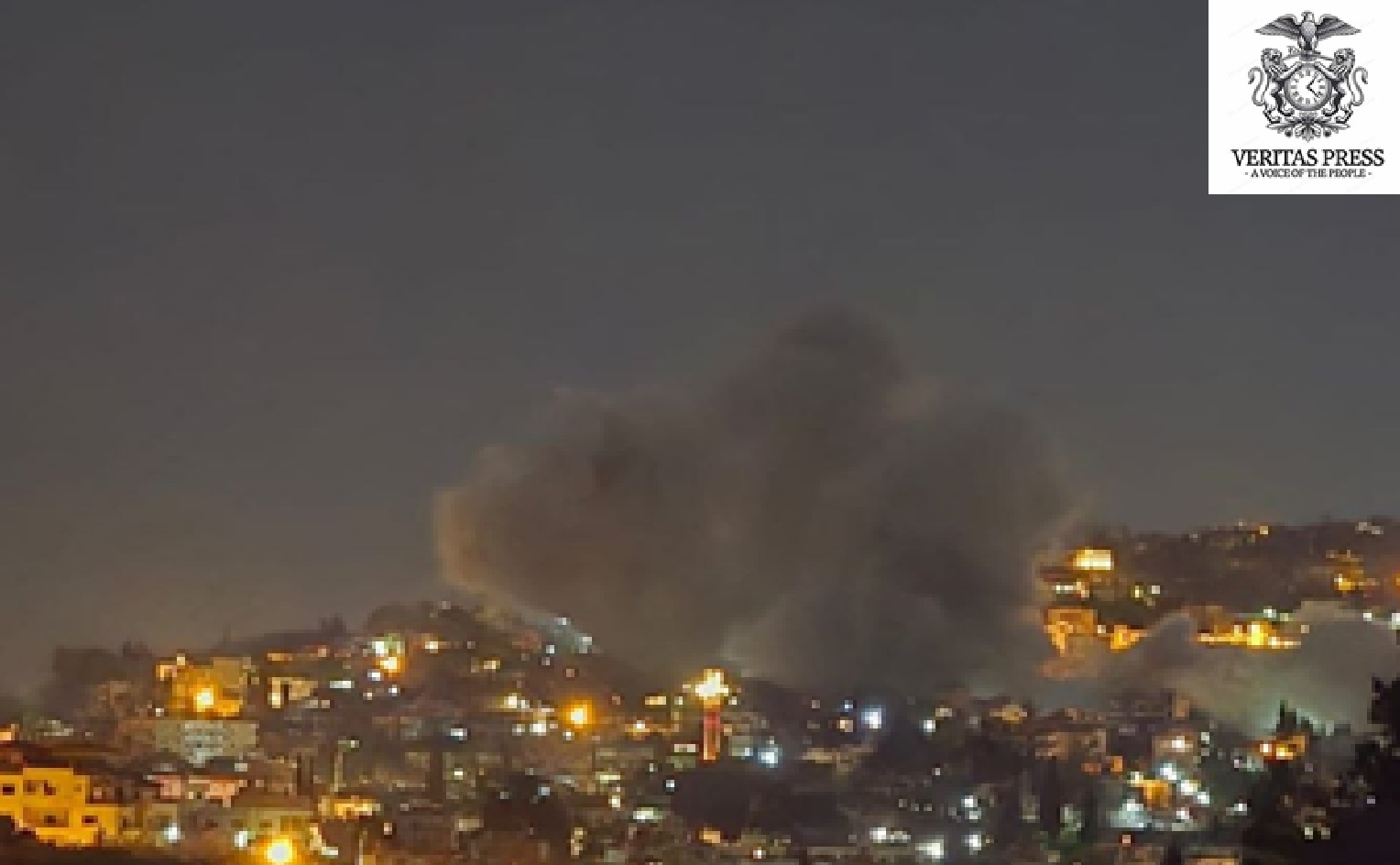
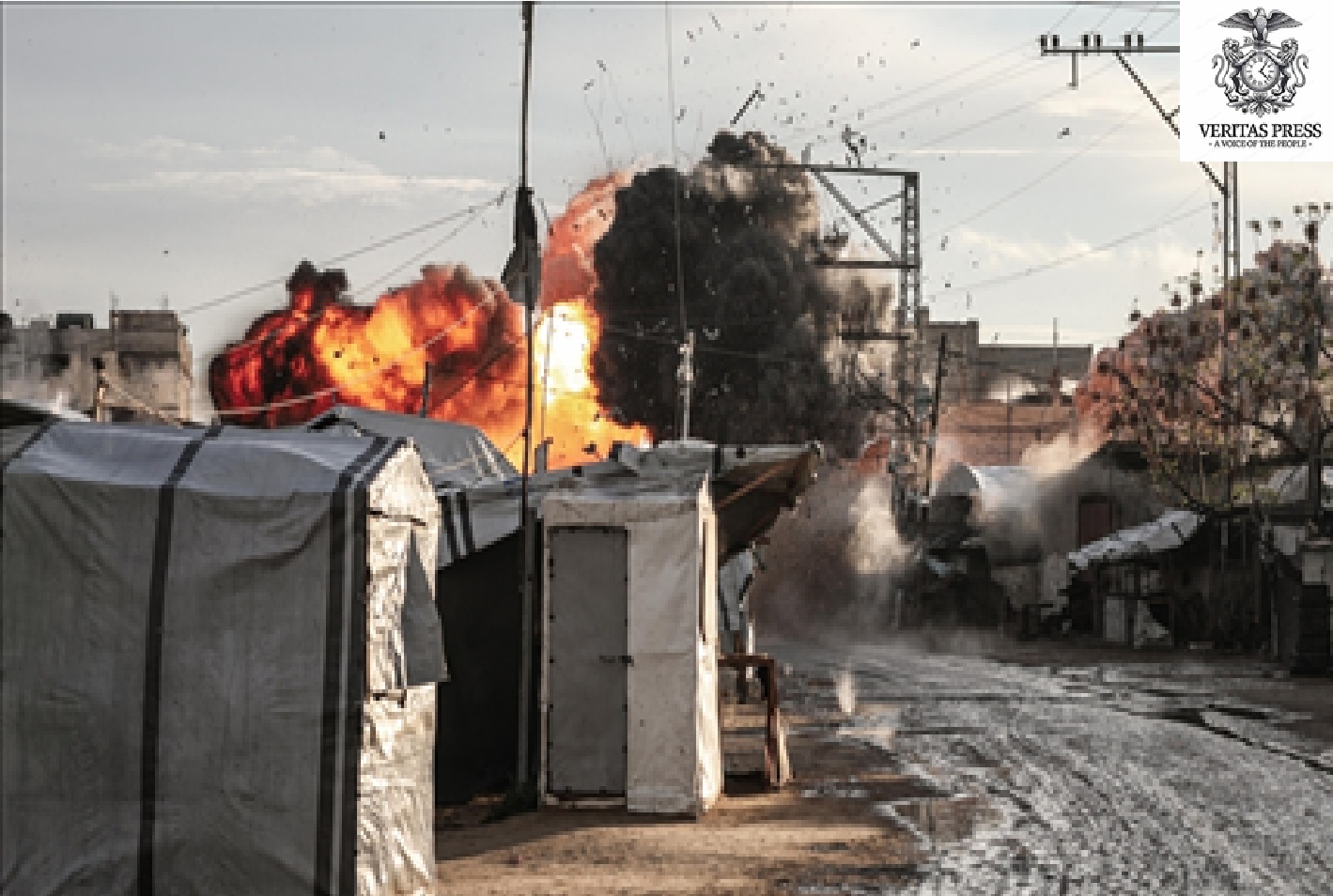
JIBSHIT, NABATIEH GOVERNORATE – The asphalt is still warm in the al-Jabal neighbourhood. A family home has been turned into a crater. Rescue workers, their hands wrapped in tape, sift through concrete dust, pulling out a child’s schoolbook, a wedding ring, and the bodies of a couple and their two young children.
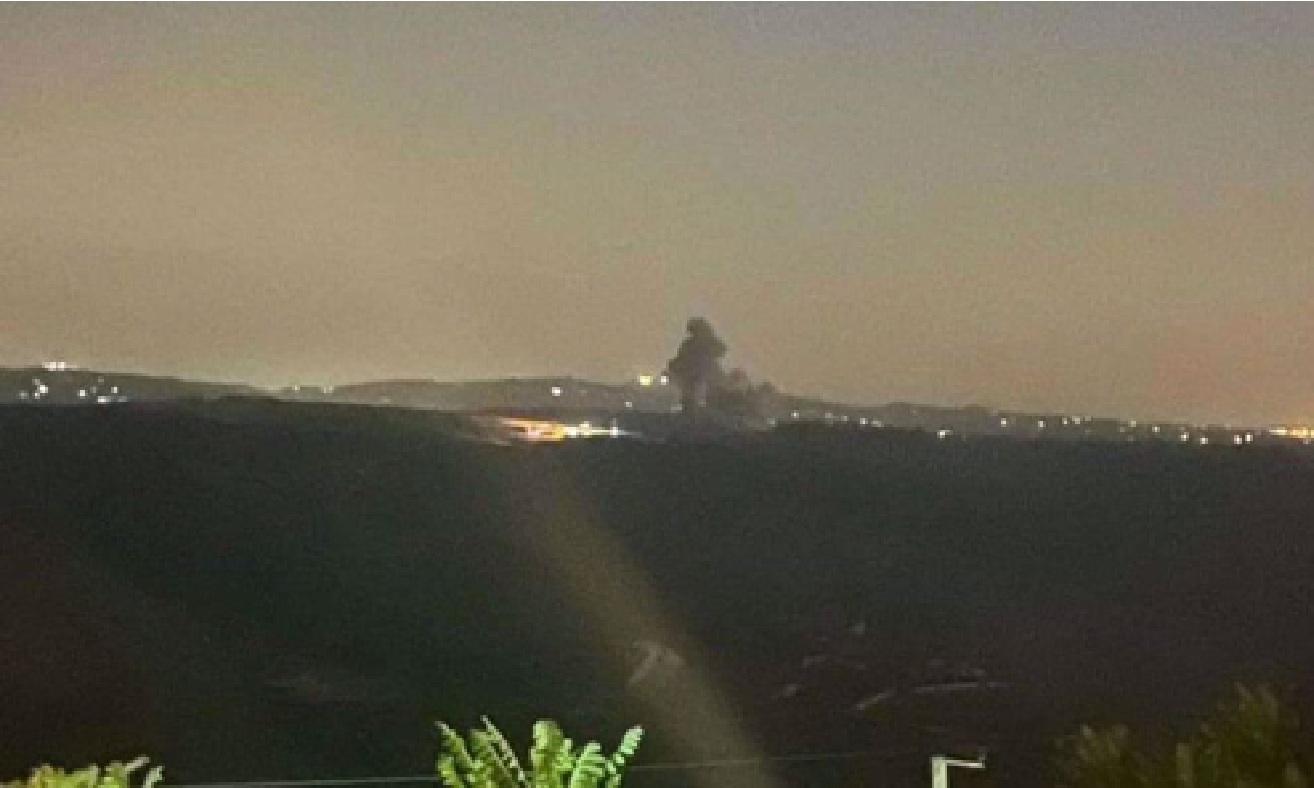
An Israeli airstrike on the town of Jibshit (also spelt Jebchit or Jibchit) on Tuesday night, April 28, 2026, tore through a residential building, killing at least two people and wounding 13 others in a preliminary toll that officials warn is likely to rise as the rubble is cleared. Hours later, a second, more devastating tally emerged from the same village, confirming that a different strike on the Bahja family home wiped out five members of the same extended family: Mohammad Jawad Bahja, his wife Lotfiya, Amani Jaber, and her two children, Mariam Hilal Bahja and Ali al‑Rida Hilal Bahja.
This is what a “ceasefire” looks like in southern Lebanon in the spring of 2026. A truce was announced by the Trump administration on April 16, extended for three weeks on April 24, and is being violated so systematically that for the people of the Nabatieh and Tyre districts, the word has become a bitter joke. The Lebanese Health Ministry now places the cumulative death toll since the escalation on March 2 at 2,534 martyrs and 7,863 wounded, a number that grows heavier with every passing hour.
The Night The Bahja Home Disappeared:
“The building is completely destroyed. Rescue and ambulance teams worked through the night to remove debris and recover bodies,” Lebanon’s National News Agency reported in a terse dispatch at dawn. The Bahja family home in Jibshit was not a military target, but like so many strikes documented by United Nations monitors since this latest round of hostilities began, it was a civilian residence. Women and children were among the first casualties confirmed by the Health Ministry.
Down the road in Majdal Zoun, the day’s horror followed a pattern that war-crimes investigators call a “double tap”: a first strike hits a site, drawing first responders to the scene, and then a second strike hits the rescuers. On April 28, five people were killed in such a double strike, including three Lebanese Civil Defence paramedics who were trapped under the rubble after the Israeli military targeted them while they were carrying out a rescue mission. A bulldozer driver and one person buried in the initial collapse were also among the dead. Two Lebanese Army soldiers, attempting to clear a road to reach the site, were wounded by additional fire.
Lebanese Prime Minister Nawaf Salam, in a post on X that was as blunt as it was rare for a head of government, declared the strike a “heinous crime” and “a new and blatant war crime committed by Israel.” He added that it “represents a flagrant violation of the principles and rules of international humanitarian law”. President Joseph Aoun, himself a former army commander, said the targeting of rescue personnel “constituted a violation of international laws” and “adds to a series of assaults targeting rescue personnel”. Interior Minister Ahmad Hajjar called it a “flagrant violation of all international and humanitarian laws and standards”.
White Phosphorus: A Prohibited Weapon Falls On Villages.
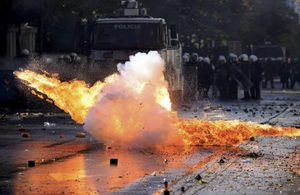
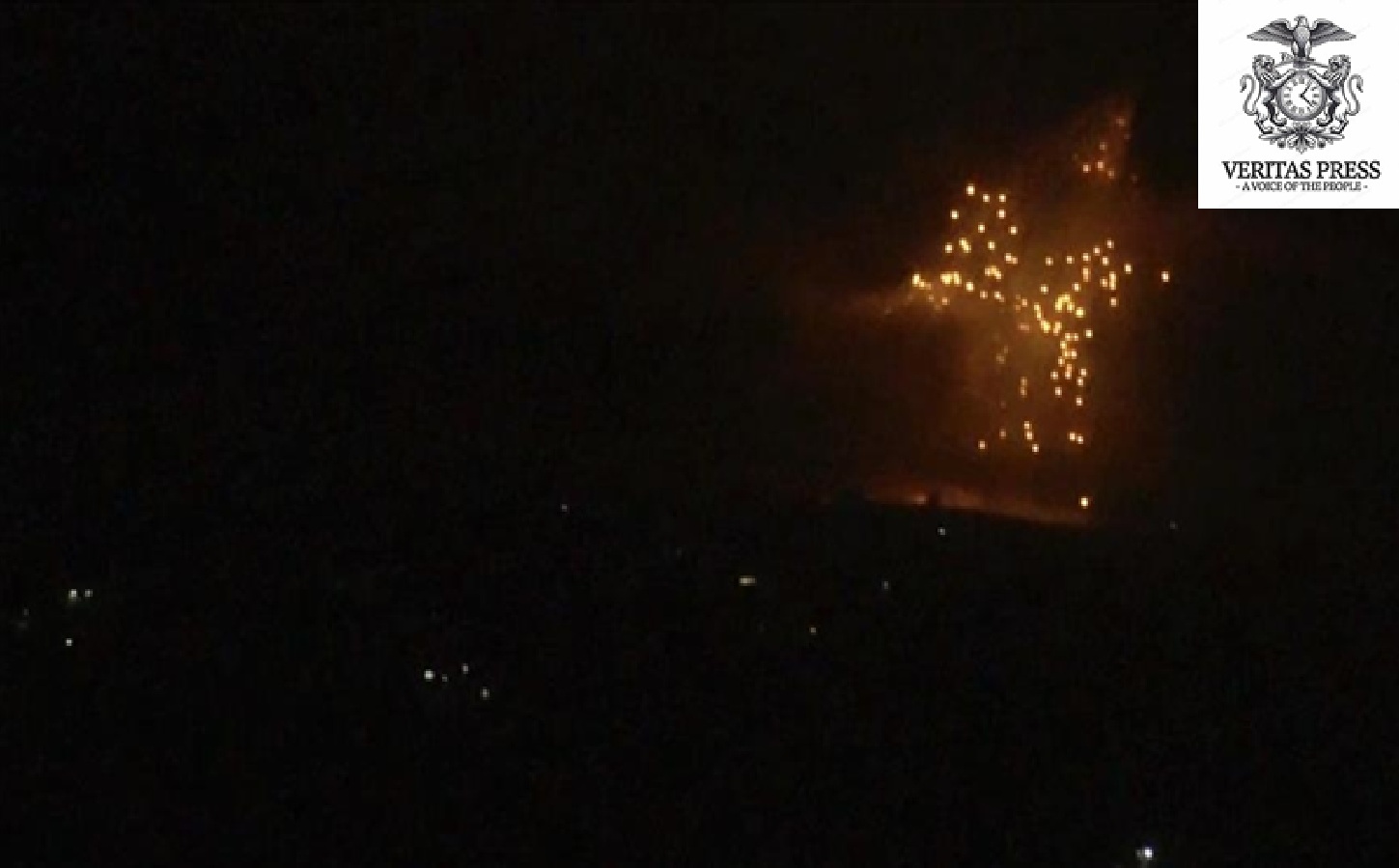
Even as the bodies in Jibshit and Majdal Zoun were being counted, Israeli forces were deploying a weapon that ignites human flesh and cannot be extinguished by water. Lebanese and international agencies reported Israeli phosphorus shelling on multiple towns, including Baraachit, the area between Braachit and Shaqra, Yahmar al-Shqeif, Kounin, and the outskirts of al-Qulayleh. On Tuesday alone, Israel fired phosphorus shells over the town of Baraachit and targeted the area between Braachit and Shaqra with phosphorus munitions. Lebanon’s National News Agency additionally reported white phosphorus used near the town of Barasheet, a violation of international law and human rights.
The use of airburst white phosphorus in populated areas is a red line under international humanitarian law. Human Rights Watch (HRW) had already verified and geolocated images of Israeli forces firing M825-series 155mm white phosphorus projectiles over the residential neighbourhoods of Yohmor on March 3, 2026. “The Israeli military’s unlawful use of white phosphorus over residential areas is extremely alarming and will have dire consequences for civilians,” said Ramzi Kaiss, Lebanon researcher at HRW. “The incendiary effects of white phosphorus can cause death or cruel injuries that result in lifelong suffering”. The substance, when airburst, scatters 116 burning felt wedges impregnated with phosphorus over an area up to 250 meters in diameter, indiscriminately setting fire to homes, crops, and people.
Israel has form: HRW documented the “widespread use of white phosphorus” by the Israeli military between October 2023 and May 2024, which “put civilians at grave risk and contributed to civilian displacement”. Now, reports of phosphorus strikes are arriving from more than half a dozen villages in a matter of days, suggesting a systematic re-deployment of the weapon rather than an isolated incident.
A Ceasefire In Name Only:
The last two weeks of April 2026 have been among the deadliest since the US‑brokered truce on April 16. On April 26, alone, the Lebanese Health Ministry reported that 14 people were killed across the south, the highest daily toll since the truce began. Since the ceasefire was announced, at least 36 Lebanese civilians have been killed in Israeli strikes, according to an AFP tally based on Health Ministry figures. An additional 51 people were wounded on Monday, April 27, among them three children and six women.
The Israeli military’s Arabic-language spokesman, Avichay Adraee, on Tuesday issued evacuation orders to the residents of 16 southern towns, demanding they flee “immediately” toward the Sidon district. The list included Tebnine, home to the only functioning hospital in the south, the vicinity of which was bombed roughly 30 minutes after the warning. The orders contained no evidence of military necessity; no tunnels, no rocket caches, no Hezbollah command centres were cited in the warnings. The United Nations High Commissioner for Refugees has already described the pace of displacement during this conflict as “faster than during the 2024 escalation,” with over one million people forced from their homes, roughly one in five Lebanese citizens. The country’s displacement crisis has mushroomed to more than 1.6 million.
The pattern is not new, but it has accelerated. “The issuance of blanket evacuation orders, combined with the destruction of urban and village housing that displaced persons would have returned to, is consistent with the pattern of domicide that was initiated during the genocide in Gaza,” UN experts warned in a statement on April 15. “The deliberate destruction of homes is a weapon of war and a form of collective punishment, particularly in Shiite areas in the rural South of the country. It also points to ethnic cleansing”.
The Toll On The Most Vulnerable:
The civilian cost has been staggering and is meticulously recorded by the Lebanese state. Between March 2 and April 27, the official cumulative toll stood at 2,521 martyrs and 7,804 wounded, a figure subsequently updated to 2,534 killed and 7,863 injured. The death toll includes over 170 children, 270 women, and at least 100 medics. One strike in Tyre killed a pregnant woman, her unborn child, and her young daughter, a triple death that Lebanese health workers say they will not forget.
The war has also gutted Lebanon’s health infrastructure. At least 40 health workers were killed, and 119 were injured in the first three weeks alone. Seven journalists have been killed covering the conflict. A Lebanese journalist was killed in southern Lebanon just last week after Israeli forces reportedly blocked rescuers from reaching the site where he was trapped under rubble. “The human cost is obscene,” an exhausted Civil Defence volunteer in Nabatieh told this reporter, speaking on condition of anonymity because he was not authorised to brief the press. “We are pulling the bodies of our own colleagues from the rubble, then we bandage our hands and go back to digging for civilians.”
International Outrage And Impotence:
The international response has been sharp in rhetoric yet hollow in enforcement. UN Secretary-General António Guterres on April 8 “unequivocally condemned the massive strikes by Israel across Lebanon” that resulted in hundreds of civilian casualties. UN human rights experts went further on April 15, describing Israel’s April 8 onslaught, when more than 150 locations were struck in 10 minutes, killing at least 303 people, as “illegal aggression and indiscriminate bombing” that demonstrated “the continuing utmost contempt for the international legal order”.
“Israel has chosen the very moment a ceasefire was announced… to unleash the largest coordinated wave of strikes on the country since 1980,” the experts said. “This is not self-defence. It is a blatant violation of the UN Charter, a deliberate destruction of prospects for peace, and an affront to multilateralism and the UN-based international order”. They called on member states to suspend arms transfers to Israel while “there is credible evidence of serious violations of international humanitarian and human rights law”, a demand that has so far gone unanswered by Washington.
US Secretary of State Marco Rubio has defended Israel’s daily strikes, telling Fox News that “Israel has no long-term territorial claims in Lebanon” and does not intend to maintain an indefinite buffer zone. But on the ground, the buffer zone is expanding, not contracting. Israeli forces now occupy a “yellow line” strip of southern Lebanon and continue to demolish entire villages within it. None of the 16 villages evacuated on Tuesday are inside this zone, underscoring the expansion of operations beyond any stated defensive rationale.
Hezbollah, for its part, has responded with drone and rocket fire. On April 28, the group shot down an Israeli Hermes 900 drone over Qantara and launched explosive drones that killed an Israeli military contractor working for an engineering company involved in the demolition campaign in southern Lebanon. That these attacks occur at all is a reminder that the conflict is not one-sided, but the asymmetry is staggering: Israel’s military has killed more than 2,500 Lebanese, the vast majority civilians, while Hezbollah has killed a handful of contractors and soldiers.
What Comes Next:
As dawn broke over Jibshit on Wednesday, the morgue in Nabatieh received five new bodies. The civil defence teams who had worked through the night were rotated out, their faces grey with exhaustion. A local imam led a small, hasty funeral for the Bahja family, reciting prayers over the shrouded figures of Mohammad Jawad, Lotfiya, Amani, and the two children, all killed in a single blast that reduced their home to powder.
The US‑brokered ceasefire is set to expire in three weeks, with talks reportedly underway for a “permanent cessation of hostilities” that would hinge on Hezbollah’s disarmament. But for the residents of Jibshit, Majdal Zoun, Yahmar al-Shqeif, and a dozen other villages, the idea of a ceasefire mediated by a Washington that continues to supply the bombs dropping on their homes is an abstraction so cruel it barely registers.
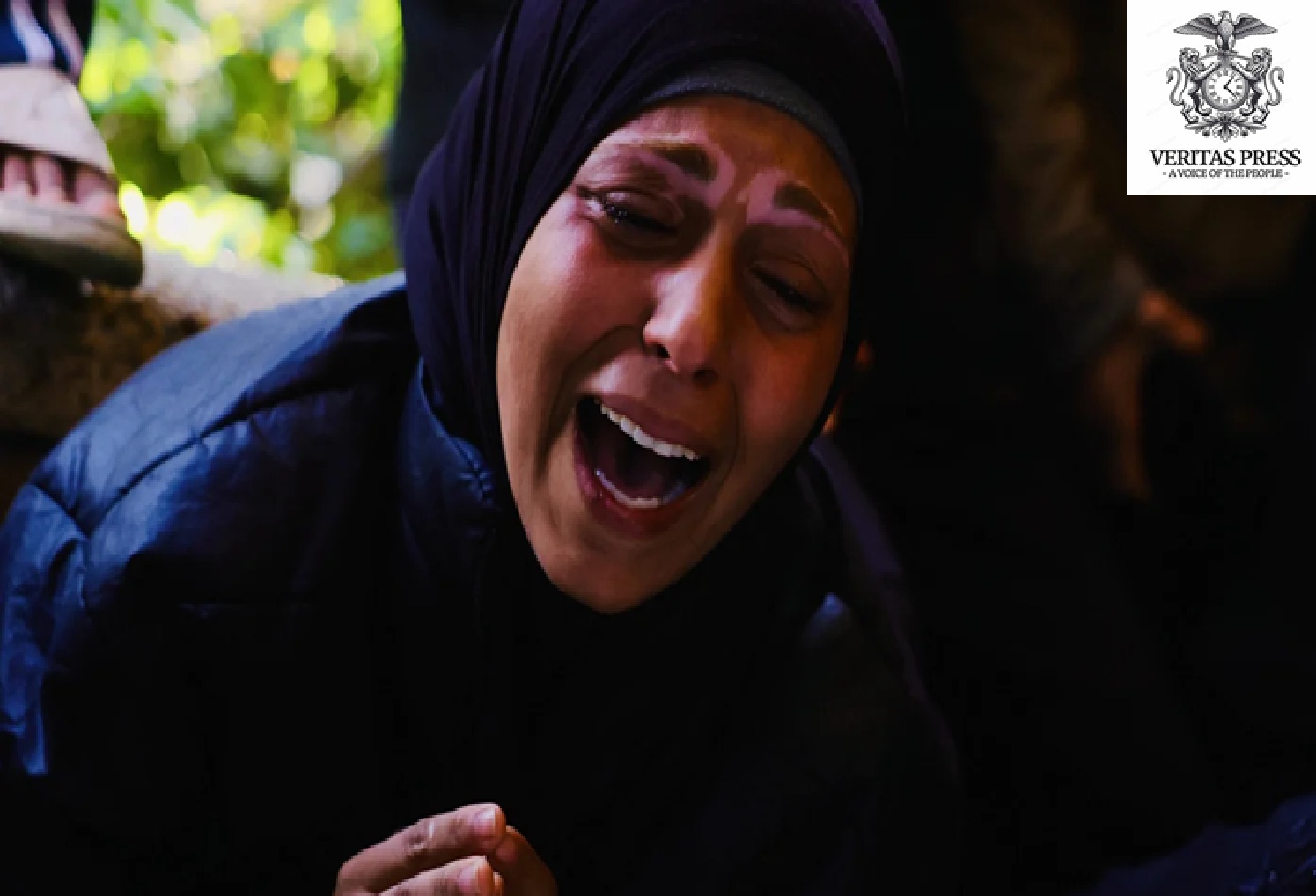
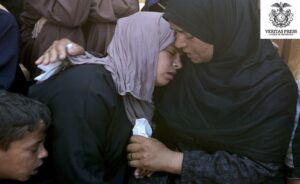
“The ceasefire?” said a middle‑aged woman in a black hijab, standing beside the Bahja family’s shattered living room. “This is a ceasefire where we bury our children. What will they do when the truce is over, kill us faster?”
The question hung in the air, unanswered, as the bulldozers restarted their engines and the search for bodies resumed.
Source: Multiple News Agencies
Submissions:
For The Secure Submission Of Documentation, Testimonies, Or Exclusive Investigative Reports From Any Global Location, Please Utilise The Following Contact Details For Our Investigations Desk: enquiries@veritaspress.co.uk or editor@veritaspress.co.uk
Help Support Our Work:
Popular Information is powered by readers who believe that truth still matters. When just a few more people step up to support this work, it means more lies exposed, more corruption uncovered, and more accountability where it’s long overdue.
Help Protect Independent Journalism, Which Is Currently Under Attack.
If you believe journalism should serve the public, not the powerful, and you’re in a position to help, becoming a DONATOR or a PAID SUBSCRIBER truly makes a difference.
DONATION APPEAL: If You Found This Reporting Valuable, Please Consider Supporting Independent Journalism.
Help Support Our Work – We Know, We Know, We Know …
Seeing these messages is annoying. We know that. (Imagine what it’s like writing them … )
Your support fuels our fearless, truth-driven journalism. In unity, we endeavour to amplify marginalised voices and champion justice, irrespective of geographical location.
But it’s also extremely important. One of Veritas Press’s greatest assets is its reader-funded model.
1. Reader funding means we can cover what we like. We’re not beholden to the political whims of a billionaire owner. We are a small, independent and impartial organisation. No one can tell us what not to say or what not to report.
2. Reader funding means we don’t have to chase clicks and traffic. We’re not desperately seeking your attention for its own sake: we pursue the stories that our editorial team deems important and believe are worthy of your time.
3. Reader Funding: enables us to keep our website and other social media channels open, allowing as many people as possible to access quality journalism from around the world, particularly those in places where the free press is under threat.
We know not everyone can afford to pay for news, but if you’ve been meaning to support us, now’s the time.
Your donation goes a long way. It helps us:
Keep the lights on and sustain our day-to-day operations
Hire new, talented independent reporters
Launch real-time live debates, community-focused shows, and on-the-ground reporting
Cover the issues that matter most to our communities, in real time, with depth and integrity
We have plans to expand our work, but we can’t do it without your support. Every contribution, no matter the size, helps us stay independent and build a truly people-powered media platform.
If you believe in journalism that informs, empowers, and reflects the communities we serve, please donate today.
Kamran Faqir is a volunteer investigative journalist and writer committed to exposing hidden truths and amplifying underreported stories. Driven by social justice, he brings sharp insight and fearless truth-telling to independent journalism. NUJ registered.
SEATTLE, TEHRAN — The U.S. Department of Homeland Security (DHS) will allow Iran’s national football team to enter the country 48 hours before their critical World Cup match against Egypt on Friday, a modest concession in a tournament where Team Melli’s travel conditions have sparked claims of oppression and competitive disadvantage.