Kamran Faqir is a volunteer investigative journalist and writer committed to exposing hidden truths and amplifying underreported stories. Driven by social justice, he brings sharp insight and fearless truth-telling to independent journalism. NUJ registered.
Original Article Date Published:
Article Date Modified:
19 minutes
Views:391
Listen to this article
Help support our mission, donate today and be the change. Every contribution goes directly toward driving real impact for the cause we believe in.
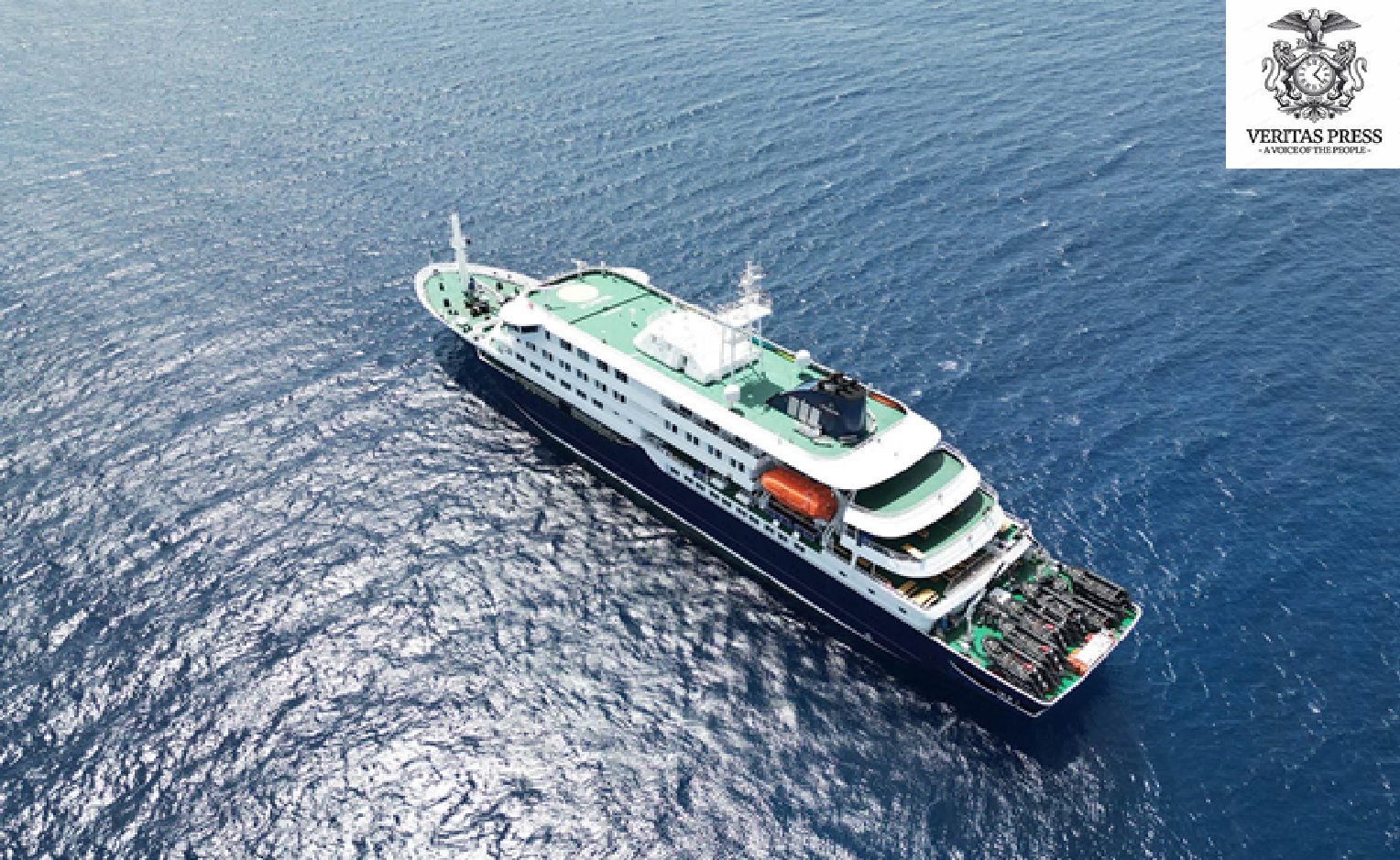
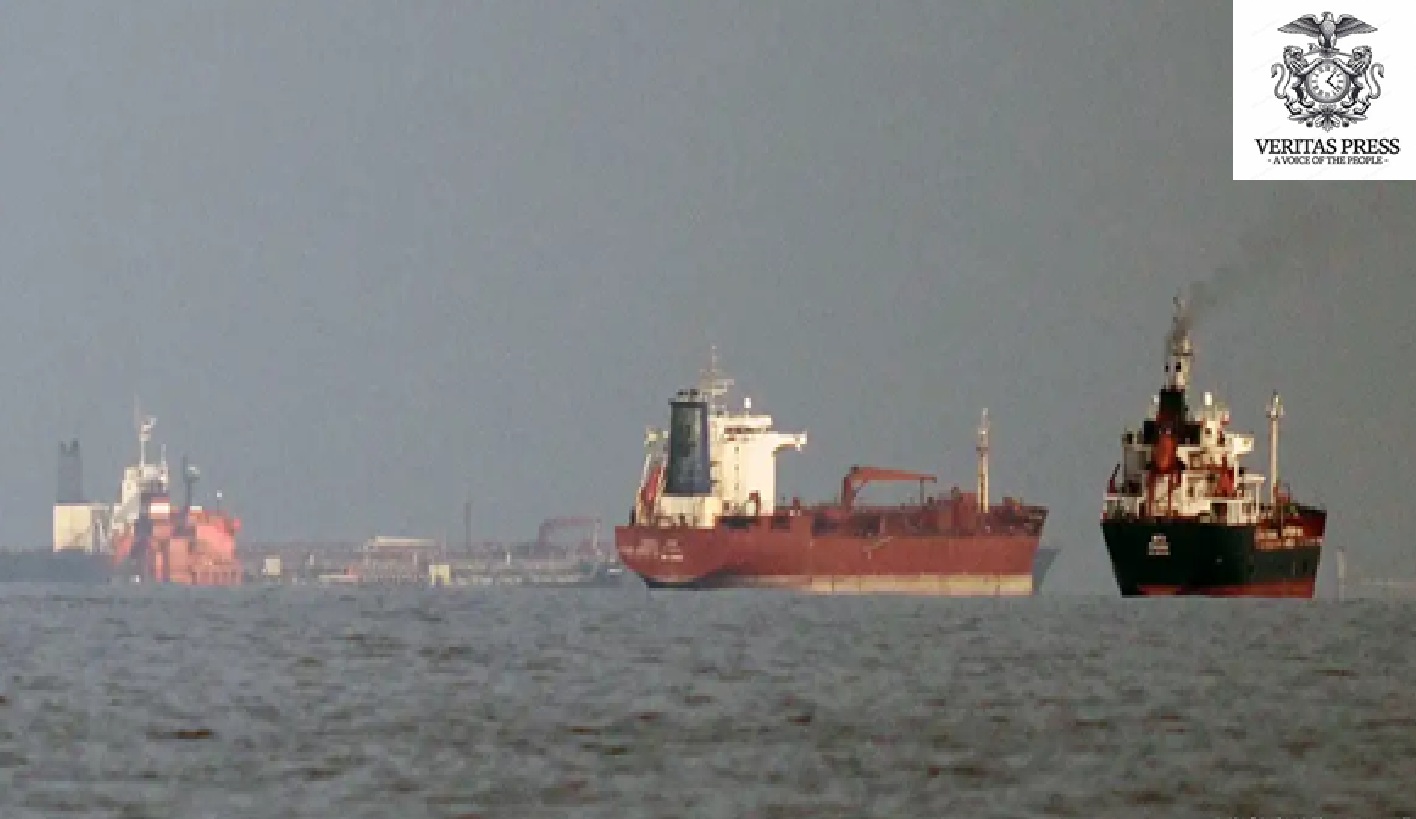
WASHINGTON/TEHRAN/ISLAMABAD — On the afternoon of Sunday, April 19, 2026, the Iranian-flagged container vessel Touska was steaming through the northern Arabian Sea toward the port of Bandar Abbas. It was a routine commercial voyage; the ship had departed Port Klang in Malaysia on April 12, when it collided with the sharp edge of American military power. What followed over the next several hours has pushed the United States and Iran closer to open war than at any point since the February 28 joint US–Israeli strikes that opened this seven-week conflict.
This investigation pieces together the events of April 19–20, examines the contradictory narratives from Washington and Tehran, and assesses the fragile diplomatic architecture that now threatens to collapse just days before a two-week ceasefire expires.
The Interception: Six Hours Of Warnings, Then A 5-Inch Shell.
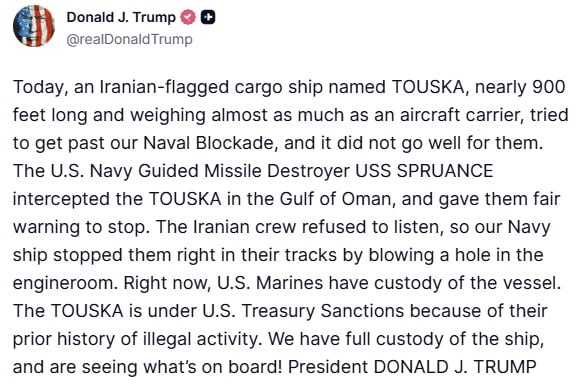
According to US Central Command (CENTCOM), the guided-missile destroyer USS Spruance (DDG‑111) intercepted the Touska as it transited the north Arabian Sea at 17 knots en route to Bandar Abbas. The American account emphasises restraint and procedure: US forces issued “repeated warnings over a six-hour period” and informed the vessel it was in violation of the US naval blockade on Iranian ports that President Donald Trump imposed on April 13.
When the crew refused to comply, Spruance escalated. The destroyer directed the Touska to evacuate its engine room, then fired several rounds from its 5-inch MK 45 deck gun into the engine room, disabling the vessel’s propulsion. Marines from the 31st Marine Expeditionary Unit, launched from the amphibious assault ship USS Tripoli (LHA‑7), subsequently rappelled from helicopters onto the Iranian vessel and took custody of it.
CENTCOM described the operation as “deliberate, professional, and proportional,” adding that since the blockade began, US forces had already directed 25 commercial vessels to turn around or return to Iranian ports.
President Trump offered a characteristically blunt version of events on his Truth Social platform that evening: “The Iranian crew refused to listen, so our navy ship stopped them right in their tracks by blowing a hole in the engine room. Right now, US Marines have custody of the vessel. The TOUSKA is under US Treasury Sanctions because of their prior history of illegal activity. We have full custody of the ship, and are seeing what’s on board!”
The Touska seizure marks the first physical interception since the US naval blockade began. It is also the most direct kinetic confrontation between American and Iranian assets since the February 28 war began, a war that, according to Chinese state media, has already killed at least 3,300 people in Iran and 13 US service members.
The Iranian Response: “Armed Piracy” And A Delayed Retaliation.
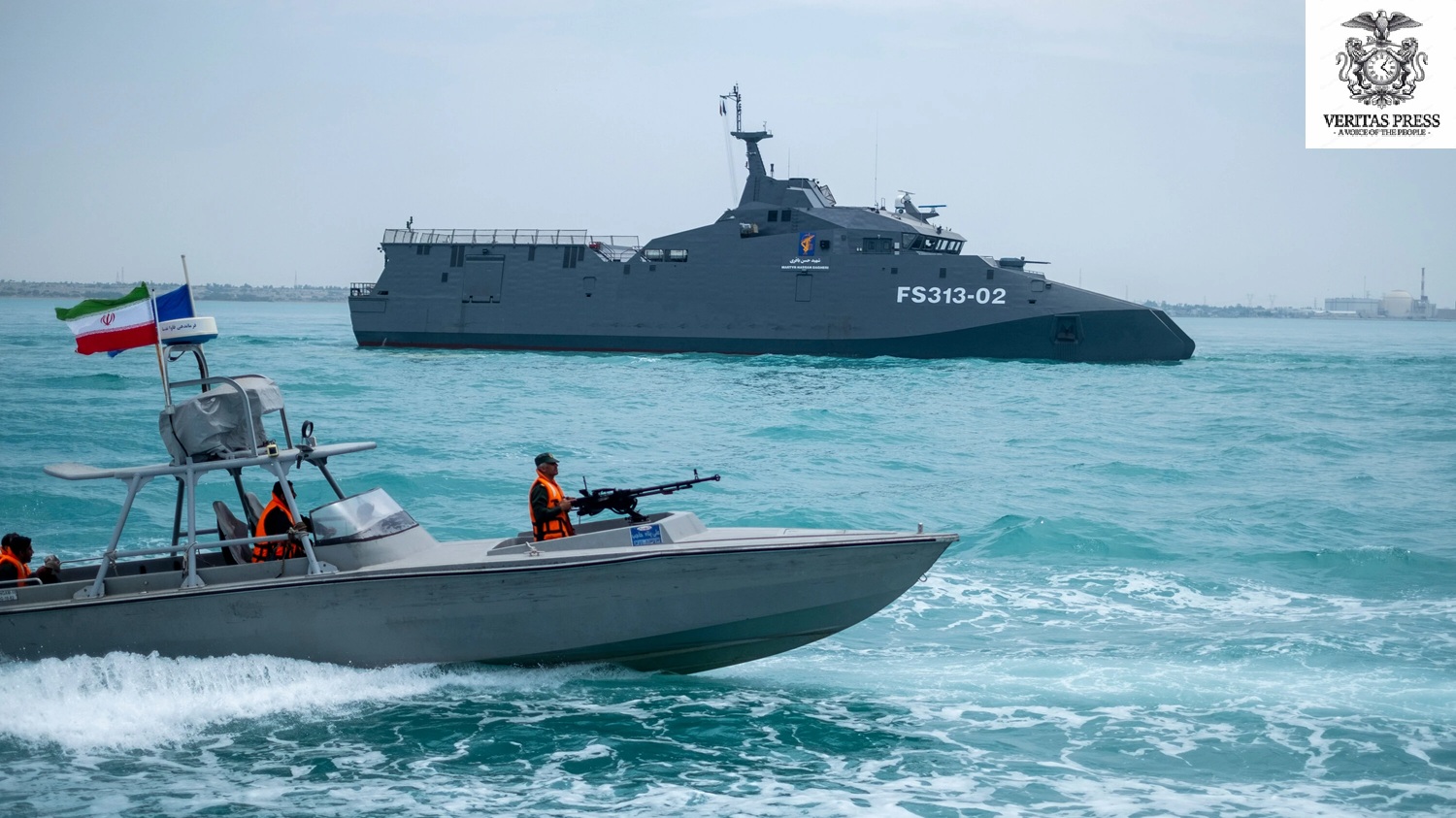
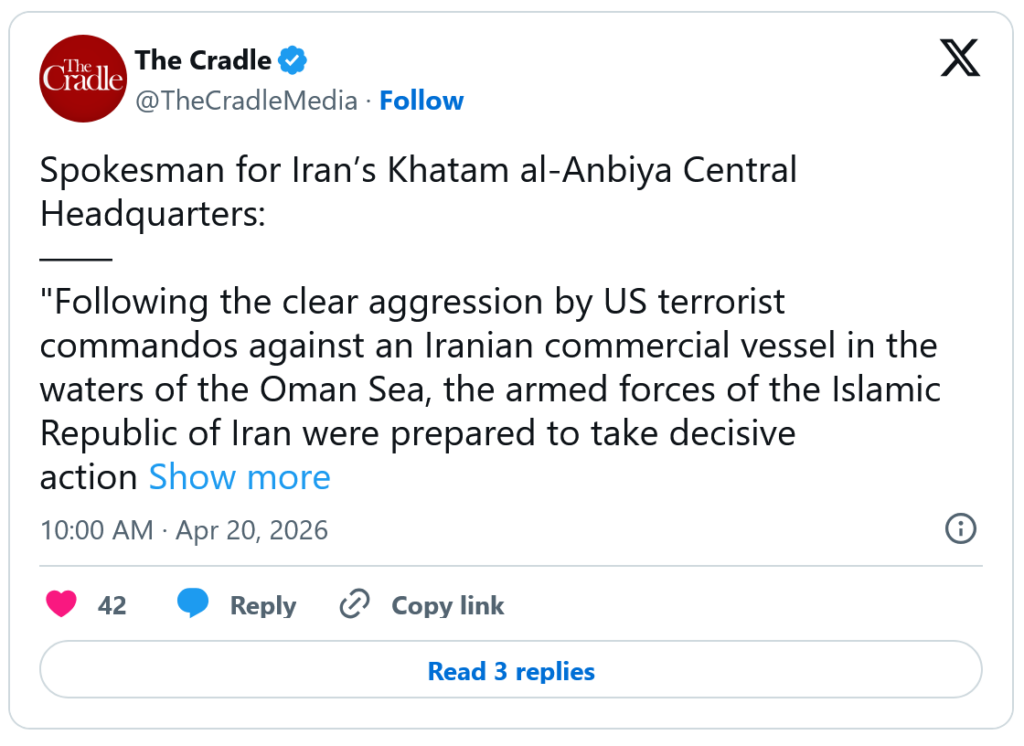
Within hours of the seizure, Iran’s military apparatus responded with a coordinated rhetorical and kinetic counterstrike. The Khatam al-Anbiya Central Headquarters, Iran’s joint military command, issued a blistering statement denouncing the US action as “maritime banditry” and “armed piracy.”
“The aggressive United States, by violating the ceasefire and engaging in maritime piracy, attacked one of Iran’s vessels after disabling its navigation system,” said Lieutenant-Colonel Ebrahim Zolfaghari, the headquarters’ spokesperson. He added that US forces had boarded the vessel after deploying “a number of terrorist marines” onto it.
Critically, Zolfaghari’s statement revealed why Iran did not immediately escalate to full-scale retaliation. “Due to the presence of a number of family members of the ship’s crew on board, Iran’s operational action was delayed in order to protect their lives and security, which were in constant danger,” he said. “Once the safety of the families and crew members is fully ensured, Iran’s Armed Forces will carry out the necessary action against the terrorist US military.”
This detail, the presence of civilian family members aboard the Touska, has received scant attention in Western coverage but is central to understanding Iran’s calculated restraint in the immediate aftermath. It also raises troubling questions about the US decision to fire upon a vessel carrying non-crew civilians, a point Iranian officials are likely to leverage in diplomatic forums.
Iran’s retaliation did come, albeit in measured form. Semi-official Tasnim News Agency reported that Iranian forces launched drone strikes against multiple American vessels in the Gulf of Oman following the boarding of the Touska. The exact targets, whether military or commercial, were not specified, and the Pentagon has not commented on the effectiveness of the strikes. This ambiguity appears deliberate, allowing Tehran to demonstrate resolve without triggering an uncontrollable escalation spiral. While the US continues its illegal blockade of the Straits.
Meanwhile, Iranian state media offered a competing narrative of the initial confrontation. According to one report, the Islamic Revolutionary Guard Corps (IRGC) Navy “timely arrived at the scene, quickly supported the Iranian commercial ship, and the US military was forced to retreat and flee this sea area”. This account directly contradicts Trump’s assertion of full US custody and control, and while it may serve domestic propaganda purposes, it also signals Tehran’s determination to contest the American version of events in the global information space.
The Ceasefire’s Precarious Architecture: A Timeline Of Broken Trust.
The Touska incident did not occur in isolation. It represents the culmination of two weeks of escalating brinkmanship that has systematically eroded the Pakistan-brokered ceasefire announced on April 7.
February 28, 2026: The US and Israel launch “Operation Epic Fury,” joint strikes on Iranian military and nuclear infrastructure following the collapse of diplomatic talks. Within hours, Iran retaliates by asserting control over the Strait of Hormuz, effectively closing the waterway to commercial traffic. Parliamentary Speaker Mohammad Baqer Qalibaf declares: “It is impossible for others to pass through the Strait of Hormuz while we cannot.”
April 7, 2026: After weeks of intense fighting that includes over 700 Iranian missile and drone strikes on Gulf states hosting US bases, Pakistan brokers a two-week ceasefire. The terms, negotiated in Islamabad, are understood to include a gradual reopening of maritime corridors and a cessation of hostilities.
April 11–12, 2026: The first direct high-level US–Iran engagement since 1979 takes place in Islamabad. Vice President JD Vance leads the US delegation; Foreign Minister Abbas Araghchi represents Iran. After 21 hours, talks end without a breakthrough.
April 13, 2026: Trump announces a US naval blockade of Iranian ports, a move Tehran immediately condemns as a ceasefire violation. The blockade is framed as a pressure tactic to force Iranian concessions on uranium enrichment and missile programs.
April 17, 2026: Iranian Foreign Minister Abbas Araghchi posts on X that “the passage for all commercial vessels through the Strait of Hormuz is declared completely open for the remaining period of ceasefire.” Oil prices plummet; Brent crude falls as much as 13% at one point.
April 18, 2026: Trump declares the US blockade will continue despite Iran’s gesture. Hours later, Iran’s Khatam al-Anbiya Headquarters announces the reclosure of the Strait of Hormuz, citing Washington’s “repeated breaches of commitments” and “piracy and maritime theft under the so-called blockade”.
April 19, 2026: Iranian gunboats fire on several vessels in the Strait of Hormuz, including a French vessel and a British freighter. Trump denounces this as a “Total Violation of our Ceasefire Agreement”. Later that day, the Touska is seized.
April 20, 2026: Iran confirms drone strikes on US vessels. Foreign Ministry spokesman Esmail Baghaei tells reporters in Tehran that Iran has “no plan for the next round of negotiations” and that the US had “violated the ceasefire from the beginning of its implementation”.
This timeline reveals a pattern of mutual escalation and miscalculation, each side interpreting the other’s actions as bad-faith breaches while justifying its own as necessary defensive measures. The ceasefire, originally scheduled to expire on April 22, now appears to be a legal fiction, a document that exists on paper but has been voided by actions on the water.
The Diplomatic Impasse: Talks In Question As Delegations Move.
The Touska seizure has thrown the already tenuous diplomatic process into chaos. Trump announced on Sunday that US negotiators, including Vice President JD Vance, envoys Steve Witkoff, and Jared Kushner, would fly to Islamabad for a second round of talks. Hours later, Trump contradicted this, telling ABC News that Vance would not go due to “security” concerns.
The inconsistency in Washington’s messaging, announcing, retracting, and then reconfirming the delegation’s composition, has deepened Iranian suspicions about American intentions. As one Iranian official told Axios, Tehran suspects Trump’s outreach may be “cover for surprise US attack,” a fear rooted in the fact that two previous diplomatic overtures, in June 2025 and earlier this year, were interrupted by Israeli and US strikes.
“We cannot forget that twice America betrayed diplomacy,” Baghaei said.
Iran’s position is unambiguous: there will be no second round of talks as long as the US naval blockade remains in place. “The Iranian negotiating team has underscored that as long as US President Donald Trump’s declaration regarding a naval blockade of Iran remains in place, there will be no negotiations,” Tasnim News Agency reported.
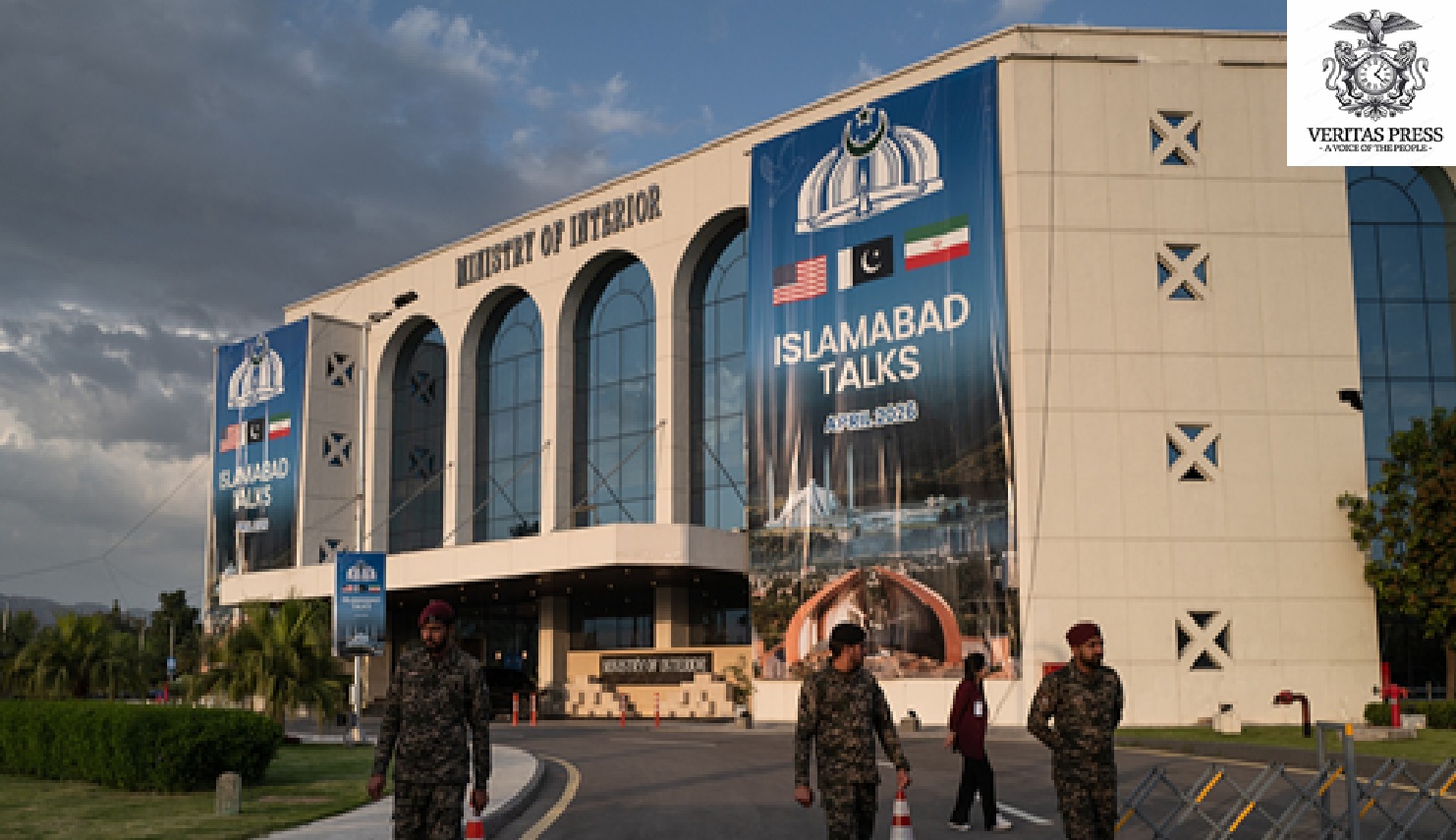
Behind the scenes, however, diplomatic machinery continues to turn. Pakistani Prime Minister Shehbaz Sharif held a 45-minute phone call with Iranian President Masoud Pezeshkian on Sunday, briefing him on consultations with Saudi, Qatari, and Turkish leaders. Pakistan has also placed Islamabad under high security alert, deploying nearly 20,000 police, paramilitary, and army personnel in preparation for potential talks.
Two US C‑17 cargo planes landed at an air base near Islamabad on Sunday, carrying security equipment and vehicles for the American delegation. The Serena Hotel, which hosted the first round of talks, has been cleared of all guests, and barbed wire now surrounds the perimeter. The logistical preparations continue despite Iran’s stated refusal to attend.
Trump, meanwhile, has resorted to his signature negotiating style: alternating between offers of a “very fair and reasonable DEAL” and threats to “knock out every single Power Plant, and every single Bridge, in Iran” if Tehran rejects his terms. “NO MORE MR. NICE GUY!” he posted on Truth Social.
Iran has countered with its own deterrent posture. Brigadier General Mohammad Akraminia, spokesperson for the Iranian army, warned that any US attack would be met with a response “in real time and without delay.” He pointed to Iran’s 12‑day war with Israel in June 2025 as a precedent, stating that damaged air defence systems had been restored, new defensive systems deployed, and all military branches placed on high alert. Akraminia explicitly threatened that American bases in the region were within range of Iranian missiles, drones, and other weaponry, promising a conflict with broad regional scope.
The Strait Of Hormuz: The Chokehold On Global Energy
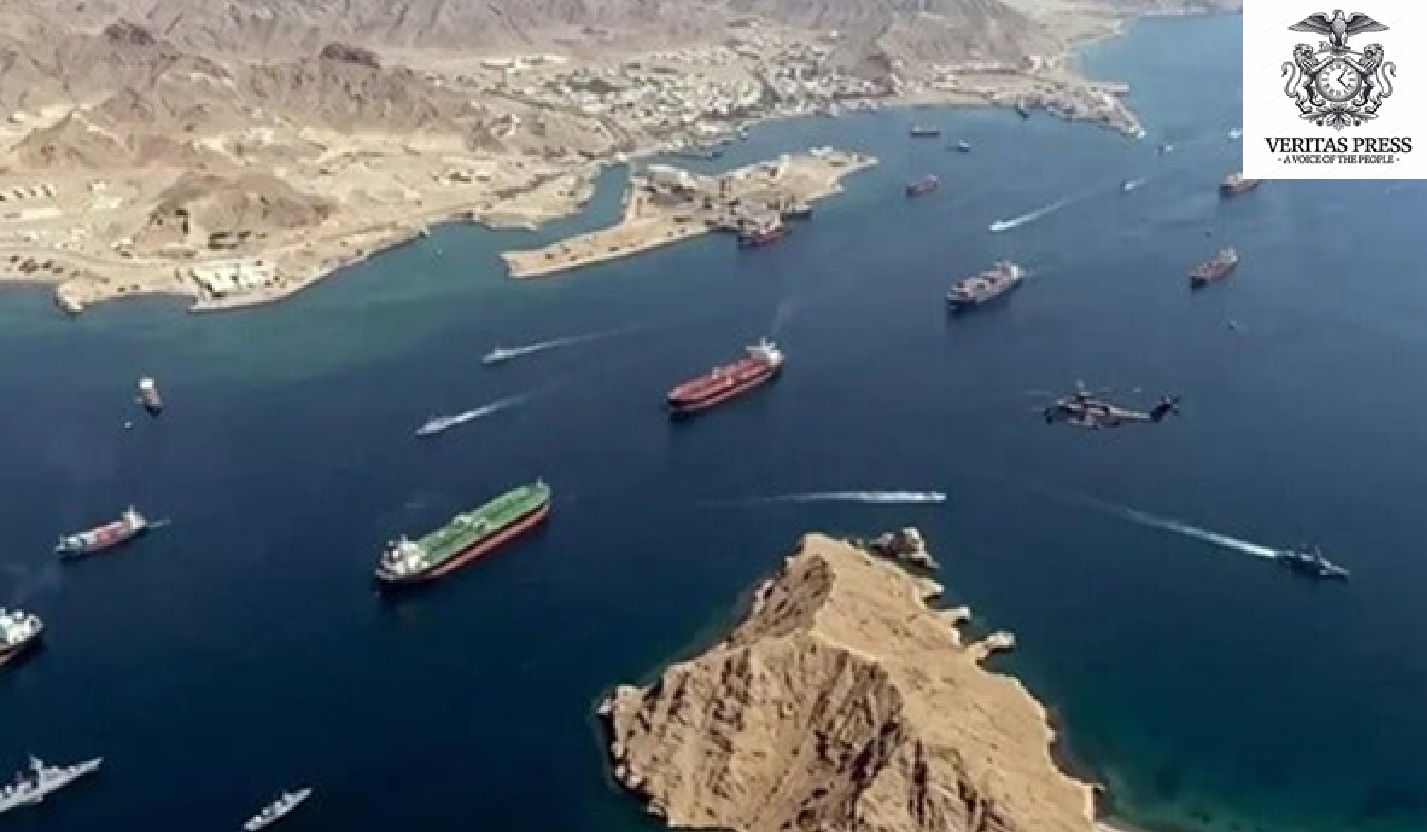
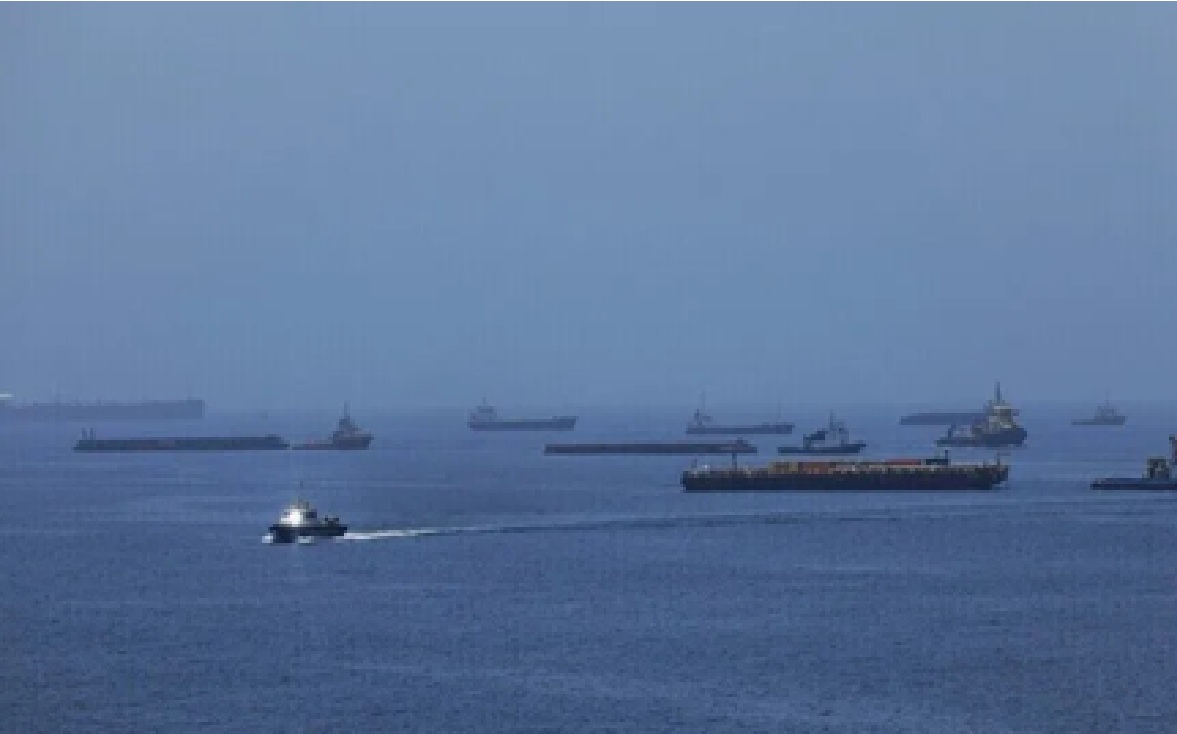
The strategic significance of the Touska incident cannot be understood without examining the waterway at the centre of this crisis. The Strait of Hormuz is the world’s most critical energy chokepoint, through which approximately 20 million barrels of oil, roughly 20% of global supply, and a significant portion of liquefied natural gas pass daily.
Since February 28, this artery has been severed. The economic consequences have been severe and immediate. Brent crude, the international benchmark, surged to a multi‑year high of $119 per barrel on March 9 before retreating on news of coordinated G7 oil reserve releases. The ceasefire announcement on April 7 triggered a gradual decline, with prices falling to around $80 per barrel by April 17.
The market’s reaction to the weekend’s events illustrates the extreme volatility now embedded in global energy markets. When Araghchi announced the strait’s reopening on Friday, April 17, oil prices plunged: WTI fell more than 11%, and Brent shed 9%. Investors who had bet $760 million on falling oil just 20 minutes before the announcement reaped enormous returns.
Then came the reversal. Iran’s reclosure of the strait on Saturday, followed by the Touska seizure on Sunday, sent prices soaring again. By Monday morning, Brent crude had climbed 5.58% to $95.42 per barrel, while West Texas Intermediate rose nearly 6% to $87.50. The whipsaw effect, from $80 to $96 in a matter of hours, reflects a market that has lost confidence in the ceasefire and is now pricing in a high probability of renewed military escalation.
“The security of the Strait of Hormuz is not free,” Iran’s First Vice-President Mohammad Reza Aref wrote on social media. “The choice is clear: Either a free oil market for all, or the risk of high costs for everyone. Stability in global fuel prices depends on a guaranteed and lasting end to the economic and military pressure against Iran and its allies.”
Energy analysts warn that the worst may be yet to come. Danske Bank’s research team noted that “oil prices rebounded, with Brent crude trading at USD 95/bbl this morning, as the market digested the turmoil around the Strait of Hormuz. Upside risks remain firmly intact.”
The crisis has also exposed deep fractures in Gulf security architecture. Qatar, a close US ally and major LNG exporter, has been hit by more than 700 Iranian missile and drone strikes since the war began, attacks specifically targeting Gulf states that host American military bases. The strikes forced Qatar to suspend natural gas production, which normally accounts for a fifth of the global LNG supply. As Rashid Al-Mohanadi, vice-president of Qatar’s Centre for International Policy Research, put it: “There was an assumption that such a big move in the region, like starting a war with Iran, would at least happen in consultation with the Gulf. We thought we had a better working relationship with the United States.”
That assumption has proven dangerously false.
Critical Analysis: Competing Narratives And Unanswered Questions.
The Touska incident exposes fundamental gaps in the public record that demand further investigation.
First, the question of civilians aboard. Iran’s claim that family members of the crew were present on the Touska when US forces fired upon it is a serious allegation. If true, it would constitute a potential violation of international humanitarian law and raise questions about US rules of engagement. No independent verification has been provided, and CENTCOM has not addressed the claim. The presence of civilians on a commercial vessel attempting to run a naval blockade is plausible; families often accompany crew members on extended voyages, but this remains unconfirmed.
Second, the legality of the US blockade. The Trump administration has justified its blockade under the International Emergency Economic Powers Act (IEEPA) and existing Treasury sanctions against Iran. However, a naval blockade of a sovereign state’s ports during a ceasefire, without a UN Security Council mandate, occupies murky legal territory. Iran’s characterisation of the blockade as “piracy” is propagandistic, but the underlying legal question is legitimate: Can a unilateral blockade be reconciled with a ceasefire agreement that, according to Pakistani mediators, was intended to create conditions for negotiation rather than to impose new coercive measures?
Third, the drone strikes. Iranian media reported that Iranian drones struck “multiple American vessels” following the Touska seizure, but no details on damage, casualties, or target types have emerged. The Pentagon’s silence on the matter suggests either that the strikes were ineffective or that Washington is deliberately downplaying the incident to preserve space for diplomacy. Both possibilities carry significant implications.
Fourth, the Vance delegation’s confusion. The contradictory statements from Trump, the White House, and other senior officials regarding who will lead the US delegation to Pakistan reveal a disorganised decision-making process at a moment that demands precision. This inconsistency feeds Iranian narratives of American unreliability and undermines whatever trust may remain.
Fifth, the broader regional picture. The Touska incident occurred against a backdrop of ongoing Israeli operations in Lebanon, where Defence Minister Israel Katz has instructed the IDF to use “full force” even during the ceasefire “in order to protect our soldiers”. Iran has repeatedly stated that the Lebanon front is integral to any broader settlement. The fragmentation of the ceasefire across multiple theatres of conflict complicates any effort to isolate the US–Iran naval standoff for resolution.
The Path Forward: Scenarios And Implications.
As the April 22 ceasefire deadline approaches, three broad scenarios appear plausible:
Scenario 1: Diplomatic Breakthrough (Low Probability). Despite current tensions, both sides have reasons to step back from the brink. Iran’s economy is under severe strain from the blockade, and its leadership has signalled willingness to negotiate, but only if the blockade is lifted as a precondition. The US, facing midterm elections in November and an energy crisis that has driven gasoline prices to politically damaging levels, may calculate that a temporary suspension of the blockade is a price worth paying for a broader deal. Pakistan’s mediation could facilitate a face‑saving arrangement in which the blockade is “paused” rather than “lifted,” allowing both sides to claim victory.
Scenario 2: Managed Escalation (Moderate Probability). The more likely outcome is a continuation of the current pattern: limited kinetic exchanges that stop short of full‑scale war, accompanied by ongoing diplomatic manoeuvring. Iran has demonstrated its ability to calibrate retaliation, delaying response until families are safe, using drones rather than missiles, and the US has similarly avoided disproportionate escalation. Both sides understand that a full‑scale conflict would be catastrophic: Iran could devastate Gulf energy infrastructure and potentially close the Bab al‑Mandeb strait, while the US could destroy Iran’s military and civilian infrastructure. This mutual deterrence may keep the conflict contained, but it also means a prolonged period of volatility and uncertainty.
Scenario 3: Full‑Scale War (Low but Rising Probability). The danger of miscalculation is real. A US service member killed in a drone strike, a major oil spill from a damaged tanker, or an Israeli preemptive strike on Iranian nuclear facilities could trigger a cascade of escalation that neither side fully controls. Trump’s repeated threats to destroy Iranian infrastructure, “every single Power Plant, and every single Bridge”, have raised the stakes to a level where any concession becomes politically untenable for Tehran. Iran’s parallel threats to target desalination plants and power stations in Gulf Arab states hosting US bases demonstrate that the conflict would not remain confined to US–Iranian exchanges.
Conclusion: The Illusion Of Control.
The Touska incident is more than a single naval confrontation. It is a manifestation of a deeper pathology in US–Iranian relations: a cycle of coercive diplomacy, mutual mistrust, and brinkmanship that has persisted since 1979. The Pakistan‑brokered ceasefire offered a narrow window for breaking that cycle, but the window is closing rapidly. It is worth noting that the US and Israel persistently disregard all ceasefire agreements in Lebanon and actively contribute to the escalation and instigation of war.
Both Washington and Tehran appear to believe they can control the escalation ladder, calibrating their actions to achieve strategic objectives without triggering uncontrollable war. The history of such confrontations, from the 1988 downing of Iran Air Flight 655 to the 2019 shoot‑down of a US Global Hawk drone, suggests that control is often an illusion. The next incident may not allow for the careful, delayed response that Iran executed after the Touska seizure.
As energy markets whipsaw and diplomats scramble, the world is watching a confrontation whose consequences extend far beyond the waters of the Gulf of Oman. The Strait of Hormuz remains closed. The ceasefire is a paper shield. And the countdown to the April 22 deadline continues.
In the interim, on Monday, Iran indicated that its decision on whether to participate in a second round of talks with the United States remained undecided, even as Pakistan was getting ready to receive a US delegation, with Tehran simultaneously asserting that Washington had disregarded the ceasefire agreement and exhibited no genuine seriousness concerning diplomatic resolutions.
Source: Multiple News Agencies
Submissions:
For The Secure Submission Of Documentation, Testimonies, Or Exclusive Investigative Reports From Any Global Location, Please Utilise The Following Contact Details For Our Investigations Desk: enquiries@veritaspress.co.uk or editor@veritaspress.co.uk
Help Support Our Work:
Popular Information is powered by readers who believe that truth still matters. When just a few more people step up to support this work, it means more lies exposed, more corruption uncovered, and more accountability where it’s long overdue.
Help Protect Independent Journalism, Which Is Currently Under Attack.
If you believe journalism should serve the public, not the powerful, and you’re in a position to help, becoming a DONATOR or a PAID SUBSCRIBER truly makes a difference.
DONATION APPEAL: If You Found This Reporting Valuable, Please Consider Supporting Independent Journalism.
Help Support Our Work – We Know, We Know, We Know …
Seeing these messages is annoying. We know that. (Imagine what it’s like writing them … )
Your support fuels our fearless, truth-driven journalism. In unity, we endeavour to amplify marginalised voices and champion justice, irrespective of geographical location.
But it’s also extremely important. One of Veritas Press’s greatest assets is its reader-funded model.
1. Reader funding means we can cover what we like. We’re not beholden to the political whims of a billionaire owner. We are a small, independent and impartial organisation. No one can tell us what not to say or what not to report.
2. Reader funding means we don’t have to chase clicks and traffic. We’re not desperately seeking your attention for its own sake: we pursue the stories that our editorial team deems important and believe are worthy of your time.
3. Reader Funding: enables us to keep our website and other social media channels open, allowing as many people as possible to access quality journalism from around the world, particularly those in places where the free press is under threat.
We know not everyone can afford to pay for news, but if you’ve been meaning to support us, now’s the time.
Your donation goes a long way. It helps us:
Keep the lights on and sustain our day-to-day operations
Hire new, talented independent reporters
Launch real-time live debates, community-focused shows, and on-the-ground reporting
Cover the issues that matter most to our communities, in real time, with depth and integrity
We have plans to expand our work, but we can’t do it without your support. Every contribution, no matter the size, helps us stay independent and build a truly people-powered media platform.
If you believe in journalism that informs, empowers, and reflects the communities we serve, please donate today.
Kamran Faqir is a volunteer investigative journalist and writer committed to exposing hidden truths and amplifying underreported stories. Driven by social justice, he brings sharp insight and fearless truth-telling to independent journalism. NUJ registered.
SEATTLE, TEHRAN — The U.S. Department of Homeland Security (DHS) will allow Iran’s national football team to enter the country 48 hours before their critical World Cup match against Egypt on Friday, a modest concession in a tournament where Team Melli’s travel conditions have sparked claims of oppression and competitive disadvantage.