Kamran Faqir is a volunteer investigative journalist and writer committed to exposing hidden truths and amplifying underreported stories. Driven by social justice, he brings sharp insight and fearless truth-telling to independent journalism. NUJ registered.
Original Article Date Published:
Article Date Modified:
9 minutes
Views:370
Listen to this article
Help support our mission, donate today and be the change. Every contribution goes directly toward driving real impact for the cause we believe in.
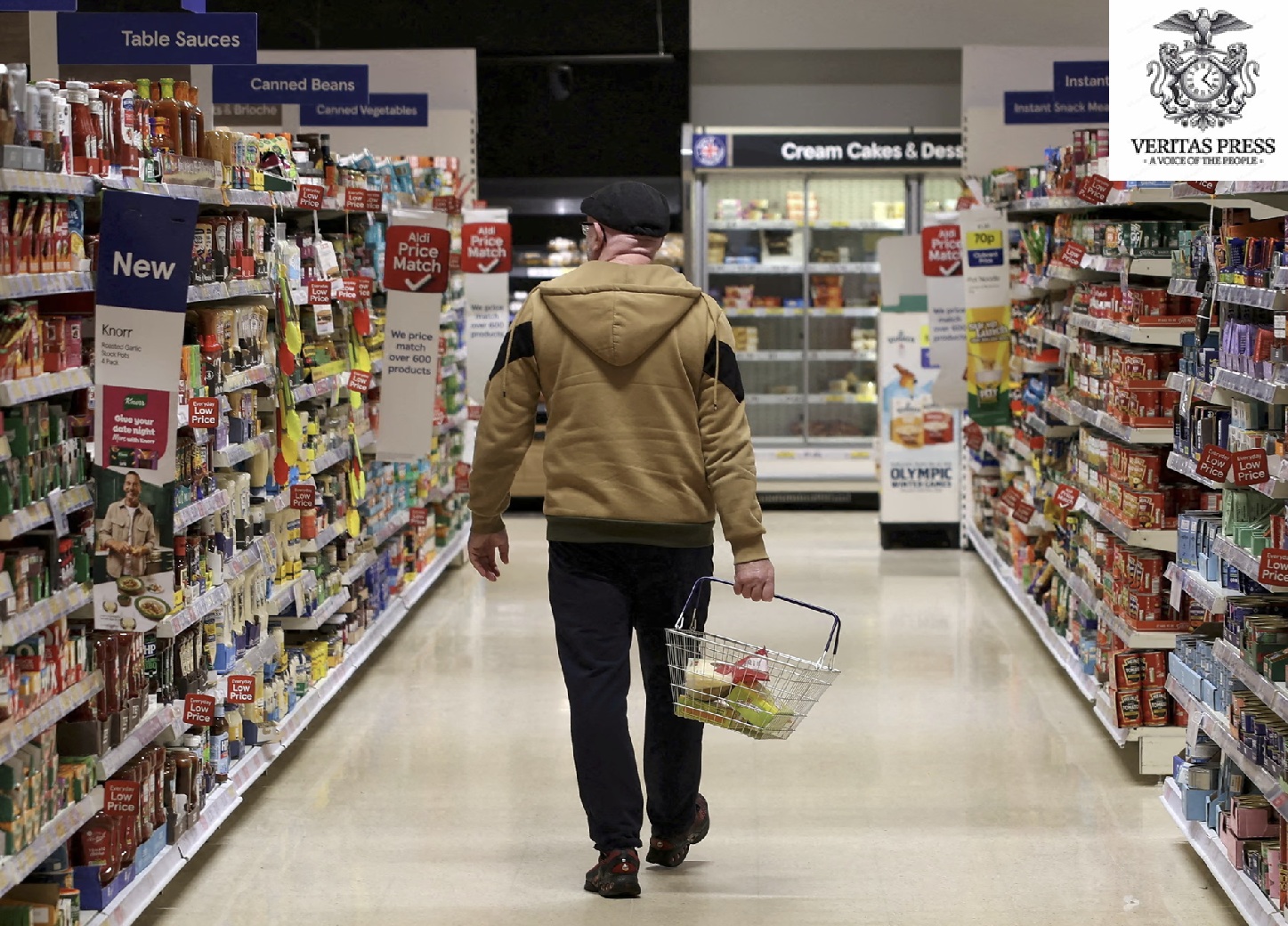
LONDON, UK — For the first time, details have emerged of “Exercise Turnstone,” a secret, high-level government contingency plan revealing that the UK could face significant shortages of chicken, pork, and other supermarket staples this summer if the war in Iran continues.
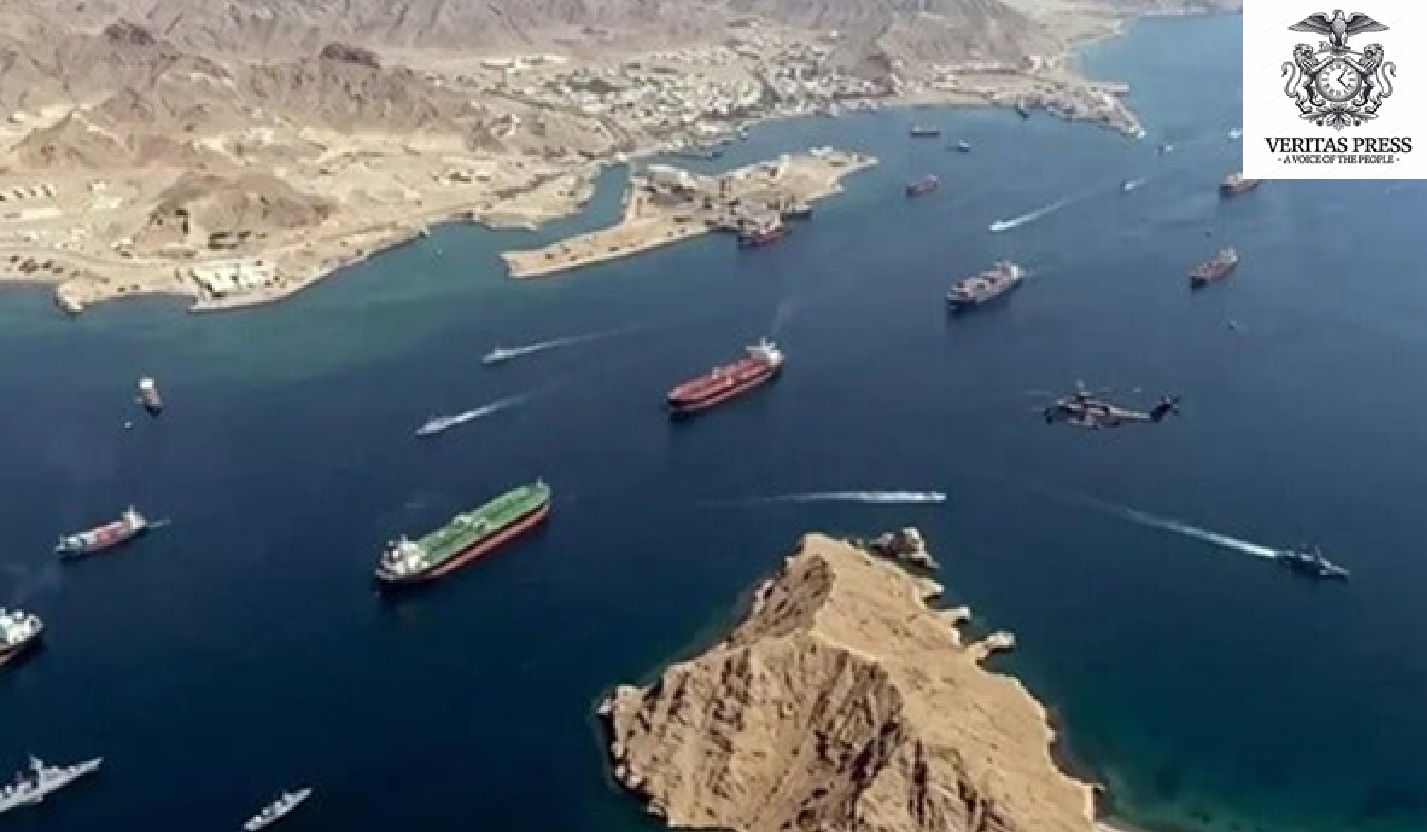
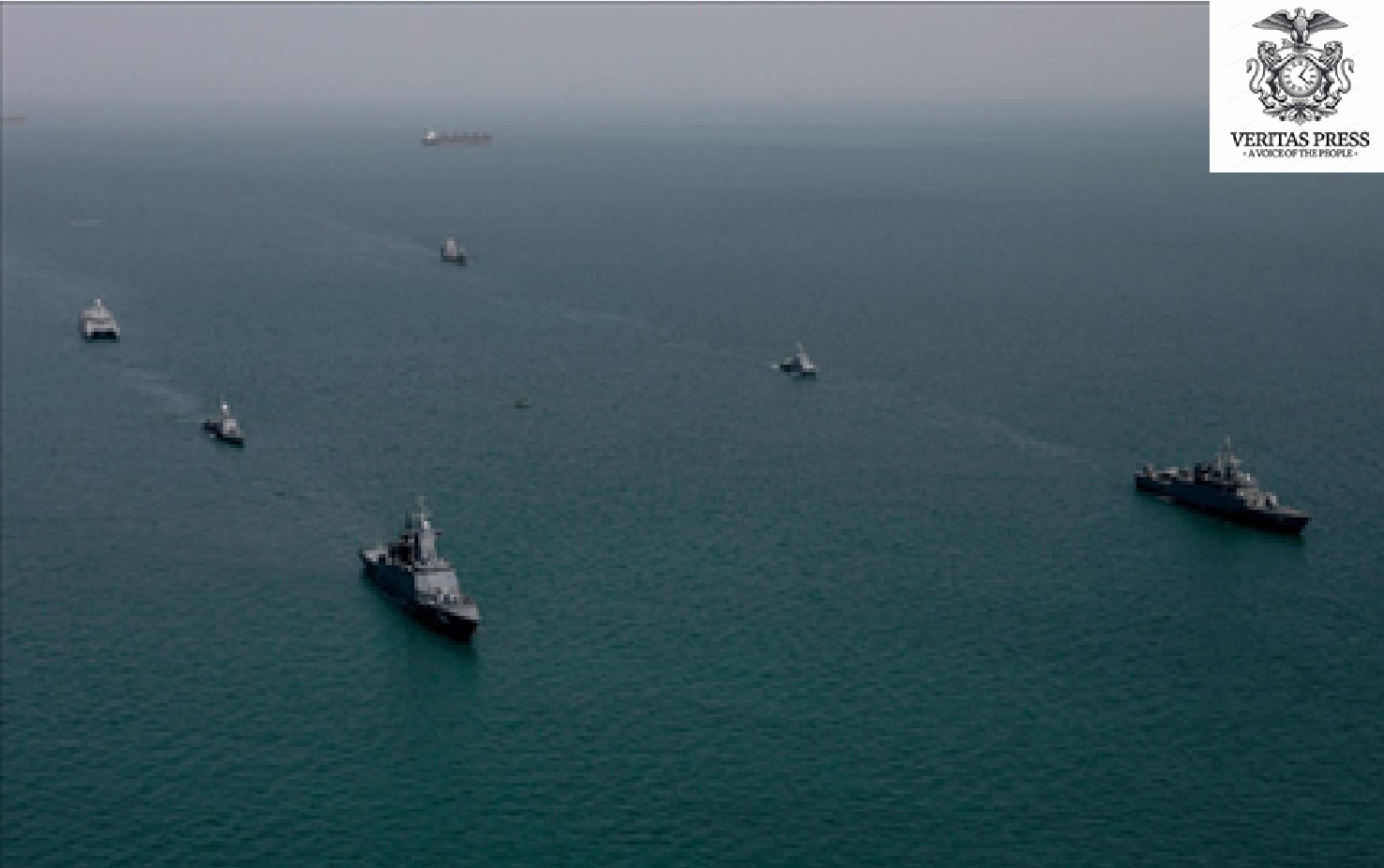
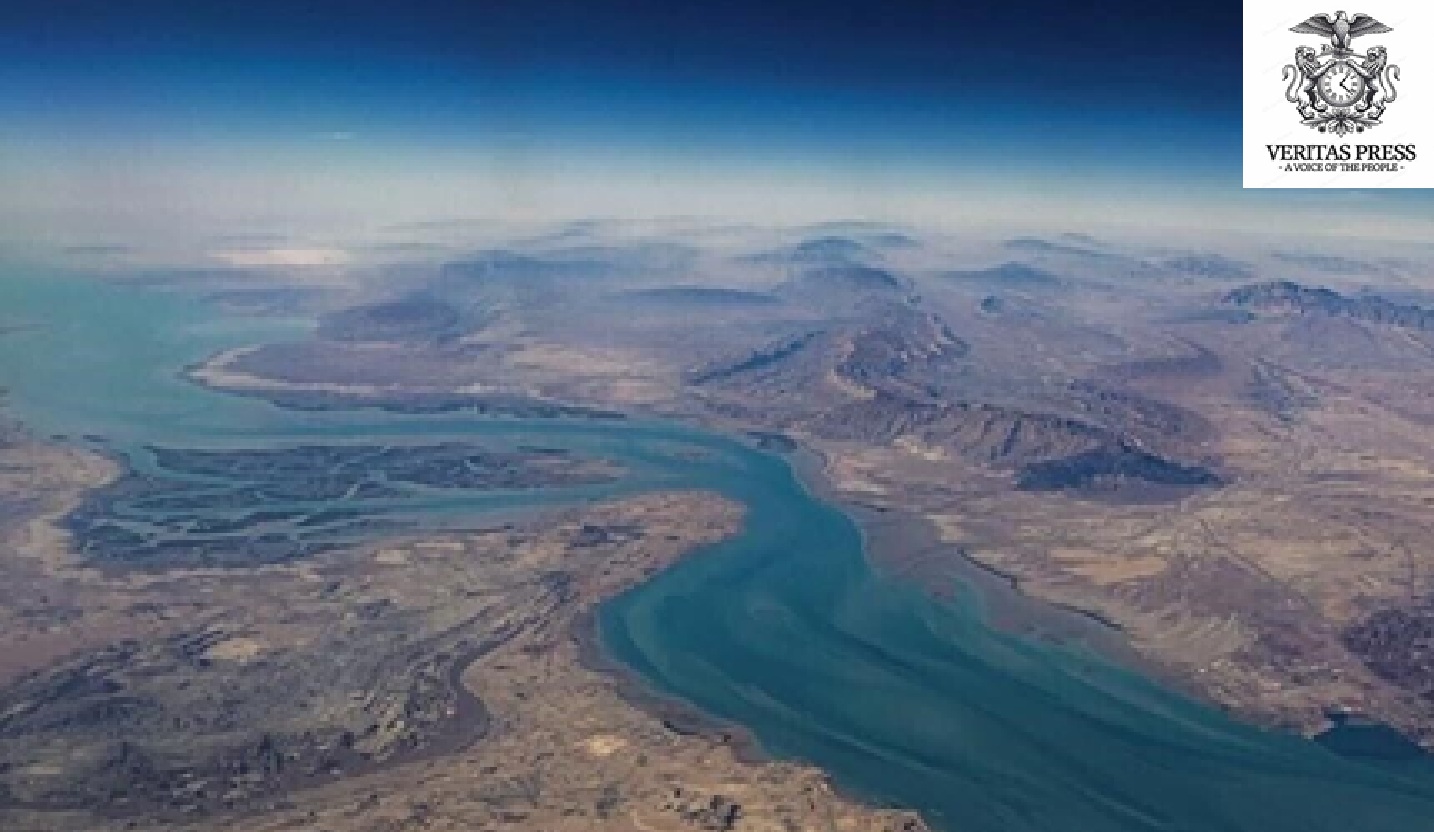
The confidential analysis, rehearsed by the government’s COBRA emergency committee, outlines a “reasonable worst-case scenario” in which the closure of the strategic Strait of Hormuz triggers a critical shortage of carbon dioxide (CO2), the invisible workhorse of British industry. Officials from No. 10 Downing Street, the Treasury, and the Ministry of Defence have all participated in simulating the economic fallout, codenamed “Exercise Turnstone”.
The leak, first reported by The Times and corroborated by documents seen by this publication, warns that supplies of CO2 could plummet to just 18% of current levels by June. This dire projection is based on a dual-hit scenario: a mechanical breakdown at a key UK production facility coinciding with a halt in CO2 production across Europe due to soaring natural gas prices.
The CO2 Crunch: From Salad Bags To MRI Scanners.
So why is this a problem for every household in the country? CO2 is not just a climate concern; it is a critical ingredient in the food chain.
“Carbon dioxide is the quiet workhorse of British food and drink,” an industry source explained. It is used to stun nearly all pigs and over two-thirds of chickens before slaughter. It is the gas that prolongs the shelf life of pre-packaged salads, baked goods, and fresh meat, and it is what puts the fizz in beer and soft drinks.
The farming and hospitality sectors are expected to be the first and hardest hit. One official noted that the industry is “not thought to have much in the way of stockpiled supplies” of CO2. If the Strait remains closed and peace talks fail, slaughterhouses could be forced to reduce operations, and breweries could face a nightmare scenario during the FIFA World Cup, which kicks off in June.
However, the crisis extends beyond the dinner table. CO2 is essential for dry ice used in medical storage, for MRI scanners, and even for cooling systems in nuclear power plants. Ministers have already discussed emergency legislation to compel factories to prioritise CO2 production for healthcare and the nuclear sector, effectively rationing the gas away from food producers.
“Reassured,” Says Minister, As Industry Braces:
In a round of media interviews on Thursday, Business Secretary Peter Kyle acknowledged the leak but urged the public not to panic. He said the public should be “reassured” that ministers are making contingency plans.
“It is difficult for me, because, of course, these leaks are very unhelpful,” Kyle told Times Radio. “But when people do read it, they need to be reassured that we are doing this kind of planning… Bear in mind that back in Covid, Boris Johnson missed five Cobra meetings in the lead-up to it. I can tell you, because I’m in these meetings, the prime minister has been there since the very start.”
Kyle pointed to his early decision to reverse the mothballing of the Ensus bioethanol plant in Teesside to secure supplies of carbon dioxide. He insisted that, for now, CO2 availability is “not a concern” for the UK economy. “If any of these things change, I will be up front with the public about it in advance so that we can prepare. But right now, people should go on as they are, enjoying beer, enjoying their meats, enjoying all the salads.”
However, this public optimism is at odds with the confidential documents. The “worst-case scenario” being rehearsed by COBRA assumes the exact opposite: that the strait will remain closed and the shelves will become bare.
Supermarket Reality Check:
On the ground, retailers are adopting a cautious stance. Ken Murphy, the chief executive of Tesco, Britain’s largest supermarket chain, said he welcomed the government’s planning. “We are in constant contact with the Government for their scenario planning, and we completely support their efforts,” Murphy told reporters. He confirmed that Tesco has not yet seen any availability issues and that none of their suppliers has flagged concerns, but he acknowledged the volatile nature of the situation.
Yet the financial reality is already hitting home. The war has sent fuel and fertiliser prices soaring, and the National Farmers Union (NFU) has warned that shoppers will see the impact. NFU President Tom Bradshaw told the BBC that the price of cucumbers and tomatoes is expected to rise in the coming weeks, followed by increases for other crops and milk within three to six months. Meanwhile, Tesco has warned of “increased uncertainty” linked to the conflict, widening its profit forecast for the coming year.
The Scottish Gambit: Price Controls.
While Westminster works on wartime logistics, a political firestorm is brewing in Scotland. First Minister John Swinney used the launch of the SNP’s election manifesto on Thursday to propose a radical solution to the cost-of-living crisis: maximum price caps on essential food items.
“Things have got so tough it is now impacting upon our nation’s nutrition,” Swinney told supporters. He said an SNP government would use public health powers to set maximum prices for “everyday items that make up a decent diet,” including bread, milk, cheese, eggs, rice, and chicken.
The proposal, which would apply to large supermarkets, would require stores to cap the price of at least one variation of these listed items. It represents a significant escalation in the political response to the economic shockwaves of the war, directly challenging Westminster’s more cautious approach.
Geopolitical Deadlock:
The root cause of the crisis remains the deadlock in the Middle East. The conflict began when the US and Israel launched wide-ranging strikes on Iran on February 28, prompting Iran to effectively shut the Strait of Hormuz. While the UK has rejected a direct role in the US naval blockade of Iranian ports, Prime Minister Keir Starmer has announced that the UK and France will co-host a summit this week to try to secure freedom of navigation.
“The ongoing closure of the Strait of Hormuz is deeply damaging. Getting global shipping moving is vital to ease cost-of-living pressures,” Starmer said earlier this week, after convening more than 40 nations to build consensus. However, with peace talks having collapsed over the weekend, and the region on a “highly fragile” ceasefire, the clock is ticking toward a summer of scarcity.
Analysis: A Storm Warning.
The revelation of “Exercise Turnstone” serves as a stark reminder of how quickly global conflict can translate into a domestic crisis. While the government insists these are merely “scenario plans” and not predictions, the specific nature of the warnings, down to the 18% CO2 figure, suggests a level of threat that Whitehall is taking very seriously.
For the public, the message is mixed. On one hand, the Business Secretary is telling them to enjoy their salads and beer. On the other hand, secret government documents reveal that, in a worst-case scenario, there may not be enough CO2 to keep those items fresh or even to slaughter the livestock to produce them.
As one Whitehall source put it: “This is a planning tool used by experts and is not a prediction of future events.” But in the corridors of power, the plans are laid, the factories are on standby, and the nation is quietly bracing for a long, hot summer of shortages.
Source: Multiple News Agencies
Submissions:
For The Secure Submission Of Documentation, Testimonies, Or Exclusive Investigative Reports From Any Global Location, Please Utilise The Following Contact Details For Our Investigations Desk: enquiries@veritaspress.co.uk or editor@veritaspress.co.uk
Help Support Our Work:
Popular Information is powered by readers who believe that truth still matters. When just a few more people step up to support this work, it means more lies exposed, more corruption uncovered, and more accountability where it’s long overdue.
Help Protect Independent Journalism, Which Is Currently Under Attack.
If you believe journalism should serve the public, not the powerful, and you’re in a position to help, becoming a DONATOR or a PAID SUBSCRIBER truly makes a difference.
DONATION APPEAL: If You Found This Reporting Valuable, Please Consider Supporting Independent Journalism.
Help Support Our Work – We Know, We Know, We Know …
Seeing these messages is annoying. We know that. (Imagine what it’s like writing them … )
Your support fuels our fearless, truth-driven journalism. In unity, we endeavour to amplify marginalised voices and champion justice, irrespective of geographical location.
But it’s also extremely important. One of Veritas Press’s greatest assets is its reader-funded model.
1. Reader funding means we can cover what we like. We’re not beholden to the political whims of a billionaire owner. We are a small, independent and impartial organisation. No one can tell us what not to say or what not to report.
2. Reader funding means we don’t have to chase clicks and traffic. We’re not desperately seeking your attention for its own sake: we pursue the stories that our editorial team deems important and believe are worthy of your time.
3. Reader Funding: enables us to keep our website and other social media channels open, allowing as many people as possible to access quality journalism from around the world, particularly those in places where the free press is under threat.
We know not everyone can afford to pay for news, but if you’ve been meaning to support us, now’s the time.
Your donation goes a long way. It helps us:
Keep the lights on and sustain our day-to-day operations
Hire new, talented independent reporters
Launch real-time live debates, community-focused shows, and on-the-ground reporting
Cover the issues that matter most to our communities, in real time, with depth and integrity
We have plans to expand our work, but we can’t do it without your support. Every contribution, no matter the size, helps us stay independent and build a truly people-powered media platform.
If you believe in journalism that informs, empowers, and reflects the communities we serve, please donate today.
Kamran Faqir is a volunteer investigative journalist and writer committed to exposing hidden truths and amplifying underreported stories. Driven by social justice, he brings sharp insight and fearless truth-telling to independent journalism. NUJ registered.
SEATTLE, TEHRAN — The U.S. Department of Homeland Security (DHS) will allow Iran’s national football team to enter the country 48 hours before their critical World Cup match against Egypt on Friday, a modest concession in a tournament where Team Melli’s travel conditions have sparked claims of oppression and competitive disadvantage.