Kamran Faqir is a volunteer investigative journalist and writer committed to exposing hidden truths and amplifying underreported stories. Driven by social justice, he brings sharp insight and fearless truth-telling to independent journalism. NUJ registered.
Original Article Date Published:
Article Date Modified:
15 minutes
Views:339
Listen to this article
Help support our mission, donate today and be the change. Every contribution goes directly toward driving real impact for the cause we believe in.
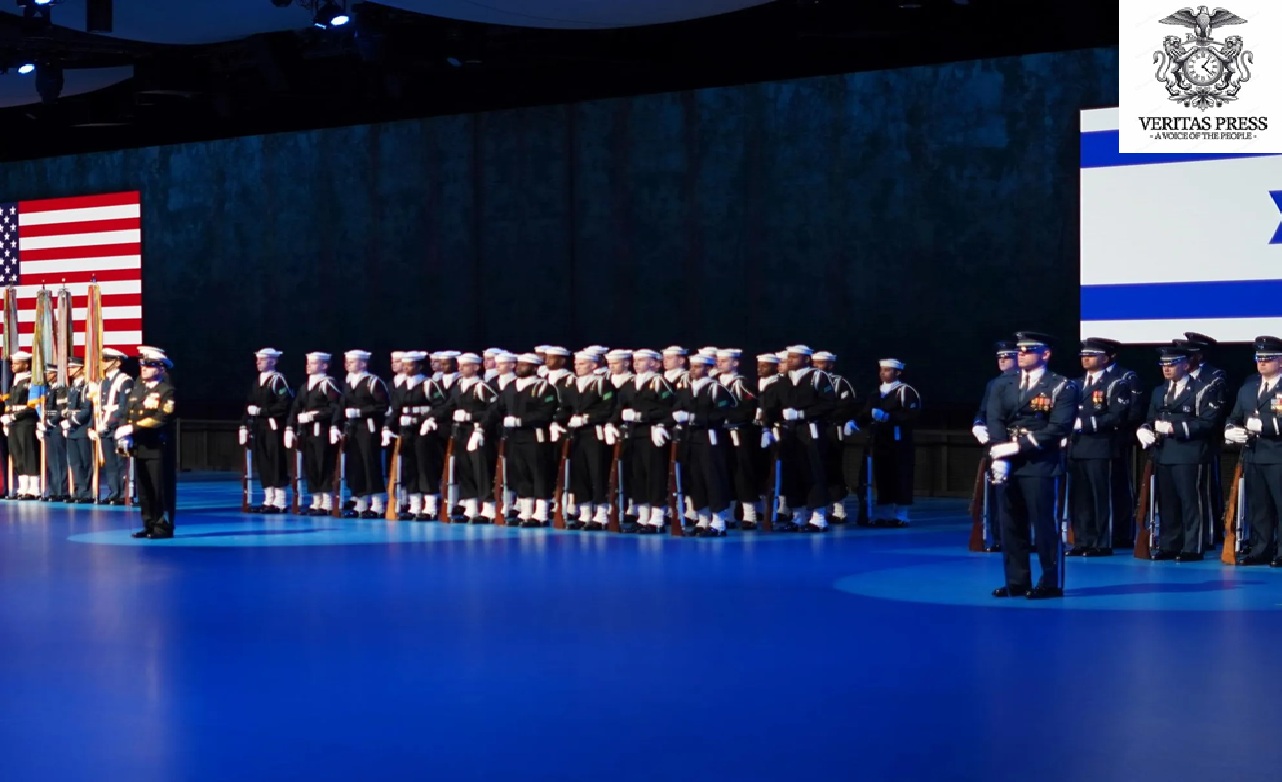
WASHINGTON, TEHRAN – The United States is dramatically escalating its military posture in the Middle East, deploying more than 10,000 additional troops even as a fragile ceasefire with Iran teeters on collapse, raising urgent questions about whether Washington is preparing for peace, or positioning itself for a wider war.
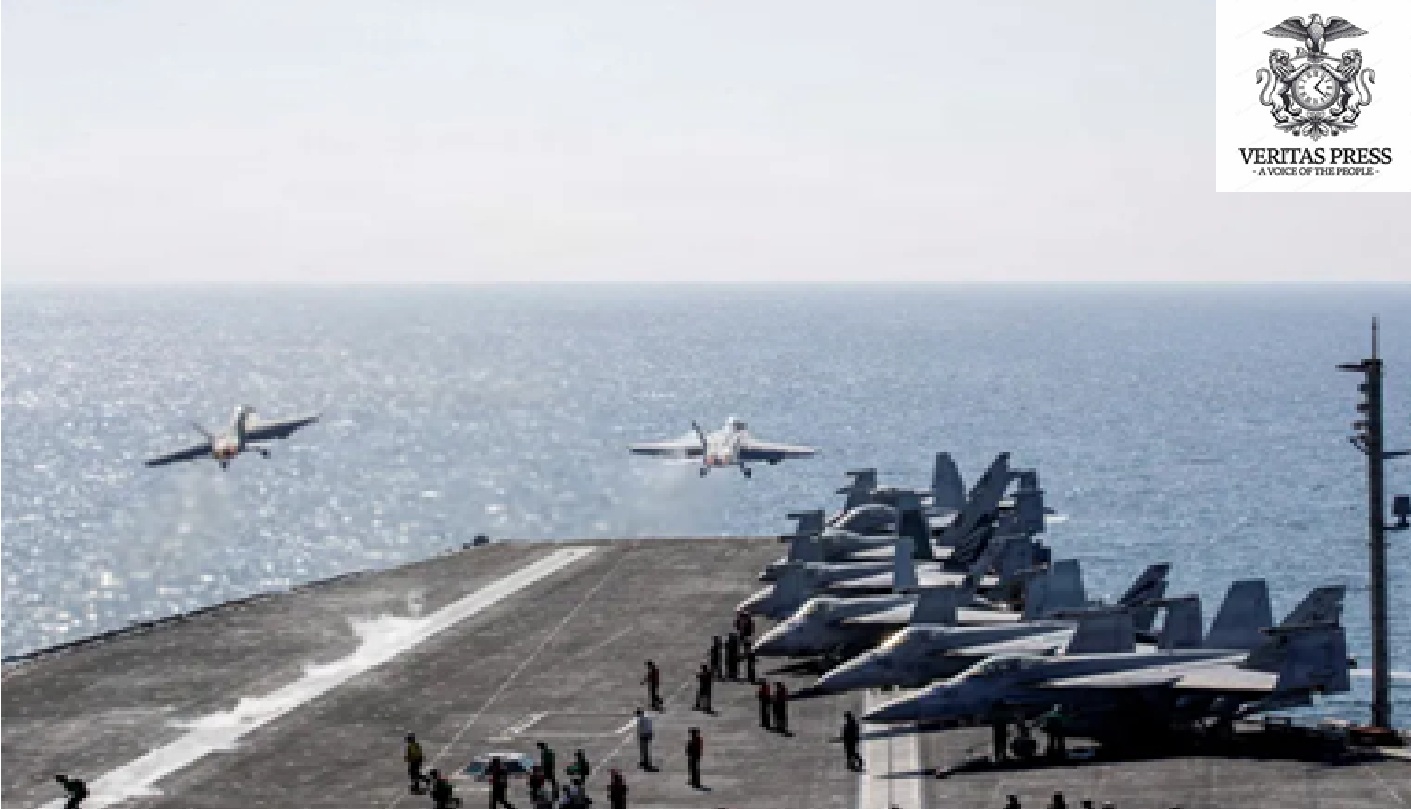
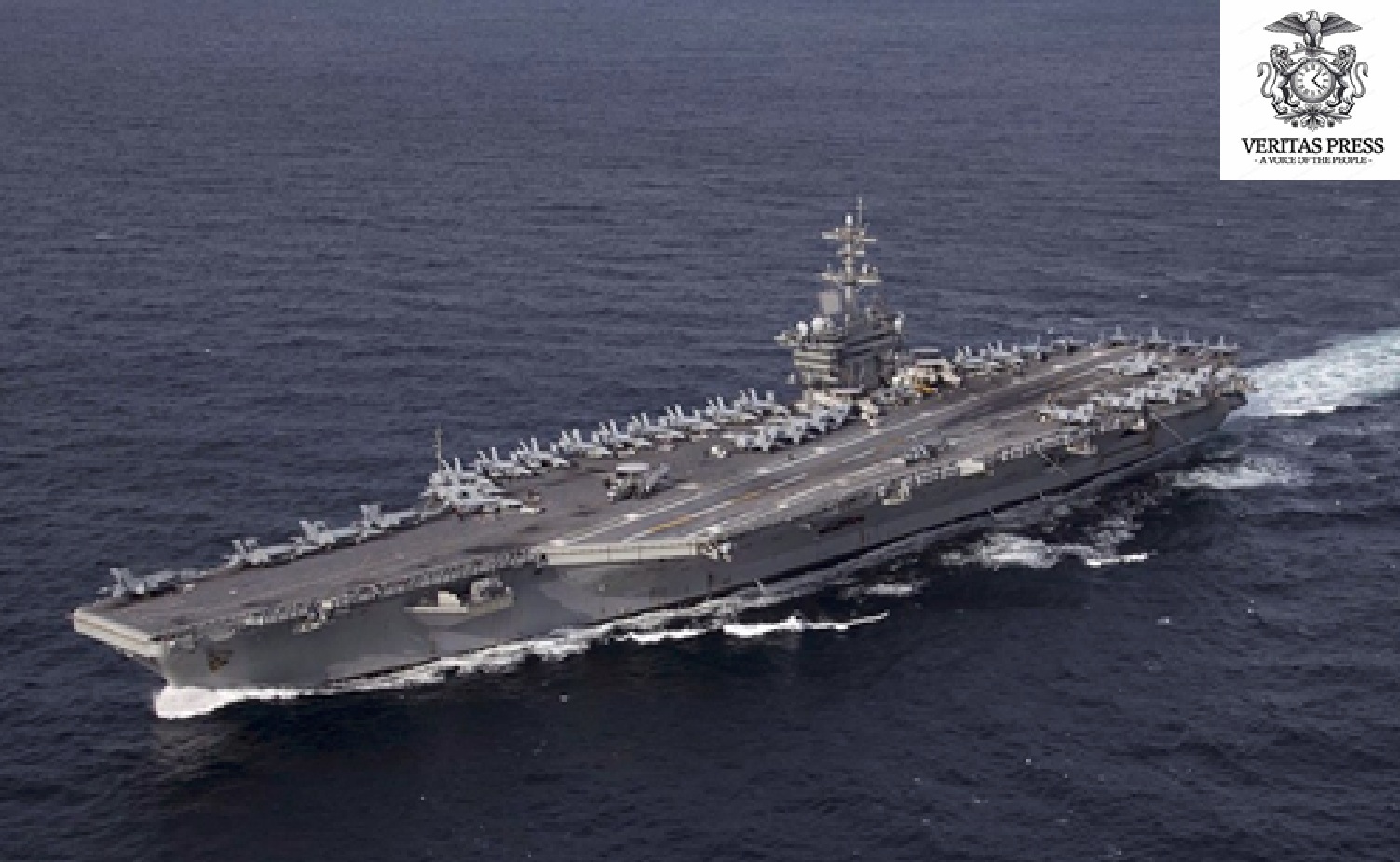
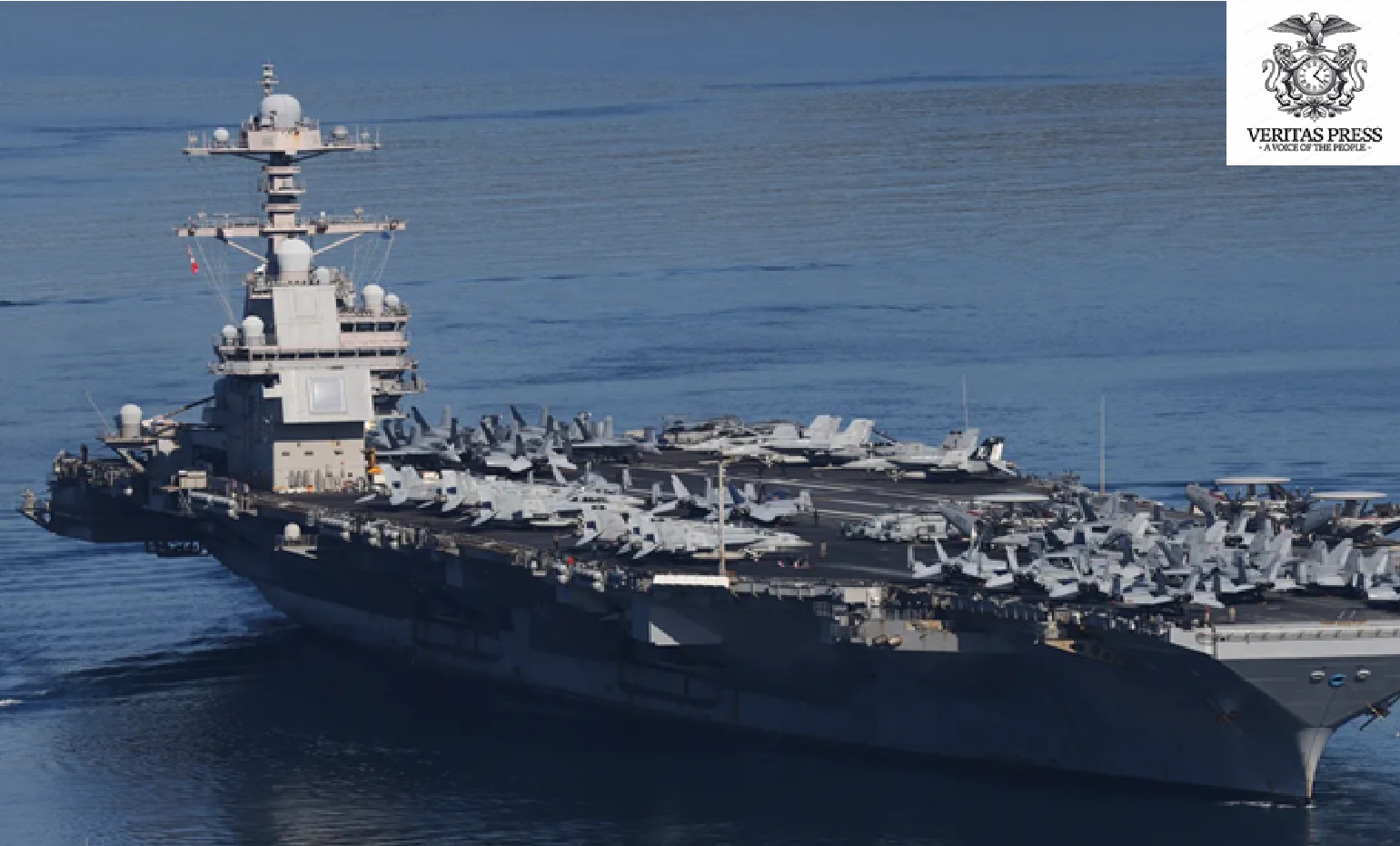
According to reporting by The Washington Post, the Pentagon is sending approximately 6,000 personnel aboard the aircraft carrier USS George H.W. Bush and its accompanying strike group, alongside another 4,200 Marines and Navy personnel attached to the Boxer Amphibious Ready Group and the 11th Marine Expeditionary Unit. These reinforcements will join an already formidable US presence of roughly 50,000 troops engaged in operations targeting Iran.
In addition to the aforementioned forces (ground operations), the contingent was further bolstered by the arrival of marines, paratroopers, and elite Delta Force units, all supported by an extensive armada of warships and aerial support. Amidst the backdrop of anticipated US-Israel negotiations, which include mediated dialogue with Iran, and while simultaneously positioning themselves for a comprehensive war with Iran, a multifaceted strategic situation is emerging.
With the arrival of the USS George H.W. Bush, currently rerouting around Africa, the number of US aircraft carriers in the region will rise to three, joining the USS Abraham Lincoln and USS Gerald R. Ford, both of which have already been involved in combat operations.
The scale and timing of the deployment, just days before the April 22 expiration of a two-week ceasefire, underscore a stark contradiction at the heart of US policy: diplomacy on the surface, military escalation beneath it.
“Maximum Pressure” Or Preparation For War?
US officials, speaking anonymously, framed the troop surge as a means to strengthen Washington’s negotiating position. But analysts and former military officials suggest it also reflects contingency planning for renewed hostilities, including the possibility of direct ground operations inside Iran.
Retired US Navy Admiral James Foggo described the buildup as creating “a reserve capacity, in the event that things go south,” adding: “The more tools you have got in your kit, the more diversity of options that you have.”
Those “options,” according to multiple reports, extend far beyond deterrence. US military planners are reportedly considering scenarios that include:
Special Operations raids to seize Iranian nuclear material
Amphibious assaults on strategic coastal zones
The potential capture of Kharg Island, a critical Iranian oil export hub
Former Pentagon official Mick Mulroy warned bluntly: “It’s not going to be without consequences. There will likely be casualties.”
Naval Blockade Pushes Region Toward Brink:
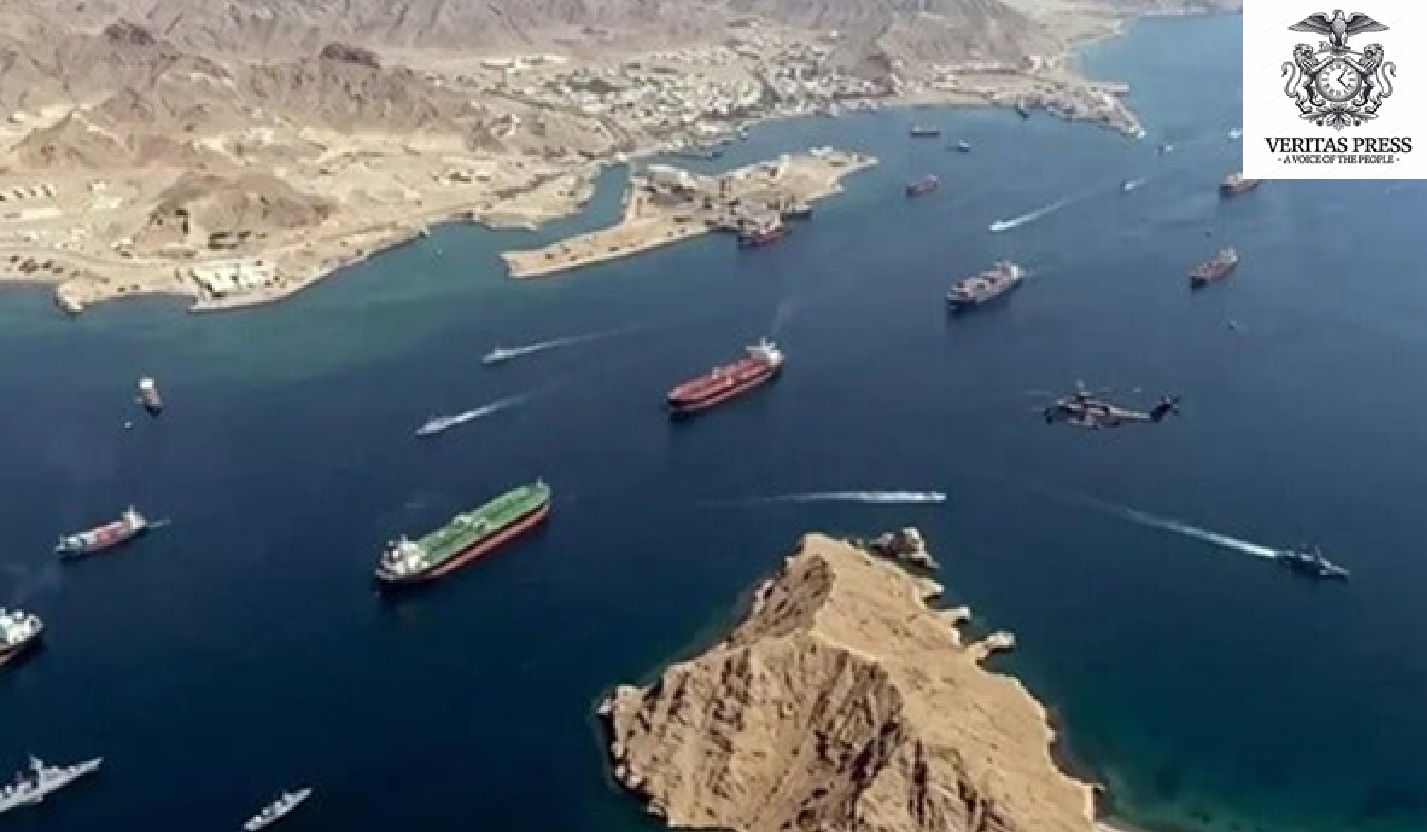
At the centre of the current escalation is the US-imposed naval blockade of Iran, which Washington claims has effectively halted the country’s maritime trade.
US Central Command (CENTCOM) declared that within 36 hours of implementation, American forces had “completely halted economic trade going into and out of Iran by sea,” targeting a sector that accounts for roughly 90% of Iran’s economy.
However, independent maritime data paints a more complicated picture. Analysts from the London-based firm Windward reported that multiple vessels have successfully navigated through the Strait of Hormuz despite the blockade, using evasive tactics such as coastal routing and false flagging.
This discrepancy highlights the inherent difficulty and danger of enforcing such a sweeping blockade in one of the world’s most strategic waterways.
US naval units have issued stark warnings to vessels attempting transit: “Turn around, or prepare to be boarded.”
A former senior US defence official noted that such boarding operations expose troops to serious risks, including drone attacks, armed resistance, or direct Iranian military intervention.
Negotiations Or Narrative Management? Doubts Grow Over “Second Round” Of Talks:
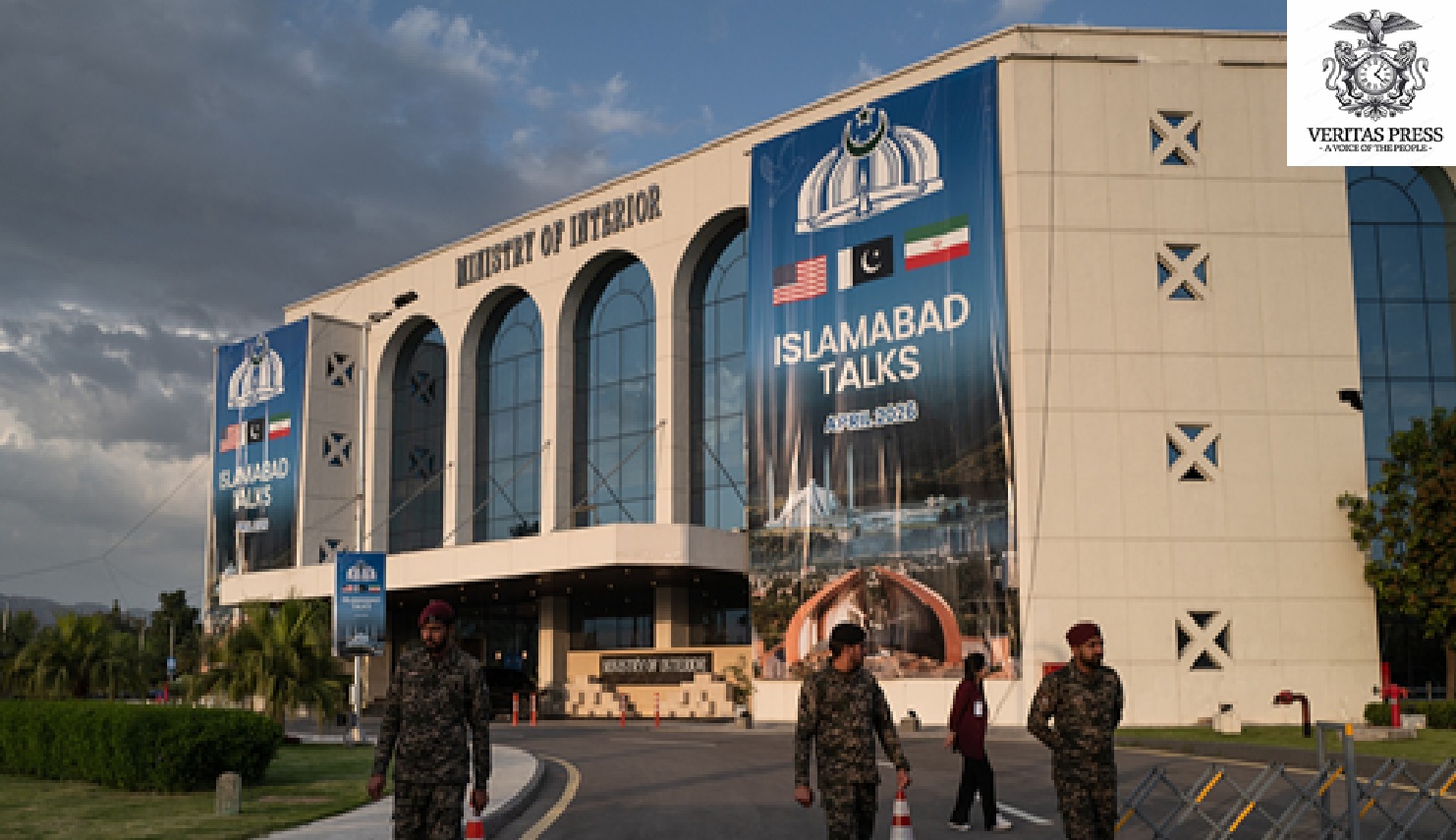
Even as Washington signals openness to a second round of negotiations with Tehran, likely again mediated by Pakistan, mounting evidence suggests that these talks risk functioning as a diplomatic veneer masking preparations for further escalation.
Official rhetoric from the White House has remained cautiously optimistic. Press Secretary Karoline Leavitt said the administration “feels good about the prospects of a deal,” while President Donald Trump has suggested new talks could take place “within days.”
Yet the reality is far less coherent.
Despite repeated claims of progress, no confirmed date has been set for a second round of negotiations, according to Pakistani officials. At the same time, Iranian sources acknowledge only limited movement, with fundamental disputes, particularly over sanctions relief and uranium enrichment, still unresolved.
Crucially, Washington has not even committed to extending the ceasefire beyond April 22.
Diplomacy Undermined By Escalation:
The contradiction is difficult to ignore:
The US is discussing renewed talks
While enforcing a sweeping naval blockade
Expanding sanctions targeting Iran’s oil exports
And deploying over 10,000 additional troops
This dual-track strategy, negotiating while escalating, has led critics to question whether diplomacy is being used to prevent war or simply to manage its timing.
Regional diplomats describe negotiations taking place “under intensifying pressure,” with Iran effectively negotiating under conditions of economic and military siege.
Such conditions raise a fundamental question: can negotiations conducted under coercion produce a sustainable peace?
Pakistan’s Mediation: Bridge Or Buffer?
Pakistan has positioned itself at the centre of mediation efforts, with Army Chief Field Marshal Asim Munir travelling to Tehran carrying messages between Washington and the Iranian leadership.
Islamabad has framed its role as stabilising, aimed at preserving dialogue and preventing escalation. But the structural imbalance remains stark.
Iran enters talks facing:
A US naval blockade targeting the backbone of its economy
Expanding sanctions and financial isolation
Continued regional military pressure from Israel
Meanwhile, US forces continue to build up across the region.
This asymmetry has led analysts to suggest that Pakistan’s role risks becoming less a bridge to peace and more a diplomatic buffer, absorbing pressure while the broader trajectory continues toward confrontation.
“Prelude To War”: Critics See Talks As Strategic Cover.
For many observers, the sequence of events surrounding the negotiations is telling.
The first round of talks in Islamabad ended without agreement. Within days:
The US imposed a naval blockade
Additional warships and troops were deployed
Sanctions were intensified
Now, as a second round is floated, those same escalatory measures are accelerating.
This has fuelled growing scepticism that negotiations are being used as strategic cover, allowing Washington to maintain the appearance of diplomacy while preparing for renewed military action.
The pattern echoes previous US conflicts where negotiations unfolded alongside military build-ups, ultimately collapsing under irreconcilable demands.
Iran Warns Of Retaliation: “Prelude To Ceasefire Violation”.
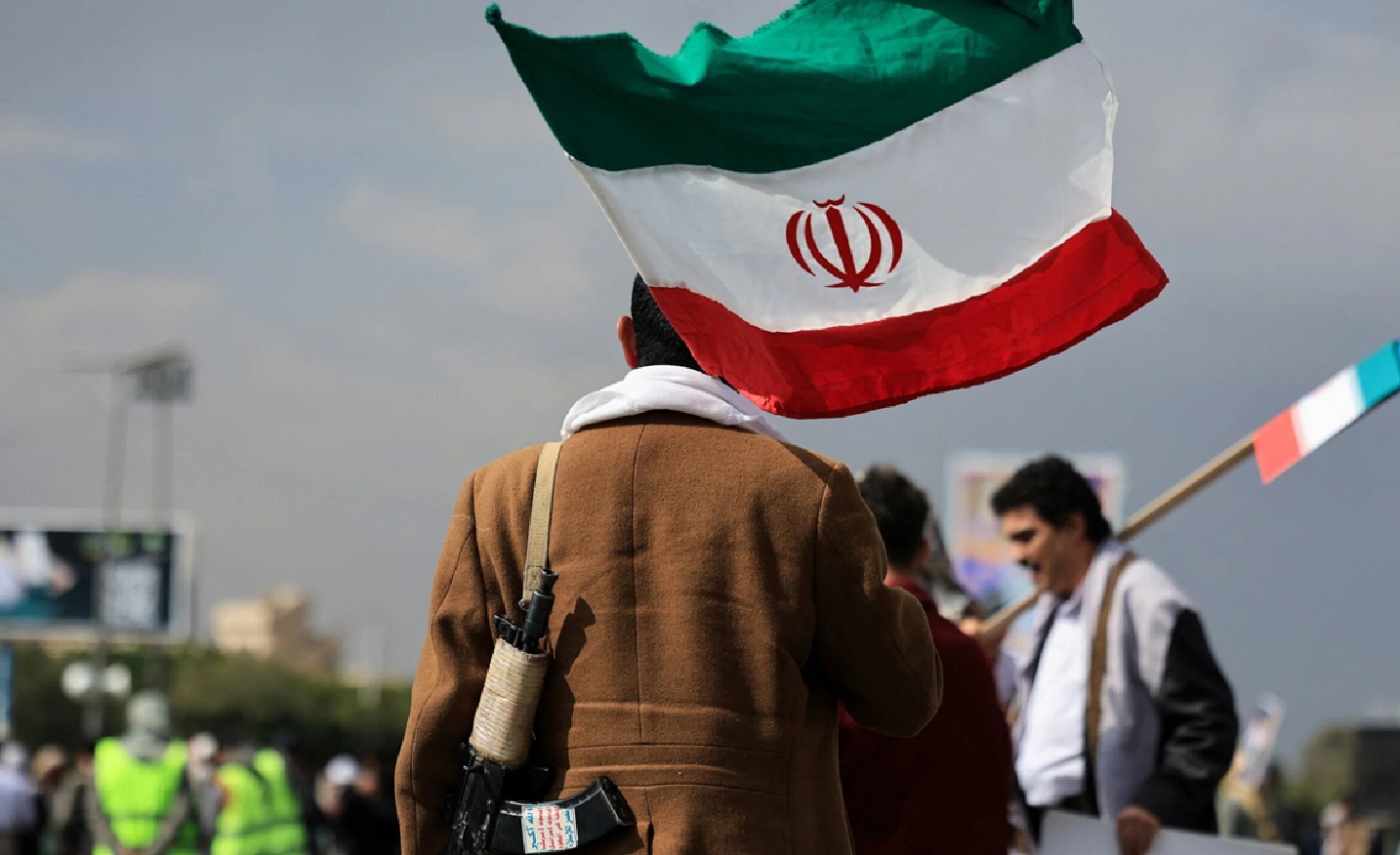
Tehran has responded with increasingly sharp warnings, framing the blockade as an act of economic warfare.
Ali Abdollahi, commander of Iran’s Khatam al-Anbiya Central Headquarters, warned that continued US actions would constitute a “prelude” to violating the ceasefire.
“The powerful armed forces of the Islamic Republic will not allow any exports or imports to continue in the Persian Gulf, the Sea of Oman, and the Red Sea,” he said.
Iranian President Masoud Pezeshkian condemned US and Israeli attacks on civilian infrastructure, stating:
“Attacking another country with no reason is against international law… This is shameful, and the world should witness it.”
Regional Spillover: Lebanon And Beyond.
The confrontation is already reverberating across the region.
In Lebanon, Israeli strikes have killed more than 2,100 people since early March, according to health authorities. Hezbollah officials say they are open to a ceasefire but remain wary of Israeli compliance.
Mahmoud Qomati, deputy head of Hezbollah’s political council, said:
“We will not accept a return to arrangements where one side complies and the other evades its obligations.”
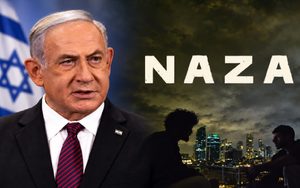
Israeli Prime Minister Benjamin Netanyahu has signalled readiness for escalation, stating that Israeli forces are “prepared for any scenario” should fighting with Iran resume.
Economic Shockwaves And Global Stakes:
The confrontation is already sending shockwaves through the global economy.
The Strait of Hormuz remains a critical chokepoint for global energy supplies, and disruptions have pushed oil prices higher, fuelling inflation concerns worldwide.
US Treasury officials have also expanded secondary sanctions, warning countries, including China, that continued trade with Iran could trigger financial penalties.
Treasury Secretary Scott Bessent stated:
“If we can prove that Iranian money is flowing through your accounts, we are willing to apply secondary sanctions.”
Echoes Of Iraq: A Familiar Pattern?
For critics, the current trajectory evokes troubling parallels with the 2003 invasion of Iraq, a war launched with promises of speed and precision that devolved into a prolonged and devastating conflict.
Then-Defence Secretary Donald Rumsfeld once suggested that war could last “six days, six weeks… I doubt six months.” Instead, US involvement stretched nearly a decade.
Today, the US has around 50,000 troops in the region, far fewer than the 150,000 deployed for Iraq, raising serious questions about the feasibility of any large-scale operation against a country as large and complex as Iran.
The gap between stated objectives and available resources suggests a familiar risk: a war easier to start than to end.
A Fragile Pause Before Potential Escalation:
As the April 22 ceasefire deadline approaches, the situation remains finely balanced between diplomacy and renewed conflict.
On paper, negotiations continue. In practice, military pressure is intensifying.
Warships are massing. Trade routes are under threat. Contingency plans for escalation are being refined.
Against this backdrop, the proposed second round of talks risks appearing less like a genuine effort to secure peace and more like a final diplomatic gesture before a possible return to war.
The central question remains unresolved:
Is Diplomacy Being Employed By Washington As A Means To Mask Ongoing Conflict, Or Is It Intended To Legitimise Subsequent Actions?
Conclusion: A War Framed As Diplomacy.
As the ceasefire deadline looms, the unfolding US strategy appears less like a genuine attempt to secure peace and more like a calibrated façade, escalation wrapped in the language of diplomacy.
On one track, Washington speaks of negotiations, mediation, and “productive” dialogue in Islamabad. On another, it is tightening a naval chokehold on Iran’s economy, expanding sanctions to third countries, and steadily positioning tens of thousands of troops, warships, and aircraft within striking distance.
These are not parallel paths toward the same goal. They are fundamentally contradictory trajectories.
The proposed second round of talks, lacking a date, substance, or even agreement on extending the ceasefire, risks functioning as political theatre: a mechanism to demonstrate diplomatic engagement while the military balance shifts decisively on the ground. In this reading, negotiations are not designed to prevent war, but to legitimise it, establishing a narrative in which conflict becomes the outcome of failed diplomacy rather than the product of deliberate escalation.
Double Standards, Strategic Interests, And The Question Of Motives?
At the heart of the crisis lies a deeper contradiction, one that critics argue exposes longstanding US-Israeli double standards.
Washington insists that Iran must completely dismantle its uranium enrichment capabilities, with proposals reportedly demanding a 20-year moratorium and the surrender of existing uranium stockpiles. Yet Iran maintains that enrichment is a sovereign right for civilian energy purposes, a position consistent with international nuclear norms for non-weapons states.
This asymmetry has fuelled accusations of hypocrisy.
The same powers demanding zero enrichment from Iran remain silent or supportive when allies maintain undeclared or advanced nuclear capabilities. The issue, critics argue, is not nuclear capability in itself, but who is permitted to possess it, and under what political alignment.
At the same time, the broader strategic picture complicates the official narrative.
Beyond non-proliferation, US objectives increasingly appear to include:
Eliminating Iran’s enriched uranium stockpile
Restructuring or replacing the Iranian political system
Reasserting control over strategic trade routes like the Strait of Hormuz
Expanding leverage over one of the world’s largest reserves of oil and gas
Analysts note that regime change has emerged as a central, if unofficial, objective of the campaign, aligned with Israeli ambitions to reshape the regional balance of power. Market and policy experts similarly acknowledge that core US goals include neutralising Iran’s nuclear capacity and potentially forcing political transformation in Tehran.
Taken together, these objectives suggest a broader geopolitical project: not merely containing Iran, but fundamentally reordering it.
Resource Control And Geopolitical Power:
Iran sits atop vast reserves of oil, gas, and strategic minerals, while also controlling access to one of the most critical chokepoints in the global economy.
Control, or even partial influence, over these assets would have far-reaching implications:
Greater leverage over global energy markets
Reduced influence of rival powers, particularly China, which currently purchases the majority of Iran’s oil
Reinforcement of US-Israeli regional dominance
In this context, the war cannot be understood purely through the lens of nuclear non-proliferation. It intersects with longstanding geopolitical priorities: energy security, trade routes, and strategic dominance.
Critics argue that the insistence on dismantling Iran’s domestic enrichment capacity, while simultaneously applying overwhelming military and economic pressure, reflects not just security concerns, but an effort to strip Iran of technological sovereignty and economic independence.
A Familiar Pattern, A Dangerous Trajectory:
For Iran, the message is unmistakable: negotiate under blockade, under threat, and under overwhelming force, or face escalation.
But history suggests that such conditions rarely produce lasting peace.
From Iraq to Libya, wars justified through security narratives have often carried deeper strategic objectives, regime change, resource access, and geopolitical realignment, while leaving behind prolonged instability.
Today, similar warning signs are visible:
Expanding military deployments without clear end goals
Escalating demands unlikely to be accepted by the opposing side
Diplomacy conducted under coercion rather than mutual compromise
Even Israeli security sources have acknowledged that expectations of rapid regime collapse in Iran may be based more on “wishful thinking” than realistic planning.
A Diplomatic Process On Borrowed Time:
As tensions escalate across the Gulf and beyond, the risk is no longer confined to US-Iran relations. The conflict is already bleeding into Lebanon, threatening global energy markets, and drawing in international actors.
The Strait of Hormuz remains a flashpoint where a single miscalculation could trigger a wider war conflict with global repercussions.
Against this backdrop, the central question is no longer whether diplomacy will succeed.
It is whether diplomacy is being used at all in good faith.
If the current trajectory holds, the architecture for war may already be in place, constructed not in opposition to diplomacy, but behind its façade.
And if that is the case, then the most dangerous illusion is not that peace is possible.
It is that war has not already been chosen.
Source: Multiple News Agencies
Submissions:
For The Secure Submission Of Documentation, Testimonies, Or Exclusive Investigative Reports From Any Global Location, Please Utilise The Following Contact Details For Our Investigations Desk: enquiries@veritaspress.co.uk or editor@veritaspress.co.uk
Help Support Our Work:
Popular Information is powered by readers who believe that truth still matters. When just a few more people step up to support this work, it means more lies exposed, more corruption uncovered, and more accountability where it’s long overdue.
Help Protect Independent Journalism, Which Is Currently Under Attack.
If you believe journalism should serve the public, not the powerful, and you’re in a position to help, becoming a DONATOR or a PAID SUBSCRIBER truly makes a difference.
DONATION APPEAL: If You Found This Reporting Valuable, Please Consider Supporting Independent Journalism.
Help Support Our Work – We Know, We Know, We Know …
Seeing these messages is annoying. We know that. (Imagine what it’s like writing them … )
Your support fuels our fearless, truth-driven journalism. In unity, we endeavour to amplify marginalised voices and champion justice, irrespective of geographical location.
But it’s also extremely important. One of Veritas Press’s greatest assets is its reader-funded model.
1. Reader funding means we can cover what we like. We’re not beholden to the political whims of a billionaire owner. We are a small, independent and impartial organisation. No one can tell us what not to say or what not to report.
2. Reader funding means we don’t have to chase clicks and traffic. We’re not desperately seeking your attention for its own sake: we pursue the stories that our editorial team deems important and believe are worthy of your time.
3. Reader Funding: enables us to keep our website and other social media channels open, allowing as many people as possible to access quality journalism from around the world, particularly those in places where the free press is under threat.
We know not everyone can afford to pay for news, but if you’ve been meaning to support us, now’s the time.
Your donation goes a long way. It helps us:
Keep the lights on and sustain our day-to-day operations
Hire new, talented independent reporters
Launch real-time live debates, community-focused shows, and on-the-ground reporting
Cover the issues that matter most to our communities, in real time, with depth and integrity
We have plans to expand our work, but we can’t do it without your support. Every contribution, no matter the size, helps us stay independent and build a truly people-powered media platform.
If you believe in journalism that informs, empowers, and reflects the communities we serve, please donate today.
Kamran Faqir is a volunteer investigative journalist and writer committed to exposing hidden truths and amplifying underreported stories. Driven by social justice, he brings sharp insight and fearless truth-telling to independent journalism. NUJ registered.
SEATTLE, TEHRAN — The U.S. Department of Homeland Security (DHS) will allow Iran’s national football team to enter the country 48 hours before their critical World Cup match against Egypt on Friday, a modest concession in a tournament where Team Melli’s travel conditions have sparked claims of oppression and competitive disadvantage.