



Help support our mission, donate today and be the change. Every contribution goes directly toward driving real impact for the cause we believe in.
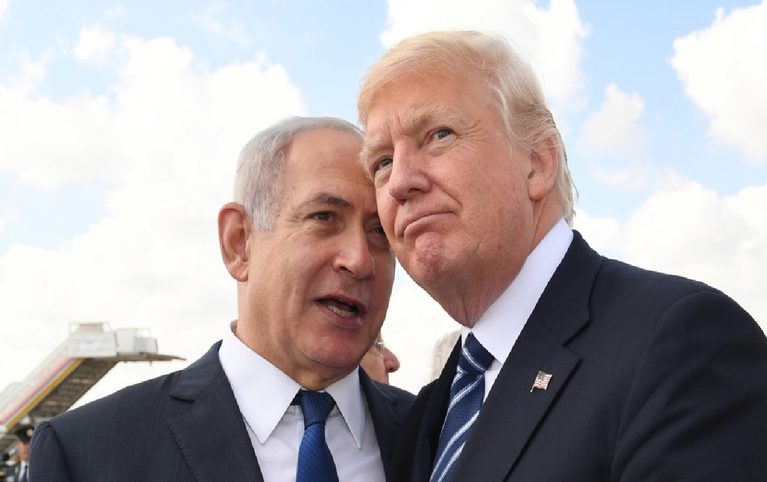
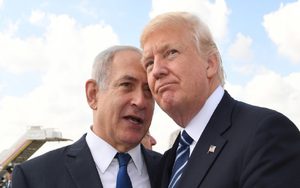
WASHINGTON / TEHRAN — May 3, 2026. The world’s most perilous geopolitical poker game entered a dangerous new phase this weekend. Iran has formally submitted a comprehensive 14-point peace proposal to the United States, declaring that “the ball is in the US court” between a diplomatic resolution and a continuation of a confrontational approach that has already set the Middle East ablaze. In a characteristically blunt rejoinder, President Donald Trump immediately cast doubt on the offer, telling reporters he “can’t imagine that it would be acceptable” and later suggesting on Truth Social that Tehran has “not yet paid a big enough price” for what he termed 47 years of misdeeds.
The exchange, conducted through Pakistani intermediaries, represents the most significant diplomatic move since a fragile, month-long ceasefire paused the devastating U.S.-Israeli bombing campaign against Iran, a campaign that has, since February 28, not only killed Supreme Leader Ayatollah Ali Khamenei and thousands of others, but triggered the largest disruption to global energy supplies in recorded history. The Strait of Hormuz, the slender maritime artery through which 35% of the world’s seaborne crude oil and 20% of its liquefied natural gas normally transits, remains a central character in this crisis, blockaded by Tehran and counter-blockaded by the U.S. Navy.
This is a crisis that implicates every corner of the globe. From the surge in oil prices to the resumption of Israel’s brutal bombing campaign in Lebanon, the world is watching a slow-motion catastrophe unfold. What follows is a deep, investigative dissection of the proposals, the power dynamics, and the human cost of a peace that remains elusive.
The Proposals, A Study In Irreconcilable Maximalism.
The central diplomatic thrust is now a battle of documents, each reflecting the unyielding starting positions of two bitter adversaries. The U.S. initiated this exchange with a nine-point proposal, leaked details of which suggest a call for a two-month ceasefire extension. According to semi-official Iranian news agencies Fars and Tasnim, Tehran’s response was swift and dismissive of half-measures: a counter-proposal of 14 points that insists the core issues must be resolved within a tight 30-day window, shifting the focus from a mere extension of a “ceasefire” to a permanent “end to the war.”
Iran’s 14-Point Framework: The Demand For A New Regional Order
Iran’s counter-proposal, as detailed by Tasnim and corroborated by the state broadcaster IRIB, reads less like a negotiation starter and more like a set of terms for a comprehensive postwar settlement. Its key pillars include:
- Guarantees of Non-Aggression: Legally binding security assurances that the U.S. and Israel will not launch future military attacks on Iranian soil.
- Full Military Withdrawal: The complete withdrawal of all U.S. military forces from “areas surrounding Iran,” a demand that would essentially dismantle the American footprint across the Persian Gulf.
- End to Twin Blockades: The mutual and simultaneous lifting of both the Iranian blockade of the Strait of Hormuz and the U.S. naval blockade of Iranian ports, a chokehold that has crippled the Islamic Republic’s oil exports.
- Economic Reparations and Restoration: The total removal of all U.S. and international sanctions, the release of billions in frozen Iranian assets held abroad, and the payment of war reparations by the United States for damages inflicted during the conflict.
- Regional Cessation of Hostilities: An end to the war “on all fronts,” explicitly including Israel’s ongoing military operations against Hezbollah in Lebanon.
- A New Hormuz Mechanism: The establishment of a new international framework for governing the strategic Strait of Hormuz, a move that Tehran’s Vice Parliamentary Speaker Ali Nikzad cryptically asserted was “more important than acquiring nuclear weapons.” He further proposed that 30% of any tolls collected for passage could be directed toward military infrastructure.
The U.S. Red Line: The Nuclear File At The Forefront
Washington’s position, rooted in the rationale for launching the war to begin with, is dominated by a single, non-negotiable imperative: the complete and verifiable dismantlement of Iran’s nuclear program. The U.S. has demanded that Iran suspend its enrichment activities for 20 years and surrender its entire stockpile of highly enriched uranium, which stands at a 972-pound cache that could be further enriched to weapons-grade material for several bombs.
It is here that the two proposals collide with tragic inevitability. Iran’s 14-point plan strategically defers the nuclear question to a later stage of negotiations, proposing first to de-escalate the military and economic crisis by reopening the Strait and lifting the mutual blockades. Tehran insists its program is exclusively for peaceful civilian purposes and asserts its right to enrich uranium under the Nuclear Non-Proliferation Treaty (NPT). Its delegation to the UN even went so far as to label Washington’s focus on its nuclear ambitions as “hypocritical behaviour,” pointing to the massive U.S. nuclear arsenal and noting there is no legal restriction on enrichment under IAEA supervision.
President Trump, facing midterm elections in November and a restless electorate, has framed this sequencing as a non-starter. “The bottom line is… ” You cannot let Iran have a nuclear weapon, for our country, for Israel, the Middle East, and Europe,” he stated. His envoy, Steve Witkoff, has reportedly insisted that the nuclear issue be put back at the centre of the table, a demand Tehran’s latest offer subtly but firmly rebuffs. This fundamental disagreement over when to tackle the nuclear elephant in the room is the primary engine of the current deadlock.
Oil Markets, Economic Warfare, And The “Treasonous” Home Front
Beyond the diplomatic parsing, the conflict is being acutely felt at petrol pumps and in the global economy. The twin blockades have created a 10 million barrel per day reduction in global oil supply, a shock the World Bank has described as the “largest oil supply disruption in recorded history,” eclipsing even the Iranian Revolution and the Arab oil embargo. Brent crude futures have skyrocketed, surging past $126 per barrel this week to reach a four-year high, with the World Bank now forecasting an average of $86 per barrel for 2026, a drastic $26 upward revision from its pre-war outlook.
The economic contagion extends far beyond energy. The World Bank’s fertiliser price index is projected to rise 31%, led by a staggering 60% surge in urea prices, as the Gulf region, which accounts for a quarter of global urea exports, sees its shipments curtailed. This is poised to spark a global food affordability crisis, pressuring farming margins just ahead of the Northern Hemisphere planting season.
Inside the United States, the economic pressure is translating into a political liability for the president. Trump, who is under “domestic pressure to break Iran’s hold on the strait,” is acutely aware that soaring gasoline prices could trigger a voter backlash against his Republican Party in the upcoming midterm congressional elections. His rhetoric has become accordingly bellicose, accusing his domestic critics of “treasonous” acts for suggesting the U.S. is not winning the conflict, despite his own admission to Congress that hostilities have been “terminated.” In a move that circumvents normal democratic oversight, the administration has also fast-tracked $8.6 billion in arms sales to regional allies, including Israel, Qatar, and the UAE, invoking emergency powers that a senior House Democrat, Rep. Gregory Meeks, decried as using “the veneer of an emergency declaration to push through sales with no urgent nexus to current conflicts.”
The Mediator’s Tightrope And The Lebanon Conundrum.
Pakistan’s emergence as the central mediator is a high-stakes, high-risk endeavour. The first round of talks in Islamabad on April 11 collapsed amid acrimony, with Iranian authorities accusing the U.S. delegation of making “maximalist demands.” The credibility of the Pakistani channel is under attack from within Iran itself; Iranian lawmaker Rezaei publicly stated that while Pakistan is a “good friend and neighbour,” it “lacks the credibility” required for effective mediation, accusing Islamabad of siding with “Trump’s interests.”
Diplomatic consultations continue to swirl around the periphery. China and Russia, Iran’s strategic partners, have held trilateral meetings in Tehran, discussing the lifting of “oppressive sanctions” and coordinating positions on the nuclear file. Beijing has gone further, publicly urging an end to “illegal” sanctions on Iran during talks it hosted. Meanwhile, Iranian Foreign Minister Abbas Araghchi has been on a diplomatic blitz, phoning counterparts from Turkey, Egypt, Qatar, Saudi Arabia, Iraq, and Azerbaijan, as well as EU foreign policy chief Kaja Kallas, to discuss “new initiatives related to ending the war.”
The most volatile and intractable element of the conflict, however, remains the Lebanon front. The White House has explicitly stated that Lebanon is not part of the ceasefire agreement with Iran, giving Israel a green light to continue its offensive against Hezbollah. The results have been catastrophic. Israel has carried out what it called the “largest coordinated strike” since the offensive began, pounding over 100 sites in Beirut, the Beqaa Valley, and southern Lebanon within minutes. Lebanese Parliament Speaker Nabih Berri condemned the truce as a mechanism that allows Israel to “escalate its aggression,” a charge underscored by the killing of at least 12 people in southern Lebanon in a single day and the death of Lebanese journalist Amal Khalil. Iran has warned that it will withdraw from the truce entirely if Israeli violations in Lebanon continue, a threat that could unspool the entire peace effort at any moment. “The world sees the massacres in Lebanon. The ball is in the US court, and the world is watching whether it will act on its commitments,” an Iranian statement declared.
“Blast The Hell Out Of Them”, The Military Calculus:
As diplomats draft and redraft proposals, the machinery of war remains on high alert. President Trump has wielded his signature ambiguity, asking rhetorically, “Do we want to go and just blast the hell out of them and finish them forever? Or do we want to try and make a deal?” He has warned he would not end the U.S. confrontation early, “and then have the problem arise in three more years.”
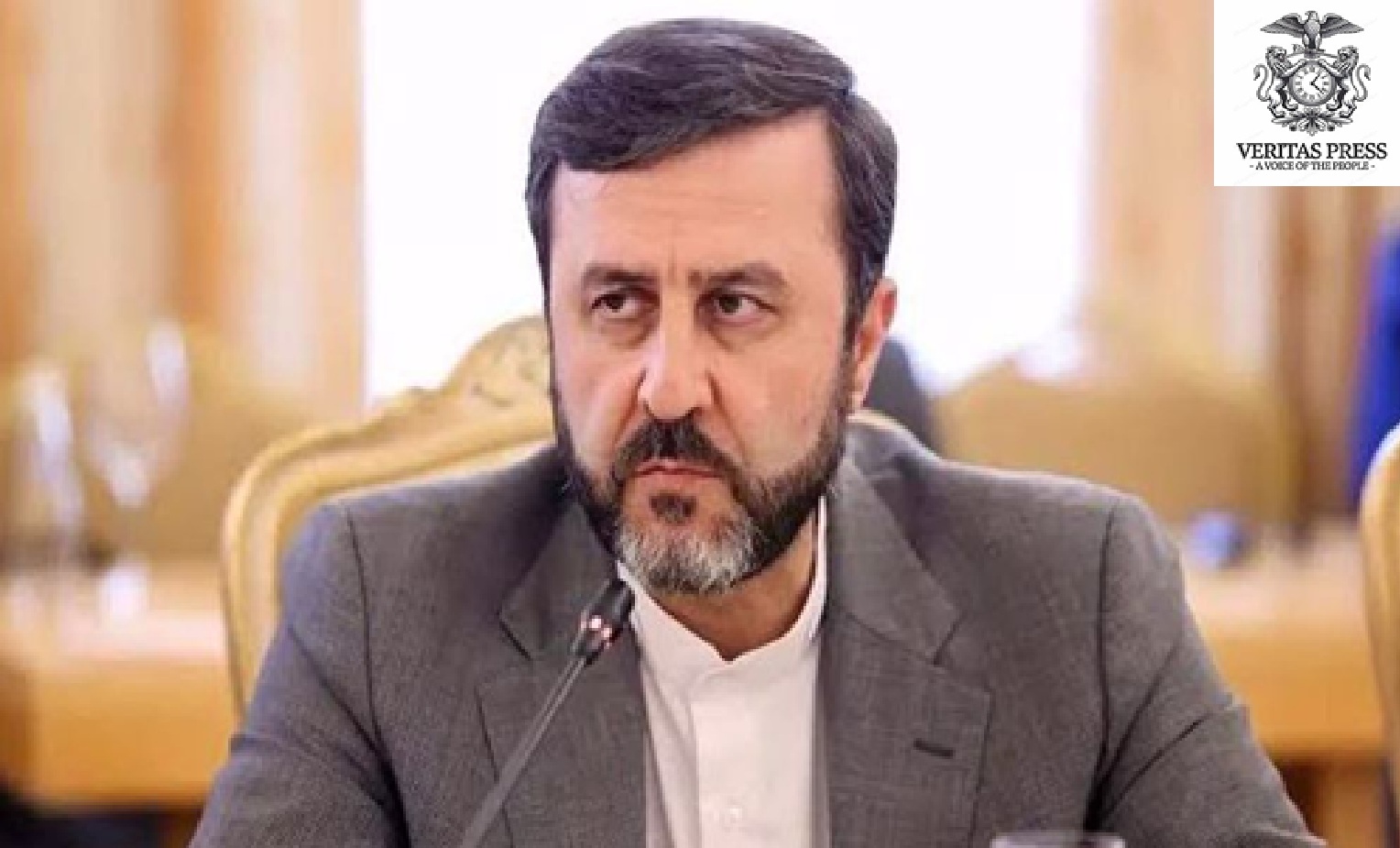
Tehran, for its part, is signalling both defiance and readiness. Deputy Foreign Minister Kazem Gharibabadi’s message was calibrated: “Iran, with the aim of securing its national interests and security, is prepared for both paths”, diplomacy or war. On the ground, the Islamic Revolutionary Guard Corps (IRGC) has proclaimed it will make the Hormuz waters a “source of security, prosperity” and is exerting “control over nearly 2,000km of Iran’s coastline,” a clear statement that it has no intention of loosening its grip without profound concessions. A senior military commander, Mohammad Jafar Asadi, grimly assessed that a “renewed conflict between Iran and the United States is likely,” citing Washington’s failure to honour past agreements. The IRGC remains on “full standby for a return to hostilities.”
Conclusion: The World Held In A 30-Day Deadline
This is a conflict defined by a crisis of sequencing and a lack of trust so profound it borders on nihilism. President Trump insists the nuclear issue must be resolved first, rejecting any framework that postpones it. Iran insists the war and the “economic fury” unleashed upon its population must be halted before it will even begin to discuss the crown jewels of its national security apparatus. The result is a diplomatic gridlock where each 14-point plan is a mirror reflecting the other’s unacceptable reality.
With a 30-day deadline embedded in Iran’s counter-proposal, and the fragile ceasefire hanging by a thread in the face of the Israeli barrage on Lebanon, the window for a breakthrough is closing. The “ball” may be in the U.S. court, but the playing field is a burning, blockaded region where the price of a misstep is not just economic turmoil, but a return to a full-scale war that has already rewritten the rules of global energy security. The world, quite literally, cannot afford for this game to go into overtime.
Source: Multiple News Agencies
Submissions:
For The Secure Submission Of Documentation, Testimonies, Or Exclusive Investigative Reports From Any Global Location, Please Utilise The Following Contact Details For Our Investigations Desk: enquiries@veritaspress.co.uk or editor@veritaspress.co.uk
Help Support Our Work:
Popular Information is powered by readers who believe that truth still matters. When just a few more people step up to support this work, it means more lies exposed, more corruption uncovered, and more accountability where it’s long overdue.
Help Protect Independent Journalism, Which Is Currently Under Attack.
If you believe journalism should serve the public, not the powerful, and you’re in a position to help, becoming a DONATOR or a PAID SUBSCRIBER truly makes a difference.
DONATION APPEAL: If You Found This Reporting Valuable, Please Consider Supporting Independent Journalism.
Help Support Our Work – We Know, We Know, We Know …
Seeing these messages is annoying. We know that. (Imagine what it’s like writing them … )
Your support fuels our fearless, truth-driven journalism. In unity, we endeavour to amplify marginalised voices and champion justice, irrespective of geographical location.
But it’s also extremely important. One of Veritas Press’s greatest assets is its reader-funded model.
1. Reader funding means we can cover what we like. We’re not beholden to the political whims of a billionaire owner. We are a small, independent and impartial organisation. No one can tell us what not to say or what not to report.
2. Reader funding means we don’t have to chase clicks and traffic. We’re not desperately seeking your attention for its own sake: we pursue the stories that our editorial team deems important and believe are worthy of your time.
3. Reader Funding: enables us to keep our website and other social media channels open, allowing as many people as possible to access quality journalism from around the world, particularly those in places where the free press is under threat.
We know not everyone can afford to pay for news, but if you’ve been meaning to support us, now’s the time.
Your donation goes a long way. It helps us:
- Keep the lights on and sustain our day-to-day operations
- Hire new, talented independent reporters
- Launch real-time live debates, community-focused shows, and on-the-ground reporting
- Cover the issues that matter most to our communities, in real time, with depth and integrity
We have plans to expand our work, but we can’t do it without your support. Every contribution, no matter the size, helps us stay independent and build a truly people-powered media platform.
If you believe in journalism that informs, empowers, and reflects the communities we serve, please donate today.
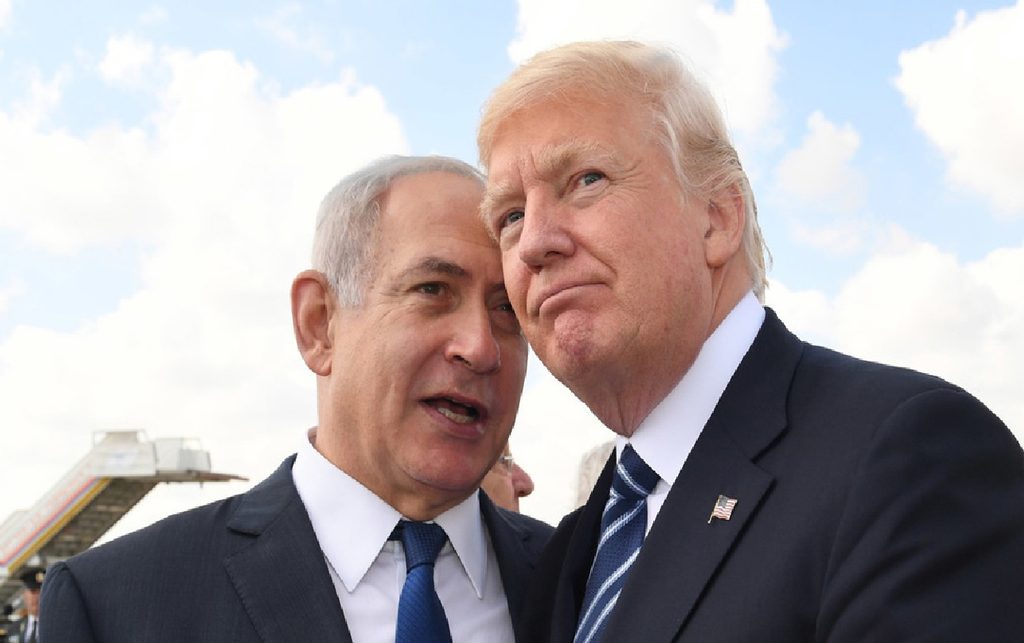
The Trump administration is preparing a $2.8 billion weapons package for Israel containing 40,000 2,000-pound bombs, according to US officials cited by The Washington Post, Reuters and the Associated Press.

Film alleges mass civilian deaths are routinely built into military decisions amid Israel’s genocidal war on Gaza
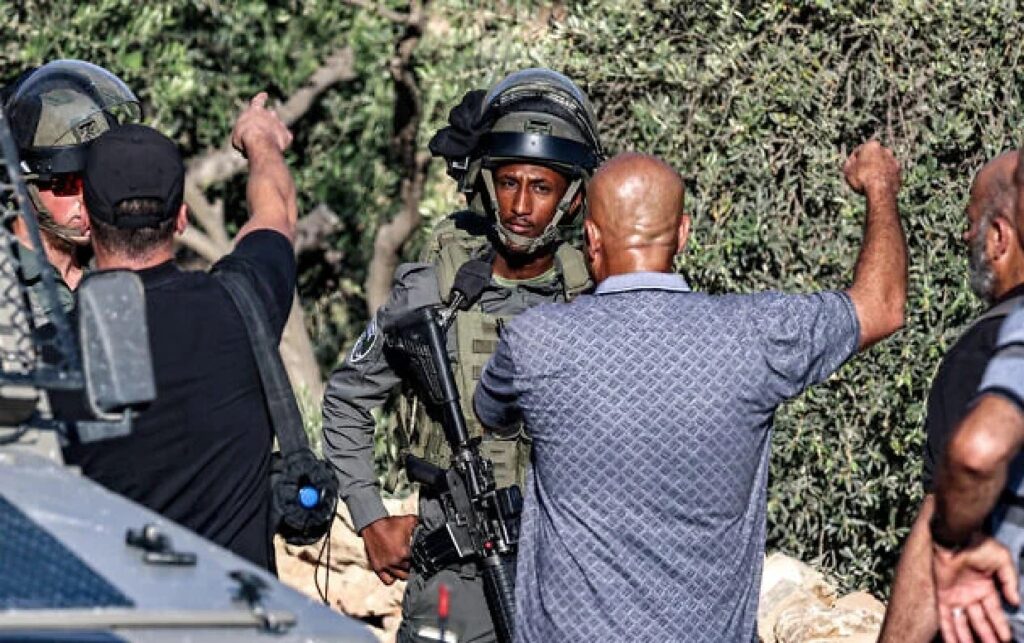
The Israeli rights group says violence, displacement, economic strangulation, and settlement expansion form part of a single project (The Elimination Project), transforming the occupied West Bank. Drawing on 2,000 testimonies and three decades of documentation, the report arrives amid escalating settler attacks, record settlement approvals, and a growing international sanctions push that stops short of the action B’Tselem demands.

Houthi forces have captured the historic Red Sea port of Mocha and are advancing on Dhubab, positioning themselves to control the 20-kilometre-wide Bab el-Mandeb Strait with artillery alone, a strategic prize that, combined with Iran’s effective closure of the Strait of Hormuz, would give the axis of resistance simultaneous leverage over both of the Middle East’s critical maritime chokepoints, threatening to isolate Gulf oil producers, add 0.7 percentage points to global core inflation, displace nearly 20,000 Yemenis in a single week, and shatter a fragile four-year truce that UN mediators had hoped to transform into a political settlement, as Saudi
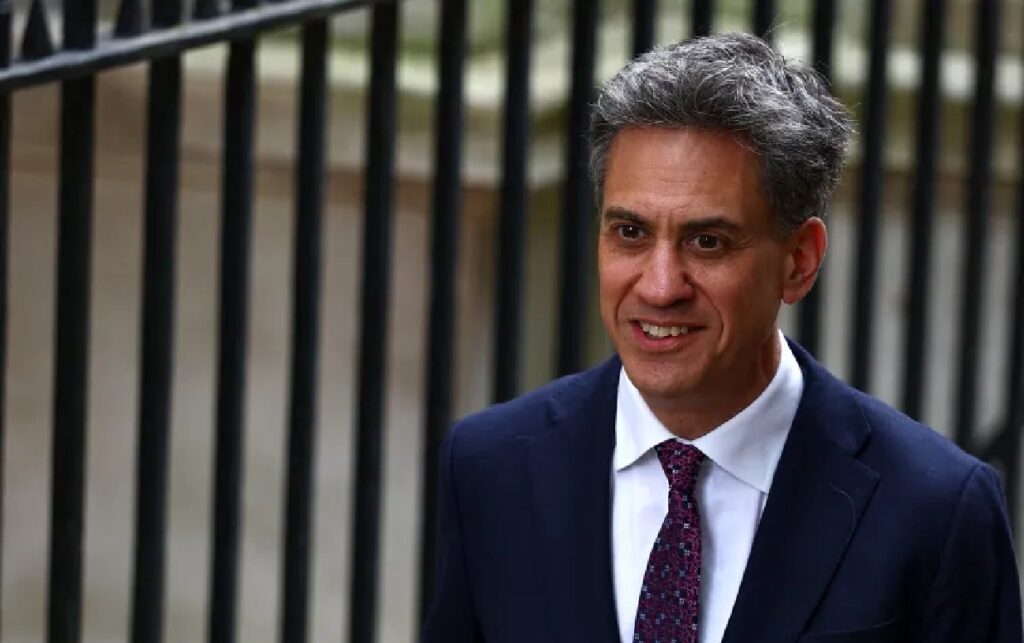
London’s historic sanctions against Israeli settlements mark a watershed moment in UK foreign policy, but Israeli diplomats privately concede the diplomatic framework Britain seeks to save no longer exists.
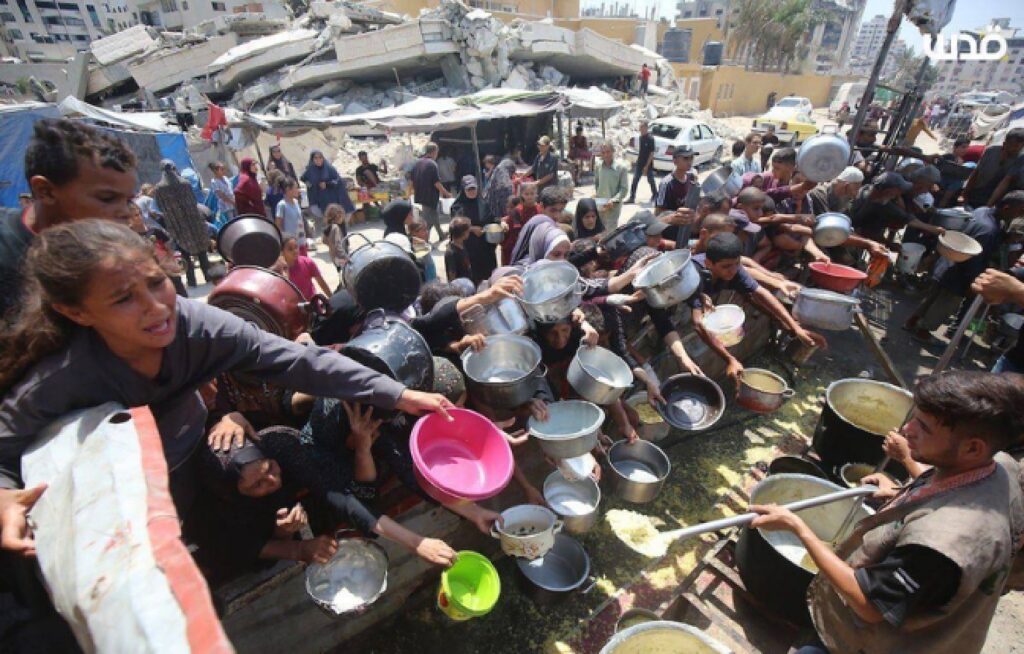
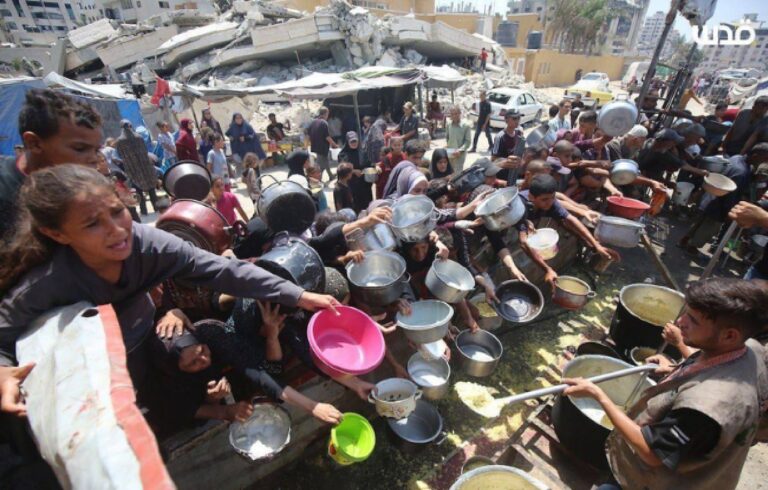
With 95% of Gaza’s population now wholly dependent on aid and more than 90% stripped of purchasing power, Palestinian officials allege that Israel is waging a calculated campaign of “silent starvation.” Under the ceasefire, 198,000 aid trucks should have entered in 330 days; only 69,387 did. As spoiled food is weaponised as proof of abundance, the real story lies in the crossing points, the collapsed economy, and the slow bureaucratic erasure of Palestinian survival.
India calls for Kashmir and Ladakh to appear only on its official map after a UN cartography vote, prompting Pakistan to warn that “unilateral claims of sovereignty have no bearing” on the disputed territory, reigniting a legal and rhetorical battle over borders, self-determination, and the credibility of international institutions.
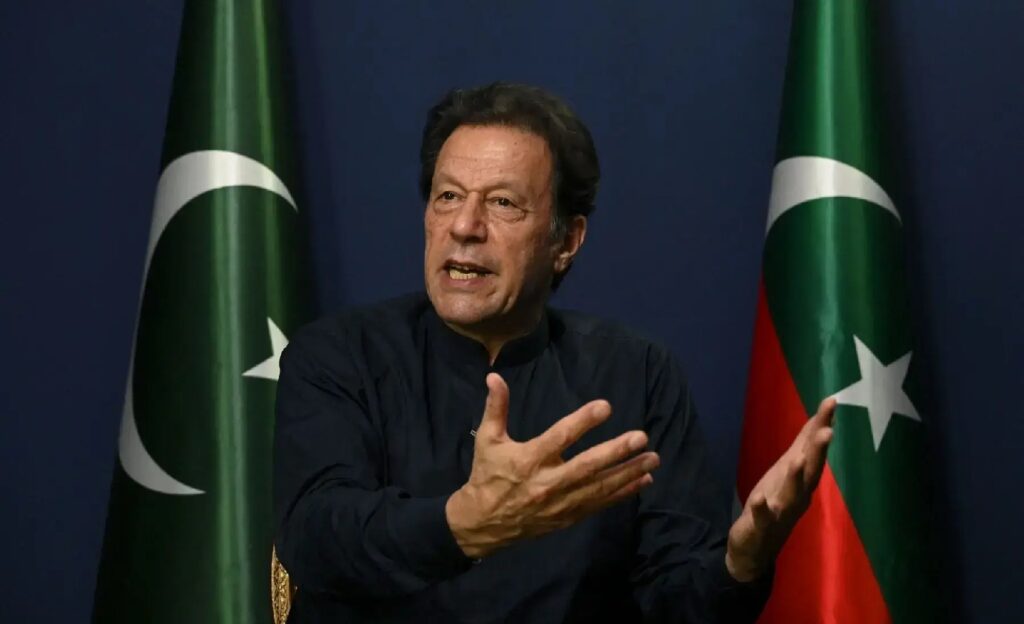
ISLAMABAD – In the high-stakes political theatre of Pakistan, the battleground has shifted from the streets to the sterile corridors of hospitals and the hallowed halls of the Supreme Court. At the centre of the storm is not a policy or an election, but the physical body of a jailed former prime minister, Imran Khan.
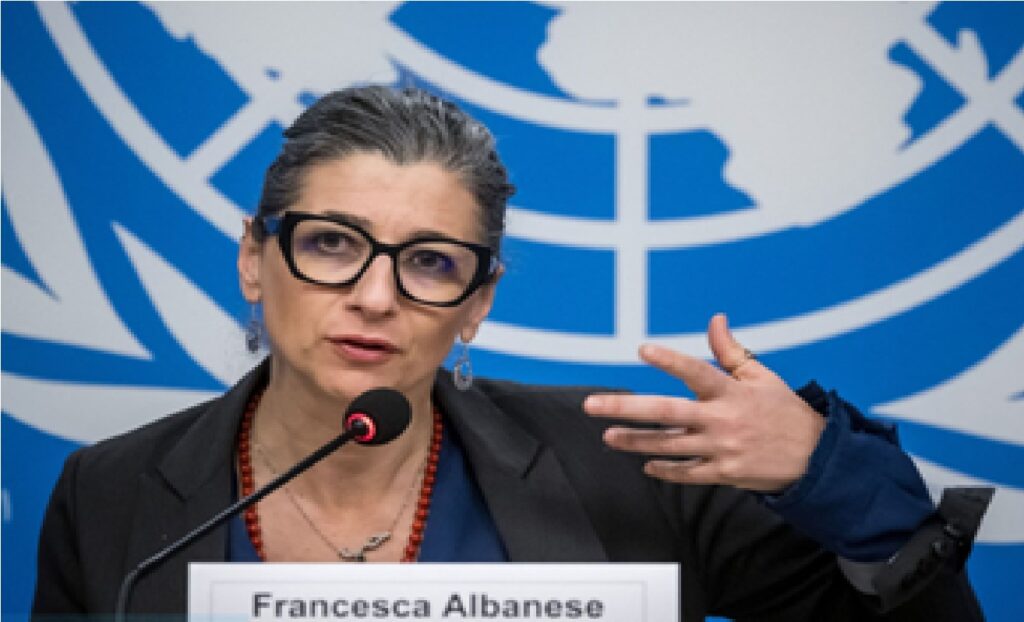
Francesca Albanese says third states have an ICJ-mandated obligation to end Israel’s occupation. But with US vetoes blocking the Security Council, Europe, Asia and the Middle East issuing condemnations without action, Palestinians are left without protection amid record settler violence and a Gaza shelter crisis.
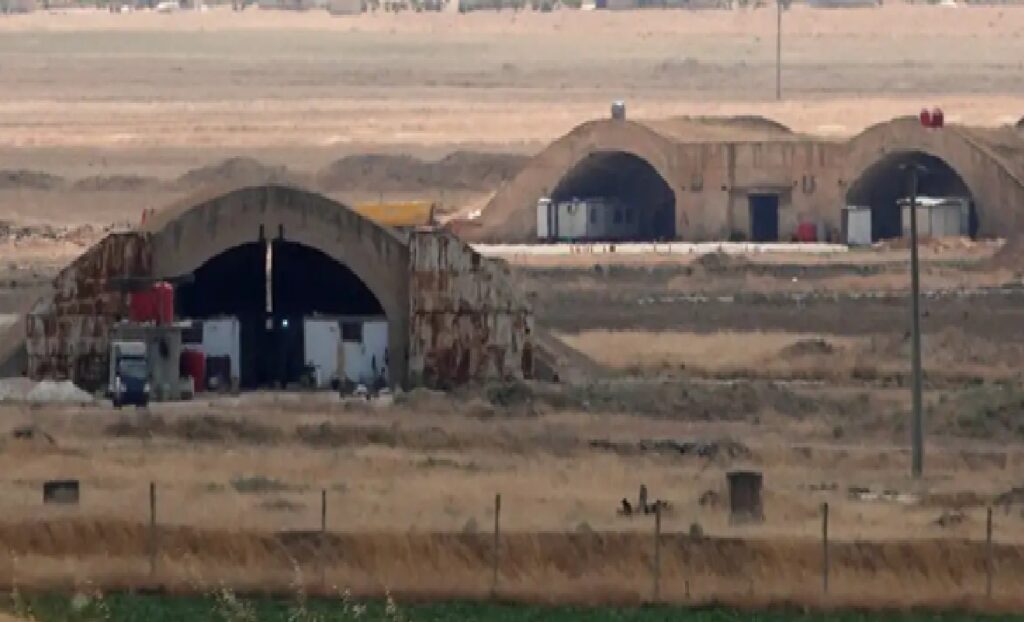
As Israeli jets bomb a Syrian air base over alleged Turkish deployment plans, Ankara, Washington and Damascus are scrambling to prevent a direct Israel-NATO confrontation. But critics across the region say the strike was never just about security; it was about maps, sovereignty and an expansionist project Israel refuses to name.