Kamran Faqir is a volunteer investigative journalist and writer committed to exposing hidden truths and amplifying underreported stories. Driven by social justice, he brings sharp insight and fearless truth-telling to independent journalism. NUJ registered.
Original Article Date Published:
Article Date Published:
7 minutes
Views:410
Listen to this article
Help support our mission, donate today and be the change. Every contribution goes directly toward driving real impact for the cause we believe in.
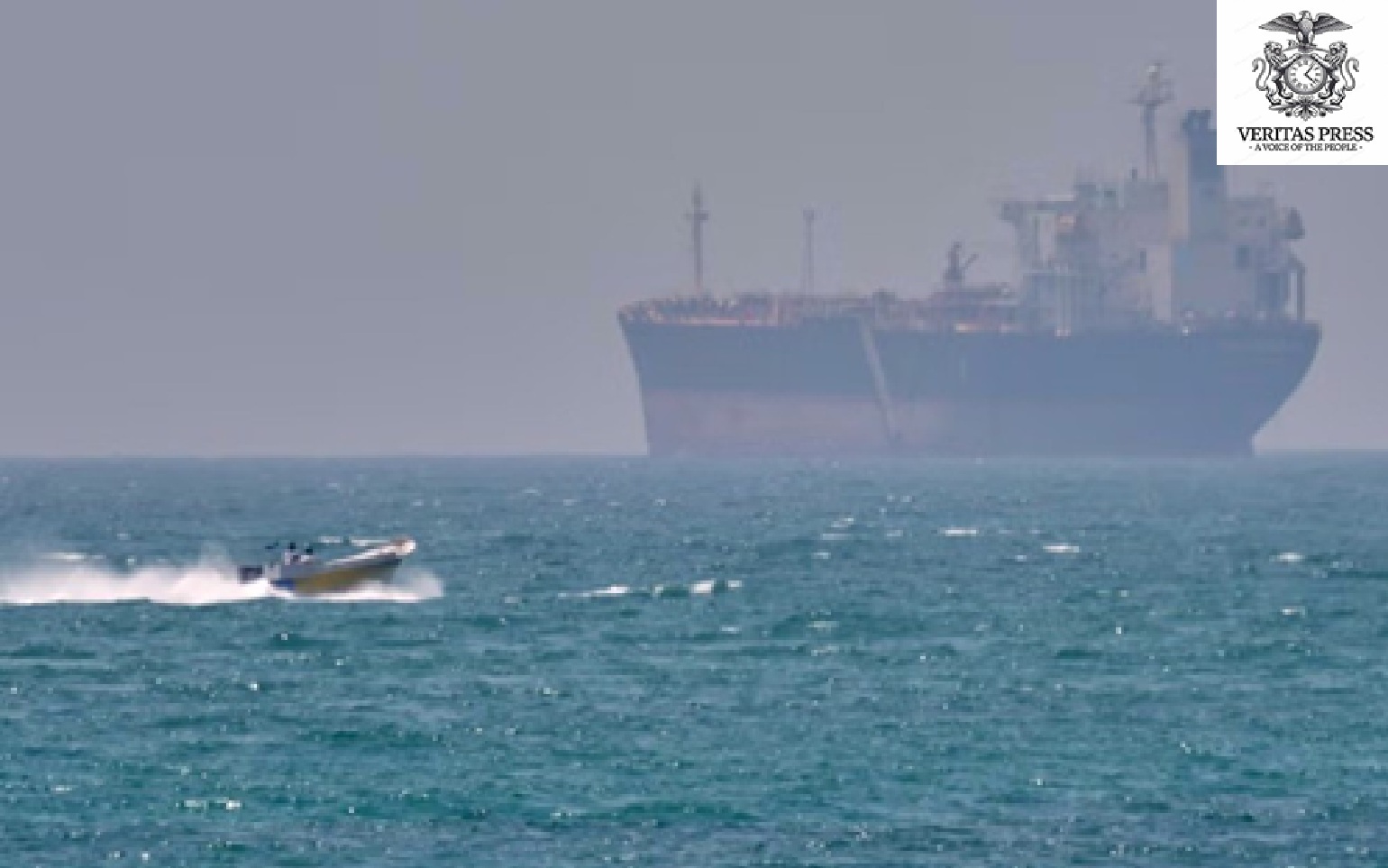
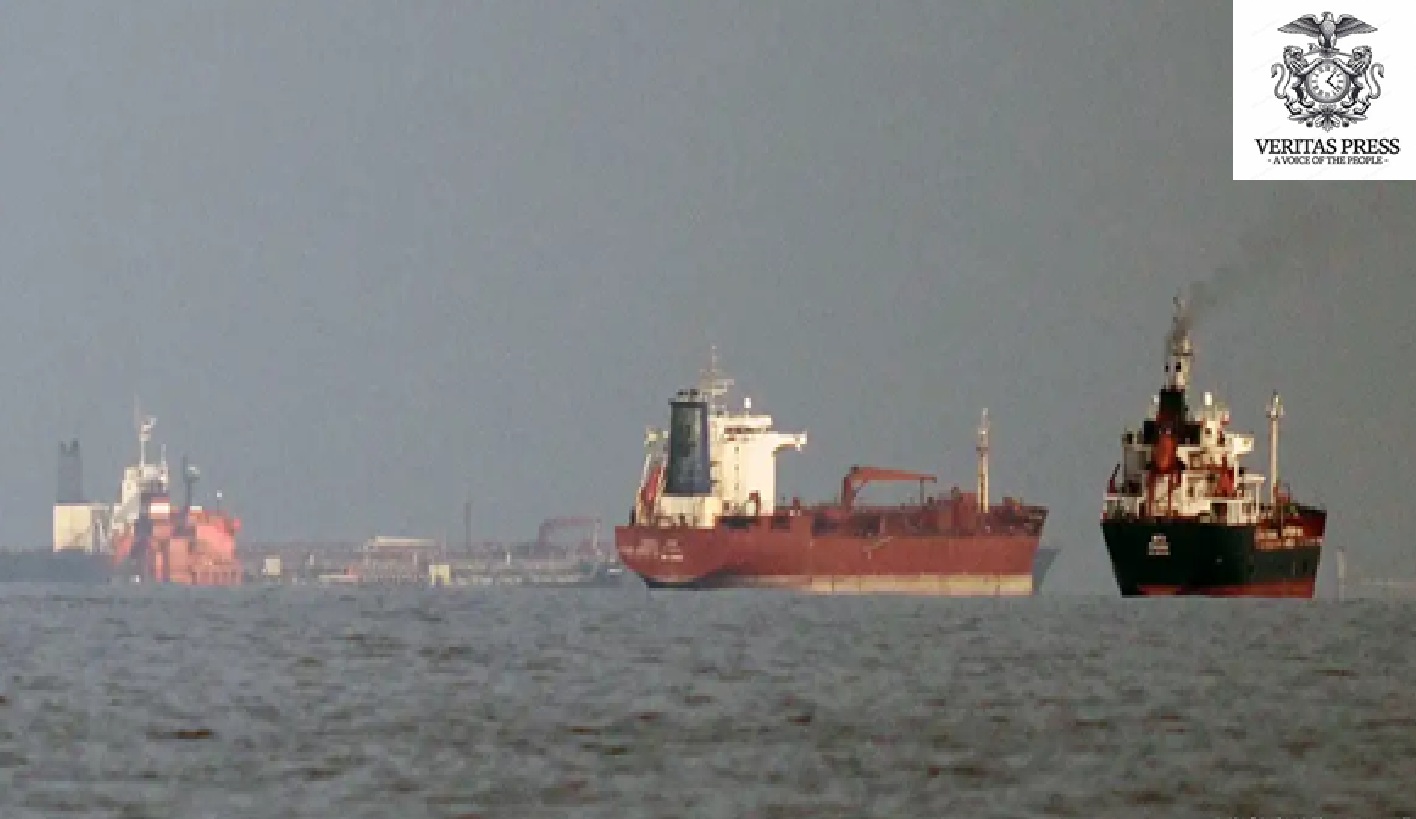
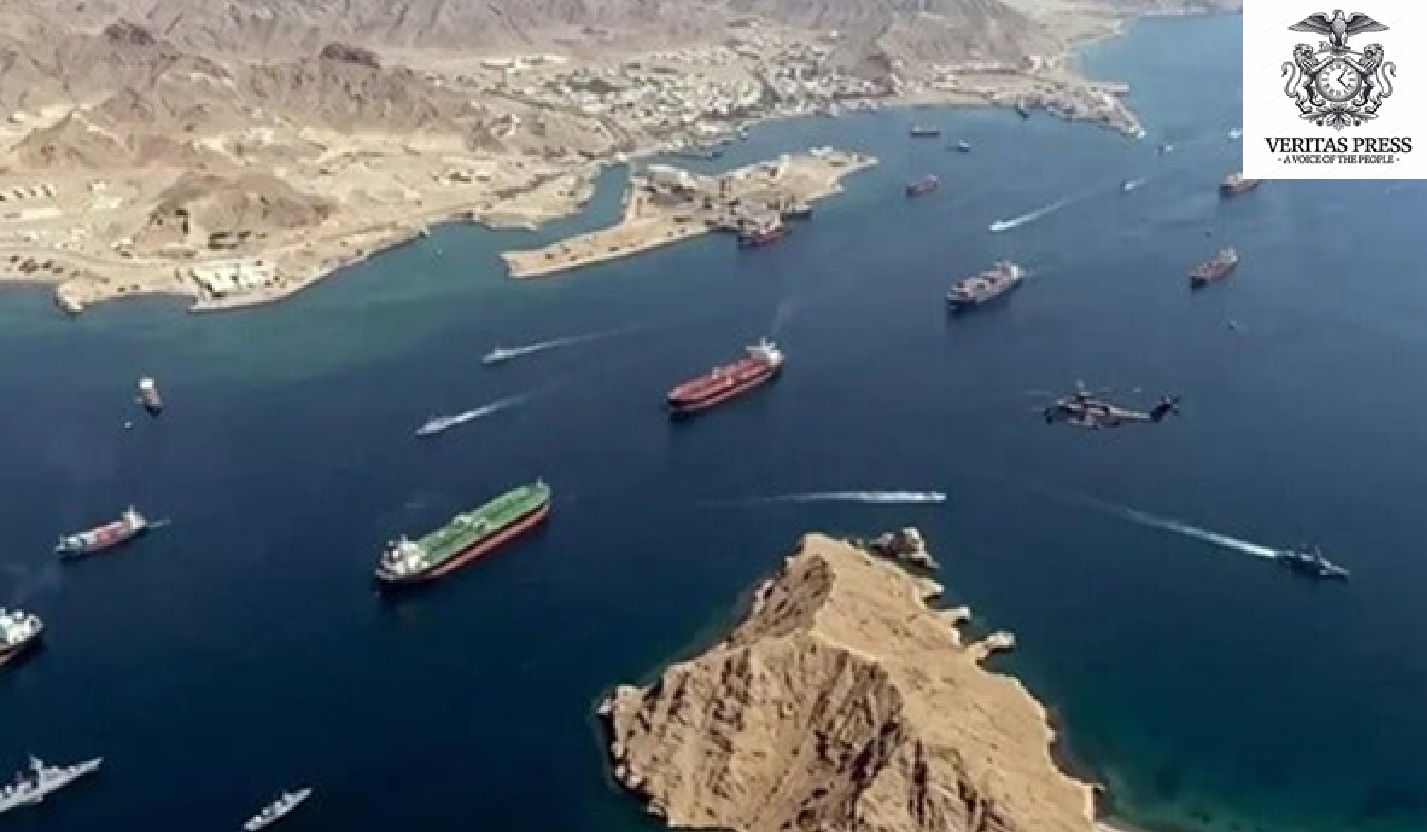
A Japanese-owned supertanker carrying two million barrels of crude oil has successfully transited the Strait of Hormuz after securing permission from Iranian authorities, marking a rare passage through the strategic waterway since the launch of the US-Israeli war on Iran.
TOKYO, TEHRAN – The vessel, identified as the Idemitsu Maru, a Panama-flagged VLCC operated by a subsidiary of Japanese refiner Idemitsu Kosan, finally set sail late Monday after lingering off Abu Dhabi’s coast for more than a week. Its delayed departure is not just a matter of shipping congestion; it reflects a far deeper shift. The Strait of Hormuz has become a stage for a new geopolitical order forged in the aftermath of the US-Israeli offensive against Iran on February 28. This voyage lays bare an emerging reality: a fragile, coercive balance in which Tehran and Washington exert overlapping control, and safe passage increasingly hinges on tacit approval from one or both. In this environment, the long-standing framework of maritime law appears not merely strained, but fundamentally eroded.
The New Gatekeepers Of Global Energy:
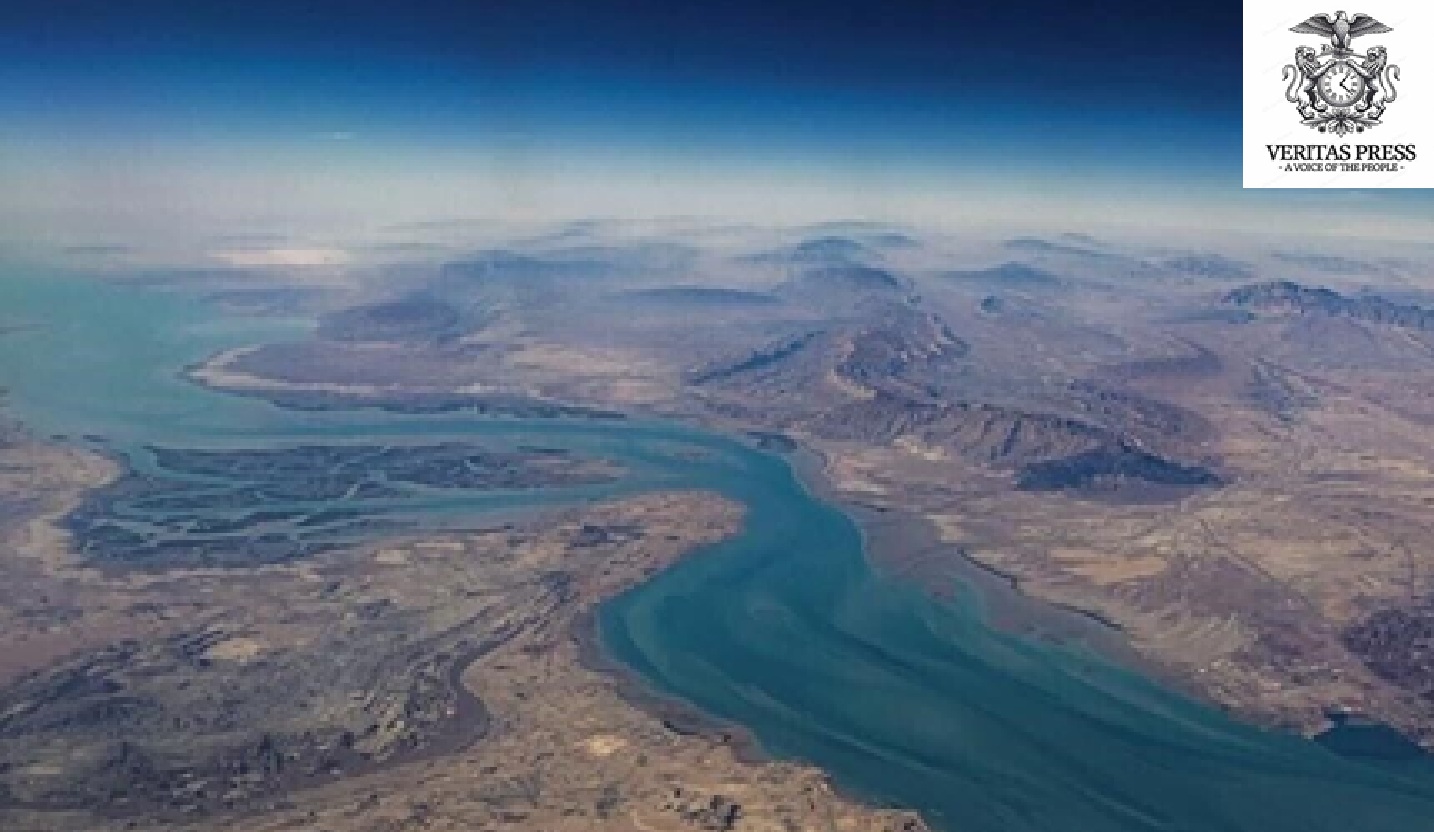
The strait’s pre-war environment of roughly 125–140 daily vessel transits has collapsed to fewer than ten, and some days, none of those carry petroleum for international export markets. While the US Central Command frames its April 13 blockade as targeting only Iranian ports, Iran calls it “an illegal act” amounting to “piracy.” Simultaneously, Tehran has implemented its own “new maritime regime,” demanding that every commercial vessel obtain explicit authorisation from the Islamic Revolutionary Guard Corps (IRGC) Navy and pay tolls to navigate designated corridors.
For the Idemitsu Maru, a Panama-flagged VLCC managed by Japan’s Idemitsu Kosan, navigating this choke point required halting off Abu Dhabi for over a week before coordinating its passage with Tehran. Ship-tracking data shows the tanker hugging Iran’s declared northern route, skirting Qeshm and Larak Islands in a journey that combined deference to Iranian dictates with passage through an American zone of operations.
The View From Tokyo And Washington:
Japan’s dependence on West Asia for roughly 95% of its crude transforms this voyage from an operational footnote into a matter of national survival. Before the war, Japanese tankers routinely plied these waters without incident. Now, each ship may need a negotiated pass. Three Japanese LNG carriers already exited the region earlier this month, but the Idemitsu Maru, laden with two million barrels loaded at Saudi Arabia’s Ju’aymah terminal, is the first Japan-linked crude tanker to make the crossing since the conflict erupted.
The US blockade, enforced by over 10,000 troops and more than a dozen warships, has already forced at least 37 vessels back into Iranian ports, including six tankers carrying an estimated 10.5 million barrels. President Trump’s rhetoric has escalated alongside the operations, threatening on Truth Social to “immediately ELIMINATE” any Iranian ship that approaches the blockade using “the same system of kill” deployed against drug traffickers at sea. The Idemitsu Maru, carrying Saudi, not Iranian, crude and having obtained Iran’s permission, appears to have threaded this needle.
Pakistan’s Diplomatic Balancing Act:
Behind the naval chess match, Pakistan’s mediation efforts remain the primary diplomatic channel. Islamabad, which brokered the April 8 ceasefire, continues to shuttle between the parties despite expired deadlines and cancelled meetings. Iranian Foreign Minister Abbas Araghchi’s late-night arrival in Rawalpindi on April 25 for talks with Prime Minister Shehbaz Sharif and Army Chief Field Marshal Asim Munir underscores both the urgency and the fragility of the track. No direct meeting between US and Iranian representatives materialised, with officials instead conveying messages through Pakistani intermediaries.
The stakes are existential for Pakistan. Fuel prices have surged, and a prolonged war threatens economic stability. “You can’t choose your neighbours,” one former Pakistani diplomat told The National. “Iran is Pakistan’s neighbour. A good relationship is not optional, it’s a strategic compulsion”.
A Hollowed Freedom Of Navigation
The Idemitsu Maru’s transit lays bare a bitter truth: freedom of navigation in the Strait of Hormuz now exists only on sufferance. Iran has moved beyond mere threats to close the strait and has instead operationalised a system of regulated passage, complete with designated routes and fees. The US, for its part, has imposed an illegal blockade that forces compliance under threat of destruction. A tanker that displeases either power risks detention or worse. As Clarksons, the ship brokerage, dryly noted: “Iran has attacked and seized ships for not following its orders, while the US continues its blockade”.
For the global economy, accustomed to the seamless flow of oil through this 21-mile-wide waterway, the new normal is a regulated, contested chokepoint where every voyage is a negotiation and every cargo a potential hostage. The Idemitsu Maru made it through. The next tanker, without Iranian permission or with the wrong origin port, may not be so fortunate.
Source: Multiple News Agencies
Submissions:
For The Secure Submission Of Documentation, Testimonies, Or Exclusive Investigative Reports From Any Global Location, Please Utilise The Following Contact Details For Our Investigations Desk: enquiries@veritaspress.co.uk or editor@veritaspress.co.uk
Help Support Our Work:
Popular Information is powered by readers who believe that truth still matters. When just a few more people step up to support this work, it means more lies exposed, more corruption uncovered, and more accountability where it’s long overdue.
Help Protect Independent Journalism, Which Is Currently Under Attack.
If you believe journalism should serve the public, not the powerful, and you’re in a position to help, becoming a DONATOR or a PAID SUBSCRIBER truly makes a difference.
DONATION APPEAL: If You Found This Reporting Valuable, Please Consider Supporting Independent Journalism.
Help Support Our Work – We Know, We Know, We Know …
Seeing these messages is annoying. We know that. (Imagine what it’s like writing them … )
Your support fuels our fearless, truth-driven journalism. In unity, we endeavour to amplify marginalised voices and champion justice, irrespective of geographical location.
But it’s also extremely important. One of Veritas Press’s greatest assets is its reader-funded model.
1. Reader funding means we can cover what we like. We’re not beholden to the political whims of a billionaire owner. We are a small, independent and impartial organisation. No one can tell us what not to say or what not to report.
2. Reader funding means we don’t have to chase clicks and traffic. We’re not desperately seeking your attention for its own sake: we pursue the stories that our editorial team deems important and believe are worthy of your time.
3. Reader Funding: enables us to keep our website and other social media channels open, allowing as many people as possible to access quality journalism from around the world, particularly those in places where the free press is under threat.
We know not everyone can afford to pay for news, but if you’ve been meaning to support us, now’s the time.
Your donation goes a long way. It helps us:
Keep the lights on and sustain our day-to-day operations
Hire new, talented independent reporters
Launch real-time live debates, community-focused shows, and on-the-ground reporting
Cover the issues that matter most to our communities, in real time, with depth and integrity
We have plans to expand our work, but we can’t do it without your support. Every contribution, no matter the size, helps us stay independent and build a truly people-powered media platform.
If you believe in journalism that informs, empowers, and reflects the communities we serve, please donate today.
Kamran Faqir is a volunteer investigative journalist and writer committed to exposing hidden truths and amplifying underreported stories. Driven by social justice, he brings sharp insight and fearless truth-telling to independent journalism. NUJ registered.
SEATTLE, TEHRAN — The U.S. Department of Homeland Security (DHS) will allow Iran’s national football team to enter the country 48 hours before their critical World Cup match against Egypt on Friday, a modest concession in a tournament where Team Melli’s travel conditions have sparked claims of oppression and competitive disadvantage.