Kamran Faqir is a volunteer investigative journalist and writer committed to exposing hidden truths and amplifying underreported stories. Driven by social justice, he brings sharp insight and fearless truth-telling to independent journalism. NUJ registered.
Original Article Date Published:
Article Date Modified:
21 minutes
Views:421
Listen to this article
Help support our mission, donate today and be the change. Every contribution goes directly toward driving real impact for the cause we believe in.
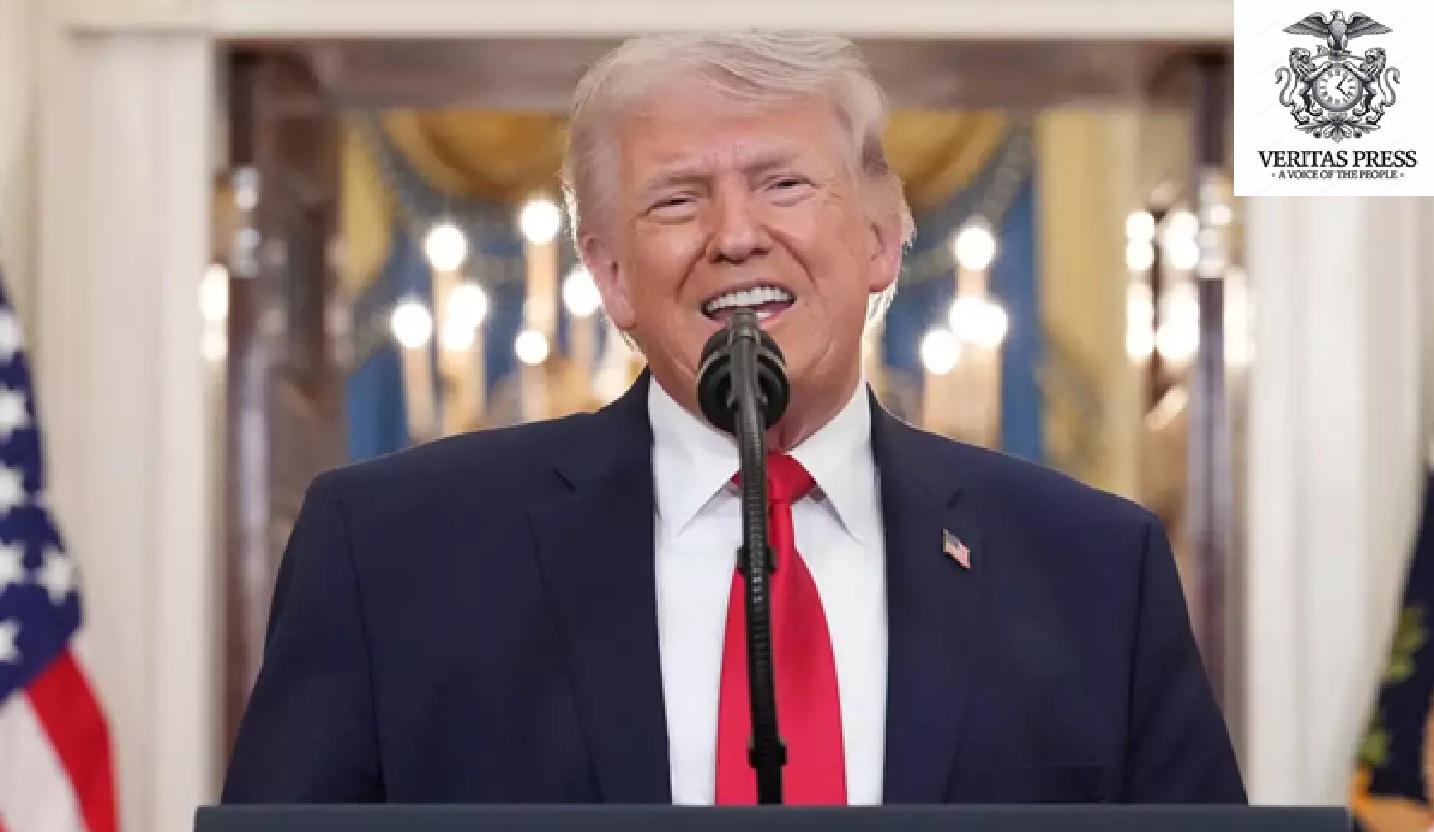
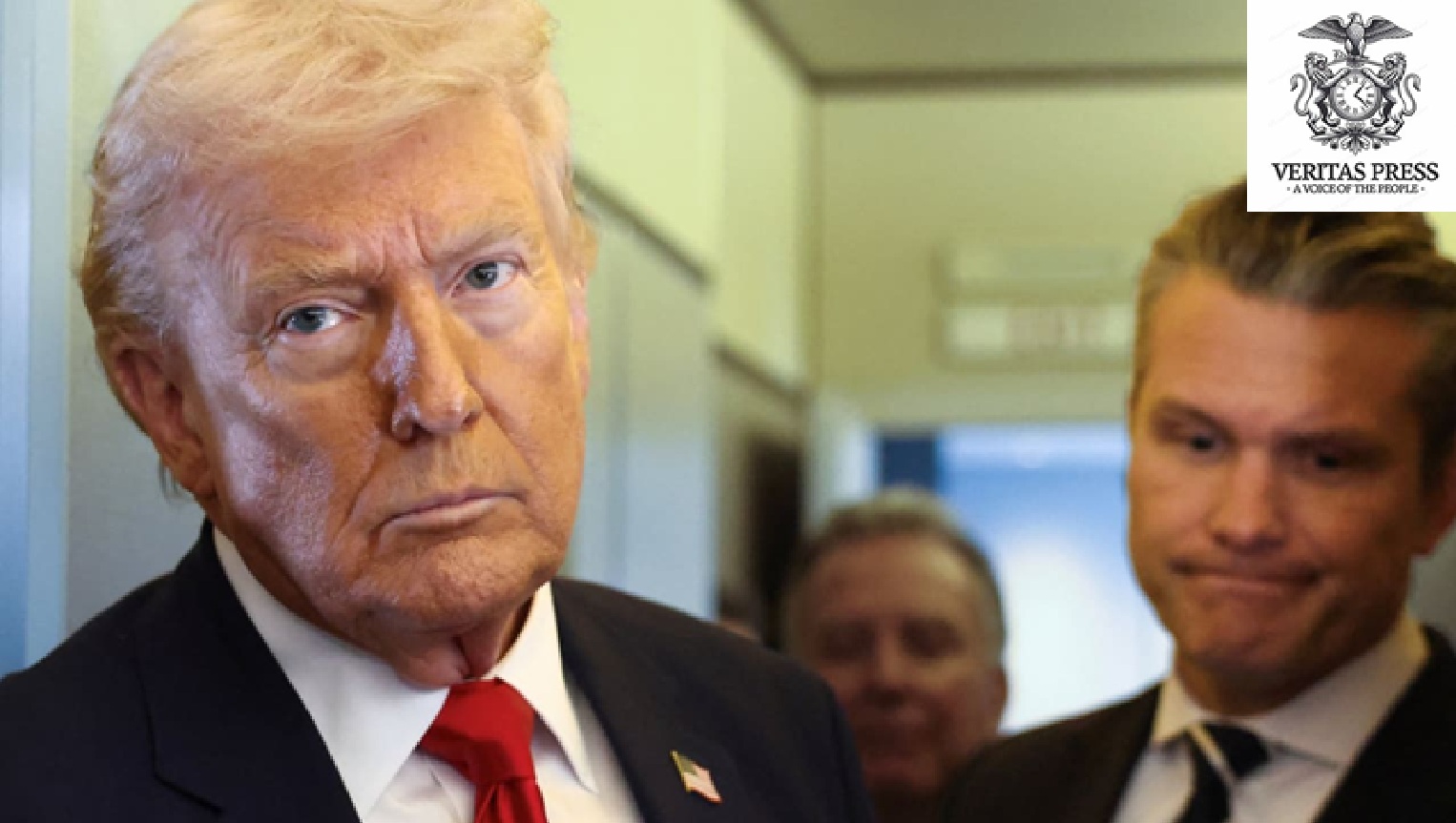
WASHINGTON — Seven weeks into what the Pentagon has branded “Operation Epic Fury,” the United States finds itself trapped in precisely the kind of “endless war” that President Donald Trump campaigned against. A damning investigative report from The Wall Street Journal published Sunday, April 19, 2026, has peeled back the curtain on a White House in turmoil: a commander-in-chief who “screamed at aides for hours” after an F-15 was shot down, who was deliberately sidelined by his own military staff to prevent his impatience from derailing a rescue mission, and who privately vetoed a ground invasion of Iran’s Kharg Island because he feared U.S. troops would be “sitting ducks.”
What emerges from multiple reports, intelligence assessments, and on-the-ground accounts is a portrait of a military campaign that has failed to achieve any of its stated objectives while unleashing a cascade of unintended consequences: a global energy crisis, a fracturing of the Republican coalition ahead of midterm elections, and a geopolitical windfall for America’s adversaries.
The “Sitting Ducks” Moment: Trump’s Kharg Island Veto.
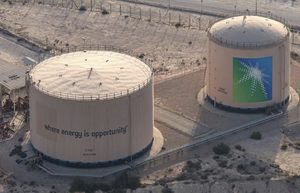
At the heart of the Wall Street Journal revelations lies a critical decision point that may have saved hundreds of American lives but also underscored the strategic paralysis now gripping U.S. policy. Military planners reportedly presented Trump with options for seizing Kharg Island, the small coral outpost in the northern Persian Gulf through which roughly 90% of Iran’s crude exports, approximately 1.7 million barrels per day, flow to international markets.
Kharg Island is not merely an oil terminal; it is the financial lifeblood of the Iranian state. “Take it out, and this means cutting off the military budget in addition to pulling the plug on the basic services that keep Iranian society functioning,” explained Mohammed Soliman, a senior fellow at the DC-based Middle East Institute. The island has served as Iran’s primary export hub since the 1960s, its facilities originally built with American corporate involvement, an irony not lost on observers in Tehran.
Despite assurances from his advisers that a seizure could succeed, Trump refused. “They’ll be sitting ducks,” he told his team, citing deep-seated fears of high American casualties and the political spectre of the 1979 Iran hostage crisis, which he believes destroyed Jimmy Carter’s presidency. “If you look at what happened with Jimmy Carter… it cost them the election,” Trump privately fretted.
The president’s caution on this specific front stands in jarring contrast to his bellicose public rhetoric, his threats to “destroy Iranian civilisation” and to “hit and obliterate their various POWER PLANTS, STARTING WITH THE BIGGEST ONE FIRST.” Yet analysts suggest Trump’s Kharg veto was less about humanitarian concern than about raw political calculus. “Kharg is well defended, and maintaining a long-term military presence there would likely expose US forces to significant risk,” notes Yesar Al-Maleki, a Gulf analyst at the Middle East Economic Survey. “In practical terms, the US could disrupt exports through airstrikes or maritime operations without needing to physically occupy the island.”
The Rescue Mission That Wasn’t: Sidelining A Commander-In-Chief.
Perhaps the most extraordinary detail to emerge from the Journal report concerns the fate of a downed American F-15 and its two airmen. When news reached the White House that the jet had been shot down over Iranian territory, Trump reportedly “screamed at aides for hours” and repeatedly railed, “The Europeans are not helping.” He demanded immediate action but faced the stark reality that U.S. forces have not operated on the ground in Iran since 1979.
What happened next is unprecedented in modern presidential history. According to a senior administration official, military aides made the conscious decision to keep Trump “out of the room during minute-by-minute updates on operations involving Iran, instead briefing him at key moments because they believed his impatience would not be helpful.” While the Situation Room hummed with activity, Vice President JD Vance and Chief of Staff Susie Wiles were monitoring from remote locations, the commander-in-chief was effectively quarantined from the tactical loop.
The rescue operation itself, conducted over Easter weekend, was plagued by the kind of “blood and sand” complications that have historically bedevilled American missions in the region. Rescue aircraft became momentarily stuck in the Iranian desert sand while U.S. forces executed elaborate distraction manoeuvres to keep Iranian units at bay. Both airmen were ultimately recovered safely, a tactical success that provided only fleeting relief in the West Wing.
By 2 a.m., Trump had retired. Six hours later, he woke and posted a profanity-laced ultimatum on social media, threatening to leave Iran “living in Hell” unless the Strait of Hormuz was reopened.
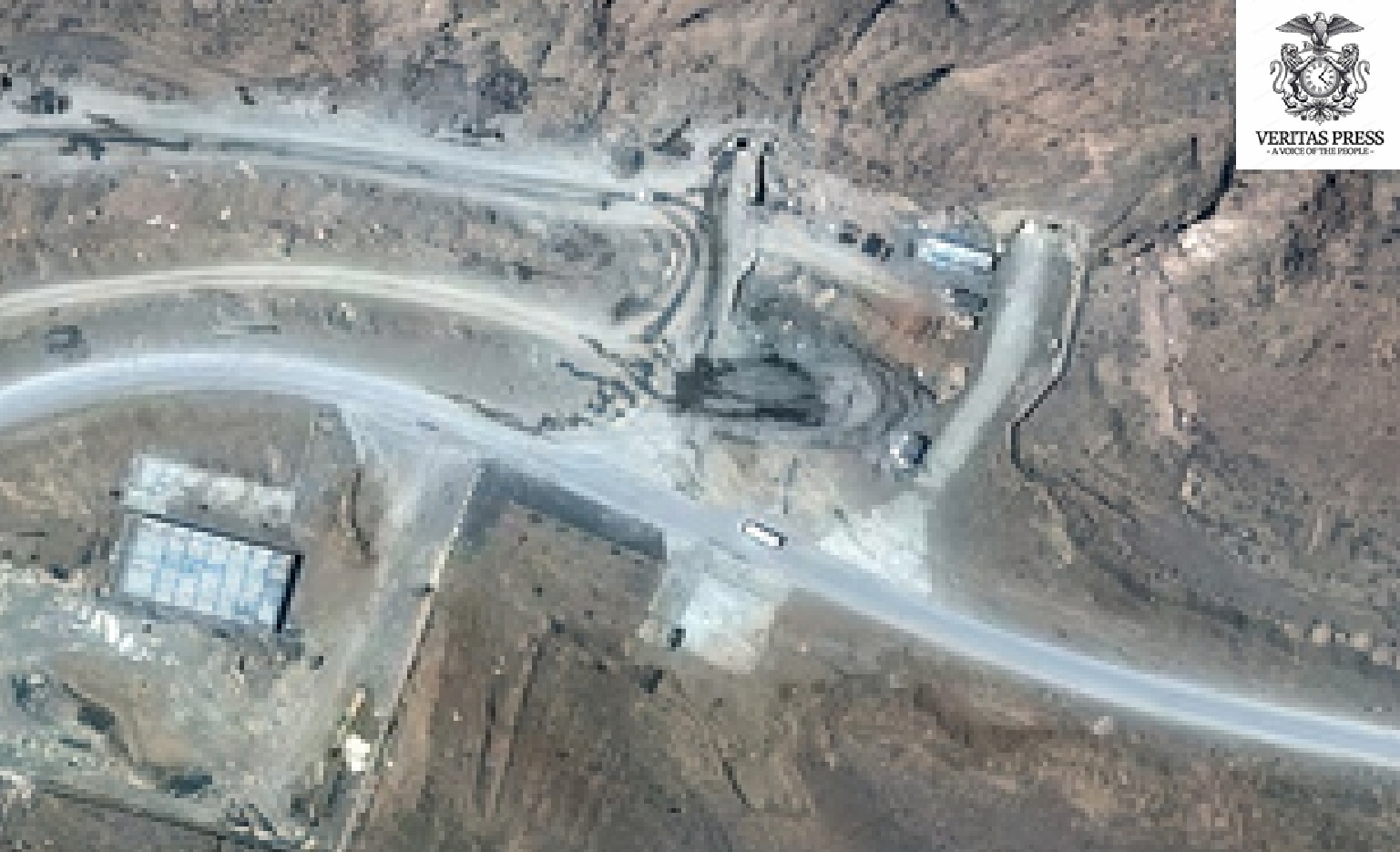
But here the narrative fractures. According to the Iranian state-affiliated Press TV, whose reporting should be viewed through the lens of its alignment with the Islamic Republic,” evidence examined and confirmed by Press TV indicates that the real objective was to infiltrate and attack one of Iran’s nuclear facilities in Isfahan, which ultimately failed.” While this claim cannot be independently verified through Western intelligence sources, it aligns with a broader pattern: Iran has recently covered all entrances to the tunnel complex at the Isfahan nuclear facility with soil, a move that “indicates serious concern in Iran about a possible airstrike by the United States or Israel, or a raid by special forces.”
The U.S. has not officially acknowledged any attempted nuclear facility infiltration. But the incident underscores a fundamental truth of this conflict: the fog of war is thicker than usual when both sides are engaged in an information war of equal intensity.
A War Without Objectives: The Strategic Vacuum.
When U.S. and Israeli forces launched their opening salvo on February 28, 2026, airstrikes that assassinated senior Iranian officials and commanders, including Supreme Leader Ayatollah Seyyed Ali Khamenei, the expectation in Washington was a campaign lasting six weeks, perhaps less. Trump, still riding the confidence of what was perceived as a swift “victory” in Venezuela, reportedly told associates: “If we do this right, we’re saving the world.”
Seven weeks later, the war is at a standstill, governed by a fragile, Pakistan-brokered ceasefire that expires on April 22. The original war aims, regime change in Tehran, dismantlement of Iran’s nuclear program, and neutralisation of its missile capabilities, appear further from realisation than when the bombs first fell.
Instead, The Conflict Has Produced A Cascade Of Strategic Failures:
Military Stalemate: Despite weeks of intensive bombardment, U.S. intelligence and military officials now concede that Iran retains “about 40% of its pre-war arsenal of drones” and “upward of 60% of its missile launchers.” More than 100 launcher systems that had been concealed in “caves and bunkers” have been recovered since the April 8 ceasefire began, suggesting Iran is actively restoring its operational capacity. Officials estimate Tehran could reclaim “as much as 70% of its prewar arsenal” once recovery efforts are complete.
The assessment is stark: Iran still has “more than enough to hold shipping in the Strait of Hormuz hostage in the future.” Danny Citrinowicz, a former Israeli military intelligence official, observed: “Everyone now knows that if there is a conflict in the future, closing the strait will be the first thing in the Iranian textbook.”
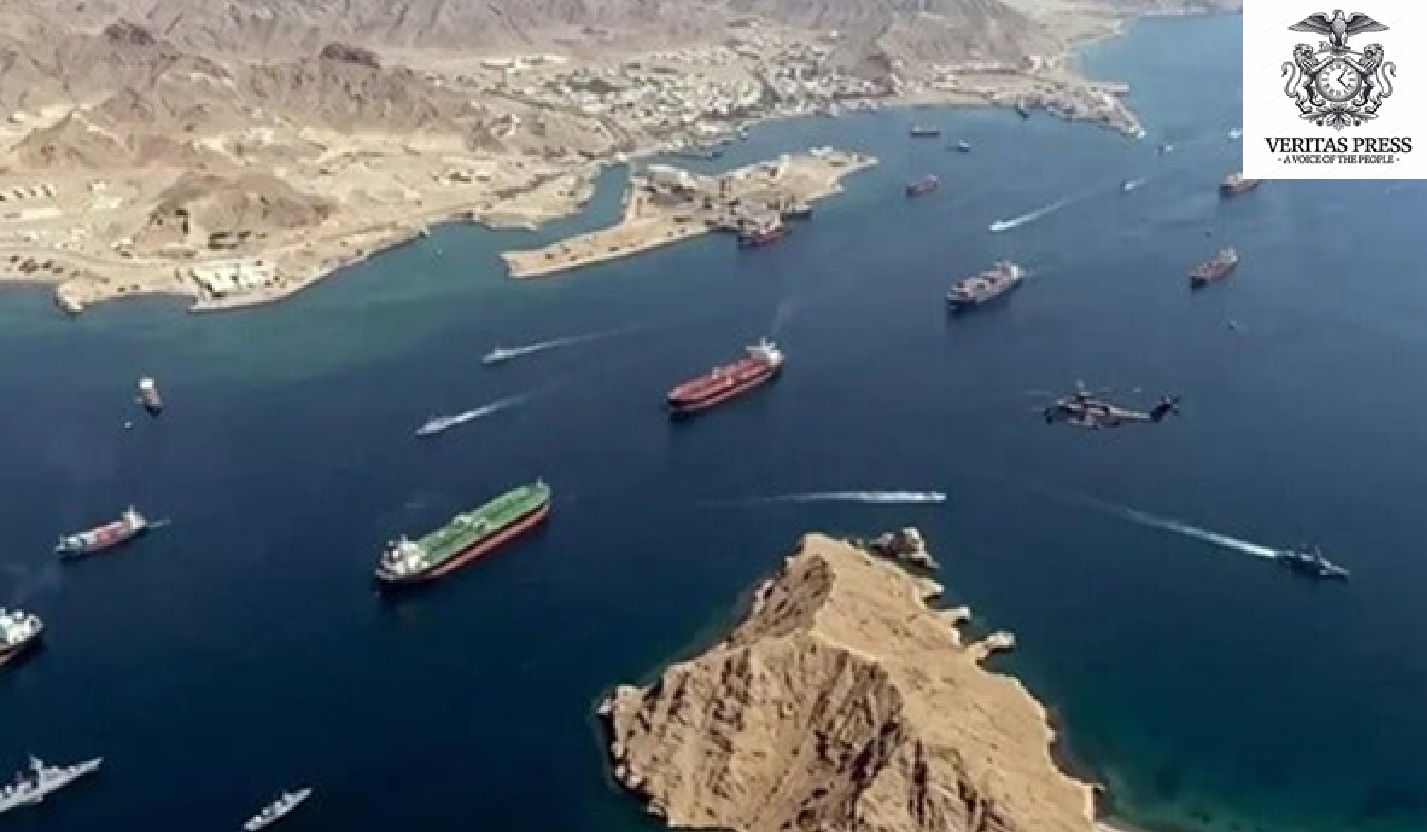
The Strait of Hormuz Leverage: Iran’s control of the world’s most critical energy chokepoint, through which 20 million barrels of oil, or about one-fifth of global supply, pass daily, has proven to be its most potent weapon. The International Energy Agency has called the closure “the most severe oil supply shock in history.” Oil prices, which hovered below $70 per barrel before the conflict, surged past $100 and peaked at over $119 during the crisis.
The Nuclear Dimension: The war has accelerated, not halted, Iran’s nuclear ambitions. While the International Atomic Energy Agency (IAEA) has stated it has not found evidence of a coordinated weapons program, contradicting Israeli and U.S. claims, the attacks on facilities like Natanz have driven Iran’s nuclear activities further underground, both literally and figuratively.
The Pakistan Ceasefire: Mediation Or Mirage?
The temporary cessation of hostilities announced on April 8 represents the most tangible diplomatic achievement of the war, yet its fragility underscores the deep chasm between the parties. The ceasefire, brokered by Pakistani Prime Minister Shehbaz Sharif and facilitated by the country’s powerful army chief Field Marshal Syed Asim Munir, was contingent on Iran’s commitment to “fully restore and secure navigation through the Strait of Hormuz.”
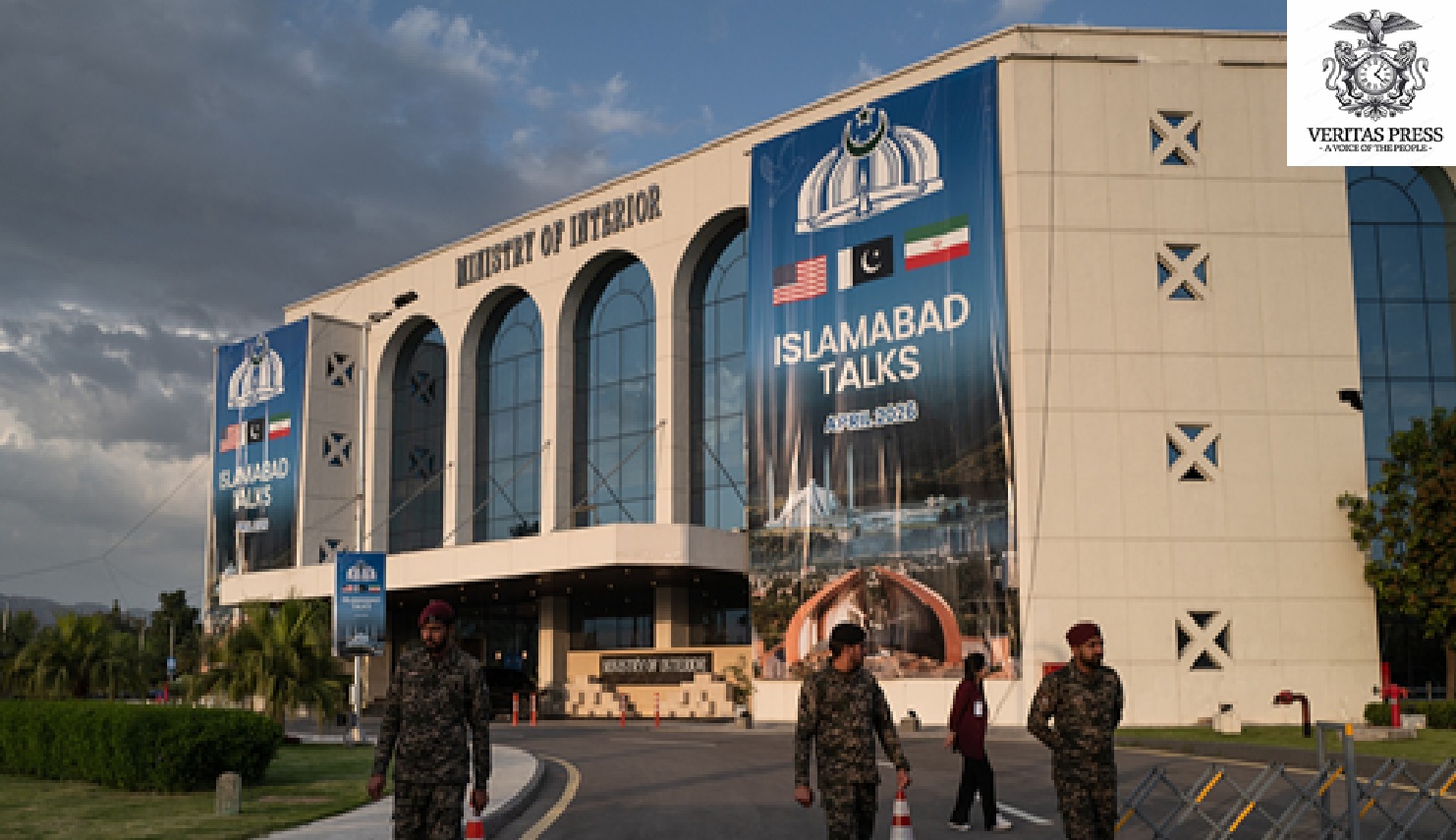
Behind the scenes, however, the negotiations have been a study in mutual intransigence. A 21-hour marathon session in Islamabad between a U.S. delegation led by Vice President JD Vance and an Iranian team headed by Parliament Speaker Mohammad Baqer Qalibaf ended without agreement. Iran cited “excessive demands” from the American side.
The U.S. demands, according to multiple reports, are sweeping: Iran must dismantle its nuclear enrichment facilities; commit to never pursuing nuclear weapons; hand over its stockpile of over 400kg of enriched uranium to the IAEA; decommission its Fordow, Isfahan and Natanz nuclear sites; abandon its regional proxies; limit its missile program; and reopen the Strait of Hormuz.
Iran’s counter-demands are equally maximalist: a complete halt to “aggression and assassinations”; guaranteed payment of war damages and reparations; recognition of Iran’s sovereignty over the Strait of Hormuz as its “natural and legal right”; and a conclusion of the war across all fronts for all resistance groups throughout the region.
“Iran, US remain far apart on nuclear issue as Pakistan pushes for talks,” reported The New Arab on April 16. A senior Iranian official told Reuters: “The trip of the Pakistani army chief to Tehran was effective in reducing differences in some areas, but fundamental disagreements still remain in the nuclear field.”
The “highly disputed issues” include the fate of Iran’s enriched uranium and the duration of any nuclear restrictions. While Trump has publicly struck a positive tone, “We feel very good about the prospects of a deal,” White House press secretary Karoline Leavitt said on April 15, the reality is that no second round of talks had been scheduled as of April 17, and Pakistan’s foreign ministry confirmed there was “no agreement between the two countries over the time and date of the proposed negotiations.”
The Economic Fallout: “All Roads Lead To Higher Prices And Slower Growth”.
If the military and diplomatic tracks have stalled, the economic consequences of Trump’s gamble are accelerating with alarming speed. The International Monetary Fund’s April 2026 World Economic Outlook, aptly subtitled “Global Economy in the Shadow of War,” paints a grim picture.
The IMF has slashed its global growth forecast from 3.4% to 3.1% for 2026. In a “severe scenario” where energy supply disruptions extend into 2027, global growth would be halved to just 2%, with worldwide inflation surging to 6%. “War in the Middle East has halted the positive global momentum,” IMF chief economist Pierre-Olivier Gourinchas stated, warning of “higher commodity prices, rising inflation expectations, and a tightening of financial conditions that dampens demand.”
IMF Managing Director Kristalina Georgieva was even more blunt: “All roads lead to higher prices and slower growth.”
The pain is being felt acutely at the American gas pump. The national average for gasoline stands at approximately $4.10 per gallon, according to AAA, more than $1 higher than before the war began. While oil prices plunged more than 10% on April 17 after Iranian Foreign Minister Seyed Abbas Araghchi declared the Strait of Hormuz “completely open” for commercial traffic during the ceasefire, they remain more than 30% above pre-war levels.
But the economic damage extends far beyond fuel costs. The closure of the Strait of Hormuz has created a global fertiliser crisis. The region accounts for roughly 25 to 30% of global ammonia trade, 46% of urea, and 44% of the world’s seaborne sulfur. Urea prices have spiked 35-40% in just weeks. Analysts at Goldman Sachs warn that the impact will have a 6-to-12-month lag, with “the most severe hunger risks and price spikes appearing in early 2027.”
Even advanced microchip production, the backbone of the global technology sector, is threatened. Taiwan, the world’s largest producer of advanced semiconductors, depends on Qatar for 69% of the helium it needs, a crucial component for chip manufacturing. With Qatari LNG production halted, Taiwan may be forced to tap strategic reserves of just 11 days’ supply.
Domestic Political Fallout: A Fracturing Coalition.
For a president whose political brand was built on avoiding “stupid wars” and prioritising American prosperity, the Iran conflict has become an existential threat to his governing coalition. Poll after poll reveals a public that has turned decisively against the war.
A Reuters/Ipsos poll conducted in late March found Trump’s approval rating had fallen to 36%, with 62% disapproving, a four-point drop in a single week. On the specific question of Iran, 61% of Americans disapprove of Trump’s handling of the conflict, according to a Pew Research Centre survey, while 59% view the decision to use military force as wrong.
A POLITICO Poll released April 17, 2026, found that “a 41% plurality of Americans say Trump does not have a plan for resolving the conflict with Iran, virtually the same as last month.” Most devastatingly, “just 15% of respondents say he has achieved his goals for intervening.”
“I think the biggest problem is, first, this war was not pre-sold,” explained Michigan-based Republican strategist Jason Roe. “He campaigned against these kinds of policies and these kinds of actions and reversed himself on a dime, and so … the American people were not conditioned to prepare for this thing.”
The cracks are visible even within the MAGA movement itself. Joe Kent, the former director of the National Counterterrorism Centre, recently resigned and has taken to YouTube channels and podcasts to attack Trump’s handling of the war. The Iranians, sensing opportunity, have cleverly exploited these divisions, stating publicly that they prefer to negotiate with Vice President Vance, known to have been sceptical of the war, rather than with Trump’s designated envoys Steve Witkoff and Jared Kushner, whom Iranian media have dismissed as “idiots.”
On Capitol Hill, the political dynamic is equally fraught. On April 16, the House of Representatives narrowly rejected a war powers resolution that would have required Trump to seek congressional authorisation for continued military action. The vote was 214 to 213, with a single Democrat voting present. A day earlier, a similar measure failed in the Senate 52-47 along party lines.
Representative Bill Foster, a Democrat, captured the opposition’s frustration: “Servicemembers have been killed, gas prices are soaring, and the US is in a worse position than before. Congress cannot abdicate its power as a co-equal branch of government and let this rogue President continue to unilaterally wage war.”
Yet the narrowness of the votes and the fact that three Democrats flipped from opposing a similar resolution in March to supporting it, signal that Republican unity may be fraying. Representative Nancy Mace, who has increasingly questioned the war’s price tag, did not vote on Thursday.
The Geopolitical Chessboard: Winners And Losers.
If the United States and Israel are the clear losers of this conflict thus far, the winners are equally apparent.
Russia has emerged as perhaps the greatest beneficiary. Three months ago, Moscow was forced to offer heavy discounts on its oil to purchasers like India, at one point selling crude at just $22 per barrel. Today, Russian oil fetches around $100 per barrel. The Financial Times calculates that Russia is reaping an additional $150 million per day in revenue from surging oil prices. Moreover, with U.S. stockpiles of Patriot and THAAD missiles depleted by the Iran campaign, Ukraine’s air defence capabilities have been commensurately weakened. According to the Washington Post, “the Pentagon notified Congress on Monday that it intended to divert about $750 million in funding provided by NATO countries through the PURL program to restock the U.S. military’s own inventories, rather than to send additional assistance to Ukraine.”
In a move that defies strategic logic, the U.S. Treasury has also lifted sanctions on Iranian oil for 30 days. Treasury Secretary Scott Bessent attempted to justify this as “jiujitsuing the Iranians” by “using their own oil against them.” The Iranians, now selling more oil at higher prices, are “laughing all the way to the bank,” as one European diplomat dryly observed.
China has maintained a careful posture, publicly condemning the U.S.-Israeli strikes as “a grave violation of Iran’s sovereignty” while refraining from direct military involvement. Foreign Minister Wang Yi has outlined five principles for resolving the crisis, and Beijing has partnered with Pakistan on a five-point peace initiative. But China’s strategic message is unmistakable: the Iran war has exposed the limits of American military power, and Washington “should not even try to take on China.”
The deputy head of the Russian Security Council, Dmitry Medvedev, captured the strategic reality with characteristic bluntness: “One thing is certain: Iran has tested its nuclear weapons. It’s called the Strait of Hormuz. Its potential is inexhaustible.”
The Lebanon Front: A Separate War, A Shared Fate.
While the world’s attention has focused on the Gulf, a parallel conflict has raged in Lebanon with equally devastating consequences. Israel has conducted intensive operations against Hezbollah, striking over 380 targets in southern Lebanon in recent operations alone.
On April 17, Trump announced a 10-day ceasefire between Israel and Lebanon, a move widely interpreted as an attempt to remove a potential deal-breaker from the Iran negotiations. Yet Hezbollah’s response has been characteristically defiant. In a statement on April 19, Secretary-General Naim Qassem declared: “Resistance fighters will remain in the field, with their fingers on the trigger, and will respond to violations of the aggression accordingly.” He stressed that “the ceasefire means a complete halt to all hostile acts,” adding that Hezbollah “does not trust Israel and will maintain readiness on the ground.”
Qassem explicitly thanked Iran, which “supported and assisted and explicitly linked” the ceasefire with the U.S. to a ceasefire in Lebanon. The death toll from Israeli attacks on Lebanon since March 2 has reached 2,294, with 7,544 injured, according to Lebanon’s Ministry of Health.
The Lebanon front underscores a critical weakness in Trump’s strategy: the assumption that Iran’s regional network of proxies could be decoupled from the main conflict. Hezbollah has demonstrated that it retains significant capabilities and that it will not be silenced by Israeli airpower alone. The 2024 ceasefire agreement, which required Israeli withdrawal and Hezbollah disarmament, was never implemented, and the current 10-day pause offers little confidence of a durable resolution.
The Blockade Gambit: Pressure Or Posturing?
On April 16, the Trump administration escalated its economic warfare by imposing a naval blockade on Iranian ports. The U.S. Navy announced that “any vessels suspected of trying to reach Iranian territory will be subject to the belligerent right to visit and search.” The administration also broadened its scope to target Iran-linked ships worldwide.
The blockade represents a significant escalation, but its effectiveness is questionable. Seaborne trade accounts for roughly 90% of Iran’s economic activity, estimated at $340 million per day. Yet Iran has demonstrated remarkable resilience, continuing to export oil to China through alternative routes, including the Goreh-to-Jask pipeline that bypasses both Kharg Island and the Strait of Hormuz.
More ominously, the Russian Security Council has warned that the United States and Israel may be using ongoing peace talks as cover to prepare for a ground operation against Iran. The Pentagon continues to build up troop levels, with the total number of U.S. personnel in the region now approaching 50,000. Elements of the 82nd Airborne Division, including its headquarters and a brigade combat team, have been deployed alongside additional fighter jets and amphibious assault ships.
This military buildup creates a dangerous dynamic: Trump, facing a war he cannot win and a peace he cannot achieve, may be tempted to authorise a limited ground incursion, perhaps against Kharg Island or a series of smaller islands in the Strait of Hormuz, as a show of strength before declaring victory and withdrawing.
Such an operation would be fraught with peril. As one military analyst told The Wall Street Journal, “once the troops are there, they would become sitting ducks for Iranian drones and other attacks.” Direct control over these islands would not necessarily guarantee the safe reopening of the Strait, and the risks of mission creep and catastrophic casualties are immense.
Conclusion: No Good Options.
The Pakistan-brokered ceasefire, scheduled to expire on April 22, looms as a decisive moment. Trump, who once promised the war would be over in six weeks, now faces an impossible dilemma.
To withdraw without having achieved his war aims would represent a massive humiliation for American power and a personal political blow from which he might not recover. To escalate further, whether through intensified bombing, a naval blockade, or a limited ground incursion, would risk even greater economic disruption, higher American casualties, and a wider regional conflagration. To maintain the current standoff indefinitely is to preside over a slow-bleeding of American prestige, military readiness, and economic stability.
As the Pakistani Defence Minister observed in a moment of ironic clarity on X: “The goal of the war seems to have shifted to opening the Strait of Hormuz, which was open before the war.”
The Wall Street Journal’s revelations about Trump’s private fears, of “sitting ducks” on Kharg Island, of a Carter-esque hostage crisis, of an election lost, suggest that the president understands, at some level, the gravity of his predicament. Yet his public posture remains one of bellicose confidence, a dissonance that underscores the central tragedy of this conflict: a war launched without clear objectives, prosecuted without a coherent strategy, and now sustained by the very ego that set it in motion.
The coming days will determine whether diplomacy can salvage something from the wreckage, or whether the world’s most powerful military will be forced to confront the limits of its power in the sands of the Persian Gulf. One thing is certain: the consequences of Trump’s failed Iran gamble will reverberate through global politics, economics, and security for years to come.
Source: Multiple News Agencies
Submissions:
For The Secure Submission Of Documentation, Testimonies, Or Exclusive Investigative Reports From Any Global Location, Please Utilise The Following Contact Details For Our Investigations Desk: enquiries@veritaspress.co.uk or editor@veritaspress.co.uk
Help Support Our Work:
Popular Information is powered by readers who believe that truth still matters. When just a few more people step up to support this work, it means more lies exposed, more corruption uncovered, and more accountability where it’s long overdue.
Help Protect Independent Journalism, Which Is Currently Under Attack.
If you believe journalism should serve the public, not the powerful, and you’re in a position to help, becoming a DONATOR or a PAID SUBSCRIBER truly makes a difference.
DONATION APPEAL: If You Found This Reporting Valuable, Please Consider Supporting Independent Journalism.
Help Support Our Work – We Know, We Know, We Know …
Seeing these messages is annoying. We know that. (Imagine what it’s like writing them … )
Your support fuels our fearless, truth-driven journalism. In unity, we endeavour to amplify marginalised voices and champion justice, irrespective of geographical location.
But it’s also extremely important. One of Veritas Press’s greatest assets is its reader-funded model.
1. Reader funding means we can cover what we like. We’re not beholden to the political whims of a billionaire owner. We are a small, independent and impartial organisation. No one can tell us what not to say or what not to report.
2. Reader funding means we don’t have to chase clicks and traffic. We’re not desperately seeking your attention for its own sake: we pursue the stories that our editorial team deems important and believe are worthy of your time.
3. Reader Funding: enables us to keep our website and other social media channels open, allowing as many people as possible to access quality journalism from around the world, particularly those in places where the free press is under threat.
We know not everyone can afford to pay for news, but if you’ve been meaning to support us, now’s the time.
Your donation goes a long way. It helps us:
Keep the lights on and sustain our day-to-day operations
Hire new, talented independent reporters
Launch real-time live debates, community-focused shows, and on-the-ground reporting
Cover the issues that matter most to our communities, in real time, with depth and integrity
We have plans to expand our work, but we can’t do it without your support. Every contribution, no matter the size, helps us stay independent and build a truly people-powered media platform.
If you believe in journalism that informs, empowers, and reflects the communities we serve, please donate today.
Kamran Faqir is a volunteer investigative journalist and writer committed to exposing hidden truths and amplifying underreported stories. Driven by social justice, he brings sharp insight and fearless truth-telling to independent journalism. NUJ registered.
SEATTLE, TEHRAN — The U.S. Department of Homeland Security (DHS) will allow Iran’s national football team to enter the country 48 hours before their critical World Cup match against Egypt on Friday, a modest concession in a tournament where Team Melli’s travel conditions have sparked claims of oppression and competitive disadvantage.