Kamran Faqir is a volunteer investigative journalist and writer committed to exposing hidden truths and amplifying underreported stories. Driven by social justice, he brings sharp insight and fearless truth-telling to independent journalism. NUJ registered.
Original Article Date Published:
Article Date Modified:
21 minutes
Views:376
Listen to this article
Help support our mission, donate today and be the change. Every contribution goes directly toward driving real impact for the cause we believe in.
A Waterway Held Hostage:
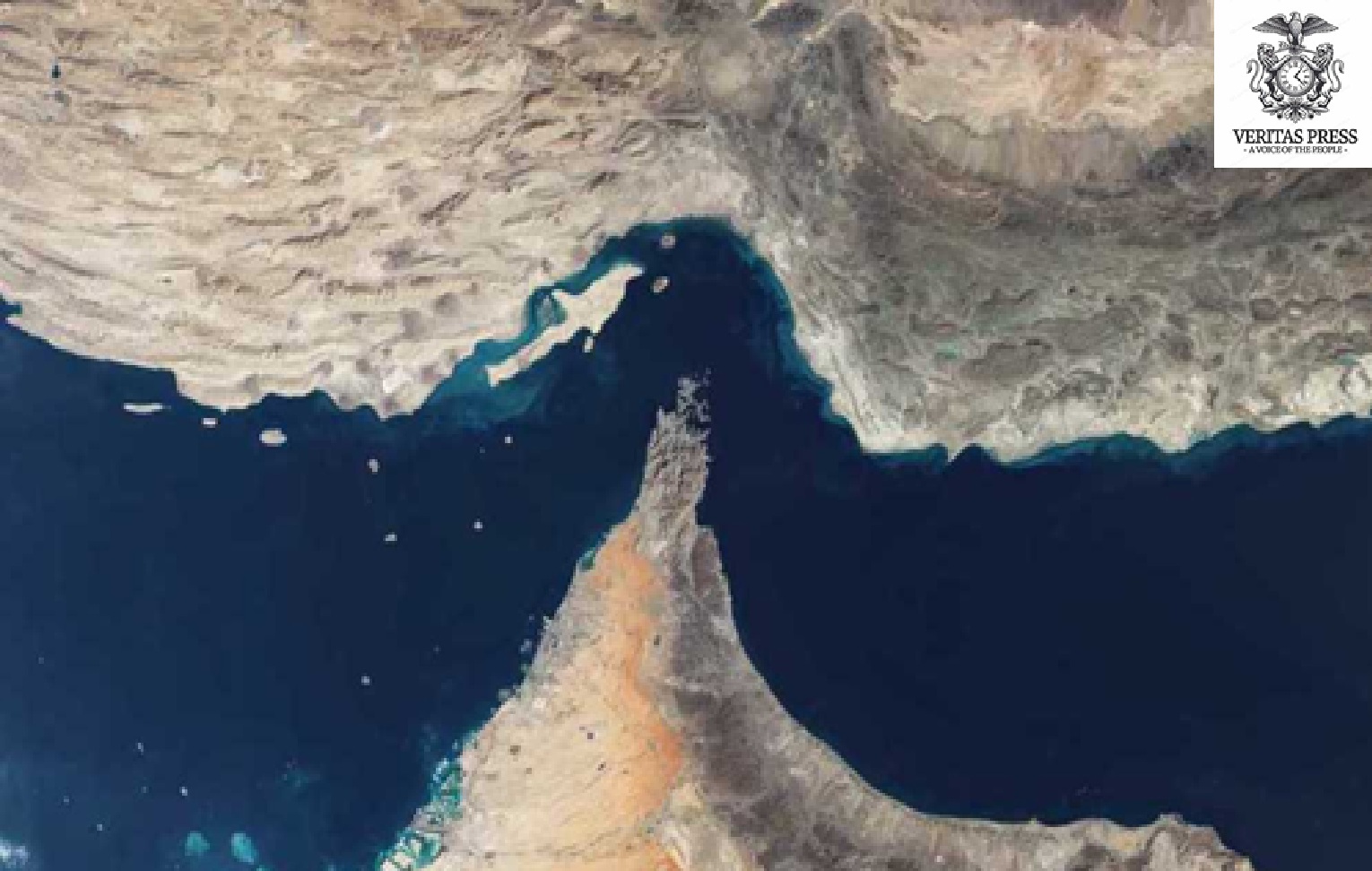
TEHRAN, WASHINGTON – In the span of a single weekend in April 2026, the Strait of Hormuz, the narrow maritime corridor through which one-fifth of the world’s oil supply flows, was declared open, then effectively closed again, then subject to conditions so restrictive that shipping traffic remained at barely 10% of pre-war levels. The whiplash announcements emanating from Tehran and Washington revealed not a coherent diplomatic strategy but rather a chaotic game of brinkmanship in which the world’s most critical energy artery has become both battlefield and bargaining chip.
This investigation, drawing on statements from military commanders, diplomatic sources, shipping analysts, and independent observers, examines how the strategic waterway has become the focal point of a confrontation that extends far beyond maritime traffic, one that encompasses espionage crackdowns, nuclear brinkmanship, fractured ceasefire agreements, and a regional conflict that has killed more than 3,000 people since February 28, 2026.
I. The Anatomy Of A Blockade: Competing Narratives Of Control.
The U.S. Position: A “Naval Blockade” Of Iranian Ports.
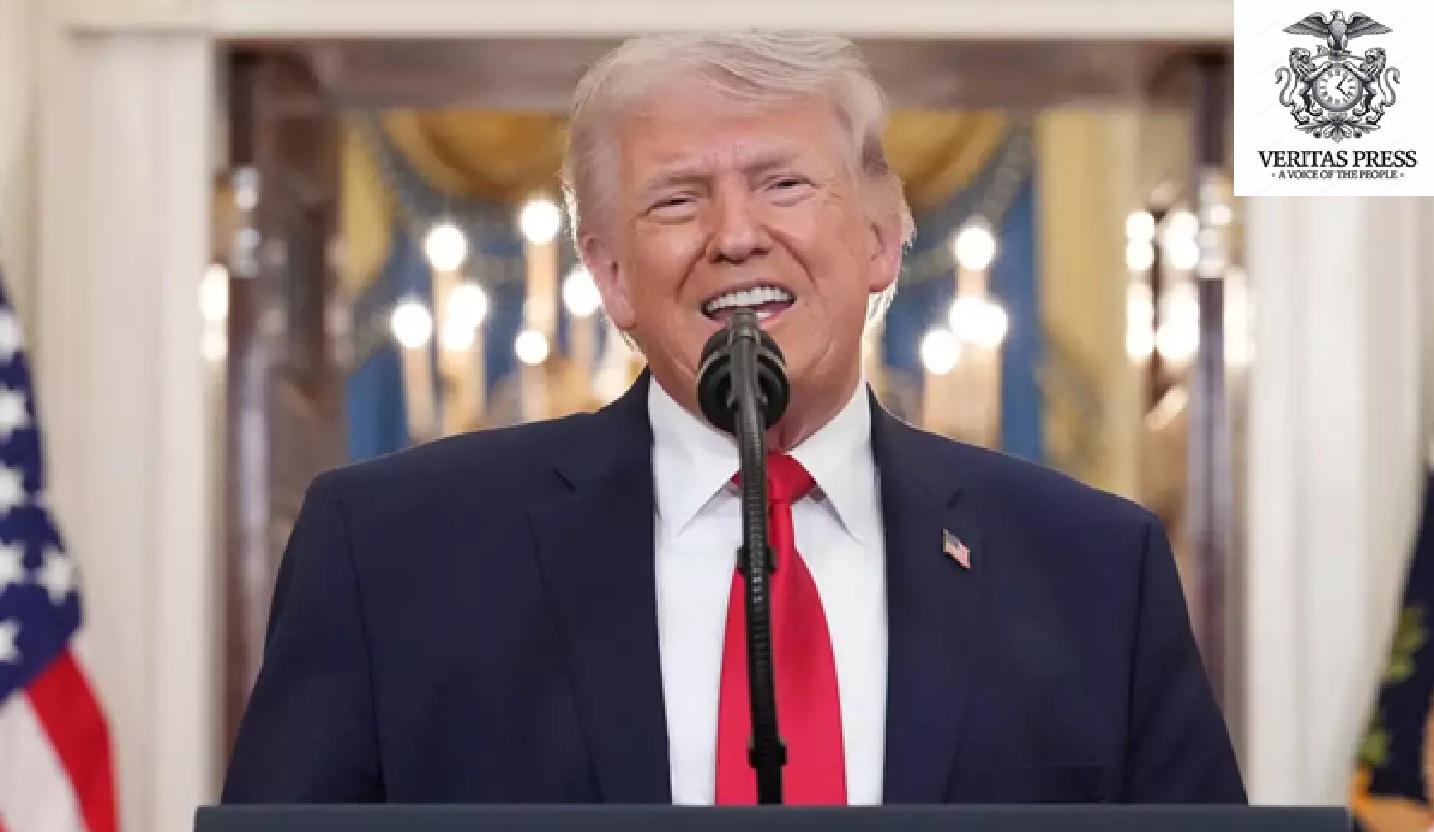
On April 13, following the collapse of marathon peace talks in Islamabad, the United States imposed what it described as a naval blockade on vessels entering or exiting Iranian ports. The move, announced by President Donald Trump, was framed as economic pressure designed to force Tehran back to the negotiating table. “The Strait of Hormuz is completely open and ready for business and full passage, but the naval blockade will remain in full force and effect as it pertains to Iran, only, until such time as our transaction with Iran is 100% complete,” Trump declared on Truth Social.
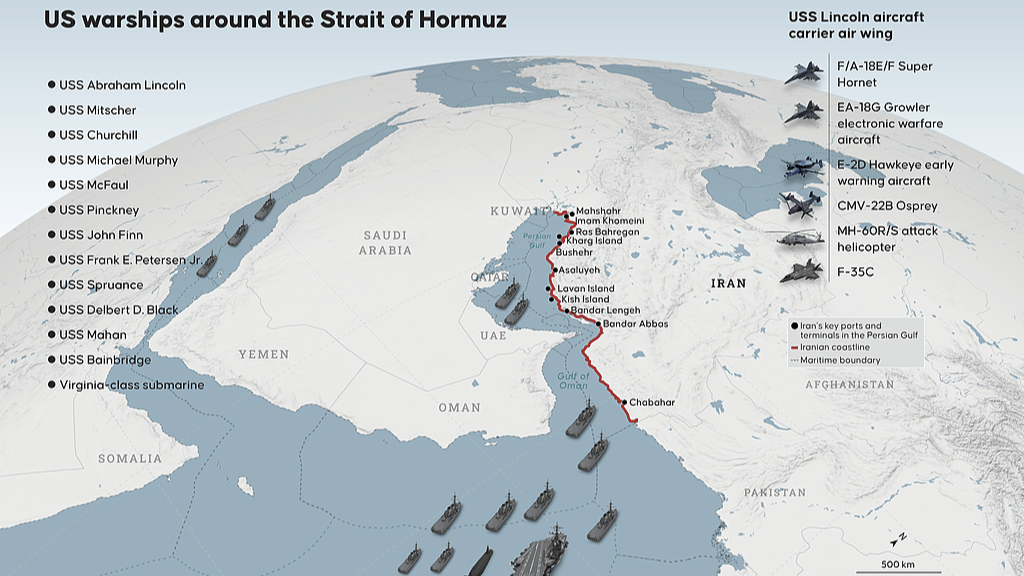
An infographic of US warships around the Strait of Hormuz. /VCG
The operational reality on the water quickly became clear. According to CENTCOM, U.S. forces have turned back 21 vessels since the blockade’s commencement, with the guided-missile destroyer USS Michael Murphy patrolling the Arabian Sea as part of an enforcement operation involving more than 10,000 U.S. sailors, Marines, and airmen, alongside more than a dozen warships and dozens of aircraft. General Dan Caine, Chairman of the Joint Chiefs of Staff, told reporters that ships made the “wise decision” to turn back rather than attempt to breach the blockade.
Crucially, CENTCOM maintains that the blockade applies only to vessels “entering and exiting Iranian ports”, other vessels remain free to transit the waterway. This distinction is more than semantic: it reflects Washington’s attempt to frame its actions as targeted sanctions enforcement rather than a unilateral closure of an international strait, which would constitute a far more provocative act under international maritime law.
Iran’s Counter-Narrative: “Piracy” And “Banditry”.
Tehran has responded with its own lexicon of grievance. The spokesperson for Iran’s Khatam al-Anbiya Central Headquarters, Lieutenant-Colonel Ebrahim Zolfaghari, accused the United States of engaging in “banditry and piracy under the guise of a so-called blockade.” According to the IRGC’s joint command, “Control over the Strait of Hormuz has returned to its previous state, and this strategic waterway is under the strict management and control of the armed forces.”
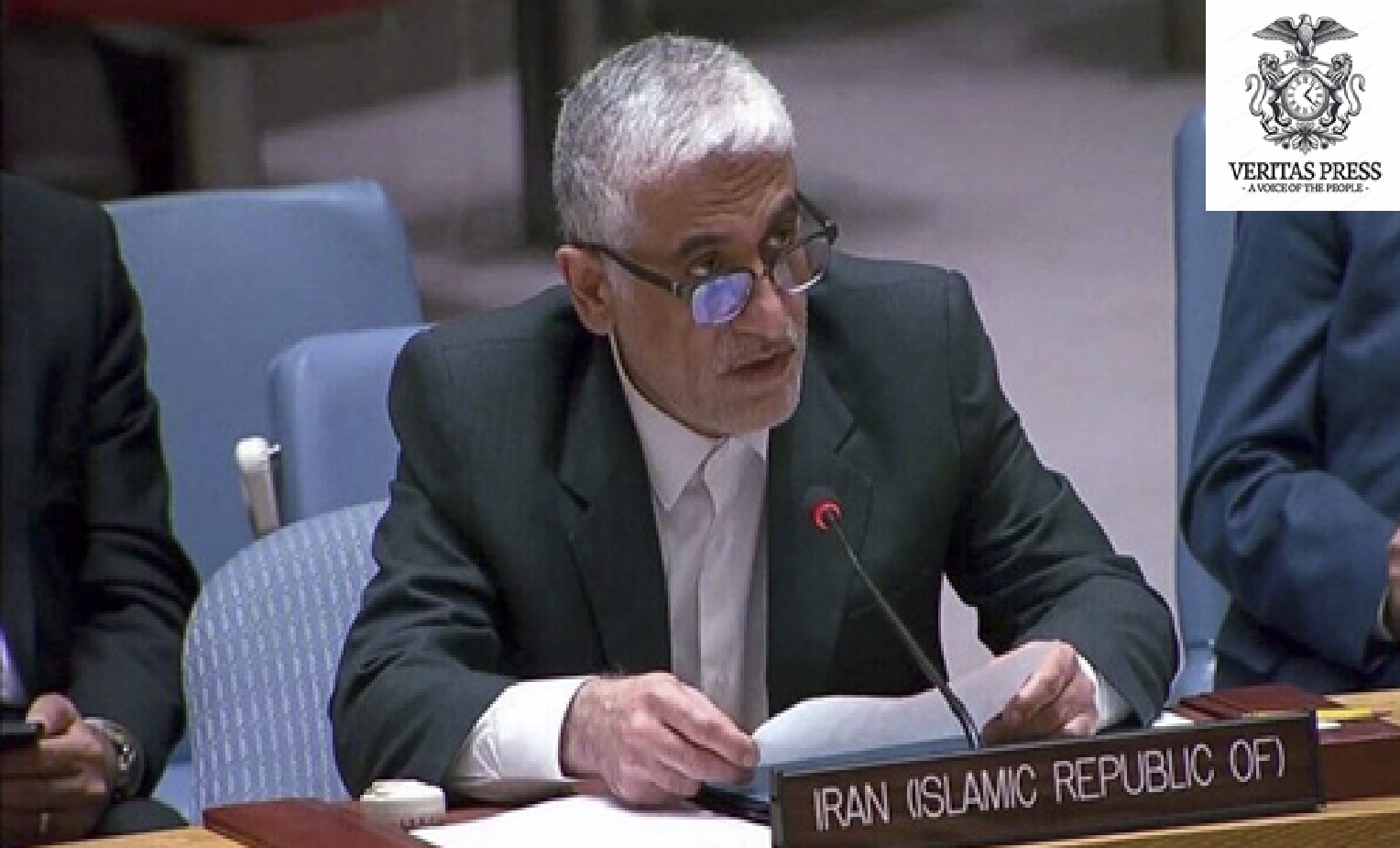
This language is not merely rhetorical. It serves to reframe the confrontation: where Washington sees a blockade, Tehran sees a violation of its sovereign rights and the ceasefire agreement itself. Iran’s Foreign Ministry spokesman Esmaeil Baqaei explicitly stated that “a naval blockade is a violation of the ceasefire and Iran will definitely take the necessary measures”.
The IRGC has outlined three specific conditions for vessel passage that amount to Iran retaining operational control over maritime traffic: only commercial vessels unaffiliated with “belligerent countries” may transit; ships must pass through an Iranian-approved route through Iranian territorial waters; and vessels must coordinate their passage with Iranian forces. These conditions, analysts note, effectively place the strait under Iranian sovereignty rather than international jurisdiction.
The Data: A Waterway Strangled.
The human drama of diplomatic posturing masks a stark statistical reality: shipping through the Strait of Hormuz has collapsed. Before the February 28 war, more than 130 ships passed through the strait each day. Between February 28 and April 12, data from shipping analytics firm Kpler showed that only 279 ships transited the waterway, a decline of over 95%. Oil flows have fallen from approximately 20 million barrels per day to between 2 and 3 million barrels daily, with the vast majority of that diminished traffic consisting of Iranian crude bound for China. Goldman Sachs estimates that current flows stand at merely 10% of pre-war levels, approximately 2.1 million barrels per day.
The economic consequences have been severe. Brent crude surged to near $100 per barrel, while physical crude deliveries for immediate purchase commanded premiums of $40 above futures prices. Analysts warn that if restricted traffic persists beyond one month, Brent could average $120 per barrel in the third quarter and potentially spike to $150 if diplomatic progress collapses.
II. The Diplomacy Of Desperation: Pakistan’s Mediation And Fractured Ceasefires.
The Islamabad Talks: Highest-Level Contact Since 1979.
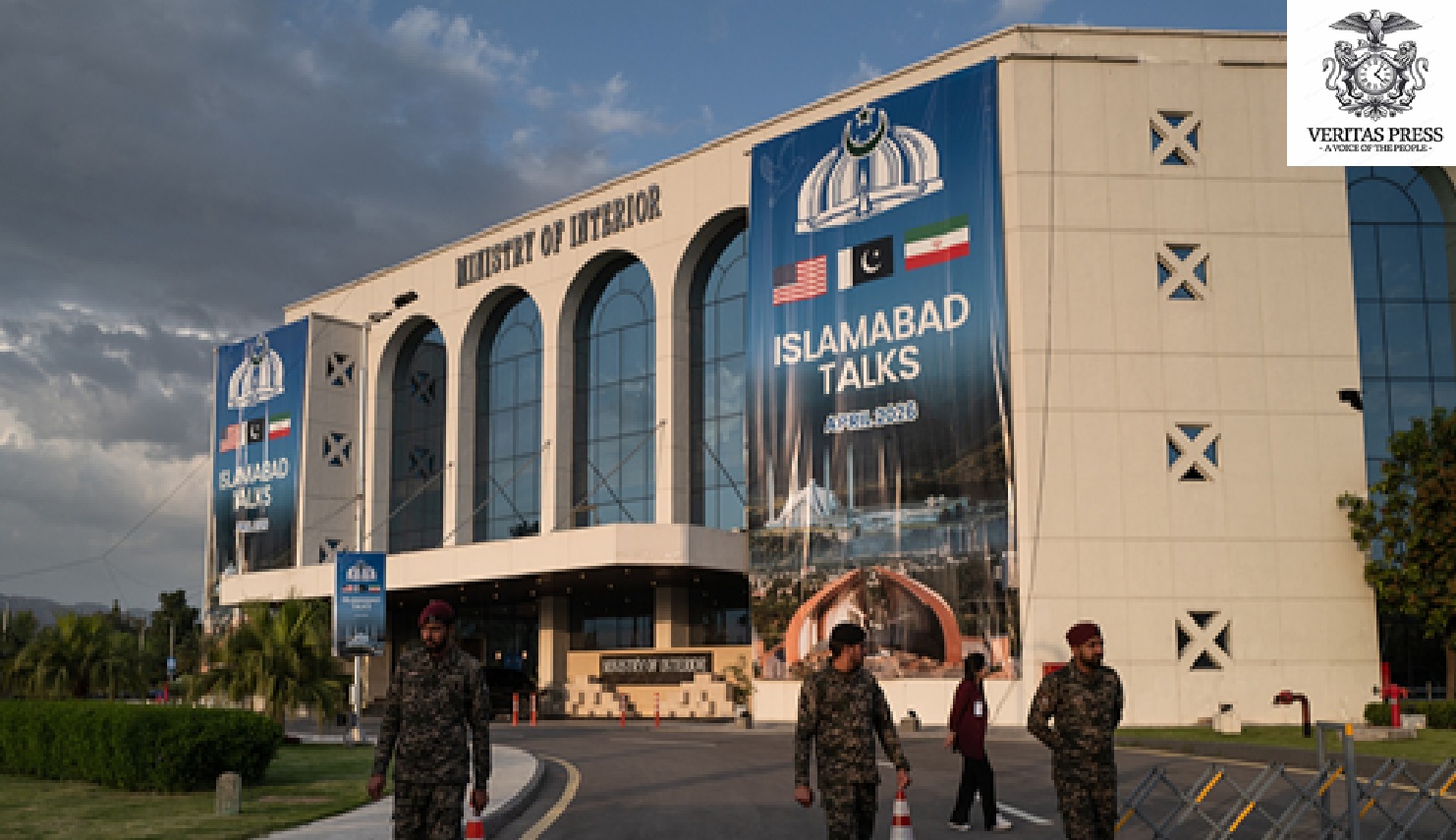
The current crisis traces its immediate origins to the collapse of what were billed as the most significant direct U.S.-Iran negotiations since the 1979 Islamic Revolution. Hosted in Islamabad under Pakistani mediation, the talks involved a U.S. delegation led by Vice President JD Vance and an Iranian team headed by Parliament Speaker Mohammad Bagher Ghalibaf.
The negotiations, which lasted more than 20 hours, ultimately failed to produce a breakthrough. Vance declared that Iran “chose not to accept our terms,” adding that the U.S. offer was “our final and best offer”. Key sticking points included the duration of any suspension of Iran’s uranium enrichment (Washington sought 20 years, Tehran offered five), the fate of Iran’s frozen assets, and, most critically, whether the ceasefire extended to Israel’s military campaign against Hezbollah in Lebanon.
The Lebanon Ceasefire Linkage:
The linkage between Lebanon and the Strait of Hormuz is not incidental. Iranian officials have consistently maintained that a ceasefire in Lebanon was an indivisible part of any broader agreement. As one informed military source told Tasnim News Agency, Iran had “decided to attack the Zionist regime of Israel at 8 pm local time” on Friday if Trump’s commitment to a Lebanon ceasefire was not implemented, noting that “all the necessary preparations had been made for the possible attack; in such a way that even the missile launchers were put into operation.”
This brinkmanship underscores Iran’s strategic calculus: the Strait of Hormuz is not merely a waterway but a lever to extract concessions on multiple fronts simultaneously. When Trump announced a 10-day ceasefire between Israel and Hezbollah on April 17, Foreign Minister Abbas Araghchi responded by declaring the strait “completely open” for commercial vessels for the remainder of the truce period. The gesture was immediate, and, as events would soon demonstrate, entirely conditional.
Pakistan’s Diplomatic Tightrope:
Pakistan’s emergence as the mediator in this crisis represents a remarkable diplomatic achievement for Islamabad, which secured a two-week ceasefire on April 8 before hosting the landmark talks. Chief of Army Staff Field Marshal Syed Asim Munir travelled to Tehran in what officials described as a “consequential” visit that proved “pivotal in removing key bottlenecks”.
Yet Pakistan’s role is fraught with peril. As one diplomatic source cautioned, “A deal is only done when it is done”. The Express Tribune reported that “domestic political pressures in both countries” and “external spoilers” continue to threaten the process. Moreover, Tasnim News Agency has reported that Iran has “so far not agreed on the next round of talks with the United States due to Donald Trump’s announcement regarding a naval blockade of Iran, as well as the US’s excessive demands in the negotiations.”
III. The Internal Front: Espionage, Sabotage, And The Search For “Internal Enemies”.
The Crackdown: 127 Arrests And Counting.
Parallel to the maritime standoff, Iran has launched what state media describes as a sweeping campaign against alleged espionage networks. On April 18, the IRGC announced the arrest of at least 127 individuals across multiple provinces, claiming they were affiliated with the UK, US, and Israel and were “preparing the groundwork for a military attack by the enemy”.
The arrests span a broad geographic and operational spectrum. In East Azerbaijan province, seven suspects were detained for allegedly “preparing weapons and planning sabotage activities, while also sending coordinates of sensitive sites to their contact abroad”. In Mazandaran, 69 individuals were arrested; in Kerman, 51 more, including three “espionage teams”, were identified. A recently strengthened espionage law permits the death penalty and property confiscation for those convicted.
The Strategic Logic Of Internal Purges:
The timing of these arrests is not coincidental. Since the February 28 U.S.-Israeli strikes that killed Supreme Leader Ali Khamenei and senior military commanders, Tehran has treated espionage as “part of the battlefield”. Press TV reported in March 2026 that intelligence agencies had arrested dozens of people in several provinces on suspicion of links to the U.S. and Israel.
Chinese media analysts have characterised the internal threat in stark terms: "What truly dragged Iran into a desperate situation was never the powerful foreign warships and cannons, but the traitors hiding within its own borders." The article details allegations that spies infiltrated the IRGC's own intelligence apparatus, compromised nuclear facility data, leaked oil export schedules, and even colluded with merchants to hoard essential goods and artificially inflate prices.
Human Rights Concerns And Due Process:
Human rights organisations have raised an alarm about the opacity of these proceedings. The organisation Hands Off Cain has documented cases of forced confessions broadcast on state television, noting that “the conditions under which it was recorded remain unclear”. Reports indicate that at least 11 citizens in Khuzestan Province, described as “armed and in contact with the enemy,” were identified and arrested, yet “reports do not mention the identities or places of detention of these individuals”.
This pattern of arrests without transparency mirrors broader concerns about Iran’s use of espionage charges to suppress dissent. The strengthened espionage law, with its death penalty provisions, has been criticised by international human rights groups as a tool for political repression rather than genuine national security.
IV. The Nuclear Dimension: Competing Claims And Unbridgeable Gaps.
Trump’s Assertions Vs. Tehran’s Denials:
On April 17, President Trump declared that Iran had agreed to “hand back” its stockpile of highly enriched uranium, claiming that “Iran has agreed to everything” and that the U.S. would “get all Nuclear ‘Dust'” without exchanging money “in any way, shape, or form”. The claim was immediately and categorically denied by Tehran.
“Iran’s enriched uranium is not going to be transferred anywhere,” Foreign Ministry spokesman Esmaeil Baqaei told state TV. “Transfer of Iran’s enriched uranium to the US has never been raised in negotiations”. Parliamentary Speaker Qalibaf was even more direct: “The President of the United States made seven claims in one hour, all seven of which were false.”
The Negotiating Gap: 20 Years vs. 5 Years.
The nuclear negotiations reveal a chasm between the two sides’ positions that goes far beyond public rhetoric. According to Axios, the U.S. has proposed a 20-year suspension of Iran’s uranium enrichment program, while Tehran has countered with an offer to suspend enrichment for just five years. Iran insists its right to enrich uranium is “indisputable,” though the level of enrichment is “negotiable”.
The financial dimension adds further complexity. Reports indicate Washington is considering releasing $20 billion in frozen Iranian assets in exchange for Iran relinquishing its enriched uranium stockpile. However, Iran has emphasised that “compensation for war damages” remains a top priority in any negotiations.
The Underground Reality:
The nuclear standoff is complicated by the physical reality of Iran’s nuclear infrastructure. U.S. bunker-buster strikes in June 2025 damaged but did not destroy Iran’s nuclear capabilities. Approximately 440 kilograms of uranium enriched to 60% purity remain entombed underground at facilities including Fordo, Natanz, and Isfahan. The International Atomic Energy Agency has been denied access to inspect these sites since the strikes, leaving the international community uncertain about the true state of Iran’s nuclear program.
V. The Bab Al-Mandeb Lever: Expanding The Maritime Battlefield.
A Second Chokepoint Under Threat:
As the Strait of Hormuz crisis intensifies, Iranian officials have explicitly threatened to extend the maritime disruption to a second critical waterway: the Bab al-Mandeb Strait, which connects the Red Sea to the Gulf of Aden and serves as the southern gateway to the Suez Canal.
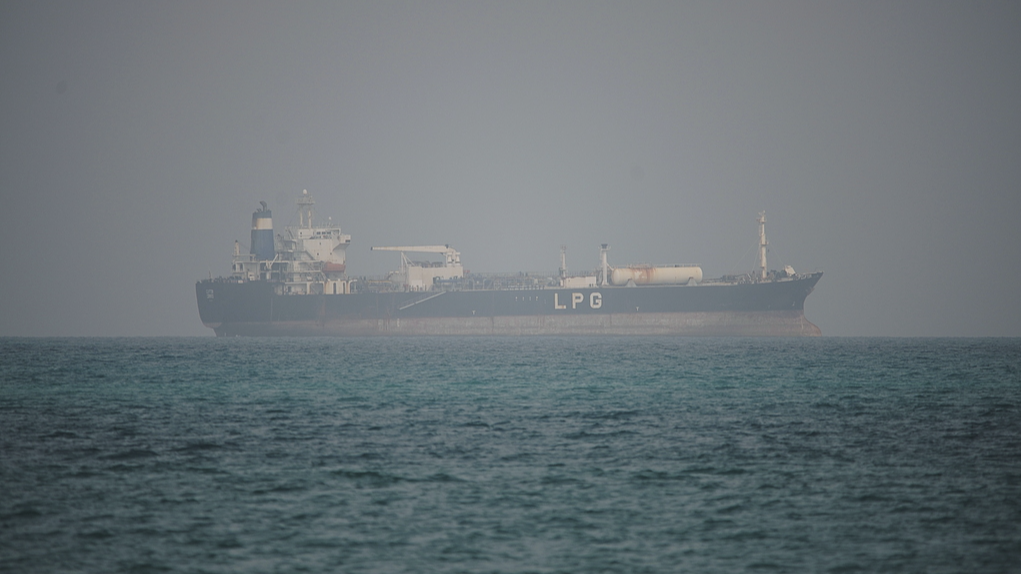
A liquefied petroleum gastanker sails in waters north of the Bab el-Mandeb Strait in Mokha, Yemen, April 6, 2026. /VCG
On April 17, the IRGC issued what state media described as an “unprecedented warning” to all commercial and military vessels in Bab al-Mandeb, stating that “from tomorrow noon, anyone intending to pass through the strait must be more vigilant than ever”. Earlier, on April 15, the commander of Iran’s Khatam al-Anbiya Central Headquarters, Maj Gen Ali Abdollahi Aliabadi, warned that “the powerful armed forces of the Islamic Republic will not allow any exports or imports to continue in the Persian Gulf, the Sea of Oman, and the Red Sea” if the U.S. blockade continues.
The Houthi Connection:
Iran’s ability to threaten Bab al-Mandeb stems from its relationship with Yemen’s Houthi movement, which controls territory bordering the strait. Supreme Leader adviser Ali Akbar Velayati warned that “the unified command of the Resistance front views Bab al-Mandeb as it does Hormuz. If the White House dares to repeat its foolish mistakes, it will soon realise that the flow of global energy and trade can be disrupted with a single move”.
The strategic implications are profound. Bab al-Mandeb accounts for approximately 12% of global seaborne oil trade and 5% of total global energy transit. If both Hormuz and Bab al-Mandeb were simultaneously disrupted, analysts warn, roughly 30% of global oil transit would be paralysed, a scenario that shipping analysts have characterised as having “catastrophic effects” on the global economy.
VI. Iranian Media Perspectives: A Nation Debating Its Future.
Shargh: “A Naval Blockade Would Be Extremely Costly for the United States”
In an editorial, the reformist-leaning Shargh newspaper examined the U.S. naval blockade and concluded that “announcing a ‘naval blockade’ is, in fact, a clear sign of retreat.” The analysis questioned the efficacy of maritime pressure, noting that “Iran shares thousands of kilometres of land borders with multiple countries” and that domestic capacities “are so extensive that, if used properly, many needs can be met internally.” The editorial concluded that “a naval blockade would not only be the least effective measure against Iran, but it would also impose a very high cost on the United States.”
Arman-e-Melli: Pakistan’s Diplomatic Offensive.
Arman-e-Melli focused on the diplomatic dimension, analysing the visit of Pakistan’s Chief of Defence Forces Field Marshal Syed Asim Munir to Tehran. “Pakistani officials have recently pursued an active diplomatic agenda by travelling to Iran and Saudi Arabia to help create conditions for the resumption of negotiations,” the commentary noted. It characterised these visits as signalling “a glimmer of hope for extending the current temporary ceasefire.” However, the editorial warned that “the United States must adhere to a logical framework for the talks and avoid excessive demands or repeating the breaches it committed before the ceasefire.”
Iran Newspaper: The China Card.
In a notable analysis, Hamed Vafaei, a scholar of Chinese studies, argued in the Iran newspaper that China’s approach to the crisis, characterised by “geo-economics, pragmatic diplomacy, and strategic patience”, presents “a valuable opportunity for Iran in shaping the future of Tehran–Beijing relations.” The analysis suggested that “Iran, by using the Strait of Hormuz card, can elevate China from a mere economic partner to a diplomatic anchor and a balancing force against pressure from Trump.” This perspective reflects Tehran’s strategic calculus that the crisis can be leveraged to deepen ties with Beijing and accelerate de-dollarisation efforts.
Etemad: Diplomacy As Continuation Of Military Achievement.
Etemad’s editorial, citing political figure Fatemeh Rakei, emphasised the continuity between military and diplomatic fronts. “Although the other side demanded a two-week ceasefire, a new arena of confrontation has now opened. This time, the commanders of Iran’s diplomatic corps have become ready to face the other side.” The commentary warned that “any weakening of diplomacy runs counter to national interests and undermines the country’s potential,” and cautioned that “personal remarks or views that contradict national interests must not send the signal abroad that Iran lacks a unified voice.”
Khorasan: China Will Not Back Down.
Khorasan’s editorial focused on Beijing’s strategic interests, asserting that “China will certainly not allow its oil lifelines to be cut so easily.” The analysis noted that “even now, a list of mechanisms to sustain Iran–China cooperation in energy supply and trade, centred on bypassing Trump’s new sanctions model, is being put into action.”
VII. Critical Analysis: Contradictions, Leverage, And The Road Ahead
The Opening That Wasn’t:
The sequence of events between April 17 and 18 reveals the fundamental instability of the current diplomatic framework. On Friday, April 17, Foreign Minister Araghchi declared the strait “completely open.” Trump welcomed the announcement with characteristic enthusiasm. Yet by Saturday, the IRGC had reimposed “strict management,” accusing Washington of violating the agreement by maintaining its naval blockade. “With the continuation of the blockade, the Strait of Hormuz will not remain open,” Parliamentary Speaker Qalibaf declared, adding that passage would depend on “Iranian authorisation”.
This rapid reversal exposed the deep fissures within Iran’s own power structure. The IRGC’s harsh criticism of Araghchi after his X announcement, which the ISW has characterised as reflecting “broader divisions within the Iranian regime”, demonstrates that diplomatic gestures from the Foreign Ministry do not necessarily reflect the position of the military establishment that actually controls the waterway.
The Ceasefire’s Expiration Window:
The two-week ceasefire between Iran and the United States expires on April 22, just days away. Reports indicate that a second round of talks may take place in Islamabad on Monday, April 20, with negotiators arriving Sunday. However, the White House has not confirmed a date, and Tasnim reports that Iran has “so far not agreed” to the next round.
The stakes could hardly be higher. If the ceasefire expires without a diplomatic breakthrough, the region faces the prospect of renewed military confrontation. Iran has made clear that it was prepared to attack Israel absent the Lebanon ceasefire; the expiration of the broader truce could trigger the very escalation that diplomats have worked feverishly to prevent.
The Strategic Paradox:
The current standoff presents a profound strategic paradox. The United States seeks to use economic pressure, the naval blockade, to force Iranian concessions. Yet that very pressure provides Iran with justification to maintain control over the Strait of Hormuz, which in turn drives up global oil prices and inflicts economic pain on the global economy, including U.S. allies. As the Shargh editorial noted, the blockade may be “the least effective measure against Iran” while simultaneously imposing “a very high cost on the United States.”
Meanwhile, Iran’s internal security crackdown, while framed as counter-espionage, risks alienating segments of the population already suffering from wartime inflation, shortages, and displacement. The Chinese-language analysis that identified “internal enemies” as the gravest threat to the regime’s survival may prove prescient in ways Tehran does not intend.
China’s Quiet Calculus:
Throughout this crisis, China has maintained a carefully calibrated position. Beijing has condemned U.S. military action while continuing to purchase Iranian oil, reportedly accounting for the vast majority of the diminished traffic still flowing through Hormuz. Chinese analysts have framed the crisis as an opportunity to accelerate de-dollarisation and strengthen the petro-yuan. Yet Beijing has also signalled through Pakistani intermediaries that it supports a diplomatic resolution, reflecting its own vulnerability to prolonged energy disruption.
As one Chinese analyst noted, the Bab al-Mandeb warning may serve as “a lever for Iran in the next round of negotiations as it seeks to lift the naval blockade of the Strait of Hormuz.” The “mixed, even contradictory signals from both sides suggest the next round will be highly complex, chaotic, and deeply uncertain.”
Conclusion: A Waterway Held Hostage To Larger Ambitions.
The Strait of Hormuz crisis is not, at its core, about shipping lanes or maritime law. It is about power, the power to dictate the terms of regional order, the power to control the global energy and resource supply, the power to control markets, and the power to survive in the face of overwhelming military and economic pressure. Each side accuses the other of “piracy” and “banditry,” yet both are engaged in a high-stakes game of coercive diplomacy in which the world’s economy serves as collateral.
Iran’s ability to toggle the strait between “open” and “strictly controlled” demonstrates that, despite devastating military strikes and severe economic sanctions, Tehran retains meaningful leverage. The U.S. naval blockade, while operationally effective in turning back Iranian-linked vessels, has not compelled Tehran to capitulate, and may have hardened its resolve.
The coming days will determine whether diplomacy can bridge the chasm between Washington’s demand for a 20-year enrichment freeze and Tehran’s offer of five, between Trump’s claim that Iran has “agreed to everything” and Qalibaf’s assertion that “all seven claims were false,” and between a fragile ceasefire and the resumption of a war that has already claimed thousands of lives.
As the IRGC commander’s warning about Bab al-Mandeb makes clear, the crisis is not contained to one strait. The entire maritime architecture of global energy transit, from the Persian Gulf to the Red Sea, hangs in the balance. The question is not merely whether the Strait of Hormuz will reopen, but whether the international community can construct a durable framework for managing the strategic competition that has turned the world’s most critical waterways into instruments of coercion.
In the words of Foreign Ministry spokesman Baqaei: “The opening and closing of the Strait of Hormuz does not take place on the internet; it is determined in the field, and our armed forces certainly know how to behave”. The field, for now, remains a maritime chessboard where every move carries global consequences.
Source: Multiple News Agencies
Submissions:
For The Secure Submission Of Documentation, Testimonies, Or Exclusive Investigative Reports From Any Global Location, Please Utilise The Following Contact Details For Our Investigations Desk: enquiries@veritaspress.co.uk or editor@veritaspress.co.uk
Help Support Our Work:
Popular Information is powered by readers who believe that truth still matters. When just a few more people step up to support this work, it means more lies exposed, more corruption uncovered, and more accountability where it’s long overdue.
Help Protect Independent Journalism, Which Is Currently Under Attack.
If you believe journalism should serve the public, not the powerful, and you’re in a position to help, becoming a DONATOR or a PAID SUBSCRIBER truly makes a difference.
DONATION APPEAL: If You Found This Reporting Valuable, Please Consider Supporting Independent Journalism.
Help Support Our Work – We Know, We Know, We Know …
Seeing these messages is annoying. We know that. (Imagine what it’s like writing them … )
Your support fuels our fearless, truth-driven journalism. In unity, we endeavour to amplify marginalised voices and champion justice, irrespective of geographical location.
But it’s also extremely important. One of Veritas Press’s greatest assets is its reader-funded model.
1. Reader funding means we can cover what we like. We’re not beholden to the political whims of a billionaire owner. We are a small, independent and impartial organisation. No one can tell us what not to say or what not to report.
2. Reader funding means we don’t have to chase clicks and traffic. We’re not desperately seeking your attention for its own sake: we pursue the stories that our editorial team deems important and believe are worthy of your time.
3. Reader Funding: enables us to keep our website and other social media channels open, allowing as many people as possible to access quality journalism from around the world, particularly those in places where the free press is under threat.
We know not everyone can afford to pay for news, but if you’ve been meaning to support us, now’s the time.
Your donation goes a long way. It helps us:
Keep the lights on and sustain our day-to-day operations
Hire new, talented independent reporters
Launch real-time live debates, community-focused shows, and on-the-ground reporting
Cover the issues that matter most to our communities, in real time, with depth and integrity
We have plans to expand our work, but we can’t do it without your support. Every contribution, no matter the size, helps us stay independent and build a truly people-powered media platform.
If you believe in journalism that informs, empowers, and reflects the communities we serve, please donate today.
Kamran Faqir is a volunteer investigative journalist and writer committed to exposing hidden truths and amplifying underreported stories. Driven by social justice, he brings sharp insight and fearless truth-telling to independent journalism. NUJ registered.
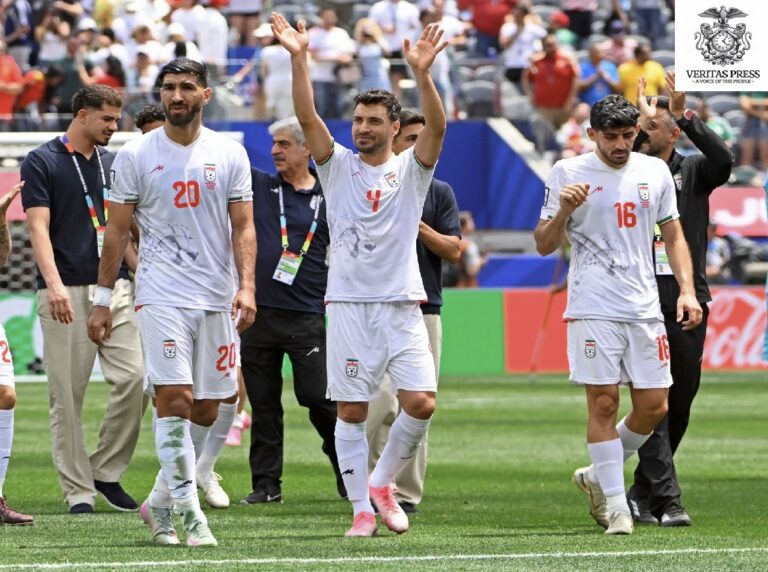
SEATTLE, TEHRAN — The U.S. Department of Homeland Security (DHS) will allow Iran’s national football team to enter the country 48 hours before their critical World Cup match against Egypt on Friday, a modest concession in a tournament where Team Melli’s travel conditions have sparked claims of oppression and competitive disadvantage.