Kamran Faqir is a volunteer investigative journalist and writer committed to exposing hidden truths and amplifying underreported stories. Driven by social justice, he brings sharp insight and fearless truth-telling to independent journalism. NUJ registered.
Original Article Date Published:
Article Date Modified:
8 minutes
Views:328
Listen to this article
Help support our mission, donate today and be the change. Every contribution goes directly toward driving real impact for the cause we believe in.
RAMALLAH, WEST BANK, April 16, 2026 — On the eve of Palestinian Prisoners’ Day, the Palestinian Ministry of Education and Higher Education issued a stark declaration: approximately 350 students are currently imprisoned in Israeli jails, held under what it described as “harsh detention conditions that violate all international laws and conventions.”
The statement catalogued a wide spectrum of alleged abuses, nighttime arrests, harsh interrogations, solitary confinement, deprivation of education, medical neglect, and ill-treatment, framing the incarceration of students not as isolated incidents, but as part of a systematic assault on the Palestinian education system and the future of an entire generation.
But beyond the human toll, legal experts and rights organisations increasingly argue that these practices must be understood within a broader framework: not merely as violations, but as components of a system that may amount to apartheid, persecution, and potentially genocidal acts under international law.
A Legal Void For A “New Generation Of Resistance”:
The 350 detained students exist within a far larger detention system that has expanded dramatically since October 2023.
According to the Palestinian Prisoners Club, Addameer Prisoner Support and Human Rights Association, and the Commission of Detainees and Ex-Detainees Affairs:
Over 9,600 Palestinians are currently imprisoned
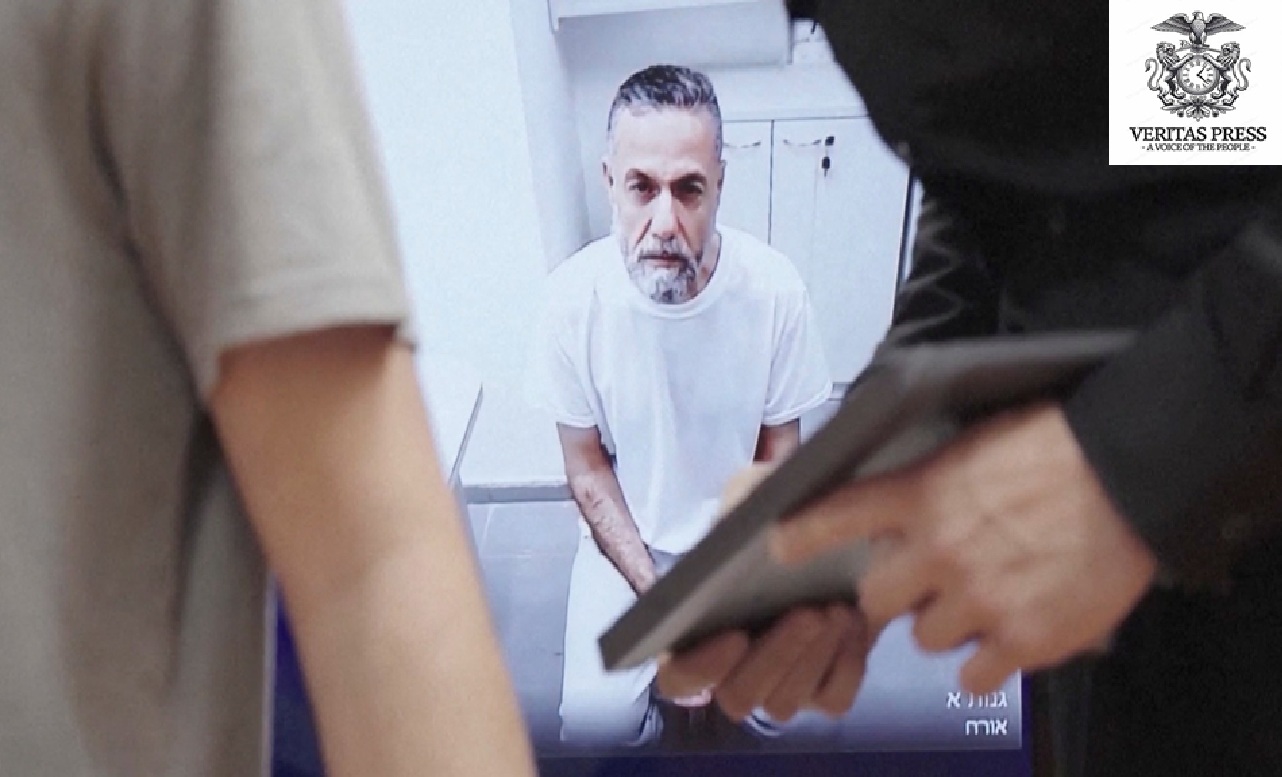
More than 3,532 are held without charge under administrative detention
Over 17,000 detention orders have been issued since the Gaza war began
Administrative detention allows Israel to imprison individuals indefinitely without trial, based on secret evidence.
Legal scholars increasingly argue that the systematic and discriminatory use of such detention against Palestinians, particularly minors, may constitute a form of persecution, a crime against humanity under the International Criminal Court framework.
A legal analyst working with Addameer explained:
“When a legal system is used overwhelmingly against one group, without due process, and as a tool of domination, it begins to meet the legal threshold of persecution, and potentially apartheid.”
Apartheid: A Dual Legal System.
Central to this argument is the existence of two parallel legal systems in the occupied West Bank:
Israeli settlers are governed by civil law
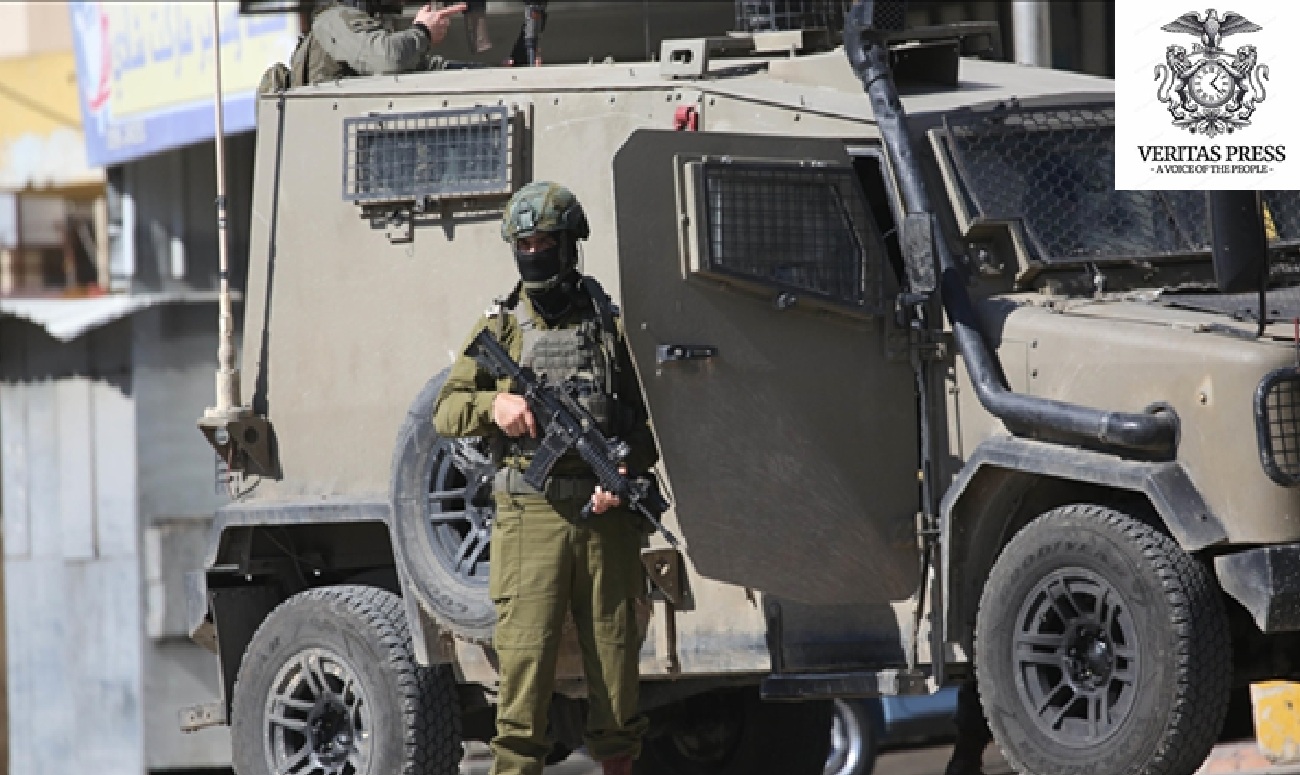
Palestinians, including children, are subjected to military law
This duality has been cited by major human rights organisations, including Amnesty International and Human Rights Watch, as a defining feature of apartheid, as prohibited under international law.
Under the Apartheid Convention and the Rome Statute of the ICC, apartheid is defined as systematic oppression and domination by one racial group over another, maintained through inhumane acts.
The military detention of Palestinian children, often without trial, legal safeguards, or access to education, has been increasingly cited as one such act.
Inside The Arrest Machine: Institutionalised Trauma.
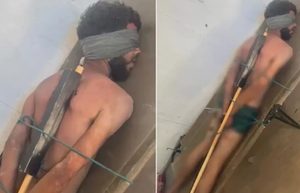
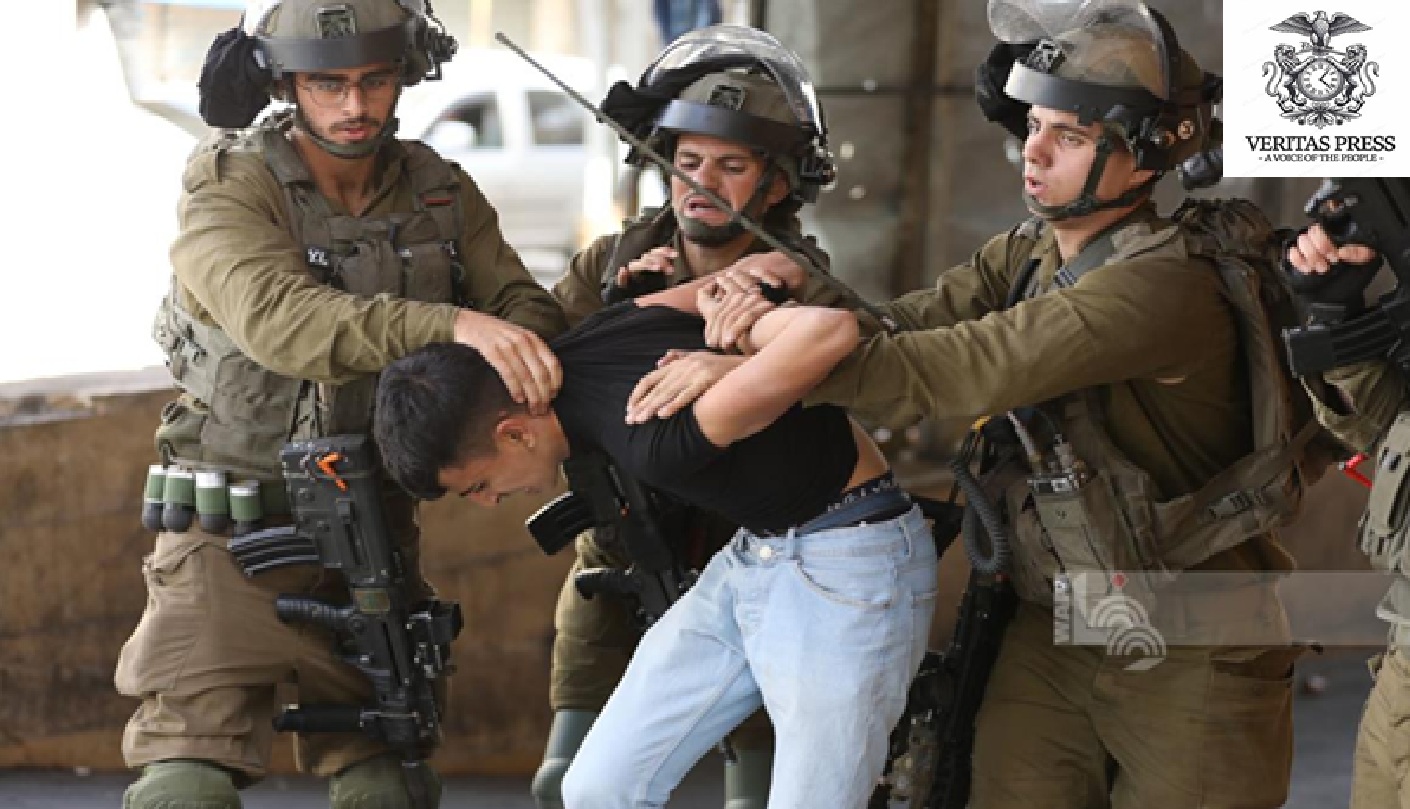
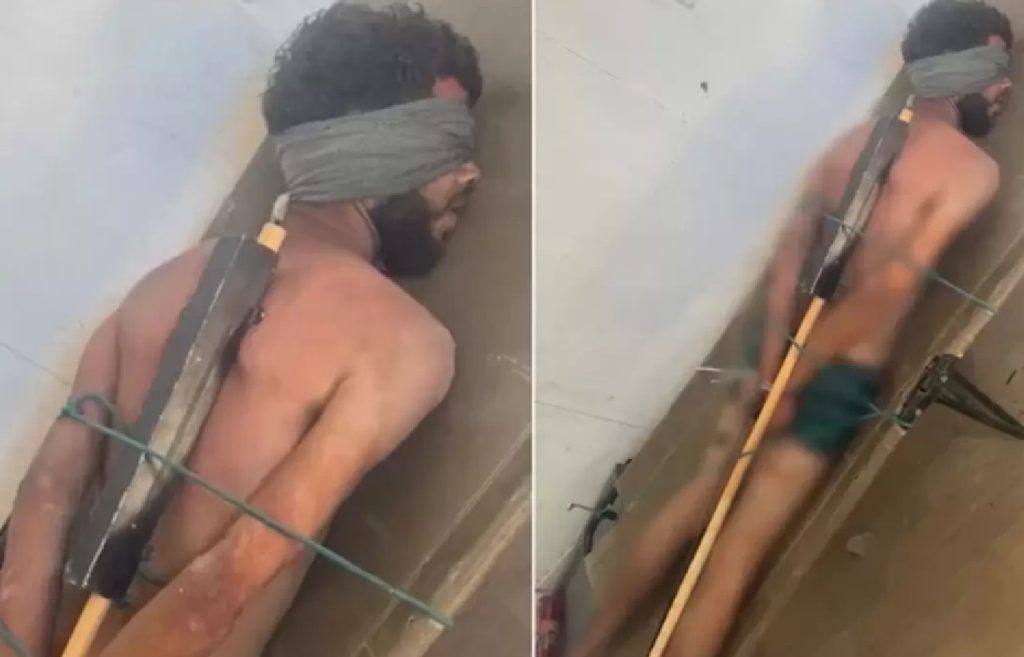
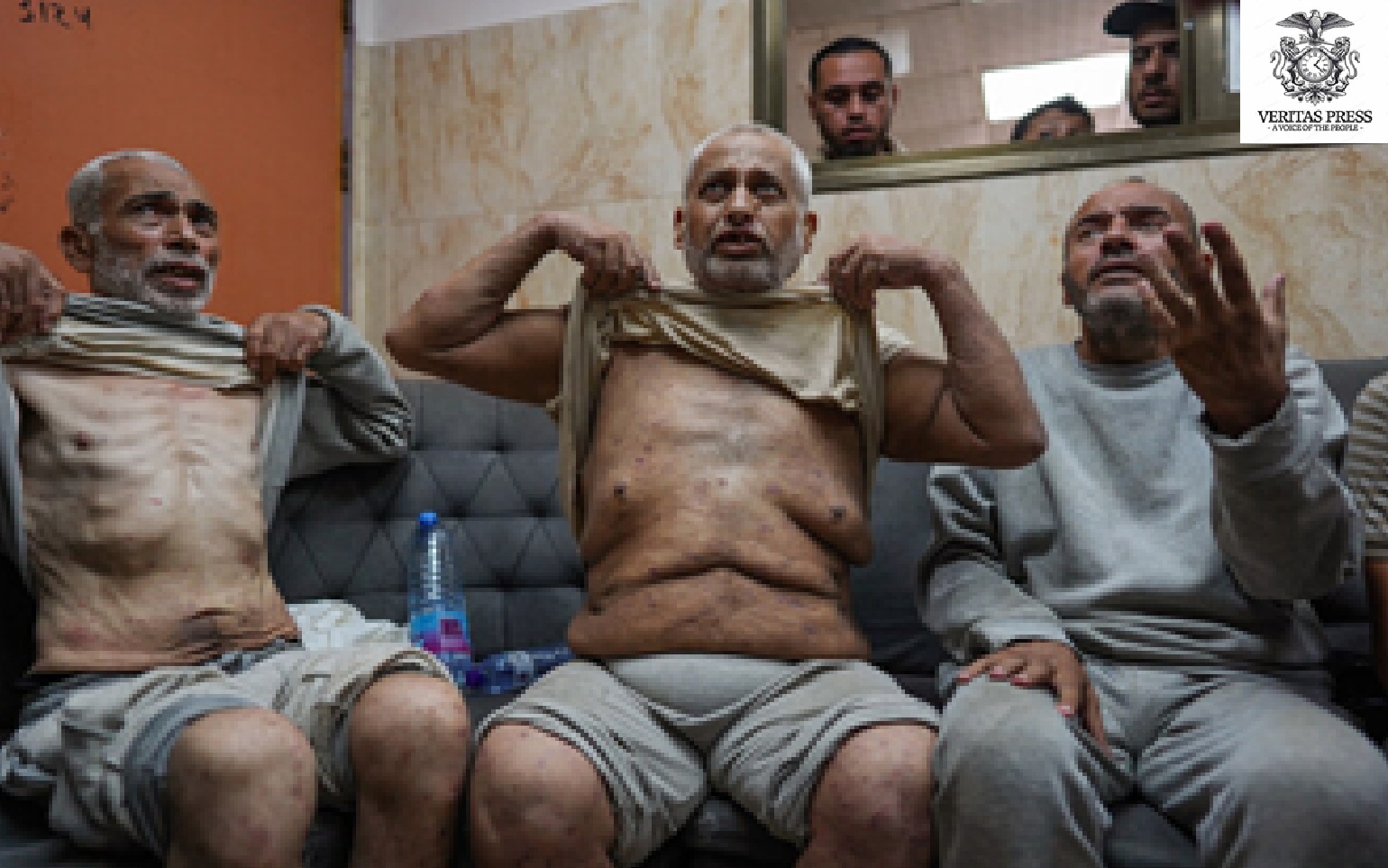
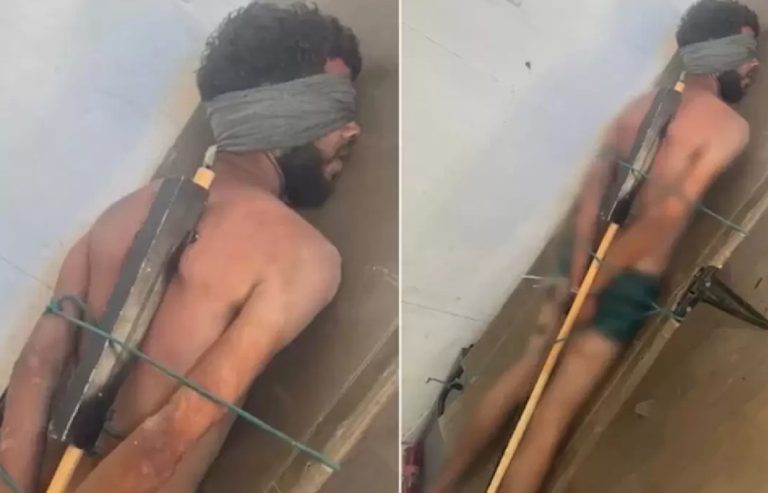
Testimonies from detained students reveal a consistent pattern of night raids, blindfolding, coercive interrogation, and prolonged detention.
“They came at night… tied my hands, covered my eyes,” one teenager recounted.
Rights groups argue that these practices are not only abusive but structurally designed to produce psychological harm, raising questions under international prohibitions on torture and cruel, inhuman or degrading treatment.
“A Laboratory For Cruel Practices”:
In March 2026, UN Special Rapporteur Francesca Albanese described Israel’s detention system as:
“A laboratory for cruel and deliberate practices… based on systematic humiliation, pain, and degradation.”
Her findings, submitted to the United Nations Human Rights Council, documented:
18,500 arrests since October 2023, including at least 1,500 children
Widespread ill-treatment, starvation, and abuse
Dozens of deaths in custody
Albanese warned that the system has evolved into “an entrenched state doctrine.”
Genocide: A Broader Legal Debate.
While the detention of students alone does not constitute genocide, legal experts increasingly situate it within a broader pattern of actions, particularly in Gaza, that may meet the threshold under the Genocide Convention.
Under international law, genocide includes acts committed with the intent to destroy, in whole or in part, a national, ethnic, racial, or religious group.
Some legal scholars argue that:
Mass killing of civilians in Gaza
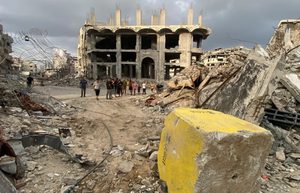
Destruction of essential infrastructure, including schools
Deliberate deprivation of food, water, and medical care
Targeting of children through detention, killing, and trauma
may collectively indicate genocidal intent or acts, particularly when viewed as part of a coordinated policy.
The ongoing investigation by the International Criminal Court, alongside proceedings at the International Court of Justice, reflects the growing legal scrutiny.
Francesca Albanese has explicitly warned that:
“The cumulative effect of these policies may amount to acts prohibited under the Genocide Convention.”
The Shadow Of The Gallows:
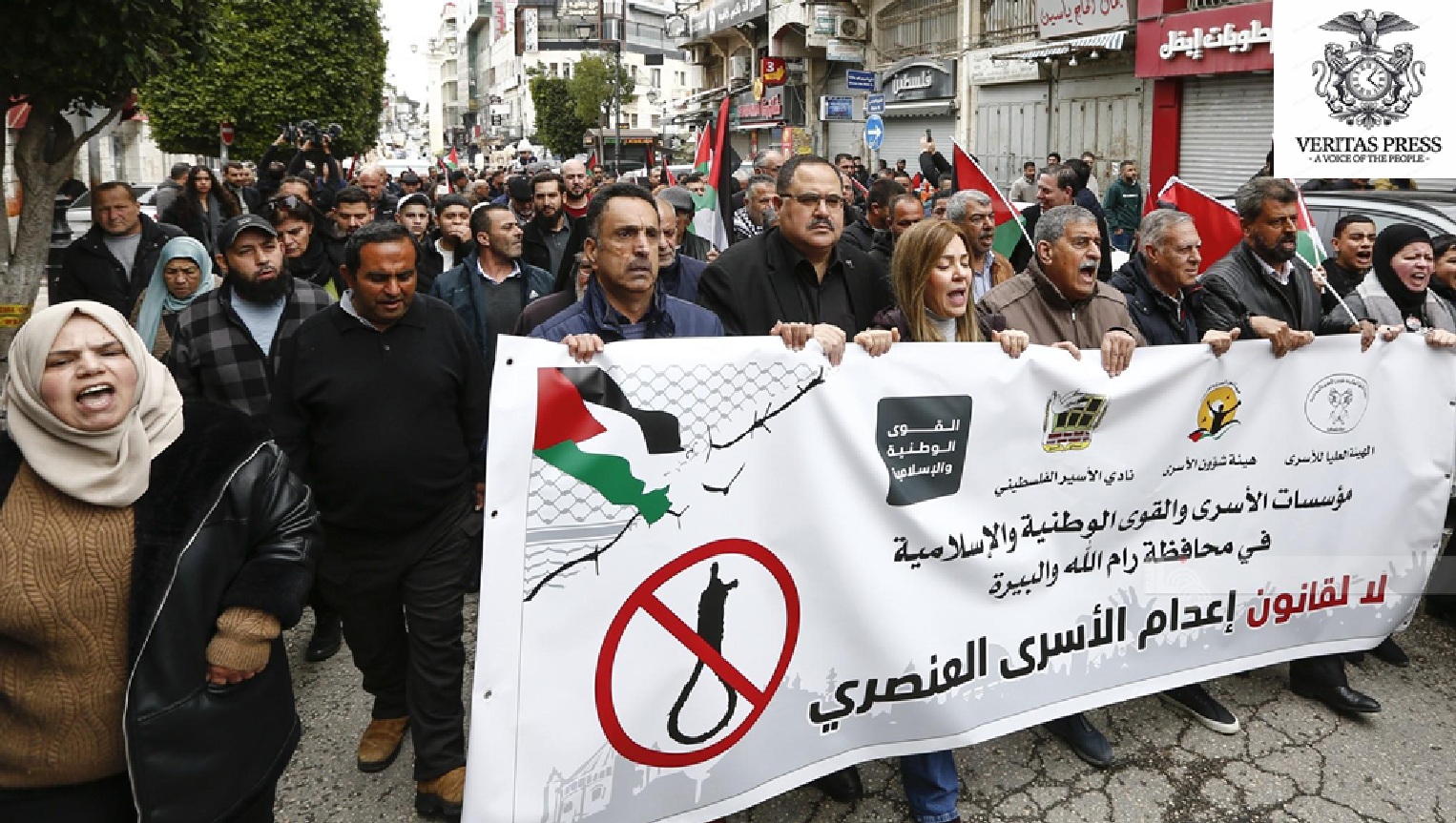
The passage of a new Israeli law mandating capital punishment for certain offences has further intensified legal concerns.
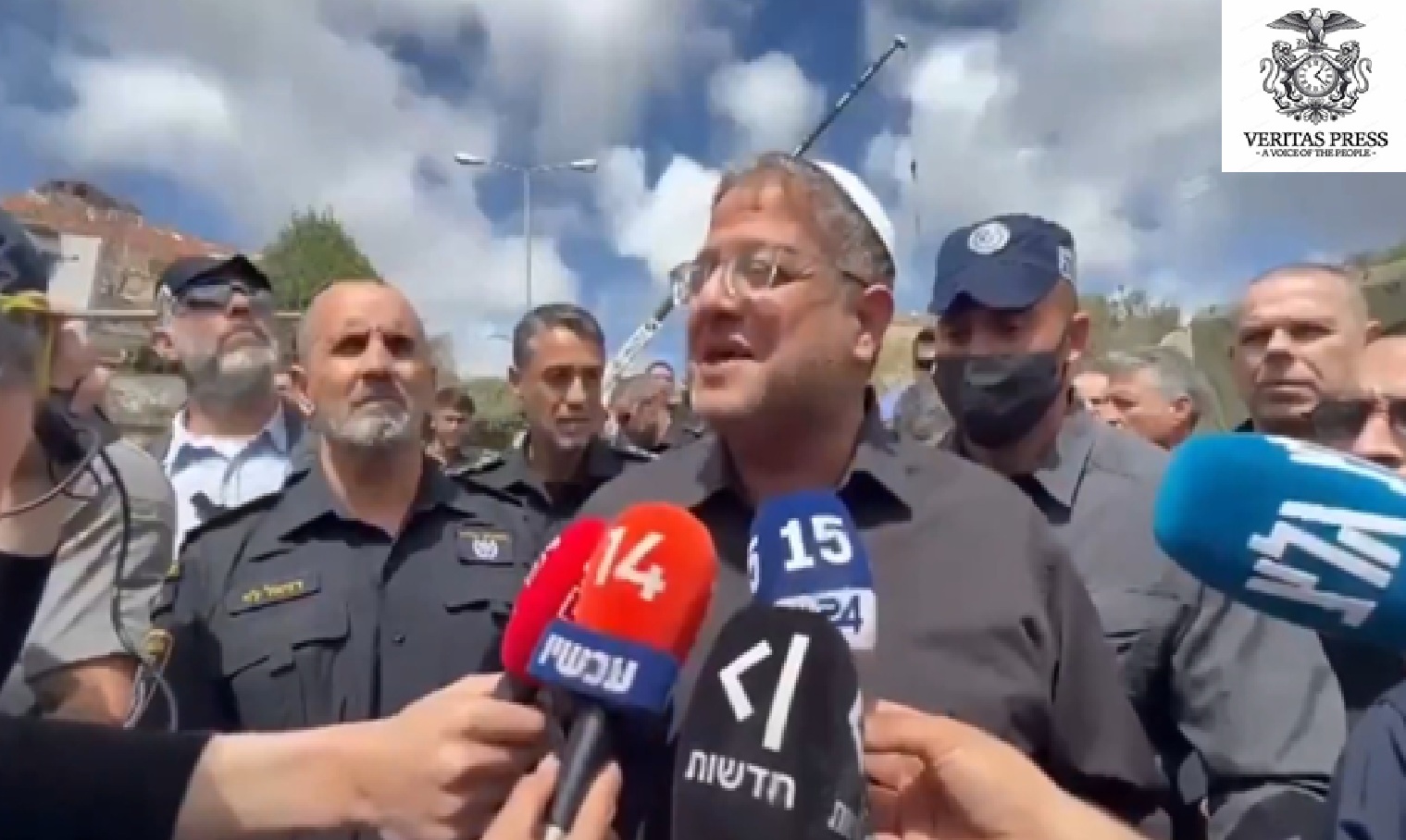
Championed by Itamar Ben-Gvir, the law allows executions within 90 days and limits appeals.
Although not explicitly mentioning minors, legal experts warn that it does not exclude them, raising the possibility that children prosecuted in military courts could face execution.
Such a scenario would constitute a grave breach of international law, which strictly prohibits the execution of minors.
A War On Education:
The imprisonment of students is part of a broader pattern affecting Palestinian education.
According to UNICEF:
Over 600,000 children in Gaza have lost access to schooling
90% of the educational infrastructure has been damaged or destroyed
Philippe Lazzarini warned:
“The risk of a lost generation is real.”
Rights advocates argue that the systematic denial of education, whether through bombardment or imprisonment, may constitute a violation of cultural and social rights and contribute to broader patterns of persecution.
The United Nations Convention on the Rights of the Child guarantees protection and education.
The Fourth Geneva Convention prohibits arbitrary detention and collective punishment.
The ICC has jurisdiction over war crimes and crimes against humanity
Yet, as Albanese noted:
“These policies are defended by political actors and condoned by governments that continue to provide support.”
Diplomatic efforts, including talks involving Keir Starmer and David Lammy, have emphasised compliance with international law, but have not resulted in concrete accountability measures.
Conclusion: A System Under Scrutiny.
For the 350 Palestinian students currently detained, the immediate reality is one of interrupted education, indefinite detention, and systemic uncertainty.
But in legal terms, their imprisonment is increasingly seen as part of something larger:
A system of institutionalised discrimination consistent with apartheid
A regime of widespread or systematic abuses potentially constituting crimes against humanity
And, in the broader context of Gaza, actions that some legal experts argue may fall within the scope of genocide
The Palestinian Ministry of Education has renewed calls for immediate release and international intervention.
For now, those calls remain unanswered.
“I was taken from my home at night… I still don’t know why I’m here,” one student said.
His words echo beyond the prison walls, into courtrooms, international forums, and a global debate that is no longer just about violations, but about whether the law itself will be enforced.
Source: Multiple News Agencies
Submissions:
For The Secure Submission Of Documentation, Testimonies, Or Exclusive Investigative Reports From Any Global Location, Please Utilise The Following Contact Details For Our Investigations Desk: enquiries@veritaspress.co.uk or editor@veritaspress.co.uk
Help Support Our Work:
Popular Information is powered by readers who believe that truth still matters. When just a few more people step up to support this work, it means more lies exposed, more corruption uncovered, and more accountability where it’s long overdue.
Help Protect Independent Journalism, Which Is Currently Under Attack.
If you believe journalism should serve the public, not the powerful, and you’re in a position to help, becoming a DONATOR or a PAID SUBSCRIBER truly makes a difference.
DONATION APPEAL: If You Found This Reporting Valuable, Please Consider Supporting Independent Journalism.
Help Support Our Work – We Know, We Know, We Know …
Seeing these messages is annoying. We know that. (Imagine what it’s like writing them … )
Your support fuels our fearless, truth-driven journalism. In unity, we endeavour to amplify marginalised voices and champion justice, irrespective of geographical location.
But it’s also extremely important. One of Veritas Press’s greatest assets is its reader-funded model.
1. Reader funding means we can cover what we like. We’re not beholden to the political whims of a billionaire owner. We are a small, independent and impartial organisation. No one can tell us what not to say or what not to report.
2. Reader funding means we don’t have to chase clicks and traffic. We’re not desperately seeking your attention for its own sake: we pursue the stories that our editorial team deems important and believe are worthy of your time.
3. Reader Funding: enables us to keep our website and other social media channels open, allowing as many people as possible to access quality journalism from around the world, particularly those in places where the free press is under threat.
We know not everyone can afford to pay for news, but if you’ve been meaning to support us, now’s the time.
Your donation goes a long way. It helps us:
Keep the lights on and sustain our day-to-day operations
Hire new, talented independent reporters
Launch real-time live debates, community-focused shows, and on-the-ground reporting
Cover the issues that matter most to our communities, in real time, with depth and integrity
We have plans to expand our work, but we can’t do it without your support. Every contribution, no matter the size, helps us stay independent and build a truly people-powered media platform.
If you believe in journalism that informs, empowers, and reflects the communities we serve, please donate today.
Kamran Faqir is a volunteer investigative journalist and writer committed to exposing hidden truths and amplifying underreported stories. Driven by social justice, he brings sharp insight and fearless truth-telling to independent journalism. NUJ registered.
SEATTLE, TEHRAN — The U.S. Department of Homeland Security (DHS) will allow Iran’s national football team to enter the country 48 hours before their critical World Cup match against Egypt on Friday, a modest concession in a tournament where Team Melli’s travel conditions have sparked claims of oppression and competitive disadvantage.