














Help support our mission, donate today and be the change. Every contribution goes directly toward driving real impact for the cause we believe in.
Deaths, Vaccine Shortages And Policy Questions Emerge As The Canterbury Cluster Spreads Across Universities And Schools.
A rapidly escalating meningitis B outbreak in Kent has triggered a nationwide health alert, leaving two young people dead, dozens under investigation for infection and thousands of university students lining up for emergency vaccinations.
Health authorities say the outbreak, linked to a crowded student nightclub in Canterbury, is among the fastest-growing clusters of meningococcal disease seen in Britain in decades, prompting urgent warnings to NHS doctors across England.
The UK Health Security Agency (UKHSA) has confirmed 20 cases of invasive meningococcal disease, with six laboratory-confirmed as the dangerous MenB strain. Two people have died: 18-year-old Juliette Kenny, a sixth-form student in Faversham, and a 21-year-old University of Kent student who has not yet been publicly named.
Prime Minister Keir Starmer paid tribute to the victims in a statement, saying the deaths were “heartbreaking” and offering condolences to their families.
“Our thoughts are with the families, friends and communities affected by this tragic outbreak,” Starmer said, adding that the government would support health authorities “in every way necessary to contain it.”
But as cases continue to emerge and vaccine supplies run short, the crisis is also exposing long-standing gaps in the UK’s meningitis vaccination policy, as well as broader questions about how quickly public health systems respond to outbreaks among young people.

Investigators believe the outbreak began during three nights of student nightlife in Canterbury, centred on Club Chemistry, one of the city’s busiest venues for university students.
Health officials say at least 10 infected individuals attended the nightclub between March 5 and 7, raising concerns that the venue became a “super-spreader” setting for the bacteria.
Meningococcal disease spreads through close contact, such as coughing, kissing, or sharing drinks, making crowded nightlife environments particularly high-risk.

Professor Susan Hopkins, chief executive of the UKHSA, described the pattern of infection as highly unusual.
“This looks like a super-spreader event, with ongoing spread within university halls of residence,” Hopkins said.
“The number of cases we’ve seen in such a short time is unprecedented.”
Following the discovery of the cluster, the nightclub closed voluntarily while health authorities carried out investigations and contact tracing.
What began as a cluster linked to the University of Kent has now spread to a second institution, heightening concern among health officials.
Leaders at Canterbury Christ Church University (CCCU) confirmed a student had contracted meningococcal disease linked to the same outbreak.
The university said close contacts were immediately offered precautionary antibiotics, in line with UKHSA guidance.
One of the infected students, 20-year-old Tara Skinner, had attended the nightclub. Her mother, Candice Skinner, described the frightening progression of the illness.
“She woke up feeling unwell and over the weekend developed a red eye. By Monday, she was in the hospital being treated for meningitis,” Skinner said.
While Skinner is recovering, other victims have suffered devastating consequences.
Annabelle Mackay, a 21-year-old law undergraduate, was left blind and unable to walk after contracting meningitis B following birthday celebrations at the club.
Doctors say such complications, including brain damage, limb loss and neurological disability, can occur when the infection progresses rapidly.
Hundreds of students queue at university after rollout of meningitis B vaccine | The Independent
The outbreak has also reached secondary schools across Kent, illustrating how easily meningococcal bacteria can move through overlapping social networks of teenagers and young adults.
Schools reporting cases include:
- Queen Elizabeth’s Grammar School,
- FavershamDane Court Grammar School, Broadstairs;
- Simon Langton Grammar School, Canterbury
- Canterbury Academy
- Highworth Grammar School, Ashford
- Norton Knatchbull School, Ashford
Juliette Kenny, one of the two victims, attended Queen Elizabeth’s Grammar School. Her headteacher described her as:
“Incredibly kind, thoughtful and intelligent… she loved our school and was very happy here.”
The outbreak has also affected younger children. Nine-month-old Nala-Rose Fletcher from Folkestone remains in intensive care at Evelina London Children’s Hospital, where doctors say she may face life-changing surgeries.

Nationwide NHS Alert Issued:
The severity of the outbreak prompted the UKHSA to issue a national alert to NHS clinicians, urging them to watch for early signs of meningitis in young people.
The agency warned the Kent cases had shown “rapid deterioration”, with patients becoming critically ill within hours.
Doctors have been advised to maintain a “high index of suspicion” in patients aged 16-30 presenting with symptoms such as:
- fever
- severe headache
- vomiting
- confusion
- sensitivity to light
- neck stiffness
Crucially, clinicians have been told not to wait for the classic rash, which may appear late or not at all.
The incubation period for meningococcal disease is two to 14 days, meaning additional cases may still emerge.
Health Secretary Wes Streeting acknowledged that the outbreak could worsen.
“What has worried us about the Canterbury outbreak is the pace and extent of the spread of the disease,” he said.
“Because of the incubation period, we may unfortunately see further cases.”
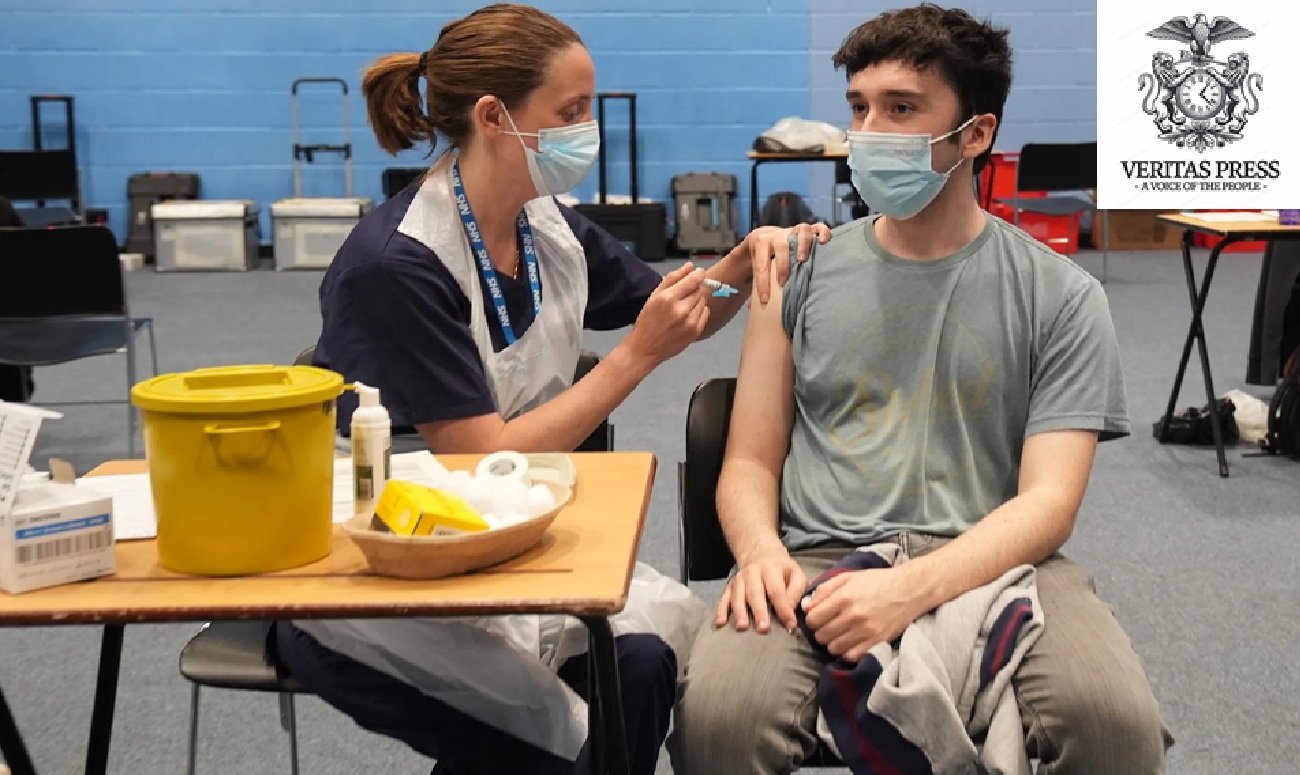
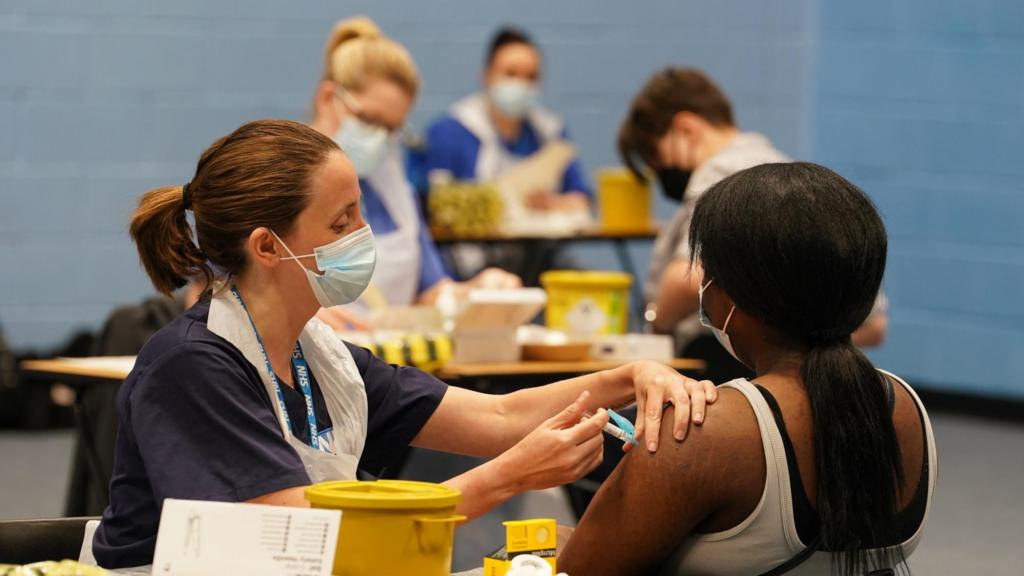
Authorities have launched a targeted vaccination campaign for roughly 5,000 students living in halls of residence at the University of Kent’s Canterbury campus.
Students are also being offered preventative antibiotics.
Dr Kate Langford, chief medical officer for the Kent and Medway Integrated Care Board, said the response had been encouraging.
“A very large number of students have come forward to get the vaccine,” she said.
“This vaccine is highly effective against meningitis B, and we believe it will provide protection against the strain involved.”
But the surge in demand has triggered nationwide shortages in private vaccine supplies, according to the National Pharmacy Association.
Pharmacies reported running out of MenB vaccines as worried parents and young adults sought protection.
Students Describe Panic And Confusion:
For students in Canterbury, the outbreak has created an atmosphere of anxiety reminiscent of the early days of the Covid-19 pandemic.
Olivia Milton-Sardin, a mathematics student, said social media had amplified fears.
“It’s been chaotic… on TikTok, everyone was spreading panic. All the group chats were going crazy. It’s like Covid all over again.”
Another student, Leonardo Veiga, criticised the university’s communication.
“We found out from the news before the university emailed us,” he said.
“That caused a lot of panic because we’re living right here where it’s happening.”
Others expressed relief after receiving vaccinations.
Rebecca Chapman, a 21-year-old international business student, said:
“People are nervous because it’s quite scary. But getting the vaccine makes you feel more protected.”
A Deeper Policy Debate: Who Should Be Vaccinated?
The outbreak has reignited debate over Britain’s meningitis vaccination strategy.
Since 2015, the UK has offered the MenB vaccine to infants, but teenagers and young adults, the group most affected in the Canterbury outbreak, are not routinely vaccinated.
Millions of people born before 2015 therefore lack protection against MenB, even though the strain accounts for around 80% of meningococcal disease cases in the UK.
The Joint Committee on Vaccination and Immunisation (JCVI) previously ruled that vaccinating teenagers was not cost-effective, citing the limited duration of immunity and the vaccine’s inability to block bacterial transmission.
However, the Canterbury outbreak is putting that decision under renewed scrutiny.
Streeting confirmed he had asked the JCVI to re-examine the eligibility criteria.
Public health experts say the situation highlights structural vulnerabilities.
Dr Helen Bedford, professor of children’s health at University College London, noted that university environments are particularly susceptible.
“Shared accommodation, crowded social events and close contact make universities a classic setting for meningococcal transmission.”
Campaigners argue that economic modelling should not outweigh public safety when dealing with potentially fatal infections.
A Rare Disease, But A Deadly One:
Meningitis remains relatively rare in the UK, but its consequences can be catastrophic. In 2024-2025, authorities recorded 378 cases of invasive meningococcal disease, the majority caused by MenB.
The bacteria can kill within hours if untreated.
Even survivors may suffer:
- brain damage
- hearing loss
- limb amputations
- neurological disabilities
For now, officials say the outbreak appears geographically contained within Kent, but the speed of its spread has highlighted how quickly local clusters can escalate into national public health emergencies.
As vaccination clinics continue and investigators trace contacts across universities and schools, families and students across Canterbury remain on edge, waiting to see whether the outbreak has been contained or whether more cases are yet to emerge.
Source: Multiple News Agencies
Submissions:
For The Secure Submission Of Documentation, Testimonies, Or Exclusive Investigative Reports From Any Global Location, Please Utilise The Following Contact Details For Our Investigations Desk: enquiries@veritaspress.co.uk or editor@veritaspress.co.uk
Help Support Our Work:
Popular Information is powered by readers who believe that truth still matters. When just a few more people step up to support this work, it means more lies exposed, more corruption uncovered, and more accountability where it’s long overdue.
Help Protect Independent Journalism, Which Is Currently Under Attack.
If you believe journalism should serve the public, not the powerful, and you’re in a position to help, becoming a DONATOR or a PAID SUBSCRIBER truly makes a difference.
DONATION APPEAL: If You Found This Reporting Valuable, Please Consider Supporting Independent Journalism.
Help Support Our Work – We Know, We Know, We Know …
Seeing these messages is annoying. We know that. (Imagine what it’s like writing them … )
Your support fuels our fearless, truth-driven journalism. In unity, we endeavour to amplify marginalised voices and champion justice, irrespective of geographical location.
But it’s also extremely important. One of Veritas Press’s greatest assets is its reader-funded model.
1. Reader funding means we can cover what we like. We’re not beholden to the political whims of a billionaire owner. We are a small, independent and impartial organisation. No one can tell us what not to say or what not to report.
2. Reader funding means we don’t have to chase clicks and traffic. We’re not desperately seeking your attention for its own sake: we pursue the stories that our editorial team deems important and believe are worthy of your time.
3. Reader Funding: enables us to keep our website and other social media channels open, allowing as many people as possible to access quality journalism from around the world, particularly those in places where the free press is under threat.
We know not everyone can afford to pay for news, but if you’ve been meaning to support us, now’s the time.
Your donation goes a long way. It helps us:
- Keep the lights on and sustain our day-to-day operations
- Hire new, talented independent reporters
- Launch real-time live debates, community-focused shows, and on-the-ground reporting
- Cover the issues that matter most to our communities, in real time, with depth and integrity
We have plans to expand our work, but we can’t do it without your support. Every contribution, no matter the size, helps us stay independent and build a truly people-powered media platform.
If you believe in journalism that informs, empowers, and reflects the communities we serve, please donate today.

The Trump administration is preparing a $2.8 billion weapons package for Israel containing 40,000 2,000-pound

Film alleges mass civilian deaths are routinely built into military decisions amid Israel’s genocidal war

The Israeli rights group says violence, displacement, economic strangulation, and settlement expansion form part of

Houthi forces have captured the historic Red Sea port of Mocha and are advancing on

London’s historic sanctions against Israeli settlements mark a watershed moment in UK foreign policy, but

With 95% of Gaza’s population now wholly dependent on aid and more than 90% stripped

India calls for Kashmir and Ladakh to appear only on its official map after a

ISLAMABAD – In the high-stakes political theatre of Pakistan, the battleground has shifted from the

Francesca Albanese says third states have an ICJ-mandated obligation to end Israel’s occupation. But with

As Israeli jets bomb a Syrian air base over alleged Turkish deployment plans, Ankara, Washington




























ug7xe0
1zpuw8
z2qubl
qsr88t
g462d1
xfrkrj