



Help support our mission, donate today and be the change. Every contribution goes directly toward driving real impact for the cause we believe in.
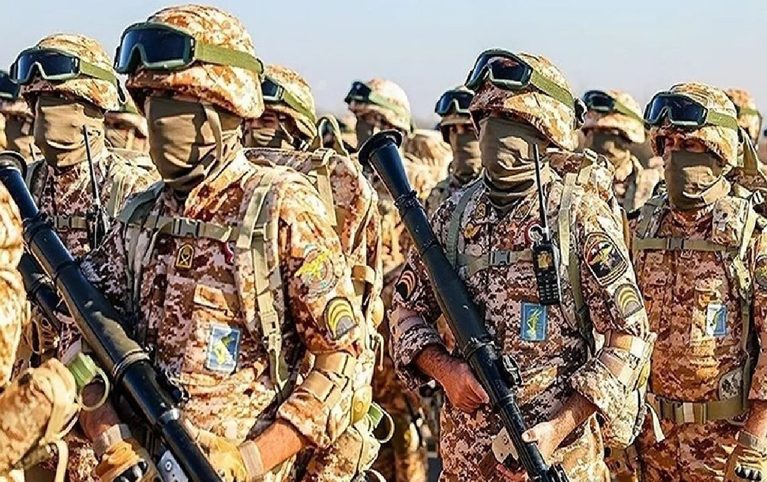
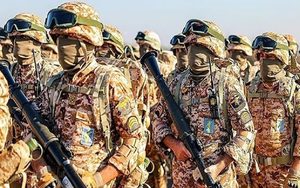
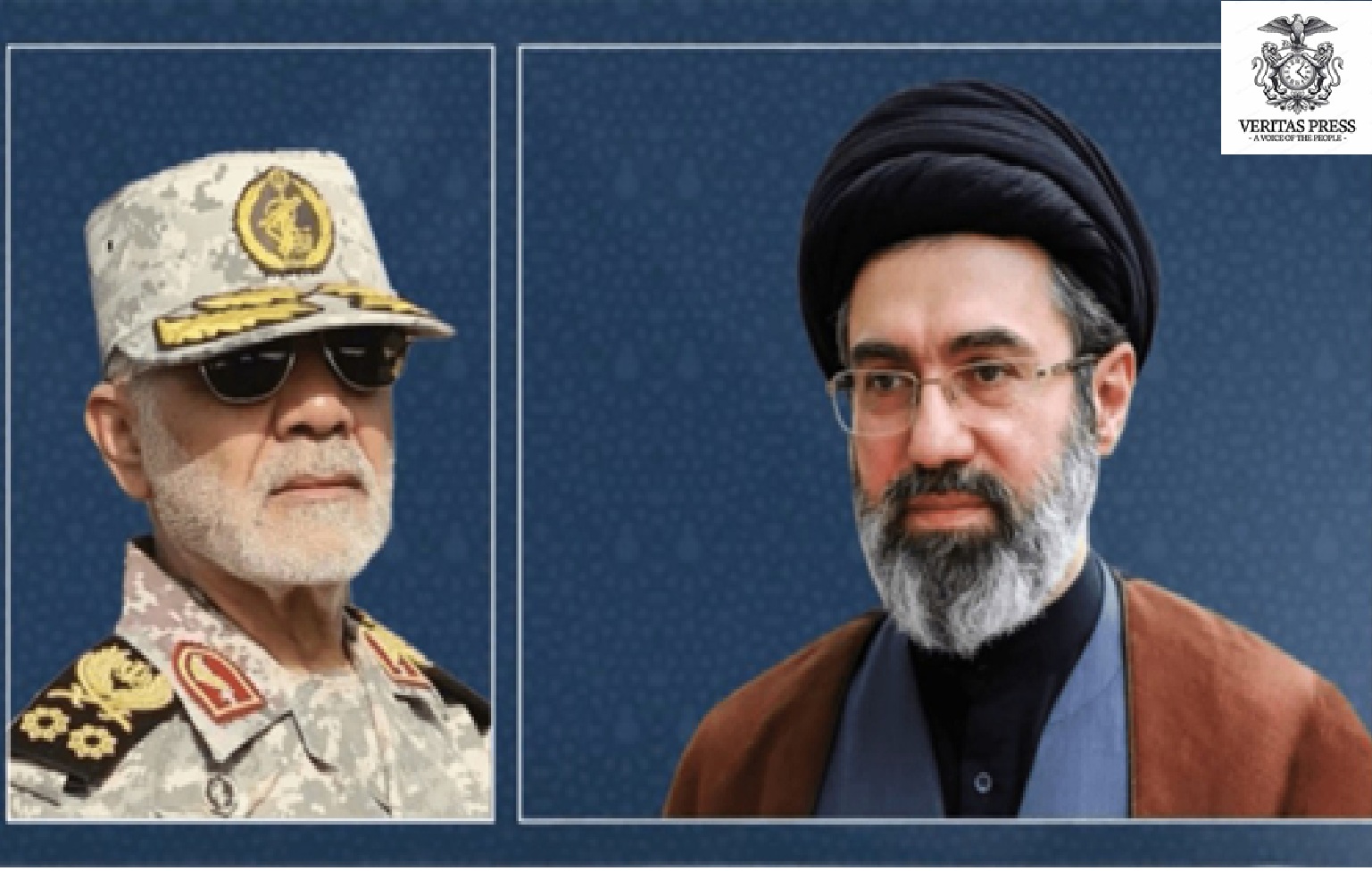
TEHRAN – The words were delivered in the marble-clad sanctum of the Beit-e Rahbari, where Iran’s newly elevated Supreme Leader, Ayatollah Seyyed Mojtaba Khamenei, now receives the commanders of a nation at war. Major General Ali Abdollahi, chief of the Khatam al-Anbiya Central Headquarters, stood before the second Supreme Leader of the Islamic Republic and laid out a pledge of absolute, uncompromising readiness. “All fighters of Islam,” he declared, “possess high readiness in terms of morale, defensive and offensive preparedness, strategic plans, and the equipment and weaponry required to confront hostile actions by the American-Zionist enemies.” Should those enemies commit any “strategic mistake, aggression, or invasion,” the response, he vowed, would be “swiftly, intensely, and powerfully.” The general then made an oath that combined Shia martyrdom culture with modern military fealty: the armed forces would, “with full obedience” to the Leader’s orders, defend “the ideals of the Islamic Revolution, our beloved land Iran, sovereignty, national interests, and the brave Iranian nation until the last breath and to the death.”
That Sunday statement, carried within minutes by every state media outlet, was both a piece of psychological warfare and a deeply internal act of legitimation. Abdollahi’s report encompassed the Army, the Islamic Revolution Guards Corps (IRGC), law enforcement and border forces, the Defence Ministry, and the Basij volunteer militia. The Leader, in turn, praised the forces and issued new directives for continued confrontation with enemies following what Tehran now officially calls “the 40-day US-Israeli war”, a conflict that began not with a bolt from the blue, but amid the embers of a pre-existing inferno.
The Tinderbox Before The Storm:
Crucially, the state narrative now explicitly links the February 28 assault to an earlier domestic conflagration. According to the General Staff statement, the unprovoked US-Israeli attack came “following violent riots in which foreign-linked armed elements brutally attacked police, security forces, and public service personnel.” This is more than retrospective regime framing; it is a newly revealed layer of the conflict’s origins, one that Western governments have been reluctant to acknowledge publicly. The riots, which erupted in late January 2026, saw coordinated attacks on state institutions in at least a dozen cities, with armed infiltrators deploying automatic weapons and improvised explosive devices against law enforcement. Iran’s intelligence ministry has since released intercepted communications that it claims show Mossad and CIA handlers directing cells to “heat the streets” as a prelude to a decapitation campaign.
“They wanted to finish what the riots started,” says Hadi, a 29-year-old Basij volunteer who was deployed in the southern city of Ahvaz during the unrest and spoke via a messaging app. “The foreign-backed thugs attacked us with grenades. Then, when the security forces had them on the run, the bombs started falling from the sky. It was a pincer movement, and we all knew it.” The bombing campaign, far from the swift “shock and awe” envisioned by its architects, instead ignited a 41-day war that saw Iran launch over 100 waves of retaliatory drone and missile operations against American and Israeli assets across the region, ultimately forcing both regimes into a unilateral ceasefire that persists, however shakily, to this day.
A President’s Two Audiences:
While the military delivered its martial vows, President Masoud Pezeshkian was navigating an equally delicate political theatre. On the same Sunday, his office disclosed details of what was described as his first direct, substantive meeting with Ayatollah Seyyed Mojtaba Khamenei since the succession. In a subsequent communiqué and a series of posts on his X account, Pezeshkian offered effusive and highly personal praise for the new Leader’s “humility, sincerity, and respectful approach,” calling on the nation to model its cohesion and trust on that ethical leadership.
This was not mere flattery. The reformist-leaning president, whose electoral mandate was long seen as a challenge to the entrenched security state, was performing a vital act of political integration. “Pezeshkian praising the Leader’s humility is a signal to the reformist base that this Supreme Leader is approachable, that there is space for dialogue within the system even at a time of maximal external threat,” says Dr. Fatemeh Sadeghi, a Tehran-based political analyst communicating via a low-bandwidth internet connection disrupted by recent infrastructure damage. “He is trying to fuse the legitimacy of his 2024 electoral victory with the clerical establishment’s authority, creating a unified front for the diplomatic battles ahead.”
That diplomatic front was also advancing on Sunday. Pezeshkian used his X thread to define the parameters of engagement: “We will never bow before the enemy. If there is any talk of dialogue or negotiation, it does not mean surrender or backing down, but rather the goal is to secure the rights of the Iranian nation and powerfully defend national interests.” His words preceded an official IRNA announcement that Iran had formally submitted its response to the latest US proposal via Pakistani intermediaries. The message was stark: for now, talks must only focus on ending the war of aggression and lifting the illegal naval blockade. All other topics, including the nuclear program and the status of the Strait of Hormuz, are to be addressed later—a sequential strategy designed to peel Washington’s maximalist demands apart.
The Strait As A Strategic Weapon And Humanitarian Lever:
The blockade and Iran’s reciprocal closure of the Strait of Hormuz remain the most combustible elements of the post-ceasefire landscape. “As long as the blockade is still in place,” Tehran has declared with unwavering resolve, “it has no intention of reopening the Strait of Hormuz.” The economic weaponisation of geography is already producing shockwaves: Brent crude has surged past $140 a barrel, global shipping insurance markets are in turmoil, and the UN World Food Programme has warned of supply chain disruptions reaching famine-stricken zones in Yemen and the Horn of Africa.
On the water, the game of cat and mouse turns deadly. On Friday, May 8, a confrontation between IRGC Navy fast-attack craft and a US-escorted tanker convoy suspected of carrying seized Iranian crude nearly escalated into open fire. Warning shots crackled across the Persian Gulf. Egyptian and Qatari foreign ministries, in a rare joint appeal the following day, urged all parties to act with “responsibility and wisdom” and to prioritise diplomacy, a plea that pointedly avoided assigning blame. Behind closed doors, Pakistani mediators are warning that the current standoff cannot hold. “We have relayed to Washington that demanding Iran’s full capitulation, strait reopening, disarmament, unconditional talks, while pummeling its economy with an extralegal blockade is not a negotiation; it’s a dictate for regime suicide,” a senior Pakistani foreign ministry official told me. “Mojtaba Khamenei’s Iran, forged in the assassination of his father, will not take that deal. The Americans need to hear that.”
The Domestic Front: Siege And Surveillance.
Within Iran, the twin pressures of war and blockade are remaking daily life. In Bandar Abbas, the port that once pulsed with the lifeblood of Iranian commerce, dockworker Ahmad Reza, 44, describes a landscape of ruin. “The cranes are still. There are no ships, no cargo, no work. People are selling furniture to buy rice,” he says by phone, voice cracking. The rial has shed nearly half its value since the ceasefire began, and the humanitarian exemptions in the blockade exist largely on paper. Across the capital, the revolutionary murals of martyrs freshly killed in the “40-day war” stare down at bazaars where the talk is not of resistance but of survival.
It is in this pressurised atmosphere that General Abdollahi’s oath to fight “until the last breath and to the death” must be read. Security officials, speaking strictly off-record, acknowledge a pervasive fear that another “strategic mistake” from the outside, or an eruption of disillusionment from within, could cascade beyond anyone’s control. The IRGC intelligence apparatus, now answerable directly to a Supreme Leader who came of age inside its cloak, has responded with a sweeping but quiet purge. “Anyone who shows less than total enthusiasm for the readiness narrative finds a summons on their door,” says a mid-ranking Oil Ministry employee who requested anonymity. “The message from the Leader’s new directives is clear: unity is not a request; it is a security protocol.”
The Reality Check Behind The Rhetoric:
Yet an investigative assessment, compiled from NATO threat analyses, leaked intelligence memoranda, and interviews with three independent defence specialists, paints a more complex picture than Abdollahi’s flawless report suggests. The 41-day war hollowed out critical components of Iran’s defensive and offensive architecture. According to a confidential NATO assessment shared with European capitals in late April, Iran’s inventory of high-precision ballistic missiles has been depleted by more than half. The Iranian air force, never a match for American fifth-generation fighters, was effectively grounded after suffering a 40% attrition rate, according to the same document. Resupply networks, primarily through Russia and China, are operational, an Ilyushin cargo plane touched down at a base near Isfahan as recently as Thursday, but they cannot keep pace with the consumption rate of a sustained high-tempo conflict.
This reality gap does not make Abdollahi’s warning empty, but it fundamentally reshapes its meaning. “Iran’s ‘crushing response’ doctrine is now a deterrent fiction resting on the assumption that the other side believes the fiction,” says Ali Afshari, a former IRGC intelligence officer who defected in 2022 and now analyses the regime from exile. “If a US administration decided to test it again, the Islamic Republic would face a choice between escalating to unconventional means or suffering a rapid, catastrophic defeat. That’s the box they are in, and they know it. The Leader’s new directives are about masking that vulnerability with absolute discipline.”
A Nation Holding Its Breath:
As dusk settled on Sunday, the official footage showed Major General Abdollahi leaning in, his words sworn, and Ayatollah Seyyed Mojtaba Khamenei nodding slowly, a new father-protector at the head of a revolution. Across town, President Pezeshkian’s X account hummed with citizens replying, some with patriotic fervour, others with desperate pleas for news of detained relatives. In the Strait of Hormuz, radar screens tracked every blip. The Iranian nation, bled by riot and bombing, blockade and war, now finds its fate suspended between a military’s oath to die and a president’s promise to talk, two acts in a single drama whose next scene is being written in whispers in Islamabad, on carrier decks, and in the bunkers of Tehran. The margin for a “strategic mistake” has never been narrower, and the cost of one, as everyone now knows, is measured not just in ships or missiles, but in the soul of a nation asked, once again, to give everything until the last breath.
Source: Multiple News Agencies
Submissions:
For The Secure Submission Of Documentation, Testimonies, Or Exclusive Investigative Reports From Any Global Location, Please Utilise The Following Contact Details For Our Investigations Desk: enquiries@veritaspress.co.uk or editor@veritaspress.co.uk
Popular Information is powered by readers who believe that truth still matters. When just a few more people step up to support this work, it means more lies exposed, more corruption uncovered, and more accountability where it’s long overdue.
Help Protect Independent Journalism, Which Is Currently Under Attack.
If you believe journalism should serve the public, not the powerful, and you’re in a position to help, becoming a DONATOR or a PAID SUBSCRIBER truly makes a difference.
DONATION APPEAL: If You Found This Reporting Valuable, Please Consider Supporting Independent Journalism.
Help Support Our Work – We Know, We Know, We Know …
Seeing these messages is annoying. We know that. (Imagine what it’s like writing them … )
Your support fuels our fearless, truth-driven journalism. In unity, we endeavour to amplify marginalised voices and champion justice, irrespective of geographical location.
But it’s also extremely important. One of Veritas Press’s greatest assets is its reader-funded model.
1. Reader funding means we can cover what we like. We’re not beholden to the political whims of a billionaire owner. We are a small, independent and impartial organisation. No one can tell us what not to say or what not to report.
2. Reader funding means we don’t have to chase clicks and traffic. We’re not desperately seeking your attention for its own sake: we pursue the stories that our editorial team deems important and believe are worthy of your time.
3. Reader Funding: enables us to keep our website and other social media channels open, allowing as many people as possible to access quality journalism from around the world, particularly those in places where the free press is under threat.
We know not everyone can afford to pay for news, but if you’ve been meaning to support us, now’s the time.
Your donation goes a long way. It helps us:
- Keep the lights on and sustain our day-to-day operations
- Hire new, talented independent reporters
- Launch real-time live debates, community-focused shows, and on-the-ground reporting
- Cover the issues that matter most to our communities, in real time, with depth and integrity
We have plans to expand our work, but we can’t do it without your support. Every contribution, no matter the size, helps us stay independent and build a truly people-powered media platform.
If you believe in journalism that informs, empowers, and reflects the communities we serve, please donate today.
Donate Today.
GENEVA — A United Nations fact-finding mission has concluded there are “reasonable grounds to believe”
Iran’s GDP is projected to contract by 5.4 to 6.1% in 2026, its worst performance
The Trump administration is preparing a $2.8 billion weapons package for Israel containing 40,000 2,000-pound
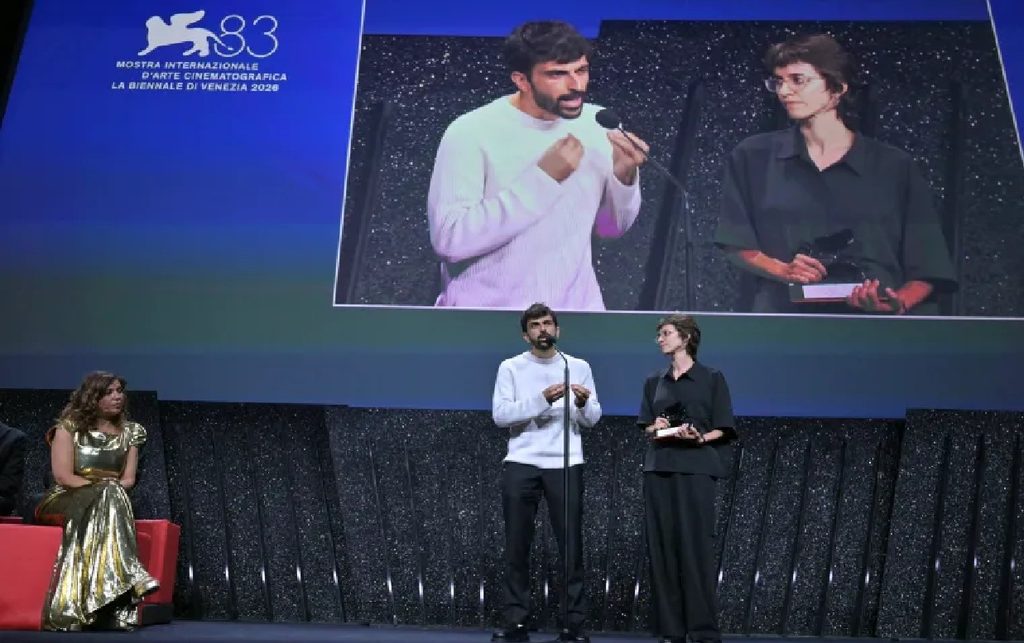
Film alleges mass civilian deaths are routinely built into military decisions amid Israel’s genocidal war
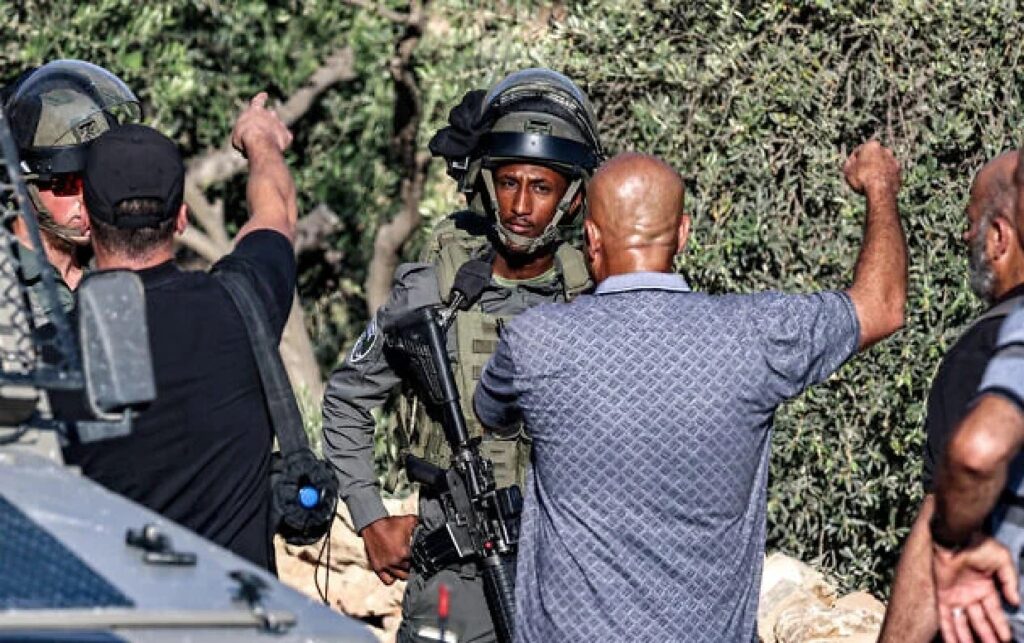
The Israeli rights group says violence, displacement, economic strangulation, and settlement expansion form part of

Houthi forces have captured the historic Red Sea port of Mocha and are advancing on
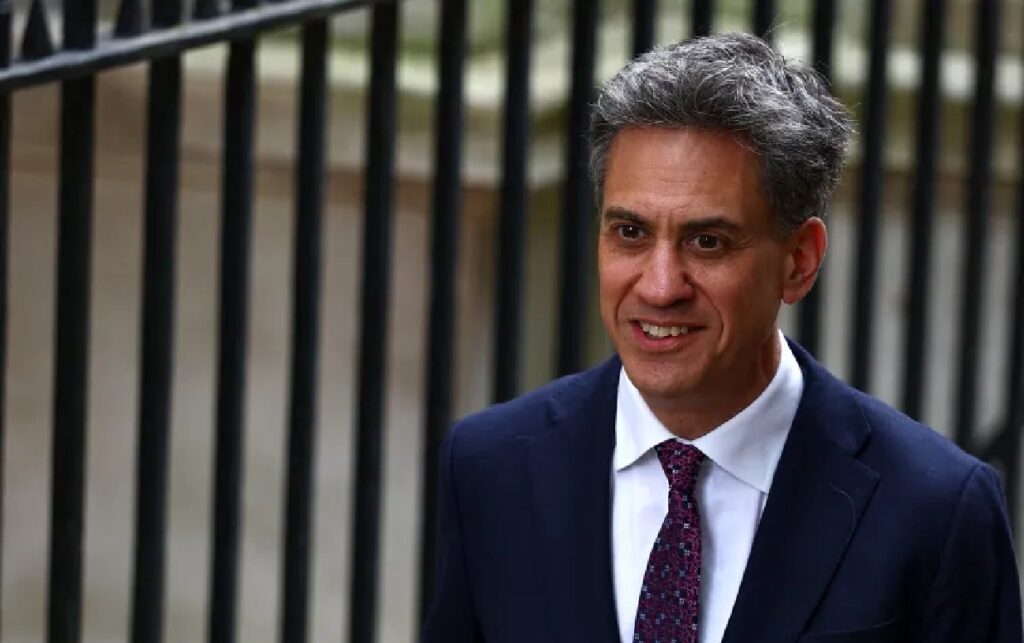
London’s historic sanctions against Israeli settlements mark a watershed moment in UK foreign policy, but
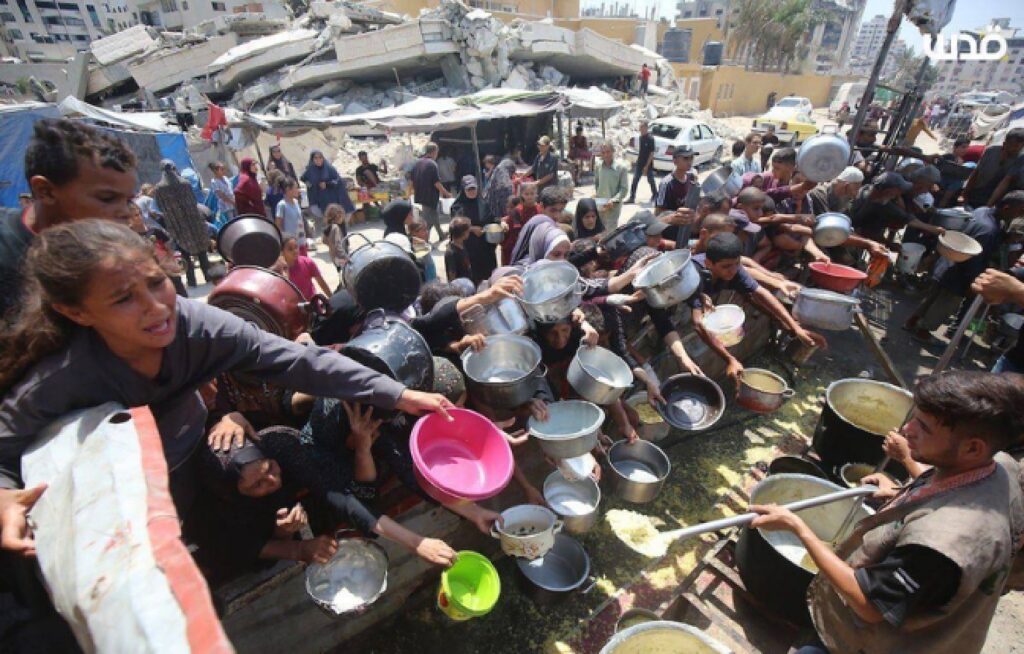
With 95% of Gaza’s population now wholly dependent on aid and more than 90% stripped
India calls for Kashmir and Ladakh to appear only on its official map after a
ISLAMABAD – In the high-stakes political theatre of Pakistan, the battleground has shifted from the