



Help support our mission, donate today and be the change. Every contribution goes directly toward driving real impact for the cause we believe in.
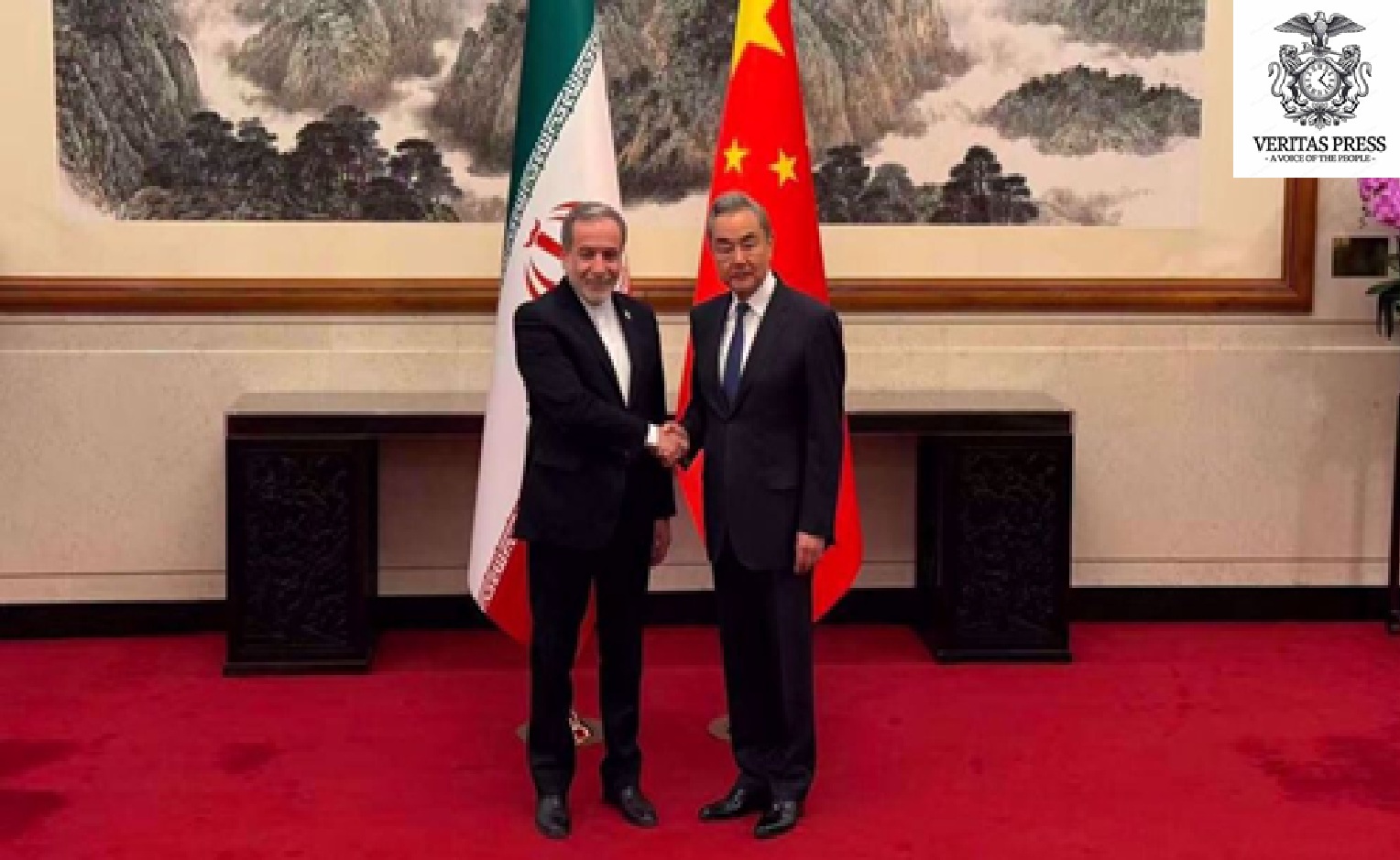
China has hosted Iran’s Foreign Minister Abbas Araghchi for talks in Beijing, with Chinese Foreign Minister Wang Yi calling the US-Israeli war on Tehran “illegitimate” and urging a complete ceasefire.
BEIJING – China has intensified its diplomatic intervention in the escalating US–Israeli war on Iran, openly condemning the campaign as “illegitimate” while hosting high-level talks with Tehran in a move that underscores a widening geopolitical rift with Washington.
At the centre of this effort is Iranian Foreign Minister Abbas Araghchi, who arrived in Beijing on Wednesday, leading a senior delegation for urgent consultations with China’s top diplomat Wang Yi.
China Hosts Iran, Condemns War As “Illegitimate”:
During the meeting, Wang delivered one of Beijing’s strongest rebukes yet of the US–Israeli military campaign, describing it as unlawful and destabilising.
“We believe that a comprehensive ceasefire is urgently needed, that a resumption of hostilities is not acceptable, and that it is particularly important to remain committed to dialogue and negotiations,” Wang said, according to official footage of the talks.
He criticised what he described as US and Israeli “military aggressions” against Iran, warning that “the region is passing through a decisive turning point” and stressing that direct negotiations between the parties are now essential.
Araghchi welcomed Beijing’s stance, thanking China for its condemnation of Washington and Tel Aviv and describing it as a “sincere friend” of Tehran. He underscored that bilateral cooperation would deepen under current pressures.
The Iranian minister was unequivocal in his own assessment, calling the war “open aggression and a gross violation of international law,” while insisting Tehran would accept nothing less than a “fair and comprehensive agreement” in any negotiations.
Strategic Timing Before The Trump–Xi Summit:
The visit, Araghchi’s first to China since the war erupted on February 28, comes just days before US President Donald Trump is scheduled to meet Chinese President Xi Jinping in Beijing.
Analysts say the timing is deliberate.
“Tehran and Beijing are aligning their interests before Trump’s summit with Xi Jinping,” said Amir Handjani of the Quincy Institute for Responsible Statecraft.
Behind the scenes, Araghchi and Wang have remained in close contact, holding at least three phone calls since the outbreak of hostilities. During an April 15 call, Araghchi praised China and Russia for vetoing a US-backed UN Security Council resolution, a move Tehran says helped prevent further escalation.
Wang, for his part, praised what he described as the “resilience” of the Iranian people and reiterated China’s readiness to support diplomacy aimed at ending the war.
Strait Of Hormuz Crisis And Global Economic Shock:
The diplomatic urgency reflects the high stakes surrounding the Strait of Hormuz, a critical global energy artery through which roughly one-fifth of the world’s oil and liquefied natural gas flows.
Iran’s effective closure of the Strait following the outbreak of war has:
- Disrupted global energy markets
- Driven up fuel and fertiliser prices
- Heightened fears of a global economic downturn
While Beijing has sharply criticised US naval deployments and sanctions, it has also signalled concern over the prolonged disruption to shipping.
Wang called for the strait to be reopened “as soon as possible,” reflecting China’s delicate balancing act between supporting Iran politically and safeguarding its own energy security.
UN Confrontation And Risk Of Escalation:
The crisis is increasingly shifting to the United Nations, where Washington has tabled a new draft resolution that could lead to sanctions, or even authorisation of force, if Iran refuses to comply.
US Secretary of State Marco Rubio described the initiative as a test of the UN’s credibility, urging China and Russia not to veto it again.
The proposal is backed by key Gulf states, including Saudi Arabia, the UAE, Bahrain, Kuwait, and Qatar, highlighting a broader regional alignment against Iran, even as those same states face direct economic and security risks from escalation.
China Defies US Sanctions In Economic Showdown:
Parallel to the military crisis, tensions between Washington and Beijing have deepened into an economic confrontation.
In a significant escalation, China last week invoked a “blocking rule” to counter US sanctions on Chinese refiners importing Iranian crude, effectively instructing companies not to comply with American restrictions.
The move marks a rare and direct challenge to US extraterritorial sanctions, signalling Beijing’s willingness to shield its economic ties with Tehran.
China had already joined Russia in vetoing a US-backed resolution at the UN Security Council last month, reinforcing its role as Iran’s most powerful international backer.
“No Peace, No War”: A Volatile Impasse.
Experts increasingly describe the situation as a dangerous stalemate.
“There’s no peace, no negotiation and no war,” said Chinese scholar Ma Xiaolin. “Both Tehran and Washington need to break through the crisis.”
Recent developments illustrate the volatility:
- US naval operations in the Gulf have led to clashes with Iranian vessels
- Regional energy infrastructure has come under attack, though Tehran denies responsibility
- Washington has paused some military escort operations, citing progress in talks
Meanwhile, Pakistan has emerged as an unlikely mediator, hosting direct Iran–US negotiations in April. Those talks collapsed over core disagreements, including US demands for Iran to halt uranium enrichment and Tehran’s insistence on maintaining control over the Strait of Hormuz.
A Broader Geopolitical Confrontation:
- For Washington, China’s backing of Iran represents strategic obstruction.
- For Beijing, US actions reflect unilateral aggression and destabilisation.
- For Tehran, the stakes are sovereignty and survival under military and economic pressure.
Analysts warn that the crisis is already affecting broader US–China diplomacy.
“Even if Trump believes the Chinese are providing diplomatic cover while keeping Iran economically afloat, he is at a disadvantage,” said Danny Russel of the Asia Society Policy Institute. “He needs Beijing to restrain Tehran, not empower it.”
As Trump prepares to meet Xi in Beijing, the Iran crisis is no longer a regional conflict; it is a central fault line in an emerging global power struggle.
Despite urgent calls for a ceasefire, the path to de-escalation remains uncertain, with diplomacy fragile, military tensions high, and the world’s most critical energy corridor still at risk.
Source: Multiple News Agencies
Submissions:
For The Secure Submission Of Documentation, Testimonies, Or Exclusive Investigative Reports From Any Global Location, Please Utilise The Following Contact Details For Our Investigations Desk: enquiries@veritaspress.co.uk or editor@veritaspress.co.uk
Help Support Our Work:
Popular Information is powered by readers who believe that truth still matters. When just a few more people step up to support this work, it means more lies exposed, more corruption uncovered, and more accountability where it’s long overdue.
Help Protect Independent Journalism, Which Is Currently Under Attack.
If you believe journalism should serve the public, not the powerful, and you’re in a position to help, becoming a DONATOR or a PAID SUBSCRIBER truly makes a difference.
DONATION APPEAL: If You Found This Reporting Valuable, Please Consider Supporting Independent Journalism.
Help Support Our Work – We Know, We Know, We Know …
Seeing these messages is annoying. We know that. (Imagine what it’s like writing them … )
Your support fuels our fearless, truth-driven journalism. In unity, we endeavour to amplify marginalised voices and champion justice, irrespective of geographical location.
But it’s also extremely important. One of Veritas Press’s greatest assets is its reader-funded model.
1. Reader funding means we can cover what we like. We’re not beholden to the political whims of a billionaire owner. We are a small, independent and impartial organisation. No one can tell us what not to say or what not to report.
2. Reader funding means we don’t have to chase clicks and traffic. We’re not desperately seeking your attention for its own sake: we pursue the stories that our editorial team deems important and believe are worthy of your time.
3. Reader Funding: enables us to keep our website and other social media channels open, allowing as many people as possible to access quality journalism from around the world, particularly those in places where the free press is under threat.
We know not everyone can afford to pay for news, but if you’ve been meaning to support us, now’s the time.
Your donation goes a long way. It helps us:
- Keep the lights on and sustain our day-to-day operations
- Hire new, talented independent reporters
- Launch real-time live debates, community-focused shows, and on-the-ground reporting
- Cover the issues that matter most to our communities, in real time, with depth and integrity
We have plans to expand our work, but we can’t do it without your support. Every contribution, no matter the size, helps us stay independent and build a truly people-powered media platform.
If you believe in journalism that informs, empowers, and reflects the communities we serve, please donate today.
GENEVA — A United Nations fact-finding mission has concluded there are “reasonable grounds to believe”
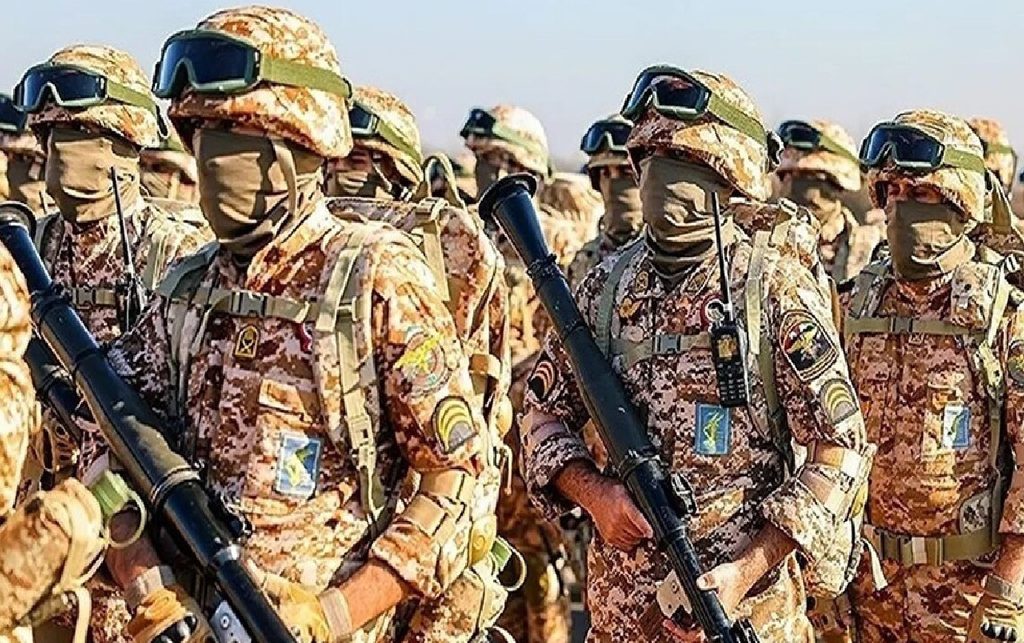
Iran’s GDP is projected to contract by 5.4 to 6.1% in 2026, its worst performance
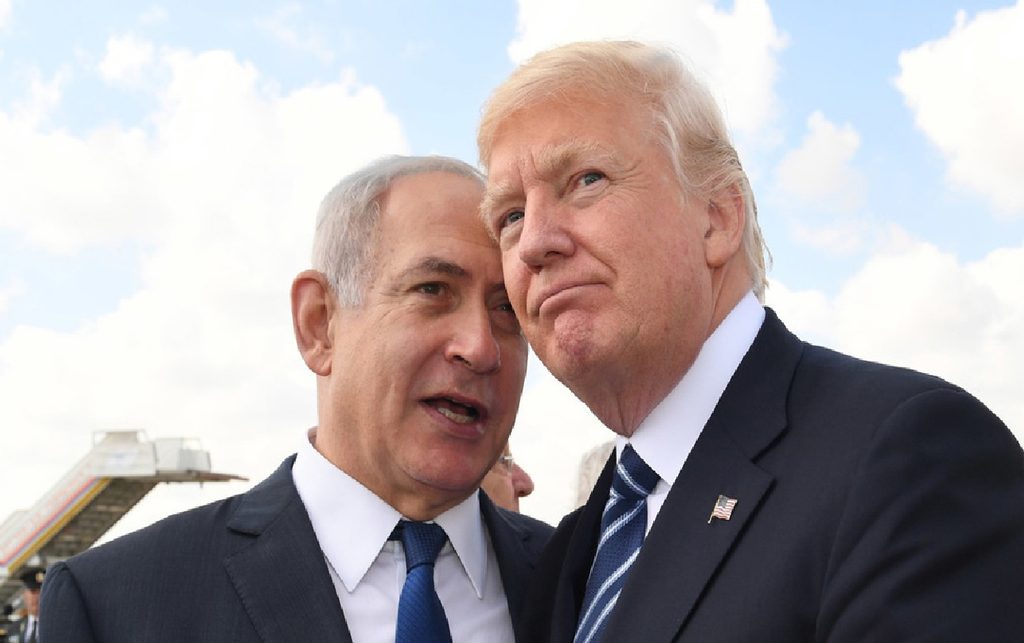
The Trump administration is preparing a $2.8 billion weapons package for Israel containing 40,000 2,000-pound

Film alleges mass civilian deaths are routinely built into military decisions amid Israel’s genocidal war
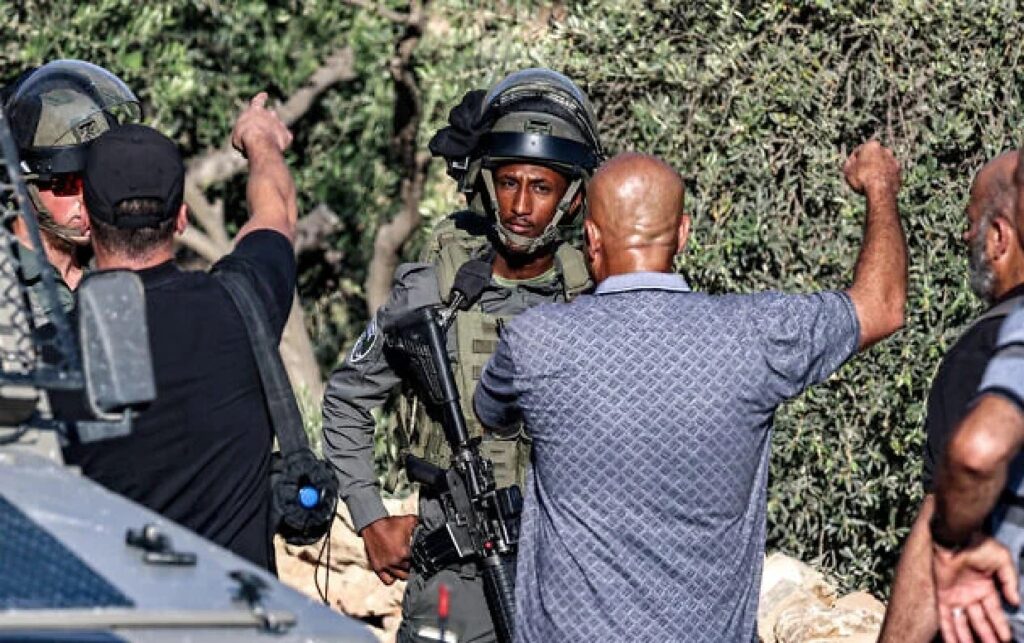
The Israeli rights group says violence, displacement, economic strangulation, and settlement expansion form part of

Houthi forces have captured the historic Red Sea port of Mocha and are advancing on
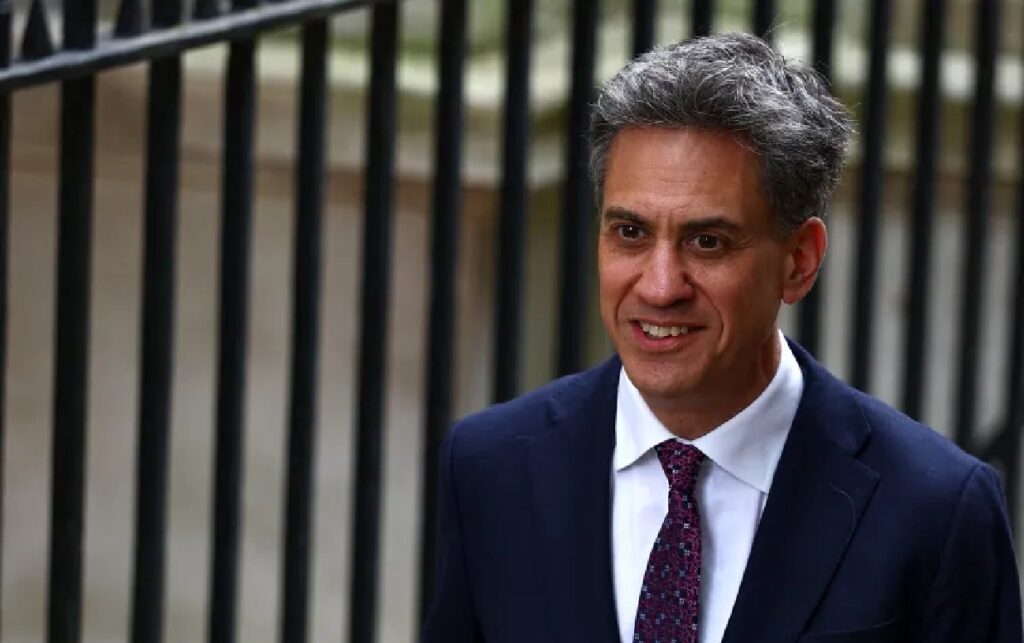
London’s historic sanctions against Israeli settlements mark a watershed moment in UK foreign policy, but
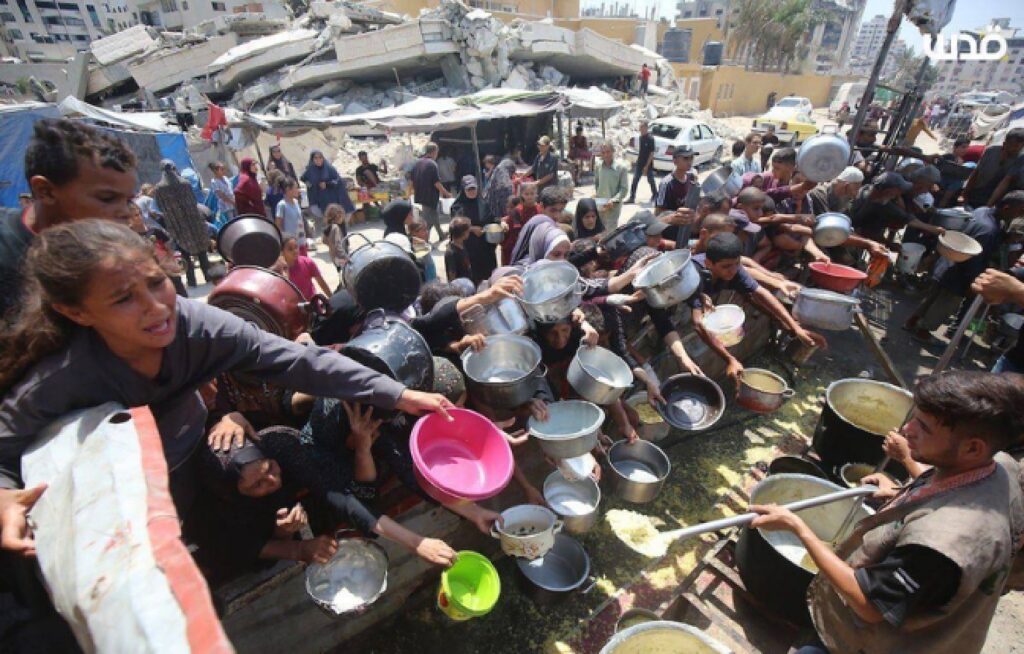
With 95% of Gaza’s population now wholly dependent on aid and more than 90% stripped
India calls for Kashmir and Ladakh to appear only on its official map after a
ISLAMABAD – In the high-stakes political theatre of Pakistan, the battleground has shifted from the