GAZA: Beyond The Truce: Israeli Massacres Continue In Gaza, 16 Palestinians Killed In 24 Hours, Israel Undermines Ceasefire As Death Toll Surpasses 72,000.
GAZA: Beyond The Truce: Israeli Massacres Continue In Gaza, 16 Palestinians Killed In 24 Hours, Israel Undermines Ceasefire As Death Toll Surpasses 72,000.
Kamran Faqir is a volunteer investigative journalist and writer committed to exposing hidden truths and amplifying underreported stories. Driven by social justice, he brings sharp insight and fearless truth-telling to independent journalism. NUJ registered.
Original Article Date Published:
Article Date Modified:
9 minutes
Views:348
Listen to this article
Help support our mission, donate today and be the change. Every contribution goes directly toward driving real impact for the cause we believe in.
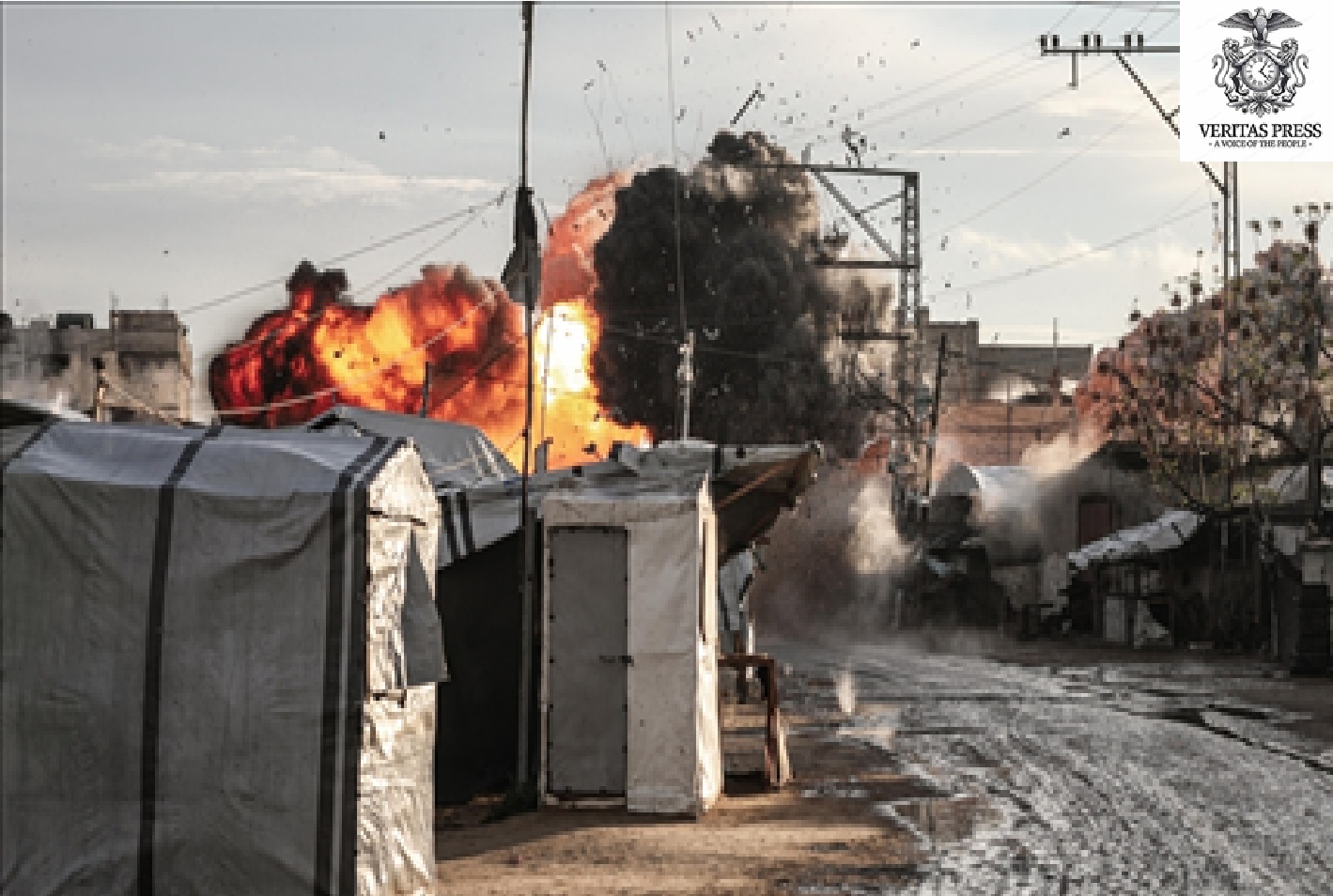
GAZA STRIP – The fragile ceasefire in the Gaza Strip, already buckling under the weight of continued hostilities, has been further shattered by a series of Israeli attacks that killed at least 16 Palestinians within a 24-hour period. The profound instability of the truce is starkly underscored by these recent violations, which tragically encompassed the deliberate killing of a senior police commander and his entire unit, thereby igniting critical concerns regarding the efficacy of its enforcement mechanisms, particularly as the cumulative death toll since October 2023 has now climbed to an astonishing figure exceeding 72,390, with an additional 177,000 people sustaining injuries or permanent disabilities.
The “Massacre” In Zawaida: A Strike On Civilian Policing.
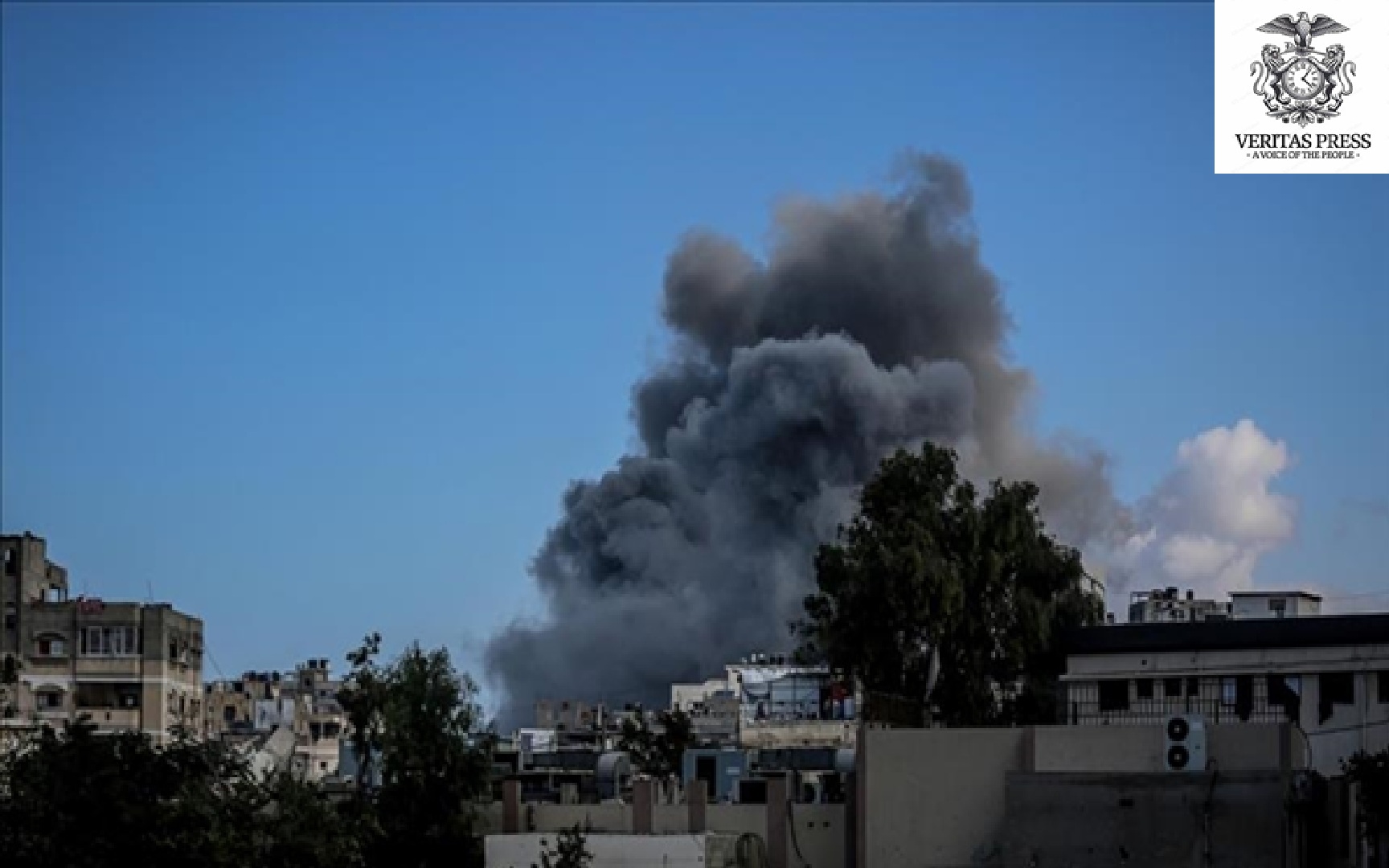
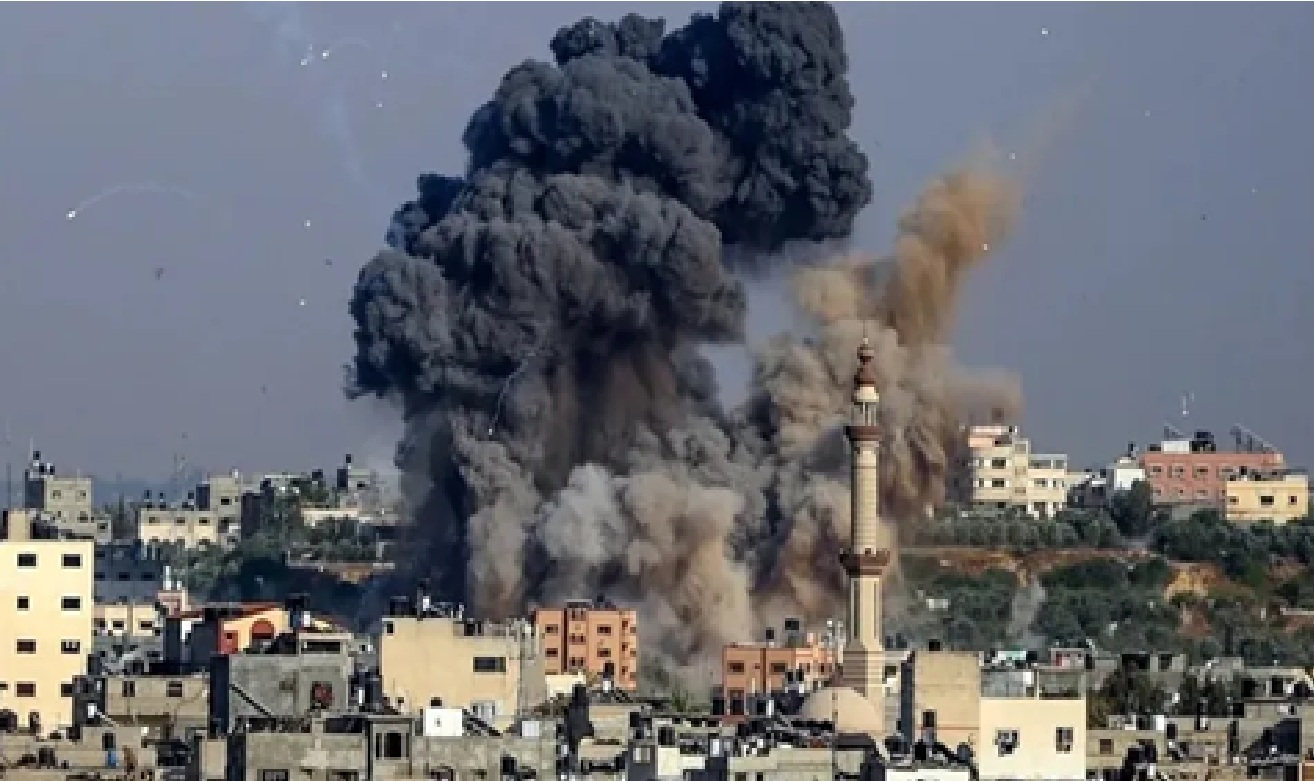
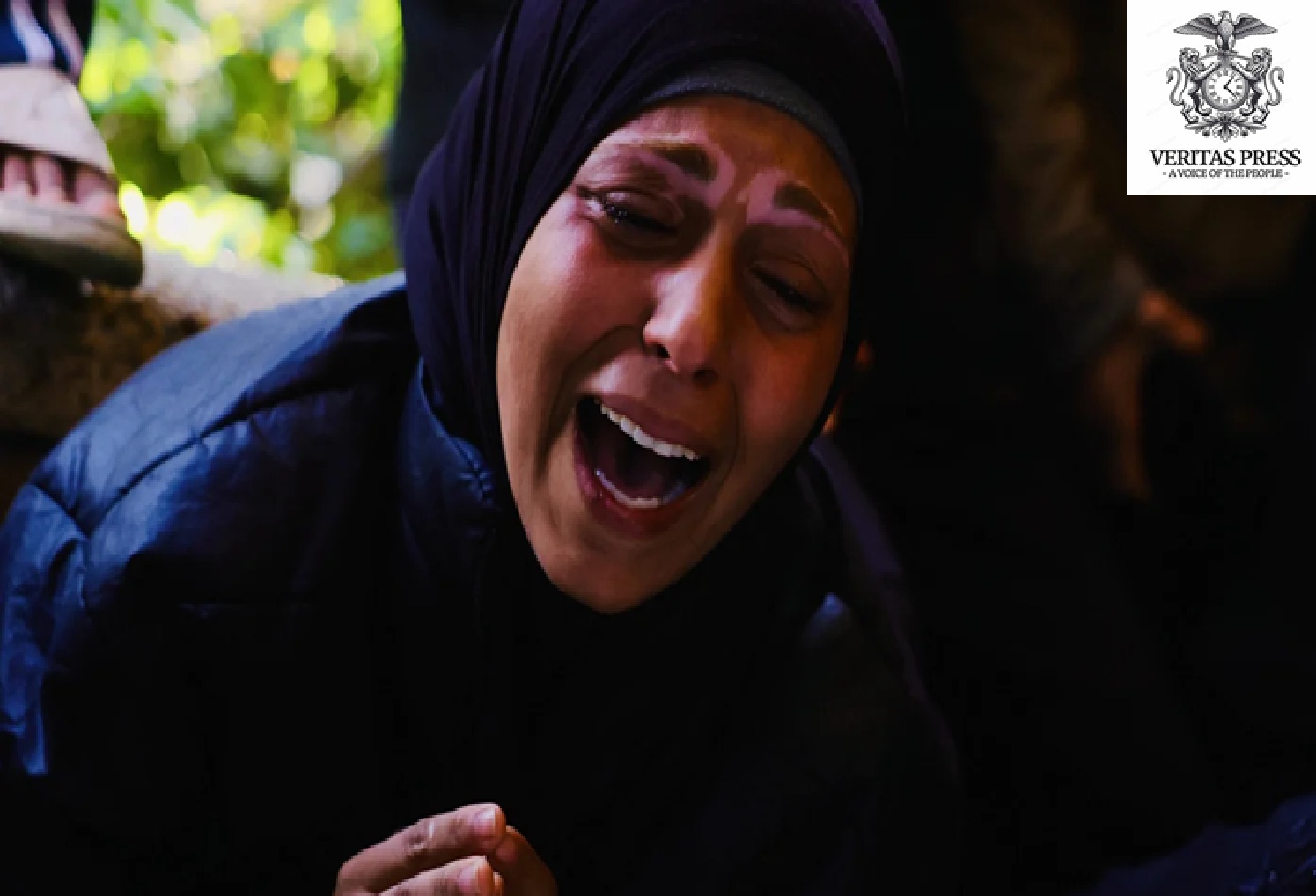
The most significant incident occurred on March 15, 2026, when an Israeli airstrike targeted a police vehicle on Salah al-Din Street near the entrance to Al-Zawaida in the central Gaza Strip. The Ministry of Interior in Gaza confirmed the death of Colonel Iyad Abu Yousef, the Director of the Intervention Police in the Central Governorate, along with eight other police officers. At least 14 bystanders were also injured in the attack.
Gaza’s interior ministry described the slain men as public servants carrying out routine duties during the Muslim holy month of Ramadan, including monitoring local markets and maintaining order. The timing of the attack was particularly charged, occurring as a Hamas delegation was in Cairo for crucial talks with Egyptian officials and envoys from U.S. President Donald Trump’s newly formed “Board of Peace”.
In a statement, Hamas spokesman Hazem Qassem condemned the bombing as “a blatant violation of the ceasefire agreement,” referring to the attack on Nuseirat that killed four civilians, including a pregnant woman. The characterisation of police officers, who are civilian law enforcement personnel, as legitimate military targets is a deeply contentious issue. International humanitarian law generally protects civilian police, and their targeting can be interpreted as a deliberate strategy to dismantle internal order and governance structures within Gaza, ensuring chaos persists.
A Pattern Of Violations: Diplomacy Amidst The Rubble.
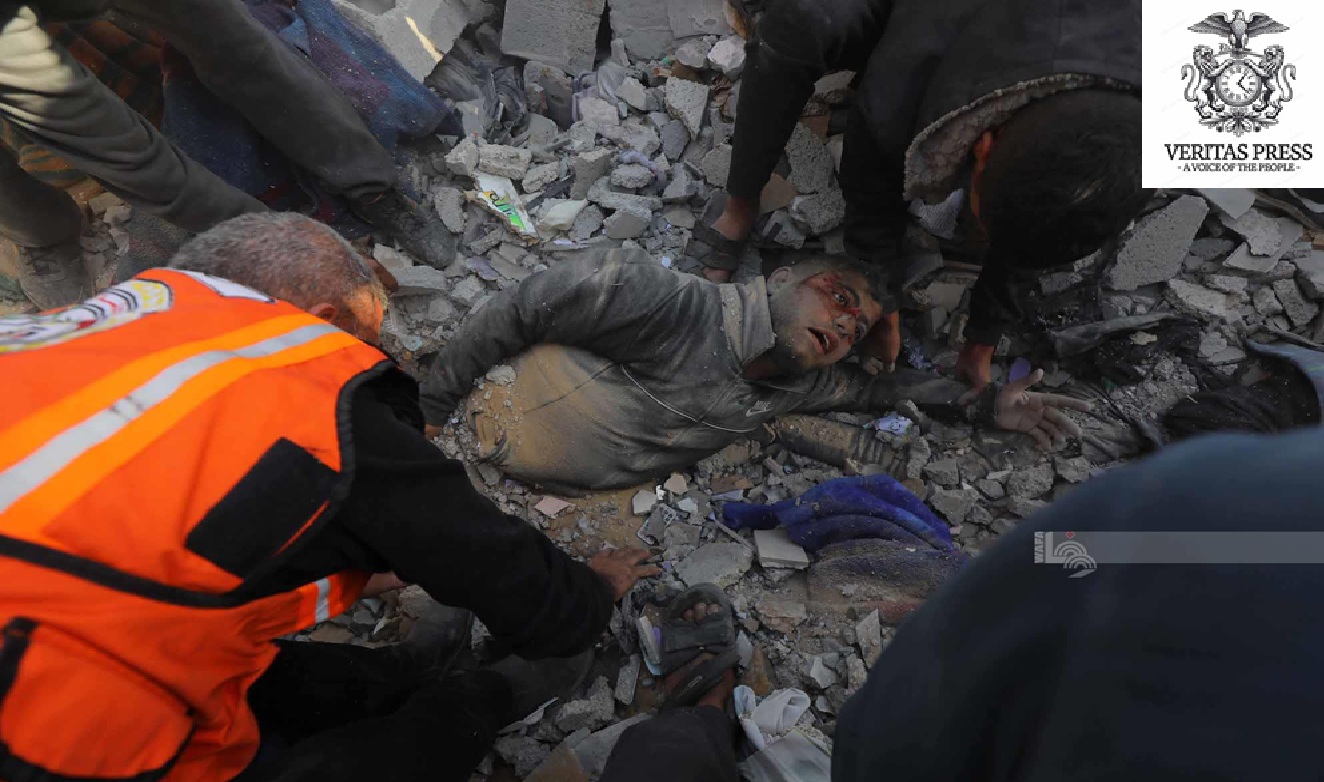
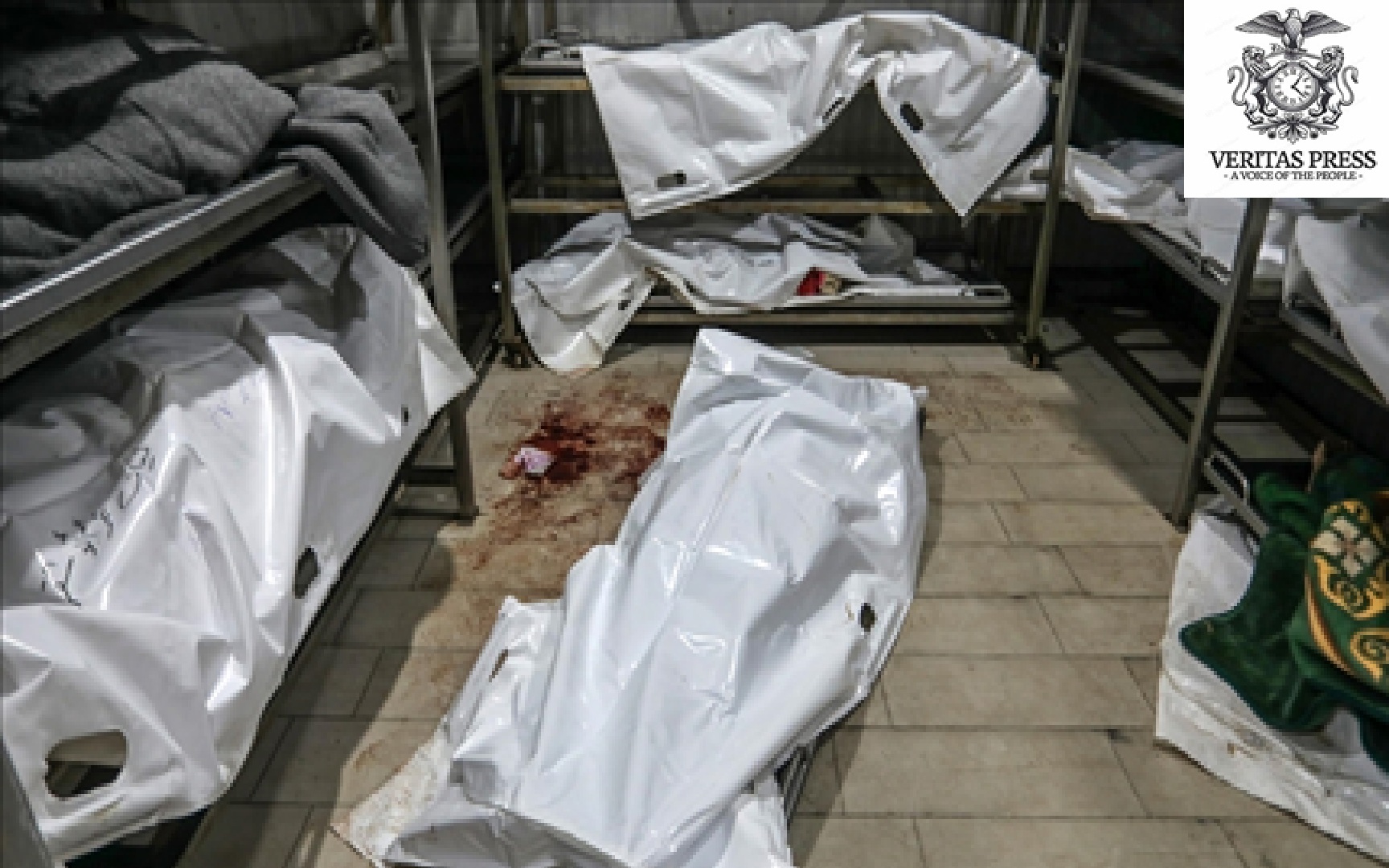
These killings are not isolated incidents but part of a grim pattern. According to medical sources cited in the original report, since the ceasefire came into effect on October 11, Israeli attacks have killed 673 Palestinians and injured 1,770 others. The Civil Defence agency also reports having recovered 756 bodies from rubble, highlighting the scale of destruction that rescue crews are still grappling with.
This relentless violence comes even as diplomatic efforts are underway. A Hamas delegation in Cairo, headed by official Nizar Rayyan, met with Bulgarian diplomat Nikolay Mladenov, the newly appointed high representative for Gaza under Trump’s Board of Peace. The delegation “demanded an immediate halt to all violations and called on (Israel) to implement the second phase of the ceasefire agreement and open the Gaza crossings”. The simultaneous occurrence of high-stakes diplomacy and deadly airstrikes illustrates a profound contradiction: one side negotiates the terms of peace and reconstruction while the other continues to engage in military actions that undermine the very foundation of those talks.
Humanitarian Catastrophe Deepens: “Dignity” Denied In The Wasteland.
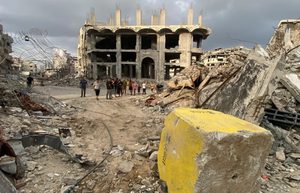
Beyond the immediate toll of the dead, the living are enduring an unprecedented humanitarian catastrophe. The International community’s warnings about famine and disease are no longer predictions; they are realities. The United Nations’ aid chief, Tom Fletcher, who recently toured the Sheikh Radwan area in northern Gaza, described the scene as a “wasteland.” He stressed that the task ahead for aid agencies is a “massive, massive job,” noting that returning residents are trying to dig latrines in the ruins, telling him, “most of all they want dignity”.
Local testimonies paint a harrowing picture of daily survival. Mohammed Salah, founder of the non-governmental organisation Tech from Palestine and speaking from Deir el-Balah, told reporters that the cost of basic supplies had “doubled or even more than doubled” since regional hostilities escalated.
Meanwhile, the healthcare system has collapsed. The World Health Organization’s regional office reports that only around 200 aid trucks are entering the territory each day, far below the estimated 600 required to meet basic needs. Gaza’s Health Ministry says almost half of essential medicines are now unavailable. The result is a slow-motion genocide of care. Médecins Sans Frontières (MSF) emergency coordinator Jacob Granger recounted the case of a Gaza City woman with a shrapnel wound who was unable to get to a medical facility for five days. When she finally saw an MSF nurse, “the wound was infected with worms and maggots”.
The Uncounted Dead: Bodies Trapped Under The Rubble.
Despite the incredibly high number of 72,239 recorded deaths, this official figure is widely believed to represent an underestimate of the true impact. Authorities emphasise that a large number of victims remain trapped under the rubble or in areas inaccessible due to ongoing Israeli operations or the sheer scale of destruction. Ambulance and civil defence crews, hampered by a lack of heavy equipment and fuel, are unable to reach them. This gruesome reality extends to the hostages taken on October 7, 2023. A Hamas source told AFP that the process of returning the remains of deceased hostages is complex, “as some of these corpses were buried in tunnels destroyed by the occupation, while others remain under the rubble of buildings it bombed and demolished”. This creates a macabre equivalence: the dead, whether Palestinian or Israeli, are buried together in the ruins of Gaza, their recovery contingent on a political will that remains absent.
The Wider War: Regional Spillover And The Rafah Crossing.
The conflict’s tentacles have reached far beyond Gaza’s borders. Since the United States and Israel began bombing Iran on February 28, 2026, the region has been on a knife-edge. The UAE’s Defence Ministry reported that its air defence systems intercepted 298 ballistic missiles, 1,606 drones, and 15 cruise missiles launched during what it described as “Iranian attacks”.
As part of the security measures tied to this wider war, Israel closed all crossings into Gaza, including the vital Rafah pedestrian crossing with Egypt. This closure trapped thousands of patients, including around 4,000 cancer patients and 4,500 children, unable to leave for urgent medical treatment. Following the Cairo talks between Hamas and Trump’s envoys, Israel’s Coordinator of Government Activities in the Territories (COGAT) announced on March 15 that it would reopen the Rafah Crossing on March 18 for “limited movement of people only”. While a small reprieve, it does not address the blockade on goods, which continues to strangle the Gazan economy and aid efforts. Israel’s justification for its continued strikes, citing “threats or fire by Hamas”, is met with scepticism by Palestinian officials who believe Israel is “exploiting the war on Iran to slip away from its obligations under Trump’s plan”.
Conclusion: A Ceasefire In Name Only.
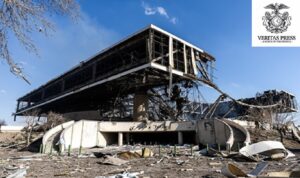
The events of the past 24 hours confirm that the ceasefire agreement is, for all intents and purposes, a fiction. With over 72,000 Palestinians dead, critical infrastructure obliterated, and a population on the brink of famine, the “truce” has become a cover for a slow-motion continuation of the war by other means. The targeted killing of police officers suggests an intent to dismantle any semblance of civil order, ensuring that even if the bombs stop, Gaza will remain ungovernable and uninhabitable. As diplomatic envoys continue to shuttle between capitals, discussing disarmament and reconstruction, the people of Gaza are left to dig through the rubble, not for building materials, but for the bodies of their children. The international community’s ability to enforce its own ceasefire appears as shattered as the streets of Jabalia and Rafah.
Source: Multiple News Agencies
Submissions:
For The Secure Submission Of Documentation, Testimonies, Or Exclusive Investigative Reports From Any Global Location, Please Utilise The Following Contact Details For Our Investigations Desk: enquiries@veritaspress.co.uk or editor@veritaspress.co.uk
Help Support Our Work:
Popular Information is powered by readers who believe that truth still matters. When just a few more people step up to support this work, it means more lies exposed, more corruption uncovered, and more accountability where it’s long overdue.
Help Protect Independent Journalism, Which Is Currently Under Attack.
If you believe journalism should serve the public, not the powerful, and you’re in a position to help, becoming a DONATOR or a PAID SUBSCRIBER truly makes a difference.
DONATION APPEAL: If You Found This Reporting Valuable, Please Consider Supporting Independent Journalism.
Help Support Our Work – We Know, We Know, We Know …
Seeing these messages is annoying. We know that. (Imagine what it’s like writing them … )
Your support fuels our fearless, truth-driven journalism. In unity, we endeavour to amplify marginalised voices and champion justice, irrespective of geographical location.
But it’s also extremely important. One of Veritas Press’s greatest assets is its reader-funded model.
1. Reader funding means we can cover what we like. We’re not beholden to the political whims of a billionaire owner. We are a small, independent and impartial organisation. No one can tell us what not to say or what not to report.
2. Reader funding means we don’t have to chase clicks and traffic. We’re not desperately seeking your attention for its own sake: we pursue the stories that our editorial team deems important and believe are worthy of your time.
3. Reader Funding: enables us to keep our website and other social media channels open, allowing as many people as possible to access quality journalism from around the world, particularly those in places where the free press is under threat.
We know not everyone can afford to pay for news, but if you’ve been meaning to support us, now’s the time.
Your donation goes a long way. It helps us:
Keep the lights on and sustain our day-to-day operations
Hire new, talented independent reporters
Launch real-time live debates, community-focused shows, and on-the-ground reporting
Cover the issues that matter most to our communities, in real time, with depth and integrity
We have plans to expand our work, but we can’t do it without your support. Every contribution, no matter the size, helps us stay independent and build a truly people-powered media platform.
If you believe in journalism that informs, empowers, and reflects the communities we serve, please donate today.
Kamran Faqir is a volunteer investigative journalist and writer committed to exposing hidden truths and amplifying underreported stories. Driven by social justice, he brings sharp insight and fearless truth-telling to independent journalism. NUJ registered.
SEATTLE, TEHRAN — The U.S. Department of Homeland Security (DHS) will allow Iran’s national football team to enter the country 48 hours before their critical World Cup match against Egypt on Friday, a modest concession in a tournament where Team Melli’s travel conditions have sparked claims of oppression and competitive disadvantage.