Kamran Faqir is a volunteer investigative journalist and writer committed to exposing hidden truths and amplifying underreported stories. Driven by social justice, he brings sharp insight and fearless truth-telling to independent journalism. NUJ registered.
Original Article Date Published:
Article Date Modified:
13 minutes
Views:461
Listen to this article
Help support our mission, donate today and be the change. Every contribution goes directly toward driving real impact for the cause we believe in.
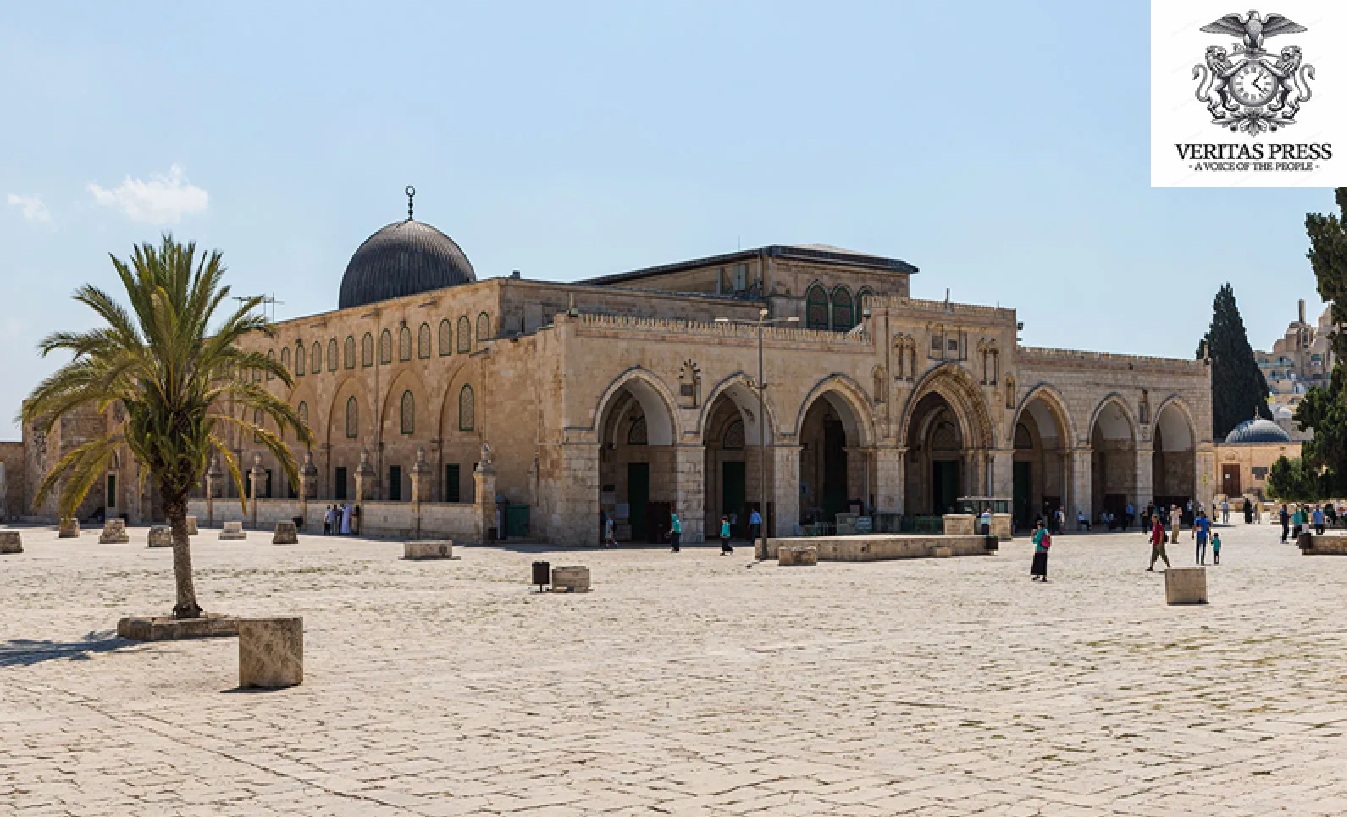
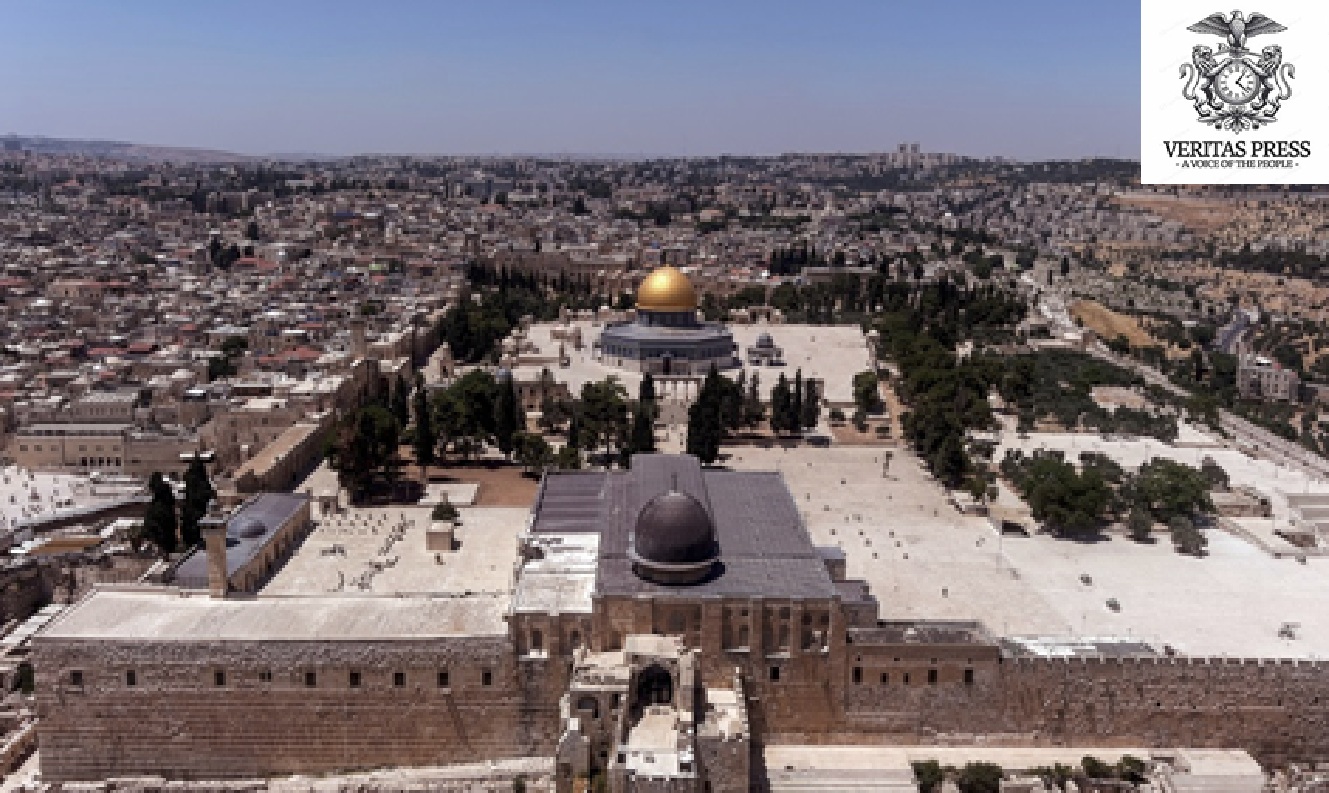
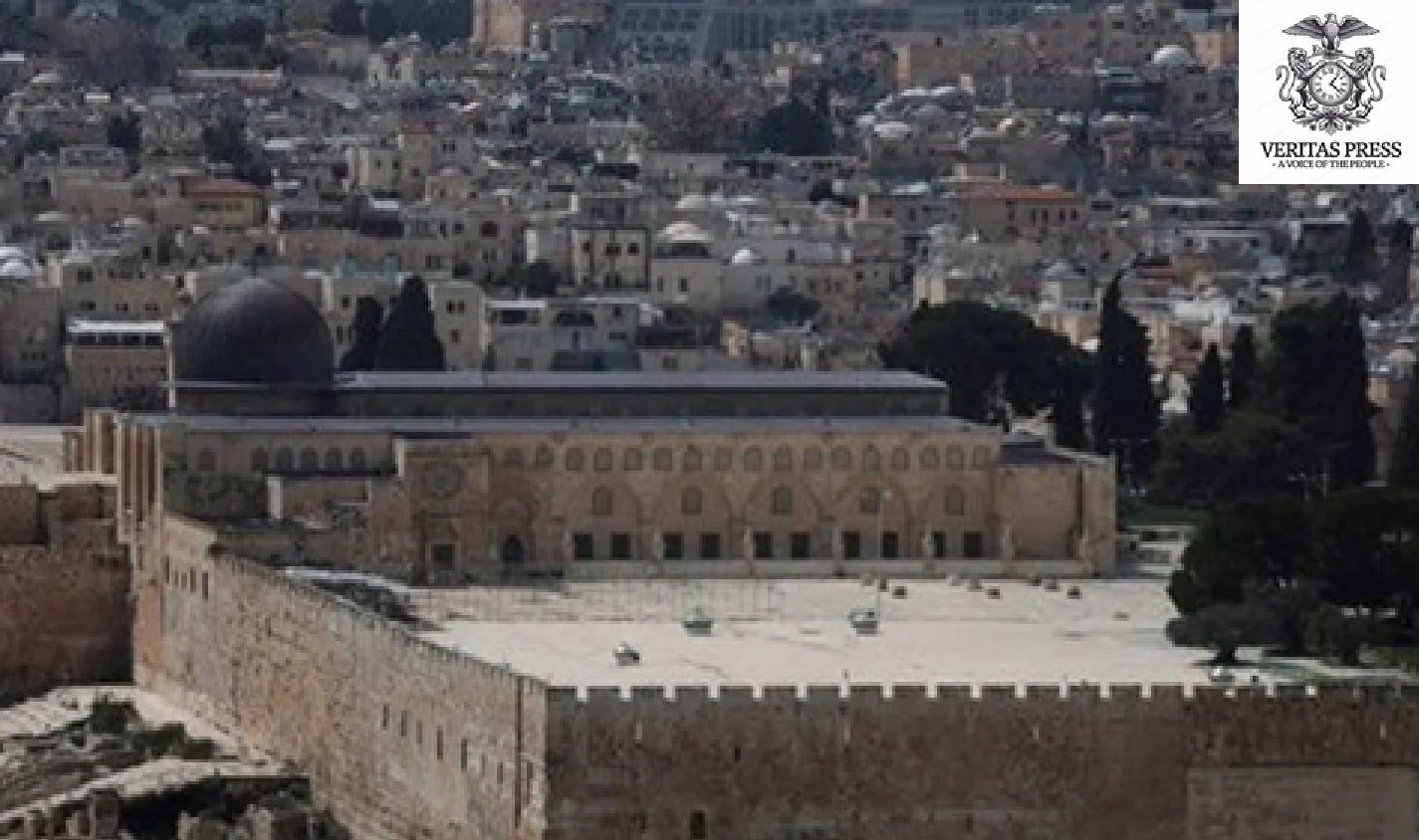
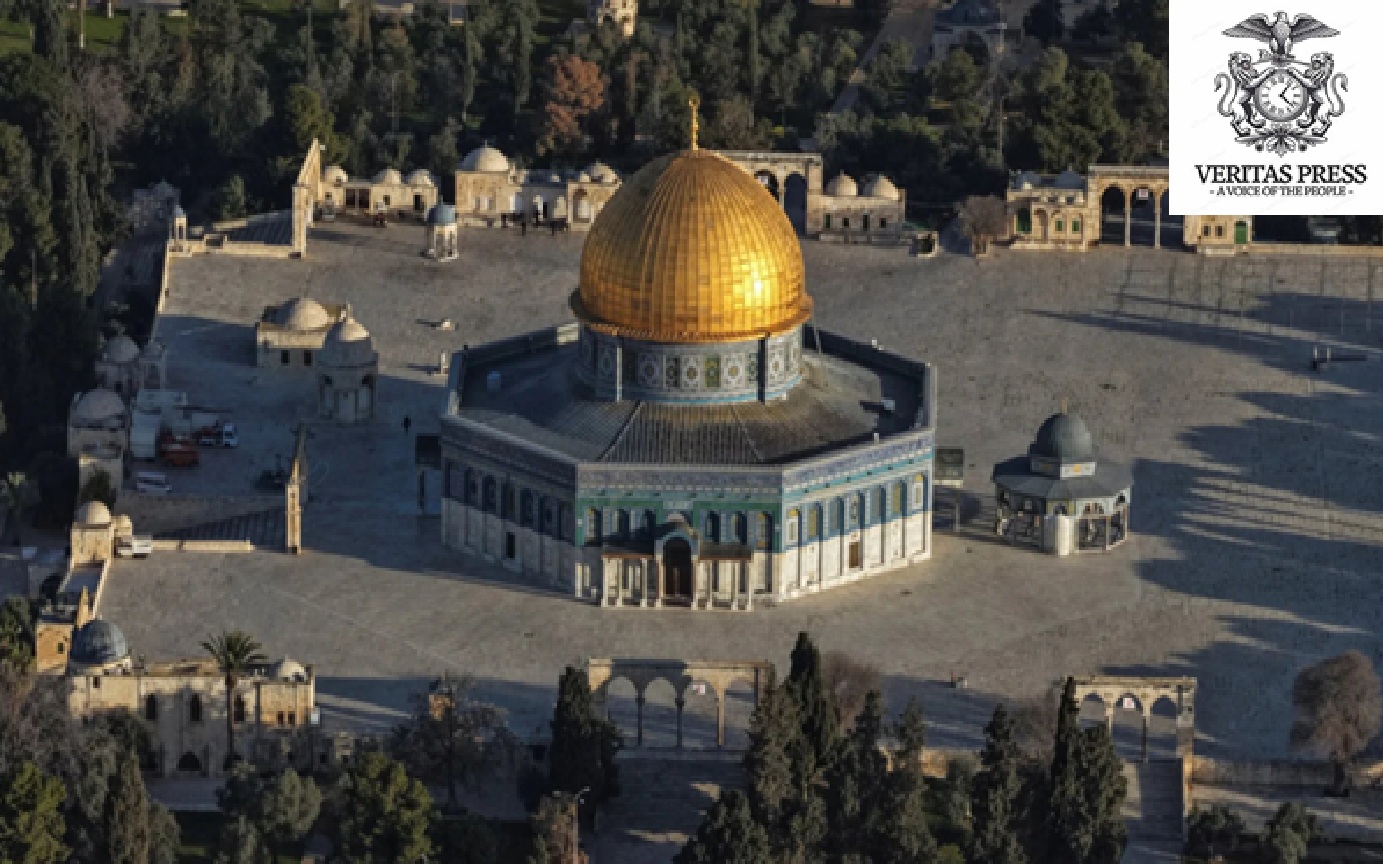
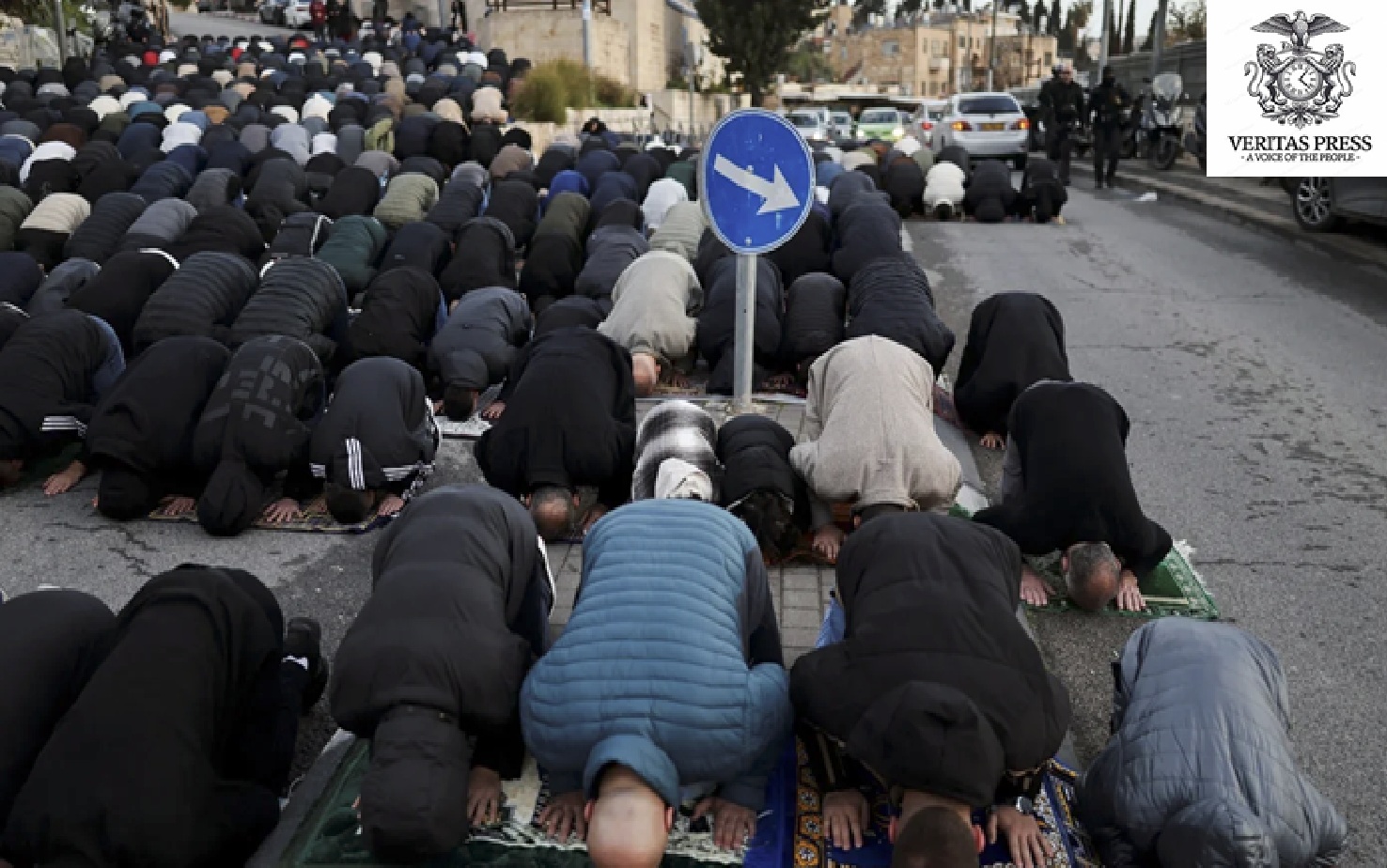
RAMALLAH / JERUSALEM / AMMAN — For the twelfth consecutive day, the gates of the Al-Aqsa Mosque compound have remained locked, casting an unusual stillness over one of Islam’s holiest sanctuaries. During the final days of Ramadan, normally marked by packed courtyards, nightly taraweeh prayers, and the spiritual retreat known as itikaf, the sprawling esplanade in occupied East Jerusalem now sits largely empty, watched by heavily deployed Israeli police.
For Palestinians, the closure is more than a temporary disruption to worship. It has become a symbol of a deepening struggle over sovereignty, religion, and power in Jerusalem.
Officials from the Palestinian Authority say the lockdown constitutes a “serious violation of the historical and legal status” of the site. The compound, revered by Muslims worldwide, is the third holiest place in Islam and a central symbol of Palestinian identity.
Yet Israeli authorities insist the restrictions are driven by security concerns tied to regional escalation involving Iran. The competing narratives of security versus political control now sit at the heart of a confrontation that could reshape the fragile status quo governing the holy site.
A Legal And Political Flashpoint:
The significance of the closure cannot be separated from the broader legal status of Jerusalem.
East Jerusalem was captured by Israel during the Six-Day War in 1967 and later annexed, a move not recognised by most of the international community. The United Nations and the International Court of Justice have repeatedly affirmed that East Jerusalem remains occupied territory under international law.
In 1980, the UN Security Council adopted United Nations Security Council Resolution 478, rejecting Israel’s declaration of Jerusalem as its unified capital and calling on states not to recognise the annexation.
Under the framework of international humanitarian law governing occupation, Israel is obligated to preserve religious access and protect the cultural character of holy sites.
Palestinian leaders argue that sealing the gates of Al-Aqsa during Ramadan, the most sacred period for Muslim worship, directly violates those obligations.
The Fragile “Status Quo”:
The closure also challenges a delicate arrangement that has governed the compound for nearly six decades.
Following the 1967 war, Israel allowed the Jerusalem Islamic Waqf, an Islamic trust overseen by Jordan, to administer the sanctuary. Under this arrangement, known as the “status quo,” Muslims are permitted to pray freely inside the compound while Jews and other visitors may enter but are not officially allowed to perform religious rituals there.
This location is recognized by Muslims as the Al-Aqsa Mosque and by Jews as the Temple Mount, hypothetically considered the site of the ancient Jewish temples.
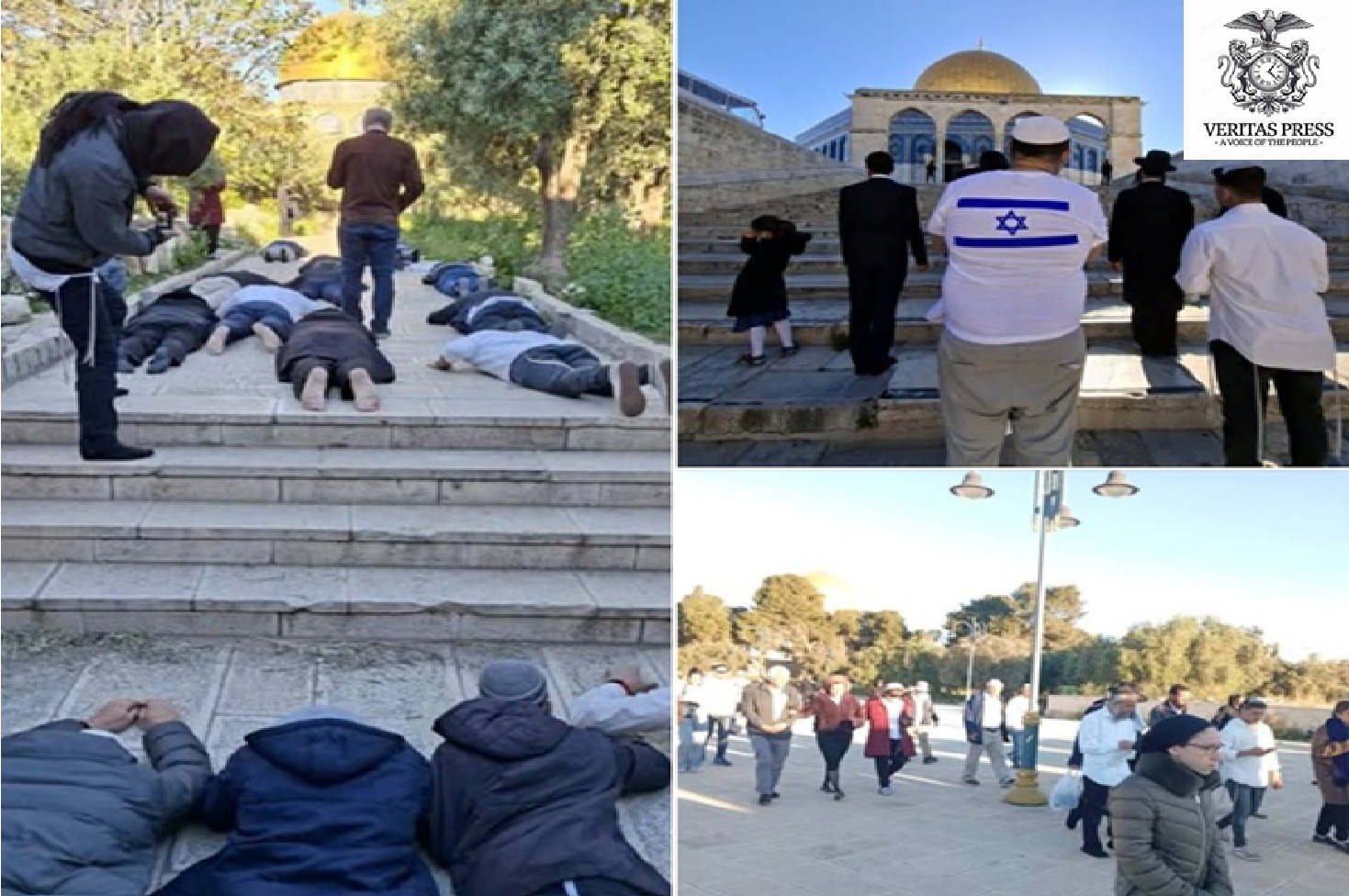
This delicate balance has repeatedly come under strain in recent years as Israeli authorities expanded access for Jewish visitors and far-right activists pushed for greater prayer rights.
Jordan’s Foreign Ministry condemned the latest closure as a direct violation of that arrangement.
Its spokesperson, Fouad Al-Majali, said preventing worshippers from entering the sanctuary represents “a blatant violation of international law and the historic and legal status of the holy sites.”
Jordan’s King, King Abdullah II, has repeatedly warned that changes to the compound risk of igniting regional unrest.
Israel’s Security Justification:
Israeli officials insist the decision is driven solely by security considerations.
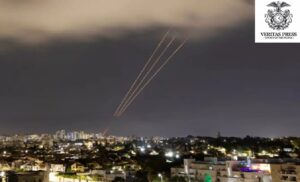
Following escalating military confrontation with Iran and fears of retaliatory attacks, Israeli authorities declared emergency restrictions on large public gatherings.
Brigadier General Hisham Ibrahim of Israel’s Civil Administration said the restrictions apply to all major religious sites in Jerusalem.
“The decision was taken in light of Iran launching retaliatory strikes at Israel and the entire region,” he said, noting that public gatherings of more than 50 people were temporarily banned.
Authorities say the restrictions affect not only Al-Aqsa but also the Church of the Holy Sepulchre and the Western Wall.
Israeli officials argue that such measures are necessary to prevent mass-casualty attacks or panic during potential missile alerts.
Critics See A Political Agenda:
Palestinian leaders and religious authorities reject the security justification, arguing that the policy fits a broader pattern of restrictions on Muslim access to the compound.
Sheikh Ikrima Sabri, a senior imam at Al-Aqsa and former Grand Mufti of Jerusalem, described the closure as politically motivated.
“The occupation authorities are exploiting any occasion to close Al-Aqsa,” Sabri said. “This is completely unjustified.”
The Jerusalem Governorate warned that the closure should not be viewed as a temporary security measure but rather as part of a broader ideological strategy aimed at reshaping control over the site.
Jerusalem affairs researcher Ziad Abhais described the situation as unprecedented.
While Israel has occasionally restricted access during periods of unrest, he noted that banning nightly Ramadan prayers by official police order represents a new escalation.
“The occupation prevented itikaf during the last ten days of Ramadan in 1967 and 1968,” Abhais explained. “But the current ban on taraweeh prayers themselves is unprecedented.”
He described the closure as “an act of war waged with soft power,” arguing that limiting worship gradually erodes Palestinian presence in the city.
The Shadow Of Passover:
The timing of the closure has intensified Palestinian fears due to the approaching Jewish holiday of Passover.
Several Jewish activist groups advocating the rebuilding of a temple at the site have launched campaigns calling for a ritual Passover animal sacrifice to be performed on the compound.
Such an act would mark a dramatic break from the longstanding status quo and could ignite widespread unrest.
Palestinian media outlets have warned that the absence of Muslim worshippers could create an opportunity for activists to attempt the ritual.
Israeli watchdog group Palestinian Media Watch has rejected those claims as incitement.
Its founder, Itamar Marcus, said allegations that Israel intends to allow such rituals are “an outrageous libel” that could provoke violence.
In reality, Israel’s courts have historically blocked attempts to perform the Passover sacrifice at the site due to the risk of triggering regional conflict.
Nevertheless, Palestinian fears have been heightened by the role of far-right figures in Israel’s current government.
National Security Minister Itamar Ben-Gvir has repeatedly challenged the status quo governing the compound. He has publicly advocated Jewish prayer rights there and previously suggested that a synagogue could eventually be built at the site.
Ben-Gvir’s visits to the compound since entering government have drawn sharp criticism from Palestinians and neighbouring Arab states.
Lessons From The 2017 Crisis:
Tensions surrounding the compound have erupted before.
In 2017, Israel installed metal detectors at the entrances to the sanctuary after a deadly shooting near the site. The move sparked mass Palestinian protests across Jerusalem and a diplomatic confrontation with Jordan.
After weeks of unrest, Israel ultimately removed the detectors.
The episode demonstrated how quickly disputes over the compound can escalate into wider political crises.
For many Palestinians, the current closure risks triggering a similar confrontation, particularly if restrictions continue into the final nights of Ramadan.
Regional Alarm And International Silence:
The closure has drawn condemnation across the region.
Egypt criticised the restrictions and warned that preventing worship threatens the fragile religious balance in Jerusalem.
Jordan has also urged the international community to intervene.
Amman called on the United Nations and major global powers to pressure Israel to reopen the site and respect the existing status quo.
So far, however, international responses have been limited to statements of concern.
For Palestinian leaders, the absence of stronger diplomatic pressure risks normalising restrictions that could permanently reshape the management of Jerusalem’s holiest sites.
A Ramadan Without Worship:
As Ramadan enters its final and most sacred phase, uncertainty hangs over Jerusalem.
If the closure continues, this year’s Laylat al-Qadr, the holiest night in Islam, may pass without the tens of thousands of worshippers who normally fill the courtyards of Al-Aqsa.
Israeli authorities maintain the restrictions are temporary and necessary in a time of regional war.
Palestinian leaders argue the closure reveals a deeper struggle over the future of Jerusalem itself.
For many residents of East Jerusalem, the locked gates represent more than a security measure.
They are a warning that the battle for the city’s most sacred space is entering a new and uncertain phase.
As one Palestinian activist in Jerusalem said quietly, requesting anonymity for fear of arrest:
“If they change Al-Aqsa, there will be no red lines left. This is the red line.”
Conclusion: A Test Of Power, Law, And The Future Of Jerusalem.
As Ramadan enters its final nights, the locked gates of the Al-Aqsa Mosque have come to symbolise far more than a temporary security measure. For Palestinians and much of the Muslim world, the closure represents a test of whether the long-standing religious and legal order governing Jerusalem’s holiest sites is being quietly dismantled under the cover of a regional crisis.
Israeli authorities insist the restrictions are necessary amid escalating confrontation with Iran and broader security threats. Yet critics argue that the unprecedented ban on Ramadan worship reveals a deeper pattern: the repeated use of security emergencies and Jewish holiday seasons to impose tighter control over the compound while restricting Muslim access.
Palestinian officials, religious leaders, and regional analysts say such policies are part of a gradual process aimed at normalising Israeli authority over the site and weakening the historic custodianship of the Jerusalem Islamic Waqf. By sealing the compound during the holiest period of the Muslim calendar, they argue, Israel is effectively asserting unilateral control over a sanctuary whose administration has historically been governed by delicate political and religious arrangements.
Critics further argue that Israeli authorities have increasingly used periods of heightened security alerts and Jewish religious holidays as justification for restricting Muslim access to the compound. According to Palestinian officials and Jerusalem-based researchers, these recurring measures function not only as temporary security policies but as part of a longer-term strategy aimed at tightening Israeli control over the sanctuary and limiting Muslim worship. Within Palestinian discourse and among some regional analysts, there is a growing belief that such steps are intended to gradually transform the status quo and ultimately pave the way for the permanent Israeli occupation of the site, an outcome feared to be linked to the ambitions of extremist Jewish movements that advocate demolishing the Islamic structures of the compound and constructing what they describe as a “Third Temple.”
The implications stretch far beyond the courtyards of the mosque. Under international law, East Jerusalem remains occupied territory, and Israel is bound by obligations under the laws of occupation to preserve religious access and respect existing administrative arrangements. Preventing worship during the final nights of Ramadan, leading to Laylat al-Qadr, raises fundamental questions about whether those obligations are being systematically eroded.
At the same time, the political climate inside Israel has shifted sharply to the right. Influential figures within the governing coalition, including National Security Minister Itamar Ben-Gvir, have openly challenged the traditional status quo and advocated expanded Jewish religious presence at the compound. For many Palestinians, these developments reinforce long-standing fears that incremental restrictions on Muslim worship could eventually pave the way for more dramatic changes to the site itself.
History suggests the stakes are extraordinarily high. Previous confrontations over the compound, from the outbreak of the Second Intifada in 2000 to the security crisis of 2017, have ignited unrest across the region and reshaped Israeli-Palestinian relations.
Today’s closure is unfolding in an even more volatile environment: a regional war atmosphere, a polarised Israeli political landscape, and a Palestinian population already facing escalating violence and displacement across the occupied territories.
Yet perhaps the most striking element of the crisis is the muted international response. Despite repeated warnings from Jordan, the official custodian of the site, and appeals to the United Nations, there has been little concrete diplomatic intervention to restore access or enforce the longstanding arrangements governing the sanctuary.
For many Palestinians, that silence carries its own message.
If the gates of Al-Aqsa remain closed through the holiest nights of Ramadan, or reopen under conditions that permanently weaken Muslim access, the precedent could reshape the political and religious landscape of Jerusalem for years to come.
Because in the struggle over Al-Aqsa, the question is no longer only who controls the gates today.
It is who will control the future of Jerusalem’s most contested sacred space tomorrow.
Source: Multiple News Agencies
Submissions:
For The Secure Submission Of Documentation, Testimonies, Or Exclusive Investigative Reports From Any Global Location, Please Utilise The Following Contact Details For Our Investigations Desk: enquiries@veritaspress.co.uk or editor@veritaspress.co.uk
Help Support Our Work:
Popular Information is powered by readers who believe that truth still matters. When just a few more people step up to support this work, it means more lies exposed, more corruption uncovered, and more accountability where it’s long overdue.
Help Protect Independent Journalism, Which Is Currently Under Attack.
If you believe journalism should serve the public, not the powerful, and you’re in a position to help, becoming a DONATOR or a PAID SUBSCRIBER truly makes a difference.
DONATION APPEAL: If You Found This Reporting Valuable, Please Consider Supporting Independent Journalism.
Help Support Our Work – We Know, We Know, We Know …
Seeing these messages is annoying. We know that. (Imagine what it’s like writing them … )
Your support fuels our fearless, truth-driven journalism. In unity, we endeavour to amplify marginalised voices and champion justice, irrespective of geographical location.
But it’s also extremely important. One of Veritas Press’s greatest assets is its reader-funded model.
1. Reader funding means we can cover what we like. We’re not beholden to the political whims of a billionaire owner. We are a small, independent and impartial organisation. No one can tell us what not to say or what not to report.
2. Reader funding means we don’t have to chase clicks and traffic. We’re not desperately seeking your attention for its own sake: we pursue the stories that our editorial team deems important and believe are worthy of your time.
3. Reader Funding: enables us to keep our website and other social media channels open, allowing as many people as possible to access quality journalism from around the world, particularly those in places where the free press is under threat.
We know not everyone can afford to pay for news, but if you’ve been meaning to support us, now’s the time.
Your donation goes a long way. It helps us:
Keep the lights on and sustain our day-to-day operations
Hire new, talented independent reporters
Launch real-time live debates, community-focused shows, and on-the-ground reporting
Cover the issues that matter most to our communities, in real time, with depth and integrity
We have plans to expand our work, but we can’t do it without your support. Every contribution, no matter the size, helps us stay independent and build a truly people-powered media platform.
If you believe in journalism that informs, empowers, and reflects the communities we serve, please donate today.
Kamran Faqir is a volunteer investigative journalist and writer committed to exposing hidden truths and amplifying underreported stories. Driven by social justice, he brings sharp insight and fearless truth-telling to independent journalism. NUJ registered.
SEATTLE, TEHRAN — The U.S. Department of Homeland Security (DHS) will allow Iran’s national football team to enter the country 48 hours before their critical World Cup match against Egypt on Friday, a modest concession in a tournament where Team Melli’s travel conditions have sparked claims of oppression and competitive disadvantage.