Kamran Faqir is a volunteer investigative journalist and writer committed to exposing hidden truths and amplifying underreported stories. Driven by social justice, he brings sharp insight and fearless truth-telling to independent journalism. NUJ registered.
Original Article Date Published:
Article Date Modified:
10 minutes
Views:398
Listen to this article
Help support our mission, donate today and be the change. Every contribution goes directly toward driving real impact for the cause we believe in.
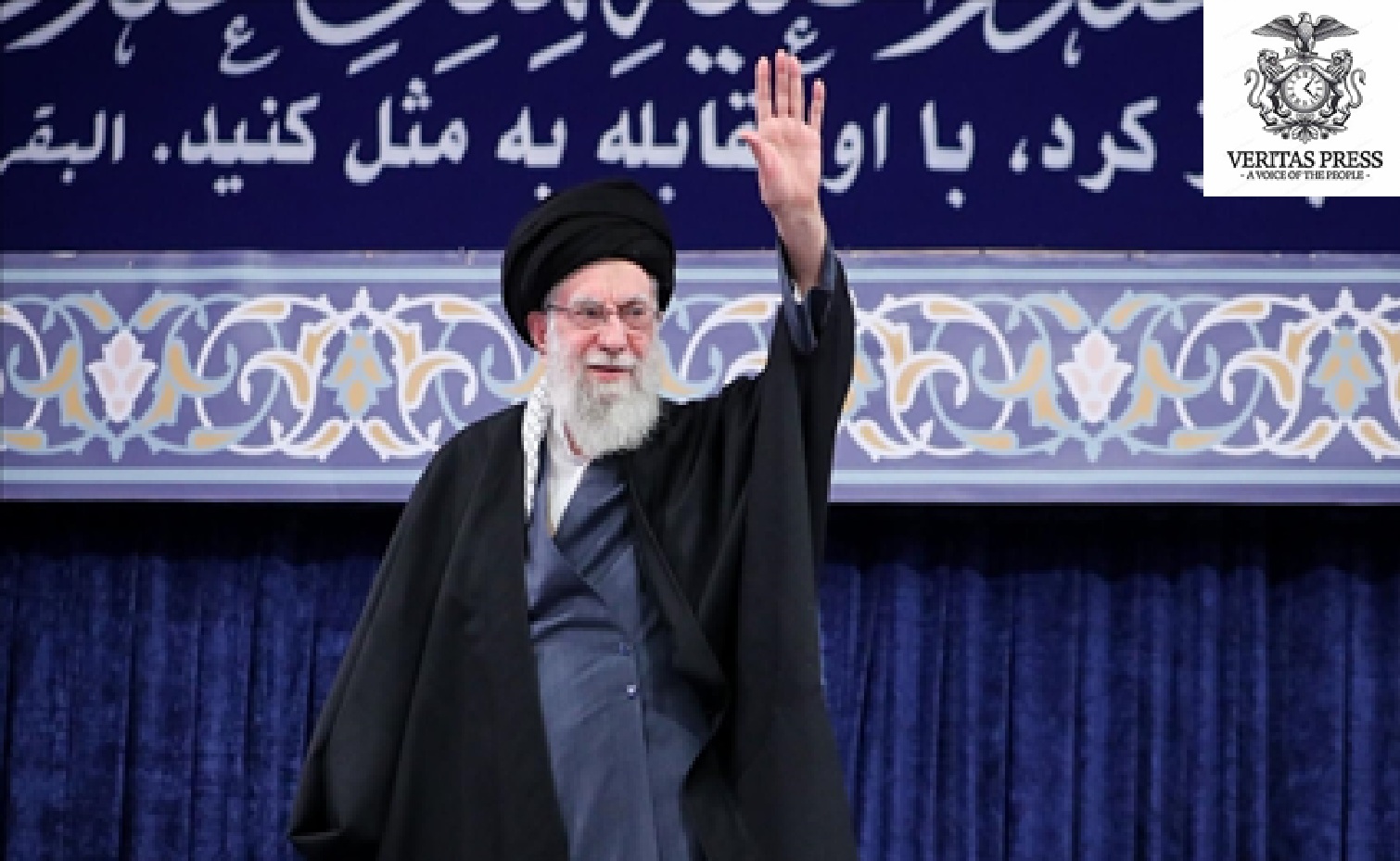
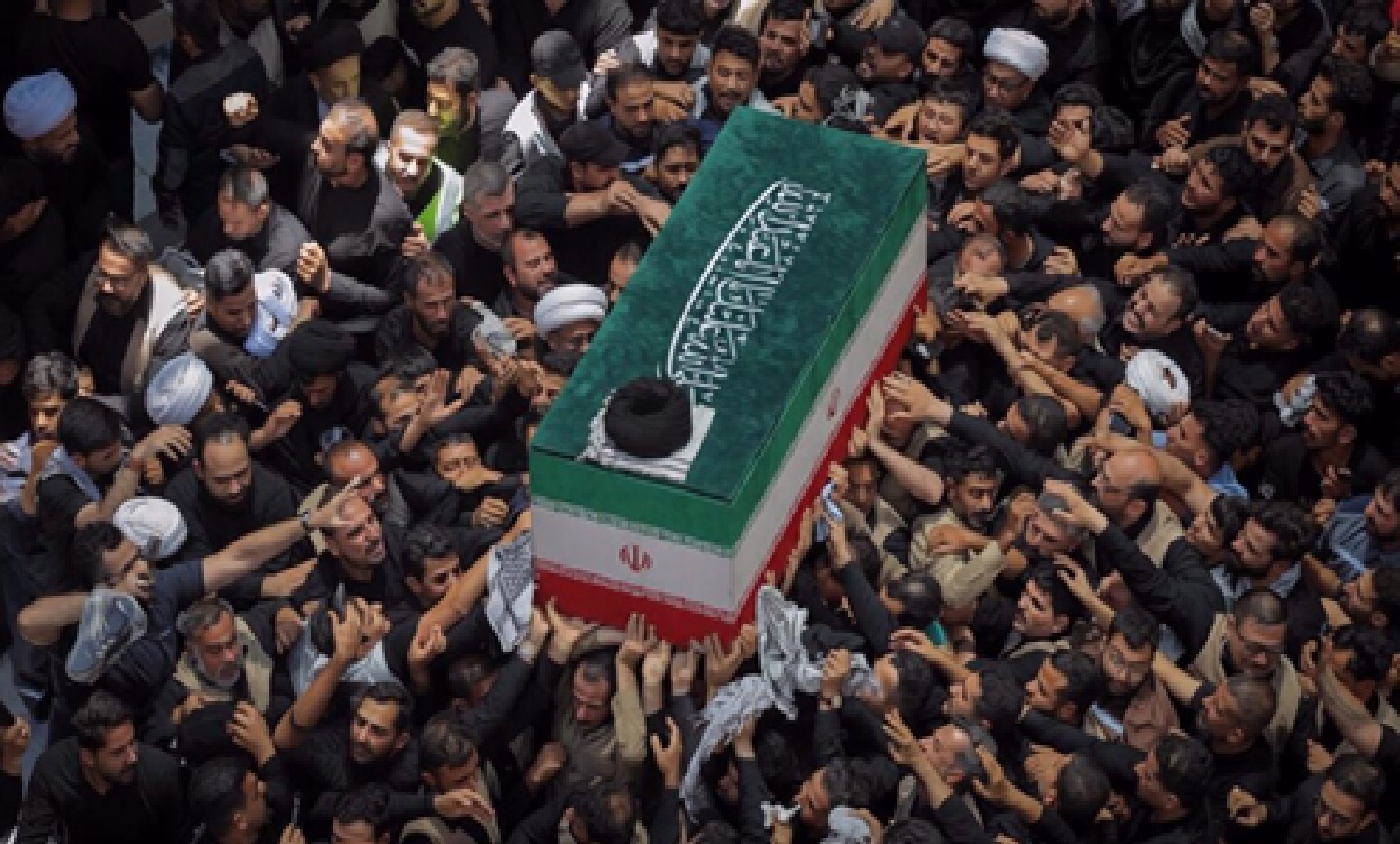
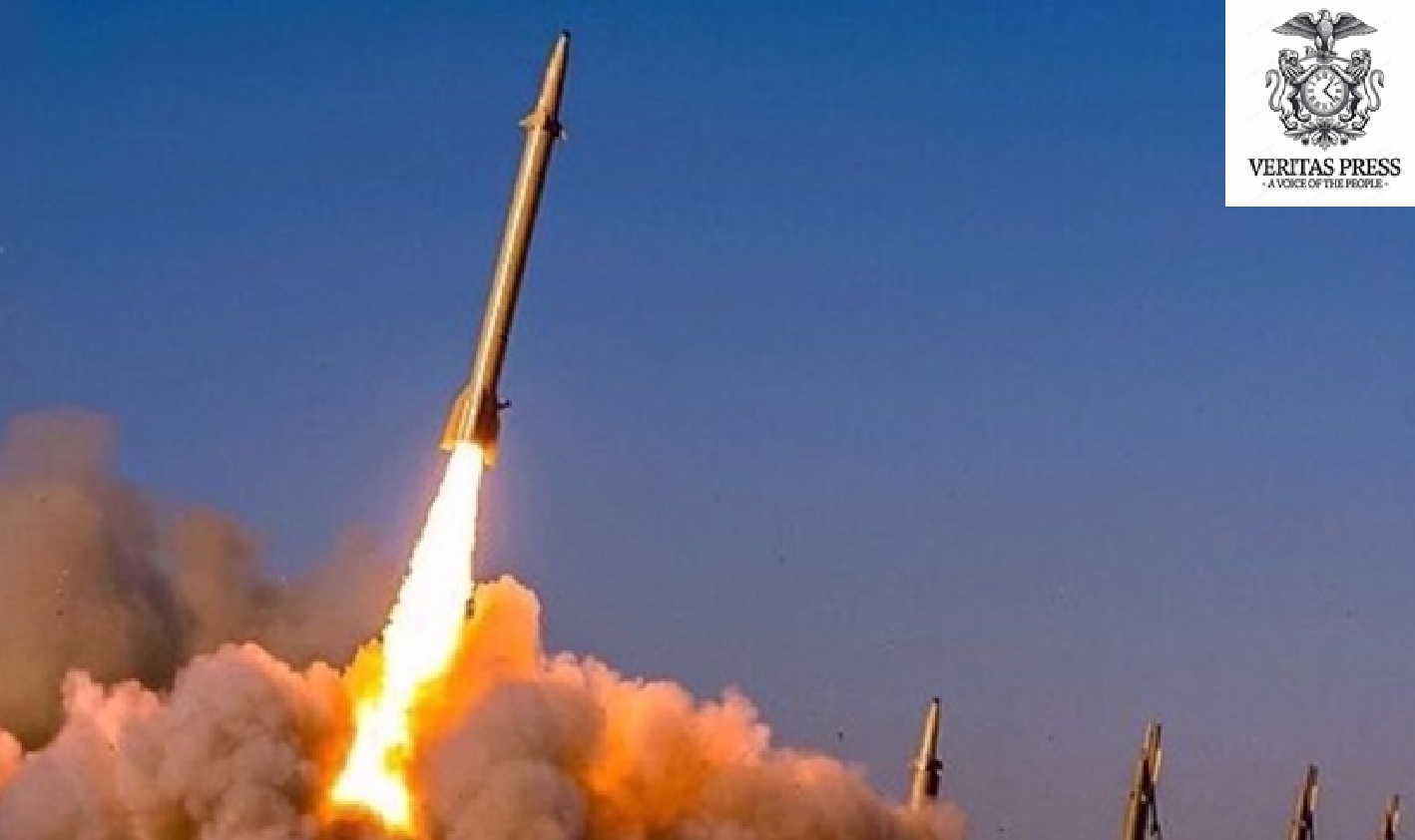
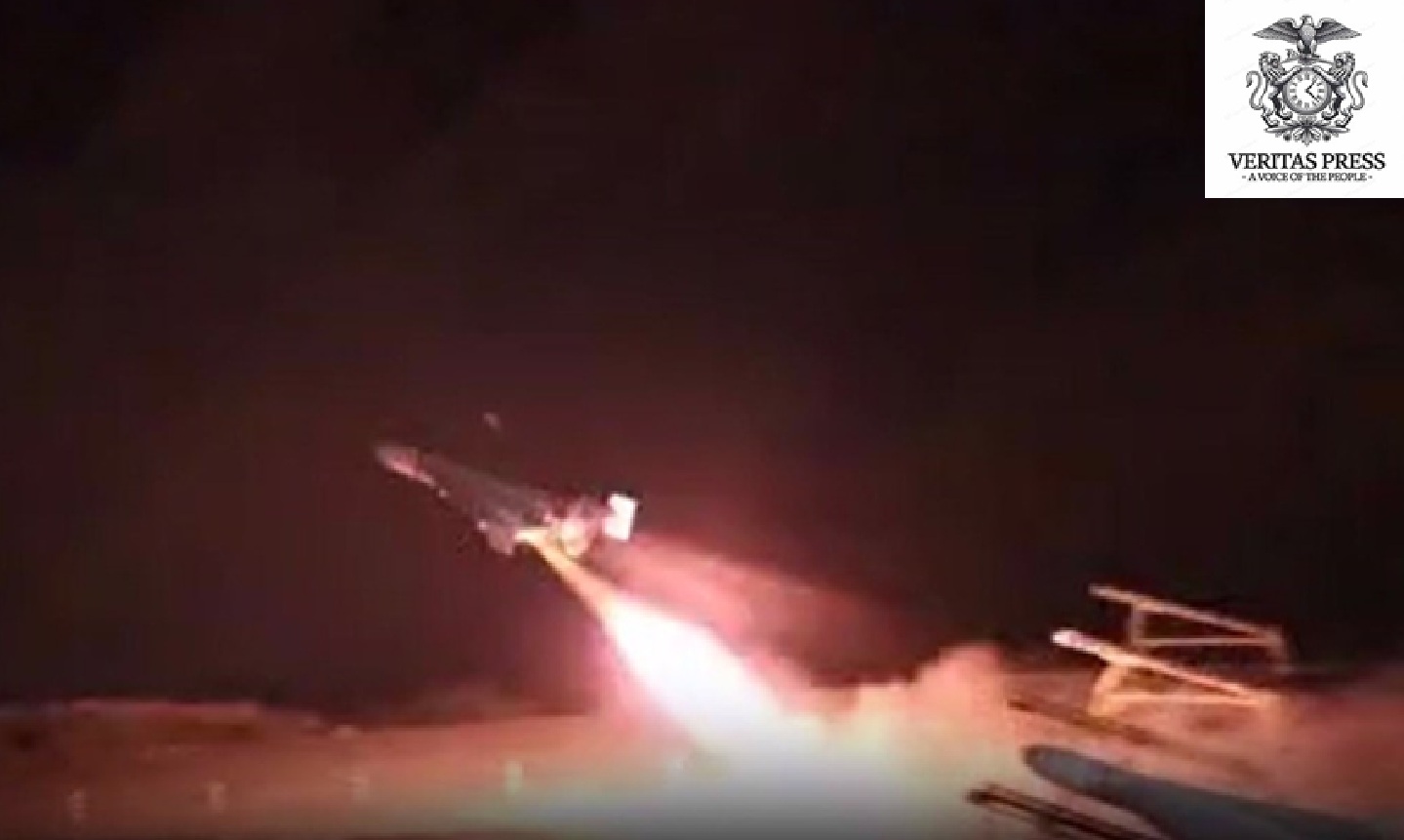
BEIJING/DUBAI — As the thunder of airstrikes echoes across the Middle East, one voice has emerged from Beijing with a message that is simultaneously a condemnation of the West, a warning to its partner Iran, and a reassurance to the Gulf monarchies. In the two weeks since the US and Israel launched coordinated strikes against Iran, strikes that resulted in the death of Supreme Leader Ali Khamenei and a retaliatory barrage of missiles, China has engaged in a frantic round of shuttle diplomacy unlike anything seen since the early days of the Ukraine war.
But beneath the surface of calls for “ceasefire” and “dialogue” lies a complex and increasingly uncomfortable position for Beijing. Official statements reveal a nation trying to have it both ways: defending the principle of sovereignty against the US-Israel axis, while publicly scolding its strategic partner, Iran, for the very consequences of that defence.
‘A Clear Violation’: The Condemnation Of The US And Israel.
In the immediate aftermath of the February 28 strikes, Beijing discarded any pretence of neutrality. Chinese Foreign Minister Wang Yi, in a phone call with his Russian counterpart Sergei Lavrov, described the operation as the “blatant killing of a sovereign leader,” a move he deemed “unacceptable”.
This rhetoric intensified over the following days. Chinese Foreign Ministry spokesperson Guo Jiakun levelled a specific and legalistic charge at Washington and Jerusalem. “The US and Israel attacking Iran ‘in the process’ of negotiations is a clear violation of international law,” Guo stated, framing the attacks not just as an act of war, but as an act of bad faith that undermined diplomatic tracks that were supposedly active. Wang Yi doubled down on this point, emphasising that the operations lacked authorisation from the UN Security Council, thereby violating the UN Charter.
“The US-Israeli military operations against Iran, without authorisation from the Security Council, clearly violated the purposes and principles of the UN Charter and the basic norms governing international relations.” — Wang Yi, Chinese Foreign Minister.
This strong language plays well to the Global South and reinforces China’s long-held narrative that the US is a hegemonic power acting above international law. However, it also painted Beijing into a corner. If the US-Israel strikes were a violation, then Iran’s retaliation, which involved strikes on US assets in Gulf nations, was, in Tehran’s eyes, an act of legitimate self-defence. It is on this point that Beijing has drawn a sharp, public line in the sand.
A Red Line In The Sand: China’s Warning To Iran
While China shielded Iran diplomatically at the UN, it has simultaneously issued a stark warning to Tehran regarding the conduct of its war. The shifting nature of the conflict has seen Iranian missiles and drones land not only on US bases but also in the proximity of civilian areas and critical infrastructure in Gulf states like Saudi Arabia, the UAE, and Qatar, all of which are crucial economic partners of Beijing.
“China does not agree with attacks against countries in the Gulf region and condemns non-discriminatory attacks against civilians or non-military targets,” Guo Jiakun said during a press conference, a statement that analysts noted was directed squarely at Iran’s tactics.
This represents a significant moment in Sino-Iranian relations. While China has historically provided a veto shield for Iran at the Security Council and is the largest buyer of its sanctioned oil, Beijing’s patience is strained by a conflict that threatens its core economic interests.
“This is an unexpected warning,” said a Dubai-based political analyst familiar with Chinese thinking. “For years, China has played the role of the ‘balancing power.’ But when Iranian actions threaten desalination plants or oil terminals in the UAE, a country where hundreds of thousands of Chinese citizens live and work, the ‘all-weather partnership’ with Tehran hits a brick wall.”
China’s Middle East envoy, Zhai Jun, has been explicit during his tour of the region. During meetings in Saudi Arabia and the UAE, he has stressed that “the sovereignty, security, and territorial integrity of the Gulf countries are inviolable”.
The Economic Heartbeat: Why The Gulf Cannot Burn.
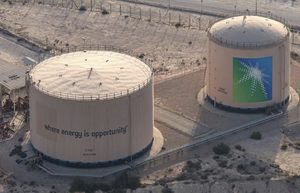
To understand China’s hard-nosed stance, one needs to look at the energy data. While China condemns the US for starting the war, it cannot afford for the Gulf to burn. According to recent trade analyses, approximately 52% of China’s seaborne oil imports must pass through the chokepoint of the Strait of Hormuz. The instability has already sent shockwaves through the market. By March 5, Brent crude had surged past $84 a barrel as Iran threatened to close the waterway.
The fear in Beijing is palpable. In an unprecedented move, China’s National Development and Reform Commission (NDRC) has ordered major refiners, including PetroChina, Sinopec, and CNOOC, to suspend exports of gasoline and diesel to prioritise domestic supply.
“With little oil or fuel reportedly leaving the Persian Gulf… the latest move suggests Asian governments could be prioritising domestic energy security as the conflict evolves.” —GuruFocus Business News.
Furthermore, the war poses a direct threat to China’s flagship Belt and Road Initiative (BRI) project. The China-Pakistan Economic Corridor (CPEC), which terminates at the port of Gwadar, sits directly next door to the conflict zone. Analysts in Pakistan warn that instability in Iran’s Sistan-Balochistan province could spill over the border, emboldening separatist militants like the BLA who have previously attacked Chinese interests.
“Instability in Iran now poses direct risks to CPEC’s security… Potential refugee inflows from Iran could strain Balochistan’s limited healthcare, education, and water resources,” noted a report from the Pakistan Observer, highlighting how the war threatens to destabilise the very regions China needs to be stable for its investments to flourish.
The Gulf’s Response: Applauding China’s “Shuttle Diplomacy.”
While Washington has focused on military briefings, Beijing has focused on phone calls. The volume of diplomatic traffic has been staggering. Wang Yi has held calls with the foreign ministers of Russia, Iran, Oman, France, Israel, Saudi Arabia, the UAE, Kuwait, Bahrain, Pakistan, and Qatar.
The Gulf states, feeling caught in the crossfire between US assets and Iranian retaliation, have welcomed China’s. Qatari Prime Minister Sheikh Mohammed bin Abdulrahman Al Thani specifically “expressed appreciation for China’s fair and just position and its mediation efforts”. Similarly, UAE Foreign Minister Sheikh Abdullah bin Zayed Al Nahyan “welcomed the Chinese envoy’s shuttle diplomacy,” noting that the UAE, which is not a party to the war, “should not be subjected to attacks”.
For Gulf nations, China serves a vital role: it is the only major power that can speak to both the US (through economic channels) and Iran (through strategic ones). They hope Beijing can do what Washington cannot: restrain Tehran.
A Deeper Critique: The Contradictions Of “Neutrality”.
Despite the flurry of diplomatic activity, a chorus of critics asks: Where is the action?
An opinion piece in News18 posed the provocative question, “Why Is China Missing In Action?”The article suggests that despite the tough talk, Beijing is engaging in “strategic patience”, letting the US bleed resources in another Middle Eastern quagmire while China watches from the sidelines.
Furthermore, a deeper investigative look reveals a fundamental contradiction in China’s position:
China demands that the sovereignty of Gulf nations be respected.
China criticises Iran for violating that sovereignty.
But China continues to be the primary economic lifeline for Iran, purchasing the crude that funds Tehran’s military apparatus.
As long as Beijing writes checks to Tehran, its ability to act as an honest broker is compromised. Moreover, China’s calls for respecting sovereignty ring hollow to some Western observers, given Beijing’s own actions in the South China Sea and its territorial claims.
“China wants it both ways,” said a European diplomat based in Beijing, speaking on condition of anonymity. “They want the cheap oil from Iran. They want the investment deals from the Gulf. They want the moral high ground against the US. But they aren’t offering any security guarantees. They are asking for a ceasefire without putting any real pressure, like cutting oil purchases, on Iran to stop.”
Conclusion: Walking A Tightrope.
As the war enters its third week, China finds itself navigating the most dangerous Middle Eastern crisis in decades. The death of a senior Iranian leader during negotiations has eliminated trust, and the region is now a tinderbox.
China’s envoy, Zhai Jun, remains in the region, likely carrying messages between Riyadh, Tehran, and Tel Aviv that no one else can deliver. The next few weeks will determine whether China’s “constructive role” is merely rhetorical or whether it can leverage its economic clout to enforce the ceasefire it so loudly demands.
For now, Beijing’s message is clear: It will defend Iran’s right to exist, but it will not defend Iran’s right to fight, especially not in the backyard of China’s most important energy suppliers.
Source: Multiple News Agencies
Submissions:
For The Secure Submission Of Documentation, Testimonies, Or Exclusive Investigative Reports From Any Global Location, Please Utilise The Following Contact Details For Our Investigations Desk: enquiries@veritaspress.co.uk or editor@veritaspress.co.uk
Help Support Our Work:
Popular Information is powered by readers who believe that truth still matters. When just a few more people step up to support this work, it means more lies exposed, more corruption uncovered, and more accountability where it’s long overdue.
Help Protect Independent Journalism, Which Is Currently Under Attack.
If you believe journalism should serve the public, not the powerful, and you’re in a position to help, becoming a DONATOR or a PAID SUBSCRIBER truly makes a difference.
DONATION APPEAL: If You Found This Reporting Valuable, Please Consider Supporting Independent Journalism.
Help Support Our Work – We Know, We Know, We Know …
Seeing these messages is annoying. We know that. (Imagine what it’s like writing them … )
Your support fuels our fearless, truth-driven journalism. In unity, we endeavour to amplify marginalised voices and champion justice, irrespective of geographical location.
But it’s also extremely important. One of Veritas Press’s greatest assets is its reader-funded model.
1. Reader funding means we can cover what we like. We’re not beholden to the political whims of a billionaire owner. We are a small, independent and impartial organisation. No one can tell us what not to say or what not to report.
2. Reader funding means we don’t have to chase clicks and traffic. We’re not desperately seeking your attention for its own sake: we pursue the stories that our editorial team deems important and believe are worthy of your time.
3. Reader Funding: enables us to keep our website and other social media channels open, allowing as many people as possible to access quality journalism from around the world, particularly those in places where the free press is under threat.
We know not everyone can afford to pay for news, but if you’ve been meaning to support us, now’s the time.
Your donation goes a long way. It helps us:
Keep the lights on and sustain our day-to-day operations
Hire new, talented independent reporters
Launch real-time live debates, community-focused shows, and on-the-ground reporting
Cover the issues that matter most to our communities, in real time, with depth and integrity
We have plans to expand our work, but we can’t do it without your support. Every contribution, no matter the size, helps us stay independent and build a truly people-powered media platform.
If you believe in journalism that informs, empowers, and reflects the communities we serve, please donate today.
October 26, 2026 | Author : Kamran Faqir | Categories: Asia, The South Pacific & Oceania, Business & Finance, Climate Change, Environment, World News
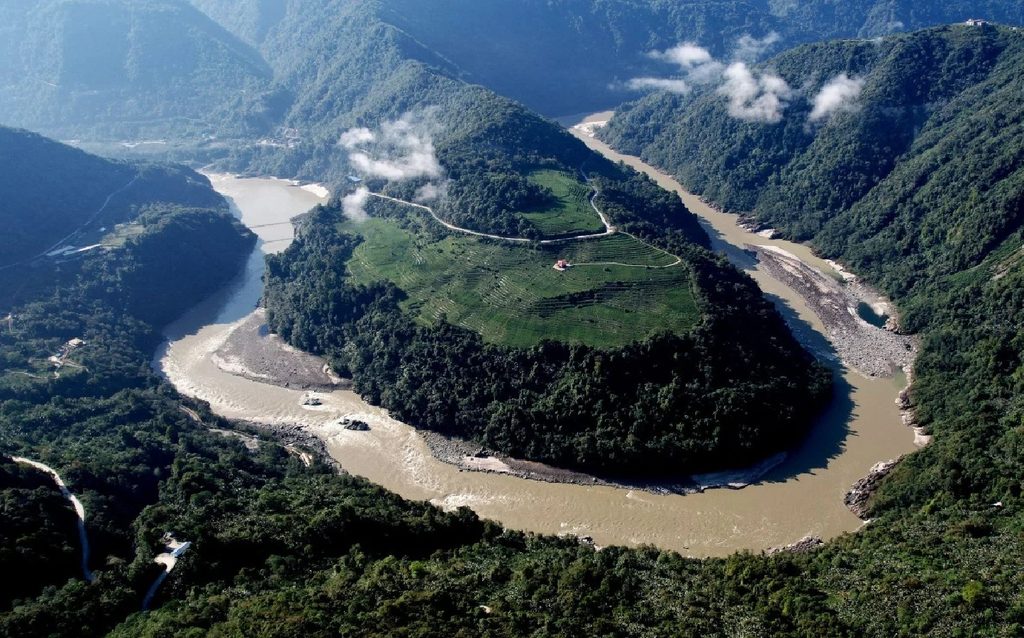
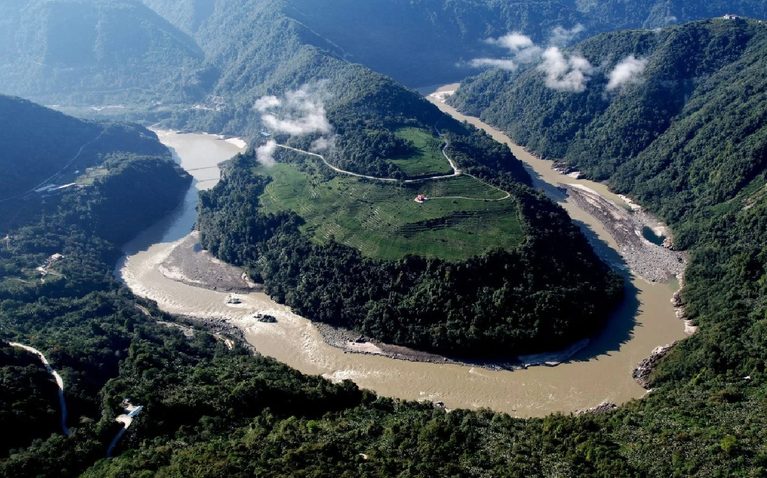
China’s ambition to construct the world’s largest planned hydropower project on the Yarlung Tsangpo River in Tibet is confronting an increasingly consequential scientific and political question: can a mega-dam of
October 20, 2026 | Author : Kamran Faqir | Categories: Human Rights, Middle East, World News
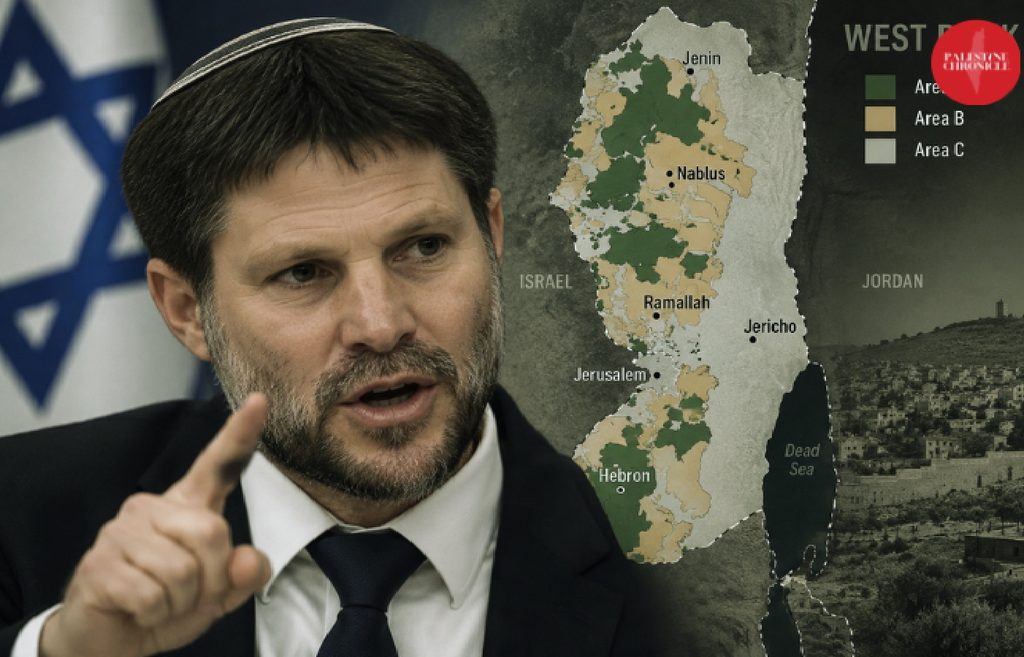
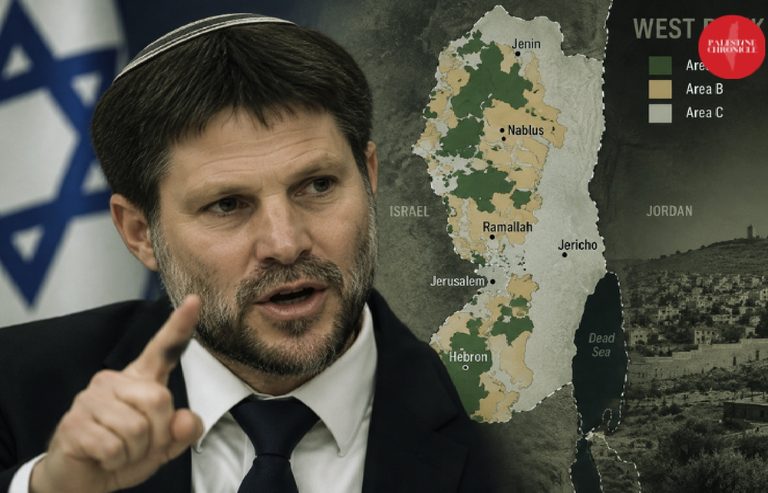
Israeli Finance Minister Bezalel Smotrich has called for Israel to occupy and effectively annex around 60% of the Gaza Strip and to annex Lebanese territory up to Israel’s current military
October 19, 2026 | Author : Kamran Faqir | Categories: Business & Finance, Economy, Europe, Health Insights, Human Rights, Public Opinion, UK News, World News
Funds and programmes are not enough. Britain must make innovation a war-fighting function, with its own sponsor, protected budget and readiness line, before the decade is out.
October 19, 2026 | Author : Kamran Faqir | Categories: Asia, The South Pacific & Oceania, Europe, Human Rights, Islamophobia, Public Opinion, UK News, World News
Record racist and religious hate crimes in England and Wales have risen for a second year running, anti-Muslim offences up 15%, antisemitic offences up 10%, as Tell MAMA and the
October 17, 2026 | Author : Kamran Faqir | Categories: Economy, Europe, Human Rights, Public Opinion, World News
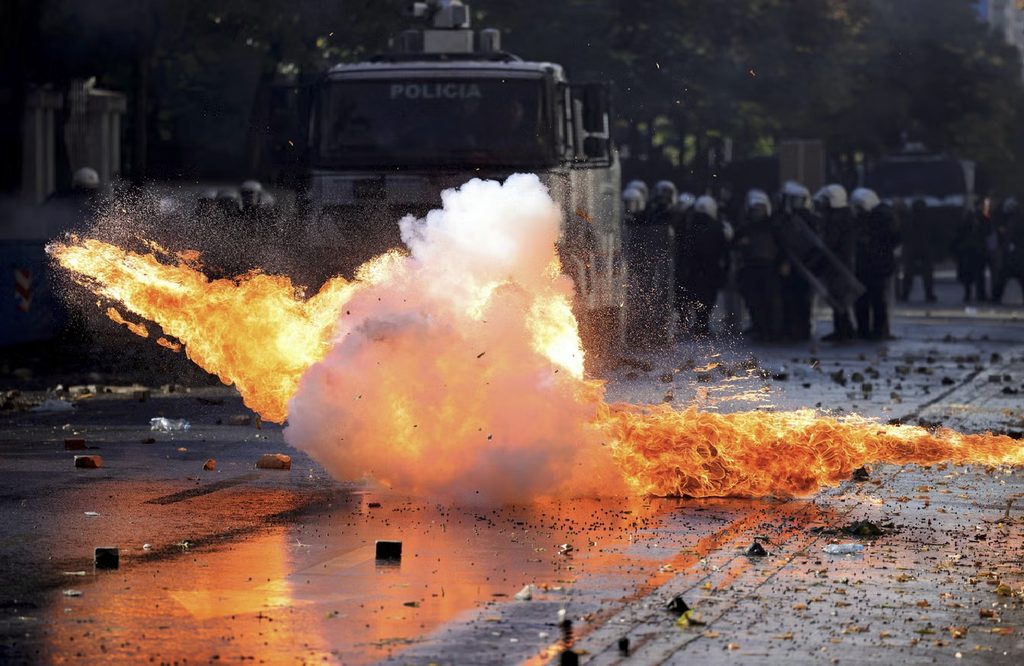
Albania’s capital entered a fifth consecutive day of violent clashes on Saturday as a student-led anti-government movement demanding Prime Minister Edi Rama’s resignation spread from the Education Ministry to streets
October 15, 2026 | Author : Kamran Faqir | Categories: Americas & North America, Asia, The South Pacific & Oceania, Business, Business & Finance, Middle East, World News
On the morning of 15 October 2025, two research organisations on opposite sides of the Atlantic published reports that, taken together, describe what may be the most significant convergence yet
October 14, 2026 | Author : Kamran Faqir | Categories: Human Rights, Investigations, Middle East, Public Posts Poetry, World News
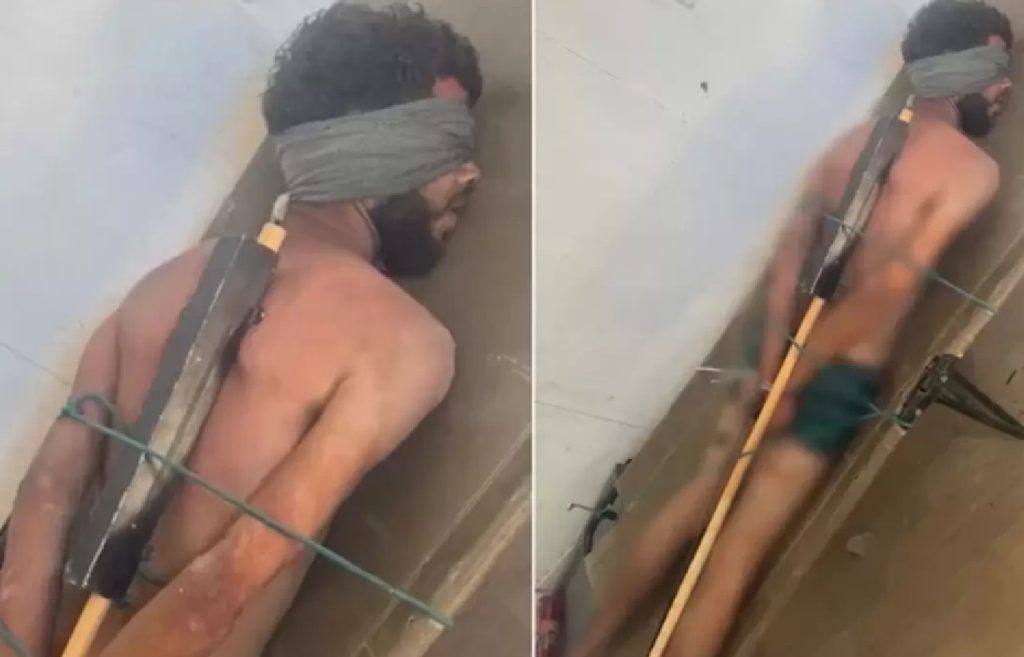
A landmark medical journal article documents recurring sexual violence against Palestinians, including rape, genital torture, humiliation, and abuse of women and children.
Kamran Faqir is a volunteer investigative journalist and writer committed to exposing hidden truths and amplifying underreported stories. Driven by social justice, he brings sharp insight and fearless truth-telling to independent journalism. NUJ registered.
SEATTLE, TEHRAN — The U.S. Department of Homeland Security (DHS) will allow Iran’s national football team to enter the country 48 hours before their critical World Cup match against Egypt on Friday, a modest concession in a tournament where Team Melli’s travel conditions have sparked claims of oppression and competitive disadvantage.