






Author:
Help support our mission, donate today and be the change. Every contribution goes directly toward driving real impact for the cause we believe in.
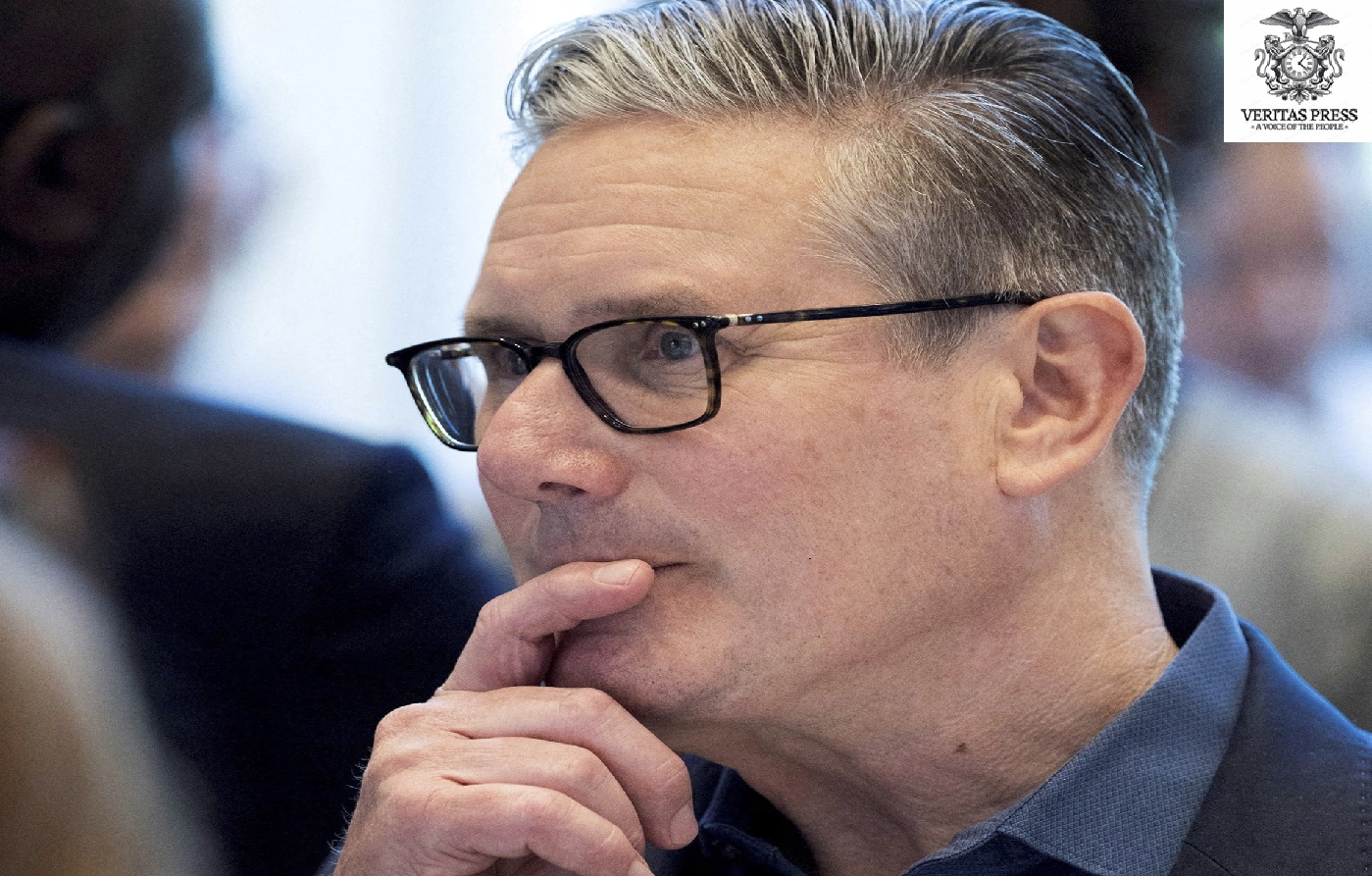
LONDON – The final act of Keir Starmer’s premiership is expected to unfold within hours, as a political storm fuelled by collapsing poll ratings, a catastrophic byelection result, and an expected intervention from US President Donald Trump pushes the prime minister towards a Monday resignation announcement. What began as a slow-burning leadership crisis within the Labour Party has combusted over a single weekend, exposing deep fractures in Britain’s governing class, raising urgent constitutional questions, and leaving the country facing its seventh prime minister in a decade.
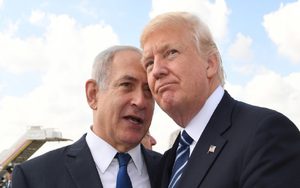
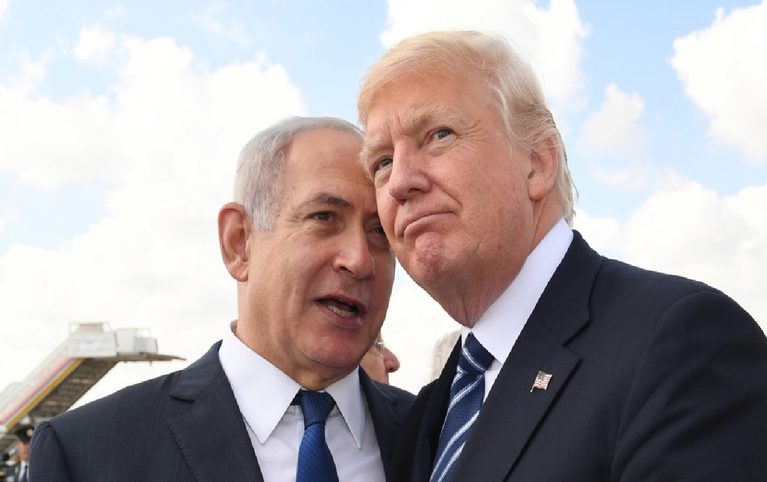
The most incendiary spark came on Sunday, when President Trump took to his Truth Social platform to declare that Starmer “will resign” as prime minister, accusing him of failing “badly on two very important subjects- IMMIGRATION AND ENERGY (OPEN NORTH SEA OIL!). I wish him well!” The statement, unprecedented in its open contempt for a sitting British leader from a sitting US president, caused immediate “huge embarrassment” inside Downing Street, multiple officials told me. It also crystallised a narrative that has dogged Starmer since Trump’s return to the White House in January 2025: that the prime minister’s foreign policy caution, particularly his refusal to commit UK forces directly to the US-Israeli military campaign against Iran, had fatally undermined the “special relationship.”
“The president repeatedly lashed out at Starmer’s refusal to approve direct military involvement, labelling him ‘no Winston Churchill’ because of his cautious leadership style,” a senior Foreign Office official, speaking on condition of anonymity, confirmed. “That phrase was used privately in calls and then leaked, and it has defined their toxic dynamic ever since. Trade talks froze. Intelligence sharing became transactional. The prime minister was caught between a belligerent ally and a public that overwhelmingly opposed another Middle Eastern entanglement. He couldn’t win.”
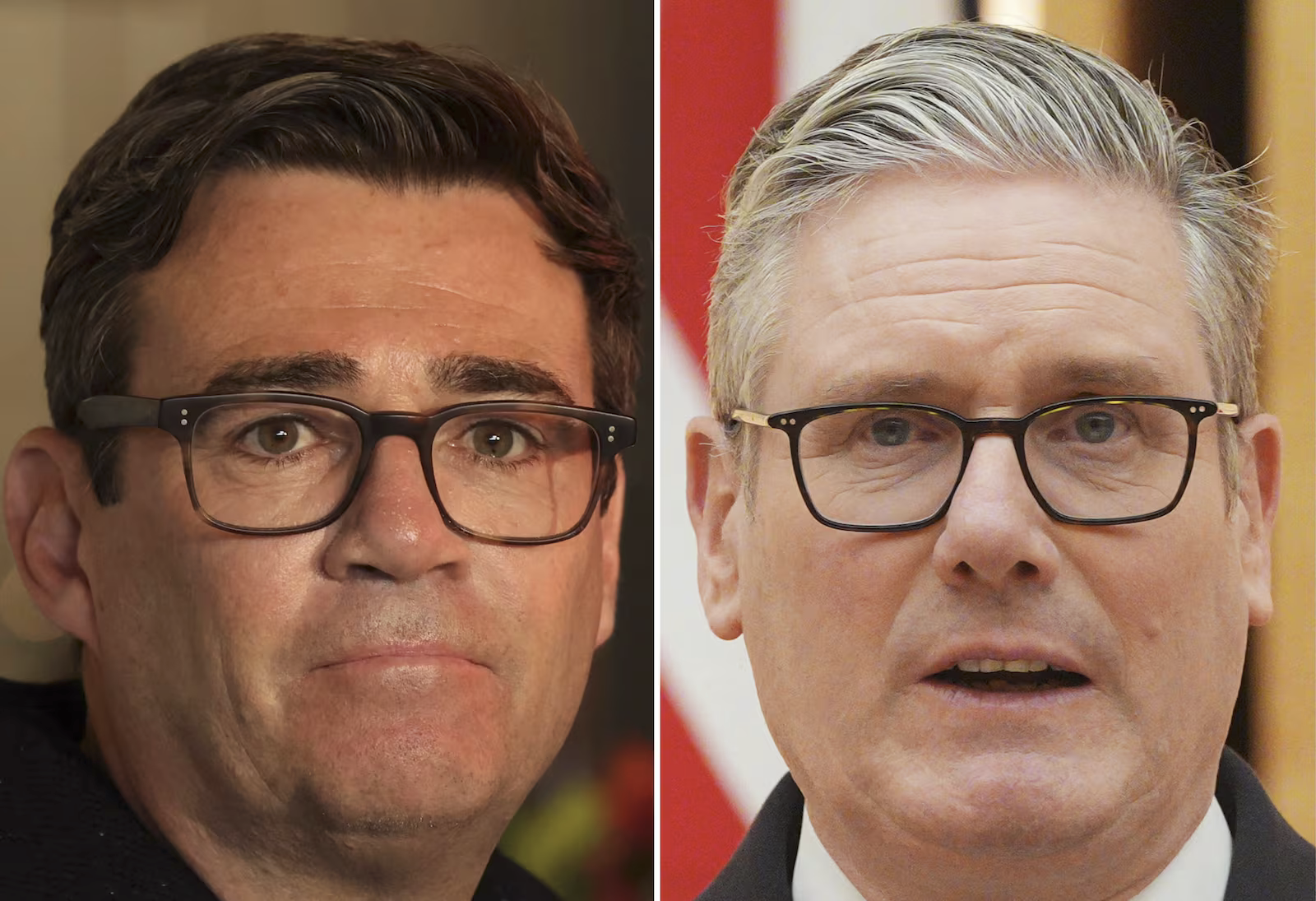
Yet the roots of Starmer’s imminent downfall lie as much in domestic turmoil as in geopolitical traps. The immediate catalyst was the Makerfield byelection, held on Thursday 18 June, where Andy Burnham, the mayor of Greater Manchester who had not sat in the Commons for nine years, stood as the Labour candidate and secured a thumping 9,000-plus majority against Reform UK, taking over 50% of the vote in a seat that had been on a knife-edge. Burnham’s victory, achieved by presenting himself as the “last chance” for Labour to reclaim its lost working-class base, instantly transformed the leadership arithmetic.
By Sunday morning, Burnham’s team believed they had the support of roughly 200 Labour MPs, about half the parliamentary party. That number, according to multiple sources, has since swollen, with waverers concluding that backing the likely winner was preferable to a protracted and bloody contest. A Westminster insider with direct knowledge of the whipping operation told me: “The calls didn’t stop on Friday night. MPs who had been loyal to Keir for years were ringing Andy’s camp, saying, ‘tell me when and how to make the move.’ It was a stampede.”
The article you provided captures the outlines of this dramatic weekend, but a deeper investigation reveals a far more complex picture of a party in existential panic, a prime minister isolated at Chequers, and a putative successor whose “coronation” is being actively contested on grounds of democratic legitimacy.
A Government In Freefall:
Peter Kyle, the business secretary and a close ally of former health secretary Wes Streeting, delivered the most public indication of the prime minister’s state of mind on the BBC’s Sunday with Laura Kuenssberg. He refused to comment on Starmer’s specific plans but said the PM was “very mindful of the interests of the country” and “working really hard over this weekend,” reflecting on the “political realities, challenges and opportunities that he finds himself in.” Kyle disclosed a lengthy conversation with Starmer on Friday, during which the prime minister repeatedly asked what “the country wanted at this moment.” Kyle’s refusal to describe that as anything other than a precursor to departure speaks volumes.
Crucially, Kyle also warned against the belief that a simple change of leader would “fix everything,” noting that the Conservatives had learned that “palpably, patently is not the case.” Behind that warning lies the spectre of Wes Streeting, who resigned as health secretary last month and has declared he has the backing to mount a leadership challenge. Streeting’s camp insists that a coronation for Burnham, without a proper contest, would be a “democratic travesty” and would leave the new leader without a tested mandate. Streeting himself has been silent in public, a source close to him says, “is not going away quietly. He believes the party needs a debate about its future, not an anointment of a mayor who hasn’t been in the Commons through the worst of the Iran crisis.”
The internal resistance to a hurried handover is not confined to Streeting loyalists. Home Office minister Mike Tapp declared that any change of prime minister should automatically trigger a general election, a position that, if adopted, would plunge the country into a constitutional crisis. John Slinger, a normally strident defender of the government, told LBC that the prospect of Burnham replacing Starmer without a full process was a “farce,” comparing it unfavourably to the rigorous appointment process for an intern in his office. Backbencher Neil Coyle posted that his constituents were “livid about the prospect of an utter stitch-up & the media circus being rewarded,” adding a grim prognosis: “When the next leader cannot change Trump, Iran, Ukraine, Putin, Musk, broadcast editorial & algorithm bias overnight they’ll bay for his blood too. Better keep that guillotine sharp.”
These are not fringe voices. They represent a substantial bloc of Labour MPs terrified that replacing Starmer with Burnham in a backroom deal will shatter the party’s already frayed electoral coalition. Preet Kaur Gill, the health minister, and several backbench colleagues tweeted that the party should focus on “the people we are here to serve” rather than “endless internal noise.” Yet the noise has become deafening.
The Week The Cabinet Broke:
What forced the timetable was an ultimatum delivered on Friday by ministers previously loyal to Starmer: set out a departure plan by the end of the weekend, or face mass resignations at Tuesday’s cabinet meeting. Sky News reported that Foreign Secretary Yvette Cooper, Home Secretary Shabana Mahmood, and Transport Secretary Heidi Alexander were among those who told the prime minister he must go. Cooper’s role is particularly significant. A long-time rival-turned-ally, her private counsel, according to a source familiar with the discussion, was blunt: “You have lost the party. You cannot win the next election. For the sake of the country, you must put a timetable in place.”
Cooper’s allies declined to comment on the record, but a Cabinet Office source confirmed that “it is now about managing a dignified exit, not whether it happens.” The source added: “The prime minister spent much of Saturday at Chequers with Victoria, visibly exhausted. Those close to him say he has accepted the logic of the situation, but he is furious at the sense of a plot, and deeply wounded by Trump’s intervention, which he views as the final knife.”
Trump’s Role: Bullying Or Backing?
Trump’s Truth Social post was not a stray remark. It was the culmination of a relationship that collapsed over Starmer’s refusal to join the US-Israeli war on Iran with British boots on the ground. When Israeli strikes expanded into a full-scale regional conflict in late 2025, the US requested UK special forces and air support. Starmer, facing a restive backbench and legal advice questioning the legality of such action without UN authorisation, prevaricated and then declined. Trump’s subsequent fury saw him reportedly tell an aide that Starmer was “weak, worse than [Justin] Trudeau.” Trade negotiators in Washington have told UK officials privately that no preferential deal will be signed while Starmer remains. A senior UK trade diplomat told me: “Every meeting, they would say, ‘Why should we help a leader who won’t help us?’ It was transactional to a degree we haven’t seen since Suez.”
Trump’s specific mention of the North Sea is telling. UK oil and gas production has been a flashpoint between climate-focused Labour policies and Trump’s pro-fossil fuel expansionism. Starmer’s refusal to fully open new licensing rounds for North Sea extraction enraged energy companies with links to Trump’s circle. “The president was literally telling us to drill, and the PM was saying no. That didn’t just anger the White House; it alienated key donors and media over there,” a Downing Street adviser recalled.
The Burnham Enigma: Mayor To PM In A Week?
If Starmer announces a timetable on Monday, Burnham is expected to be sworn in as MP for Makerfield the same day. Under Labour rules, any challenger for the leadership needs the backing of 81 MPs (20% of the PLP). Burnham’s supporters claim to have well over that threshold, meaning he could technically become leader without a contest if no other candidate reaches the same bar. Yet the prospect of a “coronation” has ignited a fierce debate about process. Burnham himself has been studiously silent, giving Starmer “space” over the weekend, but his team is aggressively working the phones. A senior Manchester Labour figure, who has worked with Burnham for a decade, told me: “Andy knows he can’t be seen to wield the knife. He wants Keir to go with dignity, and he wants a transition, not a coup. But the party is so terrified of Farage that they see Andy as the only firewall. That’s the power he holds.”
Reform UK has led in over 300 consecutive national polls. Nigel Farage, who has relentlessly attacked Starmer’s immigration record and energy policies, now stands as the most popular alternative among large segments of the electorate. Labour’s internal polling, seen by this reporter, shows the party would lose over 150 seats in a general election, with Reform forming the largest single bloc. “We are staring into the abyss,” a Labour pollster said. “Burnham is the only figure who can reconnect with northern and Midlands constituencies that have fled to Reform. But he’s untested on the national stage on foreign policy, and Trump will test him immediately.”
Voices From The Ground:
Beyond Westminster, the response is a mixture of weary cynicism and faint hope. In Makerfield, where Burnham’s win has electrified local activists, the mood is celebratory but cautious. Janet Mallory, a retired nurse and lifelong Labour voter who switched to Reform in 2025, said: “I came back to Labour because of Andy. He actually listens. He talks about buses, about high streets, about people feeling left behind. If he becomes prime minister, I’ll believe it when I see it. But if it’s just another Westminster fix, we’ll be back to Reform in a heartbeat.”
In the London constituency of Streatham, a different kind of Labour voter, barrister Kwame Asante, expressed alarm: “A coronation? Without a vote of members? That’s an insult to democracy. I didn’t join this party to see the leader chosen by a bunch of panicked MPs. If Burnham wants the job, he should have to make his case against Streeting and anyone else, and we should all vote.”
Trade unions, crucial to Labour’s funding and organisational muscle, are also split. A Unite regional secretary, speaking on condition of anonymity, said: “We have huge respect for Andy, but the process must be proper. Our members won’t accept a backroom deal. There’s already enough anger about winter fuel cuts and Mandelson’s appointment. If they stitch this up, industrial action could resurface.” Conversely, a GMB official in the north-west said: “Starmer is done. Burnham has the mandate from the by-election. Get on with it, for the sake of jobs and public services.”
A Wider Constitutional And International Tangle:
The crisis extends far beyond party management. Ireland, as it gears up for its six-month EU presidency starting in July, is watching with increasing alarm. A senior Irish diplomat told me: “Instability in London is the last thing we need when there are critical decisions on the Windsor Framework, energy cooperation, and the European security architecture. We need a functioning UK government, not a revolving door.” The diplomatic concern is echoed in Brussels, where EU officials privately fret about a British leadership vacuum amid the ongoing Iranian conflict and its strain on Nato unity.
Former cabinet secretary Lord Mark Sedwill, now a respected commentator, warned in a Sunday newspaper column that “a leader imposed without a proper electoral mandate, whether from the party membership or the public, would risk a profound legitimacy deficit.” He added that if a new prime minister were installed without a general election being called swiftly, “we enter uncharted constitutional territory, particularly if the new PM’s agenda diverges sharply from the manifesto on which the last election was fought.”
The Media’s Verdict:
Journalists across the spectrum have been scathing. The Sunday Times editorialised that “the Labour Party is about to perform an act of collective self-harm by coronating a mayor who has never managed a department of state, all because of poll panic.” The Observer’s political editor wrote that “Starmer’s tragedy is that he did everything the establishment asked, he kept us out of Iran, he tried to maintain a stable relationship with Trump, he protected public finances, and he has been destroyed for it.” The right-wing press, sensing blood, has gleefully mocked the chaos, with the Daily Mail running the front-page headline “Trump Boots Keir: President says PM ‘Failed Badly’ As Labour Revolt Grows.”
What Happens Next:
All indications point to a Monday morning statement from Downing Street. The prime minister, I am told, will not resign with immediate effect; he is expected to announce a “timetable” for departure, probably aiming for an autumn transition. But that plan may be overtaken by events. If cabinet ministers begin resigning on Tuesday, the pressure to go within days will become irresistible. Burnham, once sworn in, will meet with Starmer to discuss the transition. The critical question is whether a leadership contest can be avoided. Streets’ team says it has the numbers to ensure a contest, but several MPs who initially pledged support to him now waver, fearing a damaging internal war. A Burnham ally told me bluntly: “Wes is a talented man, but he cannot unite the party right now. He is too associated with the Blairite wing that our base distrusts. A contest would just air all that dirty laundry.”
The British public, exhausted by a decade of political turmoil, watches with deepening disenchantment. At a café in Wigan, retired engineer Dave Houghton summed up the mood: “They’re all the same, one posh bloke in, another out. Trump’s pulling the strings from across the pond. I’ll believe in change when my potholes are fixed, and my energy bill comes down. Till then, it’s just words.”
As Keir Starmer walks through the black door of No. 10 for perhaps the last time as prime minister this week, his premiership will stand as a cautionary tale of how external shocks and internal betrayal can combine to destroy even the most commanding electoral mandate. Andy Burnham, the man who would succeed him without a single vote of party members, inherits a poisoned chalice: a transatlantic alliance in tatters, a nation teetering on political fragmentation, and a public whose patience has been ground to dust. The coronation, if it comes, may be brief. The guillotine, as Neil Coyle warned, stays sharp.
Source: Veritas Press C.I.C. | Multi News Agencies
Help Support Our Works By Donating
Popular Information is powered by readers who believe that truth still matters. When just a few more people step up to support this work, it means more lies exposed, more corruption uncovered, and more accountability where it’s long overdue.
Help Protect Independent Journalism, Which Is Currently Under Attack.
If you believe journalism should serve the public, not the powerful, and you’re in a position to help, becoming a DONATOR or a PAID SUBSCRIBER truly makes a difference.
DONATION APPEAL: If You Found This Reporting Valuable, Please Consider Supporting Independent Journalism.
Your support fuels our fearless, truth-driven journalism. In unity, we endeavour to amplify marginalised voices and champion justice, irrespective of geographical location. We operate independently, without any financial backing from billionaires.
But it’s also extremely important. One of Veritas Press’s greatest assets is its reader-funded model.
1. Reader funding means we can cover what we like. We’re not beholden to the political whims of a billionaire owner. We are a small, independent and impartial organisation. No one can tell us what not to say or what not to report.
2. Reader funding means we don’t have to chase clicks and traffic. We’re not desperately seeking your attention for its own sake: we pursue the stories that our editorial team deems important and believe are worthy of your time.
3. Reader Funding: enables us to keep our website and other social media channels open, allowing as many people as possible to access quality journalism from around the world, particularly those in places where the free press is under threat.
We know not everyone can afford to pay for news, but if you’ve been meaning to support us, now’s the time.
Your donation goes a long way. It helps us:
- Keep the lights on and sustain our day-to-day operations
- Hire new, talented independent reporters
- Launch real-time live debates, community-focused shows, and on-the-ground reporting
- Cover the issues that matter most to our communities, in real time, with depth and integrity
We have plans to expand our work, but we can’t do it without your support. Every contribution, no matter the size, helps us stay independent and build a truly people-powered media platform.
If you believe in journalism that informs, empowers, and reflects the communities we serve, please donate today.
Help By Donating Today
Submissions:
For The Secure Submission Of Documentation, Testimonies, Or Exclusive Investigative Reports From Any Global Location, Please Utilise The Following Contact Details For Our Investigations Desk: enquiries@veritaspress.co.uk or editor@veritaspress.co.uk
GENEVA — A United Nations fact-finding mission has concluded there are “reasonable grounds to believe”
Iran’s GDP is projected to contract by 5.4 to 6.1% in 2026, its worst performance
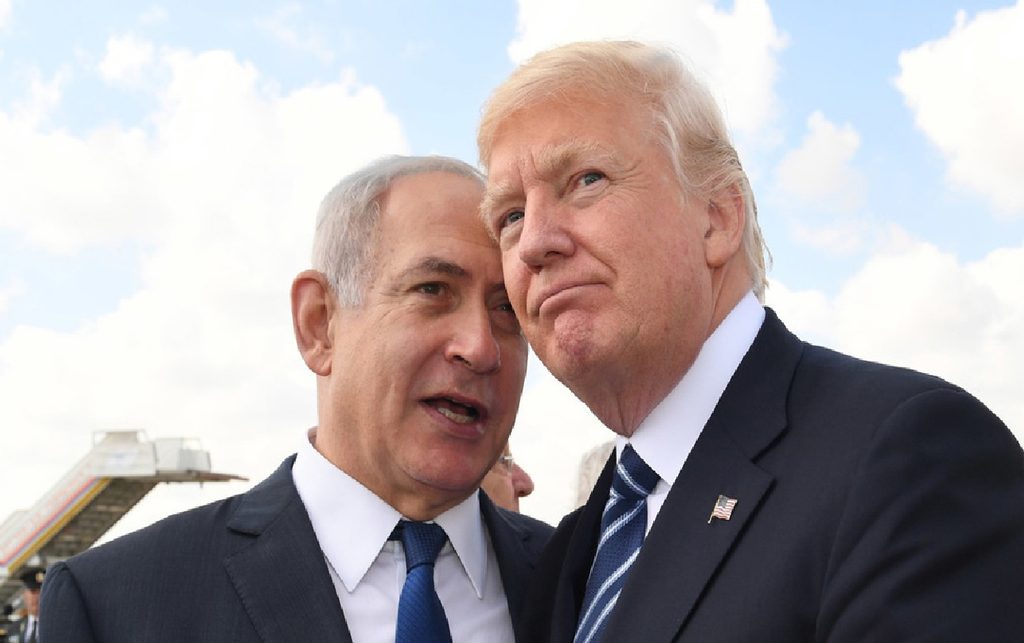
The Trump administration is preparing a $2.8 billion weapons package for Israel containing 40,000 2,000-pound
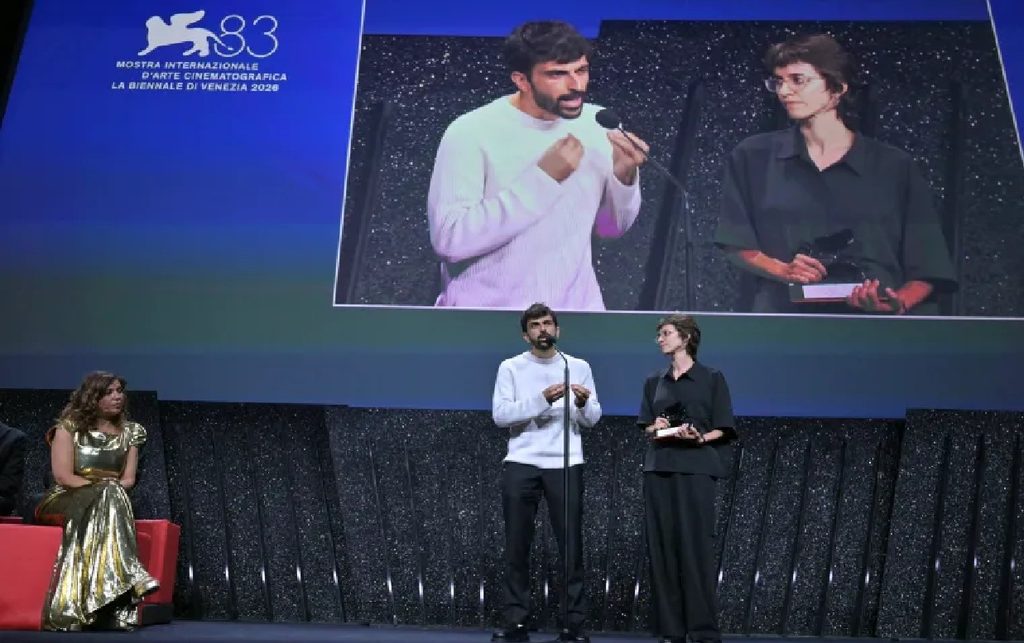
Film alleges mass civilian deaths are routinely built into military decisions amid Israel’s genocidal war

The Israeli rights group says violence, displacement, economic strangulation, and settlement expansion form part of

Houthi forces have captured the historic Red Sea port of Mocha and are advancing on
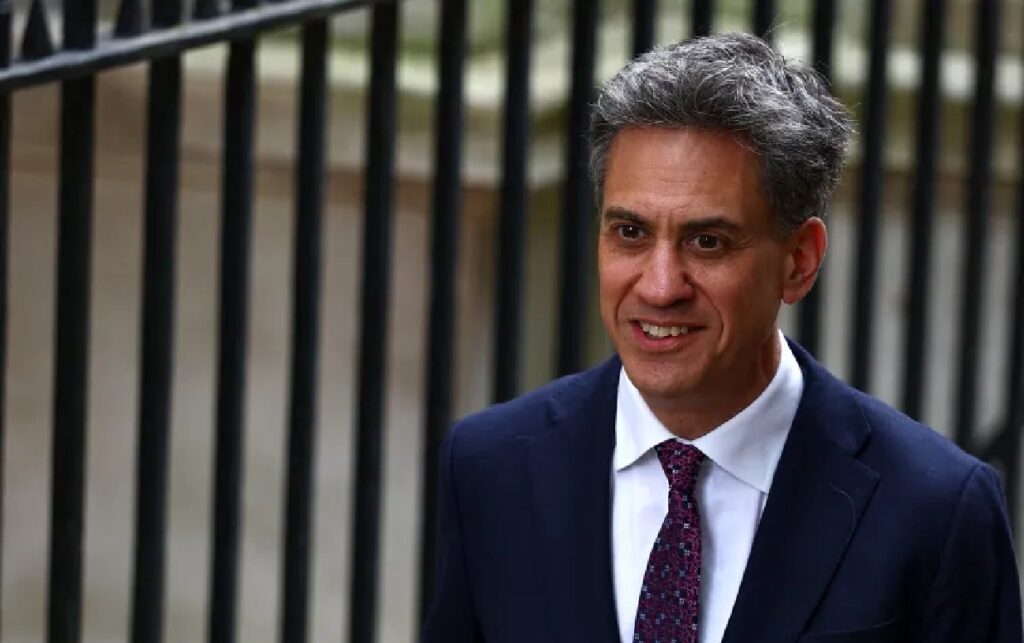
London’s historic sanctions against Israeli settlements mark a watershed moment in UK foreign policy, but
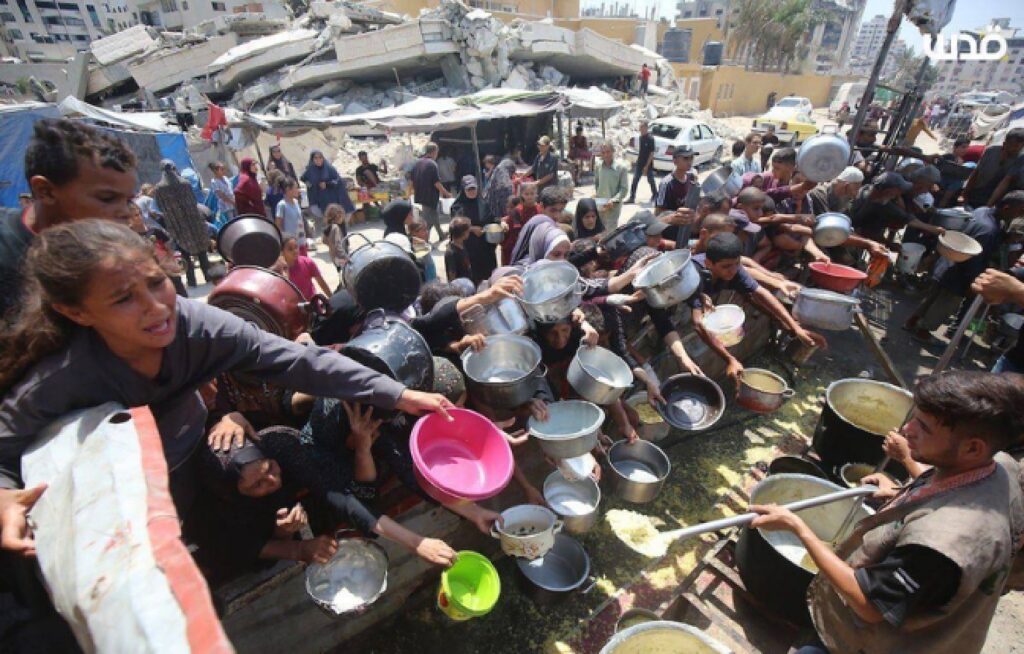
With 95% of Gaza’s population now wholly dependent on aid and more than 90% stripped
India calls for Kashmir and Ladakh to appear only on its official map after a
ISLAMABAD – In the high-stakes political theatre of Pakistan, the battleground has shifted from the



















qsnmin
pa9gag
c4eq57
t4qsw4
d3c4nf
🔗 Transfer № K1211 from Coinbase. GET =>> graph.org/Bitcoin-Mining-08-27?hs=b0a80d050a4507506b5a7af2150a3f27& 🔗