

Author:
Help support our mission, donate today and be the change. Every contribution goes directly toward driving real impact for the cause we believe in.
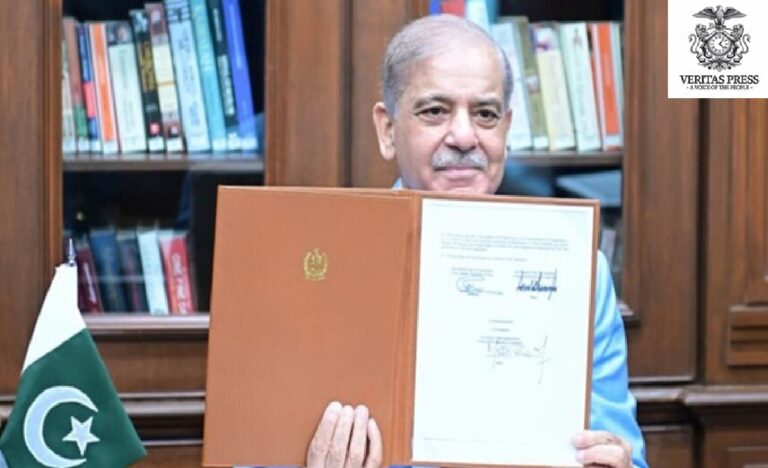
GENEVA/BEIRUT/TEHRAN — The diplomatic breakthrough that many hoped would reshape the Middle East lasted barely long enough for the signatures to dry.
Only days after Tehran and Washington announced a sweeping memorandum intended to end hostilities across multiple fronts, the agreement has collapsed amid renewed fighting in Lebanon, accusations of bad faith, and Iran’s dramatic decision to close the Strait of Hormuz, plunging the region into its most dangerous crisis in years.
The breakdown of the agreement has exposed the deep contradictions at the heart of Middle East diplomacy: mutual distrust between Washington and Tehran, competing power centres within the United States, and an Israeli leadership unwilling to accept a regional order that grants legitimacy to Iran.
The result is a rapidly escalating confrontation that threatens not only regional stability but also the global economy.
A Deal Built On Fragile Foundations:
The Tehran-Washington Memorandum of Understanding promised an ambitious restructuring of relations between the two adversaries. The agreement envisioned an end to hostilities across regional fronts, gradual sanctions relief, the reopening of commercial shipping lanes, and negotiations over Iran’s nuclear activities.
At the centre of the agreement stood a single principle: an immediate and permanent halt to military operations, including in Lebanon.
Diplomats involved in the negotiations viewed this provision as the cornerstone upon which all other commitments depended. Without a cessation of violence, sanctions relief, economic cooperation, and security guarantees would become impossible.
Yet within hours of the agreement taking effect, that foundation began to crumble.
Lebanon: The Ceasefire That Never Was.
Instead of the promised calm, southern Lebanon witnessed renewed airstrikes and military operations.
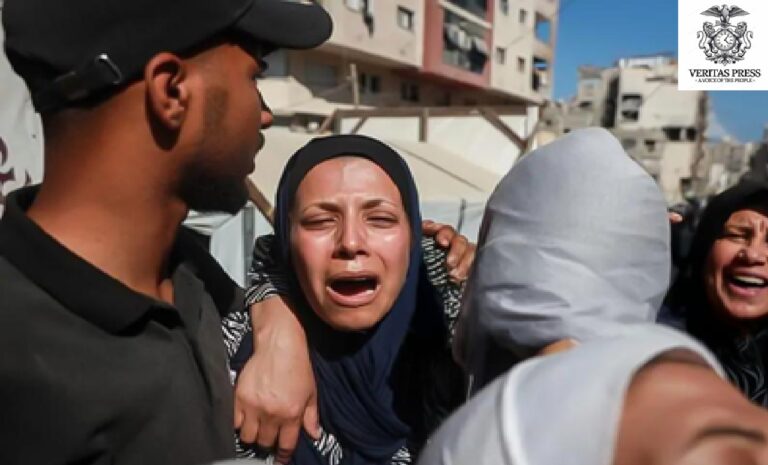
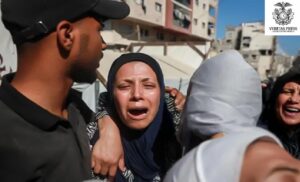
Lebanese officials reported dozens of casualties during the first day of the supposed truce. Residential neighbourhoods and towns already devastated by months of conflict once again found themselves under attack.
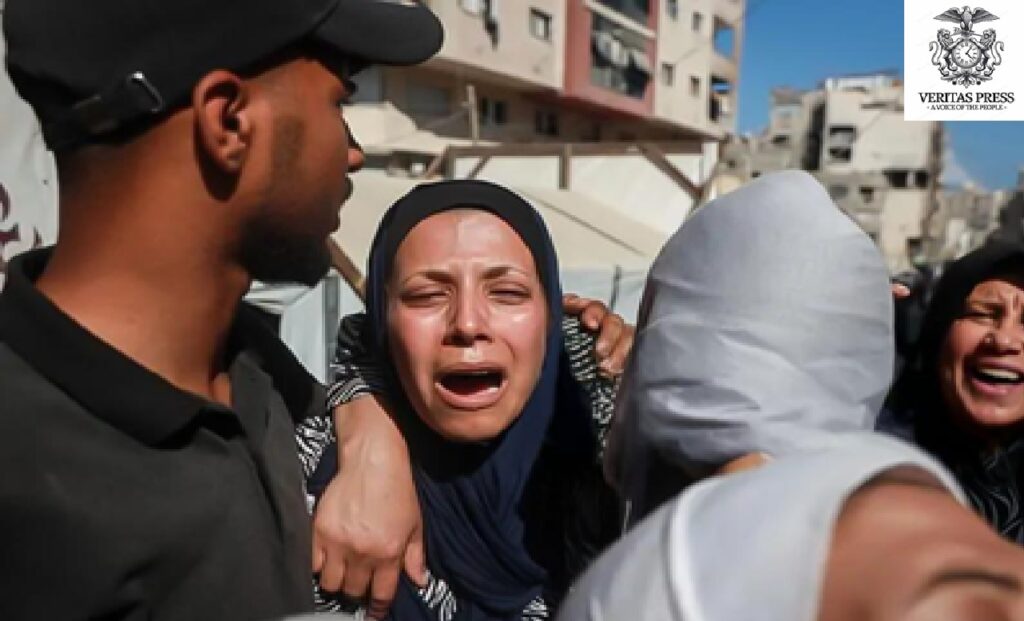
For civilians, the renewed violence shattered hopes that the war had finally ended.
“We believed it was over,” said one displaced resident sheltering in Sidon. “Families had begun returning home. Children were outside again. Then the bombing resumed.”
Israeli officials maintained that military operations targeted armed positions posing immediate threats. Lebanese authorities and Hezbollah rejected those claims, arguing that continued operations represented a direct violation of the agreement.
The renewed fighting around strategically important areas in southern Lebanon quickly transformed the ceasefire into another phase of the conflict rather than its conclusion.
Tehran’s Hardliners Claim Vindication:
Inside Iran, the collapse of the agreement has dramatically shifted the political balance.
For weeks, debate had raged within the Iranian leadership over whether negotiations with Washington could produce meaningful results. Reformist and pragmatic factions argued that economic pressures and regional instability had created incentives for diplomacy.
Hardline elements within the security establishment remained deeply sceptical.
Senior conservative figures repeatedly warned that Washington could not be trusted to uphold its commitments and argued that American pressure would continue regardless of concessions.
The rapid deterioration of the agreement has strengthened those voices.
Officials close to Iran’s security institutions now argue that recent events confirm longstanding suspicions that the United States was either unwilling or unable to restrain its regional allies and guarantee implementation of the accord.
The political consequences inside Tehran may prove as significant as the military developments themselves.
Washington’s Dilemma:
The collapse of the agreement has raised difficult questions about the role of the United States.
Critics argue that Washington either failed to enforce the terms of the accord or deliberately tolerated actions that undermined it. Supporters of the administration insist that the situation reflects the complexity of regional alliances and competing security interests.
Public statements from American officials have emphasised de-escalation while simultaneously expressing support for Israeli security concerns.
This ambiguity has fueled accusations from Tehran that Washington negotiated in good faith only on paper while allowing realities on the ground to undermine the agreement.
Regional analysts argue that the crisis exposes divisions within American foreign policy institutions.
Some policymakers viewed diplomacy as essential to reducing tensions and stabilising energy markets. Others remained deeply sceptical of engagement with Iran and continued to support a strategy of sustained pressure.
Those competing approaches have now collided.
Hormuz: The Economic Front Opens.
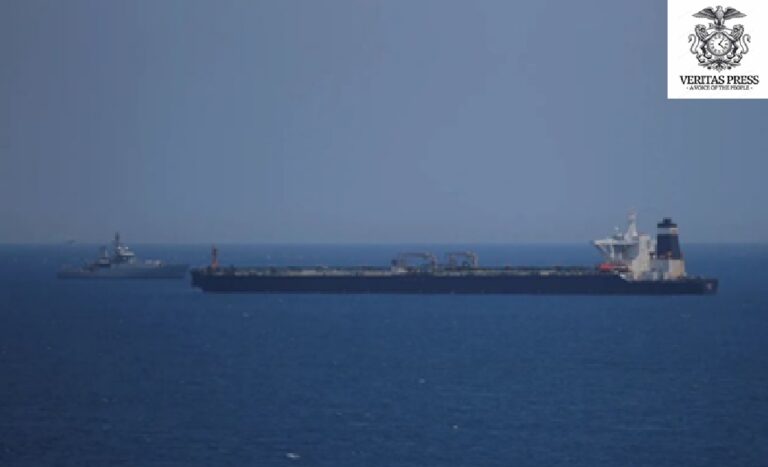
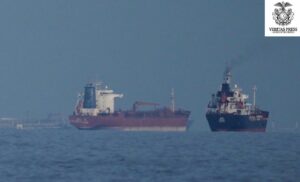
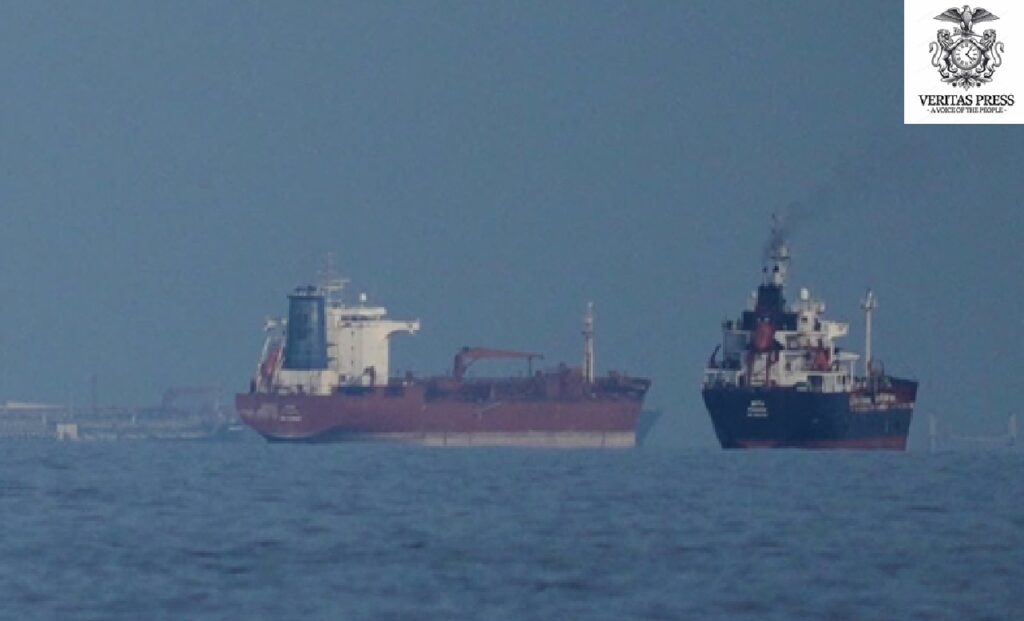
Iran’s decision to close the Strait of Hormuz represents the most serious escalation of the crisis.
The narrow waterway serves as one of the world’s most important energy corridors, carrying a substantial portion of global oil and liquefied natural gas exports.
By restricting passage through the strait, Tehran has transformed a regional conflict into an international economic emergency.
Energy markets reacted immediately, with prices surging amid fears of supply disruptions.
Shipping companies delayed voyages, governments convened emergency meetings, and military planners began assessing potential responses.
Iranian officials argue that the closure is a direct response to violations of the agreement and insist that the measure could be reversed if previous commitments are honoured.
Western governments describe the move as dangerous and destabilising.
The standoff now carries enormous risks. Any attempt to forcibly reopen the waterway could trigger direct military confrontation.
Diplomacy In Geneva:
The first implementation meeting following the agreement was supposed to focus on sanctions relief and technical issues.
Instead, the discussions became an emergency attempt to salvage a collapsing diplomatic process.
Iranian representatives accused the United States of failing to fulfil its obligations and demanded immediate action to halt military operations in Lebanon.
American officials called for the reopening of the Strait of Hormuz before broader negotiations could continue.
Participants described the atmosphere as deeply confrontational, with neither side willing to make the first concession.
What had been intended as the beginning of a new diplomatic chapter instead became a forum for mutual accusations and deteriorating trust.
Civilians Pay The Price:
As governments exchange warnings and military forces mobilise, civilians across the region face the consequences.
Displacement has increased in Lebanon as families flee renewed fighting.
Economic uncertainty has spread through Gulf states dependent upon maritime trade.
In Iran, businesses and workers fear both international confrontation and domestic hardship.
Residents in coastal cities along the Persian Gulf confront growing uncertainty about what prolonged disruption could mean for livelihoods and commerce.
For many people across the region, the diplomatic collapse represents yet another reminder that agreements reached in distant conference rooms often fail to protect those living closest to the conflict.
A Region Once Again On The Edge:
The failure of the agreement highlights the immense difficulty of constructing durable peace in a region shaped by decades of conflict, mistrust, and competing strategic interests.
Diplomacy requires not only signatures but also enforcement, political will, and confidence that all parties will honour their commitments.
Without those conditions, agreements risk becoming temporary pauses rather than lasting settlements.
The current crisis demonstrates how quickly hopes for de-escalation can give way to renewed confrontation.
Whether the parties can return to negotiations remains uncertain. What is clear is that the collapse of the agreement has strengthened hardliners, weakened moderates, and pushed the Middle East toward another dangerous period of instability.
As military forces manoeuvre in the Gulf and civilians once again seek shelter from violence, the promise of peace appears increasingly distant.
The consequences of that failure may extend far beyond the region itself.
Source: Veritas Press C.I.C. | Multi News Agencies
Help Support Our Work By Donating
Popular Information is powered by readers who believe that truth still matters. When just a few more people step up to support this work, it means more lies exposed, more corruption uncovered, and more accountability where it’s long overdue.
Help Protect Independent Journalism, Which Is Currently Under Attack.
If you believe journalism should serve the public, not the powerful, and you’re in a position to help, becoming a DONATOR or a PAID SUBSCRIBER truly makes a difference.
DONATION APPEAL: If You Found This Reporting Valuable, Please Consider Supporting Independent Journalism.
Your support fuels our fearless, truth-driven journalism. In unity, we endeavour to amplify marginalised voices and champion justice, irrespective of geographical location. We operate independently, without any financial backing from billionaires.
But it’s also extremely important. One of Veritas Press’s greatest assets is its reader-funded model.
1. Reader funding means we can cover what we like. We’re not beholden to the political whims of a billionaire owner. We are a small, independent and impartial organisation. No one can tell us what not to say or what not to report.
2. Reader funding means we don’t have to chase clicks and traffic. We’re not desperately seeking your attention for its own sake: we pursue the stories that our editorial team deems important and believe are worthy of your time.
3. Reader Funding: enables us to keep our website and other social media channels open, allowing as many people as possible to access quality journalism from around the world, particularly those in places where the free press is under threat.
We know not everyone can afford to pay for news, but if you’ve been meaning to support us, now’s the time.
Your donation goes a long way. It helps us:
- Keep the lights on and sustain our day-to-day operations
- Hire new, talented independent reporters
- Launch real-time live debates, community-focused shows, and on-the-ground reporting
- Cover the issues that matter most to our communities, in real time, with depth and integrity
We have plans to expand our work, but we can’t do it without your support. Every contribution, no matter the size, helps us stay independent and build a truly people-powered media platform.
If you believe in journalism that informs, empowers, and reflects the communities we serve, please donate today.
Help By Donating Today
Submissions:
For The Secure Submission Of Documentation, Testimonies, Or Exclusive Investigative Reports From Any Global Location, Please Utilise The Following Contact Details For Our Investigations Desk: enquiries@veritaspress.co.uk or editor@veritaspress.co.uk
GENEVA/BEIRUT/TEHRAN — The diplomatic breakthrough that many hoped would reshape the Middle East lasted barely
ISLAMABAD / WASHINGTON / TEHRAN — With three electronic signatures and a carefully staged ceremony
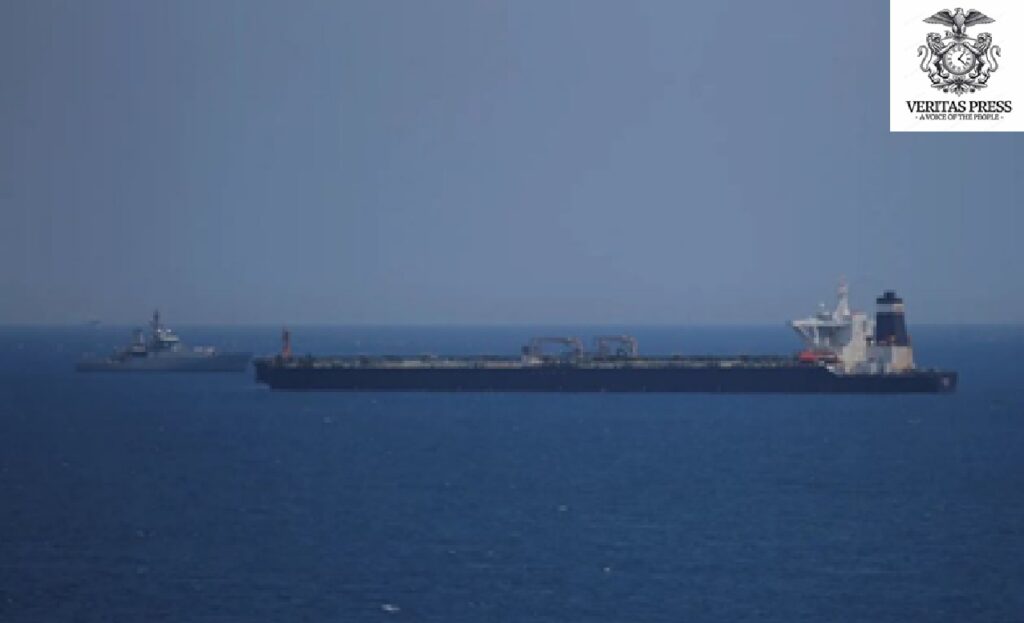
TEHRAN, WASHINGTON – In the grey light of a Gulf dawn, eleven Iranian vessels, oil
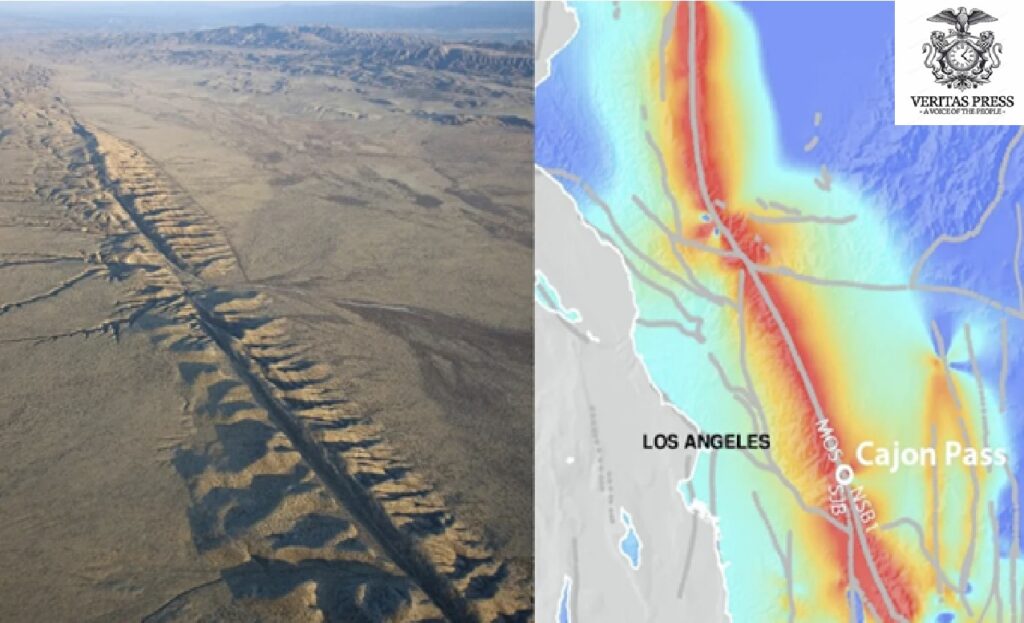
New Modeling Confirms The San Andreas And San Jacinto Faults Are More Critically Stressed Than
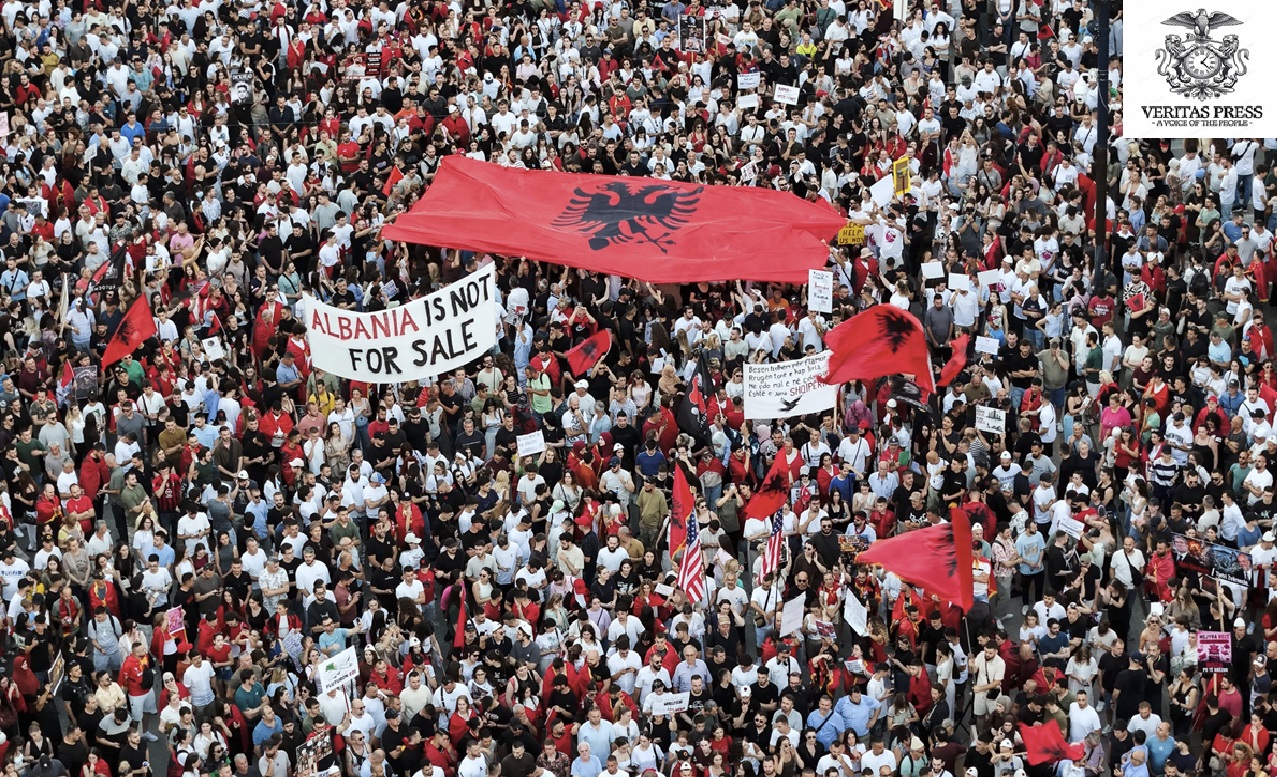
A Protest Movement Ignited By A Jared Kushner-Linked Luxury Development On Protected Coastline Has Erupted
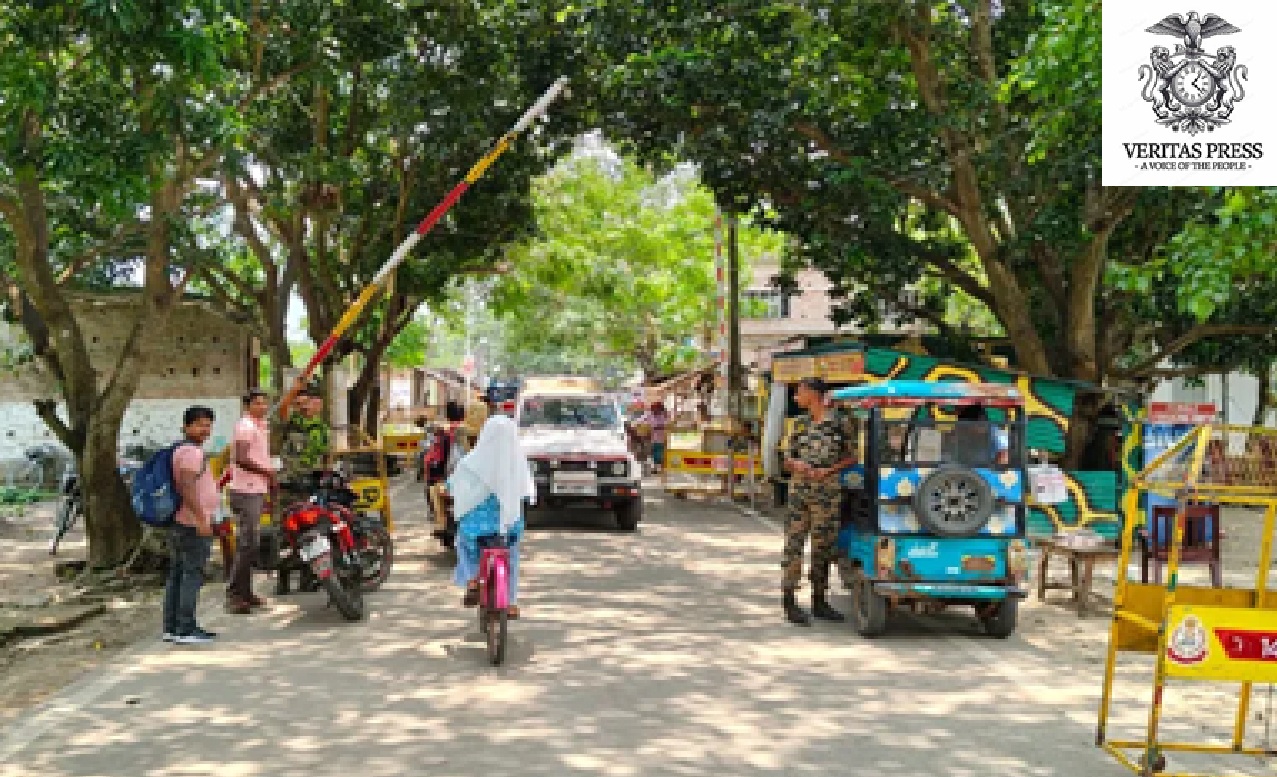
HAKIMPUR, WEST BENGAL — The border checkpoint at Hakimpur is an unremarkable scar in the
Ahmed And Mahmoud Waleed Abu Hein Died In An Israeli Drone Strike On A Civilian
JERUSALEM / GAZA CITY — On a screen flickering inside a Jerusalem courtroom last Wednesday,
TEHRAN — In the predawn hours of Tuesday, Iranian state media erupted with a synchronised,
A special investigation into how Washington’s historic refusal to hold Israel accountable after a deadly