Kamran Faqir is a volunteer investigative journalist and writer committed to exposing hidden truths and amplifying underreported stories. Driven by social justice, he brings sharp insight and fearless truth-telling to independent journalism. NUJ registered.
Original Article Date Published:
Article Date Modified:
12 minutes
Views:371
Listen to this article
Help support our mission, donate today and be the change. Every contribution goes directly toward driving real impact for the cause we believe in.
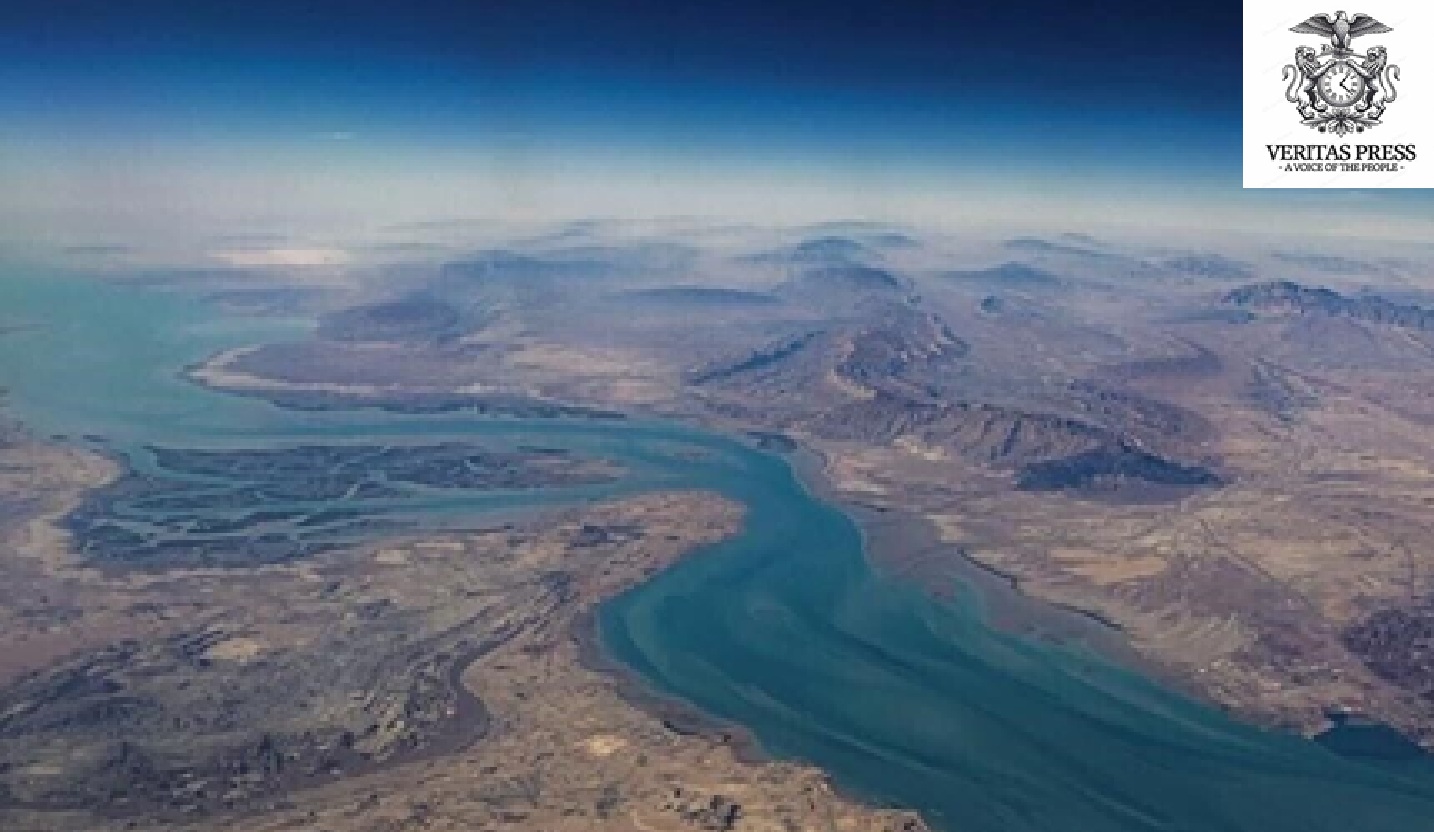
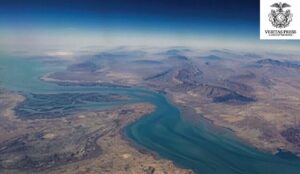
TEHRAN – The rapid reversal of Iran’s position on the Strait of Hormuz, from reopening to reimposing strict military control within hours, has exposed not only the fragility of the current ceasefire framework but a much deeper crisis of trust shaping Tehran’s strategic calculus. What initially appeared to be a tentative step toward de-escalation has instead revealed a widening gulf between diplomatic rhetoric and realities on the ground, from the Persian Gulf to southern Lebanon.
A Chokepoint Weaponised Amid Collapsing Trust:
On Saturday, Iranian state media confirmed that the strait had returned to “strict management and control” by the armed forces, reversing Friday’s brief reopening that had triggered a surge of optimism in global markets. That reopening had followed what was framed as a coordinated de-escalatory moment: a ceasefire in Lebanon alongside indirect US-Iran understandings aimed at creating space for negotiations.
But the reversal was swift and telling.
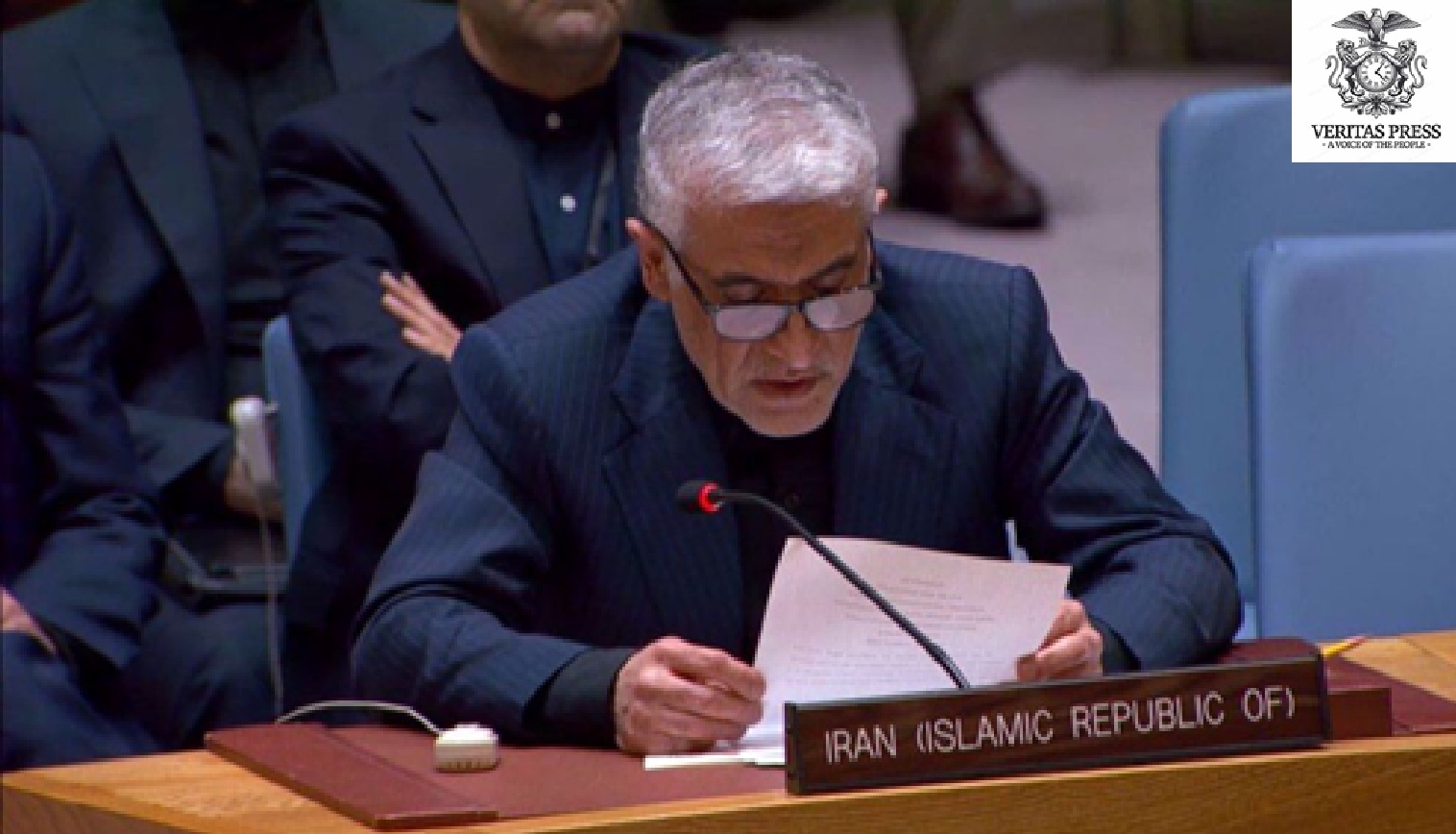
Iranian parliamentary speaker Mohammad Bagher Ghalibaf warned that continued US naval blockade measures meant the strait “will not remain open,” while foreign ministry spokesperson Esmaeil Baqaei described Washington’s actions as a direct “violation of the ceasefire.”
Behind these statements lies a deeper and increasingly explicit accusation: that the United States and Israel are engaging in a pattern of strategic deception, using ceasefires as temporary tactical pauses while maintaining military and economic pressure.
US Naval Blockade: Legality Contested, Escalation Intensified.
A central point of contention is Washington’s ongoing attempt to impose a naval blockade on Iranian ports and shipping, an action Tehran has denounced as illegal under international law and tantamount to economic warfare.
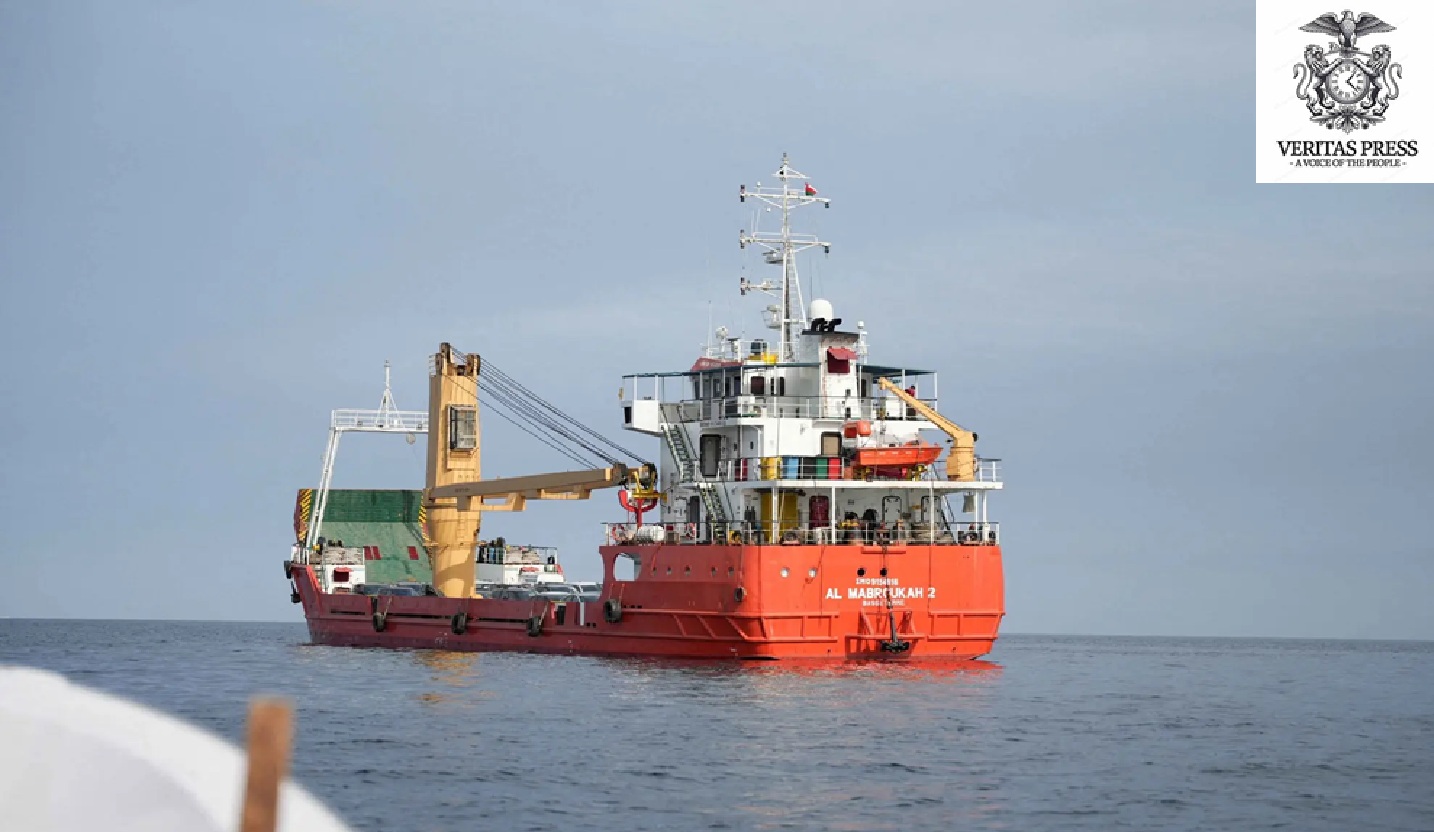
The United States, through United States Central Command, has confirmed that at least 23 vessels have been turned back since the operation began, with naval assets including the USS Canberra deployed to enforce restrictions in surrounding waters.
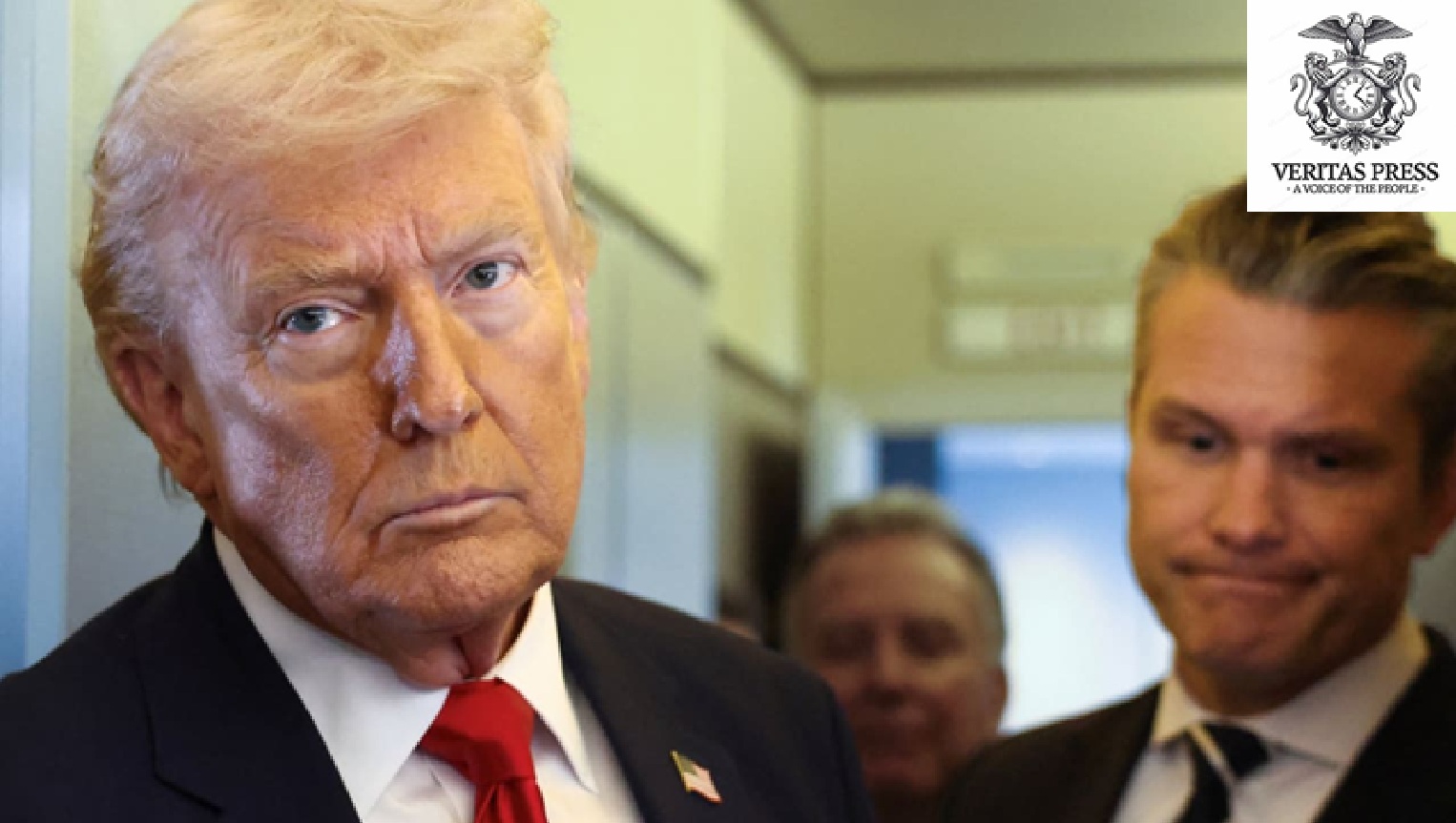
US President Donald Trump has made clear that the blockade will remain in place regardless of ceasefire negotiations:
“Maybe I won’t extend it… But the blockade is going to remain.”
From a legal standpoint, analysts and international law experts have raised serious concerns. Naval blockades are typically considered acts of war under international law unless authorised by the United Nations Security Council or justified under self-defence provisions, conditions that critics argue are not clearly met in this case.
An international law scholar quoted in regional media noted:
“Imposing a blockade outside of a declared war framework and without UN authorisation risks violating the principle of freedom of navigation. It blurs the line between sanctions and armed conflict.”
Iran has seized on this argument diplomatically. Deputy Foreign Minister Saeed Khatibzadeh declared:
“There will never be any blockade… The era of colonialism must come to an end.”
Iranian military officials have gone further, describing US actions as “acts of piracy and maritime theft,” framing their own restrictions in the Strait of Hormuz as a reciprocal and defensive response.
Lebanon Ceasefire: A Catalyst For Iranian Distrust.
The unravelling, or perceived hollowing out, of the Lebanon ceasefire has been central to Iran’s abrupt shift.
The agreement, intended to halt Israel’s war with Hezbollah, was initially cited by Iranian officials as evidence that de-escalation across multiple fronts was possible. Tehran’s brief reopening of Hormuz was, according to regional analysts, partly a calculated goodwill gesture tied to that framework.
However, reports from Lebanese media, local officials, and humanitarian organisations suggest that Israeli military activity never fully ceased. Surveillance drones reportedly continued to operate over southern Lebanon, with intermittent strikes and airspace violations raising serious doubts about the ceasefire’s implementation.
A civil defence worker in Tyre told regional media:
“They said ceasefire, but drones never left the sky. People don’t feel any ceasefire on the ground.”
For Tehran, such developments reinforced a long-standing belief that Israel leverages ceasefires to regroup militarily while minimising international scrutiny, an assessment that now appears to be shaping its broader regional posture.
Iran’s Islamic Revolutionary Guard Corps (IRGC) has echoed this sentiment, warning that any US or Israeli “breach” would be met with an “appropriate response.” The linkage between Lebanon and Hormuz is therefore strategic, not incidental: distrust in one arena is directly informing escalation in another.
Ships In Limbo As Tensions Spill Into Global Routes:
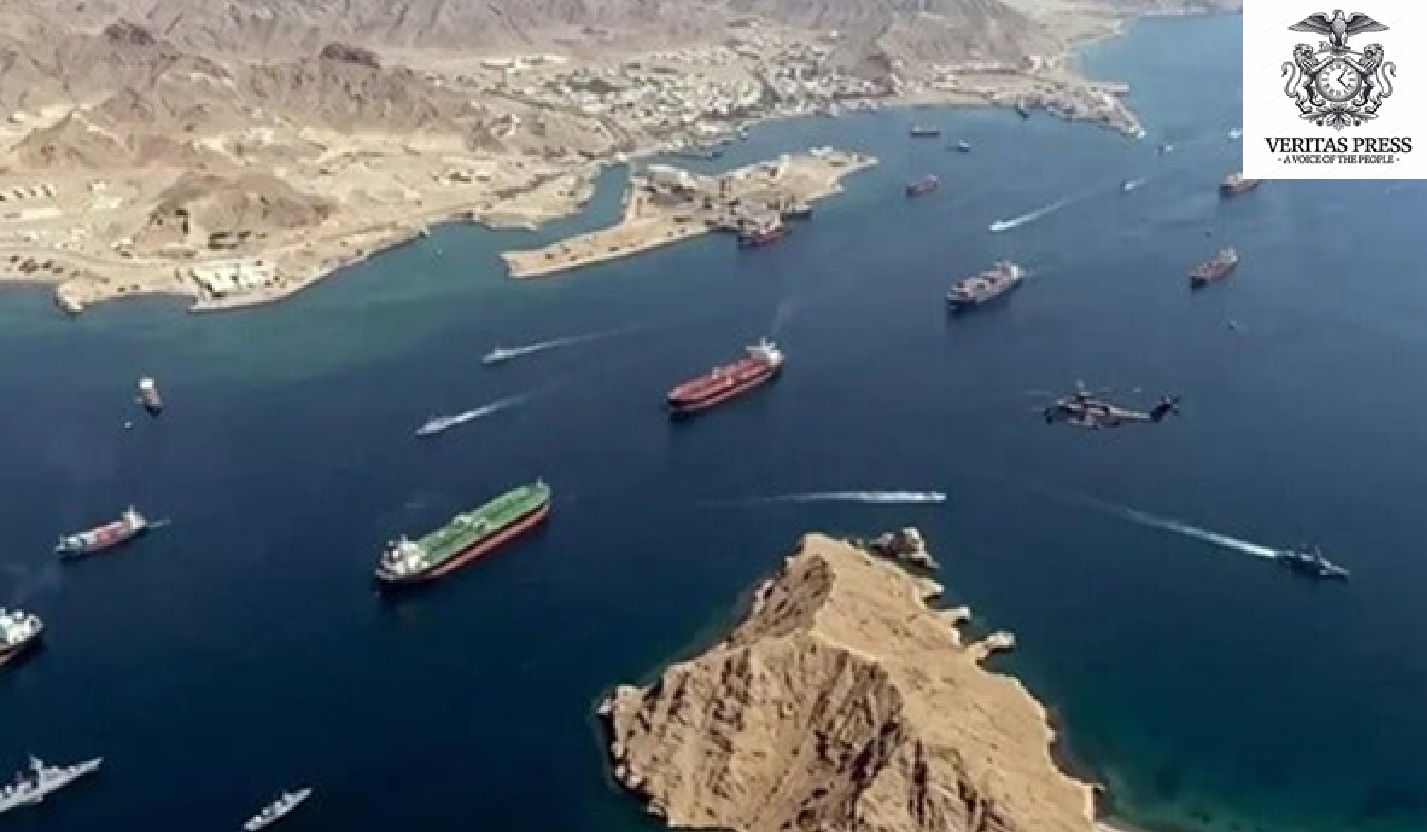
The immediate consequences of this breakdown in trust have been visible in the waters of the Strait of Hormuz itself.
Maritime tracking data shows that at least eight oil and gas tankers managed to transit the strait during the brief reopening window, while others abruptly turned back after receiving radio warnings that passage was once again restricted. Some vessels reportedly broadcast affiliations with countries such as India and China, attempting to signal neutrality while hugging Iranian territorial waters.
A Gulf-Based Shipping Operator Described The Confusion:
“Crews are essentially navigating blind. One hour it’s open, the next hour they’re told to turn around or risk interception.”
Trump’s Brinkmanship And Diplomatic Contradictions:
US President Donald Trump has maintained an outwardly optimistic tone, insisting that a deal is “very close,” even as he doubles down on coercive measures that Tehran views as hostile.
“Maybe I won’t extend it… But the blockade is going to remain… otherwise we have to start dropping bombs again.”
For Iranian officials, such statements reinforce the perception that negotiations are being conducted under duress rather than mutual respect. Disputes over Iran’s enriched uranium stockpile further highlight the gap: while Washington has floated the idea of transferring it abroad, Tehran has categorically rejected the proposal.
Baqaei stated:
“Enriched uranium is sacred to us, as is Iranian soil.”
Ceasefire In Name Only, Escalation In Practice:
With just days remaining before the expiration of the two-week ceasefire tied to the US-Israeli war on Iran, the situation increasingly resembles a pause before renewed escalation rather than a genuine pathway to peace.
Iran’s actions in Hormuz, tightening control over one of the world’s most critical energy chokepoints, are both a warning and a bargaining tool. But they are also rooted in a broader strategic conclusion: that ceasefires involving Israel, particularly those backed by the United States, cannot be relied upon without enforceable guarantees.
A regional analyst summarised the dynamic:
“For Iran, Lebanon confirmed the pattern: ceasefire in headlines, continued aggression on the ground. Hormuz is the response.”
Domestic Pressures And Information Blackout:
Internally, Iran is also navigating mounting pressure. The country’s internet blackout, now entering its 50th day, according to NetBlocks, has severely restricted access to information, while authorities report over 120 arrests on security-related charges.
Human rights advocates warn that the blackout reflects a government seeking to control the narrative amid economic strain and wartime uncertainty. An Iranian activist, speaking anonymously, said:
“People are cut off from each other and from the truth. Meanwhile, decisions that could impact millions are being made behind closed doors.”
Global Stakes: Energy, Economy, And Risk Of Miscalculation.
The renewed uncertainty in the Strait of Hormuz has immediate global implications. Oil markets, which had briefly stabilised following Friday’s reopening, are once again volatile. Energy-importing nations across Asia and Europe face the prospect of supply disruptions if tensions persist.
At the same time, major powers such as China are treading carefully, balancing economic interests with geopolitical caution. While Trump has claimed that Chinese leadership welcomed the reopening, Beijing has remained notably restrained in public.
A Self-Reinforcing Cycle Of Escalation:
Ultimately, the Hormuz crisis reflects a broader and more dangerous trajectory: a self-reinforcing cycle in which distrust fuels escalation, and escalation deepens distrust.
The United States frames its blockade as necessary leverage.
Iran responds by restricting a vital global waterway.
Israel maintains military pressure, even amid ceasefire frameworks.
Each actor claims defensive intent, yet the cumulative effect is one of expanding instability.
For civilians, from Lebanese families living under drones to seafarers navigating one of the world’s most militarised waterways, the consequences are immediate and tangible.
As one Middle East policy expert observed:
“This is no longer about isolated conflicts. It’s a connected battlespace, where every broken ceasefire feeds the next escalation.”
In this context, the Strait of Hormuz is no longer just a maritime chokepoint; it has become a symbol of a collapsing diplomatic order, where contested legality, broken agreements, and strategic distrust are pushing the region closer to a wider and more unpredictable confrontation.
Conclusion: A Manufactured Crisis Of Leverage, Law, And Impunity.
What is unfolding around the Strait of Hormuz is not merely a reactive escalation; it is the product of a deliberate and mutually reinforcing strategy in which law, diplomacy, and civilian security are being subordinated to coercive power.
At the centre of this crisis lies a fundamental breakdown of credibility. Iran’s decision to reimpose control over the strait is not occurring in a vacuum; it is rooted in a cumulative record of what Tehran perceives as US and Israeli bad faith, from the continuation of a naval blockade during a declared ceasefire window to the apparent erosion of the Lebanon truce with Hezbollah. Each episode feeds a broader doctrine within Iranian policymaking: that de-escalation agreements are being instrumentalised, not honoured.
Yet this is only one side of a more troubling equation.
The United States, through its blockade enforced by the United States Central Command, is effectively testing the outer limits of international law, asserting maritime control without clear multilateral authorisation while maintaining the language of negotiation. This duality, diplomacy backed by coercion, has historically been justified as leverage. But in practice, it risks normalising a precedent where economic strangulation and restricted navigation become tools of routine statecraft rather than exceptional measures.
Legal experts warn that such actions, absent sanction from the United Nations Security Council, blur the distinction between enforcement and war itself. The danger is not only immediate escalation, but the long-term erosion of the legal frameworks that govern global trade routes.
Iran’s response, tightening control over one of the world’s most critical energy chokepoints, may be framed as reciprocal, even defensive. But it also carries profound risks. By leveraging Hormuz as a pressure point, Tehran is effectively weaponising interdependence, placing global energy markets and civilian shipping at the centre of a geopolitical confrontation. In doing so, it mirrors the very logic it condemns: coercion as a substitute for durable political settlement.
Caught between these competing strategies are civilians who have no stake in the calculus of power. Lebanese communities continue to live under the shadow of a ceasefire that exists more convincingly in diplomatic statements than in lived reality. Seafarers navigate an increasingly militarised corridor where a misinterpreted signal or delayed order could trigger confrontation. Populations across energy-dependent economies face the downstream effects of volatility engineered far beyond their borders.
What emerges is not a pathway to resolution, but a system of managed instability, where periodic de-escalations serve to reset, rather than resolve, the conditions for conflict.
As long as ceasefires remain unenforced, blockades remain contested, and accountability remains absent, the crisis will persist in cycles. Each side will continue to justify escalation as a reaction, even as those reactions collectively drive the region closer to systemic rupture.
In this sense, the Strait of Hormuz is no longer just a strategic chokepoint; it is a diagnostic one. It reveals a geopolitical order in which power increasingly operates without restraint, agreements without guarantees, and law without enforcement.
And until that imbalance is addressed, every “reopening” will remain temporary, every ceasefire conditional, and every step toward peace shadowed by the certainty of its collapse.
Source: Multiple News Agencies
Submissions:
For The Secure Submission Of Documentation, Testimonies, Or Exclusive Investigative Reports From Any Global Location, Please Utilise The Following Contact Details For Our Investigations Desk: enquiries@veritaspress.co.uk or editor@veritaspress.co.uk
Help Support Our Work:
Popular Information is powered by readers who believe that truth still matters. When just a few more people step up to support this work, it means more lies exposed, more corruption uncovered, and more accountability where it’s long overdue.
Help Protect Independent Journalism, Which Is Currently Under Attack.
If you believe journalism should serve the public, not the powerful, and you’re in a position to help, becoming a DONATOR or a PAID SUBSCRIBER truly makes a difference.
DONATION APPEAL: If You Found This Reporting Valuable, Please Consider Supporting Independent Journalism.
Help Support Our Work – We Know, We Know, We Know …
Seeing these messages is annoying. We know that. (Imagine what it’s like writing them … )
Your support fuels our fearless, truth-driven journalism. In unity, we endeavour to amplify marginalised voices and champion justice, irrespective of geographical location.
But it’s also extremely important. One of Veritas Press’s greatest assets is its reader-funded model.
1. Reader funding means we can cover what we like. We’re not beholden to the political whims of a billionaire owner. We are a small, independent and impartial organisation. No one can tell us what not to say or what not to report.
2. Reader funding means we don’t have to chase clicks and traffic. We’re not desperately seeking your attention for its own sake: we pursue the stories that our editorial team deems important and believe are worthy of your time.
3. Reader Funding: enables us to keep our website and other social media channels open, allowing as many people as possible to access quality journalism from around the world, particularly those in places where the free press is under threat.
We know not everyone can afford to pay for news, but if you’ve been meaning to support us, now’s the time.
Your donation goes a long way. It helps us:
Keep the lights on and sustain our day-to-day operations
Hire new, talented independent reporters
Launch real-time live debates, community-focused shows, and on-the-ground reporting
Cover the issues that matter most to our communities, in real time, with depth and integrity
We have plans to expand our work, but we can’t do it without your support. Every contribution, no matter the size, helps us stay independent and build a truly people-powered media platform.
If you believe in journalism that informs, empowers, and reflects the communities we serve, please donate today.
Kamran Faqir is a volunteer investigative journalist and writer committed to exposing hidden truths and amplifying underreported stories. Driven by social justice, he brings sharp insight and fearless truth-telling to independent journalism. NUJ registered.
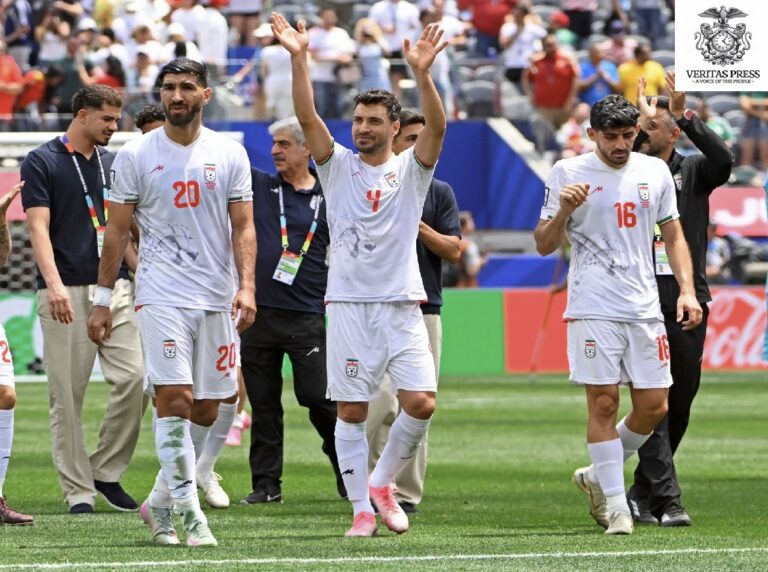
SEATTLE, TEHRAN — The U.S. Department of Homeland Security (DHS) will allow Iran’s national football team to enter the country 48 hours before their critical World Cup match against Egypt on Friday, a modest concession in a tournament where Team Melli’s travel conditions have sparked claims of oppression and competitive disadvantage.