Kamran Faqir is a volunteer investigative journalist and writer committed to exposing hidden truths and amplifying underreported stories. Driven by social justice, he brings sharp insight and fearless truth-telling to independent journalism. NUJ registered.
Article Date Published:
Article Date Modified:
19 minutes
Views:384
Listen to this article
Help support our mission, donate today and be the change. Every contribution goes directly toward driving real impact for the cause we believe in.
Farage’s Strategic Gamble, The Rise Of Restore Britain, And The Foreign Money Fuelling Britain’s Most Disruptive Political Force.
The Moment the Mask Slipped:
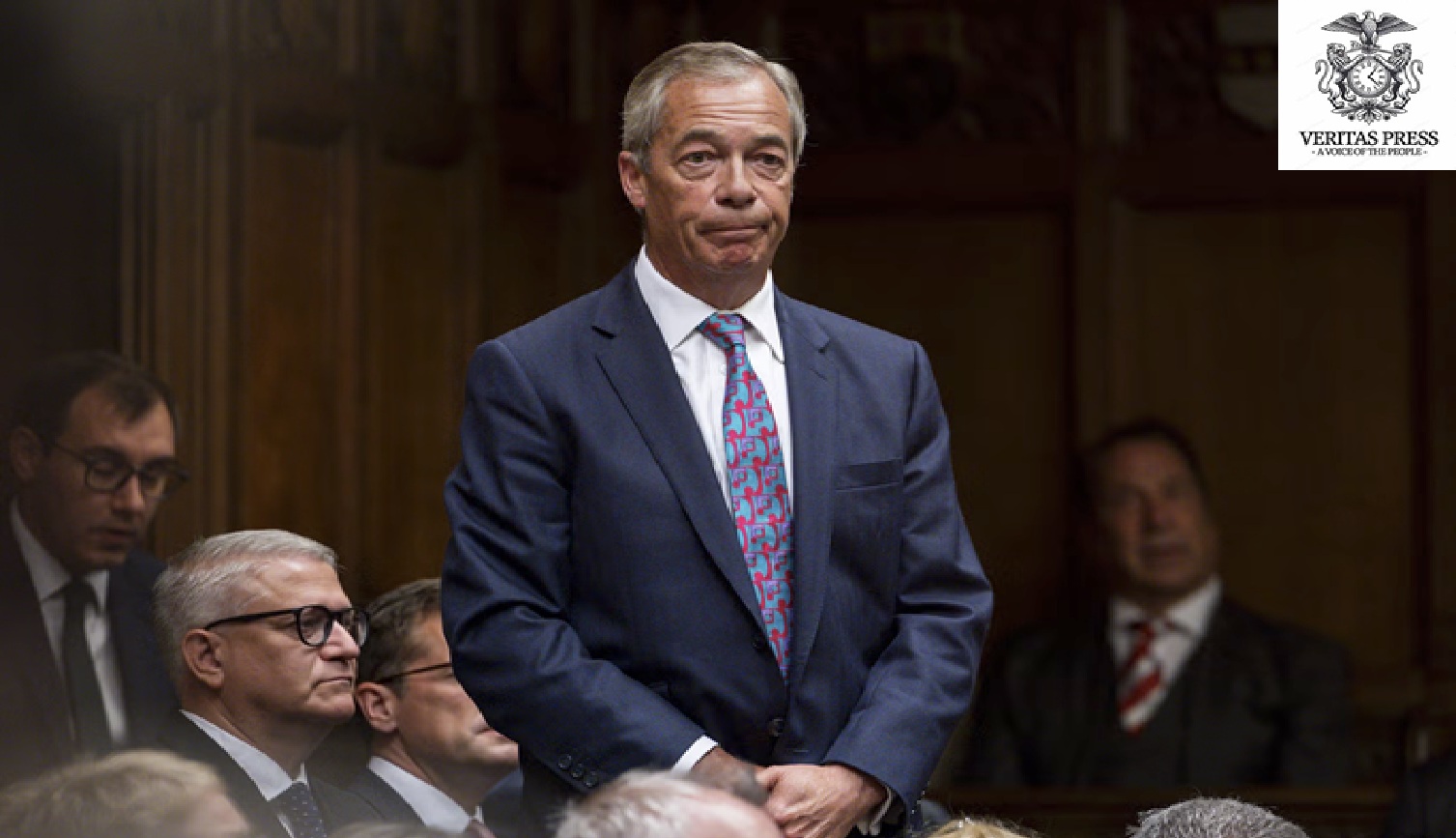
It was just before 12.30 pm on Wednesday, and Nigel Farage was losing his composure.
For a man whose self-confidence has been described by allies as “iron-clad”, a politician who has survived more political obituaries than most newspapers have columnists, the scene in the House of Commons was remarkable. Standing opposite him, Prime Minister Keir Starmer was delivering a takedown so glacial in its contempt that even some Reform MPs reportedly shifted uncomfortably in their seats.
Starmer’s words were surgical: Henry Nowak’s father had explicitly asked that his son’s death not be exploited to create division. Farage had ignored that plea entirely. “It shows exactly who he is,” the Prime Minister said.
Farage’s attempts to laugh off the criticism looked unconvincing. He was, by multiple accounts, rattled.
The question hanging over Westminster this week is whether this moment represents a mere stumble for Britain’s most disruptive political force, or the beginning of a reckoning that could see Farage’s carefully cultivated brand collapse under the weight of its own contradictions.
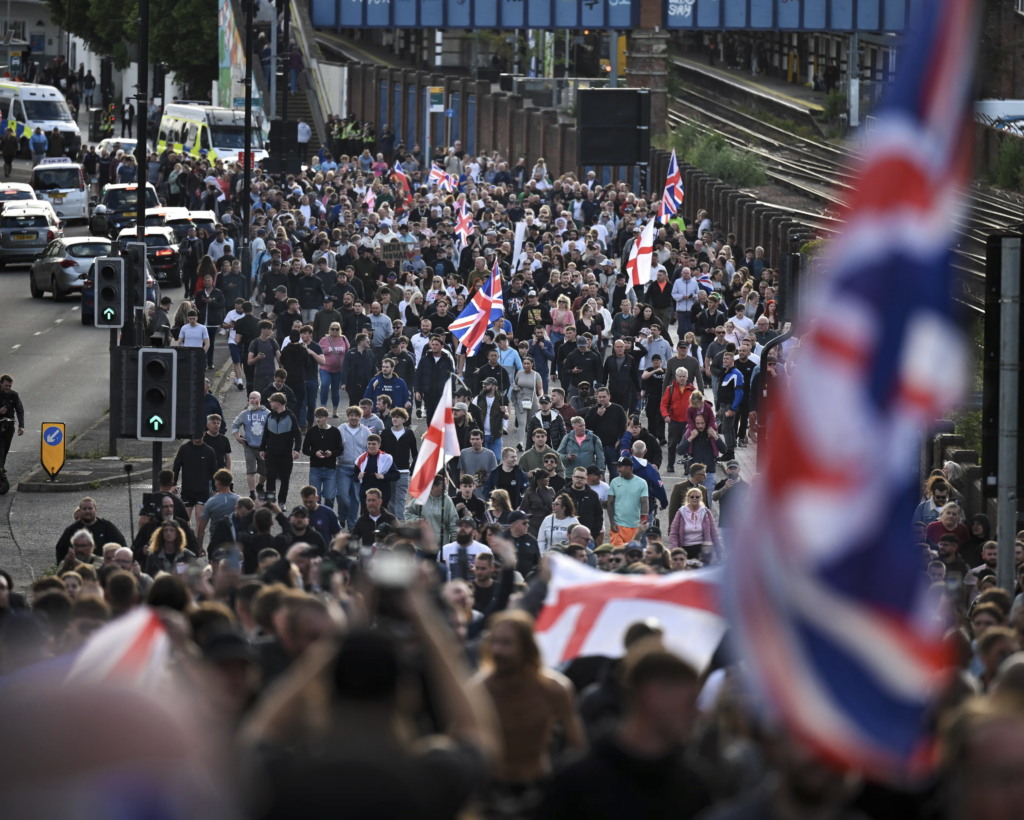
Demonstrators marched in Southampton on Tuesday over the police’s treatment of the murder victim Henry Nowak. Photograph: Finnbarr Webster/Getty Images
Part One: The ‘Emergency Address’ That Changed Everything.
Anatomy Of A Rhetorical Escalation
On Tuesday morning, after Vickrum Digwa was convicted of murdering 18-year-old Henry Nowak, a case that had been subject to strict court reporting rules until the verdict, Farage delivered what his team billed as an “emergency address.” To those who have tracked his rhetoric over two decades, the language represented a notable shift further to the right.
His central claim was incendiary. Hampshire police’s treatment of Nowak, who was handcuffed as he lay dying from stab wounds by officers who wrongly believed they had responded to a racist assault, was proof, Farage declared, of “a two-tier culture in this country, where the rights and privileges of white people matter less than those of ethnic minorities.”
The factual foundation for this claim is, at best, contested. Recent official figures show Hampshire police officers are more than five times more likely to stop and search Black people than white people, hardly evidence of systemic bias against white citizens. But Farage was not operating in the realm of data.
He went further. Echoing elements of European far-right rhetoric and the Trump administration’s messaging on reverse discrimination, Farage drew a distinction between minority ethnic Britons and white people whose ancestors had “lived in the UK for centuries.” He also alleged, without providing evidence, that many police promotions occurred not due to merit but because of an officer’s race or religion.
Then came the phrase that would define the week. British people, he concluded with ominous gravity, should respond with “pure, cold rage.”
‘Violence Is A Red Line’
The response was almost immediate, and not in the way Farage might have hoped.
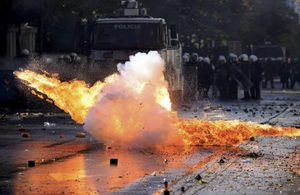
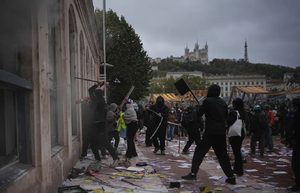
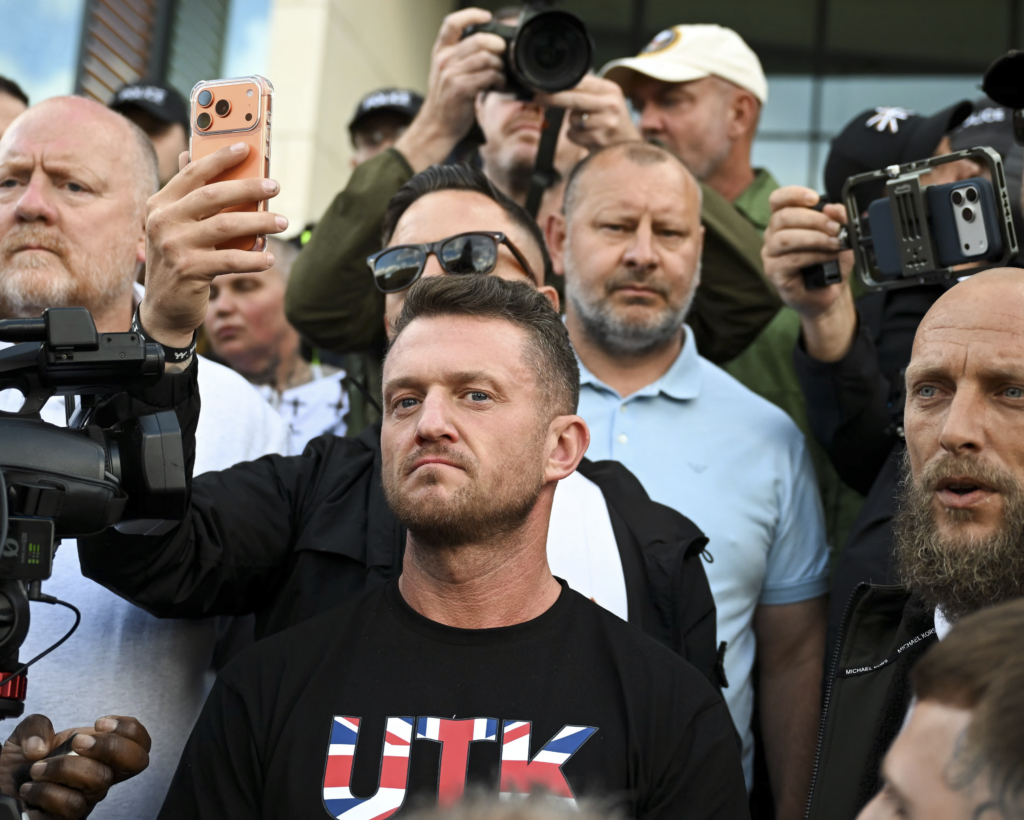
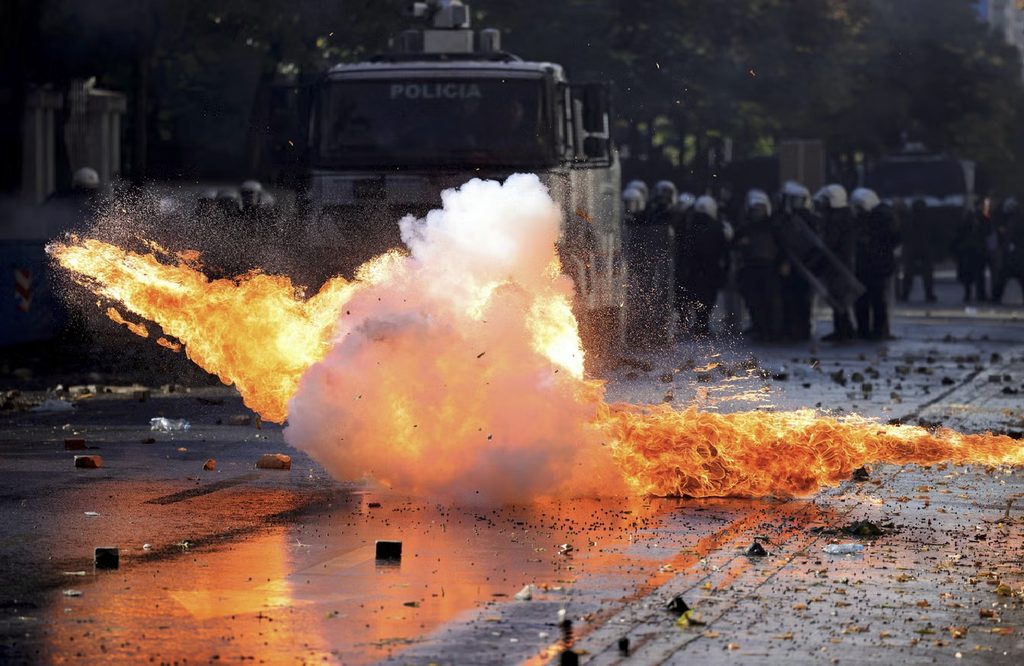
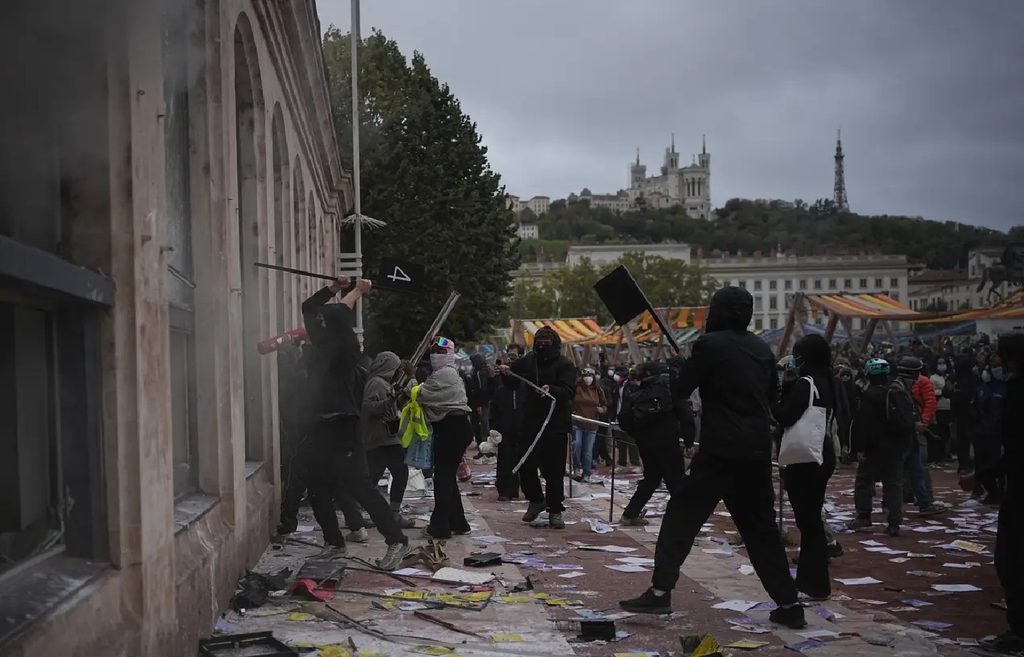
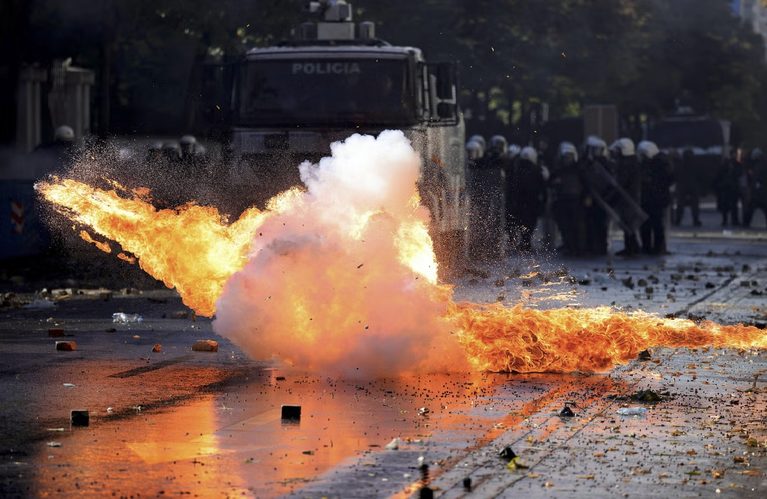
On Tuesday night, Southampton descended into what witnesses described as a “semi-riot.” An unseemly mix of angry local people and self-promoting white nationalists, including Tommy Robinson, the far-right agitator whom Farage once said he wanted nothing to do with, threw bins and other objects at police. Eleven officers and a police dog were injured. Many residents were left terrified.
Luke Tryl, director of the thinktank More in Common, told this journalist that Farage may have miscalculated catastrophically. “Violence is a red line,” Tryl said. “People may want a tough approach on issues like immigration, but there is very little space for what can be perceived as outright nastiness or cruelty.”
The damage, Tryl suggested, was not just reputational but strategic. “I wonder what role the fear of Restore and the need to protect their right flank has played in this. But I think trying to chase the Restore flank will cost them more on the other side.”
Analysis from More in Common shows that if Restore, the breakaway party led by former Reform MP Rupert Lowe, took even 3-4% of the vote nationally, it could cost Reform about 80 seats in a general election.
Part Two: The Ghost At The Feast, Why Restore Britain Has Farage Spooked.
From Laughter To Alarm
When Rupert Lowe broke away from Reform and announced he was forming his own party, the response from Team Farage was predominantly ridicule. A political novice with a rhetorical style that one insider described to me as less “aspiring prime minister” than “borderline-racist great-uncle at a wedding,” Lowe’s ambitions felt hubristic.
The laughter has since stopped at Reform HQ.
While Restore is polling nationally in the low single digits, Lowe’s party is bullish about its chances in this month’s Makerfield byelection. Sources close to the campaign suggest Restore could easily come third, and crucially, take enough votes from Reform to hand victory to Labour’s Andy Burnham.
Lowe has outflanked Farage in two critical ways. First, he is ubiquitous online, where his posts on X are regularly endorsed by Elon Musk, a platform owner whose own politics have shifted dramatically rightward. Second, his policies are openly far-right, including talk of deporting millions of people from the UK. Many of Lowe’s supporters embrace racist nativism, for example, arguing that minority ethnic politicians such as Kemi Badenoch should not be allowed to sit in parliament, positions that Lowe has conspicuously failed to challenge.
The Musk Factor:
Elon Musk’s involvement in British politics has intensified in recent weeks. The X owner has posted repeatedly about the Nowak case, amplifying far-right accounts and framing the murder as evidence of systemic anti-white bias. His endorsement of Lowe, whom he recently described as a “breath of fresh air”, has given Restore a visibility that its polling numbers would not otherwise justify.
A Reform insider, speaking on condition of anonymity, acknowledged the concern: “Musk has a platform that reaches billions. Farage has been very careful about his relationship with him; he knows he needs to stay on the right side of that line. But Lowe doesn’t care about any lines. He’ll say whatever Musk wants to hear.”
Those around Farage dismiss the idea he is spooked by Restore, but his decision to respond to Nowak’s death with the “pure, cold rage” address suggests otherwise. One veteran political strategist, who has worked with multiple parties, put it bluntly: “Farage has always understood that the far-right vote is a ceiling, not a floor. He’s spent years building a brand that moderate voters could stomach. In one speech, he risked blowing all that up because he’s terrified of being outflanked on his own right. It’s the oldest trap in populist politics, and he walked right into it.”
Part Three: The Billionaires’ Playground, How Foreign Cash Is Reshaping British Politics
‘A Reckoning Is Coming’
While Farage was dominating headlines with his rhetoric, another story was unfolding that may prove equally consequential for Reform’s future.
The latest Electoral Commission data, released this week, reveals that Reform UK received £9 million from donors in the first quarter of 2026, the largest amount given to any political party in that period. To put that in context, Labour managed to raise just £6 million from all private donors in the first quarter of 2024, when the party’s fundraising power was at its peak.
The numbers are staggering. Thailand-based crypto-billionaire Christopher Harborne contributed £3 million between January and March alone. Hong Kong-based cryptocurrency magnate Ben Delo donated £4 million, delivered in two £2 million lump sums. David Grainger, a biotechnology executive and venture capitalist, added approximately £1.15 million through a series of donations.
Harborne’s total contributions to Reform now exceed £15 million, with an additional £5 million given to Farage personally, a gift now under investigation by Parliament’s standards commissioner. The question is whether Farage should have registered the gift as an interest when he announced he would stand as an MP in the 2024 general election. Farage has variously described the £5 million as payment for his personal security and as a reward for his years of Brexit campaigning.
Harborne recently estimated his wealth at approximately £18 billion, meaning his donations to Reform represent about 0.08% of his fortune.
The Offshore Loophole:
Labour’s new electoral finance bill, which introduced a £100,000 annual cap on donations from overseas electors, was supposed to address concerns about foreign money distorting British democracy. But both Harborne and Delo may avoid the cap entirely.
Delo, who was convicted in the US in 2022 for failing to implement adequate anti-money-laundering controls in his cryptocurrency business, and subsequently received a pardon from Donald Trump, has announced he will move back to the UK from Hong Kong. Harborne has suggested to the Telegraph that he could challenge the cap in court and has not ruled out returning to the UK to circumvent it.
Susan Hawley, executive director of Spotlight on Corruption, told me: “The system needs to work for everyone, not just for those with the deepest pockets. What we’re seeing with Reform is a concentration of political influence in the hands of a tiny number of individuals who are not even resident in the country. That should concern anyone who believes in democratic accountability.”
Labour’s Nervous Silence:
Perhaps most striking is the response, or lack thereof, from the government. While Labour backbenchers are “tearing their hair out” every time the quarterly donation data drops, according to one MP who spoke to me, the leadership appears remarkably relaxed.
A government source explained that the “philosophy” behind the overseas cap is ensuring transparency, not preventing private individuals from giving as much as they want. There is a nervousness, the source acknowledged, that Reform would cast any tougher restrictions as rigging the system.
But Labour MPs suspect deeper anxieties at play. One backbencher, speaking on condition of anonymity, said: “The real fear is about trade unions. If we bring in a donor cap, what’s to stop a future government applying it to union donations? And with so many union members now supporting Reform, even while the unions themselves donate to Labour, that’s a can of worms no one wants to open.”
Olly Buston of the communications agency Future Advocacy, which has launched a new campaign called Clean Up Westminster, was more direct: “We need to end the VIP culture at the heart of Westminster. When a tiny number of wealthy donors can spend millions promoting the politicians and causes they favour, it’s no surprise people feel politics is rigged against them. The rich and powerful shouldn’t be able to buy themselves a louder voice in our democracy.”
Part Four: The Contradictions Of Nigel Farage.
The Tommy Robinson Problem
The paradox at the heart of Farage’s political career is that he has always understood the limits of far-right politics. In 2018, he quit UKIP, the party he had brought to prominence, because its new leadership had embraced the anti-Muslim fixations of Tommy Robinson.
Tommy Robinson during the protests in Southampton on Tuesday. Photograph: Finnbarr Webster/Getty Images
Farage’s longstanding belief, those around him say, is that Robinson “looks and acts like a football thug,” and that the great majority of voters understand football thugs and vehemently dislike them. Yet this week, Farage found himself unable to condemn a riot in which Robinson was a key figure addressing the crowd.
One Reform insider, speaking to me on condition of anonymity, defended Farage’s silence: “He wasn’t there. He didn’t call for violence. He called for rage; there’s a difference.” But asked whether Farage would explicitly condemn the actions of those who threw bins at police officers, the insider demurred.
This ambiguity is deliberate and dangerous. By refusing to draw a clear line between legitimate political anger and actual violence, Farage leaves space for the worst elements of his movement to claim his endorsement.
The Yusuf Factor:
Internal divisions are also emerging within Reform. Zia Yusuf, the party’s combative home affairs spokesperson, has become an increasingly erratic presence on social media. “Recent events demonstrate why I view the Tory and Labour politicians who created the burning injustice of modern Britain as traitors to their country,” he posted on X last weekend. “A reckoning is coming.”
One user replied: “You sound a bit fascisty, Zia.”
Yusuf recently publicly corrected Robert Jenrick, Reform’s high-profile defector from the Conservatives, over immigration policy, a move that some interpreted as a power play. With Farage focused on the Nowak fallout, Yusuf appears to be positioning himself as the party’s attack dog.
Whether this helps or harms Reform’s broader appeal remains to be seen. But it suggests that the party’s internal discipline, never its strongest suit, may be fraying.
Part Five: The View From The Ground.
Southampton Speaks
To understand what happened in Southampton, I spoke to residents, local officials, and witnesses of Tuesday night’s violence.
Mary Chen, 42, a shopkeeper in the city centre, described scenes of chaos: “I’ve lived here for fifteen years, and I’ve never seen anything like it. People were screaming, bins were flying. My daughter was terrified. She asked me if we were going to die.”
A local community worker, who asked not to be named for fear of reprisals, offered a more nuanced perspective: “There is genuine anger here about what happened to Henry Nowak. The police made a terrible mistake, and the family deserves answers. But the people who came here on Tuesday night weren’t here for justice. They were here for a fight. And Nigel Farage gave them the permission they needed.”
Hampshire Police and Crime Commissioner Donna Jones, a Conservative, issued a statement condemning the violence but stopped short of criticising Farage directly. “While we understand the strength of feeling in our community, violence is never acceptable,” she said.
The Nowak Family’s Plea:
Perhaps the most devastating critique came from Henry Nowak’s father, who had explicitly asked that his son’s death not be used to inflame racial tensions. In a statement issued through family solicitors, he said: “Henry was a young man who believed in kindness and fairness. He would not have wanted his name to be used to spread hatred.”
Starmer quoted this statement directly during Prime Minister’s Questions, a rhetorical move that multiple commentators described as masterful. By aligning himself with the family’s wishes, Starmer positioned Farage as not just politically opportunistic but morally obtuse.
Part Six: The Polls, And Their Limits.
What the Numbers Actually Say
Reform insiders point to the only opinion poll conducted since the sentencing, which showed Reform rising by two percentage points against the week before. “The public agrees with us,” one senior figure told me. “They’re fed up with two-tier policing and political correctness.”
But polling expert Professor John Curtice of the University of Strathclyde offered a cautionary note this week. His analysis suggested that Reform risks running out of culture war-focused voters and could plateau at current support levels. “There is a finite pool of voters who prioritise these issues above all others,” Curtice said. “The question is whether Reform can expand beyond that pool.”
Luke Tryl’s analysis reinforces this concern. “The voters Reform needs to win over, the moderate Conservatives who are wavering, are precisely the ones most likely to be turned off by ‘pure, cold rage,'” he said. “They want toughness, not cruelty. There’s a distinction, and Farage blurred it this week.”
The Burnham Factor:
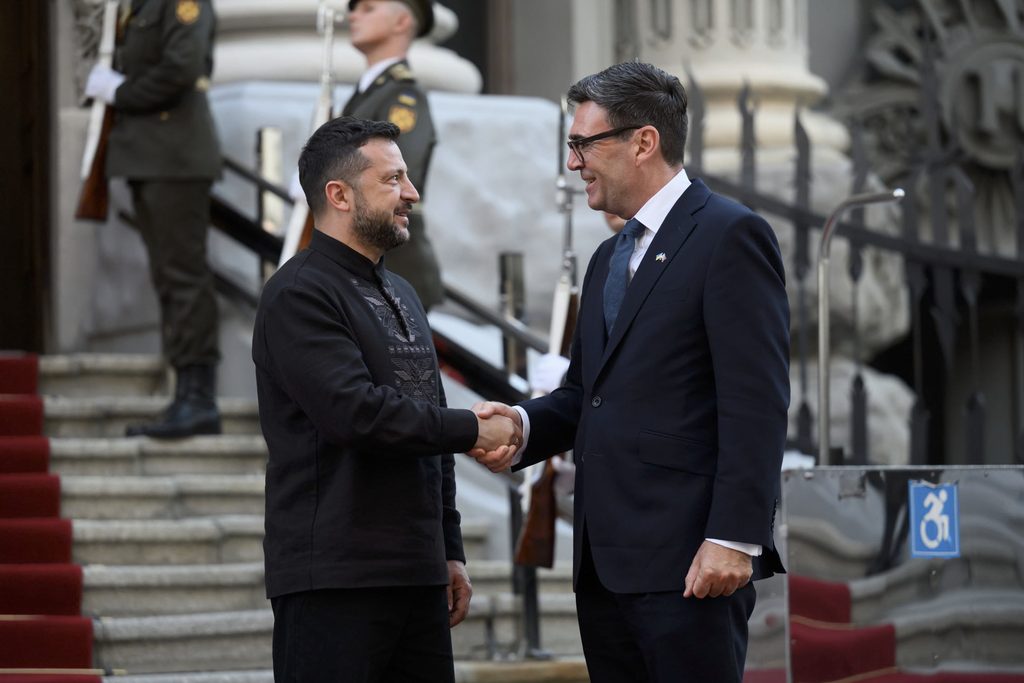
All eyes are now on Makerfield, where Andy Burnham is seeking to cement his status as Labour’s most effective counterweight to Reform. A Burnham victory, especially if Restore takes enough votes from Reform to enable it, would send shockwaves through Farage’s operation.
One Labour strategist, speaking on condition of anonymity, was blunt: “Burnham has shown that you can beat Reform by talking about working-class communities, not by mimicking their rhetoric. He doesn’t pander, he doesn’t rage, he delivers. That’s a model for how we take them on nationally.”
Part Seven: The Road Ahead, Three Scenarios.
Scenario One: The Farage Pivot
Farage has survived political crises before by pivoting at the last moment. It is possible that he will distance himself from the worst elements of the Southampton violence, reassert his opposition to Robinson-style politics, and refocus Reform’s message on economic populism rather than racial grievance.
The problem is that his base may not follow. Having called for “pure, cold rage,” any retreat could be seen as weakness, and weakness is the one thing his supporters cannot forgive.
Scenario Two: The Restore Surge.
If Restore performs strongly in Makerfield, or, more damagingly, in future by-elections, Farage will face sustained pressure from his right flank. The result could be a further radicalisation of Reform’s rhetoric, alienating moderate voters while failing to win back those who have moved to Lowe.
In this scenario, Reform becomes a cautionary tale of how populist movements cannibalise themselves.
Scenario Three: The Donor-Driven Machine.
Reform’s financial advantage is real and growing. With Harborne and Delo potentially exempt from the overseas donor cap, the party could outspend Labour and the Conservatives combined in the run-up to the next election. Glitzy events, massive mailshots, and an expanding party HQ are already visible evidence of this cash advantage.
Money alone does not win elections, but it buys attention, organisation, and the ability to define the terms of debate. If Farage can channel his billionaire backing into a disciplined campaign, he may yet overcome the self-inflicted wounds of this week.
Conclusion: The Red Line.
As I finished reporting this piece, I returned to a question posed by Luke Tryl: “Violence is a red line.”
Farage has spent two decades carefully navigating that line, flirting with the far-right while maintaining plausible deniability, stoking anger while condemning its most extreme manifestations. This week, the balancing act may have finally failed him.
The image that lingers is not of Farage at the dispatch box, or of the rioters in Southampton, but of Henry Nowak’s father, a grieving parent whose explicit wish was ignored by a politician determined to exploit and weaponise his son’s death for political gain.
Farage has always understood that politics is about storytelling. This week, he told a story about a country betrayed by its institutions, where white Britons are treated as second-class citizens, where only “pure, cold rage” can restore justice.
The problem is that another story emerged alongside it, a story of violence, of terrified residents, of an opportunist politician unable or unwilling to condemn the chaos he helped unleash.
Which story voters believe will determine not just the fate of Reform UK, but the future of British democracy itself.
For The Secure Submission Of Documentation, Testimonies, Or Exclusive Investigative Reports From Any Global Location, Please Utilise The Following Contact Details For Our Investigations Desk: enquiries@veritaspress.co.uk or editor@veritaspress.co.uk
Popular Information is powered by readers who believe that truth still matters. When just a few more people step up to support this work, it means more lies exposed, more corruption uncovered, and more accountability where it’s long overdue.
Help Protect Independent Journalism, Which Is Currently Under Attack.
If you believe journalism should serve the public, not the powerful, and you’re in a position to help, becoming a DONATOR or a PAID SUBSCRIBER truly makes a difference.
DONATION APPEAL: If You Found This Reporting Valuable, Please Consider Supporting Independent Journalism.
Help Support Our Work – We Know, We Know, We Know …
Seeing these messages is annoying. We know that. (Imagine what it’s like writing them … )
Your support fuels our fearless, truth-driven journalism. In unity, we endeavour to amplify marginalised voices and champion justice, irrespective of geographical location.
But it’s also extremely important. One of Veritas Press’s greatest assets is its reader-funded model.
1. Reader funding means we can cover what we like. We’re not beholden to the political whims of a billionaire owner. We are a small, independent and impartial organisation. No one can tell us what not to say or what not to report.
2. Reader funding means we don’t have to chase clicks and traffic. We’re not desperately seeking your attention for its own sake: we pursue the stories that our editorial team deems important and believe are worthy of your time.
3. Reader Funding: enables us to keep our website and other social media channels open, allowing as many people as possible to access quality journalism from around the world, particularly those in places where the free press is under threat.
We know not everyone can afford to pay for news, but if you’ve been meaning to support us, now’s the time.
Your donation goes a long way. It helps us:
Keep the lights on and sustain our day-to-day operations
Hire new, talented independent reporters
Launch real-time live debates, community-focused shows, and on-the-ground reporting
Cover the issues that matter most to our communities, in real time, with depth and integrity
We have plans to expand our work, but we can’t do it without your support. Every contribution, no matter the size, helps us stay independent and build a truly people-powered media platform.
If you believe in journalism that informs, empowers, and reflects the communities we serve, please donate today.
Kamran Faqir is a volunteer investigative journalist and writer committed to exposing hidden truths and amplifying underreported stories. Driven by social justice, he brings sharp insight and fearless truth-telling to independent journalism. NUJ registered.
SEATTLE, TEHRAN — The U.S. Department of Homeland Security (DHS) will allow Iran’s national football team to enter the country 48 hours before their critical World Cup match against Egypt on Friday, a modest concession in a tournament where Team Melli’s travel conditions have sparked claims of oppression and competitive disadvantage.