Kamran Faqir is a volunteer investigative journalist and writer committed to exposing hidden truths and amplifying underreported stories. Driven by social justice, he brings sharp insight and fearless truth-telling to independent journalism. NUJ registered.
Original Article Date Published:
Article Date Modified:
12 minutes
Views:391
Listen to this article
Help support our mission, donate today and be the change. Every contribution goes directly toward driving real impact for the cause we believe in.
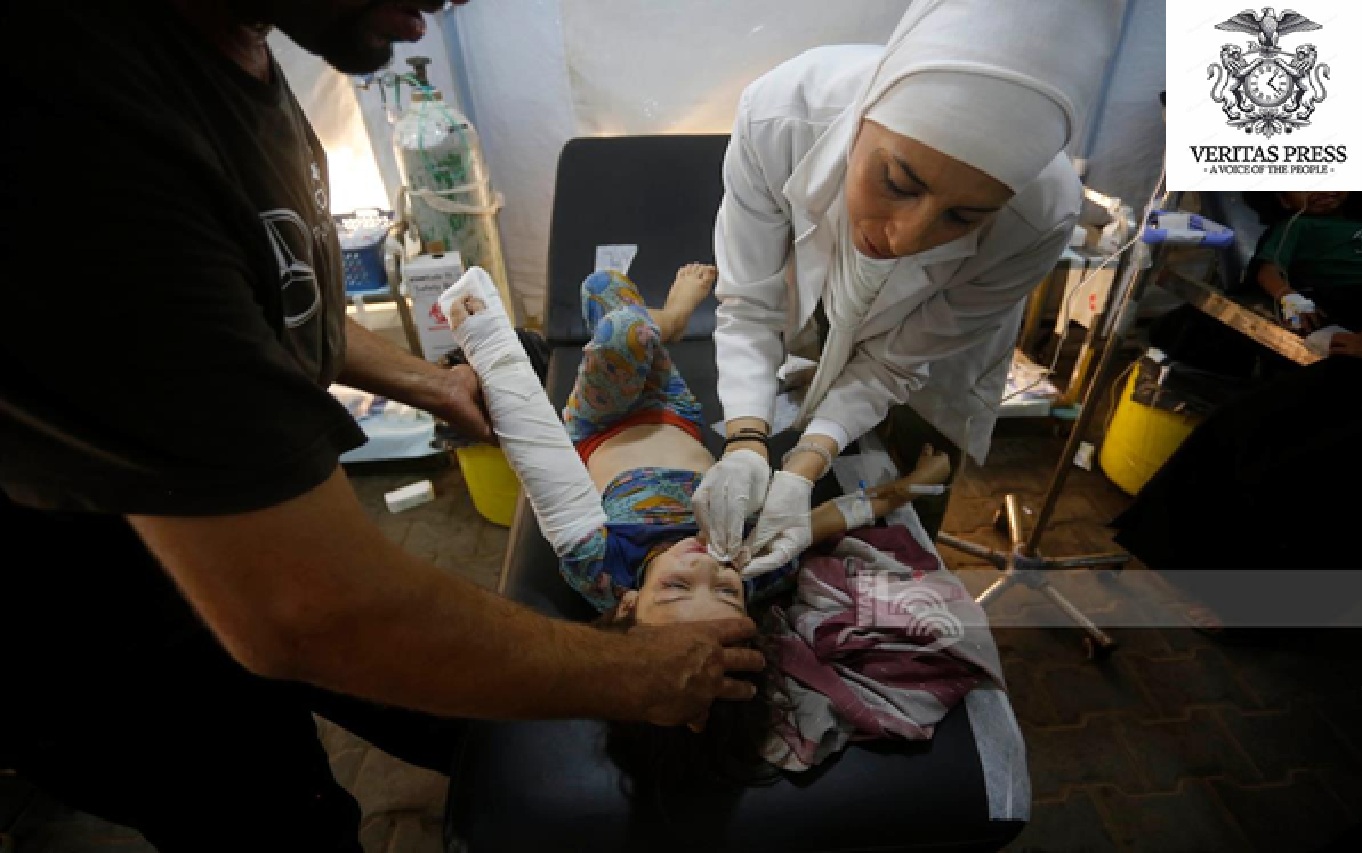
GAZA CITY — Despite the partial reopening of the Kerem Shalom Crossing this week and a fragile ceasefire holding since October, the World Health Organization has issued its most dire warning yet regarding the state of Gaza’s health sector: medical supplies are not just low, in many critical categories, they are gone.
In a stark briefing on Friday, Dr. Hanan Balkhy, WHO Regional Director for the Eastern Mediterranean, revealed that the stockpiles necessary for even the most basic surgical interventions have been exhausted.
“In Gaza, the health system remains extremely fragile, and stocks of essential medicines, trauma treatment supplies, and surgical consumables are critically low,” Balkhy said. “Supplies of some basic materials, including gauze and needles, have already run out.”
While international attention has focused largely on diplomatic efforts to maintain the ceasefire, humanitarian agencies warn that a quieter catastrophe is unfolding inside Gaza’s hospitals and displacement camps.
The numbers paint a grim picture. Of Gaza’s 36 hospitals, roughly half remain shuttered after months of Israeli bombardment and ground operations. Facilities that continue to operate are running on emergency reserves of fuel and supplies.
Doctors say they are often forced to choose between powering neonatal incubators for premature infants or dialysis machines keeping elderly patients alive.
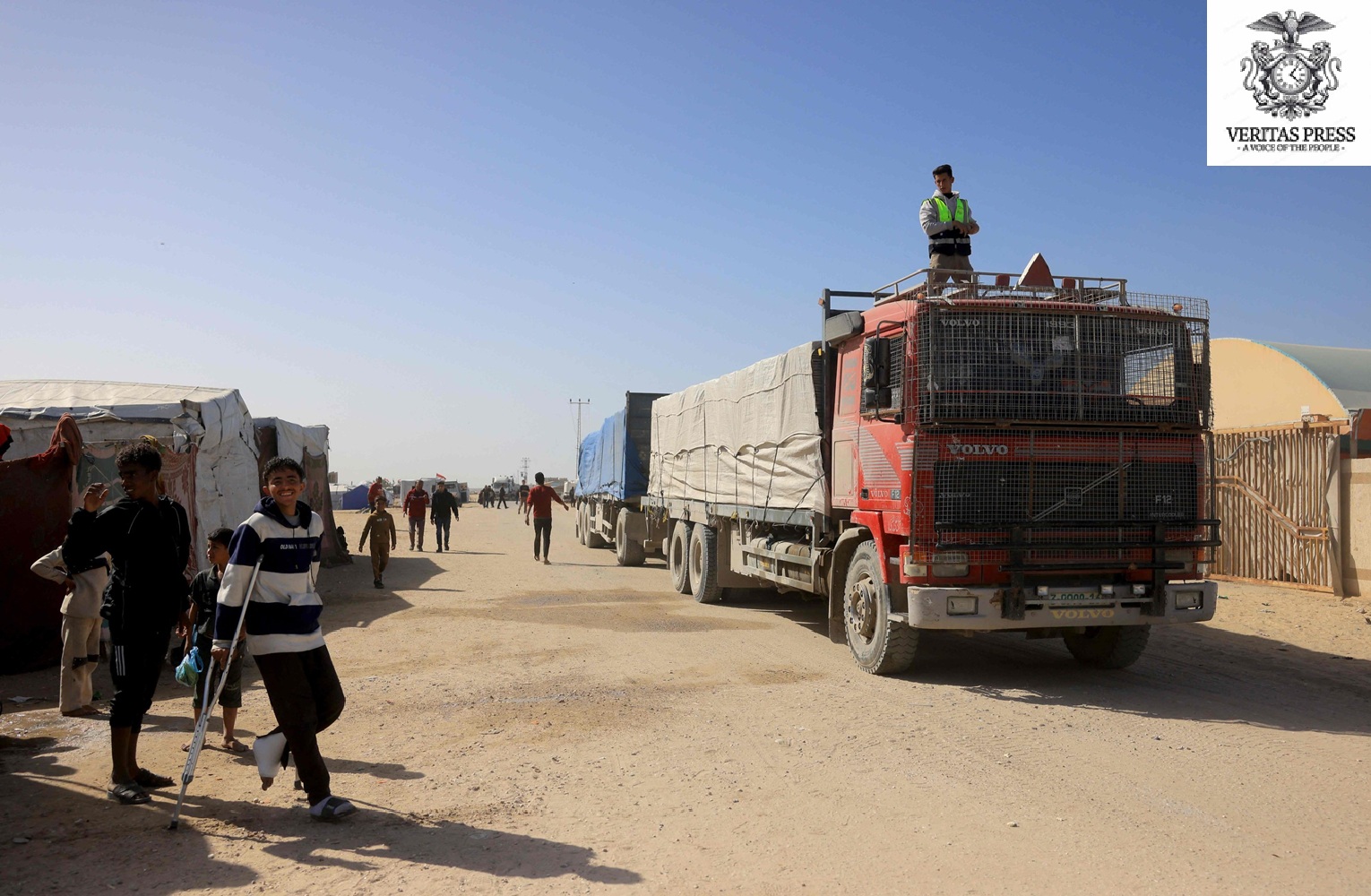
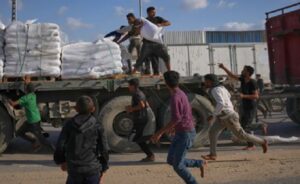
“The situation is difficult, and we will be running out of whatever is remaining,” Balkhy warned, pointing to a logistics crisis that has left dozens of aid trucks stranded just miles away in Egypt’s border city of El Arish.
The Gap Between Promise And Delivery:
The Israeli military agency responsible for coordinating civilian affairs in Palestinian territories, COGAT (Coordinator of Government Activities in the Territories), reopened the Kerem Shalom crossing earlier this week, describing the move as a facilitation of the “gradual entry of humanitarian aid.”
But data from the UN and WHO suggest that the flow of assistance remains far below what humanitarian agencies say is required to stabilise Gaza’s collapsing infrastructure.
According to Balkhy, Gaza requires around 600 aid trucks per day to meet basic humanitarian needs.
Currently, only about 200 trucks are entering daily.
“We’re talking about a maximum of 200 out of 600 daily trucks that need to go in,” she said. “That is really not enough to support the needs in Gaza.”
The bottleneck persists despite the relative calm of the ceasefire. Aid groups say that although the bombing has largely stopped, the underlying blockade structure remains intact.
Fuel, the lifeblood of any functioning hospital, continues to be tightly controlled.
Balkhy called for “allowing more fuel into Gaza to keep hospitals operating,” warning that intensive care units and operating theatres remain at constant risk of shutdown.
For legal experts and humanitarian organisations, the severe restrictions on medical supplies entering Gaza raise questions that extend beyond logistics and into the realm of international law.
A Potential Violation Of International Law:
Legal experts say the collapse of Gaza’s medical system constitutes a serious breach of international humanitarian law.
Under the Fourth Geneva Convention, an occupying power is legally obligated to ensure that civilians have access to medical care and to facilitate the passage of humanitarian relief, including medicines, medical equipment, and hospital supplies.
Article 56 of the convention specifically requires authorities exercising control over a territory to maintain medical services and allow the free passage of medical consignments.
Human rights groups argue that the ongoing restrictions on medical supplies, combined with limits on fuel deliveries and patient evacuations, violate these obligations.
“The systematic obstruction of medical aid can amount to a breach of international humanitarian law,” analysts with the International Committee of the Red Cross have warned.
The crisis has also drawn condemnation from global rights groups, including Human Rights Watch and Amnesty International, both of which say blocking essential medical supplies from reaching civilians constitutes collective punishment, prohibited under Article 33 of the Fourth Geneva Convention.
Beyond humanitarian law, experts say the restrictions may also violate international human rights standards, including the right to health recognised under the International Covenant on Economic, Social and Cultural Rights.
“The denial of life-saving medical supplies and treatment to a civilian population trapped in a conflict zone raises profound legal concerns,” public health researchers affiliated with the WHO have warned.
Doctors inside Gaza say they are effectively practising “disaster medicine without tools.”
“This is not just a shortage,” one physician at a hospital in Gaza City said in a message shared with humanitarian organisations. “This is the systematic destruction of a health system.”
The ICJ Case And Allegations Of Genocidal Conditions:
The collapse of Gaza’s healthcare infrastructure has also become a key issue in the case currently before the International Court of Justice concerning alleged violations of the Genocide Convention.
In proceedings initiated by South Africa, lawyers argued that restrictions on humanitarian aid, including medical supplies, contribute to what the convention defines as “deliberately inflicting conditions of life calculated to bring about the physical destruction” of a protected population.
Although the court has not yet issued a final ruling on the merits, it has already issued multiple provisional measures ordering Israel to allow humanitarian assistance into Gaza.
Among those measures was an instruction to ensure unhindered access for aid, including medical supplies and essential services.
Human rights lawyers say the continued shortages of medicines, restrictions on fuel, and slow pace of aid deliveries raise serious questions about whether those orders are being implemented.
“The systematic deprivation of healthcare can form part of genocidal conditions,” legal scholars monitoring the case have argued.
Officials from the United Nations have repeatedly warned that Gaza is facing an unprecedented humanitarian crisis, with public health experts cautioning that untreated injuries, disease outbreaks, and chronic illnesses could lead to thousands more preventable deaths even without active fighting.
The Human Toll: 20,000 Stories Of Waiting.
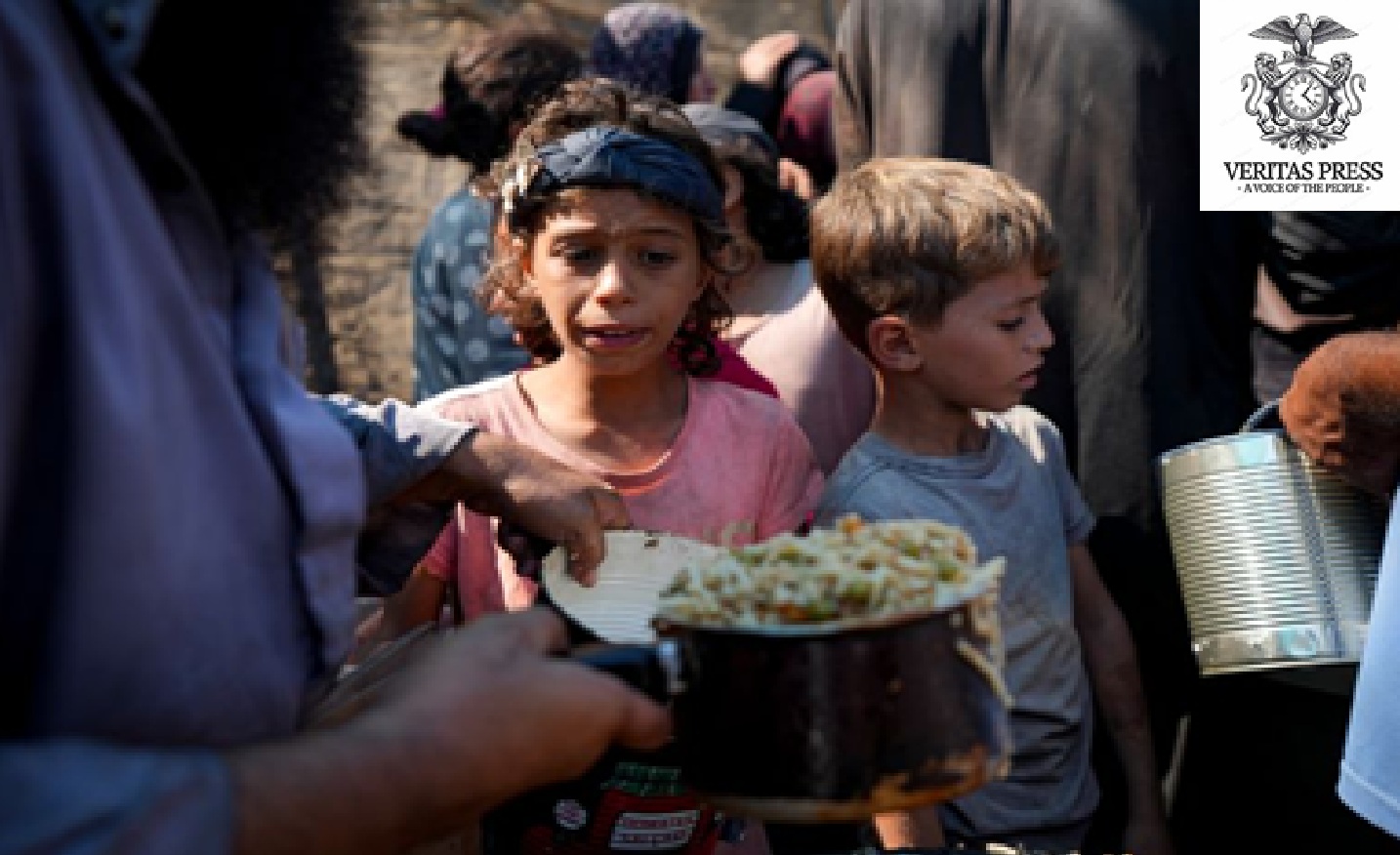
Behind the statistics are thousands of individual tragedies.
The continued closure of the Rafah Crossing for medical evacuations has left an estimated 18,000 patients waiting for permission to leave Gaza for treatment.
According to Gaza’s Health Ministry, the number may be even higher: more than 20,000 Palestinians, including 4,500 children, are currently awaiting evacuation.
More than 1,200 patients have died while waiting.
Among them is 15-year-old Rimas Abu Lehia, who was shot in the knee five months ago by Israeli troops while searching for her younger brother near an aid convoy.
The bullet shattered her knee, leaving her confined to a wheelchair and dependent on surgery that doctors in Gaza cannot perform.
“I wish I didn’t have to sit in this chair,” Rimas told reporters from her family’s tent in Khan Younis. “I need help to stand, to dress, to go to the bathroom.”
For families like hers, the continued closure of Rafah represents the difference between recovery and permanent disability.
A Collapsed Oncology System:
For cancer patients, the situation is even more dire.
Gaza’s only specialised oncology hospital, the Turkish‑Palestinian Friendship Hospital, was destroyed by Israeli forces in early 2025.
The Israeli military claimed the facility had been used by militants, though it did not present detailed public evidence supporting the allegation.
Its destruction left around 11,000 cancer patients without access to specialised treatment.
Ahmed Barham, a 22-year-old university student suffering from leukaemia, is among 4,000 cancer patients urgently requiring treatment abroad.
“There is no treatment available here,” his father, Mohamed, said. “My son is dying before my eyes.”
A Systemically Induced Crisis:
Medical experts and humanitarian organisations argue that the shortages are not merely a byproduct of war but the result of sustained policy.
Even limited proposals for medical evacuations have been stalled by bureaucratic and political barriers.
The office of Israeli Prime Minister Benjamin Netanyahu previously floated a plan to allow 50 patients per day to leave Gaza.
But according to a UN official involved in the negotiations, many countries are hesitant to accept patients without guarantees they will be allowed to return.
“Many countries are reluctant to accept the patients because Israel would not guarantee they would be allowed to return to the Gaza Strip,” the official said.
Israel has also maintained a ban on transferring patients to hospitals in the Israeli-occupied West Bank and East Jerusalem, which historically served as Gaza’s primary referral centres for specialised treatment.
Five human rights organisations have petitioned Israel’s High Court of Justice to overturn the ban, arguing it constitutes collective punishment against critically ill civilians.
A System On The Brink:
As the sun sets over the Mediterranean, Gaza’s hospitals are running out of gauze.
They are running out of needles.
They are running out of fuel.
And for thousands of patients, they are running out of time.
Although the WHO has managed to deliver limited shipments, Balkhy acknowledged that several aid trucks remain stranded in Egypt.
With only a fraction of the required supplies entering Gaza, humanitarian organisations warn that the enclave’s health system is not merely under pressure.
It is slowly suffocating.
For 14-year-old Mahmoud Abu Ishaq, blinded after a retinal detachment caused by an Israeli strike, the reopening of Rafah represents his last chance for treatment.
“Now he is completely blind,” his father said. “We are waiting for the crossing to open.”
For now, the crossing remains closed.
And with it, the hopes of a generation of wounded, sick, and dying Palestinians hang in the balance.
Conclusion: A Manufactured Collapse.
What is unfolding in Gaza’s hospitals is not simply the predictable tragedy of war. It is the slow, bureaucratic suffocation of a healthcare system that once sustained more than two million people. The shortages of gauze, anaesthetics, antibiotics, dialysis filters, and chemotherapy drugs are not occurring in isolation. They are the direct consequence of a political architecture that controls who receives care, what supplies are allowed in, and who is permitted to leave.
International humanitarian law is explicit on this point. Under the Fourth Geneva Convention, occupying powers and parties to a conflict are obligated to ensure the passage of medical supplies and to facilitate care for the wounded and sick. Blocking or severely restricting life-saving materials is not merely an administrative decision; it risks constituting collective punishment and the denial of basic human rights.
Yet the evidence emerging from Gaza suggests a pattern that goes far beyond logistical failure. Aid trucks remain stalled just kilometres away in Egypt. Fuel for hospitals continues to be tightly rationed. Thousands of critically ill patients remain trapped behind closed borders while political negotiations drag on. Meanwhile, entire medical institutions, some of them the only providers of specialised treatment, have been destroyed or rendered inoperable.
The consequences are measurable not only in statistics but in the erosion of a society’s ability to survive. A health system is the backbone of civilian life. When dialysis stops, when cancer treatment disappears, when newborn incubators flicker without power, the line between humanitarian crisis and systemic collapse becomes dangerously thin.
The warnings issued by the World Health Organization are therefore not routine humanitarian alerts. They are signals of a system approaching implosion.
For the tens of thousands of Palestinians waiting for treatment, evacuation, or basic medical care, the question is no longer whether the healthcare system will recover soon. The question is whether it is being allowed to survive at all.
And as international law, humanitarian agencies, and governments debate responsibilities and jurisdiction, the wards of Gaza’s hospitals continue to empty, not because patients are healed, but because time has simply run out.
Source: Multiple News Agencies
Submissions:
For The Secure Submission Of Documentation, Testimonies, Or Exclusive Investigative Reports From Any Global Location, Please Utilise The Following Contact Details For Our Investigations Desk: enquiries@veritaspress.co.uk or editor@veritaspress.co.uk
Help support Our Work:
Popular Information is powered by readers who believe that truth still matters. When just a few more people step up to support this work, it means more lies exposed, more corruption uncovered, and more accountability where it’s long overdue.
Help Protect Independent Journalism, Which Is Currently Under Attack.
If you believe journalism should serve the public, not the powerful, and you’re in a position to help, becoming a DONATOR or a PAID SUBSCRIBER truly makes a difference.
DONATION APPEAL: If You Found This Reporting Valuable, Please Consider Supporting Independent Journalism.
Help Support Our Work – We Know, We Know, We Know …
Seeing these messages is annoying. We know that. (Imagine what it’s like writing them … )
Your support fuels our fearless, truth-driven journalism. In unity, we endeavour to amplify marginalised voices and champion justice, irrespective of geographical location.
But it’s also extremely important. One of Veritas Press’s greatest assets is its reader-funded model.
1. Reader funding means we can cover what we like. We’re not beholden to the political whims of a billionaire owner. We are a small, independent and impartial organisation. No one can tell us what not to say or what not to report.
2. Reader funding means we don’t have to chase clicks and traffic. We’re not desperately seeking your attention for its own sake: we pursue the stories that our editorial team deems important and believe are worthy of your time.
3. Reader Funding: enables us to keep our website and other social media channels open, allowing as many people as possible to access quality journalism from around the world, particularly those in places where the free press is under threat.
We know not everyone can afford to pay for news, but if you’ve been meaning to support us, now’s the time.
Your donation goes a long way. It helps us:
Keep the lights on and sustain our day-to-day operations
Hire new, talented independent reporters
Launch real-time live debates, community-focused shows, and on-the-ground reporting
Cover the issues that matter most to our communities, in real time, with depth and integrity
We have plans to expand our work, but we can’t do it without your support. Every contribution, no matter the size, helps us stay independent and build a truly people-powered media platform.
If you believe in journalism that informs, empowers, and reflects the communities we serve, please donate today.
Kamran Faqir is a volunteer investigative journalist and writer committed to exposing hidden truths and amplifying underreported stories. Driven by social justice, he brings sharp insight and fearless truth-telling to independent journalism. NUJ registered.
SEATTLE, TEHRAN — The U.S. Department of Homeland Security (DHS) will allow Iran’s national football team to enter the country 48 hours before their critical World Cup match against Egypt on Friday, a modest concession in a tournament where Team Melli’s travel conditions have sparked claims of oppression and competitive disadvantage.