Kamran Faqir is a volunteer investigative journalist and writer committed to exposing hidden truths and amplifying underreported stories. Driven by social justice, he brings sharp insight and fearless truth-telling to independent journalism. NUJ registered.
Author: Kamran Faqir
Article Date Published: 27 Oct 2025 at 16:10 GMT
Category: Africa | Sudan | Sudan’s El-Fasher
Source(s): Veritas Press C.I.C. | Multi News Agencies
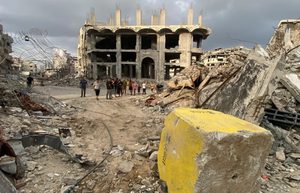
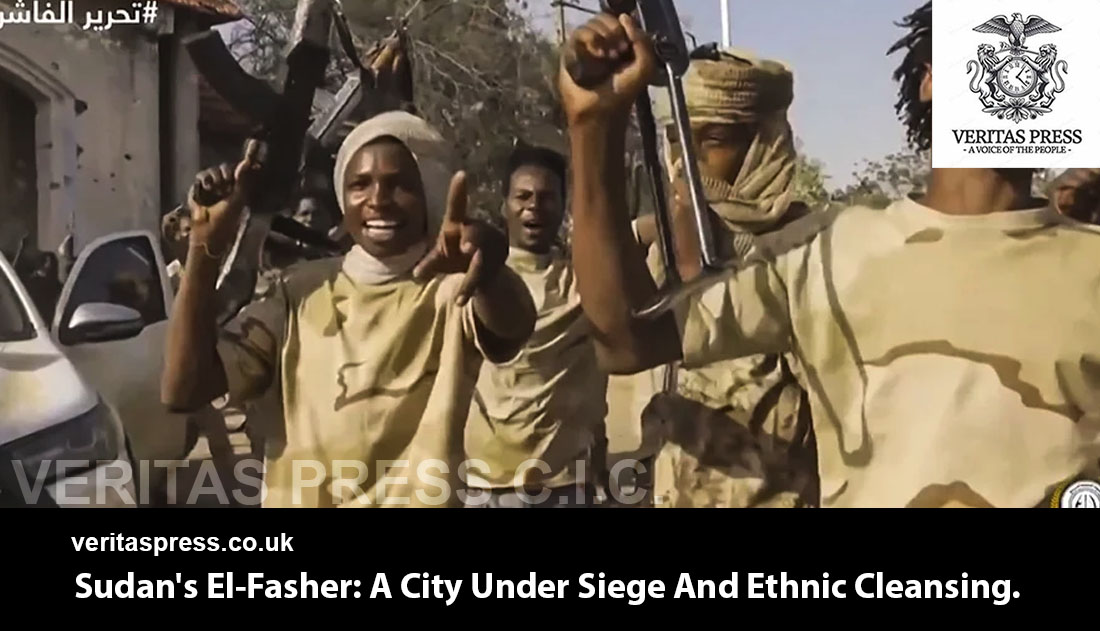
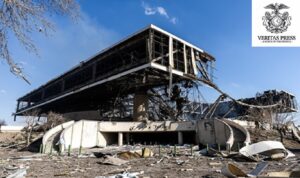
In a harrowing escalation of Sudan’s civil war, the Rapid Support Forces (RSF), a paramilitary group with deep ties to the government, have reportedly seized control of El-Fasher, the capital of North Darfur. This city, once a haven for over 260,000 civilians, now stands as a symbol of the conflict’s devastating toll on human lives and infrastructure.
Ethnic Cleansing Allegations:
Eyewitnesses and local organisations have accused the RSF of committing atrocities based on ethnic lines. The Sudan Doctors Network condemned the RSF’s actions as a “heinous massacre,” stating that unarmed civilians were killed on ethnic grounds, amounting to an act of ethnic cleansing. Reports indicate that dozens of individuals were killed on Sunday evening alone, with medical facilities also being looted amid the chaos.
The El-Fasher Resistance Committees, a civilian-led group, echoed these concerns, describing the violence as the “most heinous types of violence and ethnic cleansing.” Their statement highlights the targeted nature of the attacks, which have left many residents in fear for their lives.
Humanitarian Crisis:
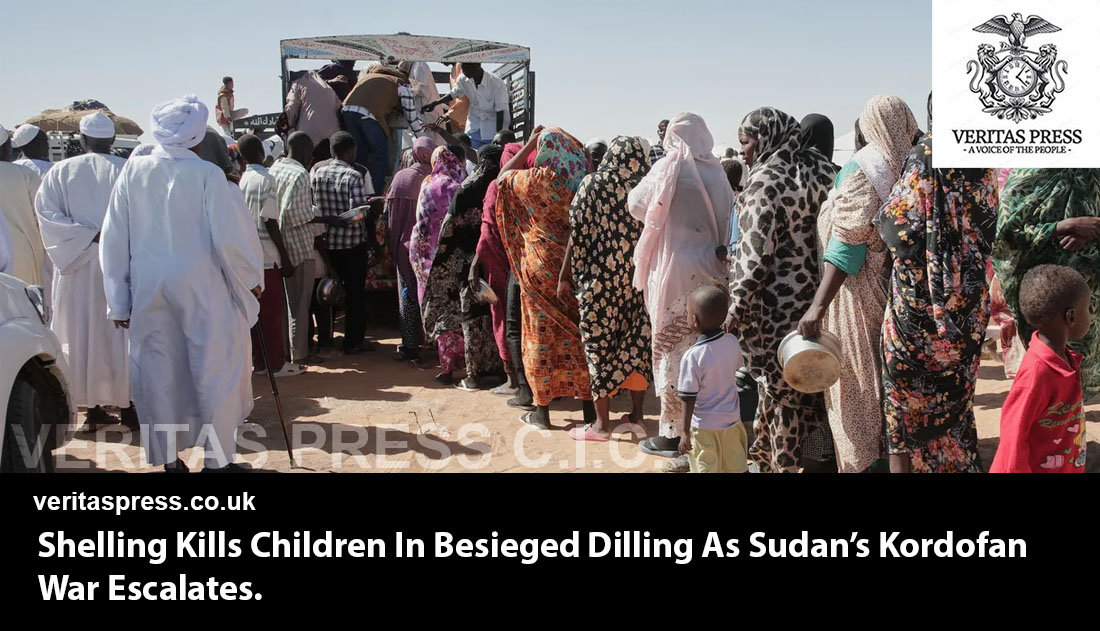
The United Nations has raised alarms over the deteriorating humanitarian situation in El-Fasher. UN humanitarian chief Tom Fletcher warned that the city is “at breaking point,” with civilians trapped and deprived of essential services. Reports from aid organisations indicate widespread malnutrition, especially among children, and a lack of access to healthcare and food.
The siege, which began in May 2024, has led to the displacement of over 600,000 people, many of whom have sought refuge in neighbouring towns like Tawila. However, these areas are also facing mounting pressure as they struggle to accommodate the influx of displaced individuals.
Executions And Suppression:
Reports have emerged of the RSF carrying out executions in El-Fasher, including the killing of former Member of Parliament Siham Hassan. Hassan, known for her advocacy for women’s rights and community support, was executed late on Sunday. Her death has sparked outrage among activists and human rights organisations, who view it as an attempt to silence dissent and intimidate the population.
International Response And Accountability:
The international community has expressed grave concern over the developments in El-Fasher. UN Secretary-General António Guterres warned of a “terrible escalation” of the conflict and called for an immediate ceasefire. He urged all parties involved to halt hostilities and allow humanitarian aid to reach those in need.
Human rights organisations are calling for an independent investigation into the alleged atrocities committed by the RSF. They emphasise the importance of holding perpetrators accountable to prevent further violations and to uphold international humanitarian law.
Conclusion: The Human And Political Fallout In El-Fasher.
The fall of El-Fasher to the RSF is not merely a military event; it marks a profound humanitarian and political turning point in Sudan’s civil war. Eyewitness accounts, local resistance reports, and independent observers all converge on a chilling pattern: civilians are being targeted not just indiscriminately, but along ethnic lines, signalling that the RSF’s advance constitutes more than battlefield aggression; it amounts to systematic ethnic cleansing. As the Sudan Doctors Network highlighted, the looting of hospitals, the deliberate execution of community leaders such as former MP Siham Hassan, and the destruction of civilian infrastructure represent grave violations of international humanitarian law.
“The targeting of entire communities, the executions, and the looting are not spontaneous acts of war; they are orchestrated to terrorise civilians, erase social structures, and consolidate power through fear,” said Mohamed Osman, Sudan researcher at Human Rights Watch. Local fighters corroborate that the RSF is using heavy weaponry, drones, and psychological terror to dismantle civilian resistance, while communications blackouts and siege tactics prevent accurate reporting.
International responses have so far been insufficient to halt the RSF’s campaign. UN Secretary-General António Guterres and humanitarian chief Tom Fletcher have warned of a “terrible escalation” and called for ceasefires and unimpeded aid, yet the RSF, supported logistically and financially by the UAE, continues to assert its control. Diplomatic efforts in Washington, which excluded direct dialogue between the warring parties, collapsed without addressing El-Fasher, leaving civilians trapped in what amounts to a siege of starvation, disease, and exposure to targeted violence.
The RSF’s occupation of El-Fasher solidifies its grip on Darfur, positioning the paramilitary group to potentially fragment the region from the rest of Sudan. Analysts warn that this consolidation is not only a tactical military victory but a strategic manoeuvre with long-term implications for ethnic composition, political governance, and humanitarian access. As Minni Minnawi, the governor of Darfur, stressed, “Without immediate protection and independent investigation, these atrocities risk becoming normalised, and justice will be denied to the victims.” In sum, El-Fasher has become both a laboratory and a warning: a microcosm of the world’s largest humanitarian crisis, where paramilitary ambitions, ethnic targeting, and international inaction converge to produce sustained civilian suffering. Unless decisive, coordinated global intervention occurs, both to protect civilians and to hold RSF leaders accountable, the massacre in El-Fasher may soon be repeated elsewhere, cementing a pattern of impunity that threatens Sudan’s future as a unified, multiethnic state. The clock is ticking for a crisis that has already claimed tens of thousands of lives and displaced hundreds of thousands more; silence and delay will only embolden the architects of this devastation
Kamran Faqir is a volunteer investigative journalist and writer committed to exposing hidden truths and amplifying underreported stories. Driven by social justice, he brings sharp insight and fearless truth-telling to independent journalism. NUJ registered.
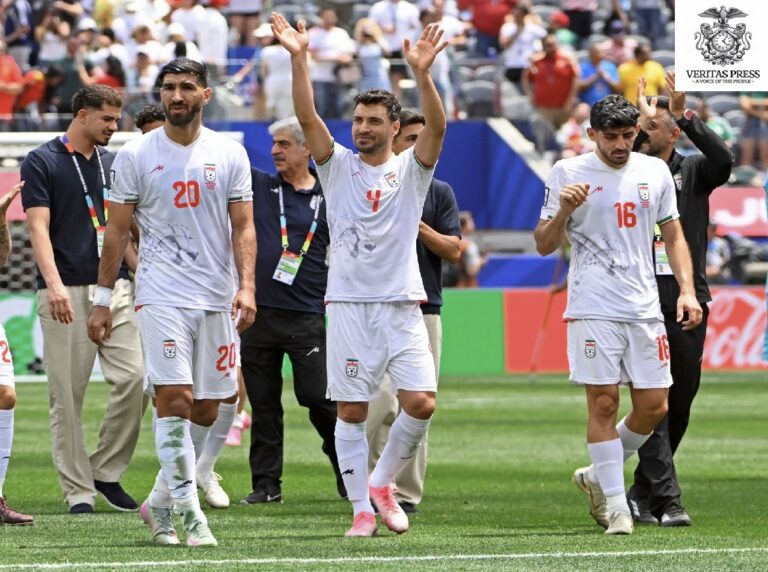
SEATTLE, TEHRAN — The U.S. Department of Homeland Security (DHS) will allow Iran’s national football team to enter the country 48 hours before their critical World Cup match against Egypt on Friday, a modest concession in a tournament where Team Melli’s travel conditions have sparked claims of oppression and competitive disadvantage.