Kamran Faqir is a volunteer investigative journalist and writer committed to exposing hidden truths and amplifying underreported stories. Driven by social justice, he brings sharp insight and fearless truth-telling to independent journalism. NUJ registered.
Press Release: Veritas Press C.I.C.
Author: Kamran Faqir
Article Date Published: 01 Nov 2025 at 13:10 GMT
Category: Middle-East | Palestine-Gaza-West Bank | State, Settlers.
Source(s): Veritas Press C.I.C. | Multi News Agencies
Israeli settlers conduct the dawn raids, arson attacks and settlement acceleration that together constitute a systematic campaign of dispossession.
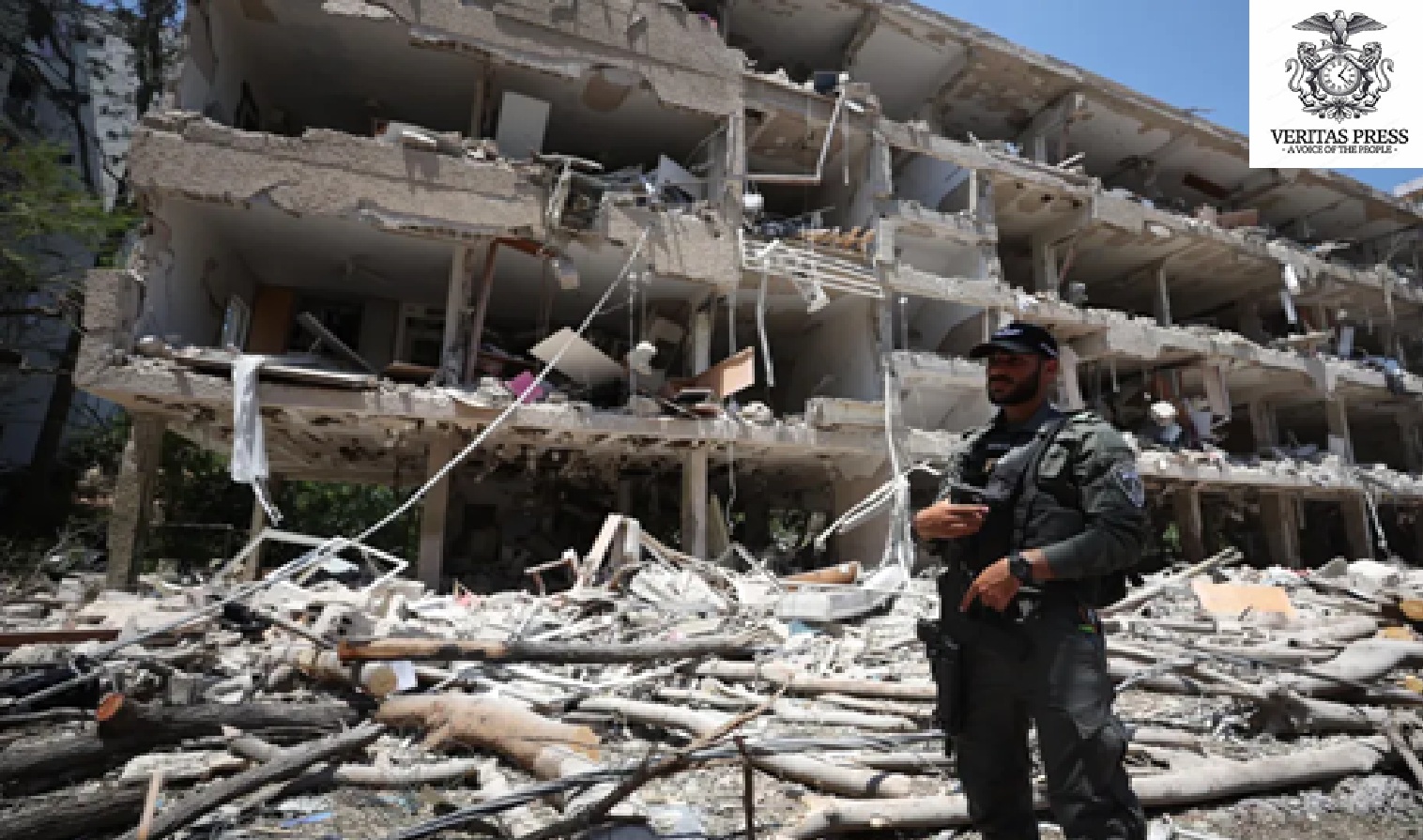
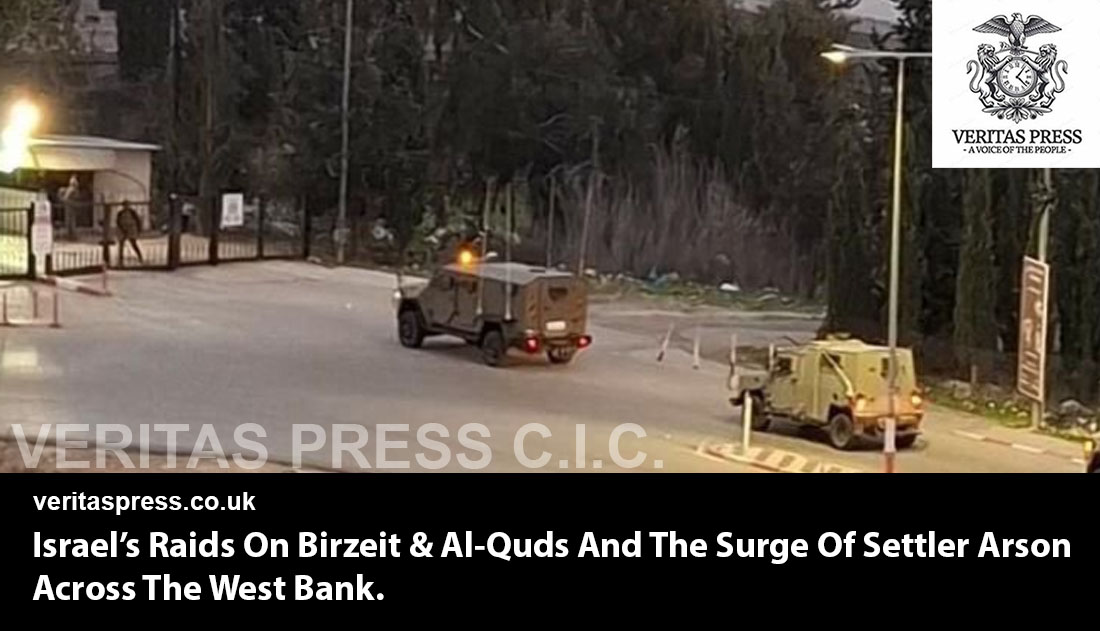
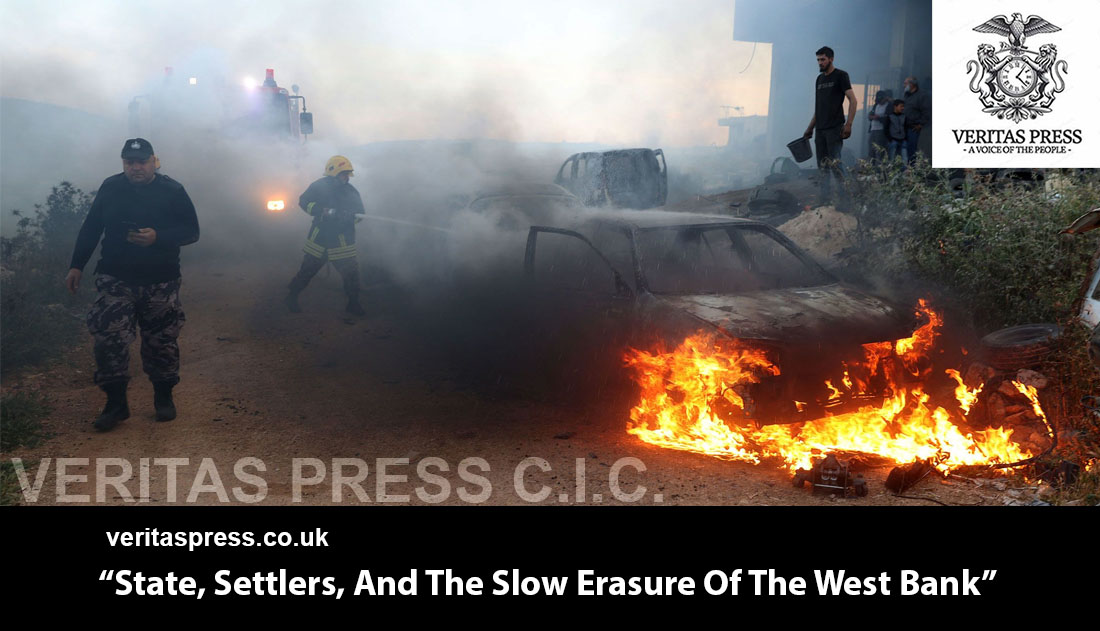
At first light on Saturday, Israeli forces mounted coordinated raids across the occupied West Bank, from the Old Askar refugee camp in Nablus to Nur Shams and Far’a refugee camps and towns around Jenin and Ramallah, while scores of illegal Jewish settlers attacked Palestinian villages, set fire to vehicles and tractors, and forcibly seized land. What at first read as discrete security operations and sporadic criminality is, on examination, an integrated strategy of control: military coercion in the streets combined with demographic engineering on the ground. The consequences are immediate, burned livelihoods, arrested neighbours, frightened children, and strategic: a consolidated settler footprint that steadily makes Palestine’s future statehood less viable.
What Happened At Dawn, Facts On The Ground:
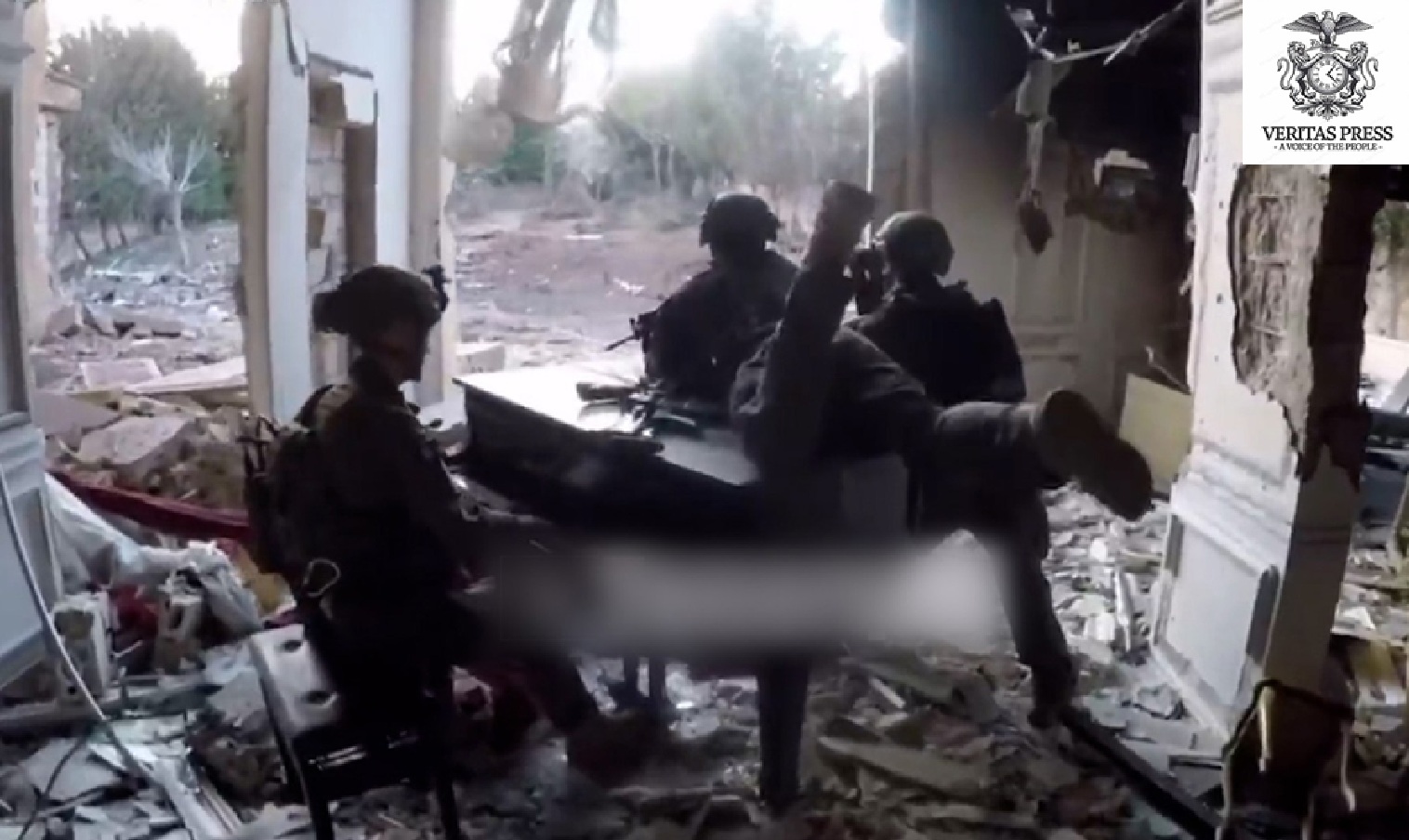
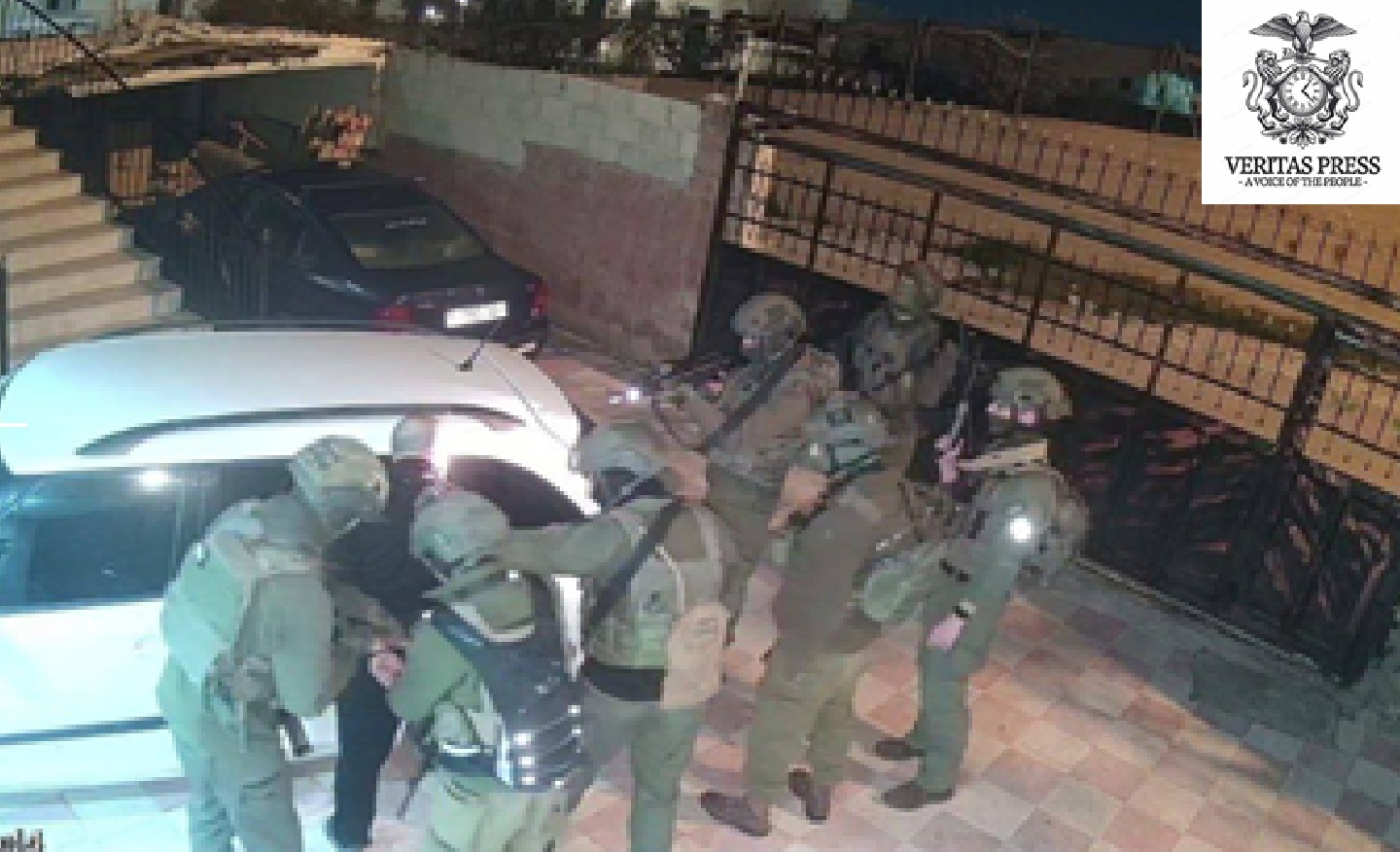
Local and Palestinian media describe a pattern repeated across towns and camps: armoured vehicles, house-to-house searches, stun grenades and live fire in residential areas. In Old Askar (Nablus), soldiers fired stun grenades and raided houses; local sources said resistance included a homemade explosive device near troops. Troops also raided Ya‘bad (west of Jenin), Burqa (east of Ramallah), Nur Shams (Tulkarm) and al-Far‘a (Tubas), where forces reportedly used flares and opened live fire. Witnesses in several locations described soldiers ransacking homes and detaining residents before withdrawing. These descriptions match contemporaneous field reporting.
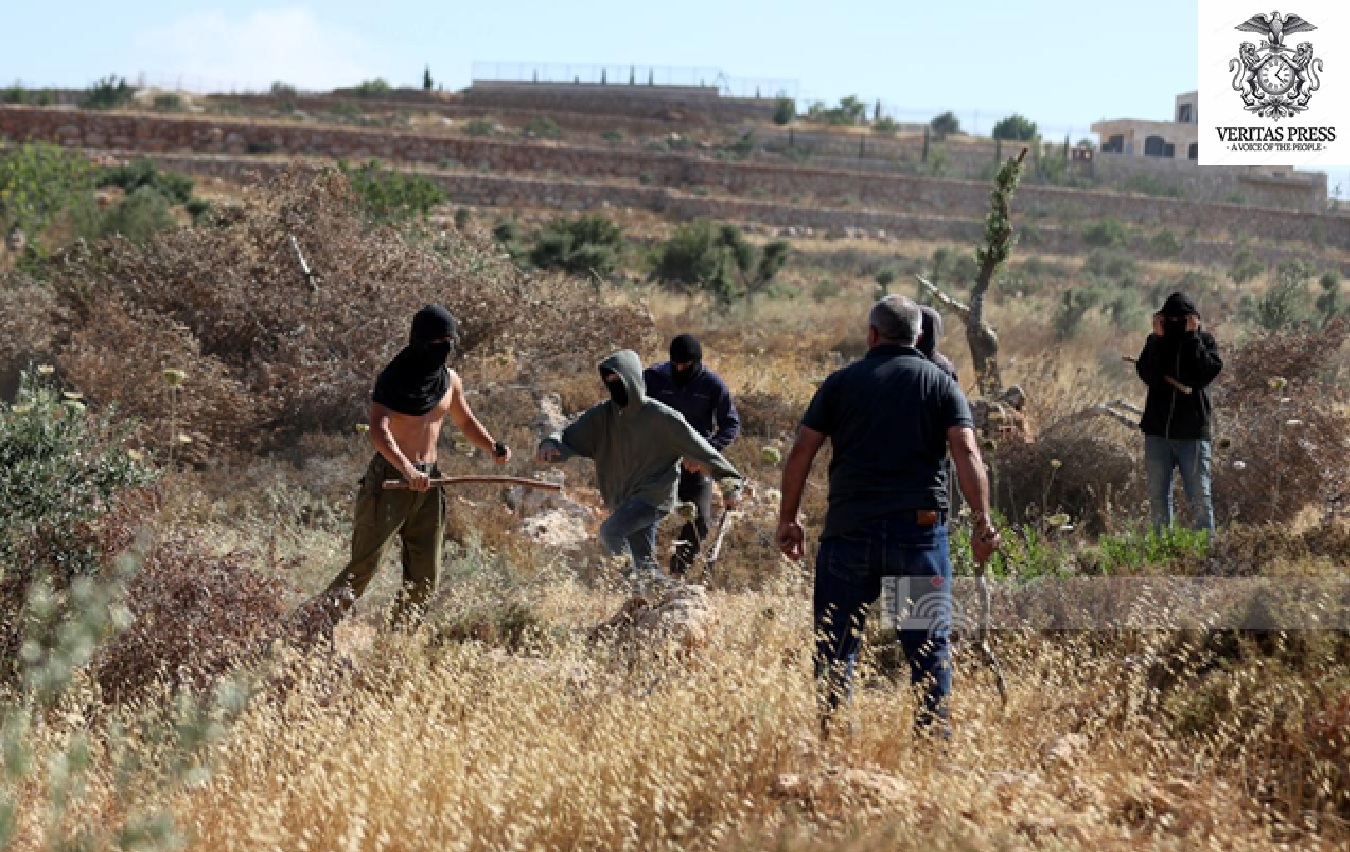
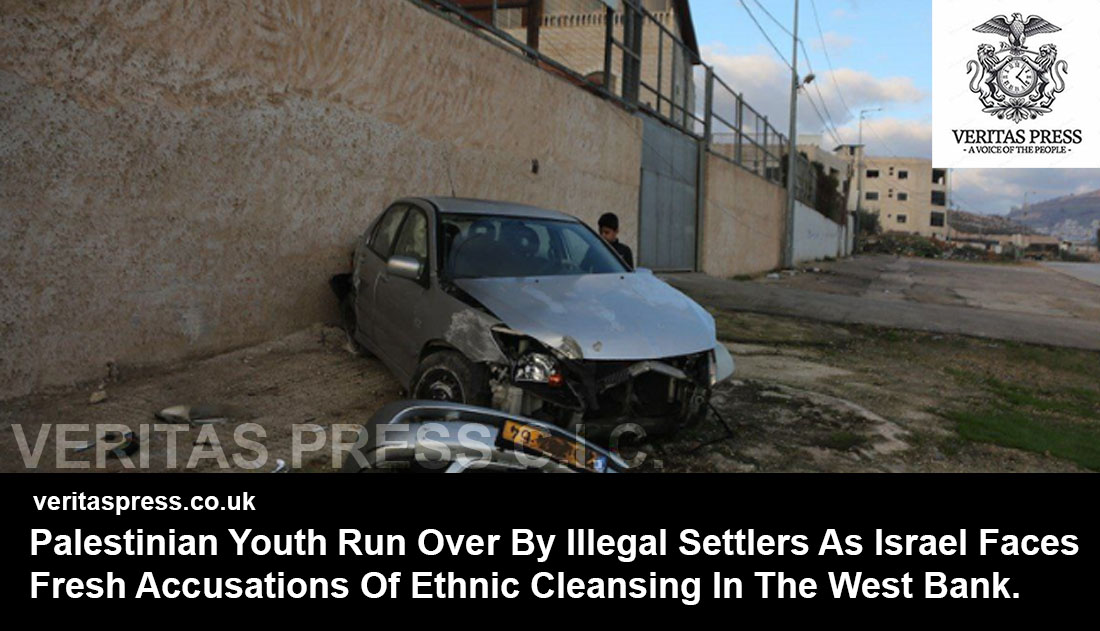
At the same time, settlers carried out arson and direct assaults on civilians: in Beit Lid (Tulkarm), a tractor and car were torched; in Beita, Hawwara and Sinjil, farmers were pelted with stones, forced from groves and had equipment stolen; in al-Maniya near Bethlehem, settlers opened fire, wounding three Palestinians. WAFA quoted village council head Zayed Kawazbeh: settlers “fired gunshots directly at Palestinians near al-Maniya,” and, he said, acted “under the protection of Israeli forces.” Residents who tried to defend their olive groves say soldiers intervened to separate attackers from victims, rarely to arrest the assailants.
The humanitarian toll is concentrated and seasonal. OCHA’s latest West Bank update documented 126 olive-harvest-related attacks between 1–27 October 2025, the highest such figure for the season, involving injuries, property damage and theft, and confirms a sharp spike in assaults on farmers during the harvest. The olive season is not incidental; it is a focal point for territorial dispossession: attacks destroy a family’s income, their trees (some generations old), and their will to remain on the land.
Quantifying The Campaign: Arrests, Deaths, And Assaults.
Palestinian tallies and human-rights monitoring point to structural escalation: since October 2023, Palestinian figures record more than 1,000 killed in West Bank operations, around 10,000 wounded, and 20,000+ arrests, figures that show the cumulative weight of current policy and practice. Parallel datasets from NGOs and UN bodies document thousands of settler attacks in 2025 alone (Amnesty reports 860+ attacks so far this year) and an erosion of investigative activity by Israeli authorities. That erosion is crucial: when complaints rise but investigations and prosecutions do not, impunity is effectively institutionalised.
Eyewitness Testimony, The Lived Evidence:
“They came early, with bulldozers and guns,” a farmer in Beita told local journalists after settlers burned vehicles and beat workers during the harvest; “we tried to stand between them and the trees. Soldiers shot tear gas and stayed while the settlers left.” (local accounts consolidated in PCHR and WAFA reporting.)
Zayed Kawazbeh, al-Maniya village council head: settlers “fired gunshots directly at Palestinians,” and wounded three, and, he told WAFA, the gunmen were “shielded by Israeli forces.”
A displaced Bedouin leader told human-rights observers that repeated demolitions and harassment make remaining “impossible”; the pattern is daily attrition rather than isolated brutality. (PCHR and Al-Baidar field notes.)
Statements From Organisations, Analysts And Courts, The Forensic View:
Human-rights groups and UN bodies describe the phenomenon in structural terms. Amnesty International has said that “state-backed violent settlers enjoyed impunity” and that the surge in attacks exposes “the root causes of the violence, including relentless settlement expansion.” Human Rights Watch’s country reporting documents failures to hold perpetrators accountable and links between government policy and violence. The UN human-rights office has repeatedly warned of a “skyrocketing” settler violence crisis and the urgent need for protective measures for Palestinians. These are not rhetorical flourishes: they are legal and forensic findings that point to policy failure.
Most consequentially, the International Court of Justice (ICJ) issued a landmark advisory opinion in July 2024 declaring Israel’s prolonged occupation and settlement enterprise unlawful and ordering measures that would require dismantling parts of the settlements and halting further settlement activity. That ruling raised a legal test the international community has yet to meet with consistent enforcement. The West Bank violence and expansion we document here are the very dynamics the ICJ warned about.
Political Drivers: Building Facts On The Ground.
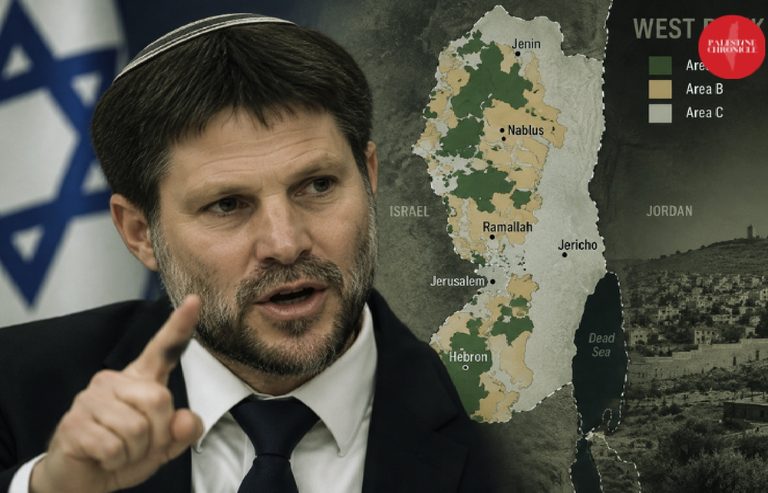
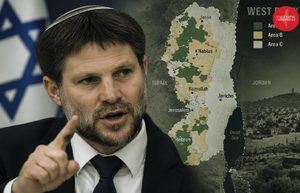
Parallel to the violence, the Israeli political apparatus is accelerating the construction and formalisation of settlement control. This month’s approval for 1,300 new settler homes in the Gush Etzion bloc and the announced agenda to approve 1,973 additional units in the coming planning cycle are not simply real-estate moves; they are a territorial strategy. Finance Minister Bezalel Smotrich has publicly framed expansion as a political objective, as he said at previous announcements, settlement building will produce “facts of houses, facts of neighbourhoods” that answer diplomatic moves on the ground. Such statements make explicit what activists and analysts call an annexation-by-deed approach: legal and political pressure backstopped by physical infrastructure.
The Security Narrative And Its Contradictions:
Israeli authorities justify raids as counter-terror measures; settlers claim they are responding to alleged Palestinian attacks. But there are consistent contradictions between the stated security rationale and the pattern of outcomes:
Many settler attacks occur in daylight and along roads monitored by Israeli patrols; perpetrators are seldom arrested. Amnesty and UN investigations have documented repeated cases where soldiers are present yet do not intervene to stop settler violence. That pattern undermines a genuine law-and-order justification and supports a different reading: that security forces are enabling or at least tolerating settler coercion as part of territorial consolidation.
Military raids that produce house demolitions, arrests and property damage disproportionately affect civilians, students, shopkeepers, and agricultural workers, consolidating a regime of control that, over time, makes life unviable for many Palestinian families. Human Rights Watch and PCHR documentation show that lethal force and denial of medical care have been used in a way that violates international law thresholds for necessity and proportionality.
Legal And Policy Implications, What The Evidence Shows:
Taken together, the facts form a coherent argument: coordinated raids, the shielding of violent settlers, and rapid settlement approvals are not incidental; they are mutually reinforcing elements of a program that narrows Palestinian space and rights. That is why Amnesty frames this as structural: individual prosecutions will not suffice when the policies, incentives and administrative architecture reward displacement and expansion. The ICJ’s advisory opinion provides legal cover for such claims: it defines the occupation’s legal status and the unlawful nature of settlements, yet international follow-through is uneven.
Testimonies That Demand Action:
Eyewitness accounts are stark and consistent: olive trees knocked down, tractors torched, pickers beaten, ambulances blocked, and soldiers present while attackers run free. PCHR and OCHA reports catalogue injuries and property damage; WAFA and field journalists collect names and videos. These testimonies are not scattershot; they are pattern evidence. If a crime-scene notebook existed for the West Bank’s steady dispossession, these would be the pages that record modus operandi, recurring actors, and the administrative instruments (military orders, roadworks, planning committees) that convert individual incidents into long-term policy.
Accountability, The International Test:
The international response has been a mixture of legal declarations, condemnations and limited measures. The ICJ’s July 2024 advisory opinion is legally weighty but not self-executing; it requires states and institutions to act. UN human-rights experts, Amnesty and HRW have repeatedly called for concrete accountability steps, independent investigations, suspension of aid and trade measures that enable settlement infrastructure, and targeted sanctions where appropriate. Some states (notably the UK) have moved toward suspension of preferential trade and public rebukes; others have offered public statements without penalties. The gap between rhetoric and enforcement is now measurable in extra hectares of confiscated land and thousands of burnt olive trees.
What Must Happen Next, Concrete Recommendations:
If the international community is serious about preventing further ethnic displacement and rights erosion, the immediate program should include:
Independent, international monitoring missions to the West Bank’s most vulnerable zones during harvest and other flashpoints (OCHA-backed missions with access to roads and medical facilities).
Targeted accountability: urgent, impartial criminal investigations into settler arson and shootings with the capacity to arrest suspects even when they are settlers, plus inquiries into military conduct where soldiers allegedly shielded attackers.
Planning and financial restrictions: freeze or condition bilateral/multilateral assistance and trade measures tied to settlement-enabling infrastructure (road linkages, permitting bodies).
Enforce ICJ findings: states should apply the obligations the ICJ spelt out, not as rhetorical pressure, but as enforceable policy (diplomatic non-recognition of settlement annexation, judicial assistance for Palestinian cases, and sanctions where necessary).
Closing: Settler Colonialism As Policy, Not Accident.
The scenes described this week, burning tractors, knocked-down olive trees, soldiers in the street while settlers attack, are not a chaotic spillover from Gaza. They are the logical consequence of a political choice: to consolidate control through force and infrastructure while providing settlers with de facto immunity. Eyewitnesses, legal findings, and NGO reporting together construct a circumstantial case: a system in which violence, seizure and legal redesign are instruments of territorial rule.
If that system is to be dismantled, responses must be equally structural — not only lawsuits about individual incidents, but pressure on the administrative, political and military levers that produce dispossession.
Conclusion: A Manufactured Chaos: Systemic Impunity And The Architecture Of Dispossession.
The latest wave of Israeli military raids and settler assaults across the occupied West Bank is not a spontaneous outbreak of violence; it is the calculated continuation of a decades-long strategy to fragment Palestinian society, entrench apartheid, and erase Indigenous presence. What unfolds nightly in the refugee camps of Nablus, Jenin, and Tulkarm is inseparable from the torching of olive groves, the storming of villages like Beit Lid, and the bureaucratic machinery of land confiscation and settlement expansion quietly rubber-stamped by Israeli ministries. Together, they form the scaffolding of a settler-colonial project that weaponises law, force, and impunity to achieve territorial dominance.
“This is not random,” said Dr. Yara Hawari, senior analyst at Al-Shabaka: “It’s a coordinated system where settlers act as the paramilitary arm of the state. The army raids at night, and the settlers attack by day, each complements the other in erasing Palestinian life.”
Indeed, evidence from human rights monitors paints a grim picture of complicity. B’Tselem, Yesh Din, and the UN Office for the Coordination of Humanitarian Affairs (OCHA) have repeatedly documented how Israeli soldiers not only fail to restrain settlers but often accompany or protect them during assaults. OCHA reports over 7,000 settler attacks in the past two years alone, many occurring under direct military supervision. Meanwhile, Palestinian farmers face “systematic terror” each harvest season, their trees uprooted, olives stolen, and livelihoods destroyed.
Analysts warn that the current escalation represents an unprecedented convergence of military and ideological extremism under Israel’s far-right government. Finance Minister Bezalel Smotrich, who oversees the Civil Administration that governs the occupied territories, has openly called for the “erasure” of Palestinian villages and the full annexation of the West Bank. His latest push to legalise outposts and accelerate settlement construction, 48,000 housing units advanced since 2023, reflects what Israeli journalist Amira Hass calls “the slow-motion annexation of an entire people’s homeland under the cover of daily violence.”
At the international level, condemnation remains muted and ineffectual. The International Court of Justice’s July 2024 advisory opinion, which declared Israel’s occupation illegal and demanded withdrawal from Palestinian lands, has been met with open defiance. Western governments continue to issue statements of “concern” while maintaining military aid and trade with Israel. Human Rights Watch has warned that such inaction “renders the global human rights system complicit in ongoing apartheid.”
For Palestinians, the consequences are immediate and devastating. Over 1,000 people have been killed in the West Bank since October 2023, 10,000 wounded, and more than 20,000 detained, including hundreds of minors. As settler militias torch homes and vehicles, entire communities, particularly Bedouin encampments, are being forcibly displaced. “Every time they come, we rebuild what’s left,” said Nidal Abu Hassan, a farmer from Burqa. “They burn our cars, they steal our land, but we have nowhere else to go. This is our only home.”
What is unfolding today is not merely a crisis of violence; it is a crisis of accountability and of the international order itself. Israel’s systematic campaign of raids, land seizures (theft), and settler expansion operates in open violation of the Fourth Geneva Convention, yet global institutions remain paralysed. As Israeli bulldozers carve new settler roads through Palestinian farmland, the world watches the slow disappearance of a people whose struggle for freedom has been met only with silence and complicity.
If justice remains hostage to geopolitics, the West Bank will continue to burn, not as an accident of “security” policy, but as the deliberate product of an apartheid system designed to suffocate an entire nation under occupation.
Kamran Faqir is a volunteer investigative journalist and writer committed to exposing hidden truths and amplifying underreported stories. Driven by social justice, he brings sharp insight and fearless truth-telling to independent journalism. NUJ registered.
SEATTLE, TEHRAN — The U.S. Department of Homeland Security (DHS) will allow Iran’s national football team to enter the country 48 hours before their critical World Cup match against Egypt on Friday, a modest concession in a tournament where Team Melli’s travel conditions have sparked claims of oppression and competitive disadvantage.









 Business, Business & Finance, Climate Change, Economy, Environment, Europe, European Union, World News