Kamran Faqir is a volunteer investigative journalist and writer committed to exposing hidden truths and amplifying underreported stories. Driven by social justice, he brings sharp insight and fearless truth-telling to independent journalism. NUJ registered.
Press Release: Veritas Press C.I.C.
Author: Kamran Faqir
Article Date Published: 01 Nov 2025 at 12:04 GMT
Category: Americas | Venezuela| Maduro’s Last-Ditch Play
Source(s): Veritas Press C.I.C. | Multi News Agencies
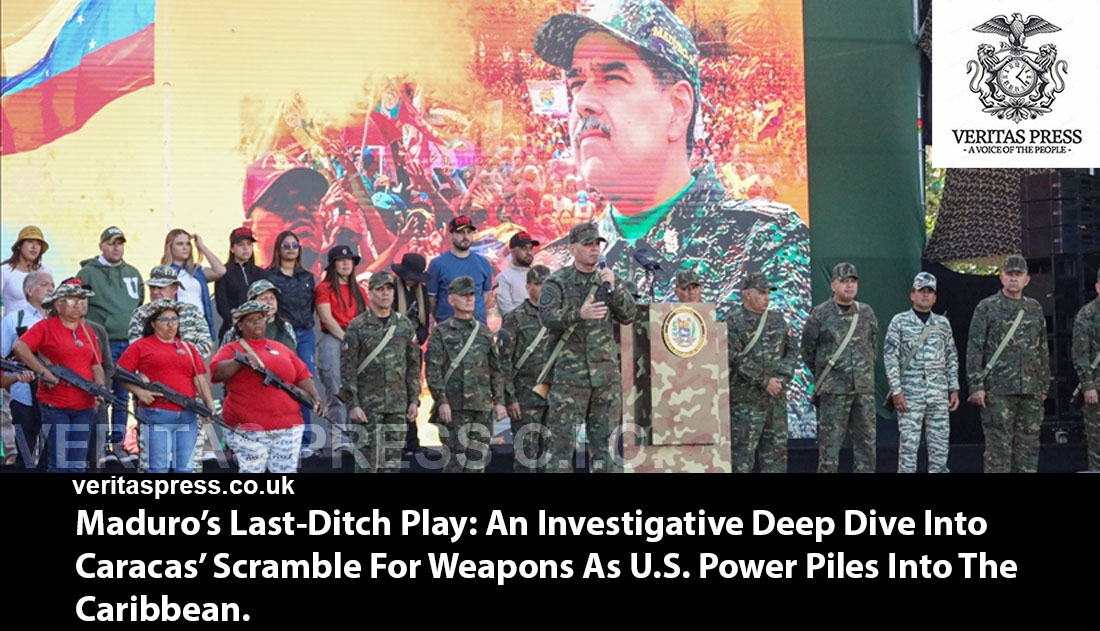
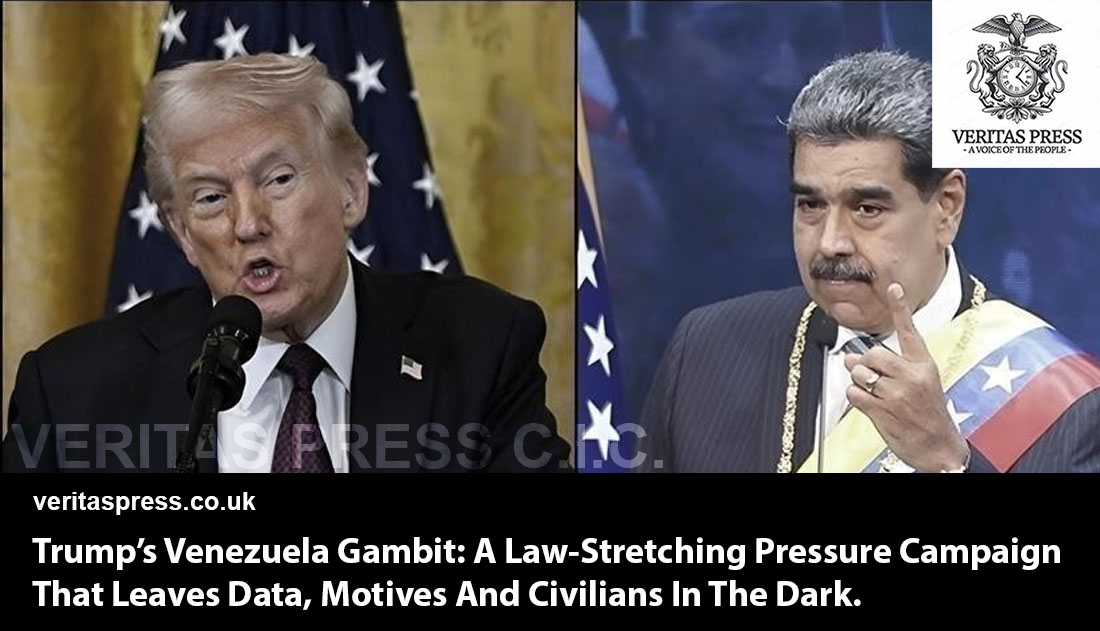
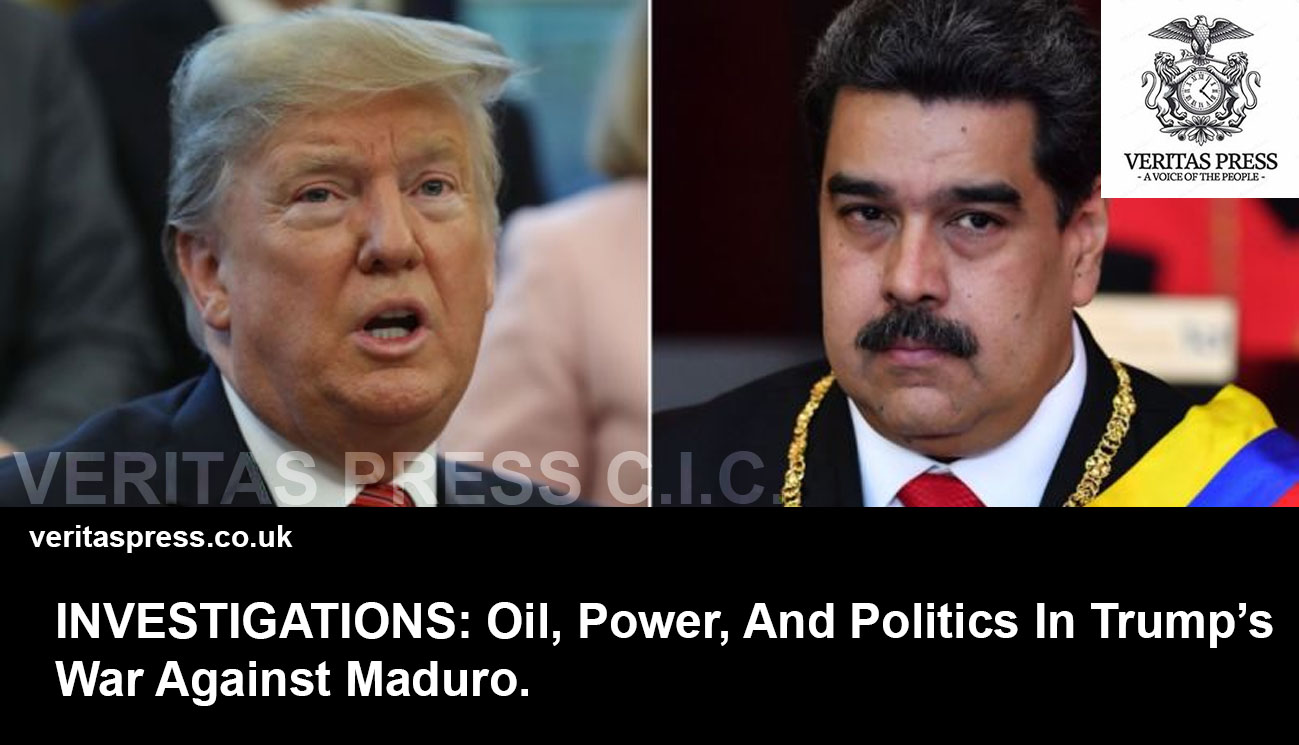
The public story is straightforward: the United States has moved the region’s largest concentration of naval and airpower in decades toward Venezuela’s doorstep, saying it’s fighting drug trafficking. The secret thread that ties the new posture to Caracas’ response is just now being exposed, internal U.S. documents (reported by The Washington Post) show President Nicolás Maduro quietly asking Moscow, Beijing and Tehran for radar parts, aircraft overhauls, drones and possibly missiles. What follows is a sharper, more forensic read of what the letters, ship tracks, and rhetoric mean, who stands to gain, who to blame, and how this could blow up.
What The Leaks Actually Show, And What They Don’t:
Leaked U.S. government records obtained by The Washington Post describe a set of urgent Venezuelan requests: restoration of Russian-made Sukhoi fighters, overhaul of radars, logistical support, a multi-year financing plan, and even 14 sets of missiles. Maduro reportedly asked Beijing to accelerate production of radar-detection systems and asked Tehran to send drones, GPS scramblers and “passive detection equipment.” The documents say Transport Minister Ramón Celestino Velásquez carried the message to Moscow during a mid-October visit.
Taken at face value, that level of procurement would be the classic playbook of a narrowing regime trying to buy deterrence. But this is where a rigorous, sceptical inquiry matters:
• Material feasibility: experts inside and outside Venezuela told reporters that much of Caracas’ Cold-War era inventory is decrepit. A former Venezuelan officer bluntly told The Washington Post: “Chavez bought, or Russia sold Venezuela, pure junk.” Restoration of decades-neglected systems is expensive and slow; spare parts orders don’t deliver overnight.
• Strategic value vs. political signalling: some requests (letters to Putin and Xi) may be as much diplomatic theatre as logistics, bargaining chips to deter further U.S. pressure, to force Washington to reckon with potential foreign involvement should kinetic action occur. That calculus underpinned Maduro’s framing in the documents; he emphasises the “seriousness” of perceived U.S. aggression and links any attack on Venezuela to an attack on China.
The U.S. Build-Up: Scale, Missions And Legal Questions.
There’s no mystery about the American side: an aircraft carrier strike group and a constellation of warships, submarines, surveillance platforms, and special-operations units have been repositioned in the Caribbean. The mover that crystallised attention was the deployment of the USS Gerald R. Ford and its carrier air wing, a quantum leap in capability that dramatically lowers the fog of decision for U.S. planners. The Guardian and other outlets have emphasised the unusual scale and speed of the buildup.
Equally consequential are the strikes on ships at sea. Since early September, the U.S. says it has conducted repeated strikes on vessels it alleges were trafficking drugs; reporting shows at least 61 people killed across those strikes, and the United Nations human-rights office has called the operations “unacceptable” and urged investigations into potential unlawful killings. That casualty figure, and the UN rebuke, transform the debate: these are not sterile show-of-force manoeuvres; they are lethal operations with legal and moral fallout.
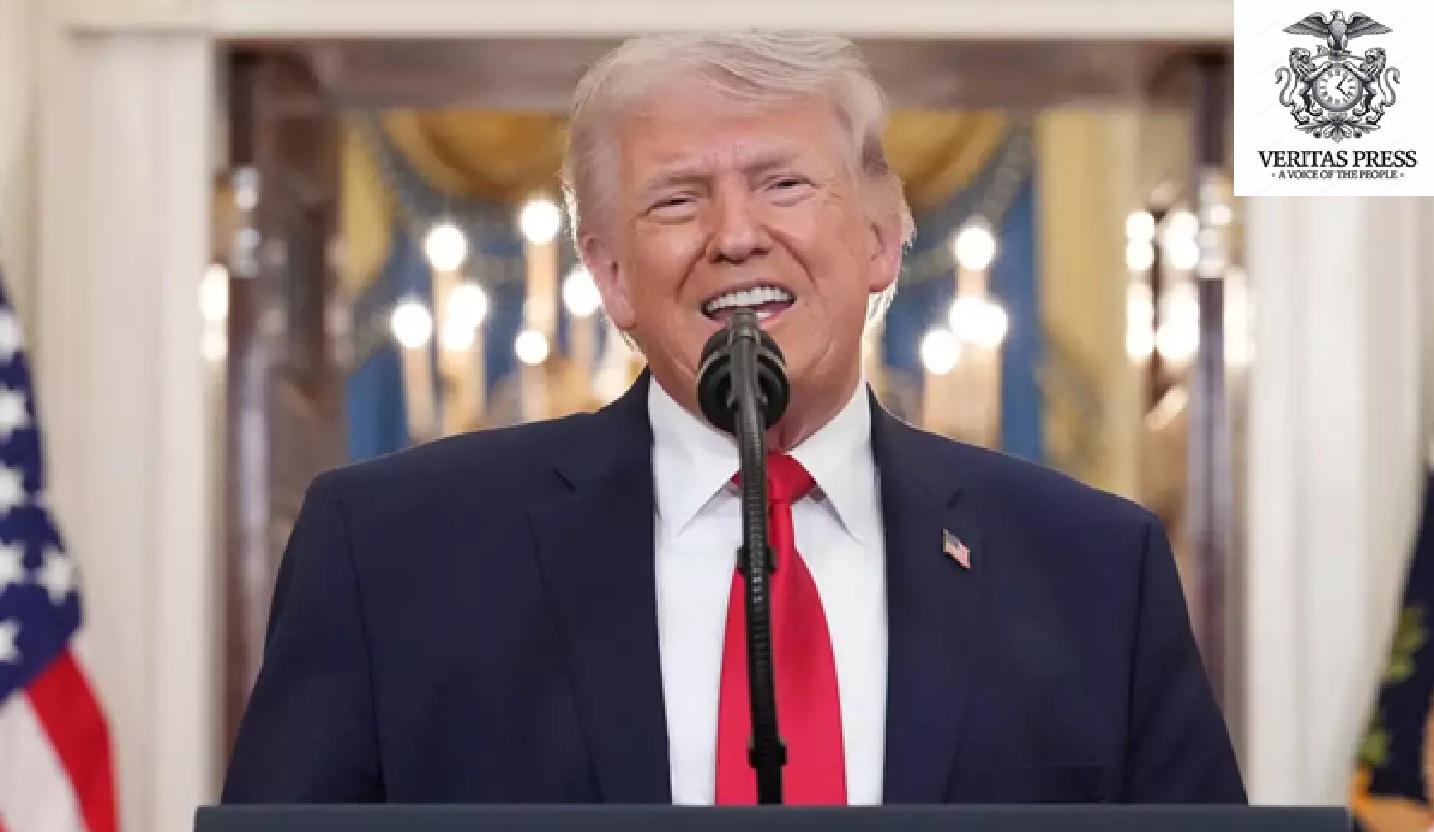
Inside Washington, officials present the campaign as counter-narcotics. Publicly, President Trump has denied planning strikes on Venezuelan territory, but press reporting and administration statements show the Pentagon has identified possible land targets and that “options” have been prepared, leaving an ambiguous but dangerous safety gap between rhetoric and planning.
What Maduro Can Realistically Get, And What He Can’t:
The headlines mentioning missile shipments or 5,000 Igla portable AA systems deserve scrutiny:
• On the Russian side: Caracas retains political ties to Moscow and an institutional memory of arms deals from the Chávez years. But Russia is deeply stretched by its campaign in Ukraine and sanctions; analysts say it can provide political cover and select spare parts or technicians, but large, immediate transfers of modern systems (or financing for them) are unlikely. Even modest refurbishments of Sukhois and radars would take weeks to months and require secure logistics chains, not trivial under sanctions and surveillance.
• On the Chinese side: Beijing’s strategic orientation is primarily economic, shielding investments and energy supplies rather than frontline military adventurism. Chinese firms can supply dual-use electronics and radars, but China also calculates reputational and financial risk; a public rush to arm Venezuela would carry heavy costs.
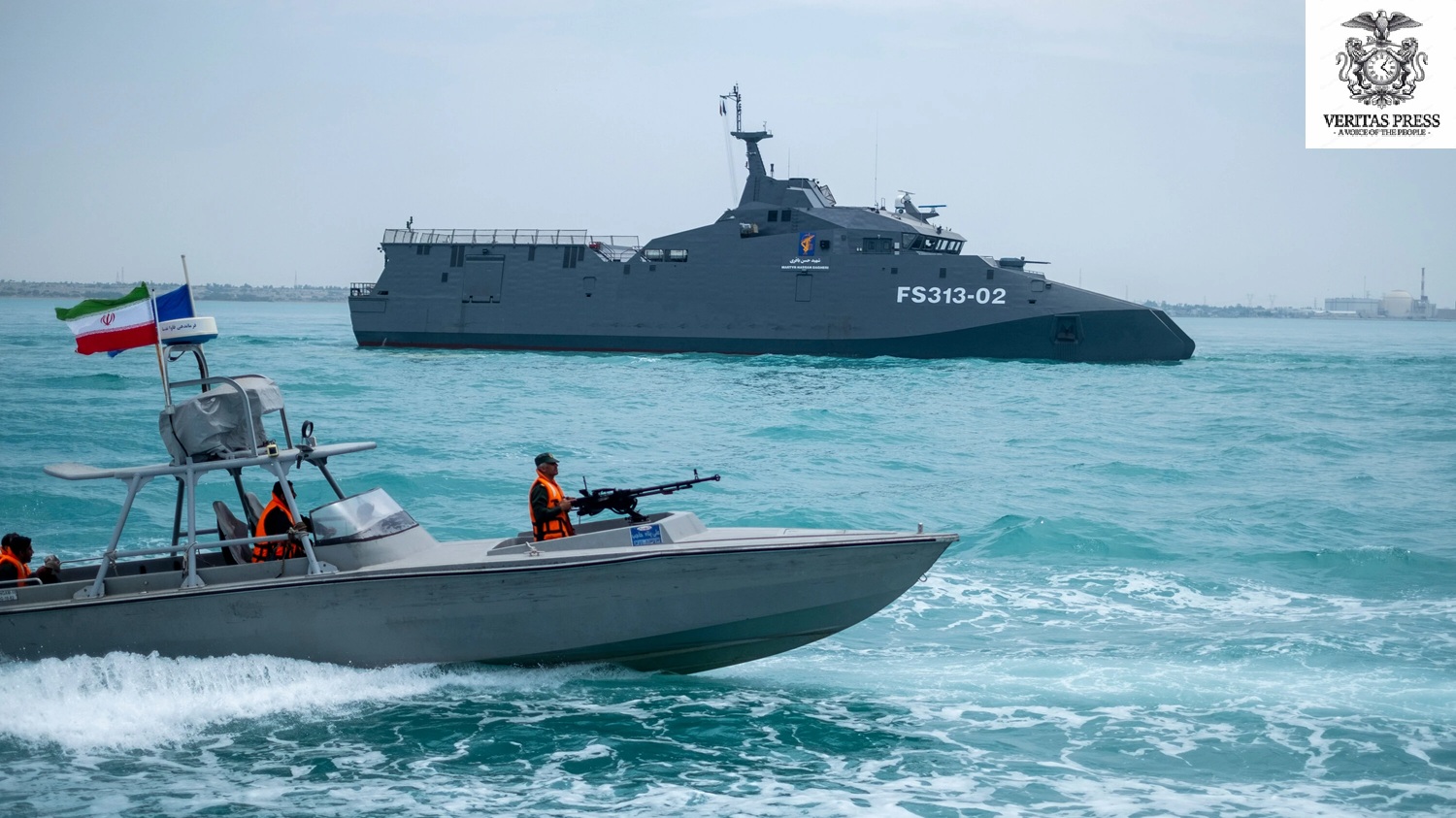
• On the Iranian side: Tehran can and has supplied drones and asymmetric systems to proxy partners; requests for long-range UAVs and GPS-jammers fit its known playbook. But exports risk fresh U.S. and allied pressure, and clandestine shipments are vulnerable to interdiction, the same maritime routes under watch by U.S. assets.
Crucially, Maduro’s public claim of 5,000 Igla-S missiles is unverified and, if true, would represent a major escalation in regional anti-access capability. Independent verification is absent; observers sensibly treat the number as part of Venezuelan messaging to beef up deterrence and domestic morale.
Voices On The Record, Officials, Rights Bodies, Analysts, Activists:
To cut the hot air from the strategic theatre, here are representative voices and what they mean:
U.S. administration / Pentagon: officials have framed operations as necessary to “stop drugs” and have defended strikes as lawful in international waters; yet briefings reveal operational options that include potential strikes on land infrastructure. That ambiguity is deliberate, a leverage instrument, but one that risks miscalculation. (See Pentagon briefings and commentary.)
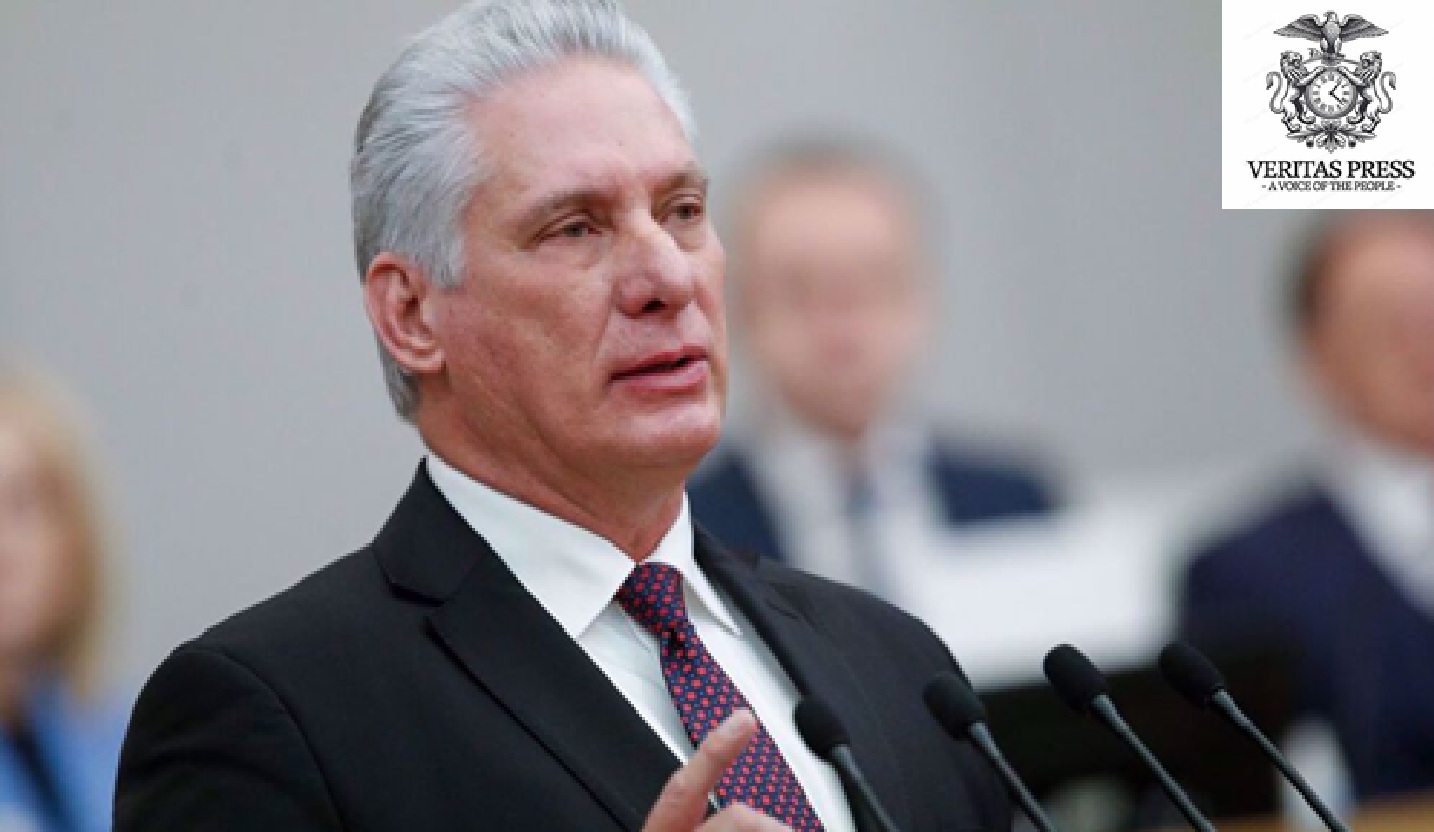
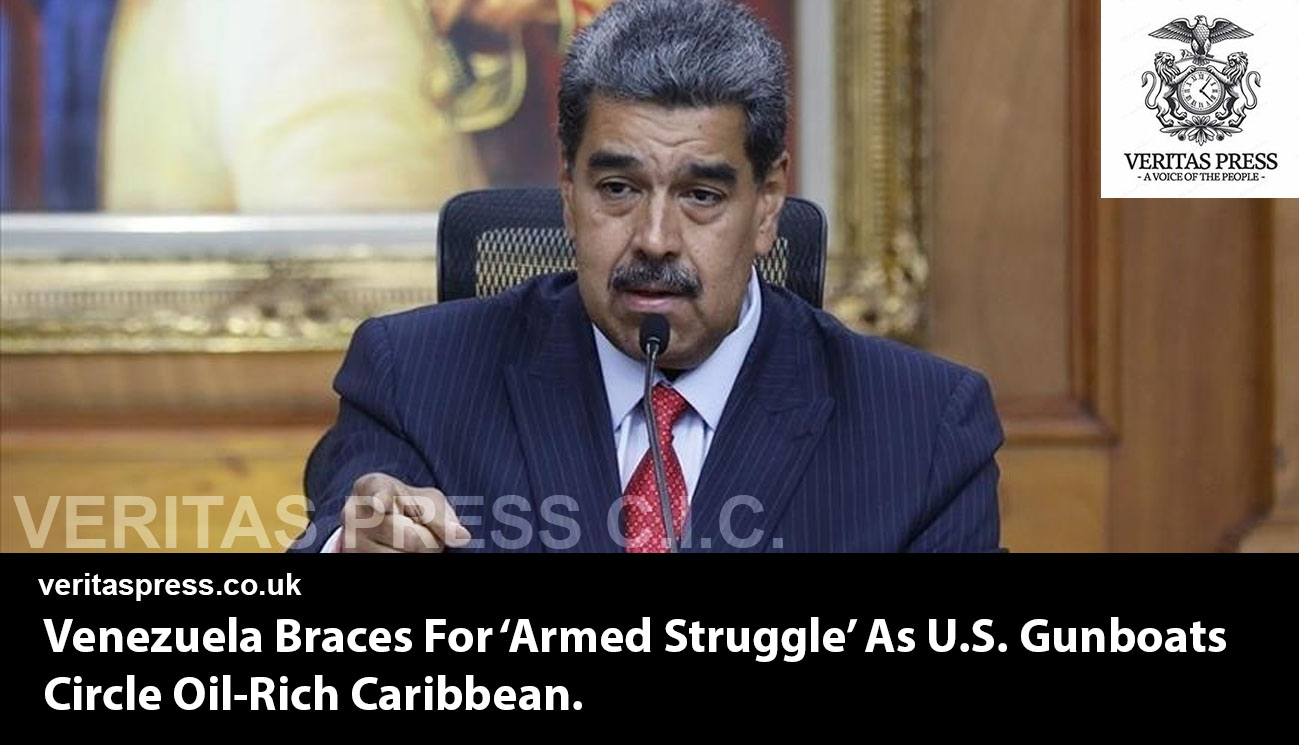
Venezuelan government (Nicolás Maduro): Maduro has publicly inveighed against U.S. “fabrications” and declared military readiness, even boasting of anti-air systems to deter attack. His rhetoric is meant to mobilise domestic support and signal to partners that Caracas will contest any kinetic incursions.
United Nations / human-rights bodies: Volker Türk, UN High Commissioner for Human Rights, called U.S. strikes on alleged drug boats “unacceptable” and demanded investigations; his office warns lethal force outside clear armed-conflict frameworks risks extrajudicial killings. That statement reframes the episode from a pure security problem to one of international human rights law.
Regional leaders and civil society: Caribbean governments are divided. Some (e.g., Trinidad and Tobago’s leadership) have cooperated with U.S. forces; CARICOM and leaders like Barbados’ Mia Mottley have warned about escalation and the dangers to regional stability. Local fishing communities and human-rights activists report fear, civilian harm and economic disruption.
Independent analysts and former officers: analysts quoted in reporting stress the mismatch: Venezuela’s inventory is largely outdated and poorly maintained; even a “restoration” plan buys time, but not parity. A former Venezuelan officer told reporters bluntly that much of the hardware is junk, undermining Caracas’ claims of a credible deterrent. That critique matters because policy must be grounded in capability, not bravado.
Follow The Money, Follow The Routes, The Grey Economy Of Arms And Drones:
Investigative threads worth pursuing immediately:
Financial conduits: Rostec financing and any three-year credit scheme mentioned in the letters require tracing. Who in Caracas signs guarantees? Which private firms would facilitate payments? Sanctions and opaque export routes matter. The U.S. documents mention Rostec; public records and shipping manifests could corroborate claims.
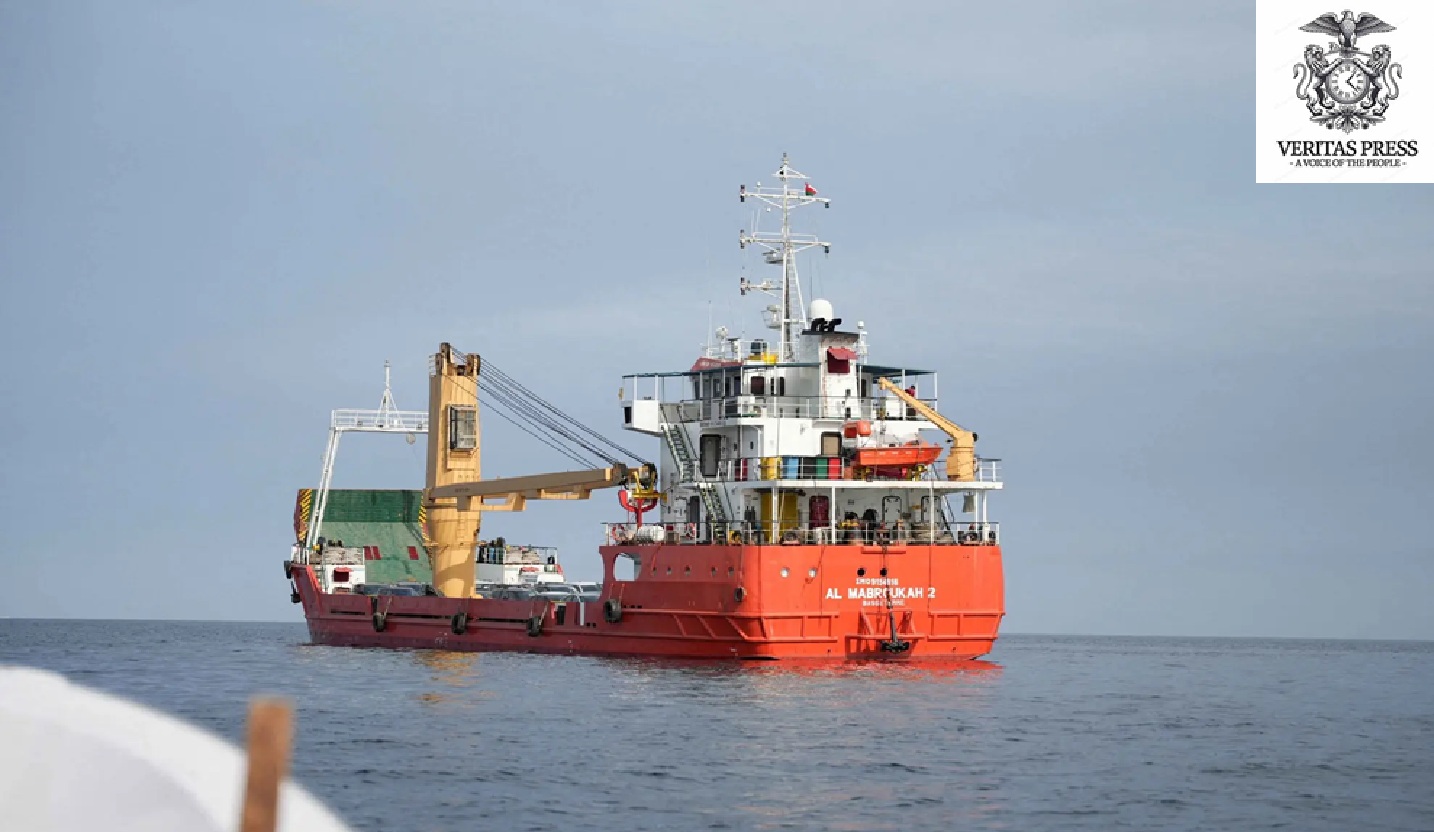
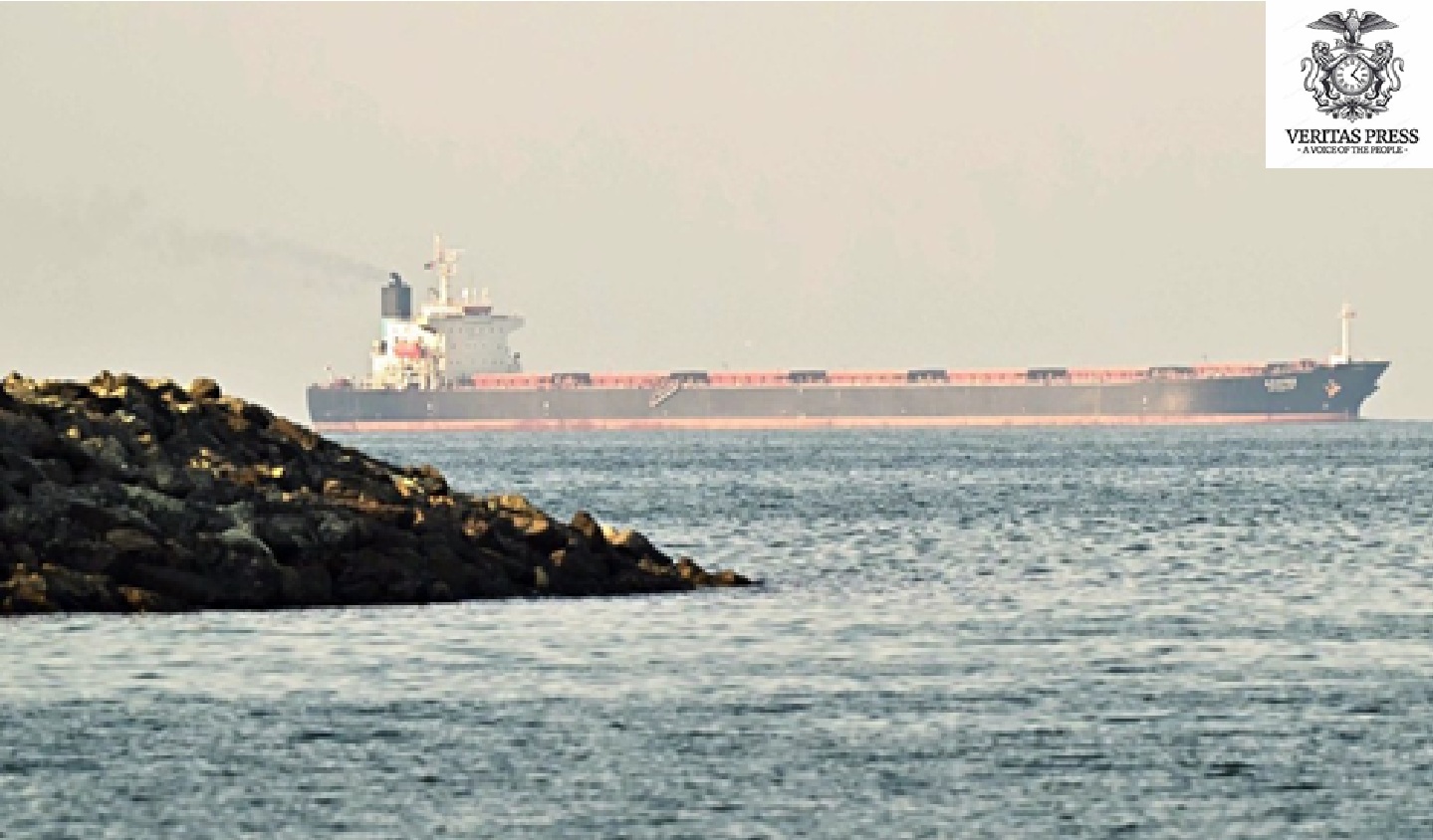
Maritime shadowing of shipments: Velásquez’s reported coordination of shipments from Iran, if correct, should show up in AIS gaps, charter manifests or port calls. The U.S. Navy’s interdiction posture makes clandestine sea transfers riskier but not impossible. Journalists should comb open-source AIS and satellite imagery for anomalous ship behaviour around Venezuelan ports.
Dual-use procurement chains: Chinese and Russian suppliers of radar modules or spare parts often operate through civilian fronts. Documenting corporate ownership, brokerage firms and third-country transhipment nodes (e.g., ports in Algeria, Turkey, or the UAE) could reveal how suppliers attempt to evade export controls.
The Legal And Moral Thicket: The U.S. Case And The International Backlash:
Washington’s declared legal theory for strikes at sea, treating organised criminal trafficking as a form of armed threat that justifies lethal force, is untested and controversial. The UN’s call for investigation and legal scholars’ alarm show these operations sit at the edge of accepted norms. If U.S. forces strike again and civilian deaths mount, the legal exposure and reputational cost will escalate.
Likewise, any U.S. strike on Venezuelan soil, even narrowly targeted against alleged drug cartel infrastructure within military bases, would dramatically widen the political and military consequences, invite Russian and Chinese diplomatic responses, and risk regional ruptures.
In Worst-Case Scenarios, The International Community Must Avoid:
Misinterpreted defensive action: a Venezuelan radar track misread by U.S. pilots, or a stray missile bringing down a surveillance plane, could produce instant escalation.
Creeping mission-creep: a campaign that starts as maritime interdiction could morph into targeted strikes ashore, a transition that would require more robust legal authorisation and carries high political costs.
Proxy entanglement: limited arms or advisory support from Iran or Russia could be used by Washington as a casus belli to justify broader action, even if the shipments are defensive in intent.
Recommendations For Journalists And Investigators:
Demand and publish the documents: obtain, verify and publish the core U.S. records, redacted where necessary, as The Washington Post cites. Public scrutiny of the raw memos enables deeper forensic work.
Track maritime and air movements: use open-source satellite/AIS data to test claims of arms shipments and to document the U.S. force posture.
Interview hands-on witnesses: former Venezuelan technicians, suppliers, port operators and regional maritime unions can corroborate or dispute specific claims about deliveries and stockpiles.
Obtain legal analysis: ask international-law experts to map the legal basis the U.S. is invoking and to gauge whether the strikes comply with use-of-force norms. Cite UN statements and legal briefs.
Bottom Line, A Narrowing Diplomatic And Operational Window:
Maduro’s overtures to Moscow, Beijing and Tehran are tactically predictable, politically necessary for regime survival, and strategically constrained by what each partner can credibly provide. The United States’ military positioning is real and consequential; the repeated lethal strikes at sea have already changed the region’s risk environment and provoked legal and human-rights pushback. Together, these dynamics create a fragile, densely interconnected crisis where misreading or misreporting a single fact could trigger a rapid and dangerous escalation.
The urgent imperative for policymakers, journalists and regional actors is to make the hidden visible: publish the evidence, map the supply chains, quantify the capabilities and place every assumption under question. Only then can the region avoid the dangerous slide from maritime interdictions and diplomatic posturing to large-scale kinetic confrontation.
Kamran Faqir is a volunteer investigative journalist and writer committed to exposing hidden truths and amplifying underreported stories. Driven by social justice, he brings sharp insight and fearless truth-telling to independent journalism. NUJ registered.
SEATTLE, TEHRAN — The U.S. Department of Homeland Security (DHS) will allow Iran’s national football team to enter the country 48 hours before their critical World Cup match against Egypt on Friday, a modest concession in a tournament where Team Melli’s travel conditions have sparked claims of oppression and competitive disadvantage.