Kamran Faqir is a volunteer investigative journalist and writer committed to exposing hidden truths and amplifying underreported stories. Driven by social justice, he brings sharp insight and fearless truth-telling to independent journalism. NUJ registered.
Press Release: Veritas Press C.I.C.
Author: Kamran Faqir
Article Date Published: 25 Oct 2025 at 12:25 GMT
Category: Middle-East | Lebanon | Israel’s Drones, Lebanon’s Dead
Source(s): Veritas Press C.I.C. | Multi News Agencies
Business Ads
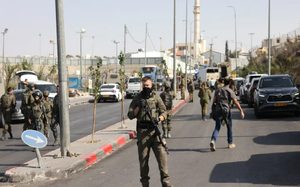
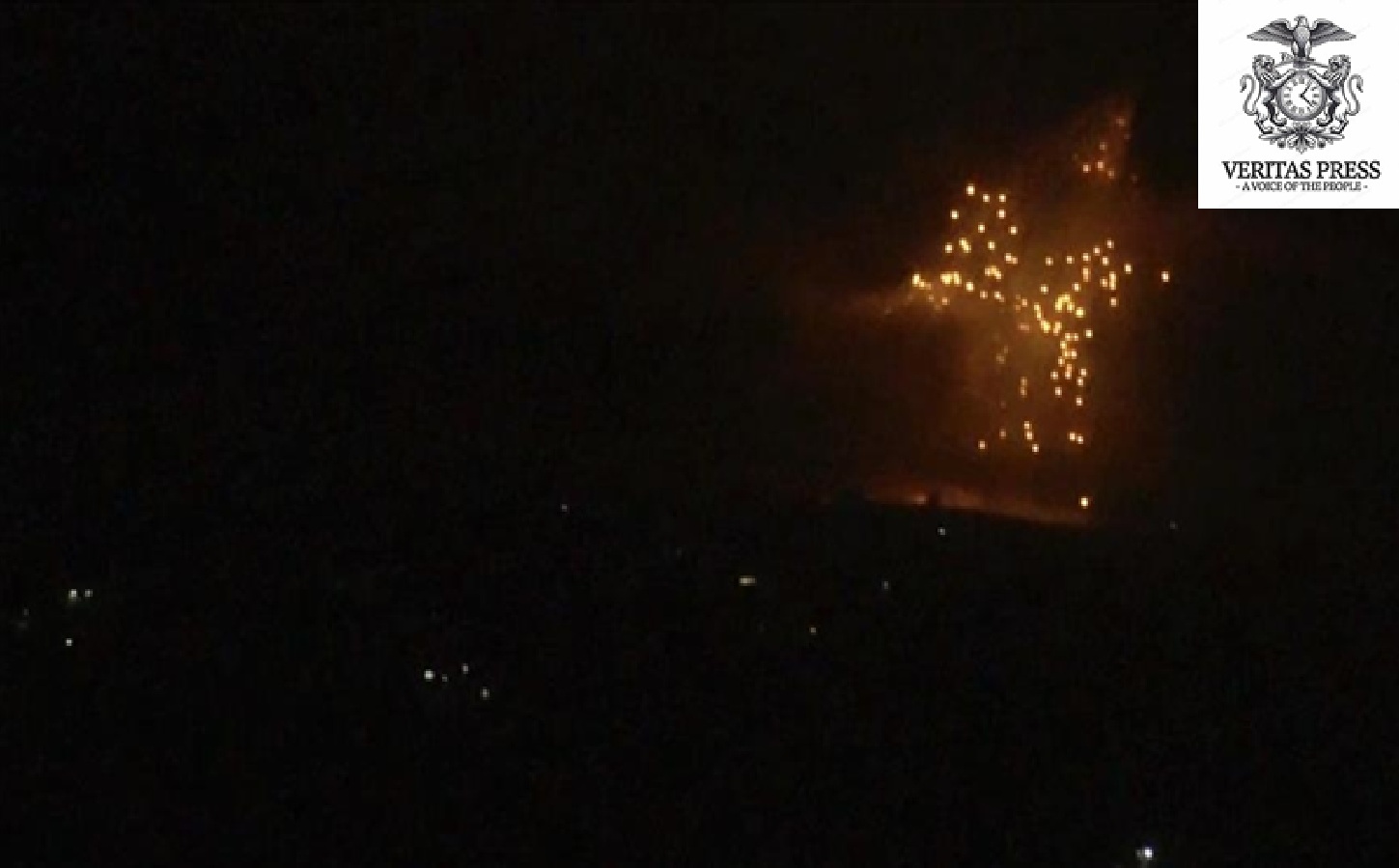
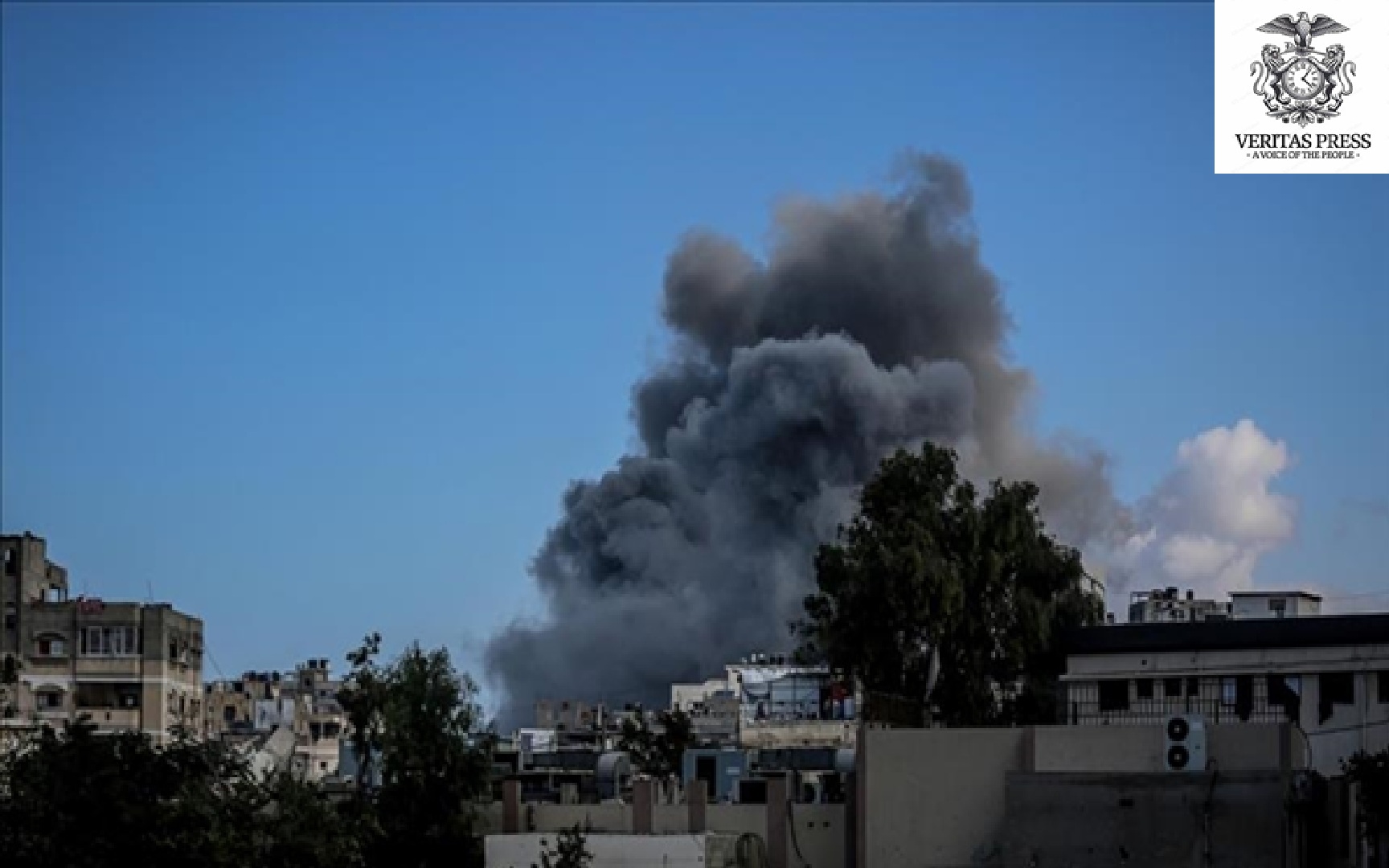
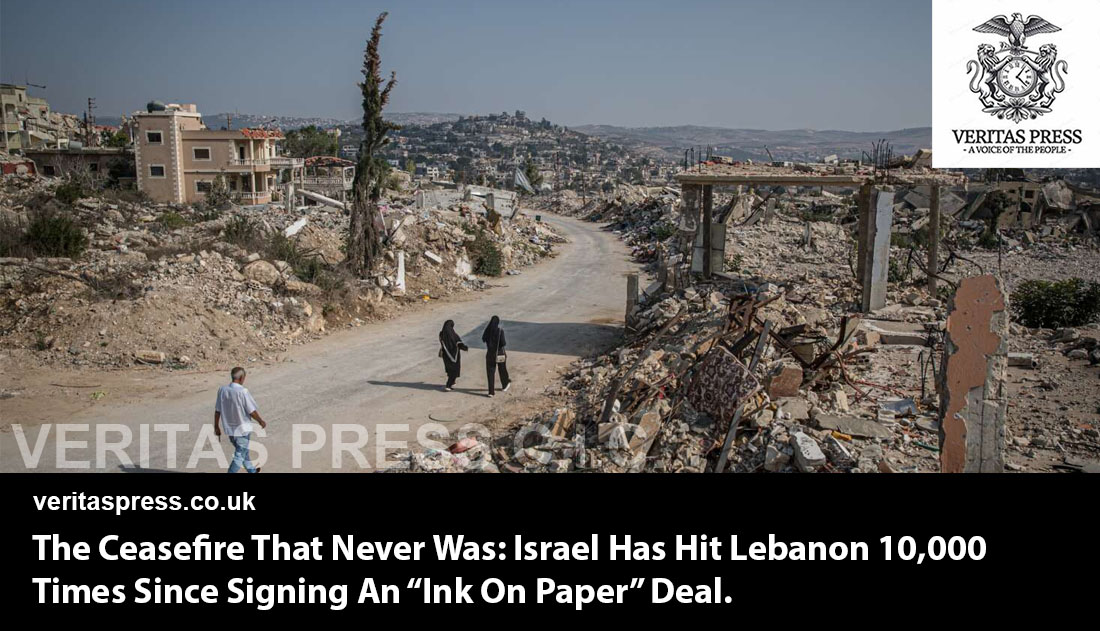
LEBANON – On Friday, an Israeli drone and follow-up airstrikes struck multiple vehicles and positions across southern Lebanon’s Nabatieh governorate, killing at least three civilians, wounding others and sparking fresh outrage in Beirut. The strikes are the latest in a near-daily pattern of air and drone attacks since the US-brokered truce took effect on 27 November 2024, a pattern that UN experts, human rights groups and Lebanese officials now say may amount to systematic violations of the agreement and of international humanitarian law.
What The Cameras And Hospital Logs Show:
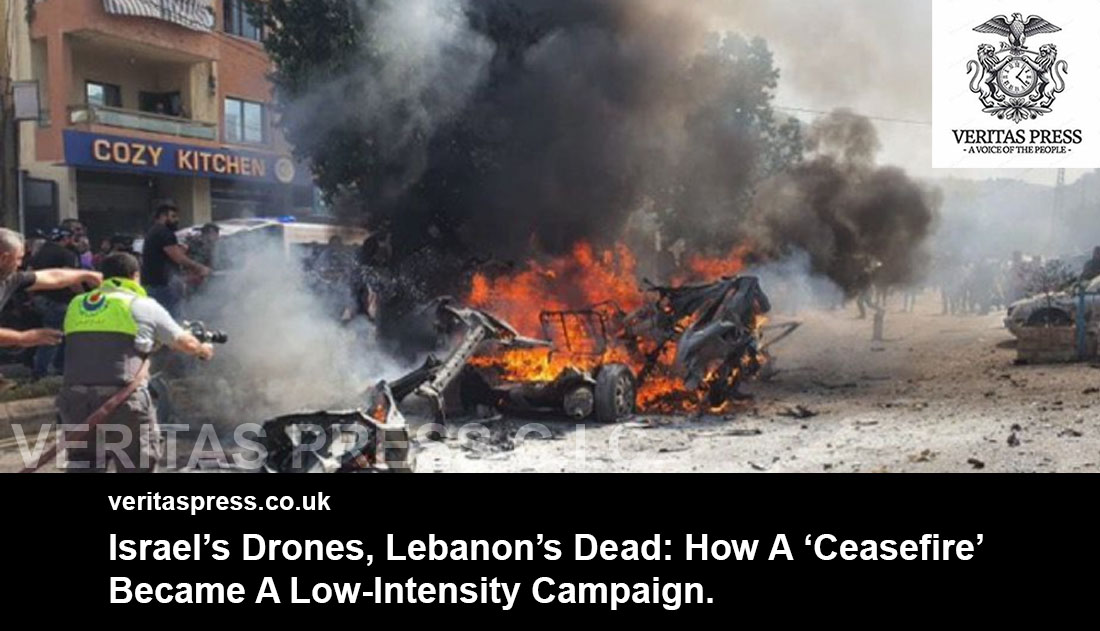
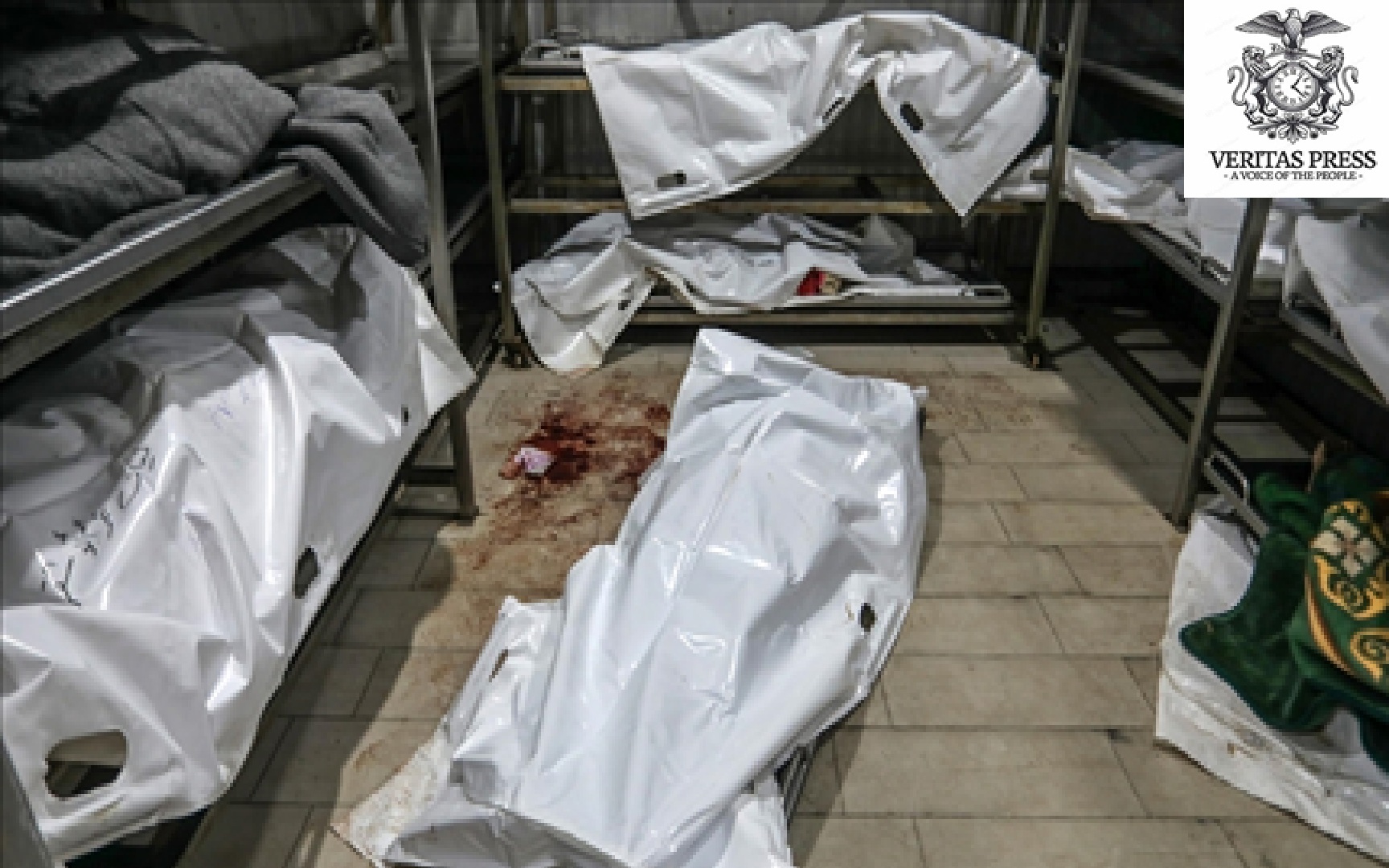
Local emergency services and the Lebanese Ministry of Public Health say an unmanned Israeli aerial vehicle fired at a moving car in Zawtar al-Gharbiya, killing one person and wounding a second; in a separate strike on the Nabatieh road near Toul, a missile struck a car directly, setting it ablaze and killing two people while wounding others. Lebanon’s state media and the Health Ministry released the casualty rolls and daily tallies used by hospitals to confirm the victims.
Eyewitnesses gave consistent, chilling accounts: one resident who reached the site of the Toul strike told reporters that “the car blew up and all I could see was a fireball, there was nothing left of the vehicle.” CCTV and phone videos circulating on social platforms show vehicles engulfed in flame and bystanders rushing to pull survivors from wreckage, imagery that matches multiple media reconstructions of past drone strikes across southern Lebanon.
Doctors and first responders described the clinical picture: traumatic blast injuries, severe burns from incendiary impacts, and the chaos of small hospitals that are already stretched after months of strikes. One emergency doctor in Nabatieh told an international correspondent that “we are treating people with wounds consistent with detonation inside a passenger vehicle, massive tissue loss, burns, and often no time for proper triage.” (clinical testimony summarised from reporting by AP and Al Jazeera).
State Claims Vs. Independent Reporting:
The Israeli military issued a terse statement asserting the strikes targeted “Hezbollah infrastructure”, a military camp, a production site for precision missiles, and, it later claimed, the killing of an alleged Hezbollah logistics commander in the Nabatieh area. Israel has not produced evidence publicly tying the specific vehicles struck on Friday to weapons production or active combatants. Hezbollah has not confirmed the counter-claim. That gap, between a military assertion and independent verification, is central to assessing legality.
Investigative outlets and rights groups say this is an all-too-familiar pattern: operations announced as precise counter-terrorism strikes that, on the ground, often hit civilian vehicles in populated areas without public evidence demonstrating an imminent or direct military necessity. Amnesty International and other groups have urged independent, transparent investigations into a series of September–October strikes that killed whole families and children, warning that some operations meet the threshold for unlawful attacks.
A Statistical And Legal Context:
The United Nations’ human-rights office reports that more than 100 Lebanese civilians have been killed by Israeli strikes in the ten months following the November truce, a toll that, when combined with displacement and damage to homes, roads and agricultural assets, suggests the ceasefire has devolved into a low-intensity campaign of attrition rather than a sustainable peace. UN experts called on 17 October for independent investigations and stronger protections for civilians.
Human-rights analysts point to two legal fault lines:
Proportionality and distinction. Strikes that hit civilian cars on public roads require highly reliable intelligence and clear military necessity to be lawful; where that is lacking, the attacks risk being indiscriminate.
Failure to investigate. Repeated unilateral strikes without transparent inquiries, forensic evidence or independent oversight undermine accountability and fuel impunity.
Amnesty and other monitors have concluded that some recent attacks plausibly amount to unlawful attacks and called for international mechanisms to collect evidence for prosecutions or sanctions.
Voices From The Border: Civilians, Officials, Peacekeepers.
The human impact is cumulative and political:
Residents and mourning families. In villages from Bint Jbeil to Nabatieh, coffins are being readied for burial, schools are intermittently closed, and farmers fear bringing harvests to market because of drone surveillance and strikes. One mourner in Bint Jbeil told Reuters after a September strike that “we are living in pain, the children are buried but the war continues over our heads.”
The Lebanese state appeals. President Joseph Aoun has publicly appealed to the United States and France to exert pressure on Israel to respect the ceasefire; Beirut says Israeli forces continue to occupy or operate out of at least five border outposts despite the truce. Those remaining positions, Lebanon argues, are de facto extensions of the atmosphere of occupation that make civilians targets.
UN and UNIFIL. UNIFIL has documented repeated airspace violations and, in at least one reported instance, drones dropped grenades near peacekeepers, an attack the UN described as one of the most serious on its personnel since the truce. UN experts and UNIFIL have called for uninterrupted access for investigators and for Israel to cooperate with independent inquiries.
Why Independent Verification Matters, And How To Get It:
This investigation into repeated strikes identifies a tractable set of steps that outside actors, media, forensic teams, the UN and NGOs should push for immediately:
• Forensic open-source investigation. Collate CCTV, phone video, drone overflight imagery and geolocated satellite photos to reconstruct strike timelines and impact footprints; Reuters and other news investigative teams have shown this method can establish time, place and blast signatures even where access is restricted.
• Medical and death-certificate transparency. Publish autopsy summaries, hospital intake logs, and ambulance call records in anonymised form to confirm the cause of death and to separate combatant from civilian casualties. Doctors on the ground told reporters their hospitals treat blast and burn wounds consistent with high-velocity missile impacts on small vehicles.
• Chain-of-custody for remnants. Collect missile fragments, electronics and shrapnel from strike sites into a documented chain of custody to enable munitions specialists to identify weapon types and, potentially, launch platforms.
• An international investigative mechanism. UN human-rights experts have already called for independent probes; given the complexity and diplomatic sensitivity, a hybrid UN/independent team with forensic expertise should be mandated and given secure access without political preconditions.
What The Repeated Strikes Do Politically:
Far from weakening Hezbollah’s standing, repeated strikes are strengthening the argument, domestically and regionally, that armed non-state actors are the only credible deterrent against cross-border strikes. Lebanese officials’ inability to stop the strikes, plus UNIFIL’s limited mandate and restrictions, have created a security vacuum in which the narrative of “defence by arms” gains purchase. Analysts warn that continued impunity will harden militarised politics in Lebanon and reduce the political space for disarmament.
NGO and rights group perspectives
Amnesty International: documented several strikes that “appear to be unlawful” and has urged states to suspend arms transfers if Israel fails to ensure compliance with international humanitarian law.
UN human rights experts: called for independent investigations and warned that the pattern of strikes risks entrenching violations of international humanitarian law.
Local humanitarian organisations: report difficulty operating in a highly surveilled environment where ambulances and aid convoys fear being struck or interdicted.
The Risk Of Escalation:
A single misidentified vehicle, a botched intelligence assessment, or a retaliatory hit can rapidly move the border from low-intensity attrition back to open confrontation. The deliberate targeting of vehicles on public roads, often near villages, increases the probability of mass civilian casualties or of an incident prompting wide retaliation. Given the entangled political incentives on both sides, the present pattern is a fragile tinderbox.
Conclusion:
The latest Israeli drone strikes on Nabatieh, Zawtar, and Toul are not isolated incidents but part of a calculated pattern of cross-border escalation that exposes the hollowness of so-called “ceasefire” understandings. Beyond the official Israeli narrative of targeting “Hezbollah infrastructure,” the civilian toll, including the deaths of families trapped in their homes, underscores what human rights lawyers describe as a “systematic erosion of the laws of war.” According to Lebanese Civil Defence officials, rescuers have repeatedly been targeted while attempting to retrieve bodies, in what they call “a deliberate campaign to terrorise southern communities.”
“This is not collateral damage, it’s psychological warfare,” said Dr. Rania Wehbe, a Nabatieh-based physician who treated burn victims from the Toul strike. “The message is that nowhere is safe, not your home, not the hospital, not even the road leading to safety.”
Human Rights Watch and Amnesty International have both warned that Israel’s expanded targeting practices in Lebanon may amount to “indiscriminate or disproportionate attacks,” echoing their earlier findings in Gaza. Lebanese human rights lawyer Nizar Saghieh argued that “the legal framework Israel invokes, self-defence, has been stretched to justify actions that in practice punish entire communities.”
Residents of Zawtar told Al Jazeera and Middle East Eye that the drone strikes came without warning, destroying homes near schools and power lines. “We are not fighters, we are farmers,” said local resident Hassan Dandash. “Every night, the sky hums with drones, and every morning we wake to smoke.”
Regional analysts say these attacks reflect Israel’s broader doctrine of deterrence-by-devastation, using overwhelming force to enforce political silence across the border. “This is the Gaza model being exported north,” said political analyst Amal Saad. “Lebanon’s civilians are being turned into hostages of Israel’s regional strategy.”
International silence has only emboldened such behaviour. The UNIFIL peacekeeping mission has documented dozens of Israeli violations of Lebanese airspace each week, yet accountability remains absent. UN spokesperson Stéphane Dujarric reiterated calls for restraint but admitted that “the mechanisms of enforcement are extremely limited.”
The deepening impunity risks dragging Lebanon into another catastrophic confrontation. As independent journalist Kareem Chehayeb warned, “each unpunished strike lowers the threshold for the next war.” For the families of Nabatieh and Toul, that war has already begun, waged by machines in the sky, and sanctioned by the world’s refusal to call this what it is: a systematic assault on civilian life under the guise of security.
Kamran Faqir is a volunteer investigative journalist and writer committed to exposing hidden truths and amplifying underreported stories. Driven by social justice, he brings sharp insight and fearless truth-telling to independent journalism. NUJ registered.
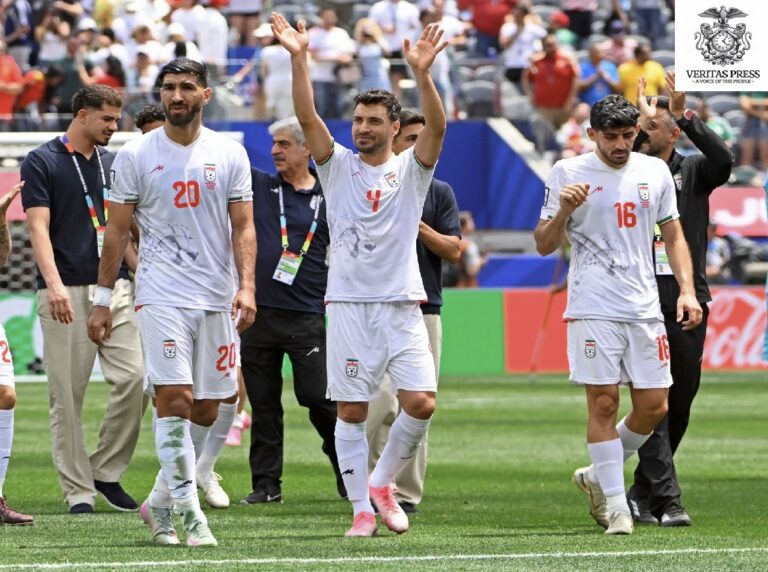
SEATTLE, TEHRAN — The U.S. Department of Homeland Security (DHS) will allow Iran’s national football team to enter the country 48 hours before their critical World Cup match against Egypt on Friday, a modest concession in a tournament where Team Melli’s travel conditions have sparked claims of oppression and competitive disadvantage.