Kamran Faqir is a volunteer investigative journalist and writer committed to exposing hidden truths and amplifying underreported stories. Driven by social justice, he brings sharp insight and fearless truth-telling to independent journalism. NUJ registered.
Press Release: Veritas Press C.I.C.
Author: Kamran Faqir
Article Date Published: 29 Oct 2025 at 12:10 GMT
Category: Middle-East | Palestine-Gaza-West Bank | A Measured Response” Or Testing The Truce
Source(s): Veritas Press C.I.C. | Multi News Agencies
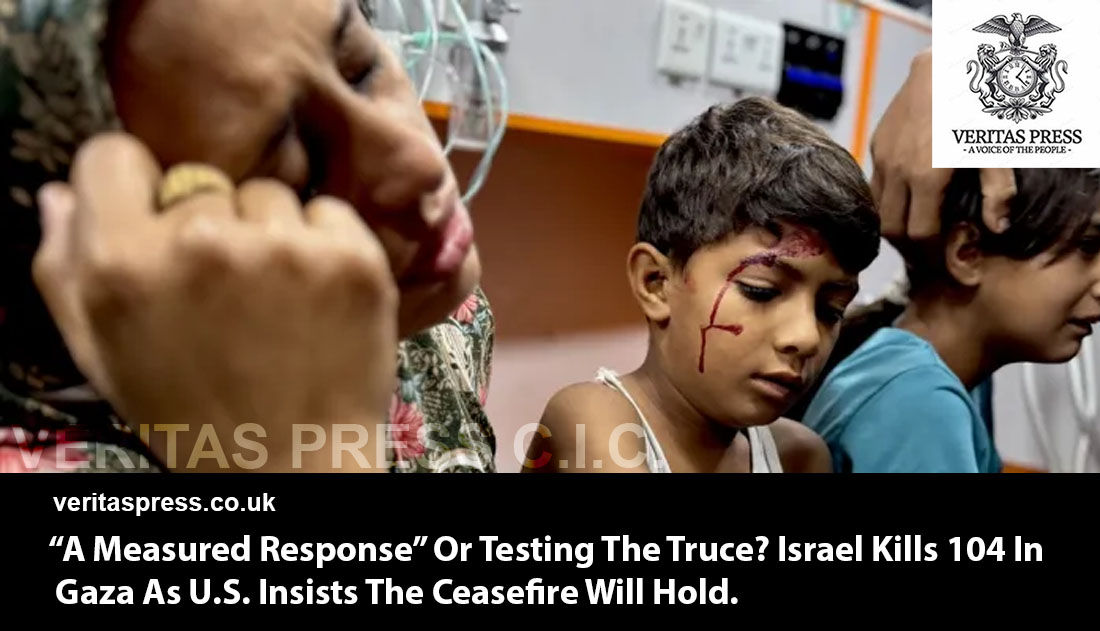
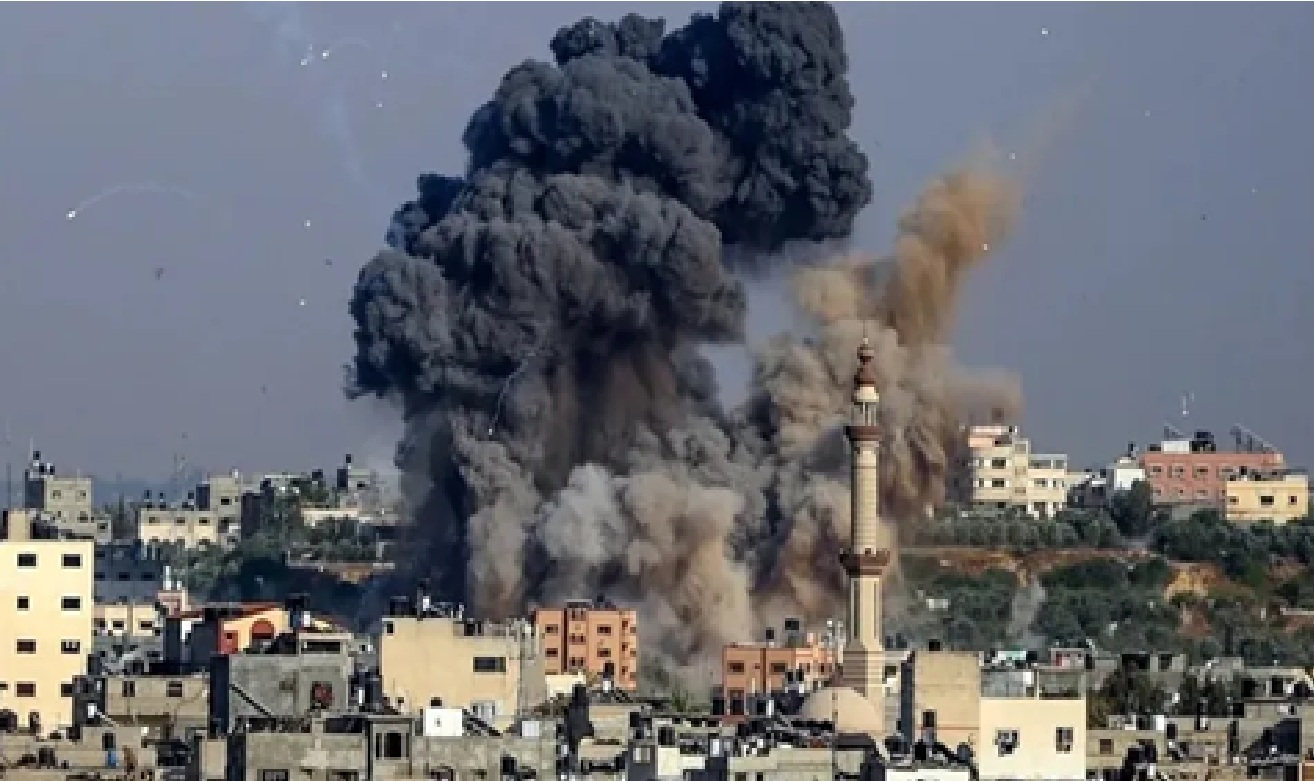
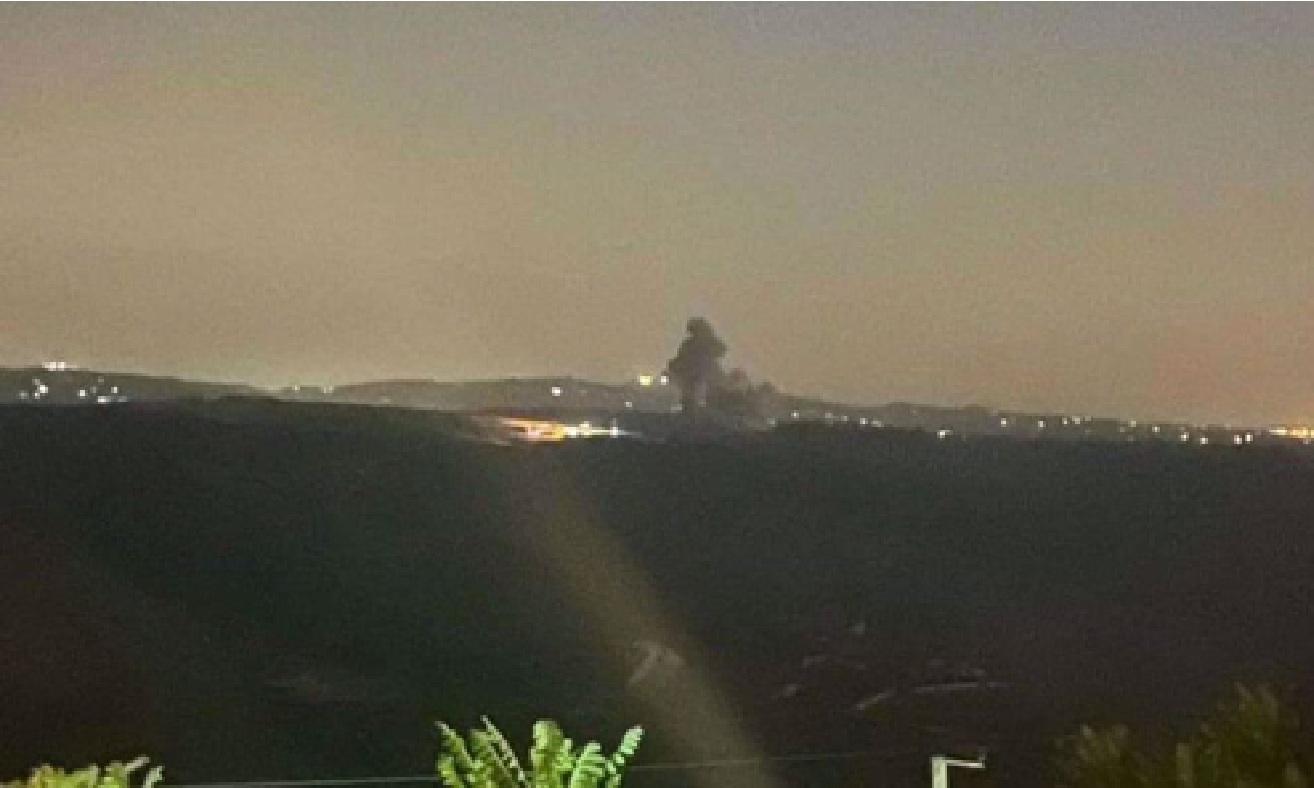
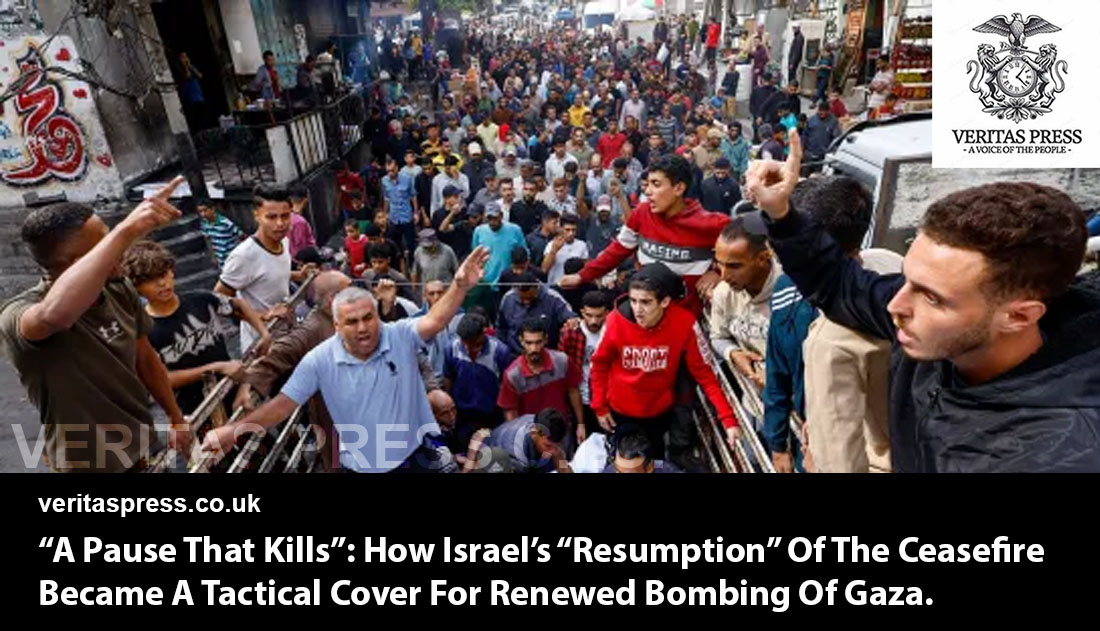
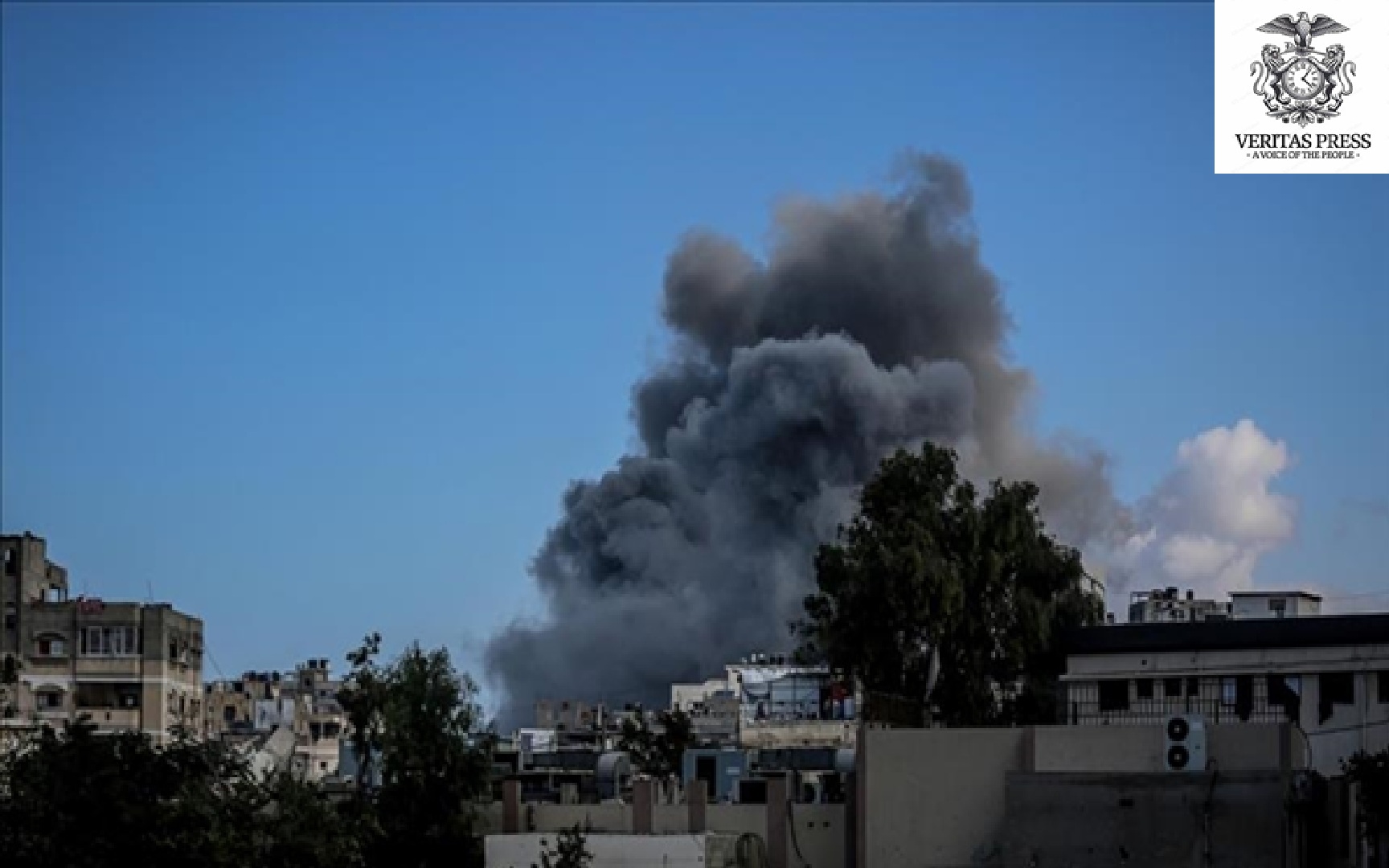
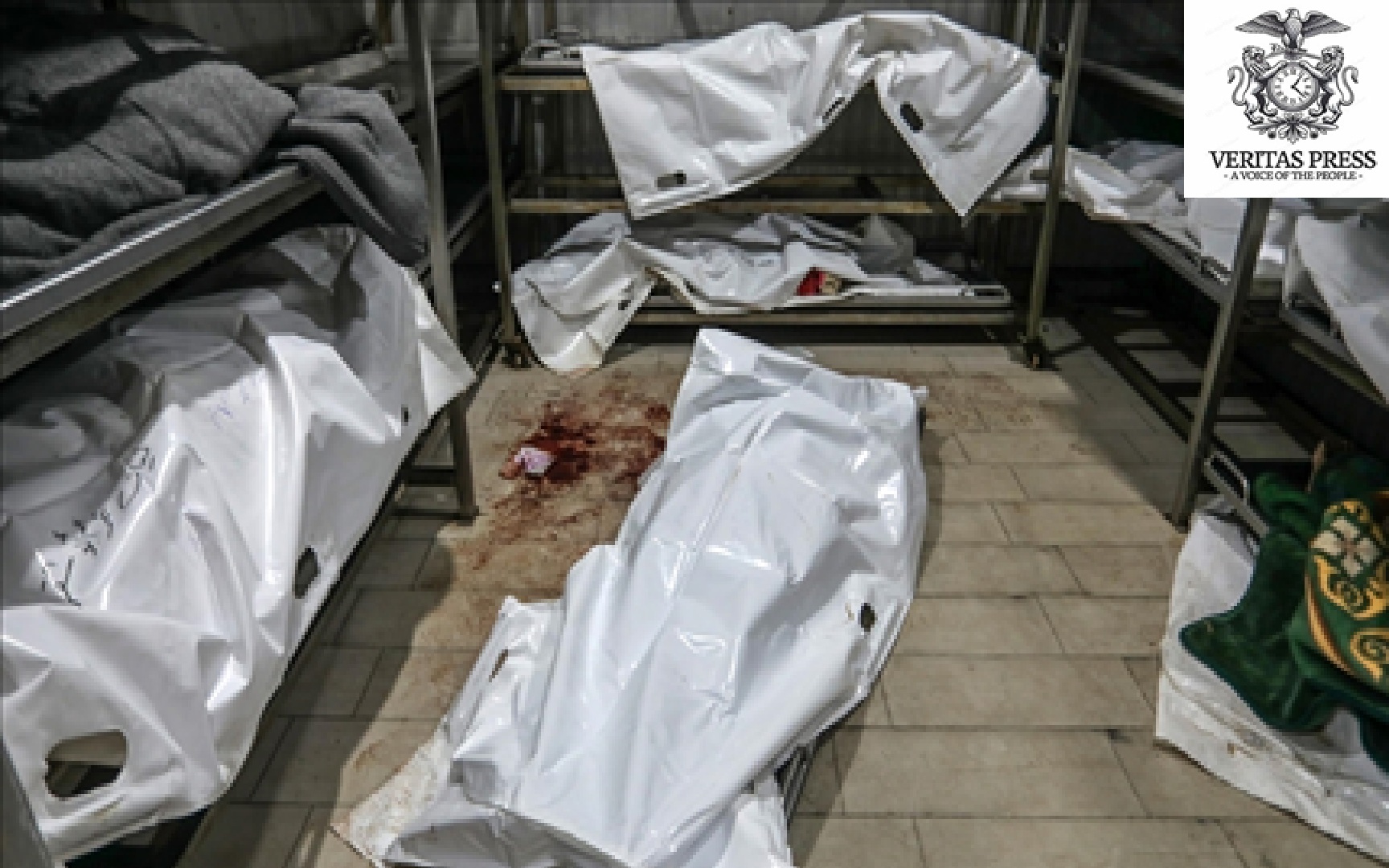
The overnight bombardment that killed at least 104 Palestinians, dozens of them children, on October 29 is not an aberration. It is the latest, most violent example of a pattern in which a fragile, U.S.-brokered truce is repeatedly punctured by punitive Israeli strikes that the political leadership frames as necessary “responses,” while the consequences fall overwhelmingly on civilians and the crumbling health system in Gaza. Gaza health authorities placed the death toll today at 104 dead and hundreds wounded.
What happened: Israeli political leaders and the military say the strikes were a retaliation for an exchange of fire in Rafah in which an Israeli soldier was killed, and, crucially for the narratives on both sides, over disputes about the transfer of bodies and hostages. Prime Minister Benjamin Netanyahu described the strikes as “powerful” actions ordered after the incident; the military said it had “resumed enforcement of the ceasefire” only after the operation. President Donald Trump, travelling abroad, doubled down in public, saying “nothing is going to jeopardise” the truce and defending Israel’s right to “hit back.”
This account requires scrutiny for three reasons:
the asymmetry of force and accountability;
the cumulative erosion of protective space for civilians, even during a truce; and
The political incentives, domestic and international, that make punitive “test strikes” attractive to leaders on both sides.
Anatomy Of The Strike: Targets, Methods And Consequences.
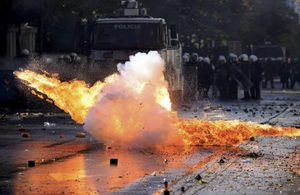
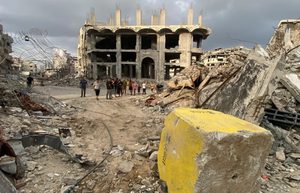
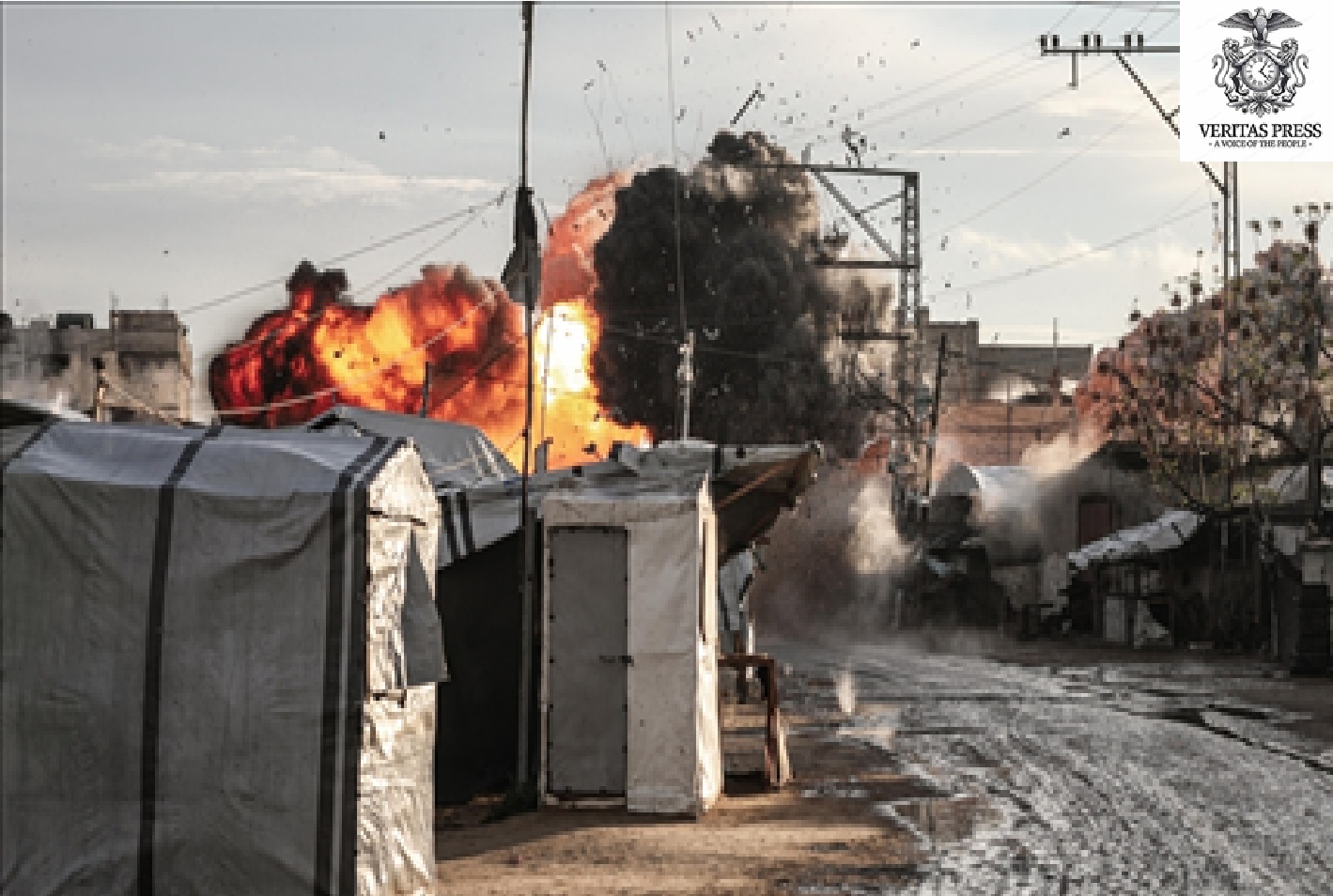
Eyewitnesses and first responders describe scenes familiar from months of bombardment: neighbourhoods flattened, tents for internally displaced families shattered, medics and civil defence crews racing against time amid damaged roads and scarce fuel.
Mahmud Bassal, spokesman for Gaza’s Civil Defence, told reporters the attacks were “a clear and flagrant violation of the ceasefire agreement” and described the situation as “catastrophic and terrifying,” while rescue teams warned that fuel shortages and constant overflight from warplanes made saving lives nearly impossible.
Hospitals, the last functioning safety net, were again overwhelmed. Medical workers who have repeatedly warned the world about the collapse of Gaza’s health system said the new influx of wounded pushed wards beyond capacity. Médecins Sans Frontières and independent doctors describe a protracted collapse: “the healthcare system is being strangled,” MSF warned in recent reporting on Gaza’s damage and shortages. A Gaza paediatrician who has worked inside Nasser Hospital described being “completely overwhelmed” by sudden waves of casualties in prior bombardment surges; the same conditions are being repeated today.
The Israeli military claimed it struck “terror targets” and reported dozens of militant casualties; Gaza authorities and local hospital lists, by contrast, show large numbers of civilian deaths, including entire families sheltering in tents and makeshift camps. That gap between the Israeli military’s target claims and Gaza’s casualty lists is the central evidentiary problem when assessing proportionality and distinction under international humanitarian law.
The Killing Of A Journalist, Pattern, Intent, Consequences.
Among those killed was Mohammed al-Munirawi, a reporter sheltering in a tent in Nuseirat, one more name in a mounting toll of media workers killed in Gaza. Gaza’s Government Media Office says the number of journalists killed since the conflict began has climbed into the hundreds; press freedom organisations and unions have repeatedly characterised these deaths as part of a pattern that suppresses documentation of civilian suffering. The death of a working journalist in a shelter is not an incidental statistic: it is a blow to accountability and to the ability of outsiders to independently verify what is occurring on the ground.
Journalists killed in Gaza do not merely represent press casualties; they point to a systematic reduction of independent witnessing capacity inside the territory. That reduces the chance of external intervention or even of robust international empathy, a strategic effect as significant as the immediate human loss.
Politics, Brinkmanship And Why Strikes Happen During A Truce:
Two political dynamics explain why Israel repeatedly conducts punitive strikes during an ostensible ceasefire:
• Domestic electoral and coalition pressure. Far-right ministers and hawkish coalition partners are loud and visible in demanding harder action. National Security Minister Itamar Ben-Gvir publicly denounced the decision to resume the ceasefire and demanded “full-scale war,” warning that Netanyahu’s government “will have no right to exist” if it abandons the goal of dismantling Hamas. In this climate, a measured, limited military burst allows leaders to signal toughness without committing to full invasion, a political calculation dressed as tactical necessity.
• External diplomatic cover. The United States’ posture matters. President Trump’s public line, that Israel “hit back” and that “nothing is going to jeopardise the truce”, grants Israel diplomatic latitude to carry out retaliatory operations while preserving the broader diplomatic framework. That cover reduces near-term political costs for escalatory moves.
This combination, domestic pressure for escalation plus external political cover, creates perverse incentives for calibrated strikes: enough force to appease hawks and deter perceived violations, but limited enough to allow negotiators to claim the truce endures. It is a classic “test-and-reset” playbook: probe, punish, and step back, a pattern that, in practice, perpetuates civilian suffering without producing decisive security gains.
Eyewitness And Medical Testimony, The Human Ledger:
Voices from Gaza bear out the statistical horrors and place them in human terms.
• First responders and civil defence. Mahmud Bassal (Gaza Civil Defence): “The occupation is now bombing Gaza… The situation is catastrophic and terrifying.” He warned that rescue operations are hampered by a lack of fuel and the constant presence of warplanes overhead, making it near-impossible to reach those under the rubble.
• Doctors on the front line. Medical NGOs and physicians have repeatedly told international media that the health system is collapsing: supplies, fuel and staff are exhausted; every new wave of casualties risks pushing hospitals past survival. An MSF briefing described Gaza’s health system as being “strangled,” and Nasser Hospital doctors have said they were “completely overwhelmed” in recent surges. Those assessments are not rhetorical: they explain why a single night of strikes can translate into sustained excess mortality beyond the immediate blast zone.
• Survivors and displaced people. Displaced Gazans who returned after earlier pauses speak of returning to “wounds and sorrow”, of homes that may no longer exist and of the palpable fear families feel at nightfall. These testimonies illustrate how every resumption of bombing shatters fragile recovery and forces new displacement.
Legal And Humanitarian Implications, A Ruptured Protection Regime:
Human rights organisations have warned that repeated strikes on civilian areas, on shelters for the displaced, and on medical facilities may amount to serious violations of international humanitarian law. The pattern of high civilian death tolls and of attacks that kill journalists and rescue workers raises credible questions about the principles of distinction and proportionality. Human Rights Watch, MSF and others have repeatedly called for independent investigations into specific strikes and for immediate steps to protect civilians and restore aid flows.
The October 29 strikes underline that a ceasefire on paper is only as protective as the political will enforcing it. That will appear thin.
The Immediate Intelligence And Bargaining Frame: Hostages, Bodies, And Leverage.
One proximate cause of the attack was a dispute over the transfer of bodies and hostages. Israeli officials said Hamas had delayed or manipulated returns, while Hamas denied responsibility for the Rafah firefight and blamed Israeli opportunism. These contested claims are politically consequential: hostage returns are a central bargaining chip, and both parties are highly incentivised to use incidents to extract concessions. The result is transactional violence exchanges of bodies and bullets that transform a humanitarian moment into a tactical frontier.
What The Sources Say, Who To Watch And Why It Matters:
• Gaza authorities and civil defence (Mahmud Bassal): point to catastrophic humanitarian consequences, call for corridors and fuel. • Gaza Ministry of Health: tallies civilian fatalities and documents hospital distribution of bodies, a critical local record that contrasts with military target claims. • Israeli political leadership (Netanyahu) and military: frame strikes as measured retaliation and stress conditional resumption of the ceasefire. Their statements show the calculus of limited punishment under diplomatic cover. • U.S. administration (Trump, VP): offers political shielding with firm rhetorical support that reduces immediate international pressure for sanctions or hard measures. • Humanitarian organisations and doctors (MSF, medical staff): issue repeated warnings that the health system is collapsing and that even short escalations surge mortality and morbidity long after the bombs stop.
Investigative takeaways, beyond “who fired when”:
Tactical violence with strategic effect. These strikes are not isolated tactical returns of fire; they are instruments in a political bargaining game that uses civilian suffering as leverage. That is both morally obscene and strategically self-defeating: it leaves Gaza ungovernable, creates new cycles of radicalisation, and undermines any post-conflict reconstruction plan.
Accountability infrastructure is missing. With journalists killed, media capacity diminished, and rescue services chronically starved, there is no robust, independent, contemporaneous record of events from within Gaza that can reliably be used in courts or international bodies. Killing journalists is not only an immediate crime; it is a method of obscuring evidence.
The U.S. covers the problem. Diplomatic backing that declares the truce inviolable while publicly defending Israeli reprisal actions effectively endorses a legal grey zone. That cover reduces the immediate political cost of strikes and disincentivises preventive constraints on targeting.
Humanitarian collapse invites longer-term instability. Repeated micro-escalations during supposed pauses convert a ceasefire into a sustained humanitarian crisis, the very conditions that generate protracted insecurity and a vacuum of governance.
Concrete Demands An Investigative Lens Should Pursue Now:
Detailed, independent investigations into the October 29 strikes with forensic analysis of strike sites, witness interviews and satellite imagery to test military target claims against civilian casualty lists. (International forensic teams, under UN or independent mandates, should be requested.)
A protective protocol that prevents any retaliatory strikes near hospitals, shelters, and IDP camps; a transparent mechanism for adjudicating alleged ceasefire violations that does not default to immediate aerial punishment.
Immediate humanitarian priorities: unimpeded fuel and medical supplies to hospitals, safe corridors for rescue teams, and guaranteed access for independent journalists and monitors.
International political pressure tied to verifiable compliance: if the U.S. and EU insist the truce “must hold,” they must attach enforceable conditions, not rhetorical cover for reprisals.
An unfettered supply of humanitarian aid should be allowed in, without restrictions.
Closing, A Litmus Test For International Law And Political Accountability:
The October 29 carnage lays bare a central moral and legal question confronting the international community: will diplomatic rhetoric insisting a ceasefire “must hold” be matched by concrete limitations on the use of force, by independent accountability and by an insistence that civilian protection is not a negotiable line item? Or will the cycle of measured strikes, and the political incentives that produce them, be permitted to erode humanitarian norms until protection itself becomes meaningless?
For the families in Gaza, for the doctors hauling bodies through hospital wards without fuel, for the journalists like Mohammed al-Munirawi who are now dead, this is not an abstract test. It is daily survival. The challenge for investigators, human rights lawyers, and diplomats is to convert outrage into methods and mechanisms that protect people on the ground, not merely explain their deaths afterwards.
Conclusion: Ceasefire In Name Only, The Mechanics Of Genocide And Impunity:
The latest Israeli onslaught in Gaza, killing over 100 Palestinians, including dozens of children, under the cover of an alleged “ceasefire”, exposes once again the grotesque reality of a war waged with near-total impunity. What Israel calls “resuming enforcement of the ceasefire” is, in essence, the normalisation of mass killing under diplomatic euphemisms. This episode lays bare a pattern that rights groups and analysts have long described as performative restraint: Israel suspends attacks momentarily to deflect pressure, only to resume them under pretexts of “response” or “security enforcement.”
Doctors at Al-Shifa and Nasser hospitals told reporters that the sheer volume of casualties arriving within hours “resembled the war’s earliest and bloodiest days.” “It was as if the ceasefire never happened,” said Dr. Ahmed al-Hour, an emergency surgeon in Khan Yunis. “Entire families arrived in pieces; the children were unrecognisable. There is no truce here, only intervals between massacres.”
Human rights monitors echoed that assessment. Amnesty International’s regional director, Heba Morayef, said the renewed bombardment “illustrates how Israel continues to weaponise the concept of a ceasefire as a tactical pause, not a commitment to international law.” The Palestinian Centre for Human Rights condemned what it called “a deliberate massacre” and urged the International Criminal Court to “act decisively, not rhetorically, against Israel’s genocidal campaign.”
Eyewitnesses across Gaza described a night of relentless terror. “We thought the ceasefire meant safety,” said Umm Ibrahim, a displaced mother sheltering in Deir al-Balah. “But then the sky exploded again. My son kept asking if the war was back. I couldn’t answer him.”
Meanwhile, the killing of journalist Mohammed al-Munirawi and his wife is emblematic of Israel’s systematic effort to silence Gaza’s chroniclers. Press freedom watchdogs such as Reporters Without Borders and the Committee to Protect Journalists have condemned what they describe as “a campaign of extermination” against Palestinian journalists, noting that with 256 killed since October 2023, Gaza has become “the deadliest place for media in modern history.”
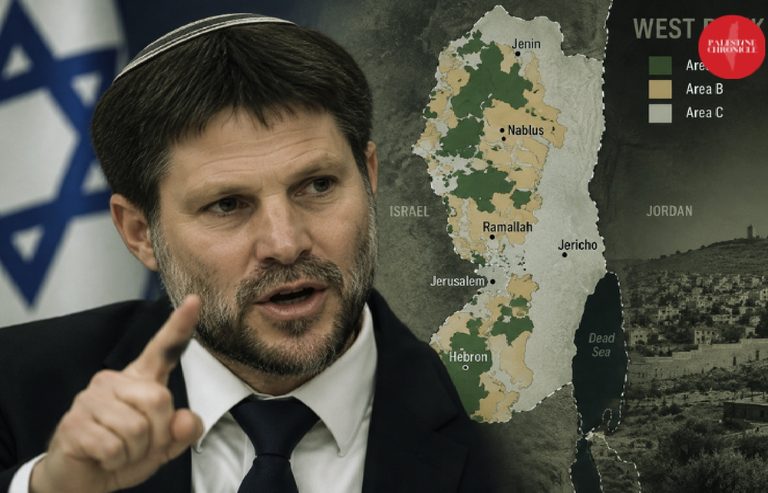
Politically, Israel’s aggression is also deeply entangled with domestic manoeuvring. Analysts like Haaretz columnist Amos Harel argue that Netanyahu’s decision to resume strikes reflected pressure from his far-right coalition, particularly Itamar Ben-Gvir and Bezalel Smotrich, who are exploiting the Gaza war as a platform for ultranationalist posturing. “The bombing was as much about Rafah as it was about retaining power,” said political analyst Dahlia Scheindlin. “Israel’s war cabinet has turned Gaza’s destruction into a political survival mechanism.”
President Donald Trump’s remarks, insisting that “nothing will jeopardise the truce” even as bombs fell, underscore the complicity of U.S. policy. His assertion that “Hamas has to behave” mirrors the logic of collective punishment: Palestinians must die to prove their captors’ stability. As Human Rights Watch senior researcher Omar Shakir told Middle East Eye, “This is not about defence or deterrence, it’s about domination. Washington’s unconditional backing ensures that Israel can breach ceasefires at will, confident that accountability will never follow.”
The death toll, over 100,000 killed, 377,000 wounded, and nearly two million displaced, is not collateral damage; it is the outcome of a deliberate strategy of annihilation and forced dehumanisation. The repeated breaches of ceasefires, the systematic targeting of journalists, the starvation of civilians, and the destruction of Gaza’s infrastructure all form part of what UN experts have called “a state-engineered extermination process.”
Israel’s declaration that it has “resumed enforcing” the ceasefire rings hollow amid the screams of the wounded and the rubble of bombed tents. It exposes a deeper truth: that in Gaza, ceasefire has become a euphemism for calibrated killing, a diplomatic fiction maintained through Western complicity, media distortion, and political opportunism.
Until international institutions abandon their performative outrage and impose real accountability, through sanctions, arms embargoes, and prosecutions, Israel’s genocidal machinery will continue to grind on, unimpeded, under the façade of “ceasefire.” For Palestinians in Gaza, survival itself has become an act of resistance, a defiance against a world that has normalised their destruction.
Kamran Faqir is a volunteer investigative journalist and writer committed to exposing hidden truths and amplifying underreported stories. Driven by social justice, he brings sharp insight and fearless truth-telling to independent journalism. NUJ registered.
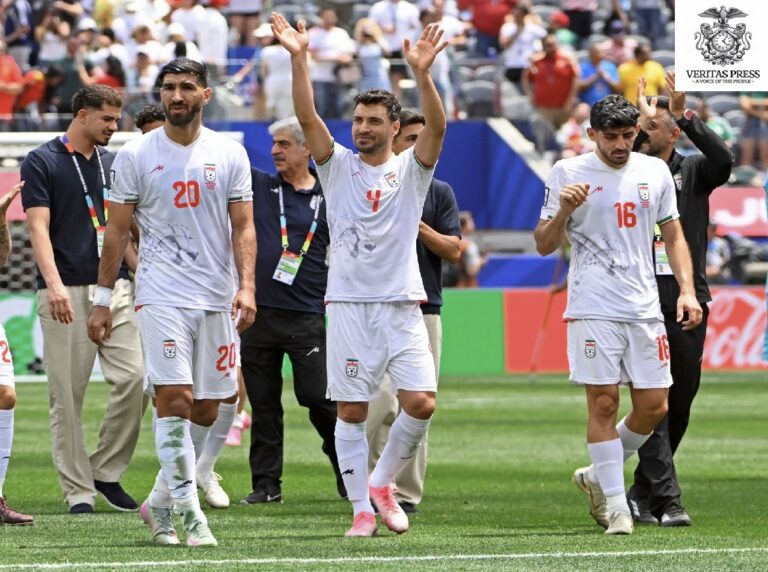
SEATTLE, TEHRAN — The U.S. Department of Homeland Security (DHS) will allow Iran’s national football team to enter the country 48 hours before their critical World Cup match against Egypt on Friday, a modest concession in a tournament where Team Melli’s travel conditions have sparked claims of oppression and competitive disadvantage.