



Original Article Date Published:
Article Date Modified:
Help Support our mission—donate today and be the change. Every contribution goes directly toward driving real impact for the cause we believe in.
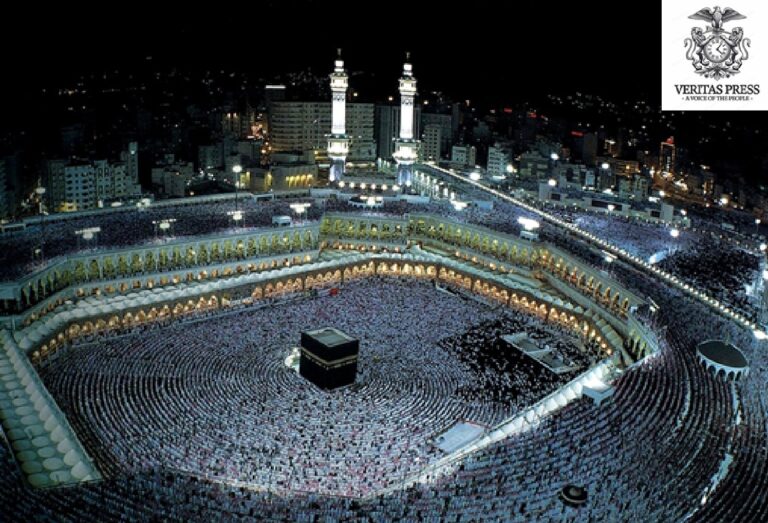
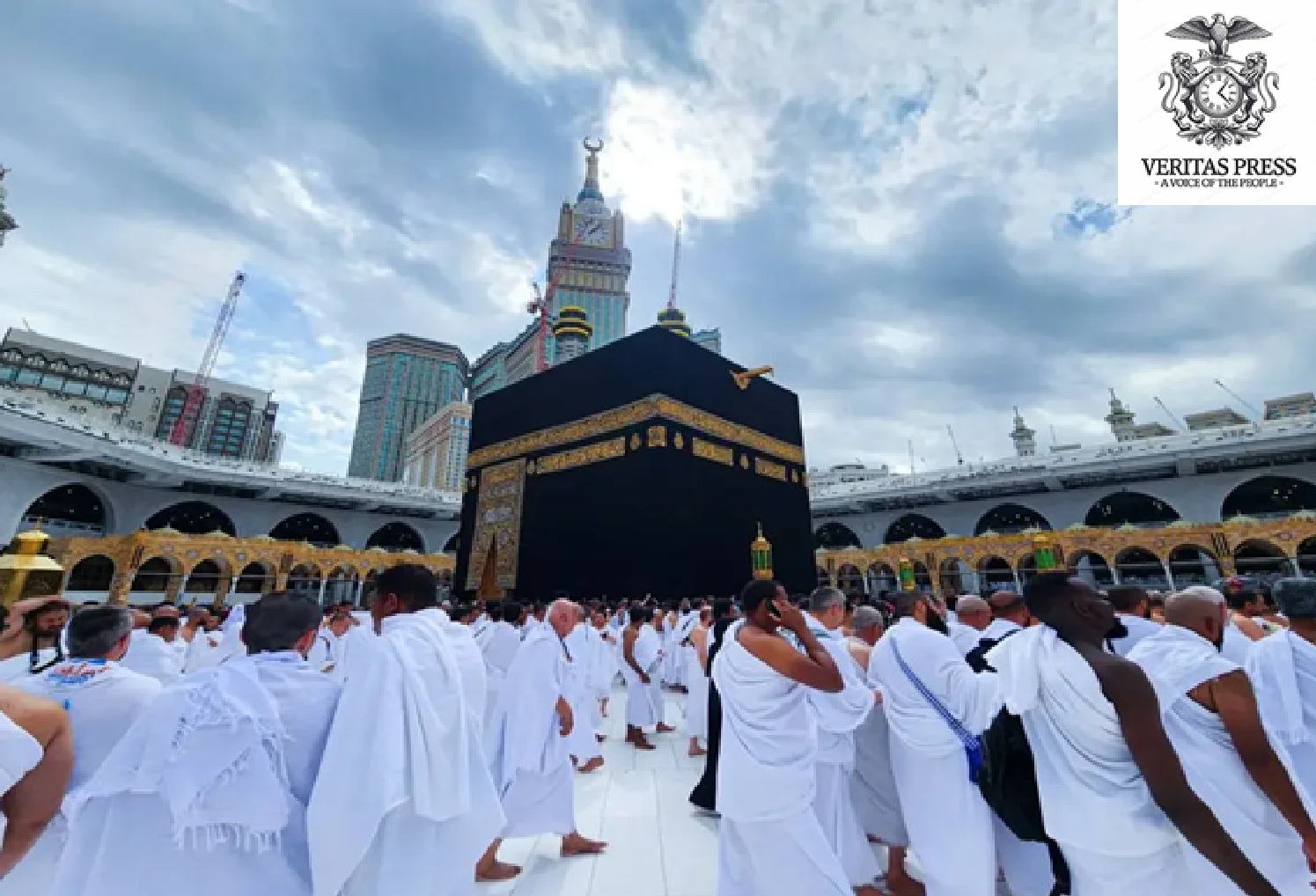
Hajj is the sacred pilgrimage to the holy city of Makkah (Mecca) in Saudi Arabia. It is a mandatory religious duty for adult Muslims that must be carried out at least once in their lifetime, provided they are physically and financially able. Think of it as the world’s largest annual gathering of people, united by their faith. It is one of the five pillars of Islam.
Each year, millions of Muslims from across the world travel to perform Hajj. This year, Hajj is expected to take place between the 4th of June to the 9th of June 2025 in the Gregorian Calendar, depending on the sighting of the moon.
When Does Hajj Take Place?
Hajj occurs annually during a specific five-to-six-day period. It always takes place in the sacred month of Dhul Hijjah – the twelfth month in the Islamic Calendar. Hajj begins on the 8th of Dhul Hijjah and lasts until the 12th or 13th, depending on the sighting of the moon. When the new crescent moon is sighted at the conclusion of Hajj, Muslims around the world welcome in the four-day festival of Eid al-Adha.
Because the Islamic calendar is lunar (about 11 days shorter than the solar Gregorian calendar), the dates of Hajj move earlier each year in the Gregorian calendar.
What Is Hajj In Islam?
The sacred pilgrimage of Hajj is comprised of a series of rites and rituals, many performed in a specific order, that provide a spiritual, emotional, and physical challenge for the pilgrim. It is a spiritual duty and a pillar of Islam, and for many, it is a once-in-a-lifetime event. Going more than once during your lifetime is permitted whilst sincerely seeking Allah’s (SWT) pleasure.
Muslims are commanded by Allah (SWT) to fulfil the sacred pilgrimage of Hajj, as relayed in the Holy Qur’an:
“You will enter the Sacred Masjid, God willing, perfectly secure, and you will cut your hair or shorten it (as you fulfil the pilgrimage rituals) there. You will not have any fear. Since He knew what you did not know, He has coupled this with an immediate victory.” Qur’an | Surah Al-Fath | 48:27
While Hajj is required of every Muslim, it is only required so long as they have the capacity. There are conditions which make Muslims eligible to perform Hajj and exempt them from performing it.
Why Is Hajj Important?
Hajj is one of the five Pillars of Islam, which form the basic foundations of a Muslim’s beliefs.
Here are the Five Pillars Of Islam:
- Profession of Faith (Shahada): The belief and declaration that “There is no deity worthy of worship except Allah, and Muhammad (ﷺ) is the final Prophet sent by Allah.”
- Prayer (Salah)
- Alms (Zakat)
- Fasting (Sawm)
- Pilgrimage (Hajj)
Unlike prayer, alms, and fasting, Hajj is required of every Muslim only once during their lifetime, so long as they are physically, emotionally, and financially eligible. Every Muslim is expected to undertake the pilgrimage at least once in their lives under these conditions. However, Muslims are permitted to go more than once if they have the means.
As the Prophet Muhammad (peace and blessings be upon him) said:
“Whoever performs Hajj for the sake of Allah and does not utter any obscene speech or do any evil deed, will go back (free of sin) as his mother bore him.”
What Is The Purpose Of Hajj?
As one of the five pillars of Islam, the purpose of Hajj for Muslims means fulfilling our spiritual duties to Allah (SWT) and showing our submission to Him. It is a journey of spiritual renewal.
Muslims believe Hajj offers a chance to wipe clean past sins and start anew before Allah. The ultimate goal is to achieve spiritual rebirth, to return home “like a newborn child,” pure and free from sin.
Additionally, the act of performing Hajj with increased Taqwa (being God-conscious) and to a high standard of perfection is rewarded with Paradise.
“A Mabroor Hajj, complete and accepted, has no reward for it but Jannah.” Hadith | Shahi Muslim
The pilgrimage also demonstrates unity and equality. During Hajj, all pilgrims wear simple, white, seamless garments (called Ihram for men; women wear simple, modest clothing). This strips away all distinctions of wealth, status, and culture, showing that all people are equal before God.
What Happens On Hajj? The Main Rituals
Muslims who perform the sacred pilgrimage of Hajj are required to undergo a series of rites and rituals, each of which offers its own unique purpose and wisdom. Pilgrims can expect to walk between 5km-15km per day, as Hajj requires travel between several locations in and around the vicinity of Makkah. Much of the pilgrimage takes place at the Masjid al-Haram, where the Kaaba is located.
Here are the 18 steps of Hajj at a glance:
- Preparation and Intention: Enter a state of purity and intent.
- Enter the state of Ihram: Wear the special garments and follow the rules.
- Tawaf x7: Circle the Kaaba seven times.
- Safa and Marwa: Walk seven times between the two hills.
- Clip/Shave Hair (Umrah ends): This completes the optional Umrah that many do before Hajj.
- Resting and Praying: Prepare for the main days of Hajj.
- Enter state of Ihram: Re-enter the sacred state with the intention for Hajj.
- Arrive at Mina: Head to the tent city for prayer and reflection.
- Day of ‘Arafah: Stand in earnest supplication at the plain of Arafat; the most important day.
- Muzdalifah (under the night sky): Pray, rest, and collect pebbles.
- Rami (stoning of the devil): Throw pebbles at the pillar in Mina.
- Qurbani: Sacrifice an animal, commemorating Prophet Abraham’s willingness to sacrifice his son.
- Shave Head: Men shave or trim their hair; women cut a small lock.
- Tawaf al-Ifadha: Return to Makkah to circle the Kaaba again.
- Rami (stoning of the devil): Return to Mina to stone the three pillars.
- Spend the night at Mina: Another night of prayer in the tent city.
- Rami (stoning of the devil): Final stoning of the pillars.
- Farewell Tawaf al-Wida: Perform a final farewell circling of the Kaaba before leaving Makkah.
How Many Muslims Go On Hajj?
Each year, millions of Muslims from all across the world travel by land, sea, and air to Makkah, Saudi Arabia, to perform Hajj. Approximately 2-3 million people attend Hajj each year.
Here is how many people have attended Hajj in previous years:
- 1999: Over 1.8 Million
- 2009: Over 2.3 Million
- 2012: Over 3.1 Million
How Do You Prepare For Hajj?
While Hajj is first and foremost a spiritual duty, it is also very physically demanding, and preparing for Hajj is greatly encouraged for Muslims around the world.
As pilgrims walk on average between 5km-15km per day, it is encouraged for Muslims to physically prepare for Hajj weeks in advance so that the travel required between locations is not a shock to the system. Being physically prepared provides an aid to the emotionally and spiritually demanding aspects of Hajj.
The Difference Between Hajj And Umrah.
Hajj and Umrah are both sacred pilgrimages in Islam and share many of the same qualities, rites, and rituals. However, there are some main differences, one of the biggest being that Hajj is a fifth pillar of Islam and is required of every Muslim, whereas Umrah is a voluntary pilgrimage.
Here are some more differences between Hajj and Umrah:
- Timing: Hajj can only take place between the 8th and 12th or 13th of Dhul Hijjah each year, whereas Umrah can be performed at any time of the year.
- Duration: Hajj lasts approximately five to six days, whereas Umrah can be performed within a much shorter period—even a few hours.
- Rituals: There are 18 steps to perform in Hajj, whereas there are far fewer in Umrah (Ihram, Tawaf, Sa’i, and hair trimming).
Can Non-Muslims Go On Hajj?
Pilgrimage is not restricted to Muslims, and many religions have their own forms of pilgrimage. However, only Muslims are permitted to enter or pass through the holy city of Makkah. In Medina, non-Muslims are not allowed to enter the Nabawi Square.
History Of Hajj
In 628 CE, Prophet Muhammad (SAW) and the Muslims performed the first Islamic pilgrimage (Hajj). He was instructed to re-establish the traditions started by the Prophet Ibrahim (AS) as instructed by Allah (SWT), millennia before.
Under the commandment of Allah, Ibrahim (AS) travelled to the barren desert of Makkah to perform various acts of worship, including building the Kaaba with his son Ishmael. The rituals of Hajj, such as the Sa’i between Safa and Marwa, commemorate the struggles of Hagar, Ibrahim’s wife, as she desperately searched for water for her infant son Ishmael.

In the annals of American foreign policy, few moments have laid bare the tectonic shift
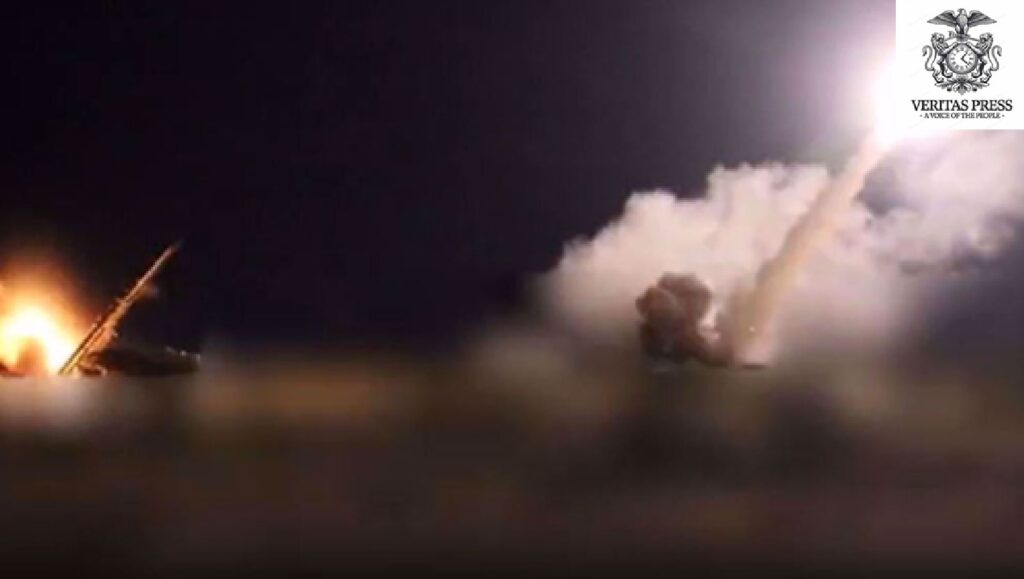
TEHRAN — In the early hours of March 31, 2026, the Islamic Revolution Guards Corps
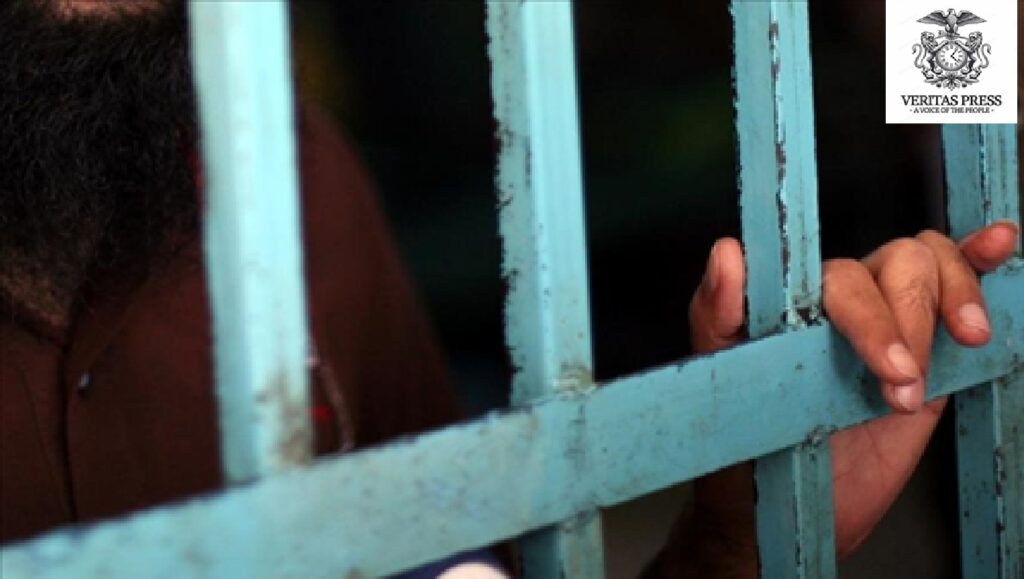
On March 30, 2026, the Israeli Knesset passed legislation that fundamentally alters the country’s relationship
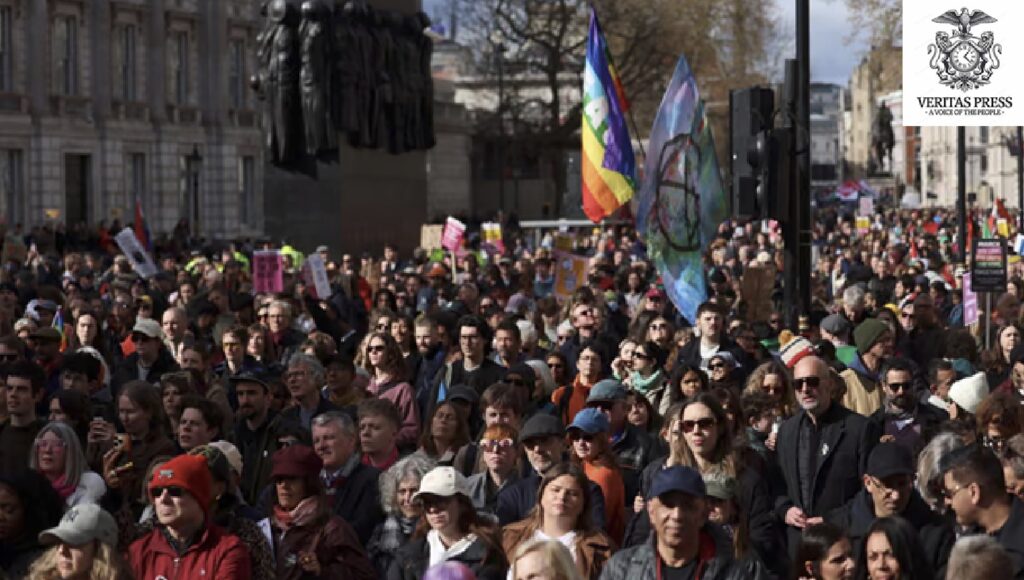
LONDON, UK – On a crisp Saturday in late March, central London became the stage
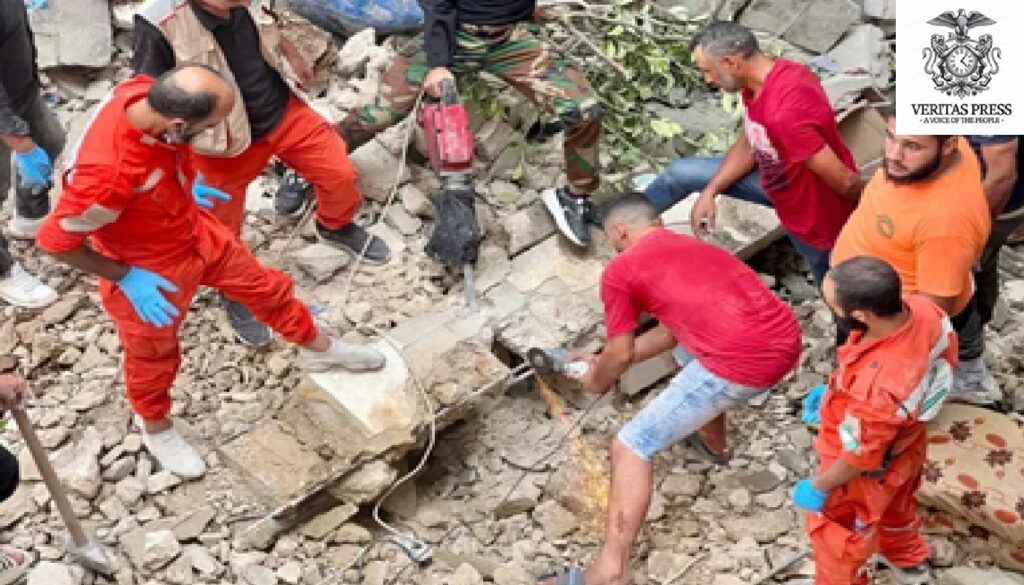
BINT JBEIL, LEBANON – The airstrike came just after midnight. Israeli warplanes targeted the perimeter

More than half a decade after COVID-19 first reshaped global society, a new variant dubbed
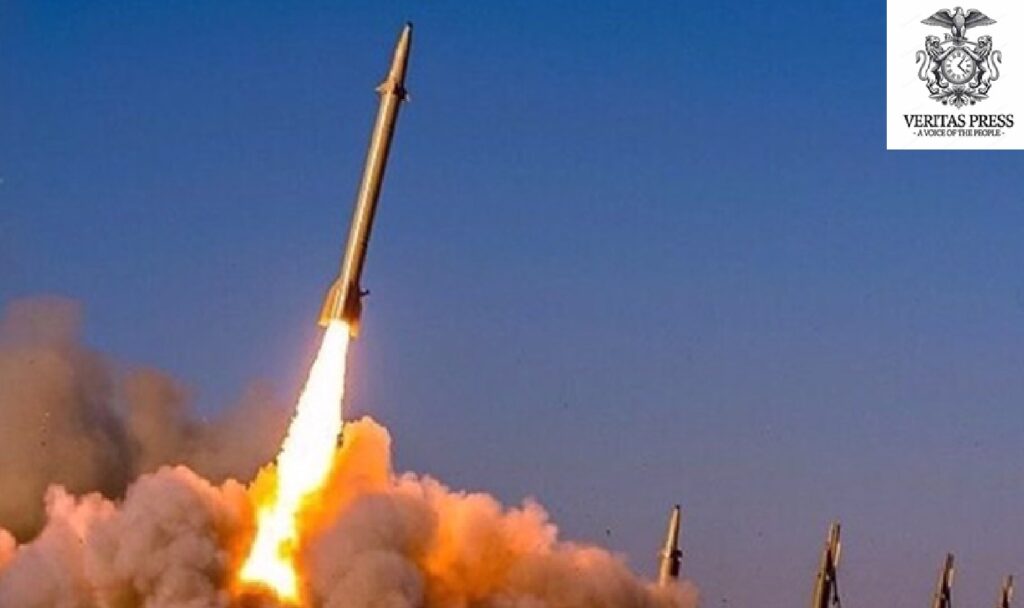
TEHRAN, IRAN – Twenty-eight days after the assassination of Iran’s Supreme Leader Ayatollah Seyyed Ali

Original Article Date Published: Article Date Modified: Help support our mission, donate today and be
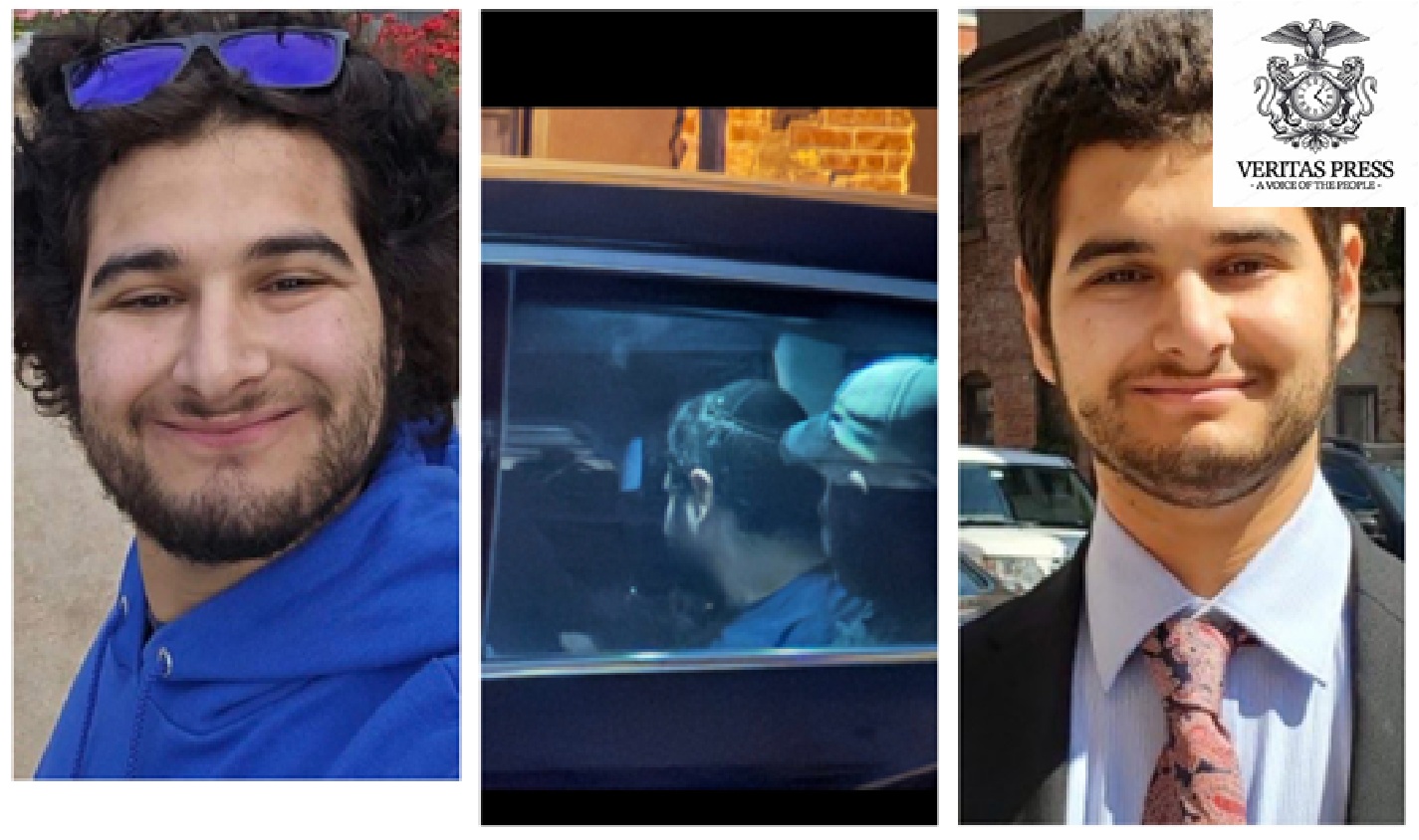
NEW YORK, US – On the night of March 26, 2026, Nerdeen Kiswani received a
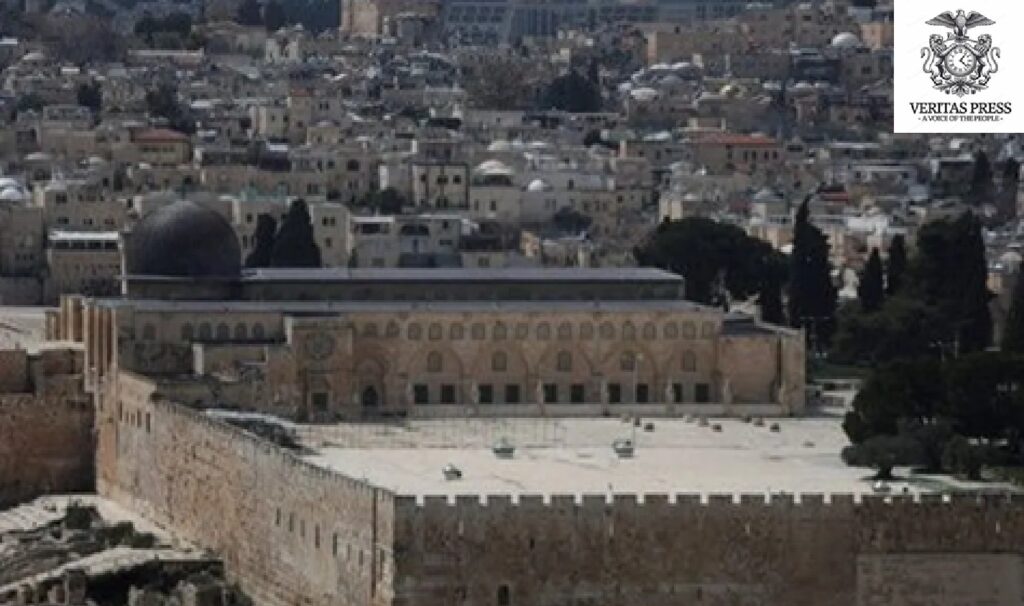
JERUSALEM — For the 29th consecutive day, the heavy iron gates surrounding the Al-Aqsa Mosque