
Original Article Date Published:
Article Date Modified:
Help support our mission, donate today and be the change. Every contribution goes directly toward driving real impact for the cause we believe in.
A Night Of Friction And Fire:
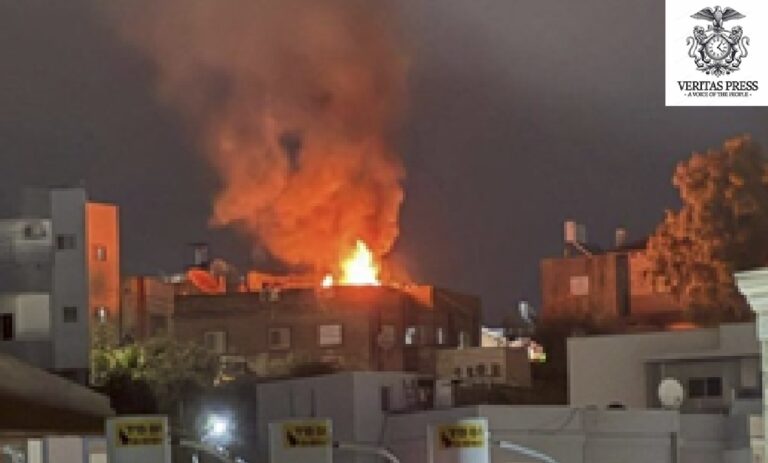
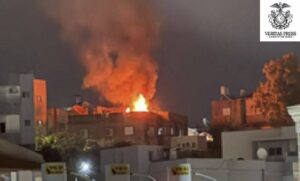
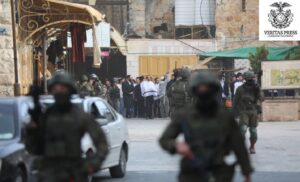
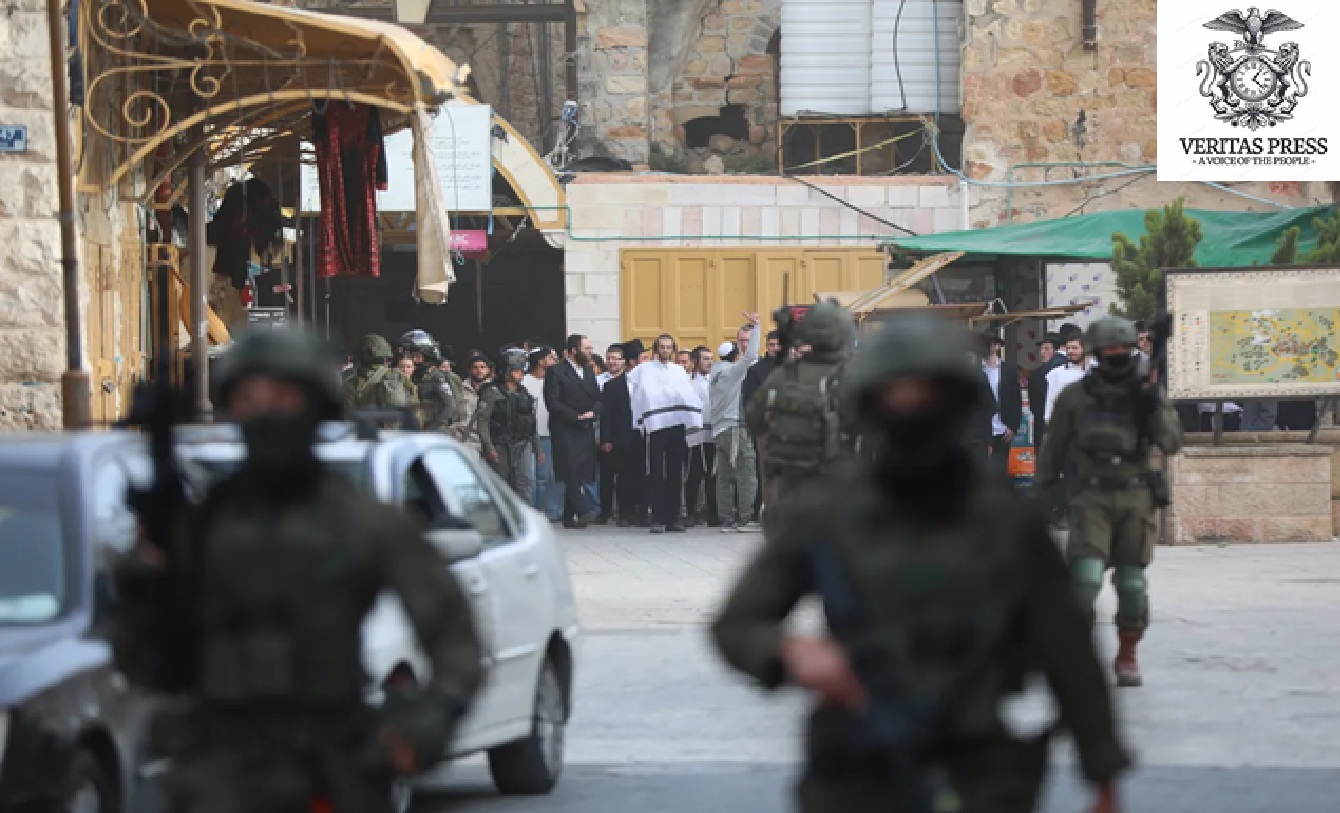
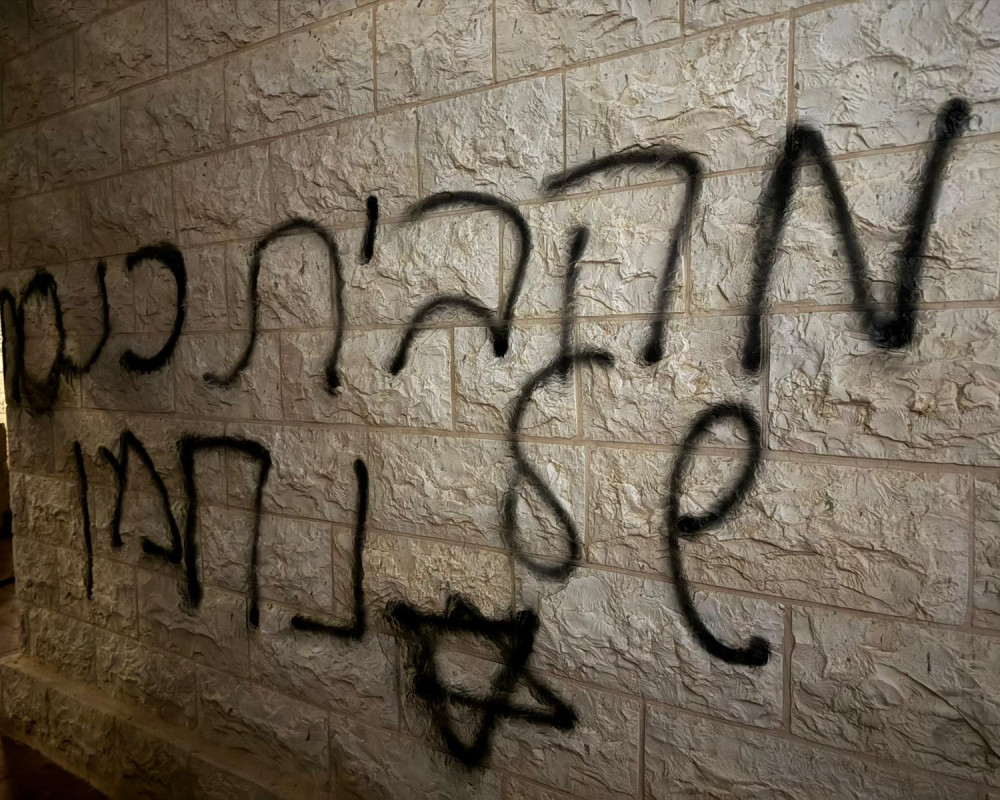
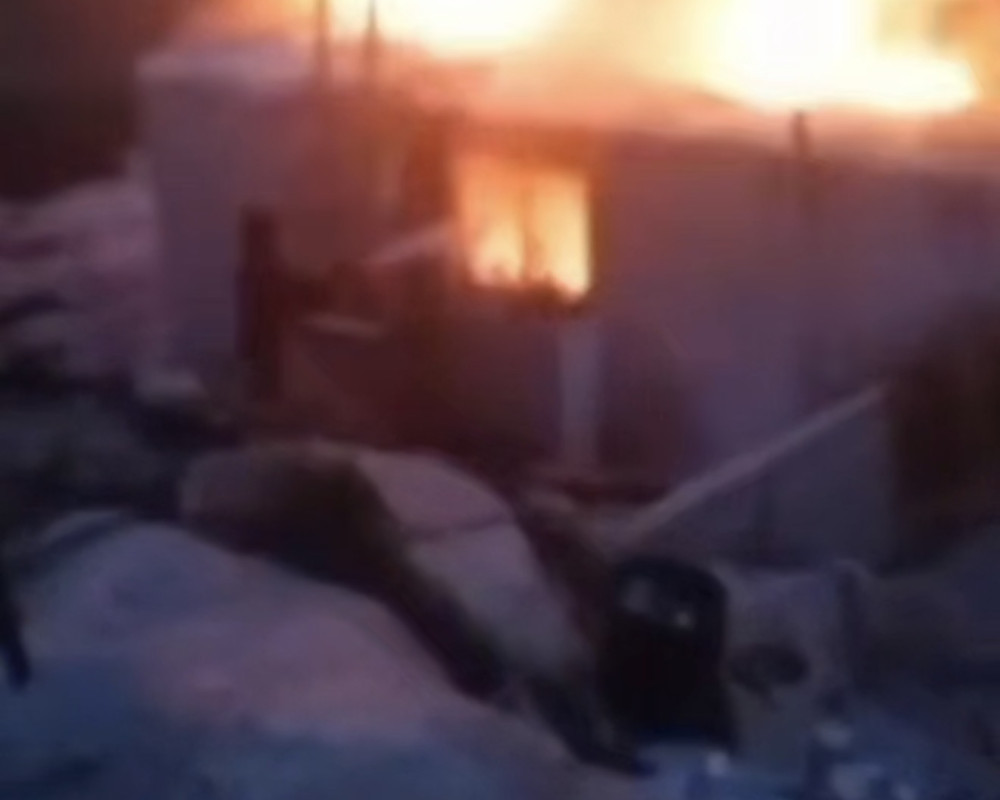
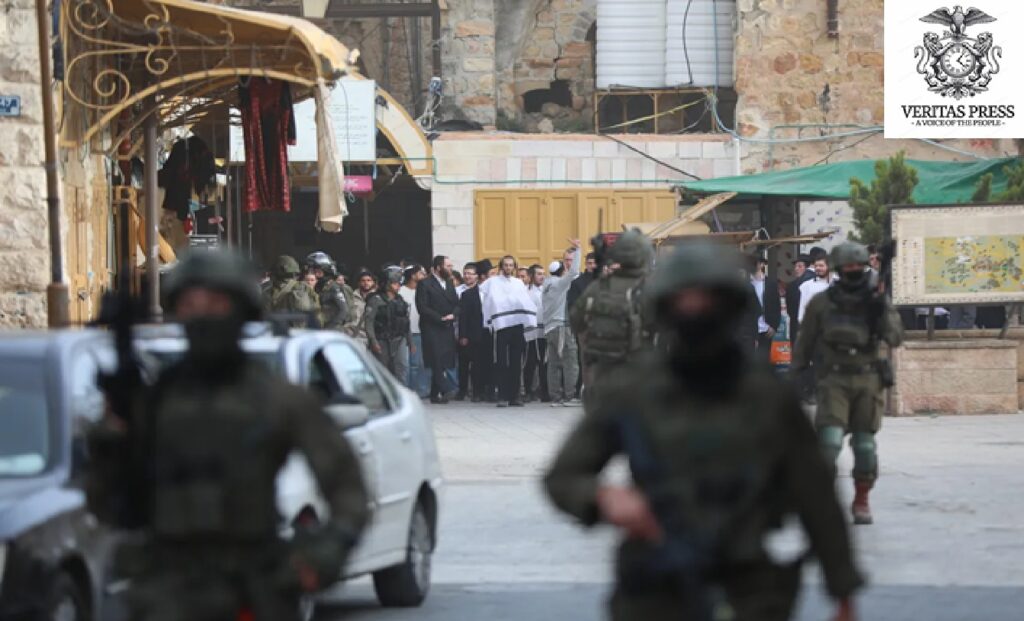
WEST BANK – In the pre-dawn hours of Thursday, March 12, 2026, the occupied West Bank witnessed another flashpoint of extremist violence. A group of Israeli settlers infiltrated the village of Duma, south of Nablus, and set fire to the entrance of the Mohammad Fayyad Mosque. The attackers also defaced the walls with “racist slogans,” an act that has ignited widespread condemnation and deepened fears of a coordinated campaign against Palestinian presence and religious freedom during the holy month of Ramadan.
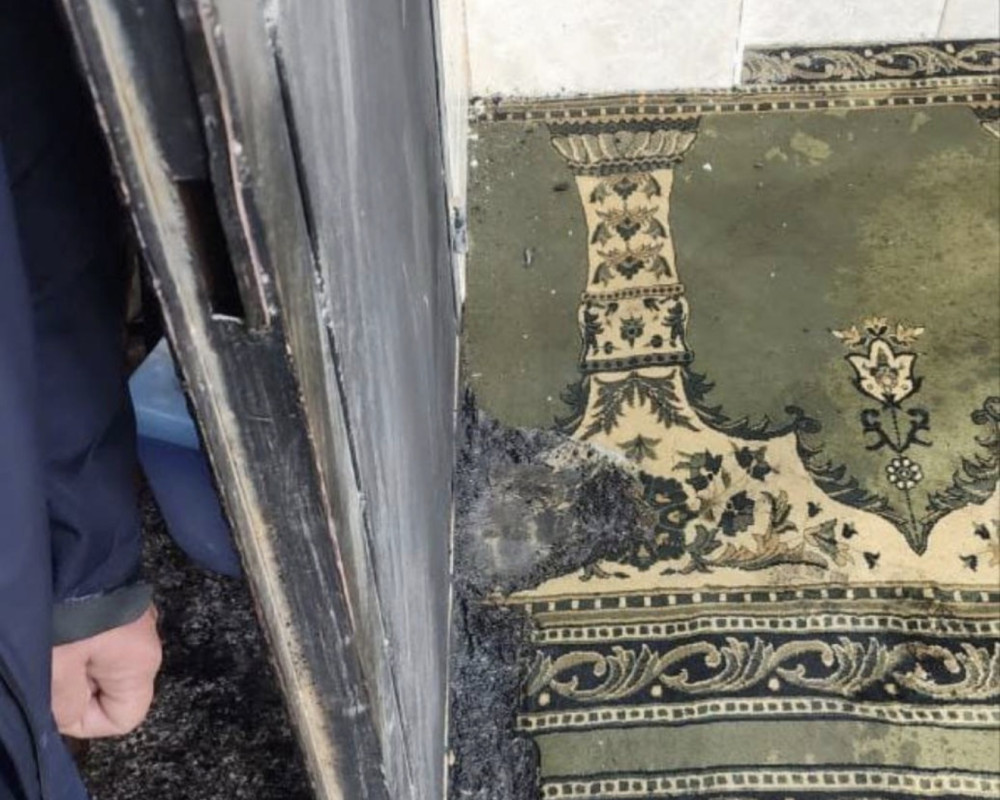
Local residents, whose swift response prevented the fire from engulfing the entire structure, were left to survey the damage: a charred entrance, smoke-damaged interiors, and prayer carpets ruined by soot. This incident is not an isolated phenomenon but a stark indicator of what Palestinian authorities and international observers describe as a systematic and state-tolerated surge in settler violence, now converging with the heightened spiritual sensitivities of Ramadan.
Incident Deep Dive: Eyewitness Accounts And Material Damage.
According to Suleiman Dawabsheh, a prominent anti-settlement activist and a resident of Duma, the attack was meticulously planned. He told Anadolu Agency that the settlers infiltrated the village under the cover of darkness, specifically targeting the house of worship.
- The Attack: The perpetrators used flammable materials to ignite the mosque’s entrance, aiming to cause maximum structural and symbolic damage.
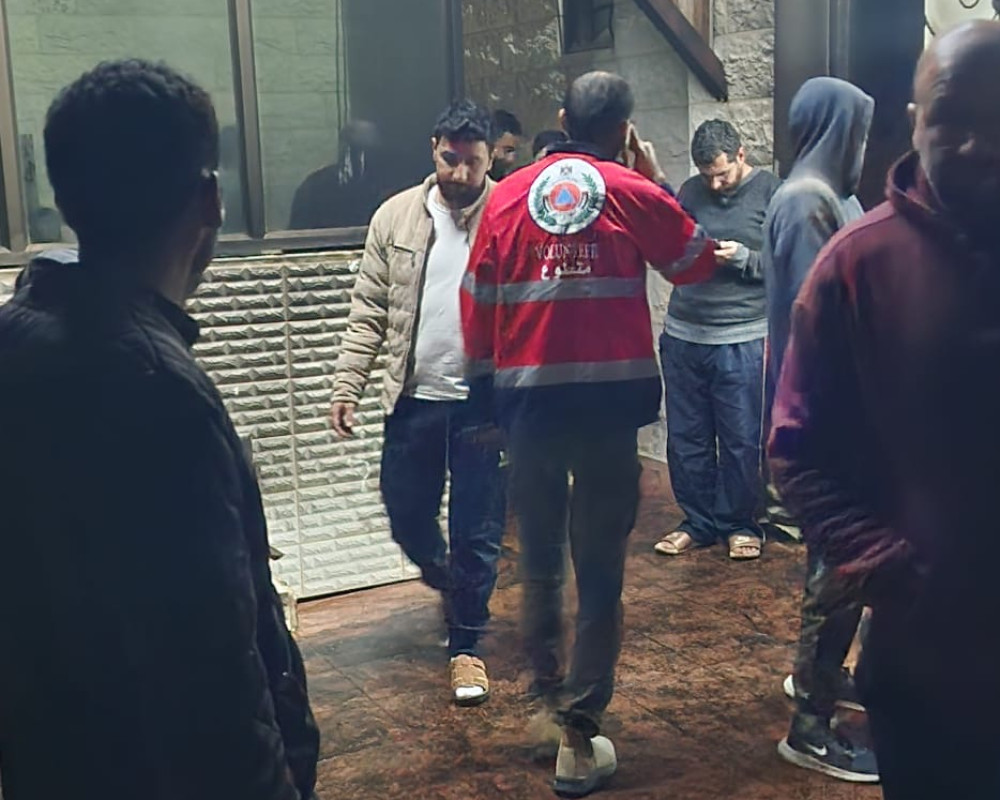
- The Response: The plot was partially foiled by the vigilance of the villagers. “Residents quickly extinguished the flames with the help of crews from the Palestinian Civil Defence before it had a chance to spread inside the building,” Dawabsheh reported.
- The Aftermath: While the main prayer hall was saved from total destruction, the damage is significant. The blaze severely damaged the entrance, and thick smoke permeated the interior, blackening walls and rendering prayer carpets unusable. The Hebrew graffiti scrawled on the exterior walls serves as a lingering testament to the hate-driven nature of the crime.
Official Condemnation: The Awqaf Ministry And The “Systematic Plan.”
The Palestinian Ministry of Religious Endowments and Affairs (Awqaf) responded with immediate and forceful condemnation, framing the attack within a larger, strategic context.
Ministry officials pointed to the timing, the heart of Ramadan, as evidence of a deliberate provocation. They described the arson as “an attempt to desecrate Islamic holy sites”. More significantly, the Awqaf Ministry asserted that these “repeated and escalating attempts to burn mosques are part of a systematic plan by the occupiers to seize Palestinian land.” The statement draws a direct line from the desecration of local mosques to the broader policy of undermining Palestinian resilience, further evidenced by what they cite as the ongoing closure of Al-Aqsa Mosque to some worshippers.
This rhetoric is supported by data. The Commission of Resistance to the Wall and Settlements has documented a staggering rise in such incidents, noting that settler gangs targeted approximately 45 mosques in 2025 alone. This pattern suggests a shift from random vandalism to a more organised strategy of religious intimidation.
Broader Context: Ramadan Under Occupation And A Spike In Violence.
The Duma attack is the latest in a string of assaults that have defined the first weeks of March 2026. The period has been marked by a deadly escalation that predates this mosque arson.
- Deadly Toll: In the 11 days leading up to the Duma incident, settler attacks across the West Bank resulted in the deaths of at least six Palestinians, according to UN figures. This includes a particularly bloody weekend where three Palestinians were killed in the village of Khirbet Abu Falah near Ramallah.
- Pattern of Attacks: The violence is not limited to arson. In Masafer Yatta, activist Osama Makhmara reported that armed settlers burned a residential structure and a trailer belonging to the Abu Aram family, who had already been displaced by earlier attacks. In a neighbouring area, settlers vandalised a home, destroyed surveillance cameras, and stole solar panels.
- Concurrent Military Operations: The arson occurred against a backdrop of intense Israeli military activity. The Israeli Occupation Forces (IOF) continued widespread raids across the West Bank overnight, storming homes in Tulkarem, arresting young men in Azzun (Qalqilya), and conducting incursions into Beita, Urif, Dura, and Jenin. This military presence often provides a protective umbrella for settler violence, with residents stating that such attacks “often occur under the protection of Israeli forces.”
A History Of Trauma: The Ghost Of Duma’s Past.
The choice of Duma as a target carries a heavy historical weight. The village is still scarred by the memory of the 2015 Duma arson attack, a crime that shocked the world. In that incident, Jewish extremists firebombed two Palestinian homes, murdering 18-month-old Ali Saad Dawabsheh and his father, Saad. His mother, Riham, later succumbed to her burns.
The graffiti left behind in that 2015 attack, Stars of David and the words “Revenge” and “Long live the Messiah”, echo in the “racist slogans” reported on the mosque walls in 2026. For residents like Suleiman Dawabsheh, who is a relative of the slain family, Thursday’s attack is a traumatic resurgence of the extremist violence that has plagued their community for over a decade. It reinforces the feeling that Duma remains a primary target for settlers seeking to exact a “price” for any perceived restrictions on their own expansion.
Reactions And Condemnations:
- Hamas: The resistance movement characterised the arson as “an organised fascist crime and a blatant aggression on places of worship.” They called on Palestinians to “widely mobilise in defence of the mosques and holy sites” and urged international bodies to “pursue those responsible and the occupation government’s leaders”.
- International Community: The European Union and the United Kingdom have issued strong demands for Israel to halt the surge in violence. The UK’s consulate-general in Jerusalem stated it was “appalled by the killings” and urged the IDF to match its statements with “swift, thorough investigations and accountability”. The EU warned that “impunity for such acts risks provoking further violence”.
- UN Report: A recent UN Human Rights Office report (released Feb 19, 2026) raised grave concerns over “ethnic cleansing” in both Gaza and the West Bank. It detailed the “systematic unlawful use of force by Israeli security forces” and the “pervasive climate of impunity” that allows such violence to flourish.
Investigative Critique: The Architecture Of Impunity.
The Duma mosque arson is a case study in the mechanics of impunity that govern settler violence in the West Bank. Several factors contribute to this reality:
- State Sanction and Support: Human rights groups like Yesh Din argue that these attacks are carried out “with the backing of the state and almost complete impunity, advancing Israel’s objective of forcibly displacing Palestinians”. The recent Israeli Security Cabinet decision to approve land registry changes and expand settlement activity creates a bureaucratic tailwind for the violence on the ground.
- Military Complicity: While the Israeli military publicly condemns “taking the law into their own hands,” eyewitness accounts frequently describe settlers operating under the protection of IDF soldiers, who often detain Palestinians during or after attacks rather than the perpetrators.
- Judicial Failure: Prosecutions for these “price tag” attacks are exceptionally rare. When suspects are detained, as in the case of three Jewish extremists held following the 2015 Duma attack, they are often released due to a lack of evidence or what critics call a lenient judicial approach to ideologically motivated Jewish crime.
- Systemic Data: The UN Office for the Coordination of Humanitarian Affairs (OCHA) documented at least 86 settler attacks against Palestinians in just a two-week period in February 2026. This is not a sporadic issue but a daily reality. The targeting of water infrastructure in Ein Samiya and Masafer Yatta, which affects thousands, demonstrates a strategic aim to make life unviable for Palestinian communities.
Conclusion:
The fire at the Mohammad Fayyad Mosque in Duma is more than vandalism; it is a message. It is a message sent during the holiest time of the year for Muslims, aimed at terrorising a community with a painful memory of extremist violence. The failure of the international community to enforce accountability, combined with the expansionist policies of the Israeli government, suggests that without a radical shift in enforcement and political will, such “price tag” attacks will continue to be paid in Palestinian blood, land, and sanctuaries.
Source: Multiple News Agencies
Submissions:
For The Secure Submission Of Documentation, Testimonies, Or Exclusive Investigative Reports From Any Global Location, Please Utilise The Following Contact Details For Our Investigations Desk: enquiries@veritaspress.co.uk or editor@veritaspress.co.uk
Help Support Our Work:
Popular Information is powered by readers who believe that truth still matters. When just a few more people step up to support this work, it means more lies exposed, more corruption uncovered, and more accountability where it’s long overdue.
Help Protect Independent Journalism, Which Is Currently Under Attack.
If you believe journalism should serve the public, not the powerful, and you’re in a position to help, becoming a DONATOR or a PAID SUBSCRIBER truly makes a difference.
DONATION APPEAL: If You Found This Reporting Valuable, Please Consider Supporting Independent Journalism.
Help Support Our Work – We Know, We Know, We Know …
Seeing these messages is annoying. We know that. (Imagine what it’s like writing them … )
Your support fuels our fearless, truth-driven journalism. In unity, we endeavour to amplify marginalised voices and champion justice, irrespective of geographical location.
But it’s also extremely important. One of Veritas Press’s greatest assets is its reader-funded model.
1. Reader funding means we can cover what we like. We’re not beholden to the political whims of a billionaire owner. We are a small, independent and impartial organisation. No one can tell us what not to say or what not to report.
2. Reader funding means we don’t have to chase clicks and traffic. We’re not desperately seeking your attention for its own sake: we pursue the stories that our editorial team deems important and believe are worthy of your time.
3. Reader Funding: enables us to keep our website and other social media channels open, allowing as many people as possible to access quality journalism from around the world, particularly those in places where the free press is under threat.
We know not everyone can afford to pay for news, but if you’ve been meaning to support us, now’s the time.
Your donation goes a long way. It helps us:
- Keep the lights on and sustain our day-to-day operations
- Hire new, talented independent reporters
- Launch real-time live debates, community-focused shows, and on-the-ground reporting
- Cover the issues that matter most to our communities, in real time, with depth and integrity
We have plans to expand our work, but we can’t do it without your support. Every contribution, no matter the size, helps us stay independent and build a truly people-powered media platform.
If you believe in journalism that informs, empowers, and reflects the communities we serve, please donate today.
In contemporary geopolitics, the language of gender equality and women’s liberation increasingly appears within the
BEIRUT, LEBANON, OCCUPIED PALESTINE — The Middle East is hurtling toward an unprecedented abyss. What
TEHRAN, IRAN – For the past two weeks, the Middle East has been engulfed in
WEST BANK – In the pre-dawn hours of Thursday, March 12, 2026, the occupied West
Original Article Date Published: Article Date Modified: Help support our mission, donate today and be
TEHRAN, IRAN – The global economy is holding its breath. Nearly two weeks after the
As the Middle East conflict enters its second week, triggering the largest energy supply disruption
RAMALLAH / JERUSALEM / AMMAN — For the twelfth consecutive day, the gates of the
TEHRAN, IRAN – The early hours of March 11, 2026, marked a significant and dangerous

It was the kind of volatility that wipes out traders and creates legends. In a