

Original Article Date Published:
Article Date Modified:
Help support our mission, donate today and be the change. Every contribution goes directly toward driving real impact for the cause we believe in.
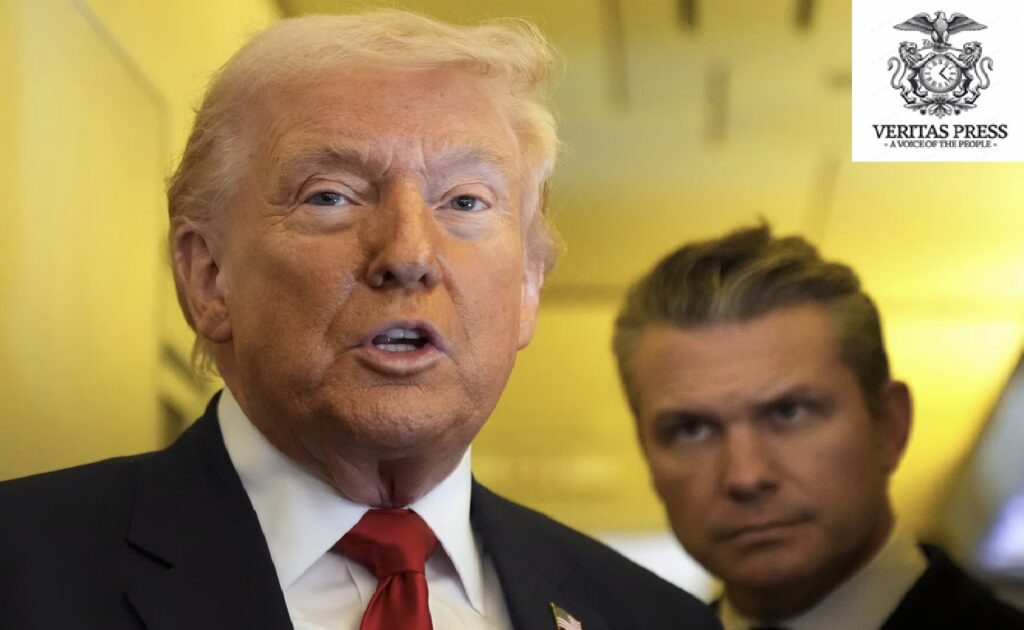
WASHINGTON, US – The United States and Israel are deepening their military campaign against Iran, with senior officials in Washington warning that the war is far from over and may escalate further, including the possibility of U.S. ground troops entering Iranian territory.
The conflict, now entering its second week, has already triggered thousands of airstrikes, retaliatory missile attacks across the Middle East, and a sharp rise in global oil prices. But beyond the immediate battlefield, the war is increasingly being framed by critics, scholars and activists as part of a broader pattern of Western intervention in the region, what some describe as a modern “colonial crusade.”
“Only The Beginning” Of The War:
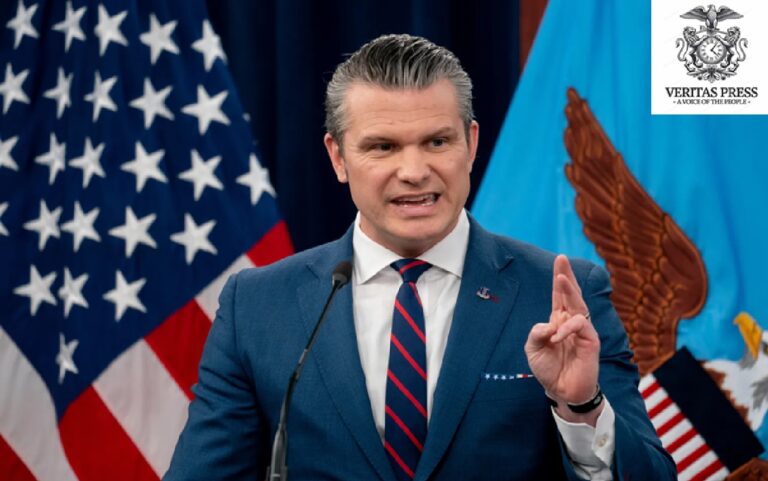
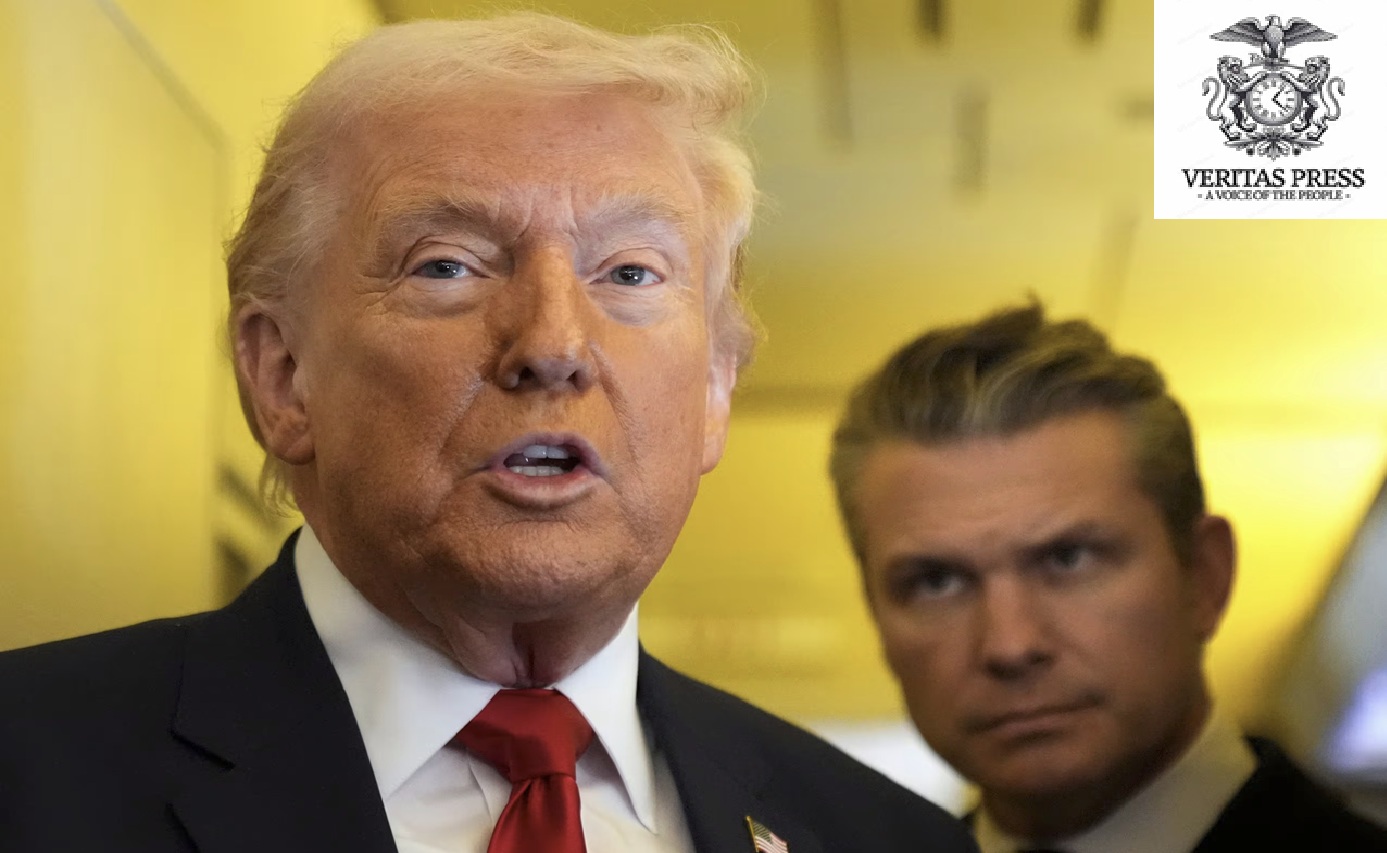
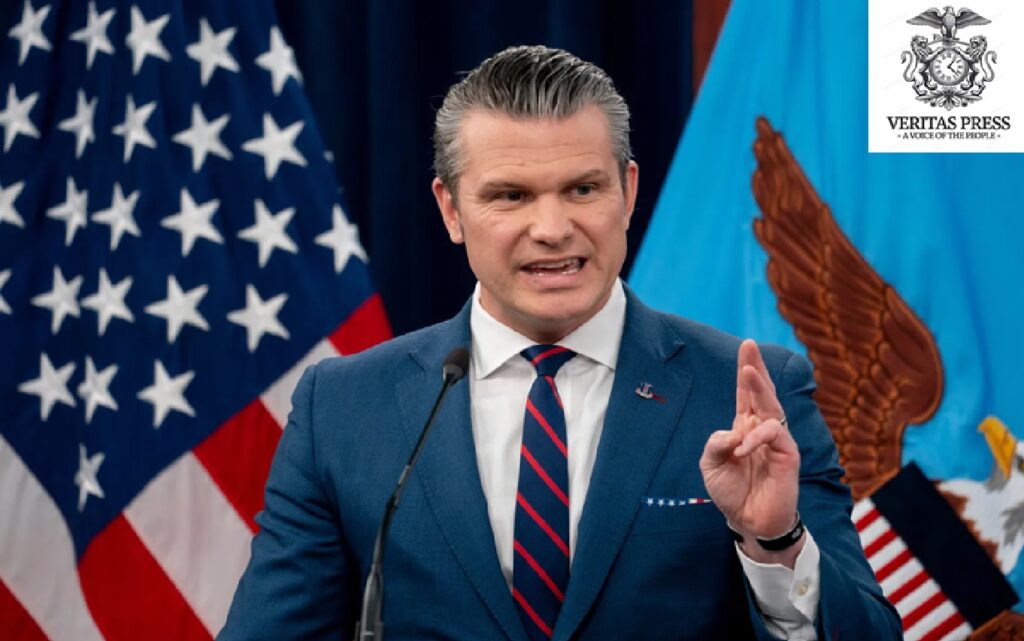
Speaking on the U.S. television program 60 Minutes, U.S. Defence Secretary Pete Hegseth made clear that the military campaign is still in its early stages.
“What I want your viewers to understand is this is only just the beginning,” Hegseth said.
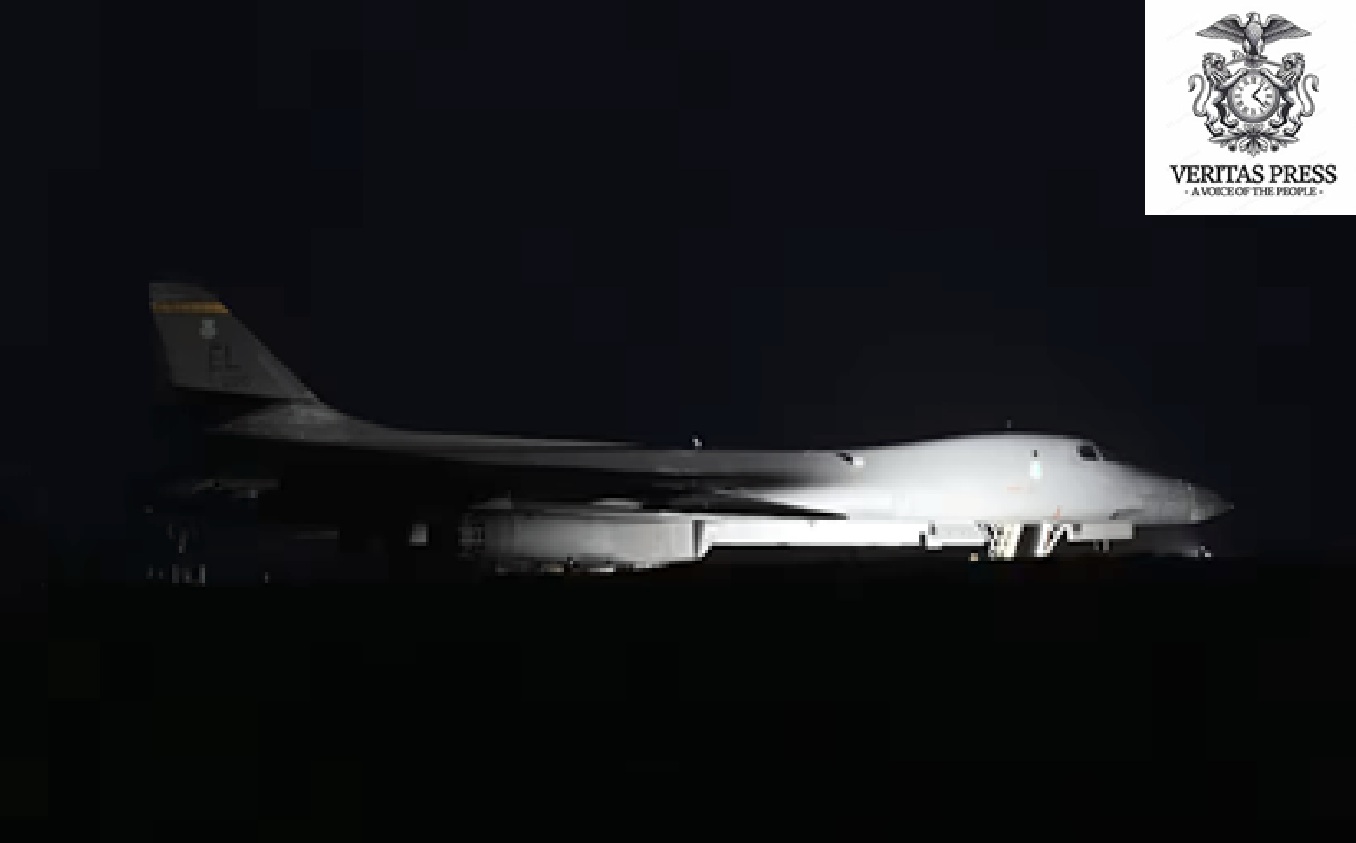
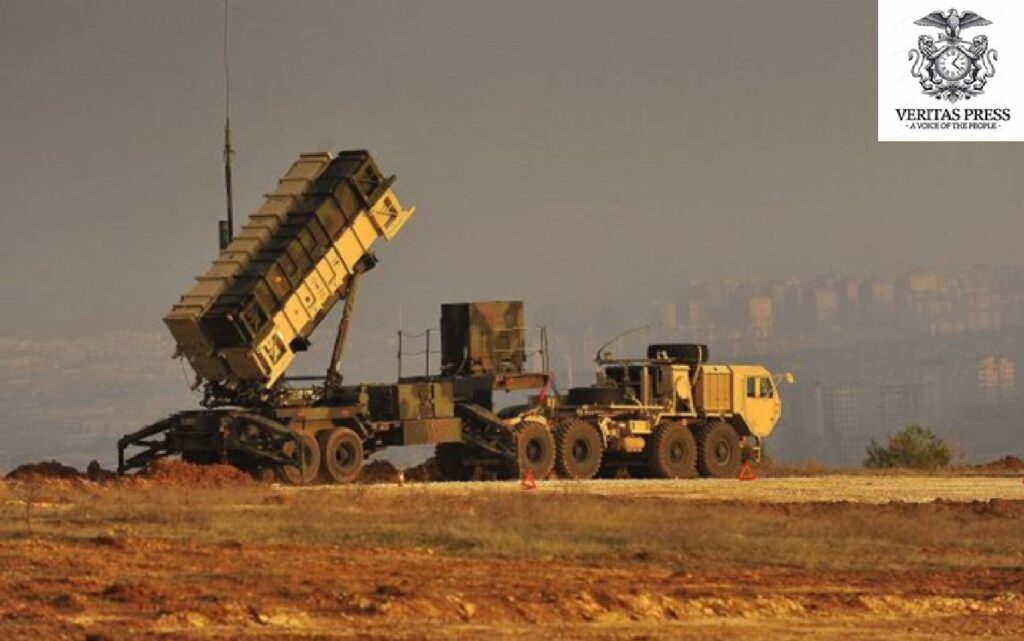
The Pentagon says the war, launched under the codename Operation Epic Fury, currently involves more than 50,000 U.S. troops deployed across the Middle East.
American and Israeli forces have already struck more than 3,000 targets inside Iran, including missile launch sites, naval bases and facilities linked to Tehran’s nuclear programme.
Hegseth described the war as deliberately “asymmetric,” emphasising that the combined air forces of the United States and Israel vastly exceed Iran’s military capabilities.
“When you combine our air force with the air force of the Israeli Defence Forces, they’re the two most powerful air forces in the world,” he said.
But he also warned Americans to expect further deaths as the war continues.
“The president’s been right to say there will be casualties… There will be more casualties.”
At least seven U.S. service members have already been killed, including soldiers killed in a drone attack on an American base in Kuwait.
Trump Refuses To Rule Out Ground Invasion:
While the campaign has so far relied heavily on airstrikes and naval operations, U.S. President Donald Trump has repeatedly refused to rule out deploying American troops inside Iran, a move that would dramatically escalate the conflict.
“Every president says, ‘There will be no boots on the ground.’ I don’t say it,” Trump said during recent remarks.
“If they were necessary, we would do it.”
Military analysts say that even a limited ground deployment, such as special forces raids or the seizure of strategic infrastructure, could trigger a wider regional war.
Retired U.S. Army Colonel Lawrence Wilkerson warned that such a move could spiral rapidly.
“Once American troops cross that threshold, the conflict ceases to be a limited strike campaign. It becomes a war of occupation and resistance.”
Close Coordination With Israel:
Trump has openly acknowledged that decisions about ending the war will be made in coordination with Israeli Prime Minister Benjamin Netanyahu.
In a phone interview with the Israeli outlet The Times of Israel, Trump said the timing of the war’s conclusion would be “mutual.”
“We’ve been talking. I’ll make a decision at the right time, but everything’s going to be taken into account.”
Trump praised Netanyahu as a wartime leader and claimed their partnership had already “destroyed a country that wanted to destroy Israel.”
Critics say the remarks highlight how closely Washington’s strategy is tied to Israeli military objectives.
Aaron David Miller, a former U.S. Middle East negotiator, said the comments suggest an unusual dynamic.
“It’s extremely rare for an American president to publicly frame the end of a war as a joint decision with another country.”
Power Struggle In Iran After Khamenei’s Death:
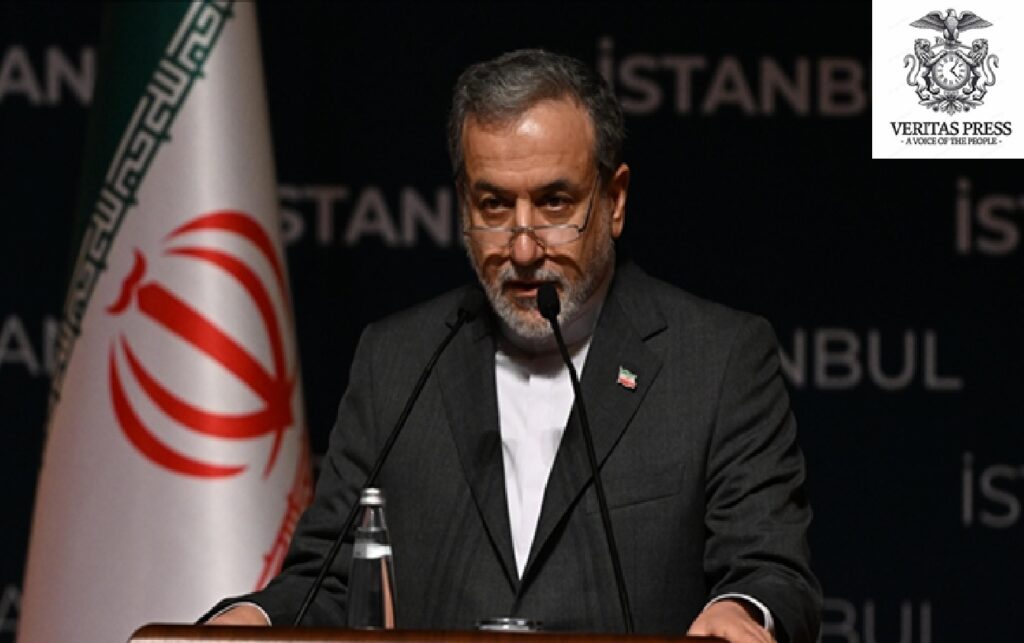
The conflict has dramatically reshaped Iran’s political landscape after the killing of longtime supreme leader Ali Khamenei during the opening wave of airstrikes.
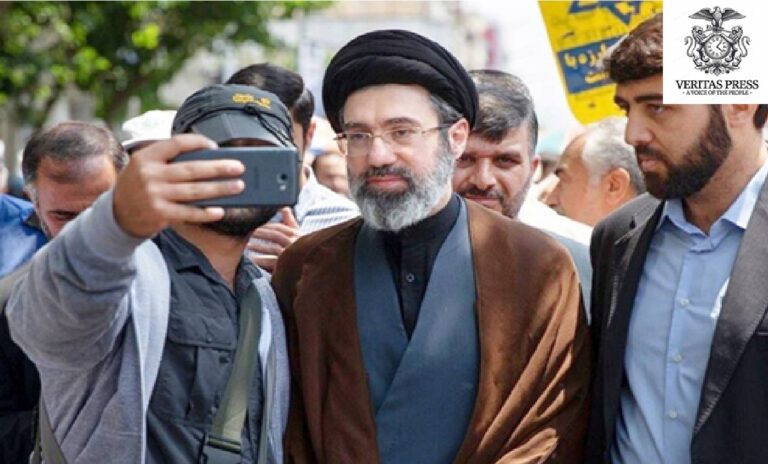
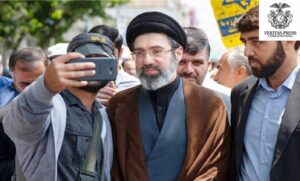
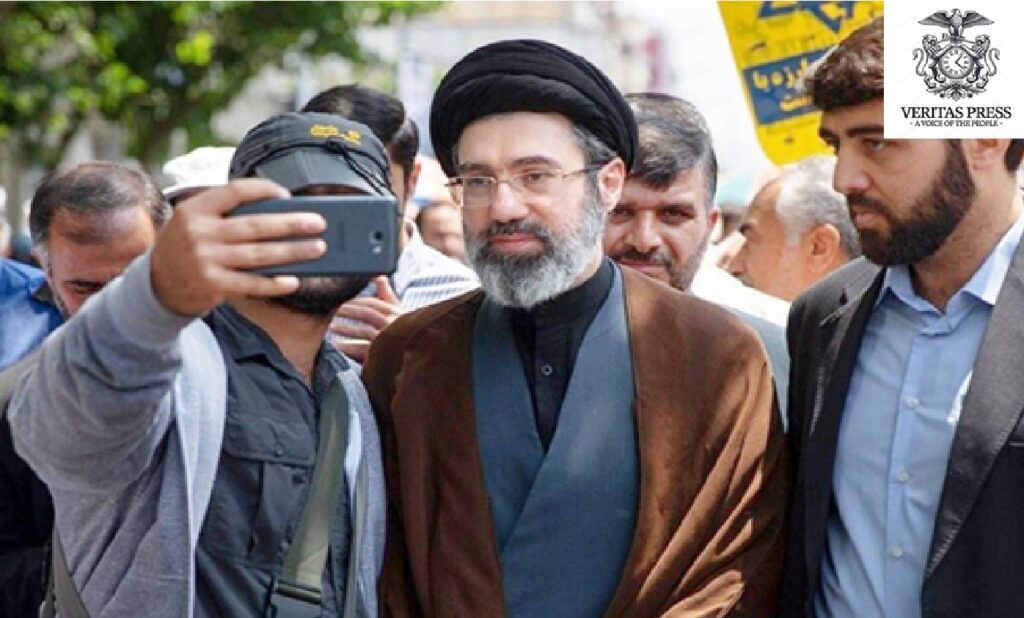
Iran’s powerful clerical body, the Assembly of Experts, has appointed his son, Mojtaba Khamenei, as the country’s new supreme leader.
The decision was quickly endorsed by the Islamic Revolutionary Guard Corps (IRGC), which continues to oversee Iran’s retaliatory missile and drone strikes.
Trump responded to Mojtaba Khamenei’s appointment with an extraordinary warning.
“He’s not going to last long without our approval,” Trump said in a television interview.
Diplomats and analysts say the statement effectively signals Washington’s willingness to shape Iran’s political future through military pressure.
Civilian Casualties And Contested Narratives:
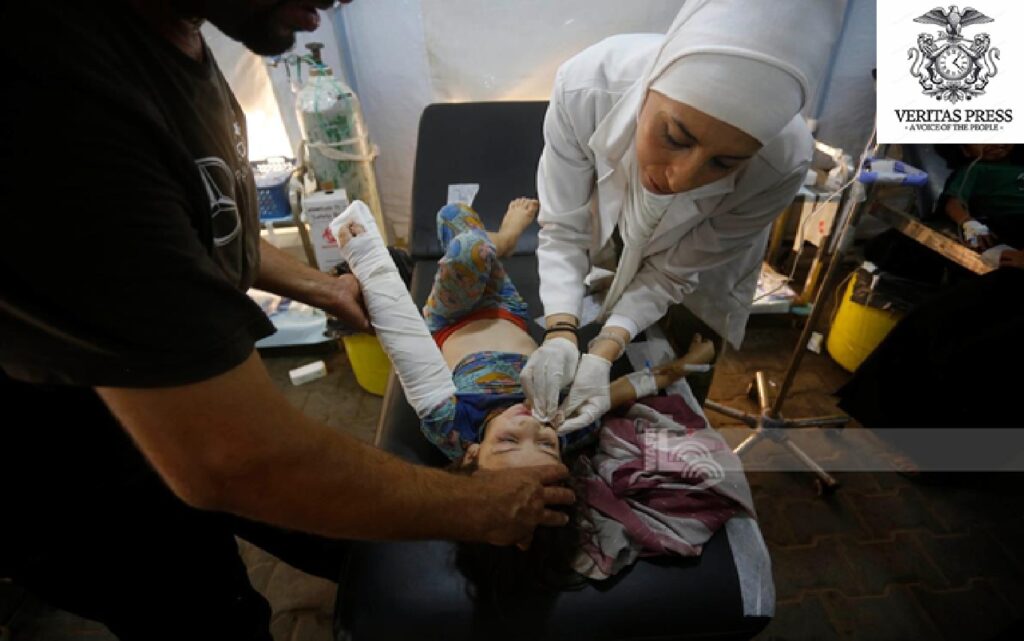
Human rights organisations say the war has already inflicted heavy civilian casualties inside Iran.
Independent monitors estimate more than 1,600 people have been killed, including hundreds of civilians.
One of the most controversial incidents involved a strike on a girls’ school that reportedly killed more than 150 students.
Hegseth said the strike is under investigation.
“Unlike our adversaries, the Iranians, we never target civilians,” he said.
But organisations such as Human Rights Watch and Amnesty International have called for independent investigations, warning that the scale of the bombing campaign raises serious legal questions.
A doctor in the southern Iranian city of Bandar Abbas told regional media:
“Hospitals are overwhelmed. Many of the injured are children.”
Iranian Retaliation Spreads Across The Region:
Iran has responded with waves of missile and drone attacks targeting U.S. bases, diplomatic facilities and Israeli cities.
Strikes have also affected Gulf states, including Bahrain and Saudi Arabia.
Bahraini officials said a drone attack in the Sitra area injured more than 30 civilians, while falling missile debris damaged infrastructure, including a desalination plant.
Iranian missiles have also struck multiple Israeli cities, forcing residents into shelters.
The conflict has disrupted global energy markets, particularly shipping through the Strait of Hormuz, which carries roughly one-fifth of the world’s oil supply.
Oil prices have surged above $100 per barrel, raising fears of a global economic shock.
A Modern “Colonial Crusade”?
Beyond the battlefield, the war is triggering a broader debate about Western military power in the Middle East.
Scholars and activists increasingly describe the campaign as a modern “colonial crusade”, a phrase linking the war to centuries of foreign intervention in the region.
The term draws parallels between the medieval Crusades and modern Western military campaigns in countries such as Iraq, Afghanistan and Libya.
Trita Parsi of the Quincy Institute for Responsible Statecraft said the rhetoric surrounding the war echoes earlier regime-change conflicts.
“The language coming from Washington increasingly resembles earlier wars of transformation in the Middle East.”
Protests have erupted in several regional capitals, including Baghdad and Beirut, where demonstrators accuse the United States and Israel of attempting to reshape the region through military dominance.
In Baghdad’s Tahrir Square, activist Ahmed al-Husseini told local media:
“They say it’s about security, but people here see it as another colonial crusade.”
Echoes Of Iraq And Afghanistan:
Critics argue that the shifting justifications for the war resemble the early stages of the 2003 invasion of Iraq.
Within days of launching the campaign, U.S. officials have cited multiple reasons:
- Preventing Iran from acquiring nuclear weapons
- Protecting Israel
- Defending U.S. troops and assets
- Weakening Iranian regional influence
- Destroying the Iranian naval military and missiles
- Acquiring mineral resources, oil, and gas
- Taking control of trade routes and maritime routes
- Expansion of US-Israeli-controlled military bases
- Installation of favourable governance/regime change
Yet analysts say these explanations often contradict each other.
Barbara Slavin of the Stimson Centre said the messaging confusion is striking.
“We’re hearing echoes of the Iraq War narrative, multiple justifications, shifting goals, and no clear endgame.”
Region On Edge:
Across the Middle East, civilians are bracing for the possibility that the war could expand into a wider regional conflict.
In Tel Aviv, Israeli resident Noa Levi told the newspaper Haaretz:
“The sirens are constant. People are sleeping in shelters again.”
In Tehran, a university student speaking anonymously to BBC Persian described growing fear among residents.
“People feel trapped. There are bombs falling and missiles flying, and nobody knows where this ends.”
Humanitarian organisations warn that if ground troops are deployed or shipping routes are blocked, the conflict could quickly escalate into one of the largest wars the Middle East has seen in decades.
For now, the signals from Washington suggest that escalation remains on the table.
As Hegseth told American viewers:
“This is war. This is a conflict. This is bringing your enemy to their knees.”
But for many observers, the deeper concern is that the war may already be evolving into something much larger, a geopolitical struggle that could reshape the Middle East and test the limits of global stability.
In Summary: A War Framed As Security, Or The Next Chapter Of Imperial Invasion?
As the war intensifies, critics say the most troubling aspect is not only the scale of the bombing campaign but the political logic driving it.
The rhetoric coming from Washington increasingly suggests that the conflict is not merely about deterring Iran’s nuclear ambitions or defending regional allies. Instead, it reflects a broader project of remaking the regional balance of power through military force, with the United States and Israel acting as the principal architects.
When U.S. President Donald Trump declared that Iran’s new supreme leader would not “last long” without American approval, many analysts interpreted the remark as a rare moment of candour, an implicit acknowledgement that Washington seeks not only to weaken Iran militarily but also to shape its political future.
For critics, such statements reinforce the argument that the war is part of a longer historical pattern of Western military incursions into the Middle East, what activists have described as a modern “colonial crusade.”
The phrase reflects the belief that the campaign echoes earlier U.S.-led wars in the region, particularly the 2003 invasion of Iraq, which was justified through shifting narratives about weapons of mass destruction, terrorism and democratisation before devolving into a prolonged occupation and regional instability.
Yet even the official justifications offered by Washington appear to shift. At various points, U.S. officials have framed the war as an effort to prevent Iran from acquiring nuclear weapons or to neutralise its missile capabilities. But statements from the Trump administration and military leadership increasingly suggest a far broader objective: dismantling Iran’s ability to function as a regional power by systematically destroying its military and security infrastructure.
U.S. Defence Secretary Pete Hegseth has openly said the campaign aims to destroy Iran’s missile forces, navy and broader security apparatus, part of what officials describe as stripping Tehran of the ability to project power beyond its borders.
Meanwhile, Trump has boasted that U.S. and Israeli forces are “totally demolishing” Iran’s military capabilities, claiming that its air force and naval forces have effectively been wiped out in the opening stages of the war.
To many analysts, these statements suggest that the war’s true objective goes far beyond nuclear deterrence. Instead, it increasingly resembles an effort to cripple and enslave the Iranian state itself, economically, militarily and institutionally, until it can no longer operate as an independent regional power.
That trajectory becomes even more alarming when combined with the possibility of a ground invasion. Trump has refused to rule out sending American troops into Iran, leaving open the prospect that the conflict could evolve into a full-scale occupation or regime-collapse scenario.
Humanitarian organisations warn that the consequences of such a strategy could be catastrophic.
Groups, including the International Committee of the Red Cross, have cautioned that large-scale bombardment of urban infrastructure, combined with retaliatory missile attacks, risks producing mass civilian casualties and widespread displacement across Iran and neighbouring states.
Observers also note that some of the tactics emerging in the conflict mirror patterns already seen in Israel’s military operations in Gaza and the wider Occupied Palestinian Territories: the systematic destruction of civilian infrastructure, including water systems, hospitals, energy networks and residential neighbourhoods.
If similar strategies are expanded across Iran, a country of more than 85 million people, the result could be mass displacement on a scale far exceeding previous Middle Eastern wars.
Human rights lawyers warn that sustained attacks on civilian infrastructure, combined with forced population movement, can create conditions associated with ethnic cleansing and even genocide, particularly if entire communities are pushed from their homes while essential services collapse.
For many observers across the Middle East and the Global South, the unfolding conflict is already being interpreted through the lens of history: a familiar cycle in which Western powers launch military invasions of the region in the name of security, only to leave behind political fragmentation, humanitarian catastrophe and decades of instability.
If that pattern repeats itself in Iran, a country far larger, more populous and strategically significant than Iraq or Afghanistan, the consequences could be far more destabilising.
Ultimately, the central question may not be whether the United States and Israel possess the military capability to cripple Iran’s armed forces. By most accounts, they do.
The deeper question is what comes next.
If the current trajectory continues, one defined by the systematic dismantling of Iran’s infrastructure, escalating bombardment of civilian areas and the possibility of ground invasion, the war could move beyond a conventional military campaign and into something far more destructive.
In that scenario, the warnings that this conflict represents a modern “colonial crusade” may no longer be rhetorical. They would instead describe a war aimed not simply at deterring Iran, but at breaking the Iranian state itself, politically, economically and socially, regardless of the humanitarian cost.
Source: Multiple News Agencies
Submissions:
For The Secure Submission Of Documentation, Testimonies, Or Exclusive Investigative Reports From Any Global Location, Please Utilise The Following Contact Details For Our Investigations Desk: enquiries@veritaspress.co.uk or editor@veritaspress.co.uk
Help Support Our Work:
Popular Information is powered by readers who believe that truth still matters. When just a few more people step up to support this work, it means more lies exposed, more corruption uncovered, and more accountability where it’s long overdue.
Help Protect Independent Journalism, Which Is Currently Under Attack.
If you believe journalism should serve the public, not the powerful, and you’re in a position to help, becoming a DONATOR or a PAID SUBSCRIBER truly makes a difference.
DONATION APPEAL: If You Found This Reporting Valuable, Please Consider Supporting Independent Journalism.
Help Support Our Work – We Know, We Know, We Know …
Seeing these messages is annoying. We know that. (Imagine what it’s like writing them … )
Your support fuels our fearless, truth-driven journalism. In unity, we endeavour to amplify marginalised voices and champion justice, irrespective of geographical location.
But it’s also extremely important. One of Veritas Press’s greatest assets is its reader-funded model.
1. Reader funding means we can cover what we like. We’re not beholden to the political whims of a billionaire owner. We are a small, independent and impartial organisation. No one can tell us what not to say or what not to report.
2. Reader funding means we don’t have to chase clicks and traffic. We’re not desperately seeking your attention for its own sake: we pursue the stories that our editorial team deems important and believe are worthy of your time.
3. Reader Funding: enables us to keep our website and other social media channels open, allowing as many people as possible to access quality journalism from around the world, particularly those in places where the free press is under threat.
We know not everyone can afford to pay for news, but if you’ve been meaning to support us, now’s the time.
Your donation goes a long way. It helps us:
- Keep the lights on and sustain our day-to-day operations
- Hire new, talented independent reporters
- Launch real-time live debates, community-focused shows, and on-the-ground reporting
- Cover the issues that matter most to our communities, in real time, with depth and integrity
We have plans to expand our work, but we can’t do it without your support. Every contribution, no matter the size, helps us stay independent and build a truly people-powered media platform.
If you believe in journalism that informs, empowers, and reflects the communities we serve, please donate today.
WASHINGTON, US – The United States and Israel are deepening their military campaign against Iran,
JERUSALEM — In the narrow, winding streets of the Old City, the silence is deafening.
GAZA CITY — Israel’s continued closure of Gaza’s border crossings for more than ten consecutive
TEHRAN, IRAN — In the smouldering aftermath of the February 28 US-Israeli airstrikes that decapitated
Tehran, Iran – The sudden death of Ayatollah Ali Khamenei in the joint US-Israeli strikes
LONDON, UK – As the Middle East conflict entered its eighth day, the ominous silhouette
The sun rises over a shattered Tehran, not over the majestic Alborz mountains, but over
GAZA CITY / CAIRO — Despite the partial reopening of the Kerem Shalom Crossing this
WASHINGTON – As the opening salvos of Operation Epic Fury echoed across the Middle East,
The third Friday of Ramadan is typically a day when the ancient stones of Hebron’s