



Original Article Date Published:
Article Date Modified:
Help support our mission, donate today and be the change. Every contribution goes directly toward driving real impact for the cause we believe in.
The Mirage Of “Unlimited” Power:
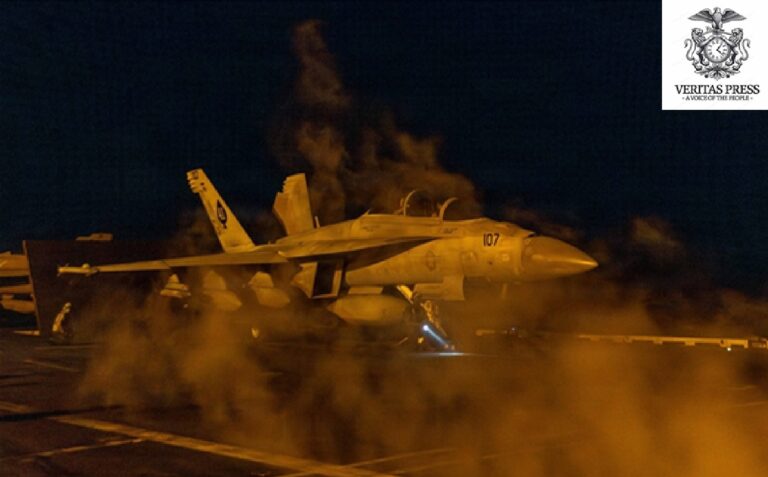
WASHINGTON – As the opening salvos of Operation Epic Fury echoed across the Middle East, President Donald Trump took to Truth Social to project an image of invincibility. “The United States Munitions Stockpiles have, at the medium and upper medium grade, never been higher or better,” he declared, adding that with these supplies, wars could be fought “‘forever,’ and very successfully”. This rhetoric, however, stands in stark contrast to the frantic, behind-closed-doors reality unfolding at the Pentagon and the White House.
A deep investigative analysis of internal government warnings, industry reports, and operational data reveals a startling truth: a mere 12-day conflict with Iran, a nation crippled by decades of sanctions, has pushed the United States’ most advanced missile defence systems to the brink. The war has exposed a “peacetime” defence industrial base utterly incapable of sustaining a high-intensity conflict against a peer adversary, forcing the Trump administration into a multi-billion dollar scramble that critics warn is mortgaging the nation’s long-term security for a short-term political gamble.
The Cracks In The Armour: Warnings From The Top.
Despite the President’s public bravado, the warning signs were evident before the first bomb was dropped. According to a report from The Washington Post cited by Responsible Statecraft, Gen. Dan Caine, the Chairman of the Joint Chiefs of Staff, directly cautioned Trump in a White House meeting that a major operation against Iran would face significant challenges due to depleted munitions stockpiles from supporting Ukraine and Israel. This warning was echoed by leaks from the Pentagon, suggesting that if strikes continued for more than 10 days, stocks of critical interceptors like the THAAD and SM-3 could run dangerously low.
The administration’s actions betray its public confidence. On Friday, March 6, Deputy Defence Secretary Steve Feinberg convened an urgent meeting at the White House with the CEOs of top defence contractors, including Lockheed Martin and RTX (parent of Raytheon). The message was clear: surge production or face consequences. “The meeting underscores the urgency felt in Washington to shore up weapons stocks after the Iran operation drew heavily on munitions,” a source familiar with the plan told Reuters. This is not the behaviour of an administration with a “virtually unlimited supply.” It is the behaviour of one staring into an empty magazine.
The 12-Day War That Devoured A Quarter-Century Of Stockpiles:
To understand the current crisis, one must look back to the June 2025 war, officially dubbed the “Twelve-Day War.” That conflict served as a terrifying stress test for the US missile defence architecture, and the results were alarming.
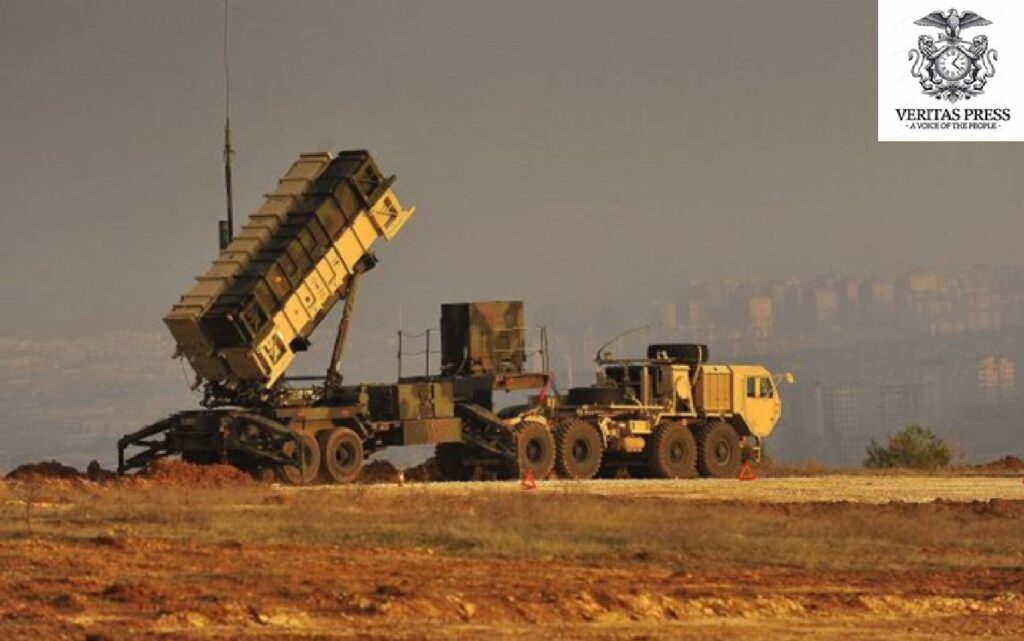
During those 12 days, the US military fired more than 150 THAAD (Terminal High Altitude Area Defence) interceptors to counter Iranian ballistic missiles. To put that number in perspective, this represents nearly a quarter of all THAAD interceptors the Pentagon has purchased since the program’s inception. The Missile Defence Agency’s arsenal stood at just 534 THAAD interceptors as of December 2025, meaning this single engagement consumed nearly 30% of the total stockpile.
“You can’t replace those kinds of missiles overnight. It would take years,” said Kelly Grieco, a senior fellow at the Stimson Centre. This is not just about THAAD. The Navy also burned through a significant portion of its SM-3 (Standard Missile-3) inventory, the primary defence against medium-range ballistic missiles. Estimates suggest that operations in April and October of 2025, combined with the Red Sea campaign against the Houthis, depleted the SM-3 stockpile by as much as one-third.
The New Math Of War: 100-To-1 Odds.
The fundamental strategic mismatch was laid bare by US Secretary of State Marco Rubio. In a candid moment to the press, he stated the terrifying arithmetic facing US planners: “They [Iran] are producing, by some estimates, over 100 of these missiles a month. Compare that to the six or seven interceptors that can be built a month”.
This is the economics and logistics of a “race of attrition,” as described by Shalom Lipner, a senior fellow at the Atlantic Council. Iran produces a Shahed drone for an estimated $20,000 to $50,000. The United States uses a Patriot missile, costing roughly $4 million, or an SM-6, to shoot it down. The Centre for American Progress noted reports that up to 11 Patriot missiles have been used against a single Iranian missile, a $44 million expense for a single defensive action.
“We are at long last waking up to the need for massive defensive munitions procurement,” said Tom Karako of the Centre for Strategic and International Studies (CSIS). But waking up is not the same as being ready. The USS Thomas Hudner and other destroyers have fired Tomahawks at an “extraordinary rate,” depleting a cruise missile arsenal that analysts warn would be exhausted within the first week of a conflict with China.
The Industrial Base: Can’t Surge What Isn’t There.
The core of the problem lies not in the field, but on the factory floor. The United States operates a “peacetime” defence industrial base. While it is sophisticated, it lacks the surge capacity required for a great-power war.
Production vs. Depletion: The Stark Reality
- THAAD Interceptors: The current production rate is 96 per year. A deal signed with Lockheed Martin in January aims to quadruple this to 400 per year, but this will take seven years to achieve.
- SM-3 Missiles: With a stockpile of roughly 414 and an estimated 80-100 used in recent conflicts, production lines are struggling to keep pace.
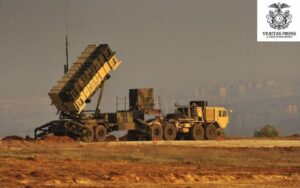
- Patriot (PAC-3 MSE): Production is slated to increase from 600 to 2,000 annually over seven years, but demand from Ukraine and now the Middle East has already cleared out warehouses.
“We have a peacetime defence industrial base, and we’ve had that for decades…we’re not really set up to quickly produce things,” defence writer Mike Fredenberg told Responsible Statecraft. This was starkly illustrated in a February 2026 House Armed Services Committee hearing, where it was revealed that the Army is producing only 40,000 of the needed 100,000 155mm artillery shells per month, and the US is even importing TNT from Poland and Asia due to a domestic production gap dating back to 1986.
In response, House appropriators are now pushing for a “Civil Reserve Manufacturing Network” (CRMN), a system of dual-use factories that could switch from commercial to military production instantly. However, this concept is in its infancy, with just $131.7 million allocated for Fiscal Year 2026, a drop in the bucket compared to the need.
The Current Conflict: Bleeding Out In Real-Time.
Operation Epic Fury, which began on February 28, 2026, is now accelerating the depletion.
The Toll (as of March 6, 2026):
- US Expenditure: CENTCOM reports the use of over 2,000 munitions against nearly 2,000 targets.
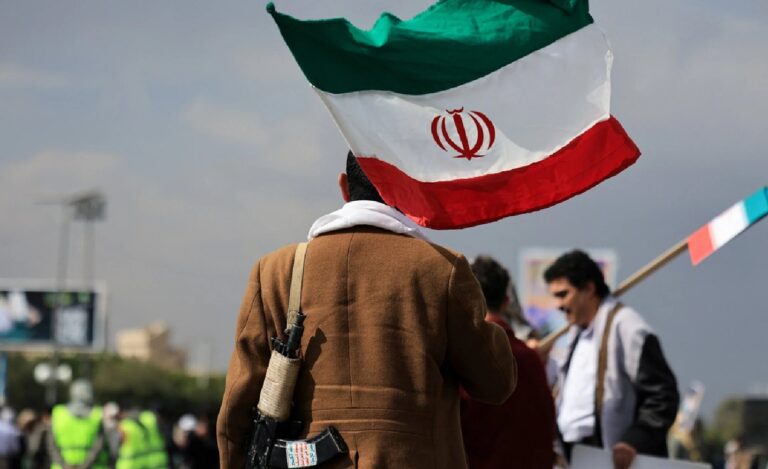
- Iranian Barrage: Iran has launched over 500 ballistic missiles and more than 2,000 drones at US and Israeli assets.
- Human Cost: Six US service members have been killed, and 18 wounded, including a devastating friendly-fire incident in Kuwait where a suicide drone evaded strained air defences.
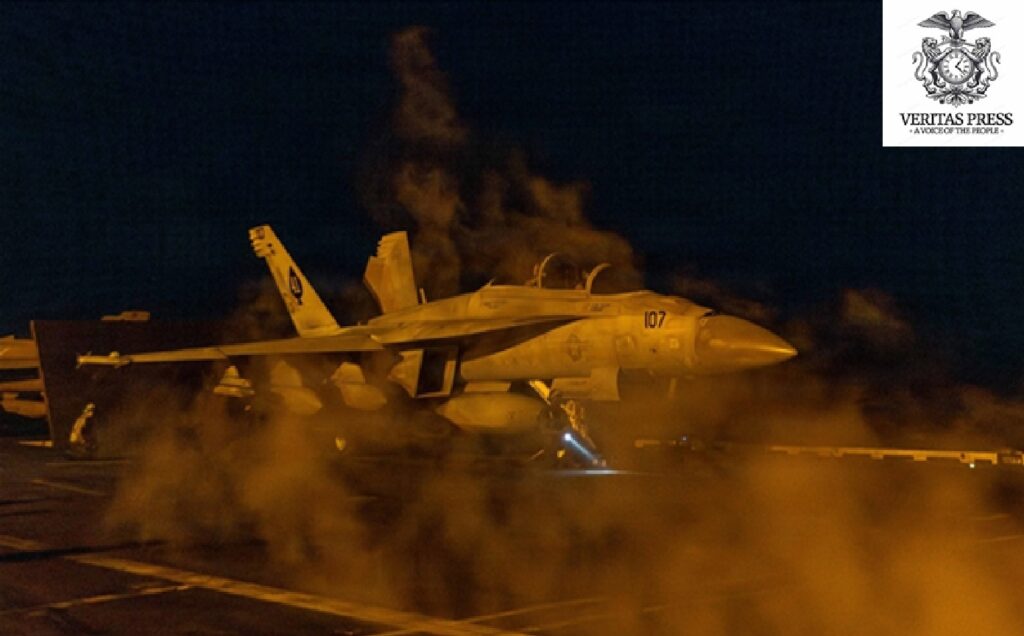
The financial cost is staggering. The first 24 hours of the war cost an estimated $779 million, with a pre-strike buildup adding another $630 million. The Centre for American Progress estimates the cost has already exceeded $5 billion, while the Institute for Policy Studies puts the daily operating cost of the two carrier groups at nearly $60 million. The Pentagon is reportedly preparing a $50 billion emergency supplemental funding request to Congress, a “slush fund” critics fear will bypass oversight.
A Doctrine Stuck In The Cold War:
The crisis has exposed a deeper intellectual failure. The US air defence doctrine was designed for the Cold War, envisioning a limited number of high-end Soviet bombers or missiles. It was never designed to handle the sheer volume of cheap, proliferated missiles that Iran, Hezbollah, and the Houthis now possess.
“You don’t want to try and maintain a wartime level of mobilisation when you don’t need it, but you need to be prepared to do so when you do need it,” noted Bill Schneider, co-chair of a Defence Science Board study. The US is now trying to build a wartime footing while under fire.
This has led to terrifying what-if scenarios. During the June 2025 war, the Pentagon reportedly considered diverting interceptor missiles purchased by Saudi Arabia to replenish the systems in Israel. “This could have impacted US relations with the Saudi kingdom,” the WSJ noted, as Saudi cities and oil facilities were also at risk. Such a move would have been an act of strategic cannibalism, robbing Peter to pay Paul.
Voices On The Ground And In The Corridors:
The disconnect between Washington’s messaging and reality is growing.
“We’ve got no shortage of munitions,” Pentagon Press Secretary Pete Hegseth insisted on March 5. Yet, just hours later, Sen. Mark Kelly (D-AZ), a member of the Armed Services Committee, voiced the nightmare scenario on CNN: “If they have more offensive assets than we have defensive, we get into trouble here possibly really quickly if our magazine depth goes to zero”.
Meanwhile, in the region, the strain is visible. At Al Udeid Air Base in Qatar, a key US hub, Patriot batteries have been firing continuously to defend against Iranian retaliation. The pace of operations has raised concerns about “dwell time”—the ability of soldiers and equipment to get necessary breaks. With five of seven THAAD batteries currently forward-deployed (Israel, South Korea, Guam, Saudi Arabia), the continental US is left with just two operational batteries to defend against any unforeseen threat.
Activists and analysts are drawing a direct line from the depleted stockpiles to the worsening security situation for civilians. “Under the cover of the war, settler violence is escalating, intending to force Palestinians out and take over their land,” said Yesh Din, an Israeli human rights organisation, documenting 50 incidents of violence in the West Bank since the war began. While a separate issue, it highlights how the focus and resources of the security apparatus are being consumed by the conflict, creating a vacuum elsewhere.
Conclusion: The Clock Is Ticking.
The United States is engaged in a high-stakes race. On one side is Iran, producing missiles at a rate of 100 per month and possessing an estimated stockpile of up to 3,000 ballistic missiles. On the other hand is the US defence industrial base, which will take years to ramp up to the required capacity.
As Dr. Sanam Vakil of Chatham House noted, “Iran is prepared for a longer war than I think the US administration clearly calculated for”. The question, as posed by Mohammed Soliman of the Middle East Institute, is “which clock will run first”.
The war on Iran has done what no enemy has managed in decades: it has stripped the US military of its strategic depth and direction. It has been revealed that the American arsenal, for all its technological brilliance, is a shallow magazine. If the shooting stops tomorrow, it will take the better part of a decade and hundreds of billions of dollars to refill. If it continues, the US may soon face the unthinkable choice of which allies to defend and which missiles to let through.
Source: Multiple News Agencies
Submissions:
For The Secure Submission Of Documentation, Testimonies, Or Exclusive Investigative Reports From Any Global Location, Please Utilise The Following Contact Details For Our Investigations Desk: enquiries@veritaspress.co.uk or editor@veritaspress.co.uk
Help Support Our Work:
Popular Information is powered by readers who believe that truth still matters. When just a few more people step up to support this work, it means more lies exposed, more corruption uncovered, and more accountability where it’s long overdue.
Help Protect Independent Journalism, Which Is Currently Under Attack.
If you believe journalism should serve the public, not the powerful, and you’re in a position to help, becoming a DONATOR or a PAID SUBSCRIBER truly makes a difference.
DONATION APPEAL: If You Found This Reporting Valuable, Please Consider Supporting Independent Journalism.
Help Support Our Work – We Know, We Know, We Know …
Seeing these messages is annoying. We know that. (Imagine what it’s like writing them … )
Your support fuels our fearless, truth-driven journalism. In unity, we endeavour to amplify marginalised voices and champion justice, irrespective of geographical location.
But it’s also extremely important. One of Veritas Press’s greatest assets is its reader-funded model.
1. Reader funding means we can cover what we like. We’re not beholden to the political whims of a billionaire owner. We are a small, independent and impartial organisation. No one can tell us what not to say or what not to report.
2. Reader funding means we don’t have to chase clicks and traffic. We’re not desperately seeking your attention for its own sake: we pursue the stories that our editorial team deems important and believe are worthy of your time.
3. Reader Funding: enables us to keep our website and other social media channels open, allowing as many people as possible to access quality journalism from around the world, particularly those in places where the free press is under threat.
We know not everyone can afford to pay for news, but if you’ve been meaning to support us, now’s the time.
Your donation goes a long way. It helps us:
- Keep the lights on and sustain our day-to-day operations
- Hire new, talented independent reporters
- Launch real-time live debates, community-focused shows, and on-the-ground reporting
- Cover the issues that matter most to our communities, in real time, with depth and integrity
We have plans to expand our work, but we can’t do it without your support. Every contribution, no matter the size, helps us stay independent and build a truly people-powered media platform.
If you believe in journalism that informs, empowers, and reflects the communities we serve, please donate today.
WASHINGTON – As the opening salvos of Operation Epic Fury echoed across the Middle East, President Donald Trump took to Truth Social to project an image of invincibility. “The United States Munitions Stockpiles have, at the medium and upper medium grade, never been higher or better,” he declared, adding that with these supplies, wars could be fought “‘forever,’ and very successfully”.

The third Friday of Ramadan is typically a day when the ancient stones of Hebron’s Old City vibrate with the footsteps of thousands of worshippers.

JERUSALEM – While Israel cites the war with Iran as the rationale for banning Friday prayers at Al-Aqsa Mosque, the continuation of Purim celebrations in the city has led Palestinians, experts, and regional actors to decry the move as a calculated exploitation of conflict.
In the first 100 hours alone, the financial cost to the United States has been conservatively estimated at $5.82 billion, a figure that represents roughly 0.69% of the entire 2026 US defence budget. The number reflects not only the price of bombs and missiles, but the immense logistical and strategic cost of sustaining a high-intensity war in one of the world’s most volatile regions.

LONDON, UK – In the span of a single week, the fragile foundations of the post-World War II international order have been illuminated by fire and fury over the Middle East.
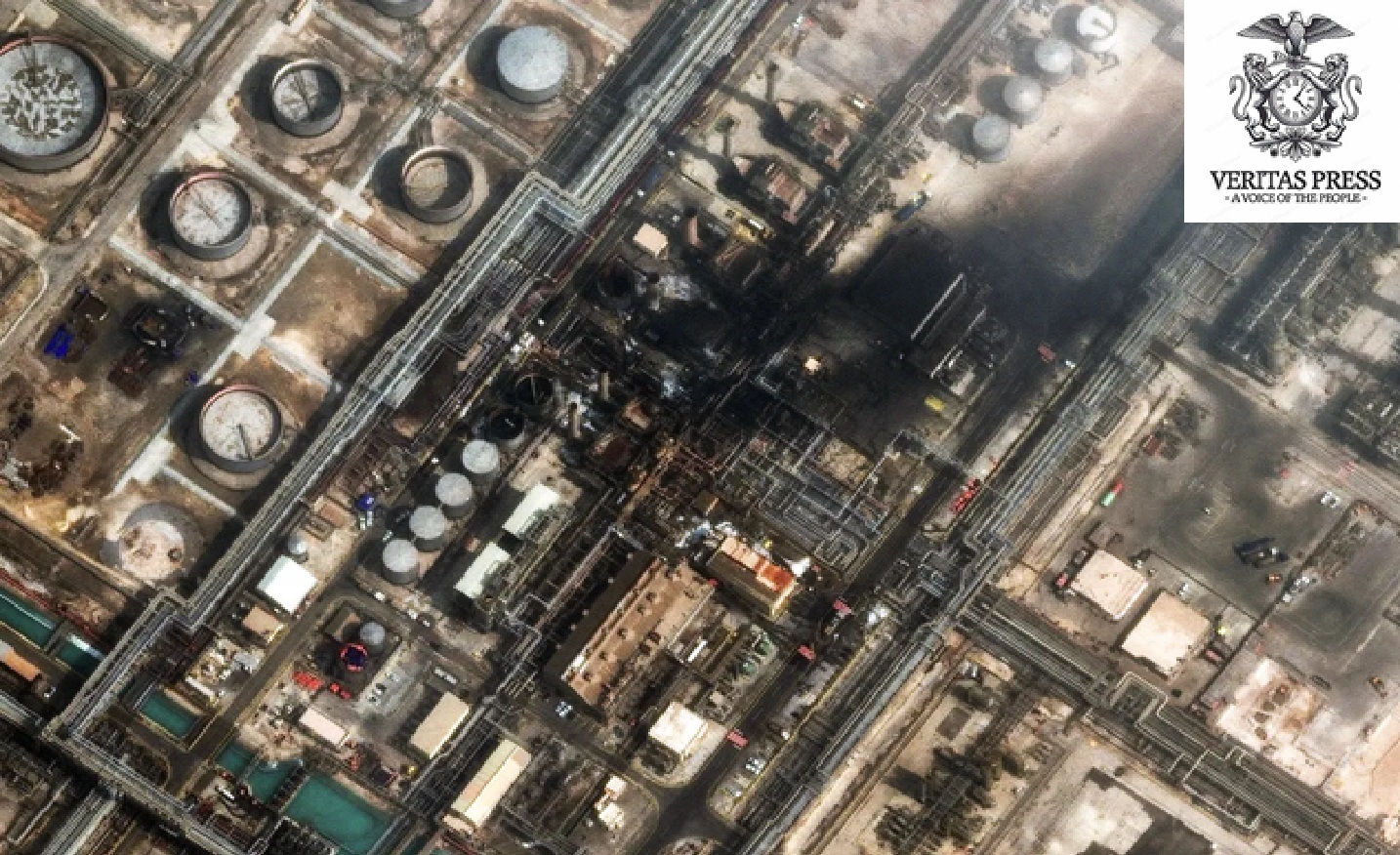
IRAN, DAY 6 – As the US-Israeli military campaign against Iran enters its sixth day, a far more insidious and complex narrative is emerging from the fog of war, one that threatens to shatter the fragile trust between Washington and its Gulf Arab allies.
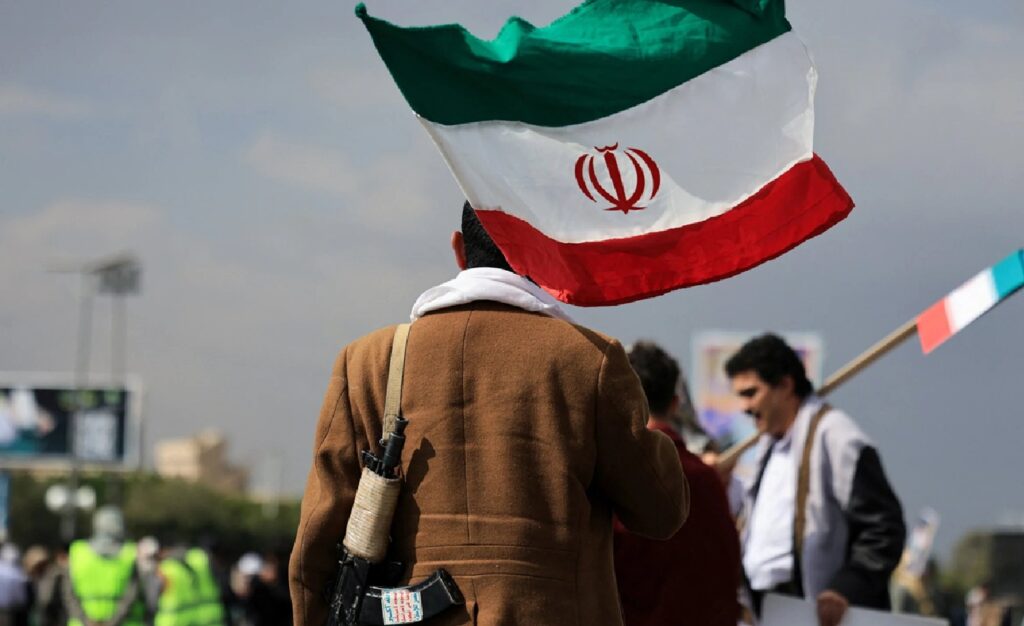
The opening days of March 2026 have witnessed a seismic shift in the Middle Eastern geopolitical landscape. Following the assassination of Iran’s Supreme Leader Ayatollah Ali Khamenei in a coordinated US-Israeli strike on February 28, the region has plunged into its most consequential conflict since the 2003 Iraq invasion.

KHAN YUNIS, GAZA – In the early hours of Wednesday morning, east of Khan Yunis, the relative quiet of a disputed truce was shattered by gunfire. Two Palestinian men, identified by medical sources as Maher Harb Samour (43) and Montaser Saad Samour, were shot and killed by Israeli occupation forces in the town of Bani Suheila.

For The Secure Submission Of Documentation, Testimonies, Or Exclusive Investigative Reports From Any Global Location, Please Utilise The Following Contact Details For Our Investigations Desk: enquiries@veritaspress.co.uk or editor@veritaspress.co.uk ________________________________________ Popular Information is powered by readers who believe that truth still matters. When just a few more people step up to support this work, it means more lies exposed, more corruption uncovered, and more accountability where it’s long overdue. Help Protect Independent Journalism, Which Is Currently Under Attack. If you believe journalism should serve the public, not the powerful, and you’re in a position to help, becoming a DONATOR or a PAID SUBSCRIBER truly makes
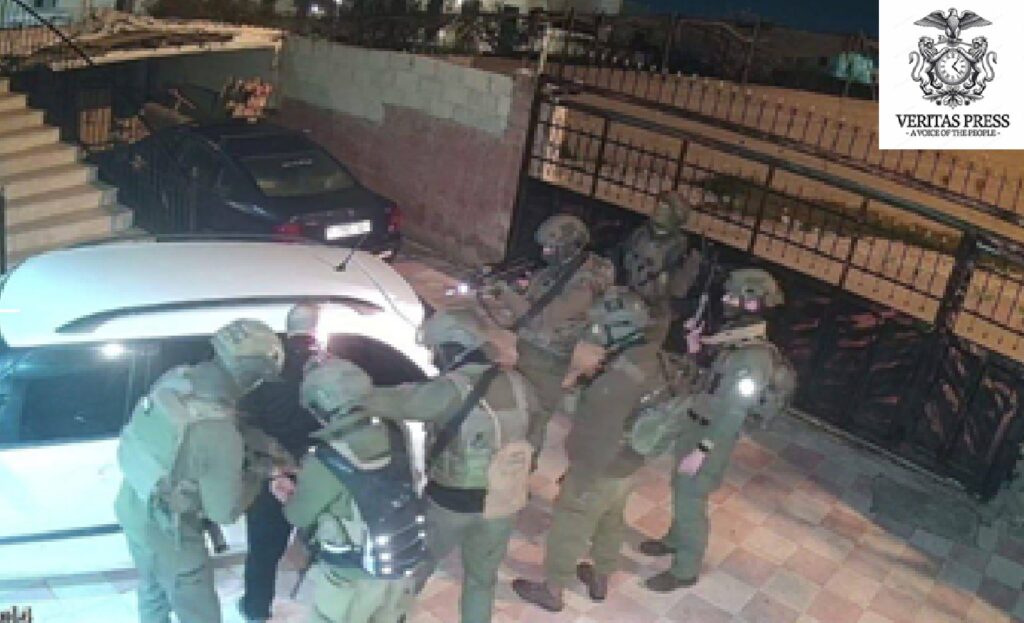
JENIN, OCCUPIED WEST BANK — For the residents of Faqqu’a, a small town nestled east of Jenin, the sound of military drones has replaced the morning call to prayer. For four consecutive days, Israeli occupation forces have maintained a relentless grip on the community, transforming nine family homes into military outposts and forcing residents to flee.