




Original Article Date Published:
Article Date Modified:
Help support our mission, donate today and be the change. Every contribution goes directly toward driving real impact for the cause we believe in.
The sun rises over a shattered Tehran, not over the majestic Alborz mountains, but over the plumes of smoke rising from what was once a bustling neighbourhood. In Washington, a press secretary reads a carefully scripted statement about “degrading Iranian offensive capabilities.” In Jerusalem, a cabinet minister quotes the Book of Esther. On a U.S. military base in the Gulf, a commander tells his troops they are not just warriors, but instruments of a divine plan leading to Armageddon.
Welcome to the 2026 Gulf Conflict. It is a war justified by shifting, often contradictory rationales, but underpinned by a single, terrifying constant: a fervent, apocalyptic belief system shared, in starkly different forms, by the hardline theocrats in Tehran and the fundamentalist Christians and messianic Zionists holding the levers of power in Washington and Jerusalem.
This is not a war of clear objectives or a definable victory. It is, as one military watchdog put it, a war fueled by a “toxic” blend of geopolitical ambition and “end times” eschatology that threatens to engulf the entire region and drag the world into a conflict that has all the hallmarks of the opening chapters of a world war.
‘Anointed By Jesus’: The Military-Industrial Apocalypse.
While the White House initially sold Operation Epic Fury as a pre-emptive strike to neutralise an imminent nuclear threat, a claim swiftly debunked by the IAEA, on the ground, a far more disturbing narrative was being pushed down the chain of command. The Military Religious Freedom Foundation (MRFF), a watchdog organisation, reported being “inundated” with over 200 complaints from service members across all branches. The complaints describe commanders framing the war not as a geopolitical necessity, but as a biblically ordained crusade.
One non-commissioned officer, writing on behalf of 15 fellow troops, detailed a briefing in which his commander invoked the Book of Revelation, telling them that “President Trump has been anointed by Jesus to light the signal fire in Iran to cause Armageddon and mark his return to Earth”.
“This is a national security threat, not just to our country, but to the world,” Mikey Weinstein, president of the MRFF and a former Air Force officer, told Newsweek. He described the commanders’ rhetoric as “unrestricted euphoria” about “how bloody all of this must become in order to fulfil… fundamentalist Christian end of the world eschatology”.
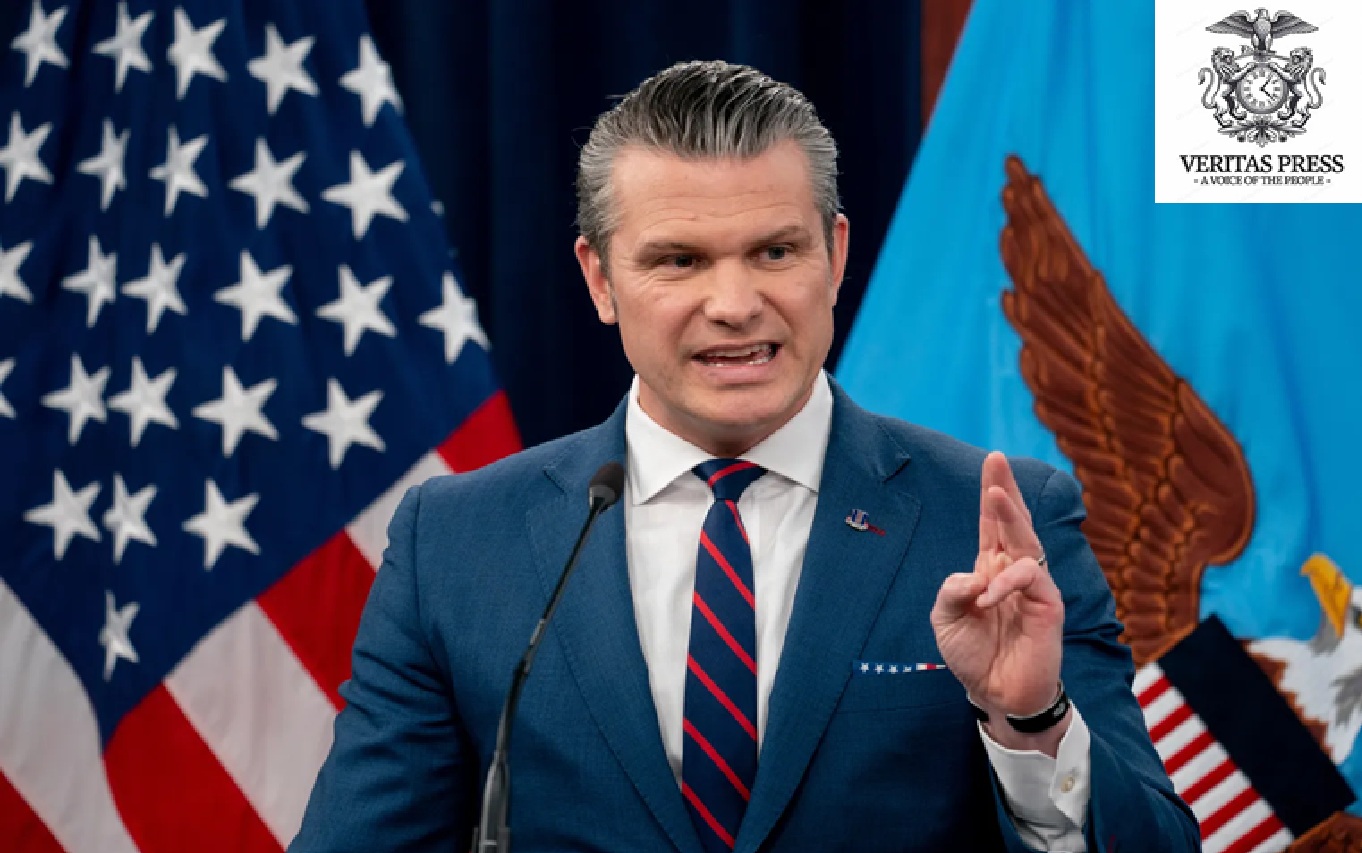
This is not an anomaly. It is the logical endpoint of an ideology that has seeped into the Pentagon’s highest echelons. Defence Secretary Pete Hegseth, a born-again Christian with a Jerusalem Cross, a symbol adopted by Crusaders and far-right Christian nationalists, tattooed on his chest, holds monthly prayer meetings at the Pentagon and attends a White House Bible study. The line between faith and policy has not just been blurred; it has been erased. As Landon Schnabel, a Cornell sociologist, notes, “End-times theology didn’t infiltrate the military. It was invited to”.
The Shifting Sands Of Justification:
In the fog of war, the official justifications for the assault have crumbled as quickly as the buildings they targeted. The initial claim that Iran was on the verge of building a nuclear bomb was publicly contradicted by IAEA Director General Rafael Mariano Grossi on March 3, who stated there was “no evidence of a structured nuclear weapons program”.
The narrative then pivoted to Iran’s ballistic missile arsenal and its “destabilising” proxies. But as Reuters reported, Pentagon officials admitted in closed-door Congressional briefings that there was no intelligence suggesting an imminent Iranian attack on U.S. forces, undermining the very premise of pre-emption.
This leaves the world with the stark reality presented by analysts and regional experts: the war is a project of strategic redesign. Axios reported that the U.S. approached Kurdish leader Mahmud Barzani about using Iraqi Kurdistan as a staging ground for regime change, a request the Peshmerga refused. “We have been deceived by the Americans twice,” a Kurdish official confided, referencing the betrayals of 1991 and the more recent abandonment in Syria. The plan now appears to be a dark echo of the 2003 Iraq War: shatter the state and pick up the pieces.
Senator Elizabeth Warren, after a deep-dive White House briefing, described the situation as “much worse than that,” a reference to the incompetence and lies that preceded the Iraq War. The architect of that chaos, the neoconservative blueprint “A Clean Break,” which called for the toppling of regimes to ensure Israeli security, seems to be the ghost guiding the machine once again.
The ‘Great Game’ Of Energy And Insurance:
Beyond the battlefield, a silent war is being waged for control of the global economy’s circulatory system. Iran’s retaliatory closure of the Strait of Hormuz, through which a fifth of the world’s oil and a significant share of LNG flows, has sent shockwaves through global markets. Brent crude has surged, European gas prices have skyrocketed, and diesel in Germany now tops $2.33 a litre.
In a masterstroke of economic warfare, the U.S. International Development Finance Corporation (DFC) announced a $20 billion maritime reinsurance pool to cover war-risk in the Persian Gulf. This move is being interpreted by geopolitical analysts as a direct challenge to the City of London’s centuries-old dominance over the maritime insurance market, specifically Lloyd’s of London.
“The Americans are building a parallel strategic architecture,” explains a veteran shipping magnate from Athens. “War-risk insurance decides if ships sail. By taking control of it, Washington is not just protecting its allies; it is seizing a lever of global trade from the Europeans.”
This has created a quiet rift in the Western alliance. The “pre-industrial East Coast financial aristocracy” and the “Dixie political establishment” in the U.S. have long viewed London’s financial hegemony with suspicion. By underwriting the strait, Washington signals its intent to be the sole arbiter of energy transit, a move that the British elite, deeply wary of the Trump administration, views as a hostile takeover. The lords of London, desperate to maintain relevance, are quietly exploring alternative payment systems with China and India, hedging against a future where the dollar’s primacy is challenged by the very power that created it.
The Fracturing Of The Gulf Alliance:
If the U.S. strategy is to isolate Iran, its execution is doing the opposite to its own allies. Iran has fired more missiles at the Gulf states than at Israel, a move many see as counterproductive. But as an Al Jazeera columnist argued, it is a strategic disaster for Tehran, burning the bridges of “good neighbourliness” it spent years rebuilding with Saudi Arabia and the UAE.
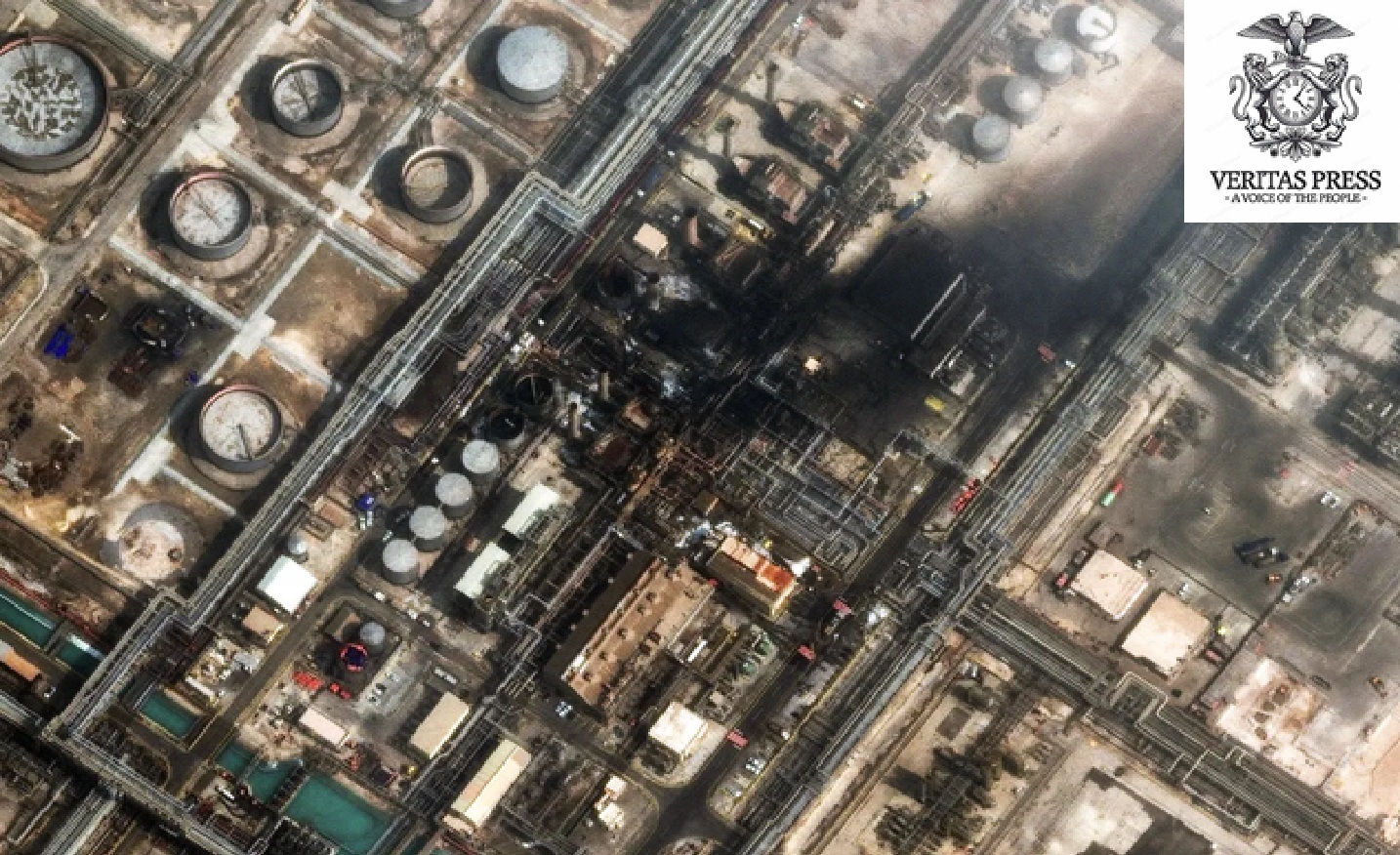
The Gulf states are caught in a pincer movement. They are being struck by Iranian missiles and protected by an America that has made it clear its primary loyalty is to Israel. “We gave our word that we wouldn’t be used to attack Iran, and we kept it,” a Saudi official told Reuters. “Iran repaid us by setting our largest refinery ablaze.” The GCC’s emergency ministerial statement, which described the attacks as “heinous” and a violation of sovereignty, reflected the deep sense of betrayal.
Meanwhile, the U.S. appears to be shifting from protector to predator. With Iran’s potential break-up, American oil majors are eyeing the country’s vast, untapped reserves. This is not about spreading democracy; it is about resource acquisition. As one retired U.S. general put it bluntly on condition of anonymity, “This is the bounty. We break it, we buy it.”
The New Axis: China, Russia, And The Waiting Game.
On the other side of the chessboard, China and Russia are making their moves. While officially calling for de-escalation, both nations are providing Iran with crucial political and, reportedly, logistical support. Iranian Foreign Minister Abbas Araghchi confirmed that military cooperation with Russia and Asian partners has “continued”.
China, which brokered the Saudi-Iranian détente in 2023, is now in talks to ensure safe passage for its oil and gas vessels. Beijing has a $400 billion investment in Iran to protect, and is watching the U.S. get bogged down in another Middle Eastern quagmire with barely concealed satisfaction.
For Moscow, the war is a distraction for the West, bleeding resources and attention away from Ukraine. For Beijing, it is an opportunity to present itself as the only responsible great power, a stable partner in a sea of chaos. They are waiting in the wings, not to save Iran, but to pick up the pieces of American credibility in the region.
Israel: A Purim War.
In Israel, the war is being framed not just as a security necessity, but as a religious fulfilment. The assassination of Ayatollah Khamenei on the eve of Purim was a detail too perfect for messianic nationalists to ignore. Social media was flooded with images of Khamenei as the evil Haman from the Book of Esther, whose plot to destroy the Jews was foiled.
Prime Minister Benjamin Netanyahu explicitly invoked the ancient enemy, Amalek, a symbol of pure evil, in his addresses. “We remember, and we act,” he said, quoting the Torah portion read that very week. This wasn’t just political rhetoric; it was a liturgical act.
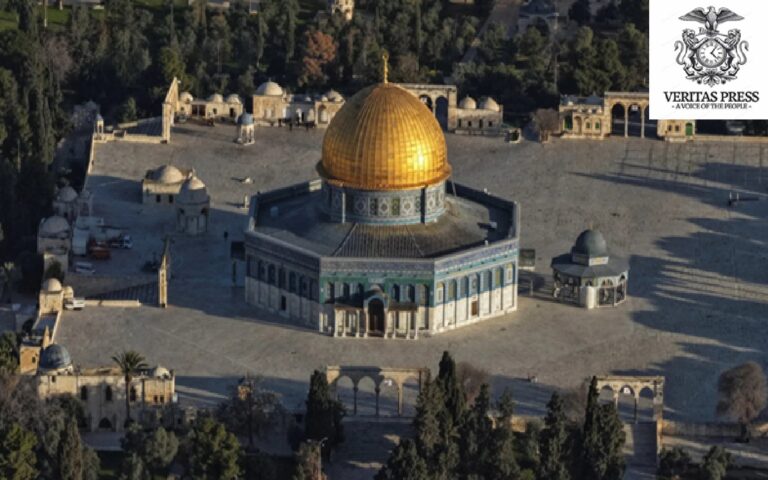
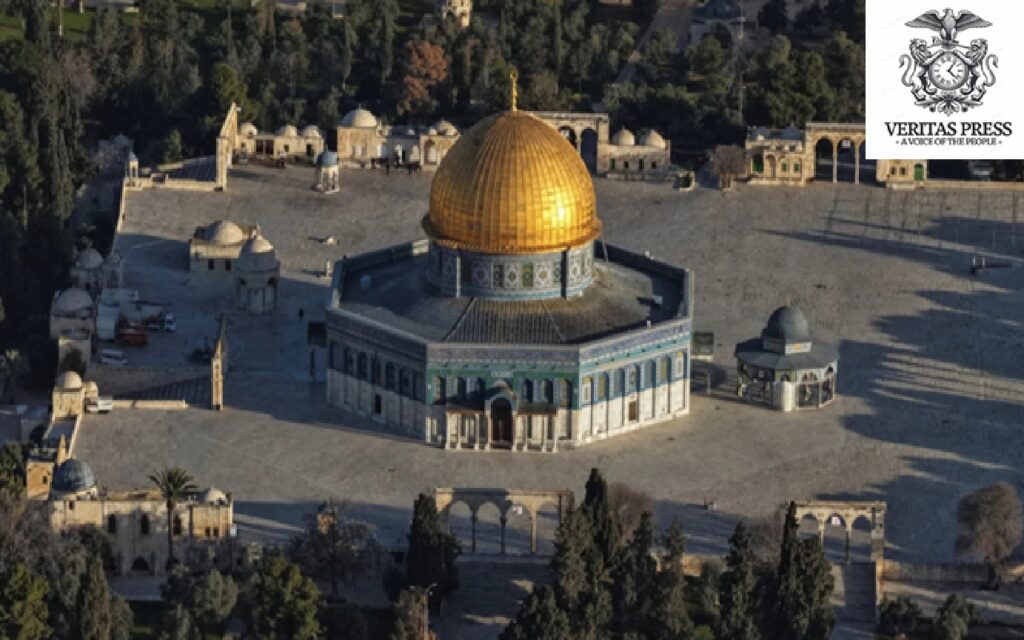
In the streets of Jerusalem, a carnival atmosphere mixed with war. A grocery store owner named Etsiq shrugged off the crisis, telling a reporter, “We like wars. It’s also good for the food business.” On the other side of the city, the Al-Aqsa Mosque remained closed for the fifth day of Ramadan. The message is clear: one faith’s celebration is another’s lockdown.
This shift from a secular conflict over land to a holy war over scripture is profoundly dangerous. As one Israeli commentator noted, land is negotiable; religion is not. By framing the conflict in biblical terms, Israel’s leadership is painting the war with Iran as a predestined, cosmic struggle, making compromise impossible.
Conclusion: The Abyss Stares Back.
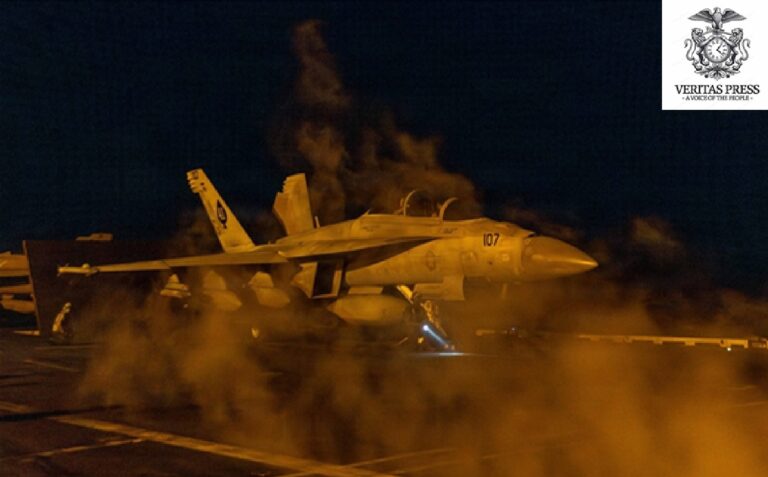
The 2026 Gulf Conflict has already escalated beyond the Middle East. An American submarine sank an Iranian navy vessel off the coast of Sri Lanka, marking a first in international waters since World War II. Iran has fired a missile at the USS Abraham Lincoln. The French Charles de Gaulle is patrolling the Mediterranean. The Houthis are firing at Israel. Hezbollah is engaged in the Bekaa Valley.
President Trump has demanded Iran’s “unconditional surrender,” a term usually reserved for total war. There is no off-ramp in sight. The architects of this war, driven by a chaotic mix of messianic fervour and imperial greed, have no plan for the day after, except perhaps more chaos.
We have been here before. The lies, the incompetence, the hubris, they are all familiar. But this time, they are wrapped in the language of the apocalypse. When commanders tell their troops they are fighting to bring about the End of Days, they are not planning for a stable peace. They are planning for oblivion. And they are taking the rest of the world with them.
Source: Multiple News Agencies
Submissions:
For The Secure Submission Of Documentation, Testimonies, Or Exclusive Investigative Reports From Any Global Location, Please Utilise The Following Contact Details For Our Investigations Desk: enquiries@veritaspress.co.uk or editor@veritaspress.co.uk
Help Support Our Work:
Popular Information is powered by readers who believe that truth still matters. When just a few more people step up to support this work, it means more lies exposed, more corruption uncovered, and more accountability where it’s long overdue.
Help Protect Independent Journalism, Which Is Currently Under Attack.
If you believe journalism should serve the public, not the powerful, and you’re in a position to help, becoming a DONATOR or a PAID SUBSCRIBER truly makes a difference.
DONATION APPEAL: If You Found This Reporting Valuable, Please Consider Supporting Independent Journalism.
Help Support Our Work – We Know, We Know, We Know …
Seeing these messages is annoying. We know that. (Imagine what it’s like writing them … )
Your support fuels our fearless, truth-driven journalism. In unity, we endeavour to amplify marginalised voices and champion justice, irrespective of geographical location.
But it’s also extremely important. One of Veritas Press’s greatest assets is its reader-funded model.
1. Reader funding means we can cover what we like. We’re not beholden to the political whims of a billionaire owner. We are a small, independent and impartial organisation. No one can tell us what not to say or what not to report.
2. Reader funding means we don’t have to chase clicks and traffic. We’re not desperately seeking your attention for its own sake: we pursue the stories that our editorial team deems important and believe are worthy of your time.
3. Reader Funding: enables us to keep our website and other social media channels open, allowing as many people as possible to access quality journalism from around the world, particularly those in places where the free press is under threat.
We know not everyone can afford to pay for news, but if you’ve been meaning to support us, now’s the time.
Your donation goes a long way. It helps us:
- Keep the lights on and sustain our day-to-day operations
- Hire new, talented independent reporters
- Launch real-time live debates, community-focused shows, and on-the-ground reporting
- Cover the issues that matter most to our communities, in real time, with depth and integrity
We have plans to expand our work, but we can’t do it without your support. Every contribution, no matter the size, helps us stay independent and build a truly people-powered media platform.
If you believe in journalism that informs, empowers, and reflects the communities we serve, please donate today.
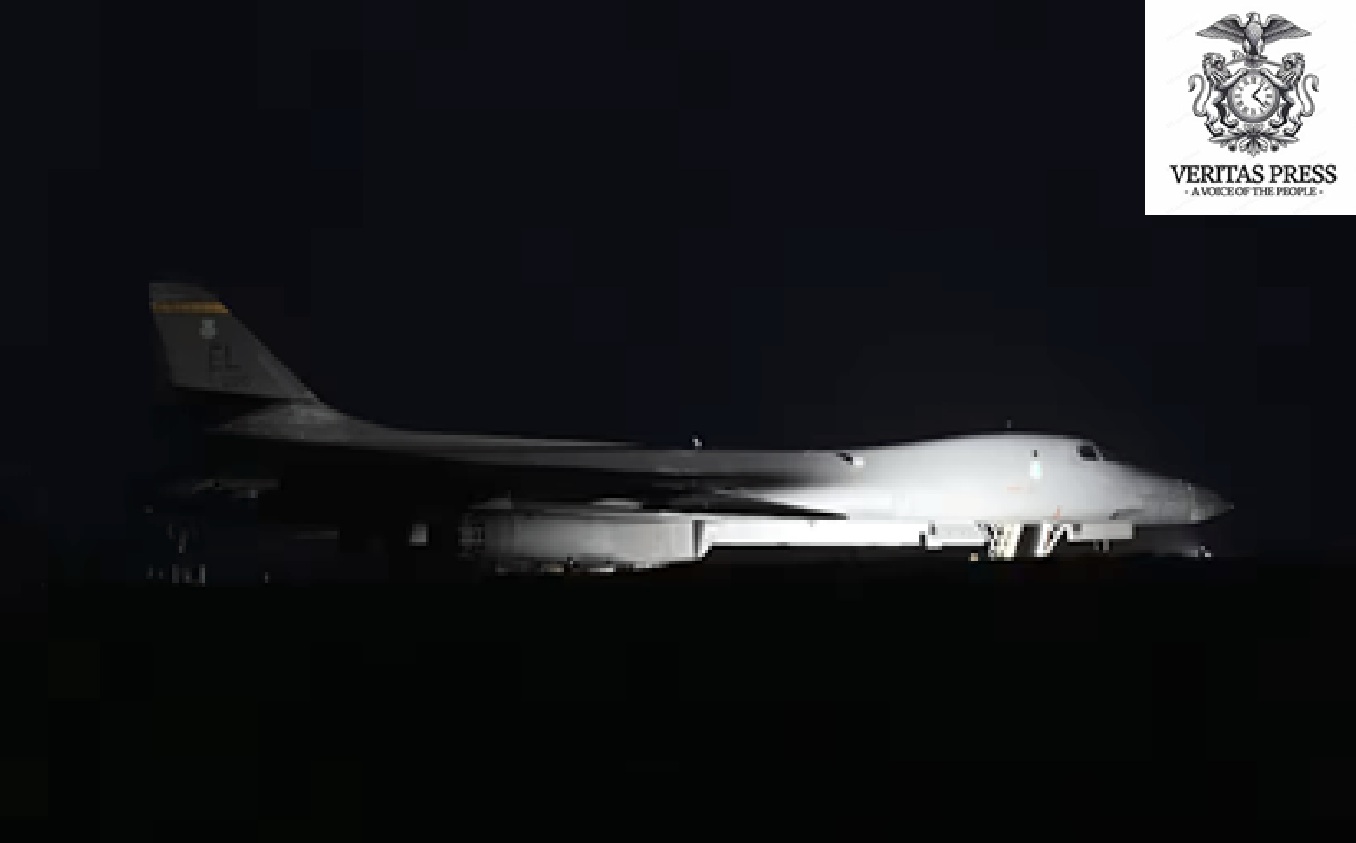
LONDON, UK – As the Middle East conflict entered its eighth day, the ominous silhouette
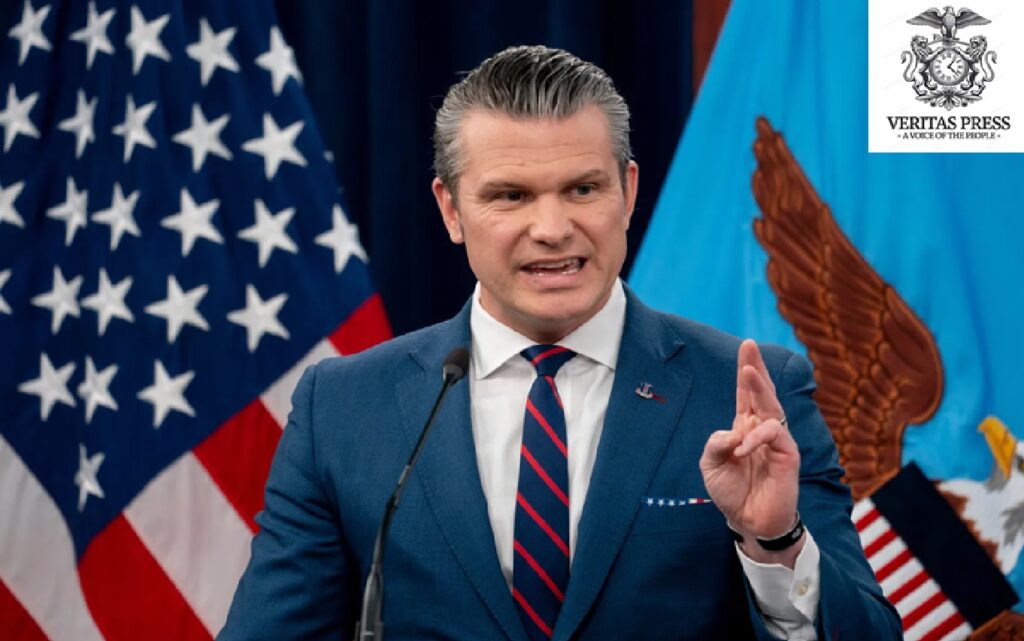
The sun rises over a shattered Tehran, not over the majestic Alborz mountains, but over
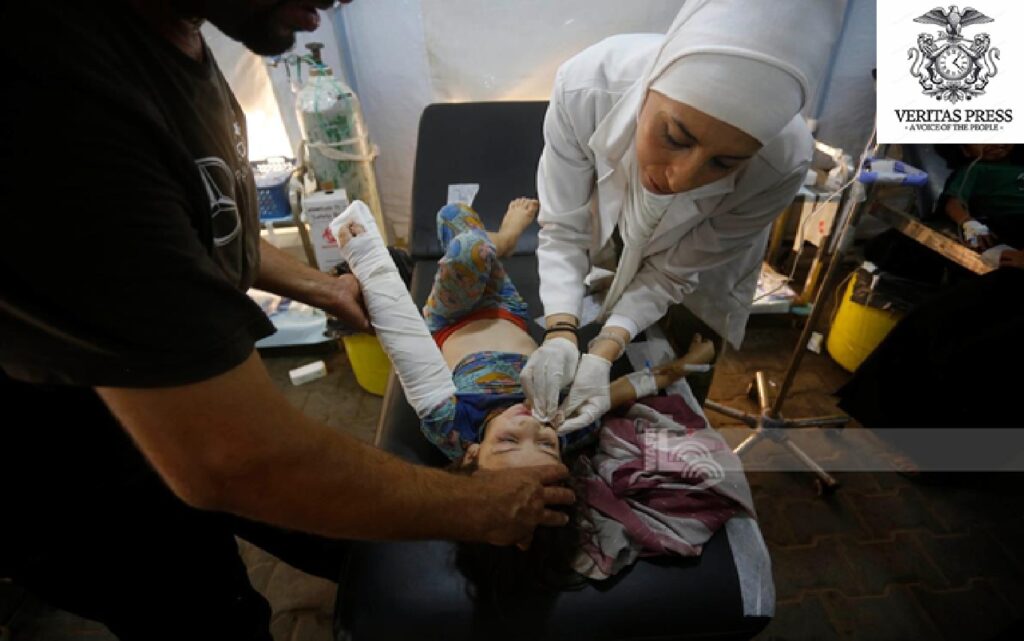
GAZA CITY / CAIRO — Despite the partial reopening of the Kerem Shalom Crossing this
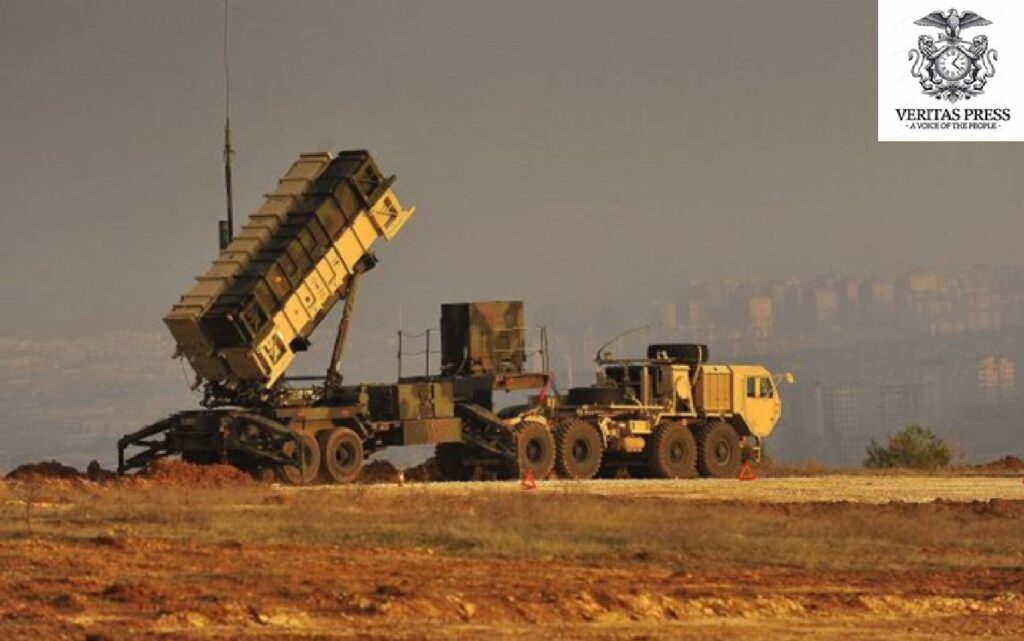
WASHINGTON – As the opening salvos of Operation Epic Fury echoed across the Middle East,
The third Friday of Ramadan is typically a day when the ancient stones of Hebron’s
JERUSALEM – While Israel cites the war with Iran as the rationale for banning Friday
In the first 100 hours alone, the financial cost to the United States has been
LONDON, UK – In the span of a single week, the fragile foundations of the
IRAN, DAY 6 – As the US-Israeli military campaign against Iran enters its sixth day,
The opening days of March 2026 have witnessed a seismic shift in the Middle Eastern