



Original Article Date Published:
Article Date Modified:
Help support our mission, donate today and be the change. Every contribution goes directly toward driving real impact for the cause we believe in.
It was the kind of volatility that wipes out traders and creates legends. In a span of 24 hours, the price of West Texas Intermediate (WTI) crude briefly touched a four-year high of $119.48, before plummeting more than 11% to settle near $83. It was a ride that saw the Dow Jones Industrial Average swing nearly 900 points from intraday low to close, and the CBOE Volatility Index (VIX) spike to 35 before crashing back down to earth.
At the heart of this financial chaos lies a war, a strategic waterway, and a social media post that was almost immediately deleted, exposing the fragility of a market desperately trying to price in the fog of war.
The “Ghost Convoy” Of The Strait Of Hormuz:
The trigger for Tuesday’s dramatic market reversal appeared, at first glance, to be a sign of American resolve. Energy Secretary Chris Wright posted on his official X account that the U.S. Navy had “successfully escorted an oil tanker through the Strait of Hormuz,” crediting President Donald Trump with maintaining global energy stability amidst active military operations.
The post, if true, signalled that the world’s most critical oil chokepoint, through which roughly 20 million barrels of oil typically flow daily, was open for business under the protection of the American flag. Oil prices, which had spiked on fears of a prolonged closure, immediately began to ease.
There was only one problem: it wasn’t true.
In a swift and embarrassing rebuke, White House Press Secretary Karoline Leavitt was forced to walk back the claim. “I can confirm that the US Navy has not escorted a tanker or a vessel at this time,” Leavitt told reporters, adding that while such an option was on the table, it had not been executed.
The administration scrambled to contain the fallout. A Department of Energy spokesperson admitted the video clip was “incorrectly captioned by Department of Energy staff”. But the damage, or the benefit, depending on one’s market position, was already done. The narrative had shifted.
Across the region, Iran was quick to capitalise on the American admission. Revolutionary Guards spokesman Sardar Naini had already issued a stark warning, declaring that “No American ship will dare approach the Sea of Oman, the Persian Gulf, or the Strait of Hormuz during the war,” in remarks carried by state broadcaster IRIB. The denial from Washington, from Tehran’s perspective, was a validation of their blockade.
“The White House is sending mixed signals,” says Ramin Golshani, a Tehran-based geopolitical risk analyst speaking via phone. “One moment, they claim to be escorting tankers, the next, they admit they aren’t. To the market, this looks like confusion. To Iran, it looks like weakness.”
The “Short-Term War” Paradox:
While the “ghost convoy” saga unfolded, President Trump attempted to soothe markets with a different message: the war would be short. In an interview with CBS News, Trump suggested the conflict was “very complete, pretty much,” and far ahead of schedule.
This “short-term war” narrative was reinforced by a meeting of Republican lawmakers in Doral, Florida, where Trump framed the operation as a targeted strike rather than a prolonged occupation. “We launched a brief operation because we felt there was a need to remove certain individuals,” he reportedly said.
On the surface, the market bought it. The VIX tumbled 13.5% as diplomatic channels appeared to open, and the “fear gauge” retreated from its peak. The SPDR S&P 500 ETF Trust (SPY) saw a resurgence of risk appetite as investors unwound defensive hedges.
Yet, a deeper look at the fundamentals of the energy sector suggests the market’s relief may be premature. While Trump was signalling a swift end, the physical oil market was screaming something else entirely.
According to data from Energy Aspects and Reuters, the “short-term war” has already inflicted long-term damage on production capacity. Despite the optimistic headlines, Middle East crude output has fallen by an estimated 4.9 million barrels per day (bpd) since the start of hostilities.
- Iraq: Production from the main southern oilfields has collapsed by 70%, falling to just 1.3 million bpd from 4.3 million.
- Saudi Arabia: The Ras Tanura refinery, a 550,000 bpd facility, has been struck, forcing Aramco to reroute loadings.
- UAE: The Abu Dhabi National Oil Company (ADNOC) was forced to shut its 922,000 bpd Ruwais refinery following a drone strike.
- Qatar: Operations at some of the world’s largest Liquefied Natural Gas (LNG) plants have been halted, and a force majeure has been declared on shipments.
“The idea that this war is ‘over’ or that it was ‘short’ is a political framing, not an energy reality,” explains Amrita Sen, founder of Energy Aspects, in a research note. “You have simultaneous production cuts across Iraq, Kuwait, the UAE, and Saudi Arabia. Even if the shooting stops tomorrow, bringing that 4.9 million bpd back online is a logistical nightmare. The supply shock is already here.”
The IEA’s Historic Dilemma:
Faced with this supply shock, the International Energy Agency (IEA) convened an emergency meeting of its 32 member countries on Tuesday. The agenda: the largest release of strategic petroleum reserves (SPR) in history.
IEA Executive Director Fatih Birol painted a grim picture of the current state of play. “In oil markets, conditions have deteriorated in recent days. In addition to the challenges of transit through the Strait of Hormuz, a substantial amount of oil production has been curtailed. This is creating significant and growing risks for the market,” Birol said in a statement.
The proposal on the table is staggering. Sources tell the Wall Street Journal and CNBC that the U.S. is pushing for a coordinated release of between 300 million and 400 million barrels, roughly 25–30% of total member holdings. This would dwarf the 182 million barrels released during the onset of the Russia-Ukraine war in 2022.
However, the path to approval is fraught with political landmines. French Finance Minister Roland Lescure, whose country holds the rotating presidency of the G7, has already thrown cold water on the idea, stating that the situation is “not there yet” for a reserve release. France and other European nations are wary of depleting strategic reserves for a conflict that may, as Trump suggests, resolve quickly.
“We are not there yet,” Lescure reiterated, signalling a potential veto that could delay or water down the IEA’s response.
The Diplomatic Chessboard: IRGC’s Offer.
As the U.S. and Europe debate reserve releases, Iran is playing a longer game. In a surprising move, the Islamic Revolutionary Guard Corps (IRGC) issued a statement implying that countries distancing themselves diplomatically from Israel and the U.S. could receive “unrestricted passage” through the Strait of Hormuz.
According to Iranian state media, the IRGC offered any Arab or European nation that expels the ambassadors of Israel and the U.S. “full authority and freedom” to transit the strait.
It is a blatant attempt to weaponise global trade to break the U.S.-led coalition. For countries heavily dependent on Gulf oil, like Japan, South Korea, or India, the offer presents a terrifying choice: align with the U.S. and risk economic strangulation, or break with Washington and keep the oil flowing.
“This is Tehran’s nuclear option, diplomatically speaking,” says Sanam Vakil, director of the Middle East and North Africa programme at Chatham House. “They are trying to make the cost of supporting the U.S. too high for Asian and European buyers. If they can peel off just a few nations, the U.S. ‘maximum pressure’ campaign loses its teeth.”
Wall Street’s Tech-Sulated Escape:
Amidst the geopolitical turmoil, the tech sector provided a bizarre lifeline for U.S. indices. While the Dow and S&P 500 ultimately ended Tuesday marginally lower (down 0.07% and 0.21% respectively), the Nasdaq Composite managed to eke out a gain.
The divergence was driven by a blowout earnings report from Oracle (ORCL). The cloud and infrastructure giant beat expectations on the top and bottom lines, sending shares up more than 8% in after-hours trading. Oracle raised its 2027 revenue guidance to $90 billion, fueled by “large-scale AI contracts” and insatiable demand for AI cloud computing capacity.
Oracle’s results served as a powerful reminder that for a significant portion of the market, the story is still artificial intelligence, not geopolitics. As the VIX retreated, capital rotated back into high-conviction tech plays like Nvidia (NVDA) and Palantir (PLTR), viewing the “AI infrastructure” narrative as insulated from the fighting in the Middle East.
“The market is bifurcating,” notes a trader on the floor of the New York Stock Exchange. “On one side, you have energy and defence, which are just puppets of whatever tweet comes out of the White House or the IRGC. On the other side, you have AI and tech, which are trading like the war doesn’t exist. It can’t last.”
Analysis: The Fog Of War Meets The Velocity Of Markets.
The events of March 10, 2026, will likely be studied in business schools as a case study in information asymmetry. In the span of a few hours, the market priced a full-scale war (oil at $119), a diplomatic breakthrough (oil at $85), a U.S. naval victory (the “escort” post), and a U.S. defeat (the White House denial).
The erroneous Energy Department post was quickly deleted, but its impact on the ticker tape was indelible. It raises uncomfortable questions about the coordination, or lack thereof, between the Trump administration’s energy team and its diplomatic apparatus. Was it a simple staff error, as claimed, or a “trial balloon” shot down by a cautious White House?
Furthermore, the disconnect between Trump’s “short war” rhetoric and the reality of 4.9 million bpd of offline production suggests that markets may be pricing a best-case scenario that simply doesn’t exist on the ground. The IEA is preparing for the worst-case scenario, yet equity indices are behaving as if the worst has passed.
The EIA, in its “Short-Term Energy Outlook,” offered a sobering forecast: prices are expected to remain above $95 for the next two months, only falling toward $70 in the third quarter if—and only if- the conflict de-escalates. For now, the “if” remains the largest word in the market.
As one veteran oil trader put it during the session: “They’re calling it a ‘short-term war.’ But in oil markets, a short-term disruption to 4.9 million barrels is a long-term price spike. Don’t confuse a market rebound with a problem solved.”
Source: Multiple News Agencies
Submissions:
For The Secure Submission Of Documentation, Testimonies, Or Exclusive Investigative Reports From Any Global Location, Please Utilise The Following Contact Details For Our Investigations Desk: enquiries@veritaspress.co.uk or editor@veritaspress.co.uk
Help Support Our Work:
Popular Information is powered by readers who believe that truth still matters. When just a few more people step up to support this work, it means more lies exposed, more corruption uncovered, and more accountability where it’s long overdue.
Help Protect Independent Journalism, Which Is Currently Under Attack.
If you believe journalism should serve the public, not the powerful, and you’re in a position to help, becoming a DONATOR or a PAID SUBSCRIBER truly makes a difference.
DONATION APPEAL: If You Found This Reporting Valuable, Please Consider Supporting Independent Journalism.
Help Support Our Work – We Know, We Know, We Know …
Seeing these messages is annoying. We know that. (Imagine what it’s like writing them … )
Your support fuels our fearless, truth-driven journalism. In unity, we endeavour to amplify marginalised voices and champion justice, irrespective of geographical location.
But it’s also extremely important. One of Veritas Press’s greatest assets is its reader-funded model.
1. Reader funding means we can cover what we like. We’re not beholden to the political whims of a billionaire owner. We are a small, independent and impartial organisation. No one can tell us what not to say or what not to report.
2. Reader funding means we don’t have to chase clicks and traffic. We’re not desperately seeking your attention for its own sake: we pursue the stories that our editorial team deems important and believe are worthy of your time.
3. Reader Funding: enables us to keep our website and other social media channels open, allowing as many people as possible to access quality journalism from around the world, particularly those in places where the free press is under threat.
We know not everyone can afford to pay for news, but if you’ve been meaning to support us, now’s the time.
Your donation goes a long way. It helps us:
- Keep the lights on and sustain our day-to-day operations
- Hire new, talented independent reporters
- Launch real-time live debates, community-focused shows, and on-the-ground reporting
- Cover the issues that matter most to our communities, in real time, with depth and integrity
We have plans to expand our work, but we can’t do it without your support. Every contribution, no matter the size, helps us stay independent and build a truly people-powered media platform.
If you believe in journalism that informs, empowers, and reflects the communities we serve, please donate today.
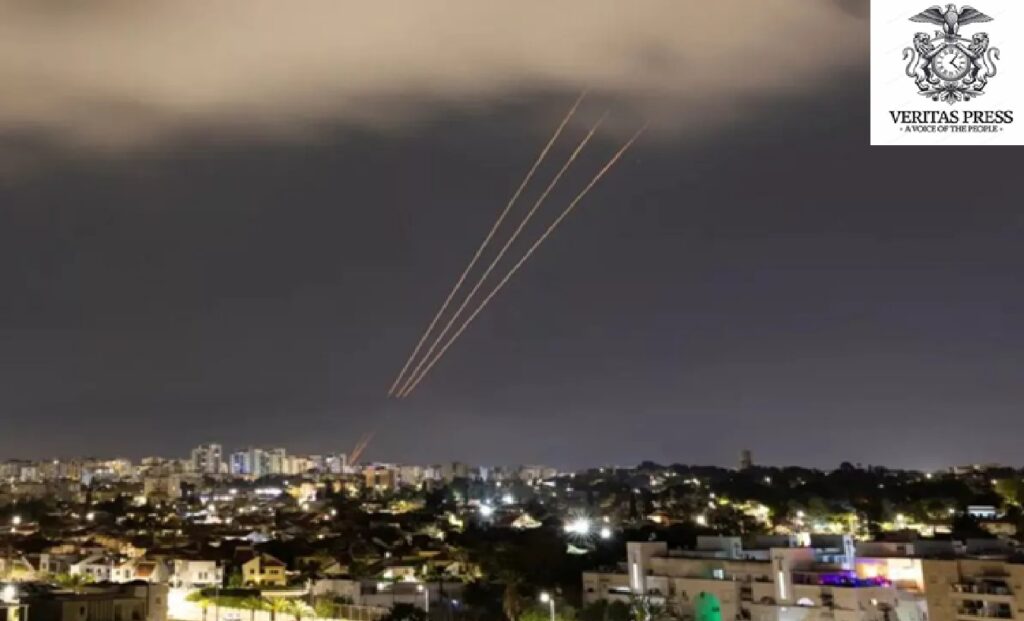
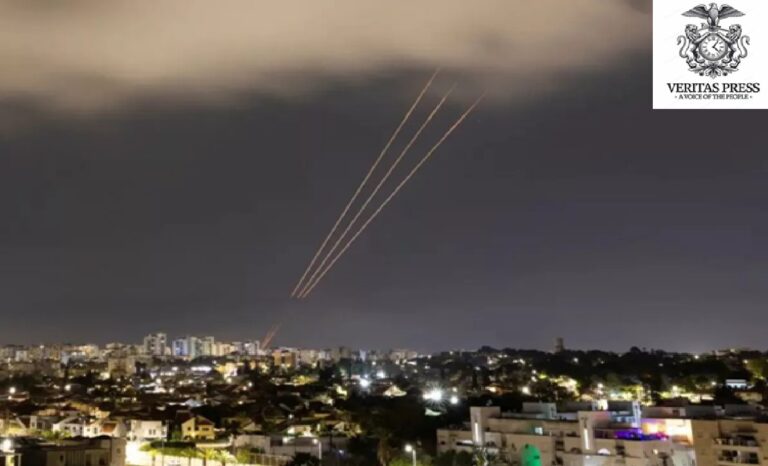
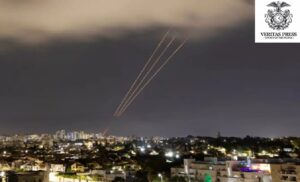
TEHRAN, IRAN – The early hours of March 11, 2026, marked a significant and dangerous escalation in the ongoing conflict between Iran and the US-Israel alliance. Iran’s Islamic Revolutionary Guard Corps (IRGC) announced the launch of “Wave 37” of Operation “True Promise 4,” characterising it as the “most intense” and “most devastating” strike since the war began on February 28. Lasting over three hours, this multi-phase assault targeted not only Israeli territory but also a range of US-linked positions across the region, fundamentally altering the conflict’s scope and intensity.

It was the kind of volatility that wipes out traders and creates legends. In a span of 24 hours, the price of West Texas Intermediate (WTI) crude briefly touched a four-year high of $119.48, before plummeting more than 11% to settle near $83.
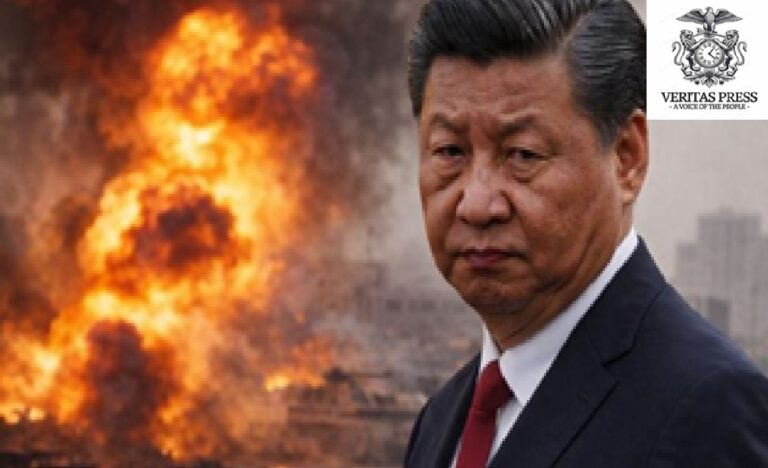
BEIJING/DUBAI — As the thunder of airstrikes echoes across the Middle East, one voice has emerged from Beijing with a message that is simultaneously a condemnation of the West, a warning to its partner Iran, and a reassurance to the Gulf monarchies.

On the morning of March 9, 2026, as House Republicans gathered at their annual policy retreat in Doral, Florida, to strategise ahead of the midterm elections, Representative Andy Ogles of Tennessee took to social media with a message that would reverberate far beyond the usual echo chamber of political outrage.
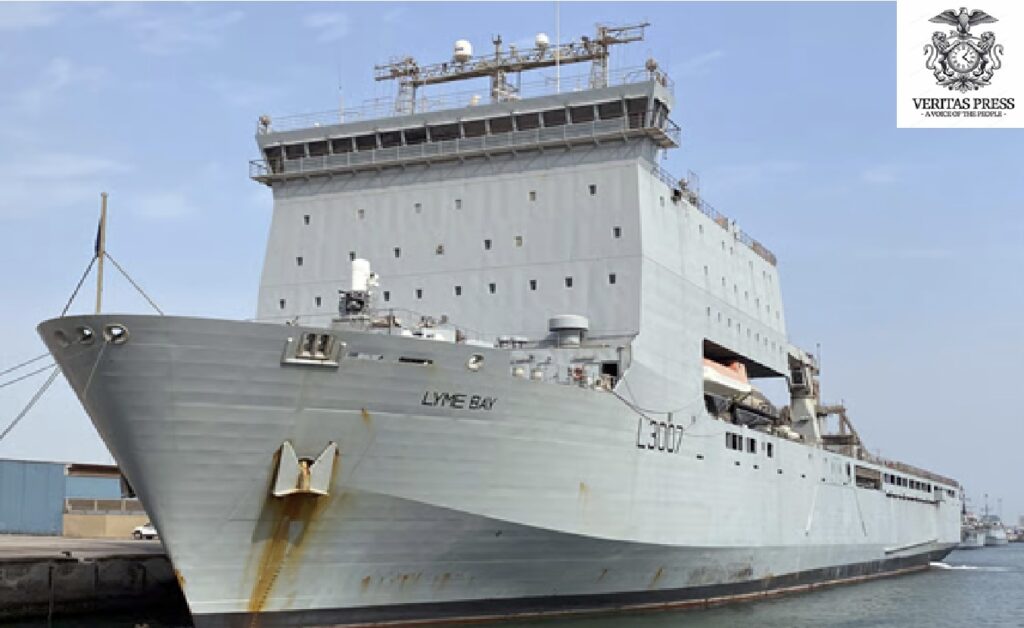
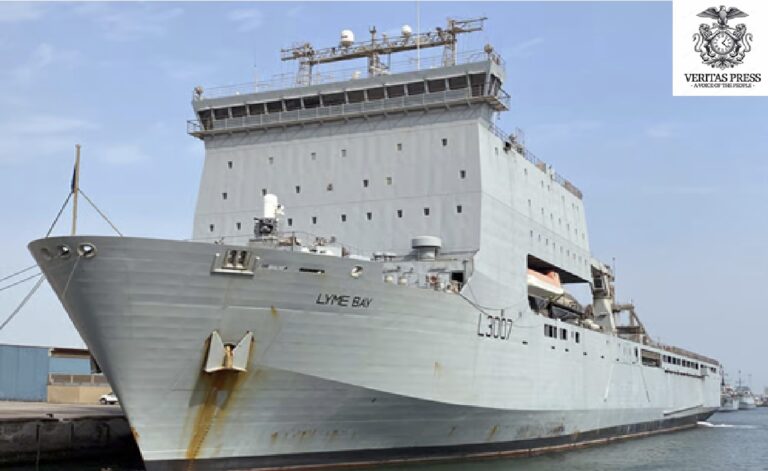
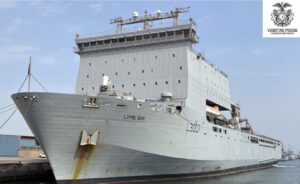
LONDON, UK – Britain’s rapidly expanding military posture in the Middle East has revived uncomfortable historical parallels and intensified scrutiny of Prime Minister Keir Starmer’s claim that the United Kingdom is merely acting defensively in the escalating confrontation between Israel, the United States and Iran.
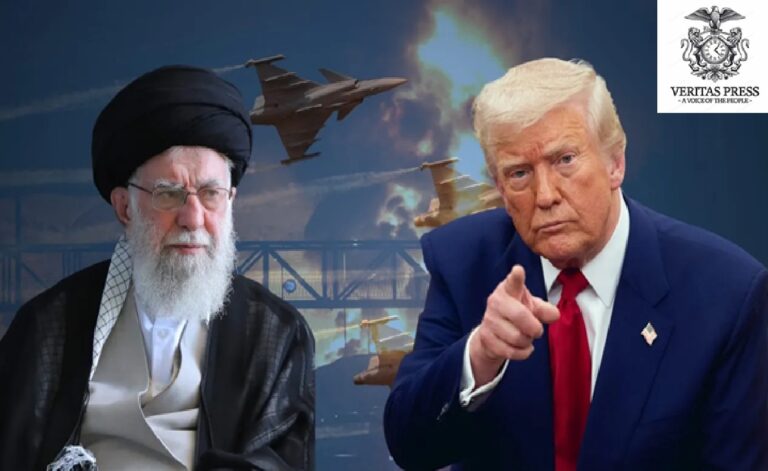
WASHINGTON, TEHRAN – As the war launched by the United States and Israel against Iran enters its second week, Donald Trump has simultaneously declared that the conflict could end “pretty quickly” while quietly seeking diplomatic assistance from global rivals Vladimir Putin and Xi Jinping to negotiate with Tehran, a move widely interpreted by analysts as an attempt to find an exit ramp from an increasingly costly war.
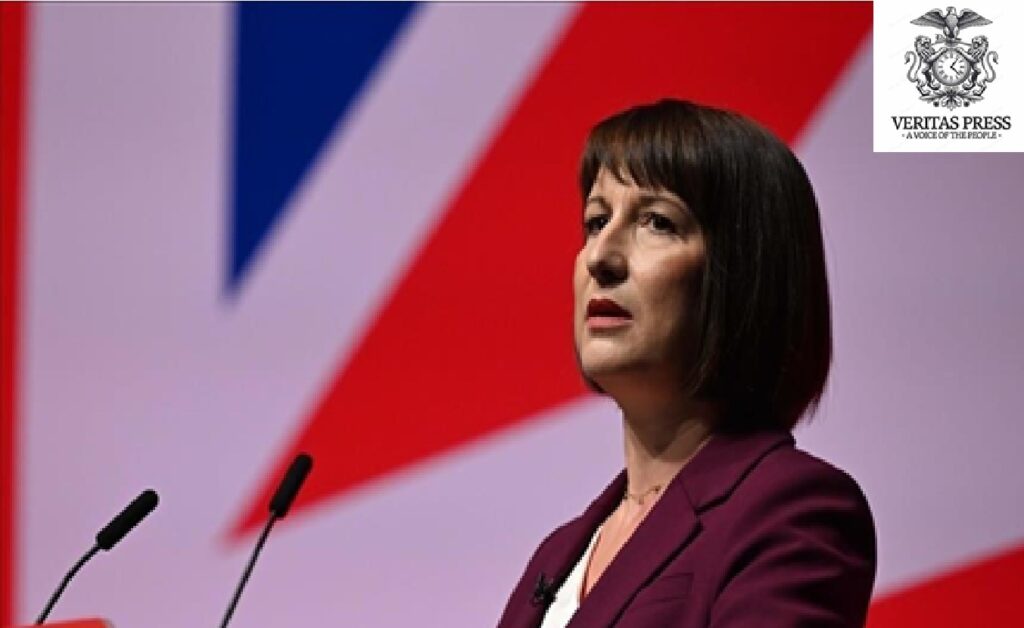
LONDON — For the second time in less than five years, a major conflict in the energy heartland of the world is forcing Britain to stare into the economic abyss. As US and Israeli warplanes continue strikes on Iranian targets and Tehran effectively seals the Strait of Hormuz, Chancellor Rachel Reeves has activated the UK’s financial crisis playbook
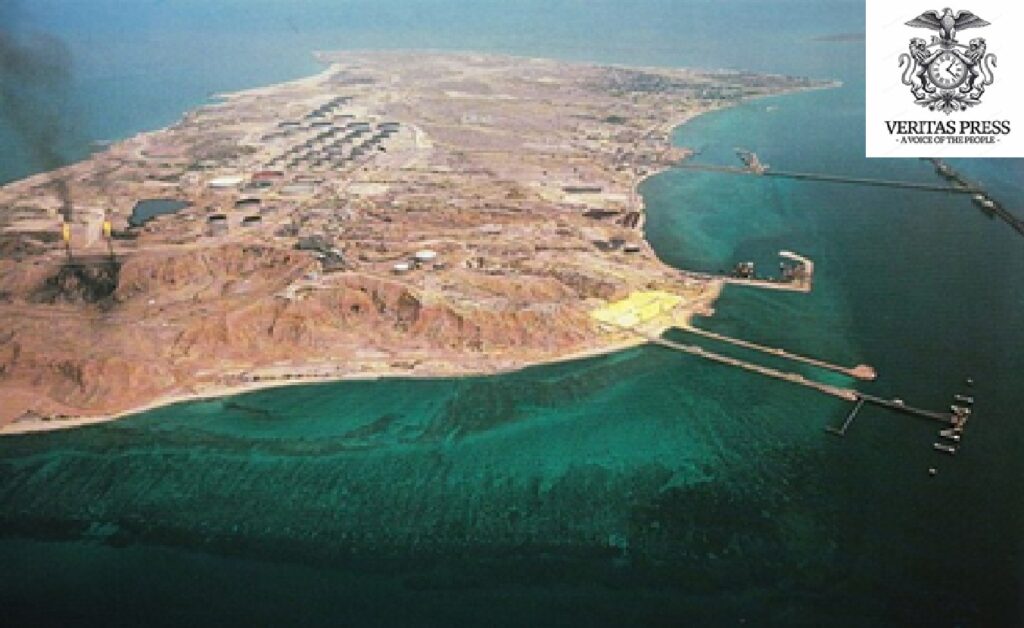
TEHRAN, IRAN – In the northern waters of the Persian Gulf lies a small coral island barely five miles long. Yet this narrow strip of land called Kharg Island has become one of the most strategically sensitive pieces of energy infrastructure on Earth.
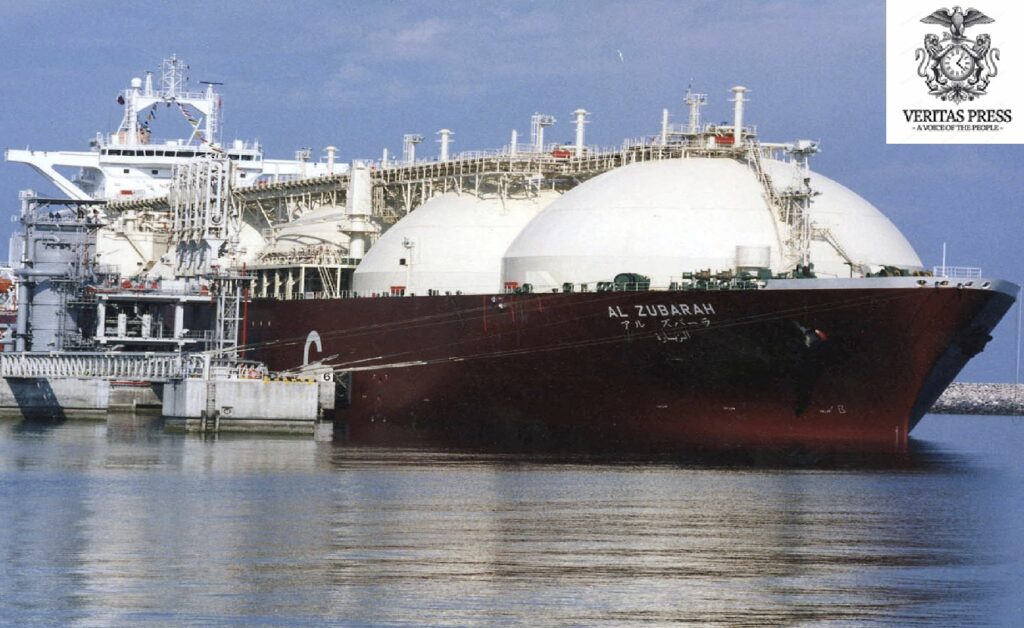
LONDON, UK – As the US-Israeli campaign against Iran enters its second week, a chilling statistic has sent shockwaves through Westminster and British industry: the United Kingdom now has less than 48 hours’ worth of natural gas in storage. At 6,999 gigawatt hours (GWh), a dramatic drop from 9,105 GWh this time last year, Britain’s reserves are a fraction of what its European neighbours hold.
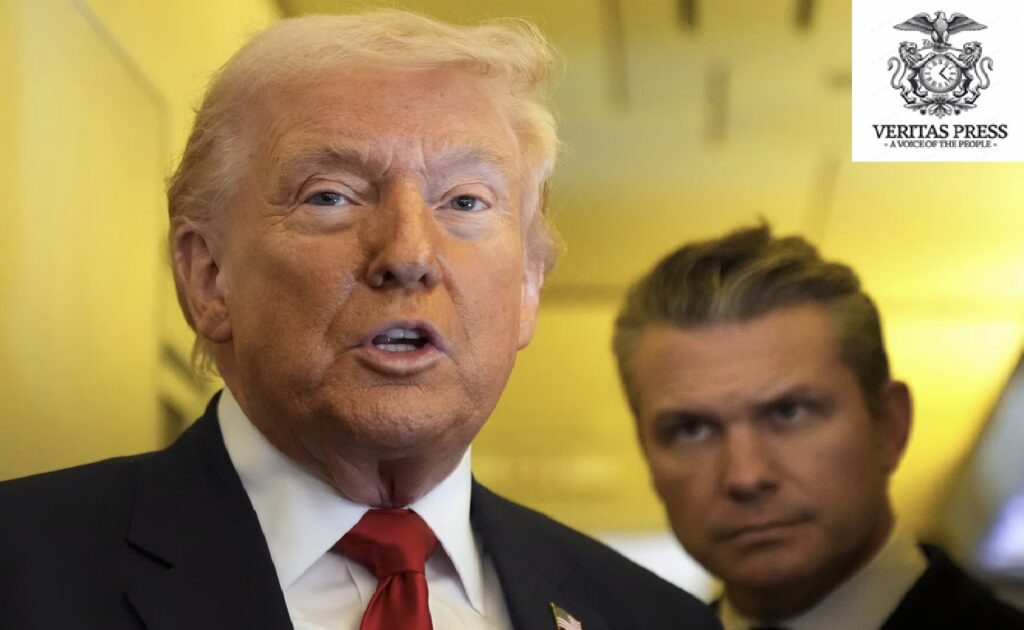
WASHINGTON, US – The United States and Israel are deepening their military campaign against Iran, with senior officials in Washington warning that the war is far from over and may escalate further, including the possibility of U.S. ground troops entering Iranian territory.