


Original Article Date Published:
Article Date Modified:
Help support our mission, donate today and be the change. Every contribution goes directly toward driving real impact for the cause we believe in.
For the first time since the US-Israeli campaign against Iran began on February 28, the battlefield has fundamentally shifted from military installations and leadership decapitation to the very source of global energy supply. The past 48 hours have marked a perilous escalation in the conflict, as Israel’s strike on Iran’s South Pars gas field, the world’s largest, provoked a wave of Iranian retaliation across the Gulf, sending oil prices hurtling toward $120 a barrel and sparking a diplomatic firestorm between Tehran and its Arab neighbours.
As the conflict enters its 20th day, the “little trust that remained in Iran,” as described by Saudi Arabia’s top diplomat, appears to have been completely shattered.
The Spark: Israel’s Calculated Risk.
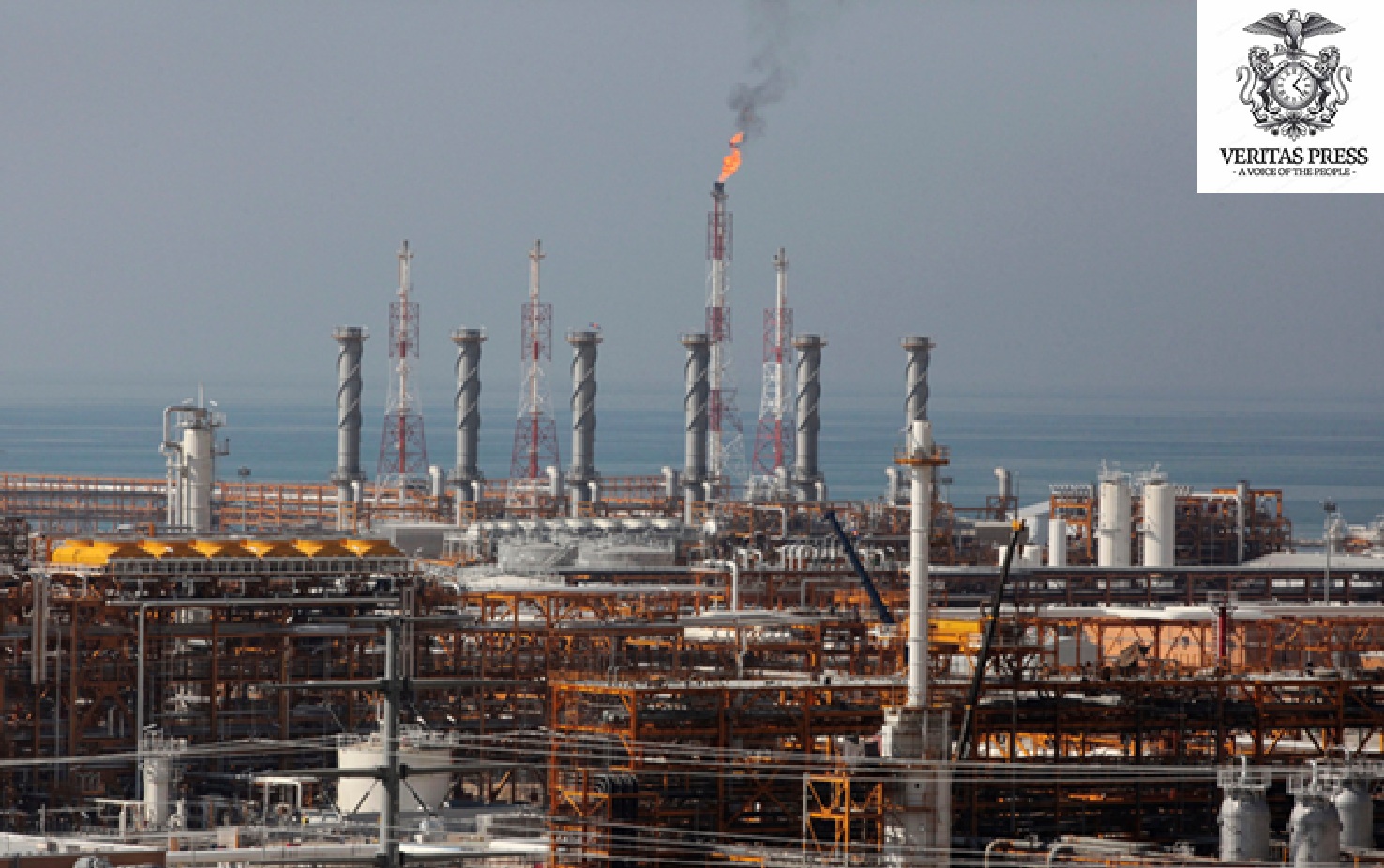
On Wednesday, Israeli forces targeted facilities at Iran’s South Pars gas field, a complex of platforms and processing units Iran shares with Qatar in the Arabian Gulf. While Israeli media and officials have remained largely silent on the operational details, reports from Axios, citing US and Israeli officials, indicate that the strike was coordinated with and approved by the White House.
This was not a random act of war. According to Hamidreza Azizi, a visiting fellow at the German Institute for International and Security Affairs, the strike signals a deliberate shift toward “degrading Iran’s economic infrastructure.” He noted, “South Pars is central to Iran’s gas supply and, by extension, to electricity generation and industrial activity. Even limited or temporary disruptions can translate into power shortages, industrial slowdowns, and broader economic strain”.
Iranian President Masoud Pezeshkian confirmed the severity of the attack, warning that such “aggressive acts” would complicate the situation and “could have uncontrollable consequences, the scope of which could engulf the entire world”.
The Response: Tehran’s Calculated Retaliation.
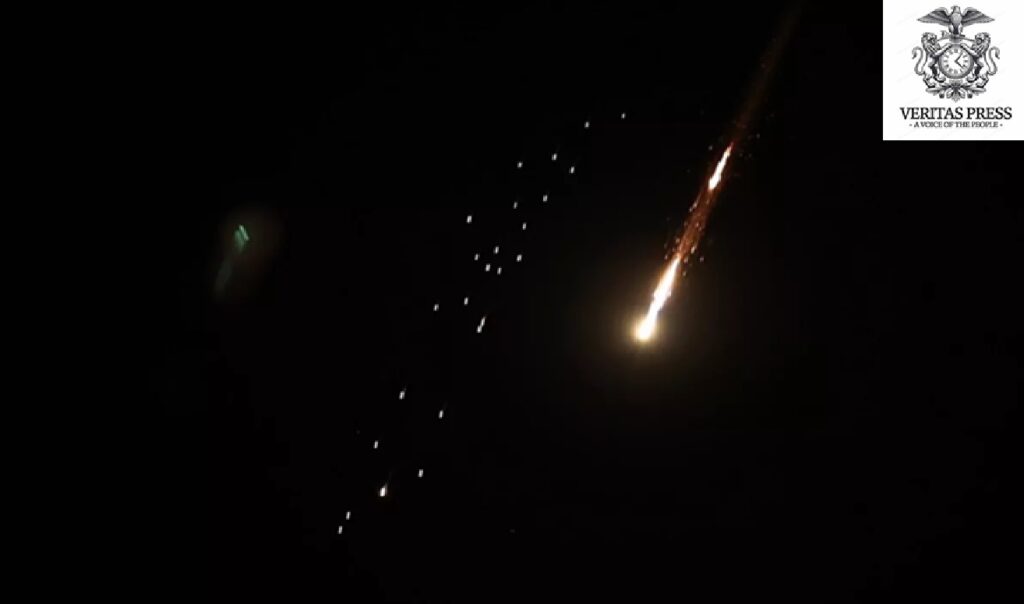
Tehran’s reaction was swift and precisely aimed at the economic arteries of the Gulf states, which it holds responsible for hosting US forces. The Islamic Revolutionary Guard Corps (IRGC) issued an unprecedented public warning, naming specific facilities across Saudi Arabia, the UAE, and Qatar, and urging civilians and employees to evacuate immediately.
The subsequent missile and drone barrages caused extensive damage:
- Qatar: The crown jewel of global liquefied natural gas (LNG), Ras Laffan Industrial City, suffered “extensive damage.” QatarEnergy reported that the Pearl GTL (Gas-to-Liquids) facility, partly owned by Shell, was hit, causing “sizeable fires”. Shell confirmed the facility was in a “safe state” but acknowledged damage. Qatar later ordered Iran’s military attaches to leave the country within 24 hours.
- Saudi Arabia: The Aramco-Exxon joint venture refinery, SAMREF in Yanbu, a critical Red Sea export outlet now that the Strait of Hormuz is blocked, was struck by a drone. The Defence Ministry confirmed that damage assessment was underway.
- UAE: Abu Dhabi was forced to shut down operations at the massive Habshan gas facility and the Bab oil field due to falling debris from intercepted missiles, describing the overnight attacks as a “dangerous escalation”.
- Kuwait: The Mina al-Ahmadi refinery, one of the largest in the Middle East, was hit by a drone, sparking fires that were later contained.
Sultan Al Jaber, head of the Abu Dhabi National Oil Company (ADNOC), did not mince words, denouncing the attacks as “unjustified, unprovoked and illegal.” In a statement on LinkedIn, he framed the conflict in global terms: “It is not just a regional issue – it is global economic warfare. Energy flows are being weaponised.”
The Great Gulf Divorce: Trust Shattered.
The Iranian retaliation has fundamentally altered the diplomatic landscape of the Gulf. For years, Gulf states attempted a policy of detente with Tehran. That policy now lies in ruins.
Following an emergency ministerial meeting in Riyadh, a coalition of Arab and Islamic countries issued a blistering joint statement condemning Iran’s actions. The ministers declared that targeting civilian infrastructure constitutes a serious violation of international law and warned that future ties with Iran would hinge entirely on Tehran’s respect for state sovereignty.
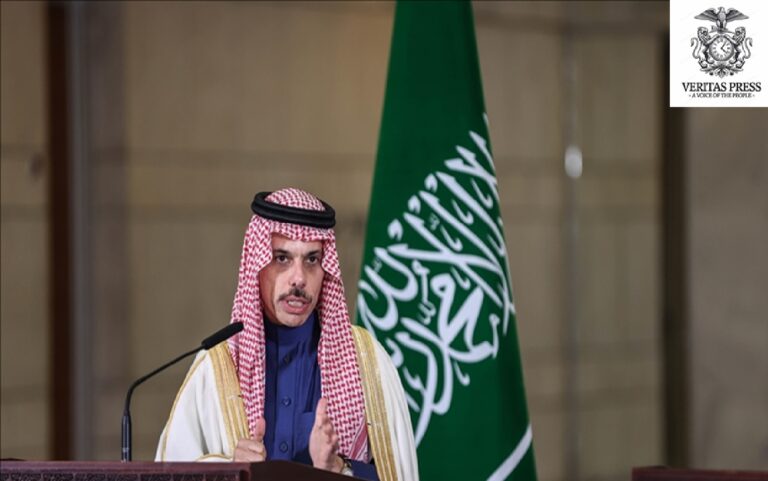
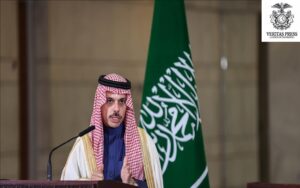
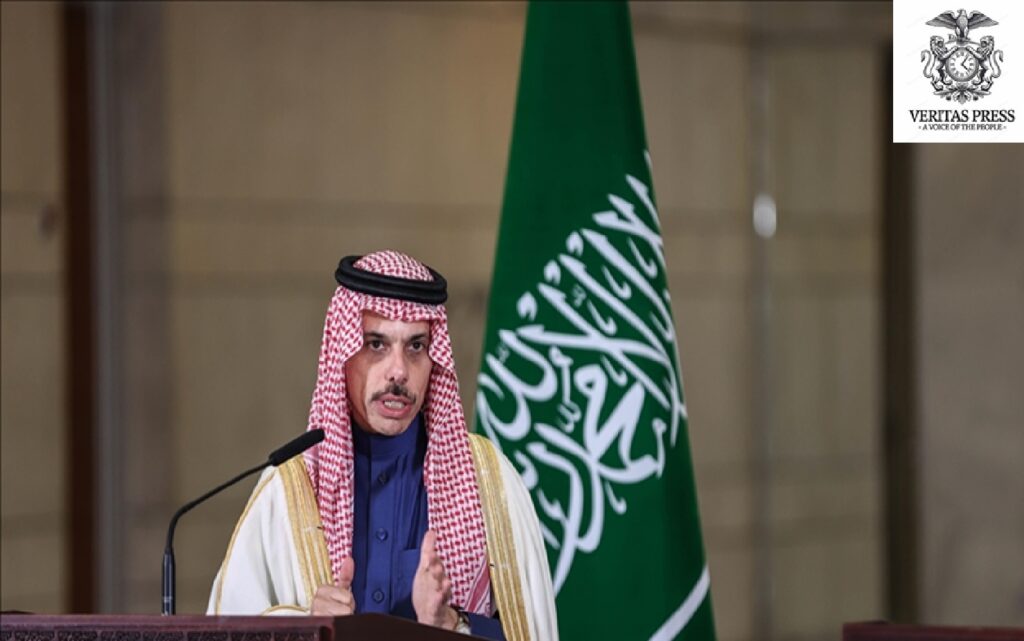
Saudi Foreign Minister Prince Faisal bin Farhan Al Saud went further, stating explicitly that his country reserves the right to act militarily against Iran, adding, “what little trust there was before has completely been shattered”.
The Trump Conundrum: “Anger” And Ultimatums.
In Washington, President Donald Trump sought to manage the fallout while projecting strength, though his messaging contained notable contradictions. Initially, Trump claimed on his Truth Social platform that Israel acted out of “anger” and that the United States “knew nothing about this particular attack”. He assured that “NO MORE ATTACKS WILL BE MADE BY ISRAEL” regarding the South Pars field.
However, this assertion was quickly contradicted by reports from Axios and other outlets citing US and Israeli officials, who confirmed that Prime Minister Benjamin Netanyahu and President Trump had coordinated the strike.
Furthermore, Trump issued a stark ultimatum to Iran: if Tehran attacks Qatari LNG facilities again, the US will “massively blow up the entirety of the South Pars Gas Field.” He added a rare note of hesitation, stating, “I do not want to authorise this level of violence and destruction because of the long-term implications that it will have on the future of Iran”.
Global Economic Shockwave: The Price Of Instability.
The immediate consequence of this escalation has been a violent lurch in global energy markets. Brent crude futures topped $120 a barrel, their highest level since June 2022, while European gas prices surged by as much as 35%.
James Meadway, director of the UK-based think tank Verdant, told Al Jazeera that this spike will not be temporary. “What’s happened now is in addition to the Strait of Hormuz being blocked, we now have a severe disruption to the basic production of oil and gas… so at this point, it looks like this will be a substantial increase on those prices.”
The ripple effects are being felt across the globe.
- Central Banks: The Bank of England held interest rates but warned that inflation will be “higher in the near term,” while Governor Andrew Bailey signalled readiness to raise rates if the shock persists.
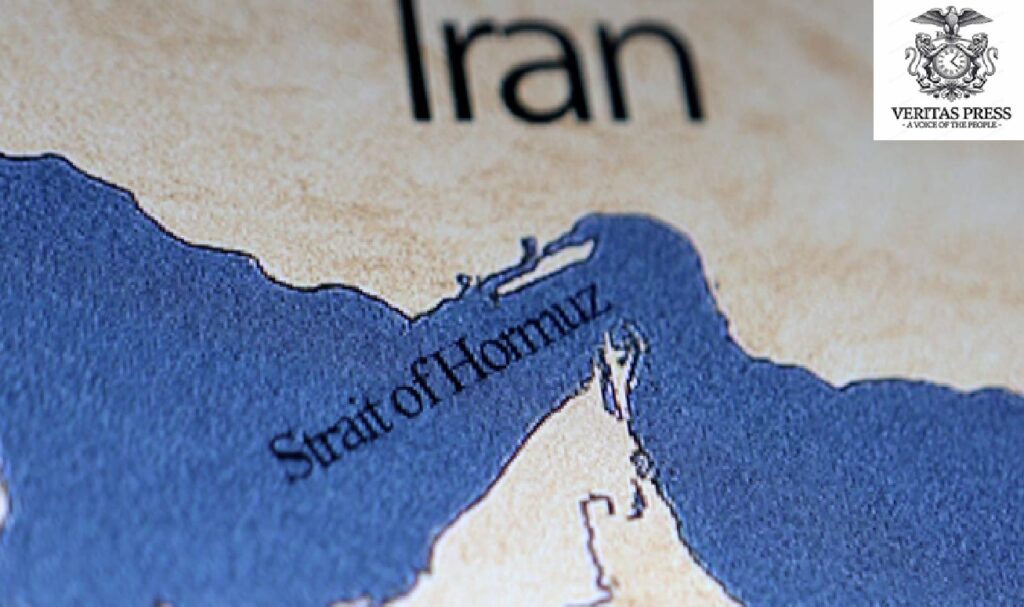
- Shipping: The Strait of Hormuz remains effectively closed to regular traffic. Dozens, if not hundreds, of vessels are anchored in the Gulf of Oman. Richard Meade, editor-in-chief of Lloyd’s List Intelligence, warned that the idea of securing safe passage via payments or national affiliation “should be treated with extreme caution”.
- Industry: Japanese chemical giants Mitsubishi Chemical and Mitsui Chemicals have cut output, while Germany’s BASF raised prices on industrial products by 30% in Europe.
- Human Impact: Sri Lanka has urged electric vehicle owners to stop charging at night to save power, as the country begins to ration fuel.
The Human Toll:
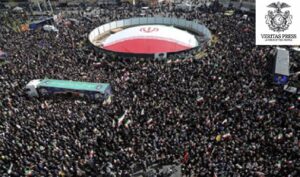
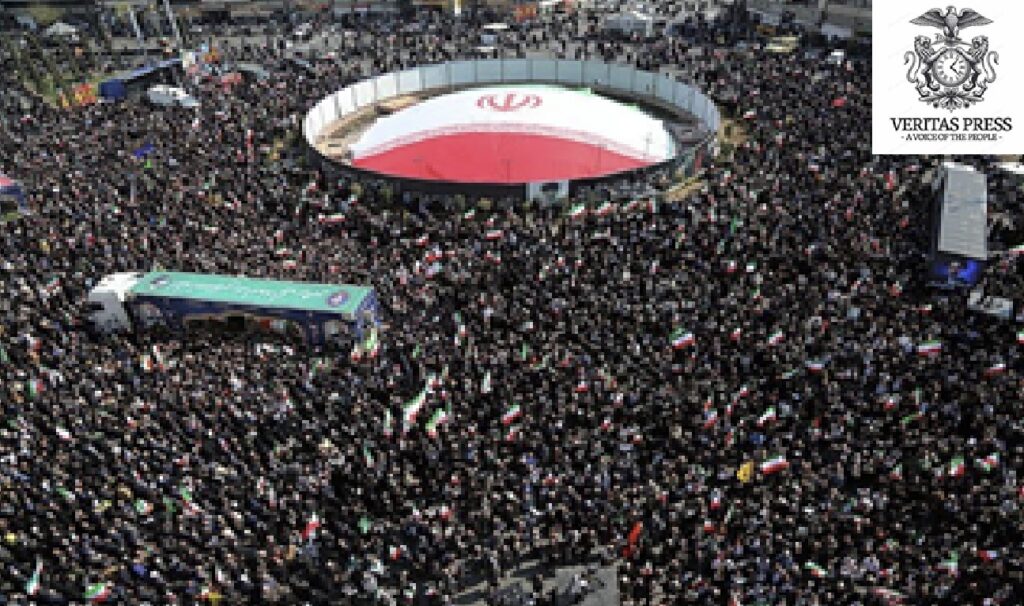
Beyond the economics, the war continues to exact a heavy human price. Iran confirmed the death of Intelligence Minister Esmail Khatib, alongside other senior figures, including Ali Larijani, secretary of Iran’s Supreme National Security Council. Funeral processions were held in Tehran, with acting Supreme Leader Mojtaba Khamenei vowing that those responsible would “pay the price soon”.
In Lebanon, Israeli strikes have now killed 968 people since the conflict with Hezbollah erupted on March 2. In Israel, debris from Iranian missiles damaged aircraft at Ben Gurion Airport, while in Gaza and the West Bank, the death toll continues to climb.
Analysis: The “Eye For An Eye” Trap.
The attacks on energy infrastructure represent a crossing of a threshold that military planners on both sides had previously been wary of. As Richard Meade noted, “That escalation expands the risk profile, meaning that the prospect of hits against the entire Middle East Gulf energy and logistics system are now significantly raised.”
With the world’s largest LNG facility damaged, the Strait of Hormuz closed, and Gulf states now actively considering military responses, the region is trapped in a cycle of escalation. French President Emmanuel Macron has called for an immediate “moratorium on strikes targeting civilian infrastructure, particularly energy and water,” a plea that was met with derision from Iran’s Foreign Minister Abbas Araghchi, who accused Macron of remaining silent when Israel attacked Iranian fuel storage.
As the sun rises on the 20th day of the war, the fire at Ras Laffan may be out, but the flames of regional instability burn brighter than ever. The energy war has begun, and the world is now a hostage to its fallout.
Source: Multiple News Agencies
Submissions:
For The Secure Submission Of Documentation, Testimonies, Or Exclusive Investigative Reports From Any Global Location, Please Utilise The Following Contact Details For Our Investigations Desk: enquiries@veritaspress.co.uk or editor@veritaspress.co.uk
Help Support Our Work:
Popular Information is powered by readers who believe that truth still matters. When just a few more people step up to support this work, it means more lies exposed, more corruption uncovered, and more accountability where it’s long overdue.
Help Protect Independent Journalism, Which Is Currently Under Attack.
If you believe journalism should serve the public, not the powerful, and you’re in a position to help, becoming a DONATOR or a PAID SUBSCRIBER truly makes a difference.
DONATION APPEAL: If You Found This Reporting Valuable, Please Consider Supporting Independent Journalism.
Help Support Our Work – We Know, We Know, We Know …
Seeing these messages is annoying. We know that. (Imagine what it’s like writing them … )
Your support fuels our fearless, truth-driven journalism. In unity, we endeavour to amplify marginalised voices and champion justice, irrespective of geographical location.
But it’s also extremely important. One of Veritas Press’s greatest assets is its reader-funded model.
1. Reader funding means we can cover what we like. We’re not beholden to the political whims of a billionaire owner. We are a small, independent and impartial organisation. No one can tell us what not to say or what not to report.
2. Reader funding means we don’t have to chase clicks and traffic. We’re not desperately seeking your attention for its own sake: we pursue the stories that our editorial team deems important and believe are worthy of your time.
3. Reader Funding: enables us to keep our website and other social media channels open, allowing as many people as possible to access quality journalism from around the world, particularly those in places where the free press is under threat.
We know not everyone can afford to pay for news, but if you’ve been meaning to support us, now’s the time.
Your donation goes a long way. It helps us:
- Keep the lights on and sustain our day-to-day operations
- Hire new, talented independent reporters
- Launch real-time live debates, community-focused shows, and on-the-ground reporting
- Cover the issues that matter most to our communities, in real time, with depth and integrity
We have plans to expand our work, but we can’t do it without your support. Every contribution, no matter the size, helps us stay independent and build a truly people-powered media platform.
If you believe in journalism that informs, empowers, and reflects the communities we serve, please donate today.
WASHINGTON / ISLAMABAD — A fresh warning by US Director of National Intelligence Tulsi Gabbard
For the first time since the US-Israeli campaign against Iran began on February 28, the
Tensions across the Gulf have escalated to levels not seen in decades, as Saudi Arabia

UK – households are being pushed to breaking point as spiralling housing costs collide with
TEHRAN — In the firmament of the Islamic Republic of Iran’s leadership, few figures have

A rapidly escalating meningitis B outbreak in Kent has triggered a nationwide health alert, leaving
WEST BANK – Israeli forces detained at least 15 Palestinian women during overnight military raids
In the predawn hours of March 18, somewhere over the coastline of the Islamic Republic
In the early hours of what the Iranian calendar marks as the eve of the
LONDON, UK – London’s busiest airport is confronting a striking symbol of how war in