



Original Article Date Published:
Article Date Modified:
Help support our mission—donate today and be the change. Every contribution goes directly toward driving real impact for the cause we believe in.
Military Posturing Overshadows Talks:
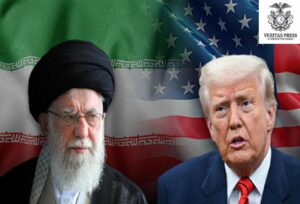
High-stakes nuclear negotiations between the United States and Iran are set to resume in Geneva, with President Donald Trump participating “indirectly” as both sides attempt to avert a wider regional conflict following months of military escalation.
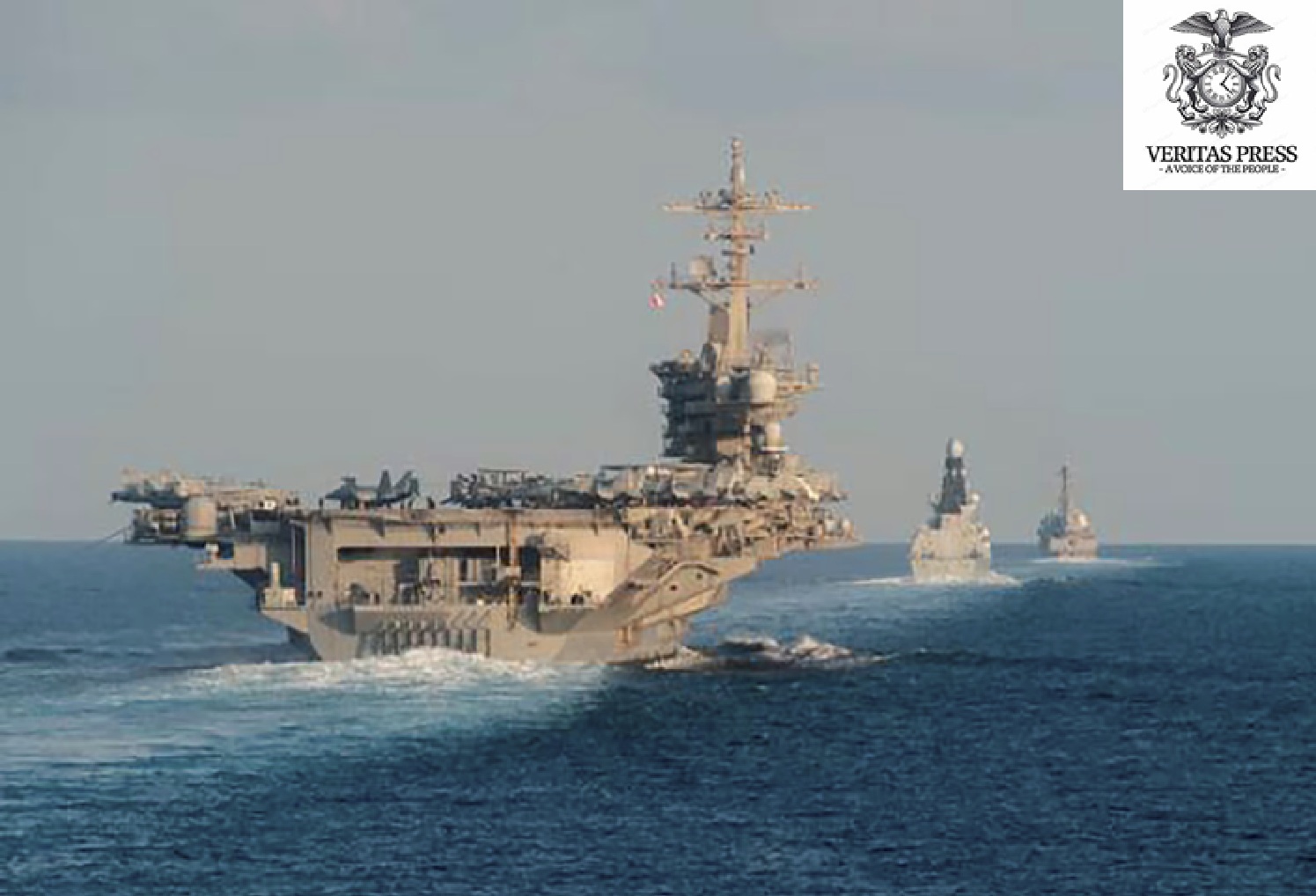
Yet the optics of diplomacy are being eclipsed by unmistakable signals of military preparedness. Just days before discussions, Iran launched naval exercises in the Strait of Hormuz, a critical artery for global oil shipments, while Washington continues to reinforce its regional military posture.
The paradox is clear: talks framed as conflict prevention are unfolding alongside deterrence theatrics that risk producing the very escalation they are meant to prevent.
Diplomacy Backed By Coercion:
The Trump administration has revived a “pressure-first” negotiating doctrine, pairing outreach with unmistakable threats. Reports indicate the U.S. has expanded its military presence in the Middle East, underscoring a strategy where dialogue is inseparable from force projection.
Critics question whether Washington is negotiating toward compromise or capitulation. Iran, meanwhile, signals it will not bargain from weakness. Military drills near one of the world’s most sensitive maritime chokepoints are less about battlefield readiness and more about strategic messaging: any conflict would carry global economic consequences.
Deterrence theatre carries real risks, misreading intentions or miscalculating responses could escalate tensions rapidly.
Core Disagreements And Strategic Signalling:
The talks are mediated by European intermediaries after the near-total collapse of direct U.S.–Iran channels. Unlike the 2015 Joint Comprehensive Plan of Action (JCPOA), the current geopolitical landscape is fragmented: Russia confronts the West, China’s footprint in the Middle East is growing, and Europe’s ability to enforce outcomes is limited.
At the negotiating table, fundamental disagreements persist:
Washington’s demands:
- Zero uranium enrichment on Iranian soil
- Removal or transfer of existing highly enriched uranium
- Broader negotiations covering ballistic missiles and regional influence
Tehran’s position:
- Recognition of its right to nuclear research under the Non-Proliferation Treaty
- Sanctions removal as a prerequisite for any deal
- Rejection of limits on missile capabilities
- Refusal to accept “zero enrichment,” though temporary pauses or dilution of near weapons-grade material have been floated
Iranian deputy foreign minister Majid Takht-Ravanchi emphasised, “the ball is in America’s court to prove that they want to do a deal,” underscoring Tehran’s insistence that Washington demonstrate sincerity.
Military signalling amplifies mistrust: Iran’s drills in the Strait of Hormuz demonstrate its capacity to impose costs, while U.S. carrier deployments reassure allies and warn adversaries. History shows this kind of reciprocal signalling often narrows diplomatic space rather than expanding it.
The Strait Of Hormuz: Geography As Leverage.
Roughly a fifth of global oil flows through the Strait of Hormuz. Iran does not need naval superiority to gain strategic leverage; credible threats of disruption are sufficient. Any confrontation here would ripple across energy markets and inflation worldwide, transforming geography into bargaining power.
Military Calculus And Escalation Risks:
The Trump administration insists reinforcements are defensive, meant to deter escalation. But performative deterrence risks creating “escalation traps”, situations where leaders act to preserve credibility rather than prevent conflict. Once the line between signalling and provocation is crossed, it is notoriously difficult to redraw.
Iranian Supreme Leader Ali Khamenei has warned that any attack would trigger regional war, while the Islamic Revolutionary Guard Corps drills underscore Tehran’s readiness to escalate if provoked. U.S. carrier groups, including the Abraham Lincoln and Gerald R. Ford, reinforce American capabilities. Iran’s armed forces chief Abdolrahim Mousavi described the situation as one where rhetoric itself could precipitate a “lesson-giving battle” for Trump.
Israel’s Shadow And Regional Mediation:
Israeli Prime Minister Benjamin Netanyahu continues to press maximalist demands on Iran, advocating military action unless enrichment stops and nuclear infrastructure is dismantled. Analysts warn that full adoption of these demands could make breakthroughs unlikely.
Regional powers, Türkiye, Qatar, Saudi Arabia, and Oman quietly push for restraint, fearing direct U.S.–Iran conflict could destabilise energy markets and trigger a broader Gulf-to-Mediterranean conflagration. Their mediation reflects recognition that diplomacy, even under duress, is preferable to war.
Economic Pressures And Iran’s Strategic Calculus:
Iran faces mounting economic pressure: sanctions, inflation, and currency volatility. A deal could unlock oil exports, attract investment, and stabilise the economy. Yet Tehran remains steadfast on sovereignty issues, particularly domestic enrichment and missile development.
For Washington, the calculus is equally precarious: a breakthrough could neutralise one of the Middle East’s most volatile flashpoints, but failure might trigger a confrontation far more serious than previous strikes. Trump has even suggested regime change would be ideal, statements that heighten tension and mistrust.
Diplomacy As Risk Management:
The Geneva process is less about reconciliation than managing the probability of catastrophe. Neither side appears ready for full-scale war, yet neither is willing to concede enough to eliminate risk. Stability is maintained through perpetual instability.
Diplomacy increasingly unfolds not in place of military pressure, but alongside it. Carriers and war games are now part of negotiation itself, forced diplomacy conducted under the constant threat of escalation. Each side comes armed with leverage yet constrained by fear. Tehran must demonstrate it cannot be cornered without global consequences; Washington must appear unyielding without sparking escalation. In this environment, restraint is fragile, miscalculation probable, and trust effectively impossible.
Conclusion: Diplomacy On The Edge Of Disaster.
Ultimately, Geneva is less a forum for resolving nuclear tensions than a theatre of risk management, where stability is secured not through agreement, but through the hope that no one makes the first irreversible mistake. Military exercises, carrier deployments, and visible threats are integral tools of negotiation, not signs of failure.
Diplomacy now walks hand in hand with force, and the region’s stability survives only on the razor-thin margin between restraint and disaster.

The raw numbers tell a story of profound inequality. On 1 April 2026, more than
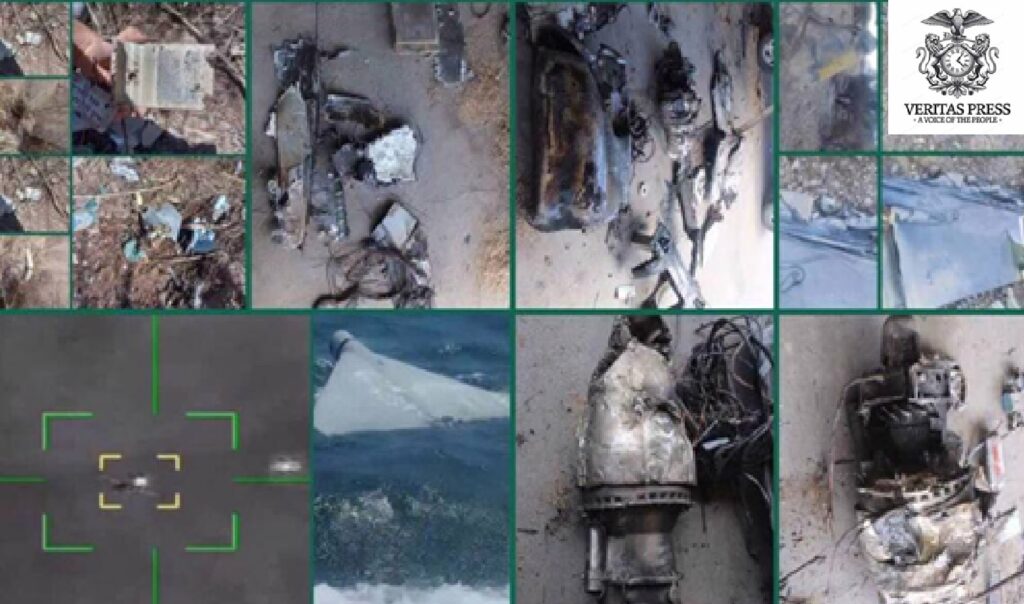
What began on February 28, 2026, as a coordinated US-Israeli campaign to decapitate Iran’s military
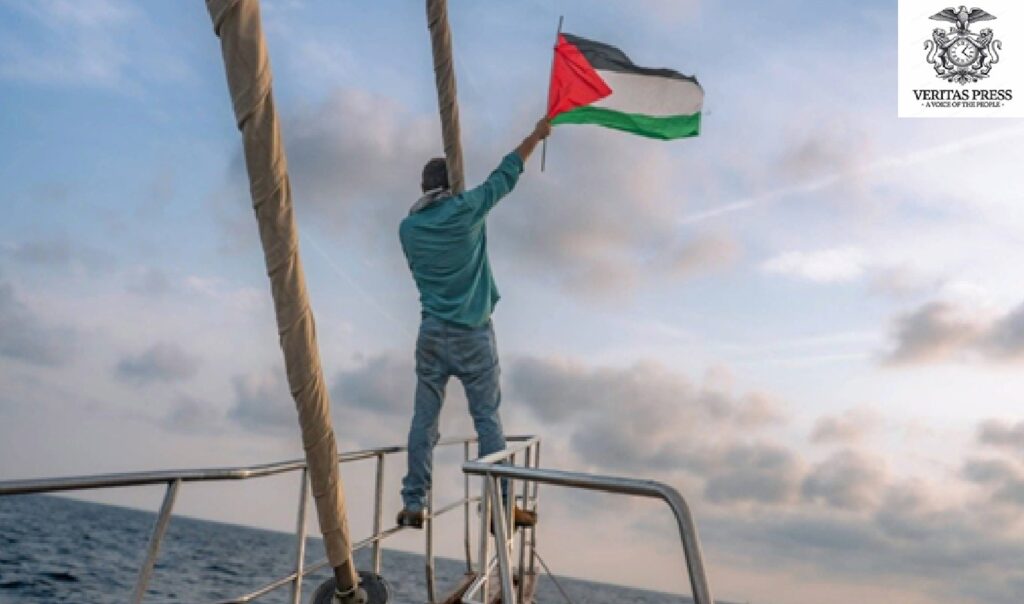
The idea of a “freedom flotilla” carries a ghost in its hold: the 2010 Mavi

Original Article Date Published: Article Date Modified: Help support our mission, donate today and be

Original Article Date Published: Article Date Modified: Help support our mission, donate today and be
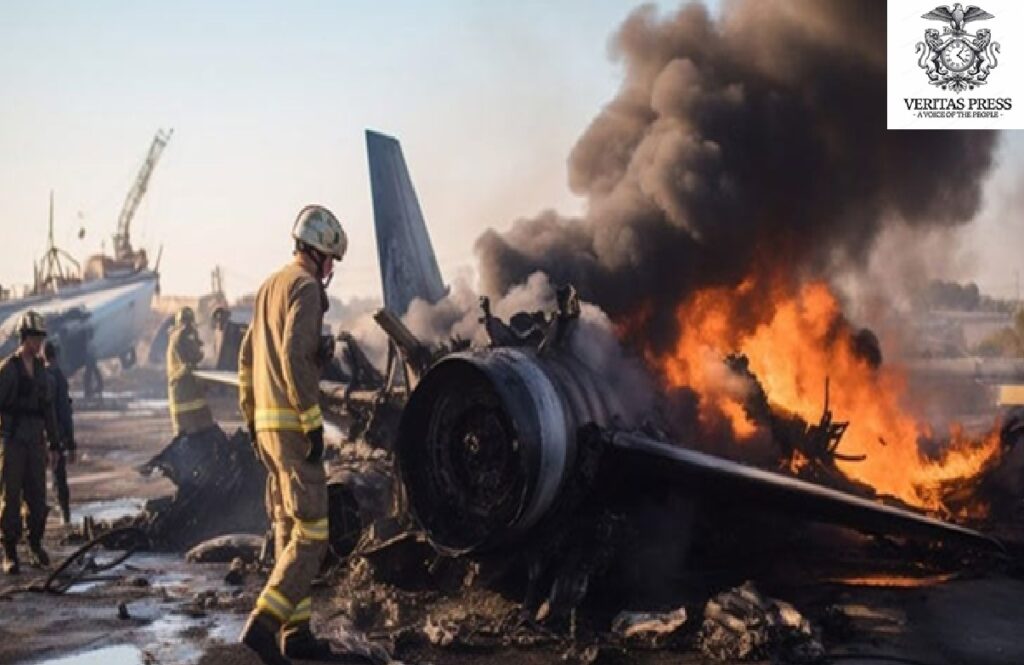
A United States fighter jet has been shot down over Iran, marking a dangerous and
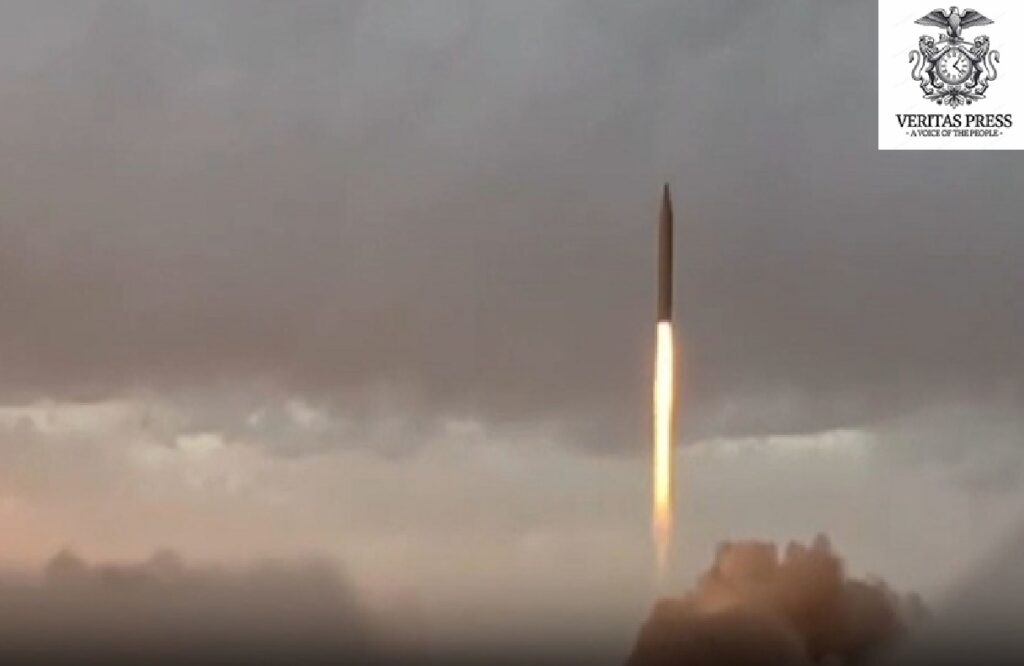
On February 28, the United States and Israel launched coordinated strikes on Iran, reported by

LONDON, UK – Just weeks after being appointed as the government’s “Cost of Living Champion”,

On February 28, 2026, the first wave of U.S.-Israeli pre-emptive strikes hit Iranian military and
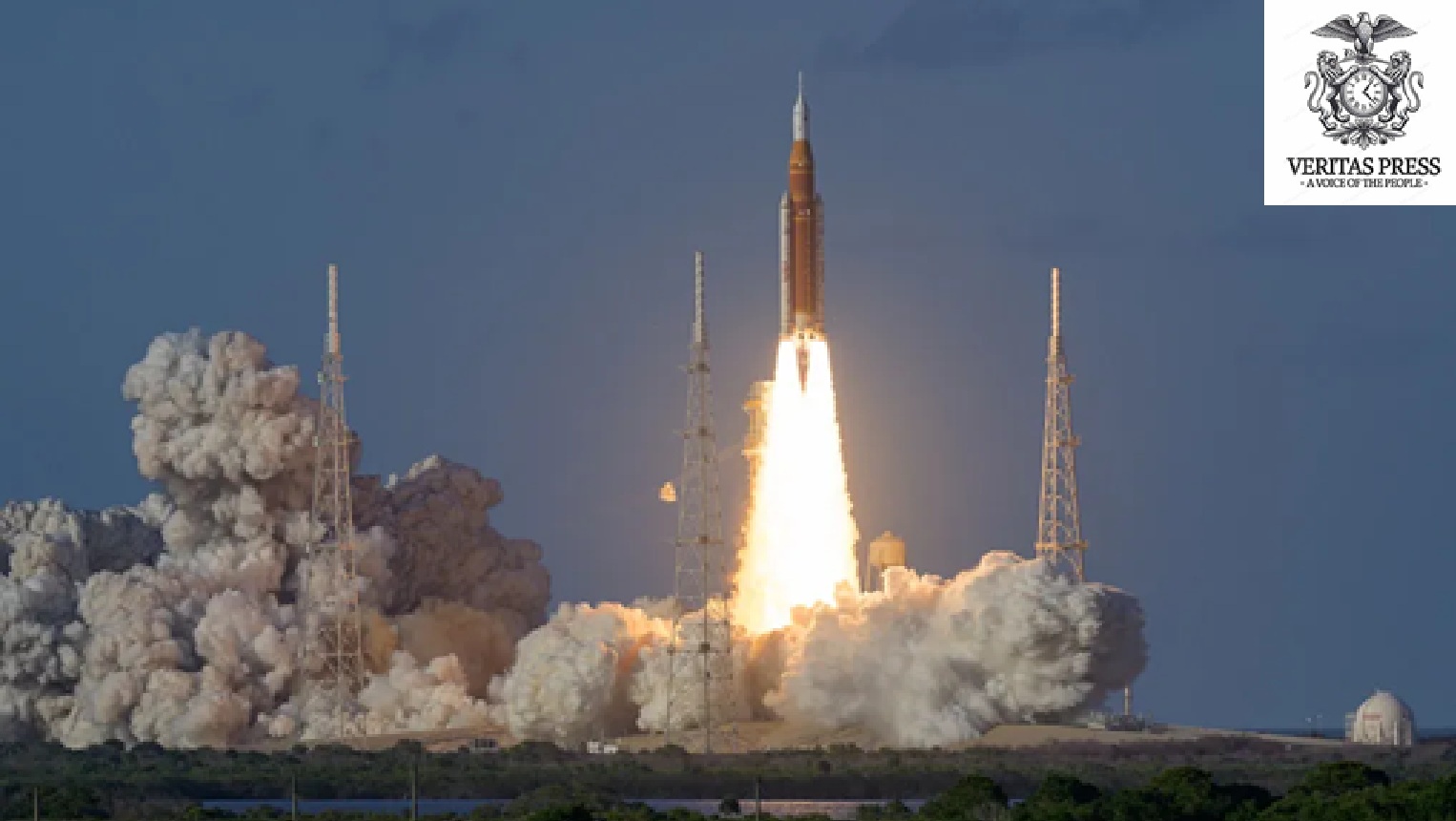
USA, NASA – Spurred by American ingenuity, astronauts on NASA’s Artemis II mission are in