


Date Published:
Modified Date:
A System Of Coercion Rather Than Isolated Incidents
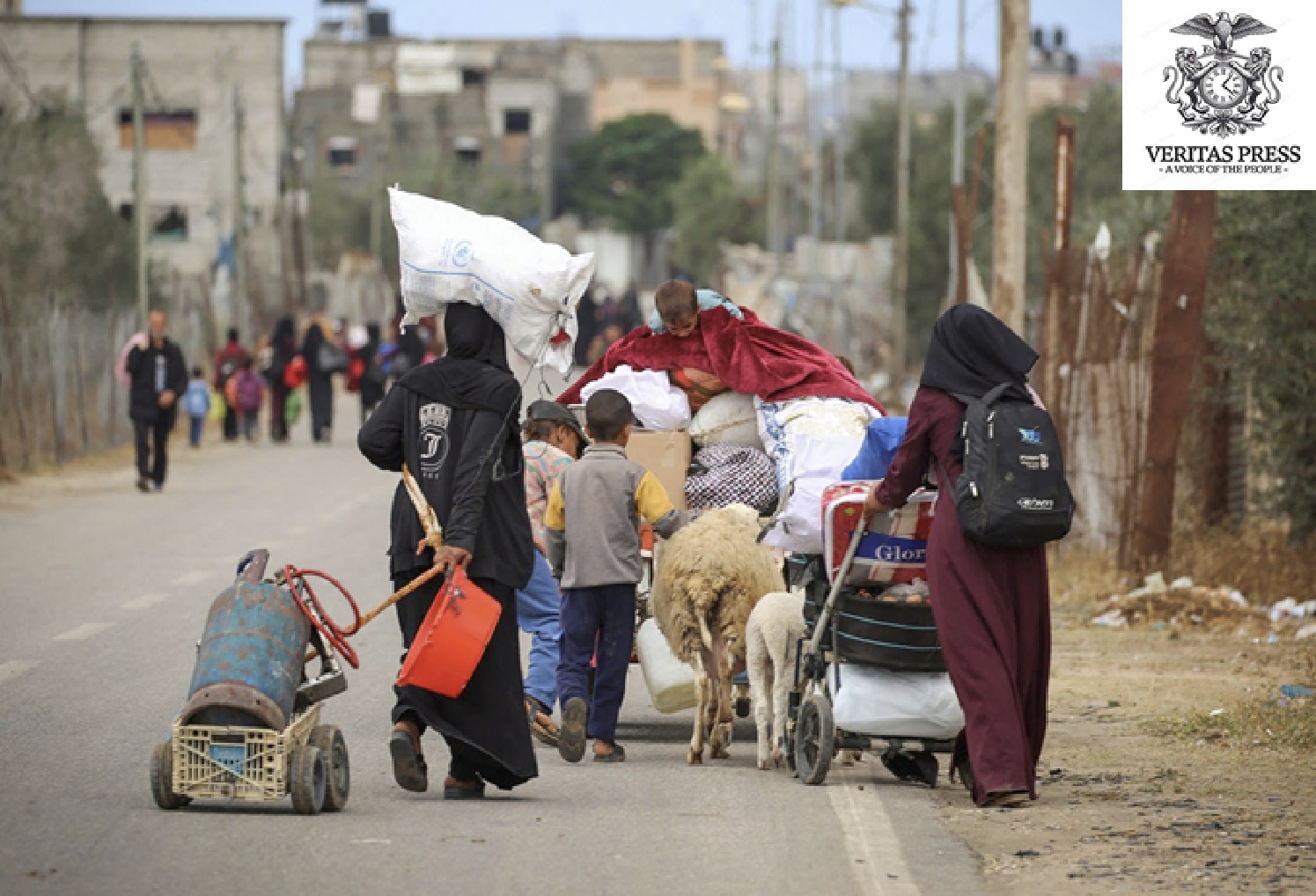
Since January 1, 2026, more than 900 Palestinians have been forcibly displaced in the occupied West Bank, according to the United Nations Office for the Coordination of Humanitarian Affairs (OCHA). These displacements have been driven primarily by Israeli settler violence, demolitions and access restrictions, yet the scale and pattern of attacks suggest a coordinated system of structural coercion aimed at dislodging entire Palestinian communities from key strategic areas.
UN officials have repeatedly emphasised that recurrent settler attacks, intimidation, destruction of property, and restrictions on land and water access create an environment of compulsion, where leaving one’s home becomes a matter of survival rather than choice. This pattern, when sustained over time and combined with discriminatory policies, amounts to forcible transfer, a violation of international humanitarian law that, depending on intent and context, may constitute ethnic cleansing under international legal norms.
Forced Violence And Coercive Displacement: Patterns Of Structural Pressure, Settler Violence As A Tool Of Exclusion.
In community after community, evidence shows that settler violence is not random but systematic, aimed at undermining Palestinian life and presence.
Violence With Impunity
According to OHCHR, settlers, often backed or tolerated by Israeli security forces, routinely:
- Attack villages, injuring and killing residents, torching property, and stealing livestock.
- Block ambulances and access to essential services.
- Force families out after persistent harassment, arson and threats.
“The pattern is chillingly consistent,” a UN rights official in the West Bank told the press recently, describing settler violence as a key driver of forced displacement, especially in Area C, the Jordan Valley and parts of Area B.
Demolitions and Denied Access
Alongside attacks, house demolitions, justified on discriminatory permit grounds, have accelerated. The Palestinian Centre for Human Rights and other rights bodies have unequivocally labelled this escalation not only as collective punishment but as a component of ethnic cleansing aimed at erasing Palestinian residential presence from contested areas of the West Bank.
Ethnic Cleansing And Erasure: Legal And Humanitarian Perspectives.
International Legal Frameworks
Ethnic cleansing is not merely rhetorical; it has specific grounding in international legal analyses. Forced displacement aimed at “rendering an area ethnically homogeneous by using force or intimidation to remove persons of a given group” aligns with recognised definitions of ethnic cleansing used by UN commissions and human rights bodies.
Even within broader UN frameworks, senior human rights officials have noted that:
- The “forcible transfer of Palestinians within the occupied West Bank is a war crime and may amount to a crime against humanity.”
- Continuous demographic engineering, through settlement expansion, demolition policies and systemic violence, reflects a coherent strategy to diminish Palestinian presence.
Human Rights Watch and Structural Violence:
Human Rights Watch has documented how Israeli authorities’ conduct across the OPT (Occupied Palestinian Territory) systematically privileges Israeli Jewish settlers while discriminating against Palestinians on multiple fronts, including in land, housing, mobility and legal protections, linking these policies to a longstanding objective of maintaining Jewish Israeli control over demographics and territory.
In Gaza, HRW has even concluded that forced displacement and systematic destruction have reached levels consistent with ethnic cleansing and crimes against humanity, an analytical frame increasingly invoked by observers in the West Bank as well.
Voices From The Ground: “Erasure Before Our Eyes”
“They Destroyed Our Lives and Our History” — Local Residents
Community members displaced from herding areas like Ras Ein al‑Auja and Al Hadidiya describe a familiar sequence: settlers’ outposts emerge; water and pastureland are cut off; attacks escalate; families are left with no choice but to flee under duress.
Maher Ubayat, a resident of Kisan whose home was demolished, told Médecins Sans Frontières (MSF) teams: “They would not let us take our belongings. They drove over them with the bulldozer. This was not just demolition, this was erasure. All my life’s work, gone.”
Another displaced farmer in Hebron recounted: “We watched our fields, our house, our newspapers, and our old family photos crushed under the bulldozers. They didn’t just destroy buildings, they destroyed our past.”
Experts, Activists And International Voices: A Broader Pattern Of Erasure.
Civil Society and Rights Organisations
Oxfam has warned that the West Bank is experiencing the largest forced displacement since 1967, with operations, closures, and demolition levelling livelihoods and disrupting essential services, all while humanitarian work is obstructed.
MSF teams have spoken of a risk of ethnic cleansing as homes and civilian infrastructure, including schools and clinics, are demolished, not just in isolated raids but across multiple locations over time.
Faith Leaders and Moral Condemnations
Senior Church of England bishops visiting Palestinian communities warned of a “de facto annexation” of the West Bank that, through violence and policy measures, is effectively denying Palestinians their historical, cultural and physical presence on the land. They described displaced families facing a grave choice “between displacement or death,” urging stricter international enforcement of obligations under international law.
Political and Legal Analysts
Legal experts and activists point out that forced displacement, as recorded not just in the latest 900-plus figure but in sustained patterns since 2023, reflects not random chaos but a strategy of erasure:
- Repeated expulsions from traditional villages and grazing lands.
- The emptying of entire refugee camps.
- Settlement expansion into formerly Palestinian land.
These trends cohere around what analysts describe as demographic engineering, the systematic restructuring of population presence and control.
Erasure of History and Cultural Identity
The issue extends beyond people to heritage and memory. The planned expropriation and redevelopment of historic sites like Sebastia has sparked Palestinian outrage. Locals see it as an attempt to retell history through the lens of conquest and settlement, nullifying centuries of Palestinian connection to the land and its layered heritage.
This cultural dimension underscores how displacement is not just physical but also tied to the erasure of cultural identity, memory and historical continuity.
Conclusion: West Bank Displacement, A Coordinated Campaign Of Violence, Erasure, And Ethnic Cleansing.
The forced displacement of over 900 Palestinians in early 2026 is far more than a humanitarian statistic. It is evidence of a sustained, systematic strategy of coercion, violence, and erasure. Field reports, UN assessments, and testimonies from victims converge to show that Israeli settler attacks, demolition orders, access restrictions, and infrastructure denial are not isolated or incidental; they function as coordinated tools to dislodge Palestinians from strategically significant areas of the West Bank.
As UN spokesperson Stéphane Dujarric emphasised, “High levels of displacement continue…mostly due to settler violence and access restrictions followed by demolitions.” Local residents attest that fleeing their homes is not a choice but a matter of survival, while human rights organisations document the intentional targeting of communities to undermine livelihoods, erase cultural and historical presence, and prevent return.
The latest UN figures, over 900 forcibly displaced people in early 2026, reflect:
- Systematic patterns of violence and coercion that strip communities of land, life, and livelihood.
- Policies and practices consonant with forcible transfer are a breach of international humanitarian law.
- A coalescence of tactics — including settler violence, demolition, restrictions on movement, and denial of infrastructure, that collectively function to erase Palestinian presence on strategic territory.
- An evolving demographic engineering project of settlement expansion and indigenous erasure under occupation.
As residents attest, rights organisations document, and international legal frameworks articulate, this is not random displacement; it is displacement with intent and consequence, shaping the future of the West Bank and the fate of its Palestinian inhabitants. Maher Ubayat, a displaced father from Kisan, told Médecins Sans Frontières: “They drove over our belongings with bulldozers. This was not just demolition, this was erasure. They destroyed our lives and our history.”
Analysts and legal experts note that these practices constitute a coherent campaign of ethnic cleansing, aimed not only at the physical removal of Palestinians but at the systematic erasure of their cultural, historical, and social presence. From demolished homes to destroyed schools and severed access to farmland, the impact extends beyond immediate displacement, undermining the very continuity of Palestinian life on these lands.
The West Bank today is therefore not merely a site of humanitarian crisis but a laboratory of structural dispossession and erasure, where deliberate policies and practices aim to reconfigure demographics, erase history, and consolidate control. Without decisive international intervention, enforcement of international law, and accountability for perpetrators, the cycle of violence, displacement, and erasure will continue, shaping the political, cultural, and social future of Palestine for generations.
As one displaced resident put it, “We are not leaving because we want to. We are leaving because they want to erase us.” This is the stark reality on the ground: a coordinated, multi-layered assault on Palestinian existence, physical, generational, cultural, and historical, that demands urgent global recognition and action.
MOSCOW, LONDON – In what marks a significant escalation in the prolonged confrontation between London
TEL-AVIV – When Lieutenant General Eyal Zamir, Chief of Staff of the Israel Defence Forces
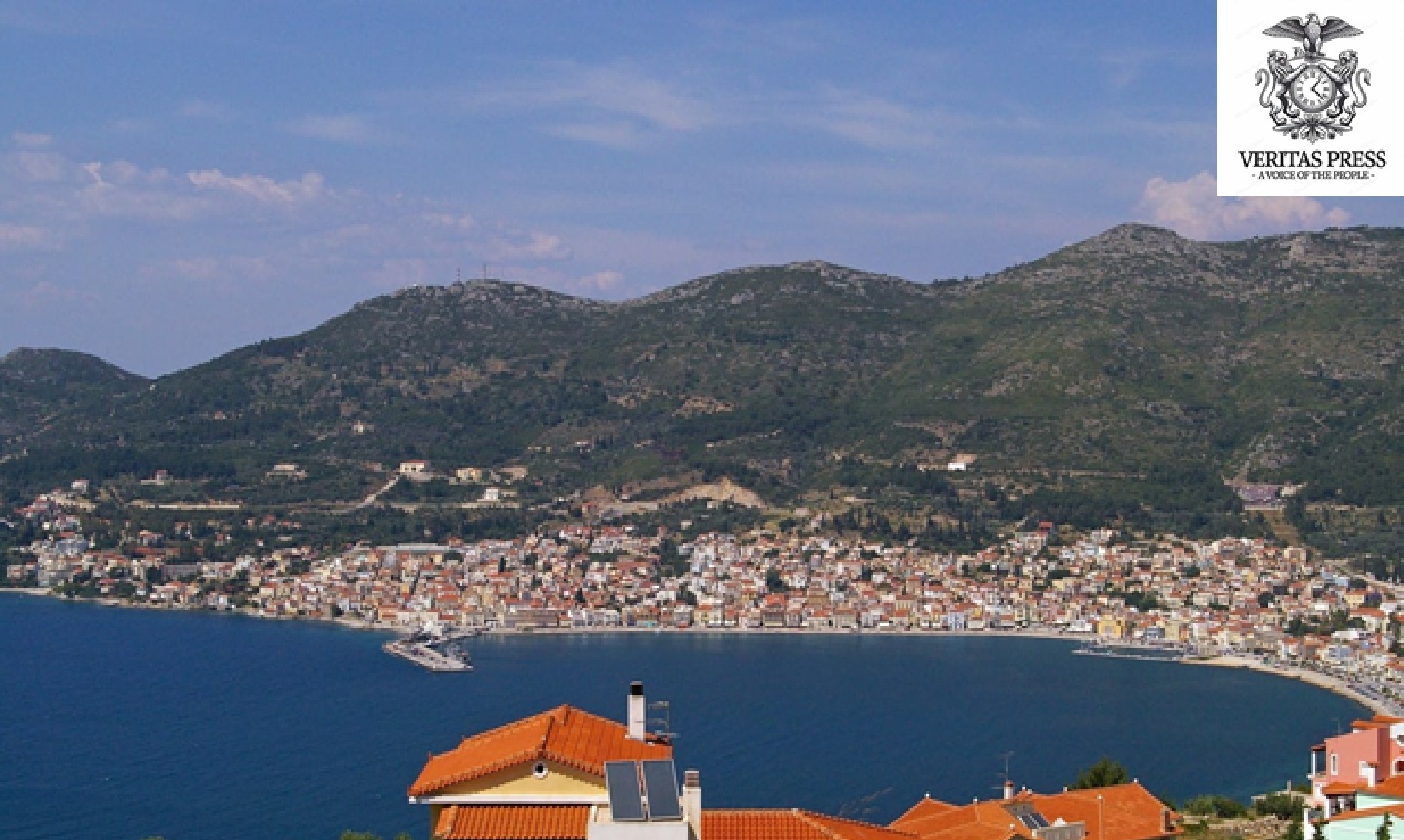
GREEK ISLANDS – A controversial proposal by Israeli politician Avri Steiner to purchase Greek islands
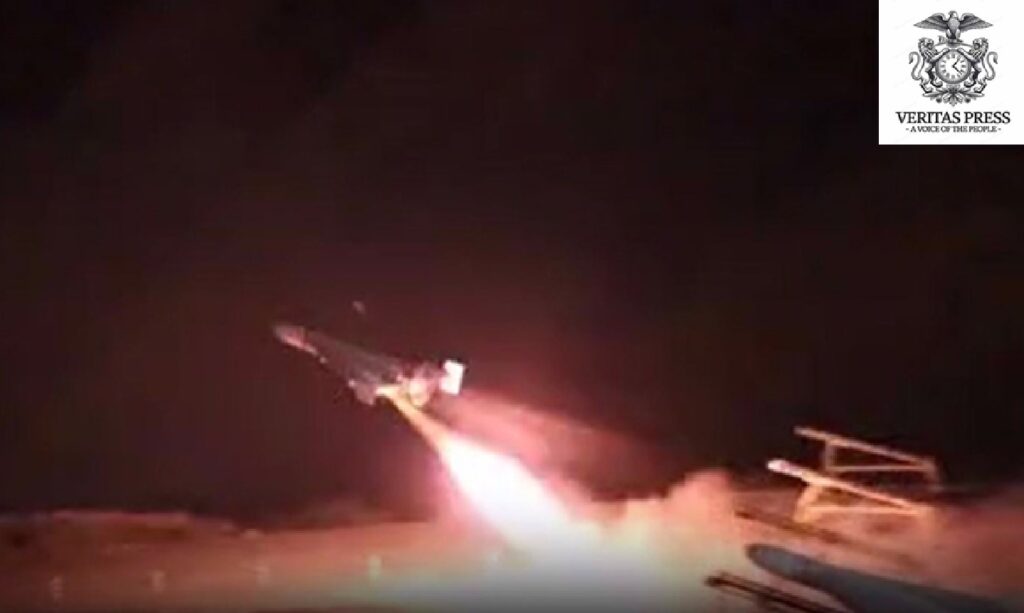
TEHRAN, IRAN – In the early hours of Thursday, the Islamic Revolutionary Guard Corps (IRGC)
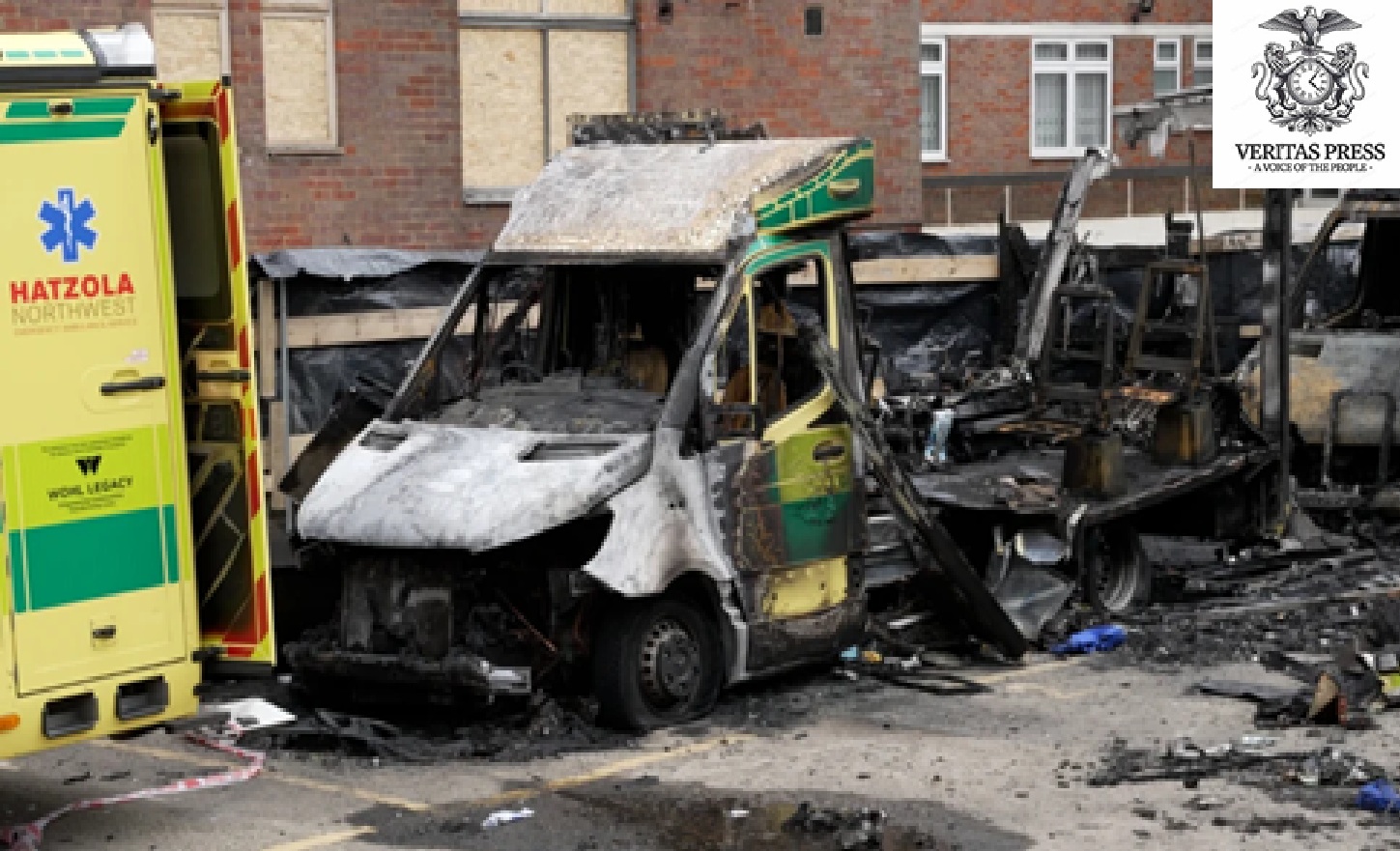
LONDON, UK – In the early hours of Monday morning, a quiet street in Golders
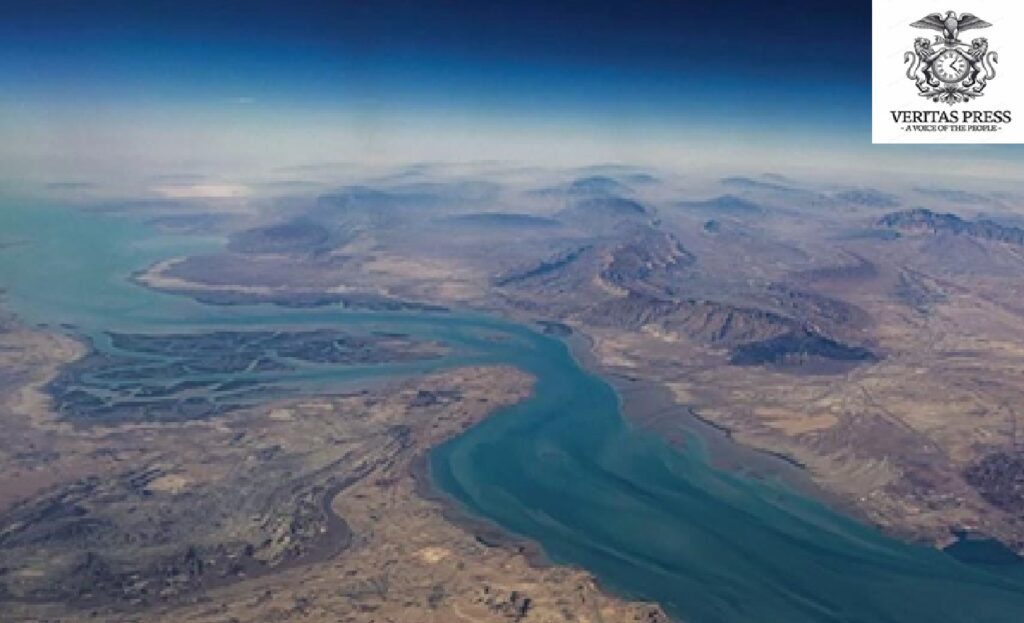
SEOUL / TEHRAN — In a packed press conference at the Iranian Embassy in Seoul’s
Pakistan’s imprisoned former prime minister Imran Khan has issued one of his most forceful denunciations
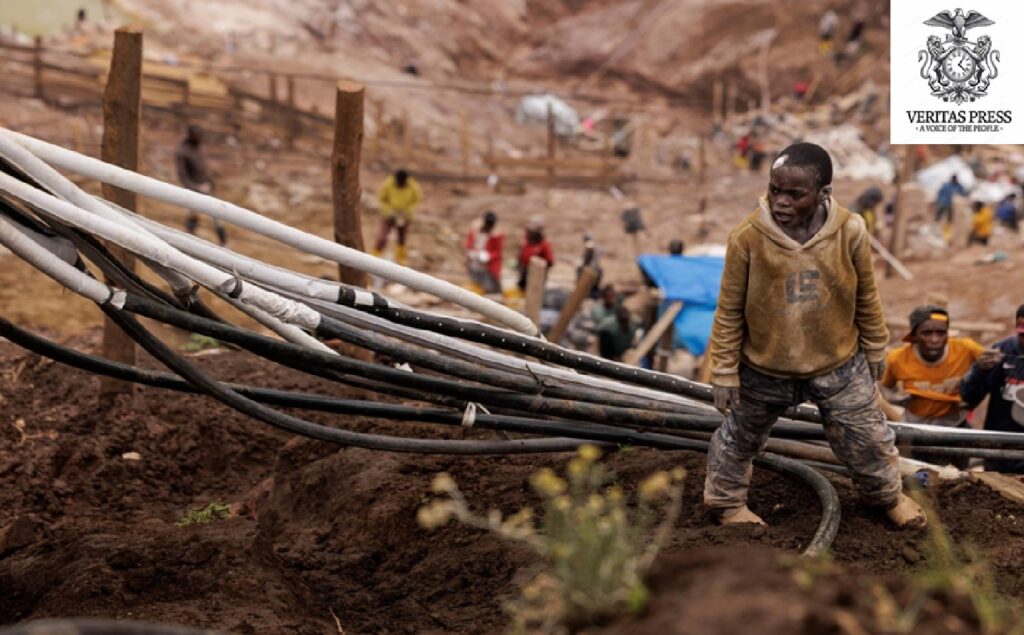
At the Rubaya mining complex in eastern Democratic Republic of Congo, the hillside known as
On the 25th day of a conflict that has already rewritten the geopolitical map of
On the outskirts of Nabatieh, where the Mediterranean breezes once carried the scent of olive