
Original Article Date Published:
Article Date Modified:
Help support our mission, donate today and be the change. Every contribution goes directly toward driving real impact for the cause we believe in.
A fragile ceasefire intended to pause a 40-day war and reopen the world’s most critical oil artery is showing severe strain just three days into a two-week agreement, with the Strait of Hormuz remaining largely shut and Israel escalating its campaign in Lebanon. As US and Iranian negotiators prepared for indirect talks in Islamabad, a diplomatic format that underscores the depth of mistrust between the two adversaries, the fundamental question looms: can a ceasefire built on contradictory interpretations survive, or is the region merely catching its breath before the next eruption of violence?
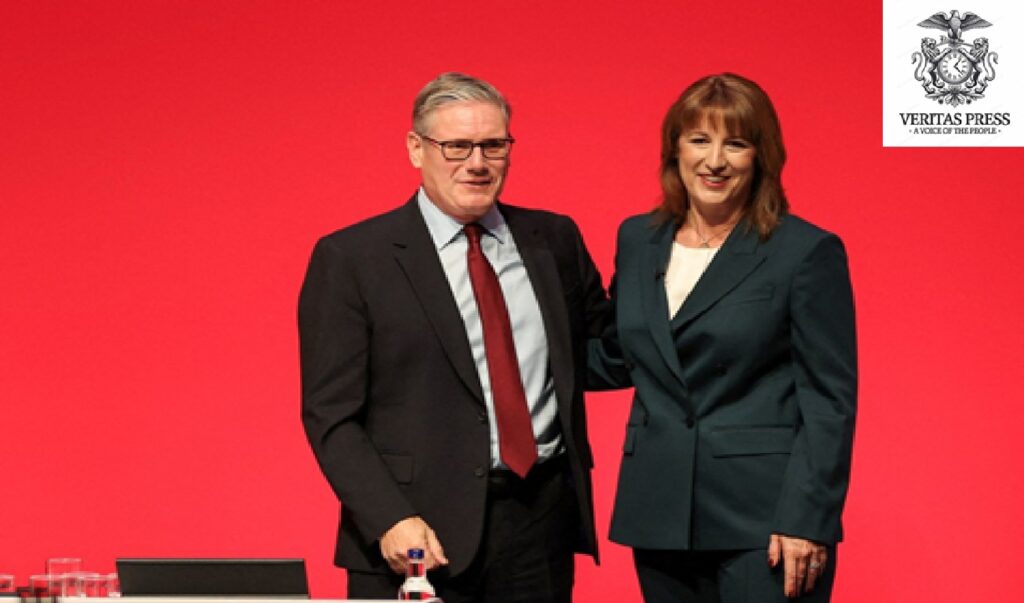
This moment of tense anticipation has also exposed a profound fissure in the transatlantic alliance, with UK Prime Minister Keir Starmer publicly expressing frustration with both US President Donald Trump and Russian President Vladimir Putin, blaming their geopolitical actions for a cost-of-living crisis in Britain, a rare and calculated rebuke that reflects the mounting economic and political pressure on European leaders who have been sidelined in a war they did not start but must now navigate.
The Strait Of Hormuz: A Ceasefire Without Free Passage
The central promise of the ceasefire announced on April 8 was the reopening of the Strait of Hormuz, through which roughly one-fifth of the world’s oil and liquefied natural gas normally passes. Instead, the strait remains under tight Iranian control, with commercial shipping operating at less than 10% of normal levels. Where approximately 140 ships once transited daily, just seven vessels were recorded in a recent 24-hour period. According to maritime analytics firm Windward, this is “not a recovery phase but a supervised pause,” with vessels navigating only through corridors designated by Iran’s Islamic Revolutionary Guard Corps rather than standard commercial routes.
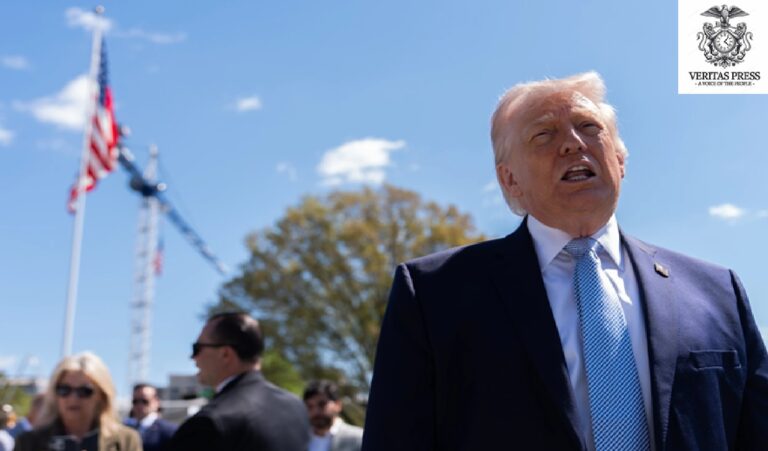
Iran’s Supreme Leader, Mojtaba Khamenei, marking 40 days since the death of his father in US-Israeli strikes, signalled that Tehran would elevate its management of the strait to “a new dimension”. This statement, read on state television, fueled speculation that Iran may impose transit fees of up to $2 million per vessel, a prospect that drew immediate and sharp reaction from Washington. President Trump took to Truth Social, declaring: “There are reports that Iran is charging fees to tankers going through the Hormuz Strait. They better not be and, if they are, they better stop now!” In a separate post, he accused Iran of “doing a very poor job” of allowing oil to pass, adding bluntly: “That is not the agreement we have!”
The human and economic consequences are mounting. Lloyd’s List estimates that around 800 ships remain stranded in the Persian Gulf, while Windward’s data suggests approximately 3,200 vessels overall are stuck west of the strait, including nearly 800 tankers and cargo ships. The head of the UAE’s major oil company, Sultan al-Jaber, warned that some 230 oil-laden ships were waiting to transit and must be permitted “to navigate this corridor without condition.”
The impact on global energy markets has been severe. Brent crude, the international benchmark, hovered around $96-98 per barrel on April 10, up more than 35% since the war began and approximately $31 higher than a year ago. Barclays analysts delivered a sobering assessment: “$65-70 a barrel is not coming back,” adding the pithy observation: “A ceasefire is not a refund. Ceasefires end wars; they don’t undo them.”
The Lebanon Contradiction: A Truce Divided
The most immediate threat to the ceasefire’s survival lies in Lebanon, where Israel has intensified its military campaign against Hezbollah despite the truce announcement, and indeed, in direct contradiction to Iran’s and Pakistan’s understanding of the agreement’s scope.
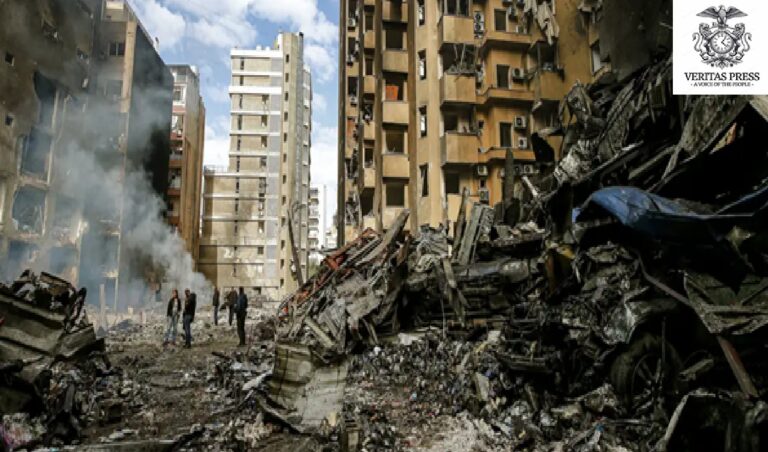
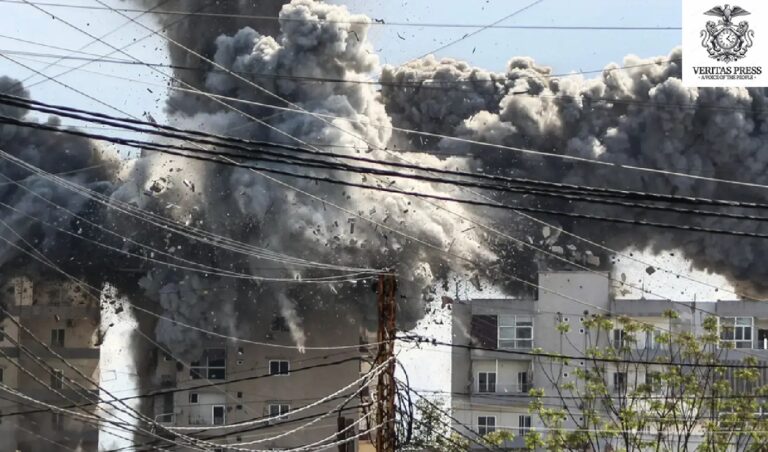
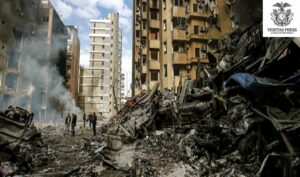
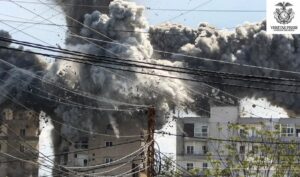
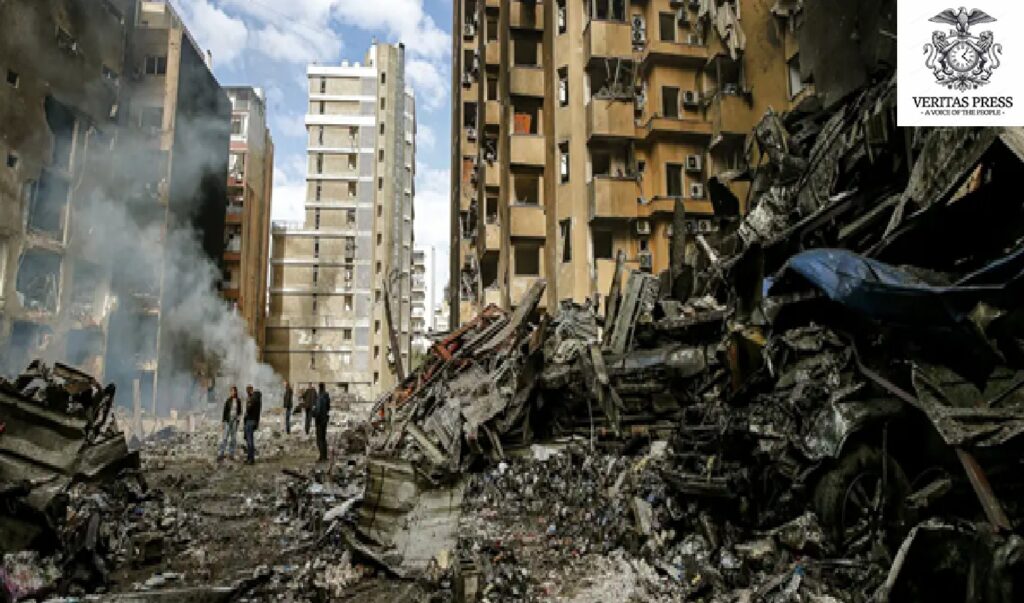
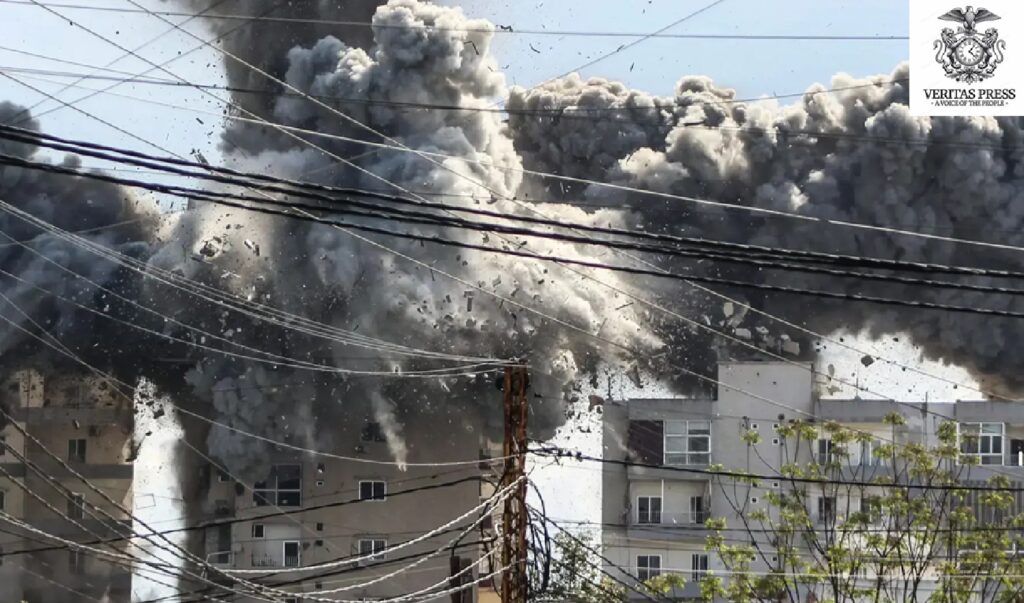
Israeli Prime Minister Benjamin Netanyahu has been unequivocal: “There is no ceasefire in Lebanon. We are continuing to strike Hezbollah with full force, and we will not stop until we restore your security.” On the same day the ceasefire was announced, Israel launched its heaviest bombardment of Lebanon since the war began, killing more than 300 people according to Lebanon’s Health Ministry. The strikes continued through Friday, including an airstrike on a carwash in Jba’a that killed six people, the owner, his two sons, and three others. Early Friday, Israel’s military reported striking approximately 10 launchers in Lebanon that had fired rockets toward northern Israel, while Hezbollah claimed responsibility for multiple strikes targeting Israeli military infrastructure and the northern city of Haifa.
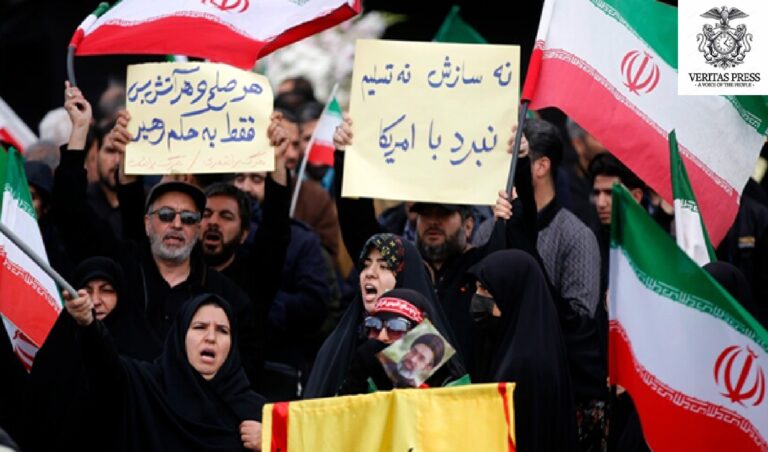
The disagreement over whether Lebanon falls under the ceasefire is not a minor interpretive nuance. It is a fundamental rift that could collapse the entire diplomatic edifice. Pakistan, which brokered the truce, insists the ceasefire applies “everywhere, including Lebanon.” Iran’s Foreign Ministry spokesman, Esmaeil Baqaei, stated that “the holding of talks aimed at ending the war depends on the United States respecting its cease-fire commitments on all fronts, especially in Lebanon.” Iranian President Massoud Pezeshkian went further, declaring that Israeli strikes render “the negotiations meaningless.”
Yet Washington and Israel maintain that Lebanon was never part of the deal. US Vice President JD Vance acknowledged there may have been a “legitimate misunderstanding” over Lebanon’s inclusion. This ambiguity appears to have been deliberately preserved during negotiations, allowing both sides to claim different interpretations while papering over an irreconcilable difference that is now being tested by live fire.
Netanyahu has simultaneously announced that he has authorised direct negotiations with Lebanon aimed at “disarming Hezbollah” and establishing “peaceful relations between Israel and Lebanon.” A first preparatory meeting between Israeli and Lebanese ambassadors is scheduled for next week in Washington. But Lebanese officials insist no talks can proceed under fire, with President Joseph Aoun stating that “the only solution to the current situation in Lebanon is to achieve a ceasefire between Israel and Lebanon.”
Humanitarian organisations have expressed grave concern over the scale and intensity of strikes in Lebanon, warning that the civilian toll is mounting rapidly. The International Committee of the Red Cross, in a statement responding to the bombardment, said: “The level of civilian harm we are witnessing in Lebanon is unacceptable. Parties must distinguish between military objectives and civilians at all times.” Meanwhile, a senior Lebanese official, speaking anonymously to Reuters, described the current effort as “a separate track but the same model” as the US-Iran truce, seeking a temporary ceasefire to allow for broader negotiations.
Islamabad Talks: Diplomacy On A Knife’s Edge
Against this backdrop of violence and recrimination, the highest-level US-Iran talks in years were scheduled to begin in Islamabad. The format itself, indirect negotiations with Pakistani officials shuttling between separate rooms at the Serena Hotel, speaks to the profound distrust between the two adversaries. Islamabad, normally bustling, was transformed into a virtual ghost town with Thursday and Friday declared public holidays and heavy security blanketing the capital.
The US delegation is led by Vice President JD Vance, accompanied by special envoy Steve Witkoff and Jared Kushner, President Trump’s son-in-law. Iran has not officially confirmed its full team, but reports suggest Parliament Speaker Mohammad Bagher Ghalibaf and Foreign Minister Abbas Araghchi will lead. However, as of Friday morning, uncertainty hung over whether the Iranian delegation would even attend, with no announcement on their arrival and both sides trading accusations. Iran’s semi-official Tasnim news agency, close to the Revolutionary Guard, claimed talks would not happen unless Israel halted attacks in Lebanon.
The negotiating positions reveal a chasm between the two sides. Washington is pushing a reported 15-point proposal that includes limits on Iran’s nuclear program, restrictions on its missile capabilities, and the reopening of the Strait of Hormuz. Iran has countered with its own 10-point plan demanding lifting of all sanctions, maintaining control of the Strait of Hormuz, acceptance of Iran’s right to nuclear enrichment, reparations for war damage, and an end to the war, including against Hezbollah in Lebanon.
The talks are expected to last up to 15 days, potentially extending beyond the two-week ceasefire window. This timing creates a precarious dynamic: negotiations must produce sufficient progress to justify extending the truce before it expires on April 22, even as the underlying conflict continues on multiple fronts.
The Transatlantic Rift: Starmer’s Calculated Critique
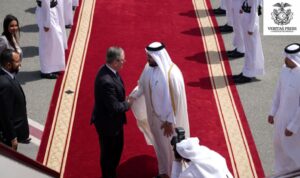
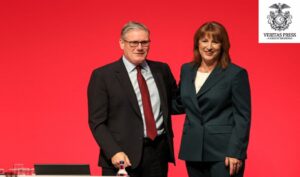
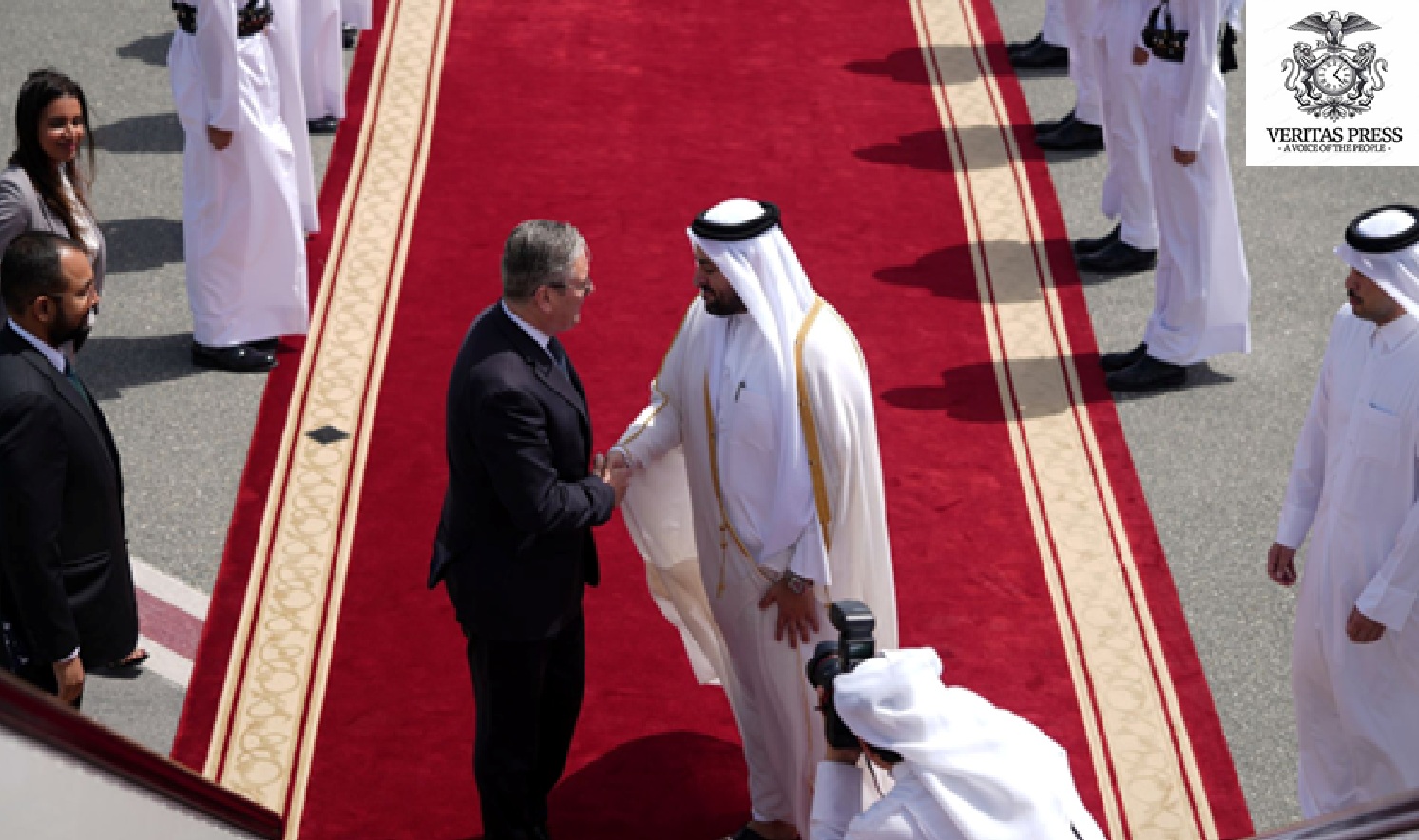
Perhaps the most revealing dimension of this crisis lies not in the Middle East but in the strained relations between Washington and its closest European allies, particularly the United Kingdom. Prime Minister Keir Starmer’s public expression of frustration with President Trump represents a significant departure from the traditional deference of British premiers toward American presidents.
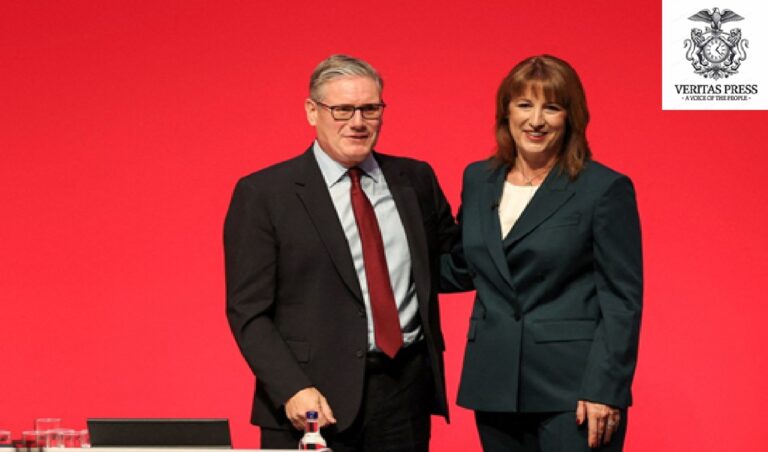
Speaking to ITV’s Robert Peston during his Gulf tour, Starmer said: “I’m fed up with the fact that families across the country see their bills go up and down on energy, businesses’ bills go up and down on energy because of the actions of Putin or Trump across the world.” The comparison, drawing explicit equivalence between a US president and the Russian leader who invaded Ukraine, was deliberate and politically calibrated.
Starmer also broke with Washington over Israel’s Lebanon strikes, stating clearly: “That should stop, that’s my strong view, and therefore, the question isn’t a technical one of whether it’s a breach of the agreement or not… Let me be really clear about it: they’re wrong.” He called for “toll-free navigation” through the Strait of Hormuz, emphasising that “open” must mean “open for safe navigation.”
Yet when pressed on whether he had expressed this frustration directly to Trump during their Thursday phone call, Starmer’s response was notably evasive. He indicated the conversation focused instead on “the practical plan” for reopening the strait, without specifying what that plan entailed. This gap between public rhetoric and private diplomacy captures the bind Starmer finds himself in: needing to demonstrate independence and protect British economic interests while preserving a relationship with an unpredictable American president who has repeatedly mocked and belittled European leaders.
Trump’s treatment of allies has been consistently abrasive throughout this conflict. He has ridiculed Starmer as “no Winston Churchill,” shared satirical videos portraying the British leader as scared to take his calls, and suggested that French President Emmanuel Macron’s wife “treats him extremely badly.” Toward Spanish Prime Minister Pedro Sánchez, who has been outspoken in opposing the wars in Iran and Gaza, Trump has threatened to cut off trade and warned that if the US wanted to use Spain’s bases, “nobody is going to tell us not to use it.”
Starmer, writing in The Guardian, sought to frame the crisis as a catalyst for British strategic independence: “The war in Iran must now become a line in the sand, because how we emerge from this crisis will define all of us for a generation.” He promised his government would not simply “manage the crisis, find a sticking plaster and then desperately try to reassert the status quo.” Instead, he argued for investments in renewable energy, defence resilience, and economic security, a vision of “remaking this country” so that Britons “are not at the mercy of events abroad.”
Whether this rhetoric translates into concrete policy remains to be seen. But the political calculus is clear: with local elections looming back home, Starmer needs to demonstrate that he is fighting for British households facing soaring energy costs, even if that means publicly criticising the US president while privately avoiding direct confrontation.
The Human Toll And Economic Fallout:
Beyond the geopolitical manoeuvring, the human cost of this conflict continues to mount. The 40-day war has killed thousands across the region, with casualties reported in Iran, Lebanon, Israel, and Gulf nations. The International Monetary Fund’s managing director, Kristalina Georgieva, warned that “had it not been for this shock, we would have been upgrading global growth. But now, even our most hopeful scenario involves a growth downgrade.”
For ordinary citizens far from the conflict zone, the impact arrives through rising prices at the pump and grocery store. Oil’s surge to nearly $120 per barrel, up more than 50% from a year ago, ripples through every sector of the global economy. In the UK, where Starmer faces domestic pressure over cost-of-living concerns, the prime minister’s Gulf tour was as much about managing economic fallout as about diplomacy. He announced that the UK had pulled together a coalition of over 30 countries to work on “a political and diplomatic plan, but also looking at military capabilities and actually the logistics of moving vessels through the Strait.”
Outlook: A Hinge Moment
The coming days will determine whether the fragile ceasefire evolves into something durable or collapses under the weight of its own contradictions. Several pressure points will shape the outcome:
First, the Lebanon question must be resolved, or at least managed, for the Islamabad talks to proceed meaningfully. Iran’s threat to walk away if Israeli strikes continue is not empty posturing; Tehran’s credibility with its regional allies, particularly Hezbollah, depends on demonstrating that the ceasefire protects the entire “axis of resistance.”
Second, the Strait of Hormuz must see a genuine reopening. The current trickle of ships under IRGC supervision does not constitute free navigation, and both the US and Gulf states will demand measurable progress before considering any easing of sanctions or other concessions.
Third, the nuclear question, the original justification for the US-Israeli campaign, remains unresolved. Iran insists on its right to enrichment, while Washington demands verifiable limits. Any agreement will require both sides to compromise on positions they have publicly declared non-negotiable.
Finally, the transatlantic relationship faces its own stress test. European leaders like Starmer are navigating between domestic populations angered by economic disruption and an American president who demands loyalty without offering consultation. How this tension resolves could reshape alliance dynamics for years to come.
For now, the ceasefire holds, barely. But as the Islamad talks begin, the gap between the parties’ positions appears as wide as the Strait of Hormuz itself. And like that strategic waterway, it remains firmly under someone else’s control.
Source: Multiple News Agencies
Submissions:
For The Secure Submission Of Documentation, Testimonies, Or Exclusive Investigative Reports From Any Global Location, Please Utilise The Following Contact Details For Our Investigations Desk: enquiries@veritaspress.co.uk or editor@veritaspress.co.uk
Help Support Our Work:
Popular Information is powered by readers who believe that truth still matters. When just a few more people step up to support this work, it means more lies exposed, more corruption uncovered, and more accountability where it’s long overdue.
Help Protect Independent Journalism, Which Is Currently Under Attack.
If you believe journalism should serve the public, not the powerful, and you’re in a position to help, becoming a DONATOR or a PAID SUBSCRIBER truly makes a difference.
DONATION APPEAL: If You Found This Reporting Valuable, Please Consider Supporting Independent Journalism.
Help Support Our Work – We Know, We Know, We Know …
Seeing these messages is annoying. We know that. (Imagine what it’s like writing them … )
Your support fuels our fearless, truth-driven journalism. In unity, we endeavour to amplify marginalised voices and champion justice, irrespective of geographical location.
But it’s also extremely important. One of Veritas Press’s greatest assets is its reader-funded model.
1. Reader funding means we can cover what we like. We’re not beholden to the political whims of a billionaire owner. We are a small, independent and impartial organisation. No one can tell us what not to say or what not to report.
2. Reader funding means we don’t have to chase clicks and traffic. We’re not desperately seeking your attention for its own sake: we pursue the stories that our editorial team deems important and believe are worthy of your time.
3. Reader Funding: enables us to keep our website and other social media channels open, allowing as many people as possible to access quality journalism from around the world, particularly those in places where the free press is under threat.
We know not everyone can afford to pay for news, but if you’ve been meaning to support us, now’s the time.
Your donation goes a long way. It helps us:
- Keep the lights on and sustain our day-to-day operations
- Hire new, talented independent reporters
- Launch real-time live debates, community-focused shows, and on-the-ground reporting
- Cover the issues that matter most to our communities, in real time, with depth and integrity
We have plans to expand our work, but we can’t do it without your support. Every contribution, no matter the size, helps us stay independent and build a truly people-powered media platform.
If you believe in journalism that informs, empowers, and reflects the communities we serve, please donate today.
A fragile ceasefire intended to pause a 40-day war and reopen the world’s most critical
ISLAMABAD / BEIRUT — As dawn breaks over a locked-down Islamabad on Friday, the world’s
Britain is heading into a prolonged economic squeeze, where rising household bills, stagnant wages, and
OCCUPIED EAST JERUSALEM, OPT, April 9, 2026 – After forty days of unprecedented closure, the
BEIRUT/ISLAMABAD — The ink had barely dried on a historic, last-minute ceasefire agreement between the
TEHRAN, WASHINGTON, TEL-AVIV – After 40 days of intense warfare that had reshaped the geopolitical
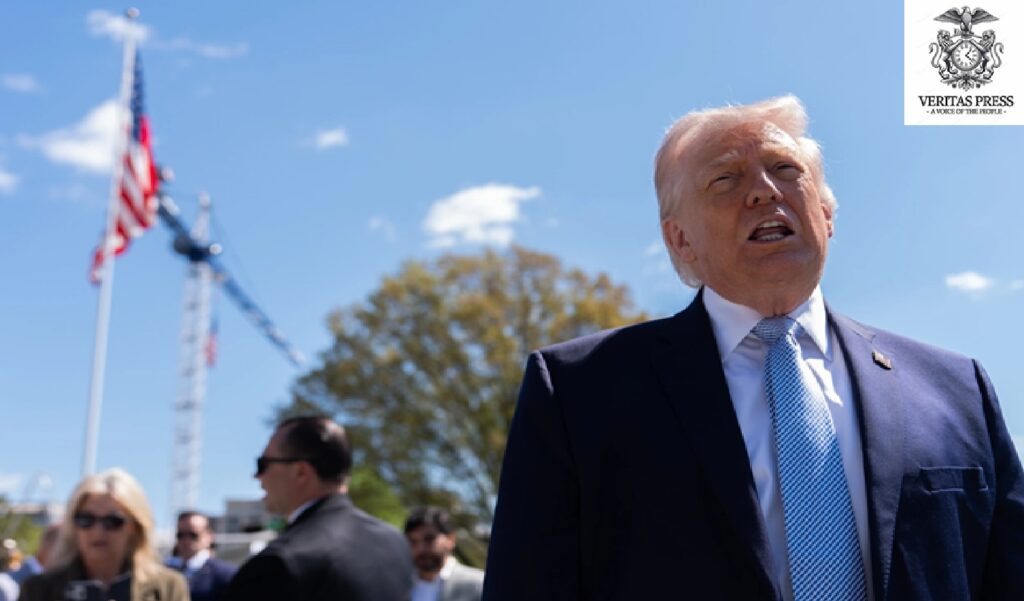
WASHINGTON – Within hours of announcing what he described as a pathway to “long-term PEACE,”
HELSINKI, FINLAND – For seven consecutive years, Finland has been crowned the “happiest country in
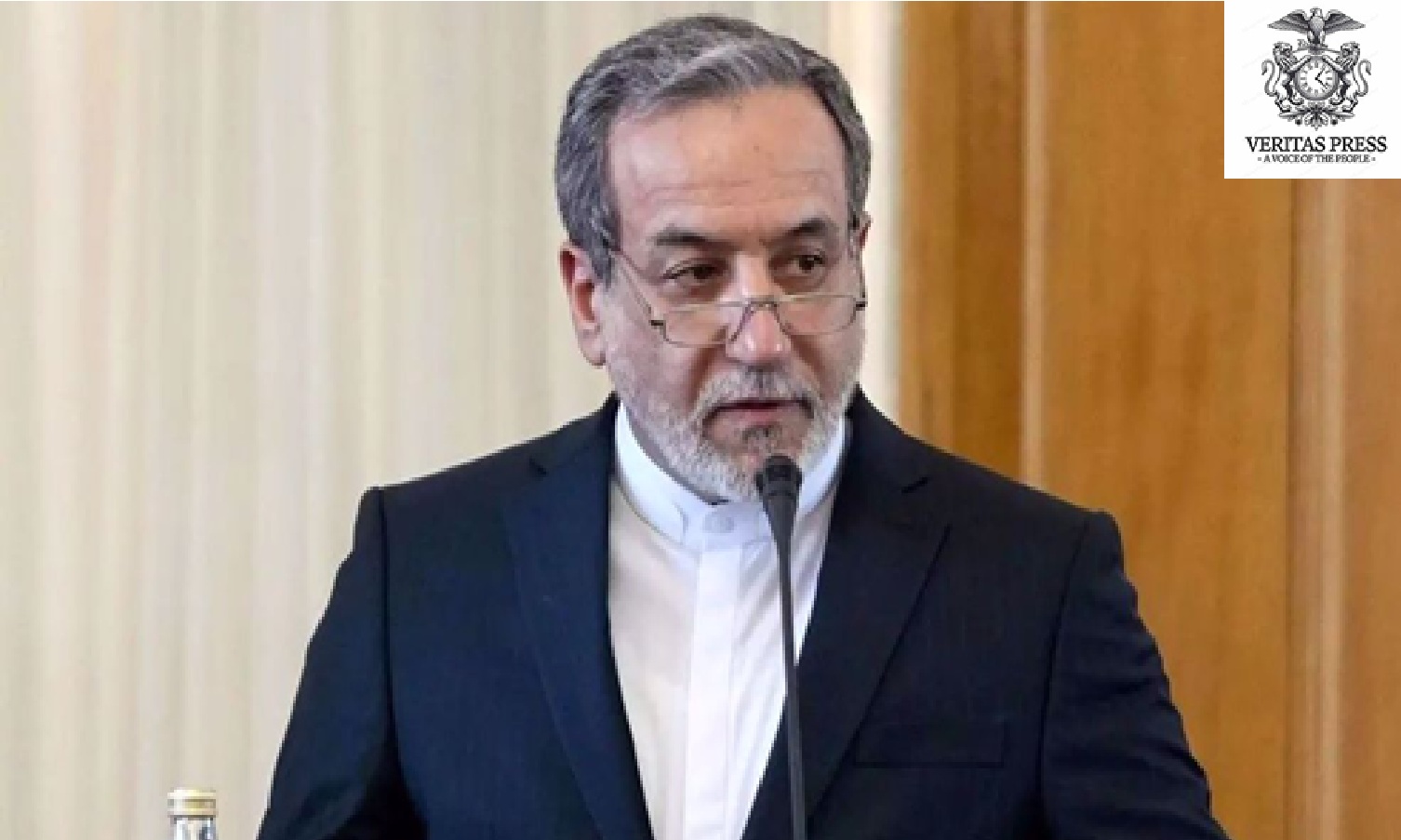
TEHRAN/ISLAMABAD/WASHINGTON — In the early hours of Wednesday, a deafening silence fell over the skies
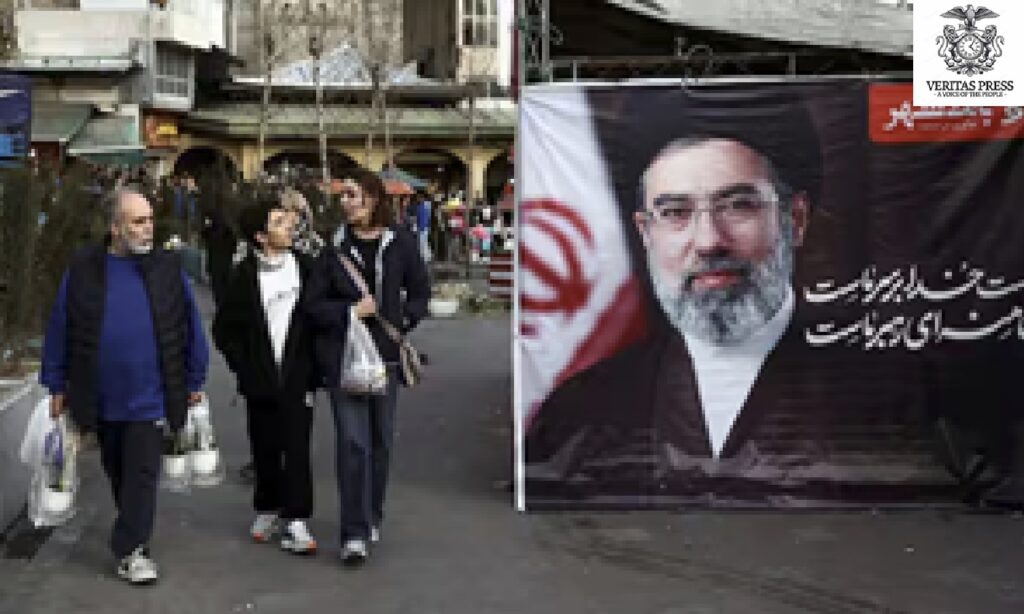
TEHRAN / ISLAMABAD – The world exhaled on April 8, 2026, as the United States