

Original Article Date Published:
Article Date Modified:
Help support our mission, donate today and be the change. Every contribution goes directly toward driving real impact for the cause we believe in.
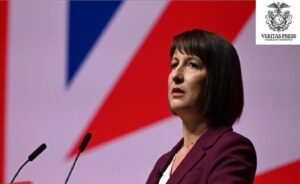
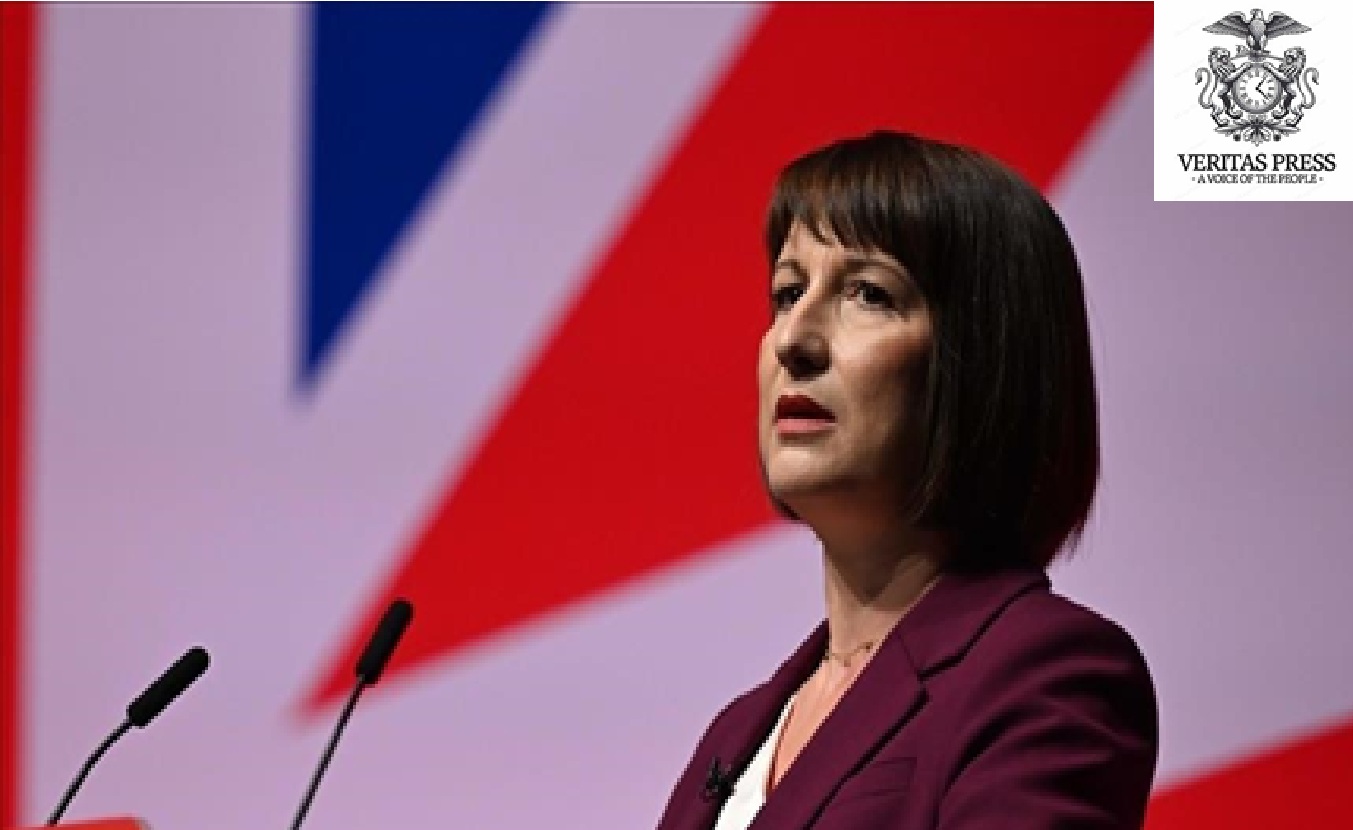
LONDON — For the second time in less than five years, a major conflict in the energy heartland of the world is forcing Britain to stare into the economic abyss. As US and Israeli warplanes continue strikes on Iranian targets and Tehran effectively seals the Strait of Hormuz, Chancellor Rachel Reeves has activated the UK’s financial crisis playbook. But as oil prices ricochet between $90 and $120 a barrel and rural Britain faces a “frightening” surge in heating costs, the government’s message of readiness is being met with scepticism by economists, opposition MPs, and the very households bracing for impact.
On Monday, Reeves addressed a hushed House of Commons, warning that the conflict “affects us all” and confirming that the UK stands “ready to support a co-ordinated release of collective IEA oil reserves”. Yet, beneath the veneer of G7 unity and Treasury resolve lies a more complex and troubling picture: a war-exposed economy grappling with the return of stagflation, a government caught between military escalation and household relief, and a public increasingly questioning whose side Britain is actually on.
The IEA Gamble: A “Limited Response” To A Historic Shock.
The Chancellor’s primary weapon against the impending price shock is the strategic oil reserves held by members of the International Energy Agency (IEA). Following an emergency meeting of G7 finance ministers, Reeves confirmed UK backing for a coordinated stockpile release.
The logic is sound. The IEA holds over 1.2 billion barrels of public emergency oil stocks. A release of 3 to 4 billion barrels, as reportedly discussed among US officials, could temporarily flood the market and suppress prices.
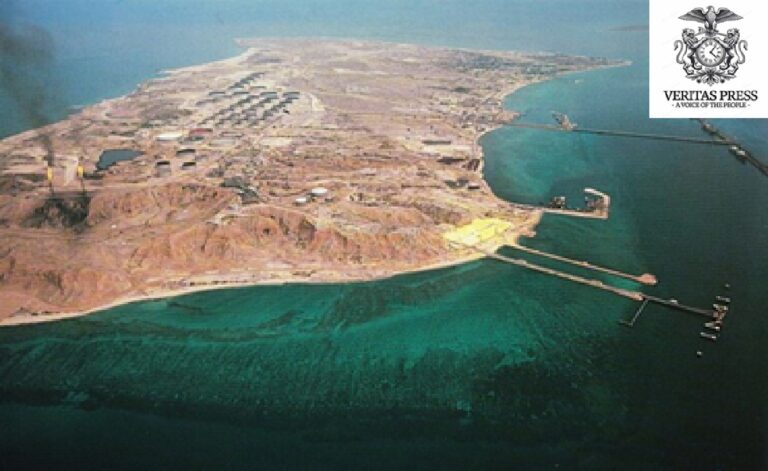
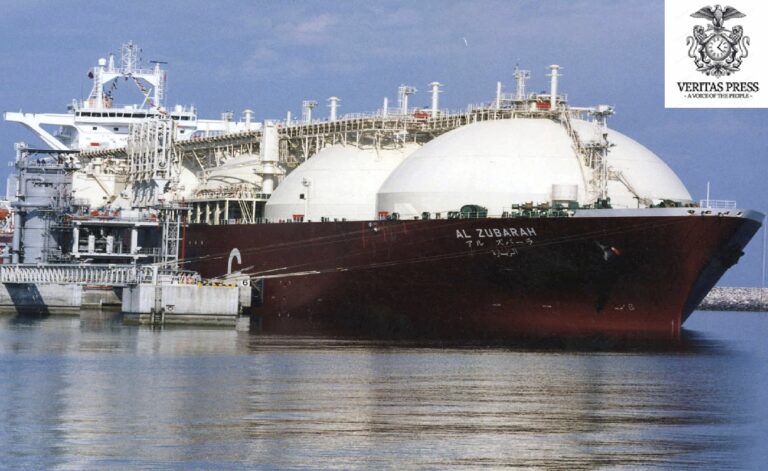
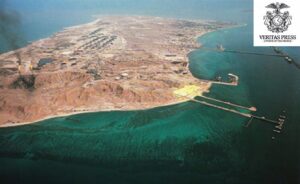
However, critics argue this is a tool designed for supply disruptions, not full-scale regional war. “While a co-ordinated release of oil reserves provides temporary relief, it is a limited response,” Chris Beauchamp, chief market analyst at IG, told reporters, noting that it is “dwarfed by the loss of oil output from the Hormuz closure”. With Iran effectively closing the Strait, through which 20% of the world’s oil and LNG flows, and energy infrastructure in Saudi Arabia and the Gulf states under drone attack, the market is facing a supply shock of potentially 20 million barrels a day.
Furthermore, the G7 meeting ended without a firm commitment. French Finance Minister Roland Lescure admitted, “We are not there yet,” highlighting the diplomatic hurdles. This delay, analysts warn, could erode confidence in the West’s ability to manage the crisis. Meanwhile, the IEA’s Fatih Birol warned that markets have “deteriorated in recent days,” a stark understatement given that UK gas prices nearly doubled in a week.
The New Geography Of Pain: Off-Grid Britain Under Siege.
While the price cap shields the majority of UK households from the immediate wholesale spike, a significant portion of the population is already feeling the freeze. Approximately 1.5 million homes off the gas grid, reliant on heating oil, are experiencing what charity leaders are calling a “frightening” price explosion.
According to the Labour Rural Research Group, some households have seen quotes rise by over 100% since the conflict began. Data from BoilerJuice suggests prices have rocketed from around 62p per litre before the war to nearly £1.73 in some regions.
Emma Simpson, chief executive of Rural Action Derbyshire, which runs an oil-buying scheme, described the human impact. “People who rely on heating oil are facing a sudden and frightening surge in cost,” she said. “We may be heading into spring, but anyone running low on oil right now doesn’t have the luxury of waiting for prices to fall. For some, the decision to order or not will come down to whether they can realistically afford it”.
Suffolk Coastal MP Jenny Riddell-Carpenter has raised the alarm in Parliament, stating that “many thousands of families are now fearful that it will be impossible to buy oil to heat their home, and they are now longing for a mild spring”. The vulnerability exposes a critical gap in the UK’s energy safety net. While Ofgem regulates electricity and gas, the heating oil market remains a Wild West, prone to profiteering and supply chain failures. One customer told the Birmingham Mail of orders being cancelled by suppliers, leaving them with empty tanks and no options.
Fuel Duty And Political Crossfire:
Perhaps the most politically toxic element of the crisis is the government’s steadfast commitment to raising fuel duty. Despite the oil price surge, Reeves confirmed that the planned 5p increase, frozen since 2022, will be implemented in stages starting this September.
The government argues that the cut was always temporary and that returning to pre-2022 levels is fiscally responsible. The official guidance states that this will “save the average car driver £49 in 2026 to 2027 compared to previous plans”. But with petrol prices already climbing towards 150p a litre, the optics are damaging.
Shadow Chancellor Mel Stride seized on the contradiction. “These are very serious and concerning times… and of course, extraordinarily, the Chancellor has just now reconfirmed that the government will press ahead with a rise in fuel duty later this year,” he told the Commons. The Conservatives have tabled a motion to block the rise, forcing Labour MPs into a difficult vote that exposes the divide between the party’s fiscal conservatism and the needs of motorists.
Reeves has attempted to pivot the blame onto the private sector, warning petrol station operators she will “not tolerate any company exploiting the current crisis to make excess profits”. She has tasked the Competition and Markets Authority (CMA) to monitor prices vigilantly. However, with wholesale costs volatile, proving price gouging in real-time is a notoriously difficult task.
The Economic Ripple Effect: Growth Stalls, Rates Rise.
The macroeconomic picture is darkening rapidly. The British Chambers of Commerce (BCC) has slashed its growth forecast for 2026 to just 1%, down from 1.2%, and warns that inflation, which sat at 3% in January, will remain at 2.7% by the end of the year, significantly higher than previously anticipated.
“The UK economy remains stuck in a low-growth pattern,” said David Bharier, head of research at the BCC. “The recent escalation of conflict in Iran risks interrupting progress made on inflation”.
The impact is already tangible in the City. London’s FTSE 100 tumbled in early trading, and government borrowing costs, yields on two-year bonds, rose to 4.09% as markets priced in fewer rate cuts. UBS has withdrawn its forecast for a March rate cut, now predicting the Bank of England will hold steady until at least April, with a risk of rates staying higher for far longer.
The Geopolitical Quagmire: “Drifting Into Trump‘S War.”
Beyond the economics lies a profound political and ethical dilemma. The Morning Star, in a blistering editorial, accused the government of “drifting into Donald Trump’s war,” highlighting a yawning gulf between public sentiment and Westminster policy.
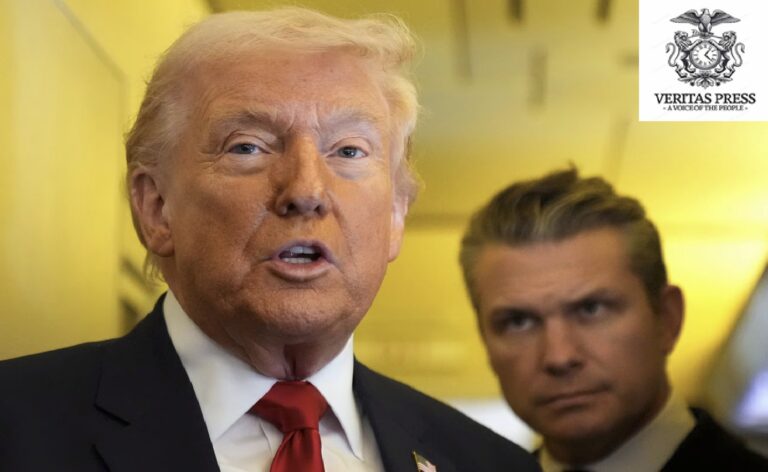
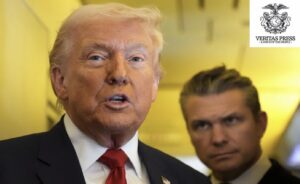
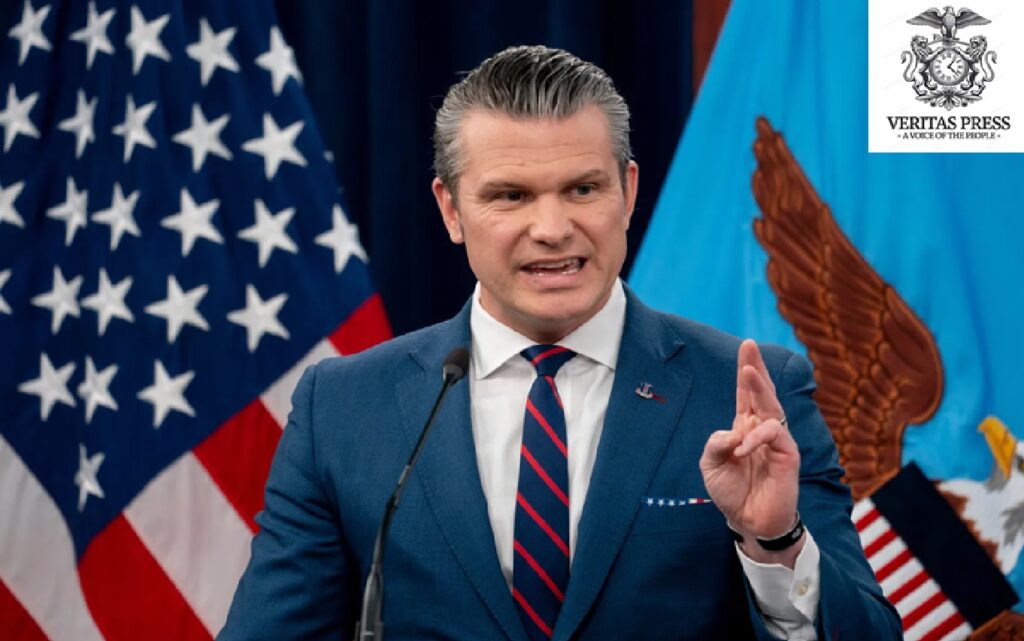
While the US re-appointed Pete Hegseth as “Secretary of War” and Marco Rubio lamented the end of European empires, the UK finds itself in a supporting role, providing bases, warships, and diplomatic cover for strikes on Iran. Iran’s security chief, Ali Larijani, has vowed not to reopen the Strait of Hormuz “amid the fires ignited by the United States and Israel in the region.”
This entanglement makes the UK a direct target for retaliation and undermines its claims of seeking de-escalation. When Reeves calls for “immediate de-escalation” while funding additional military capabilities in the region via the Treasury’s special reserve, the message becomes muddled.
Andrew Murray, writing for the Morning Star, articulated the anti-war position: “We must challenge the dispatch of British ships to the Gulf, the use of British bases to attack Iran and any engagement of British forces in this war. We are assisting a calamitous project that threatens the whole world”.
Analysis: A Crisis Of Resilience.
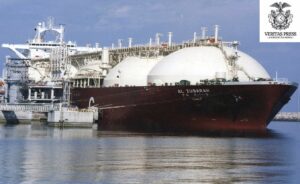
The UK in March 2026 is better insulated from gas shocks than it was in 2022, thanks to renewable investments and LNG terminals. But the exposure to oil, for transport, agriculture, and heating, remains a critical vulnerability.
Reeves’ strategy rests on three pillars: international coordination (IEA reserves), market surveillance (CMA), and fiscal discipline (fuel duty rises). It is a high-risk strategy that assumes the war will remain contained and relatively short. If Trump’s prediction of a swift victory proves as hollow as some of his past foreign policy assurances, the UK could be facing a prolonged period of high inflation, low growth, and industrial unrest.
For now, the Treasury is watching the oil ticker and the temperature in rural Britain with equal dread. As one Treasury official admitted privately: “We have the tools to manage a spike. We do not have the tools to manage a new normal.”
Source: Multiple News Agencies
Submissions:
For The Secure Submission Of Documentation, Testimonies, Or Exclusive Investigative Reports From Any Global Location, Please Utilise The Following Contact Details For Our Investigations Desk: enquiries@veritaspress.co.uk or editor@veritaspress.co.uk
Help Support Our Work:
Popular Information is powered by readers who believe that truth still matters. When just a few more people step up to support this work, it means more lies exposed, more corruption uncovered, and more accountability where it’s long overdue.
Help Protect Independent Journalism, Which Is Currently Under Attack.
If you believe journalism should serve the public, not the powerful, and you’re in a position to help, becoming a DONATOR or a PAID SUBSCRIBER truly makes a difference.
DONATION APPEAL: If You Found This Reporting Valuable, Please Consider Supporting Independent Journalism.
Help Support Our Work – We Know, We Know, We Know …
Seeing these messages is annoying. We know that. (Imagine what it’s like writing them … )
Your support fuels our fearless, truth-driven journalism. In unity, we endeavour to amplify marginalised voices and champion justice, irrespective of geographical location.
But it’s also extremely important. One of Veritas Press’s greatest assets is its reader-funded model.
1. Reader funding means we can cover what we like. We’re not beholden to the political whims of a billionaire owner. We are a small, independent and impartial organisation. No one can tell us what not to say or what not to report.
2. Reader funding means we don’t have to chase clicks and traffic. We’re not desperately seeking your attention for its own sake: we pursue the stories that our editorial team deems important and believe are worthy of your time.
3. Reader Funding: enables us to keep our website and other social media channels open, allowing as many people as possible to access quality journalism from around the world, particularly those in places where the free press is under threat.
We know not everyone can afford to pay for news, but if you’ve been meaning to support us, now’s the time.
Your donation goes a long way. It helps us:
- Keep the lights on and sustain our day-to-day operations
- Hire new, talented independent reporters
- Launch real-time live debates, community-focused shows, and on-the-ground reporting
- Cover the issues that matter most to our communities, in real time, with depth and integrity
We have plans to expand our work, but we can’t do it without your support. Every contribution, no matter the size, helps us stay independent and build a truly people-powered media platform.
If you believe in journalism that informs, empowers, and reflects the communities we serve, please donate today.
LONDON — For the second time in less than five years, a major conflict in
TEHRAN, IRAN – In the northern waters of the Persian Gulf lies a small coral
LONDON, UK – As the US-Israeli campaign against Iran enters its second week, a chilling
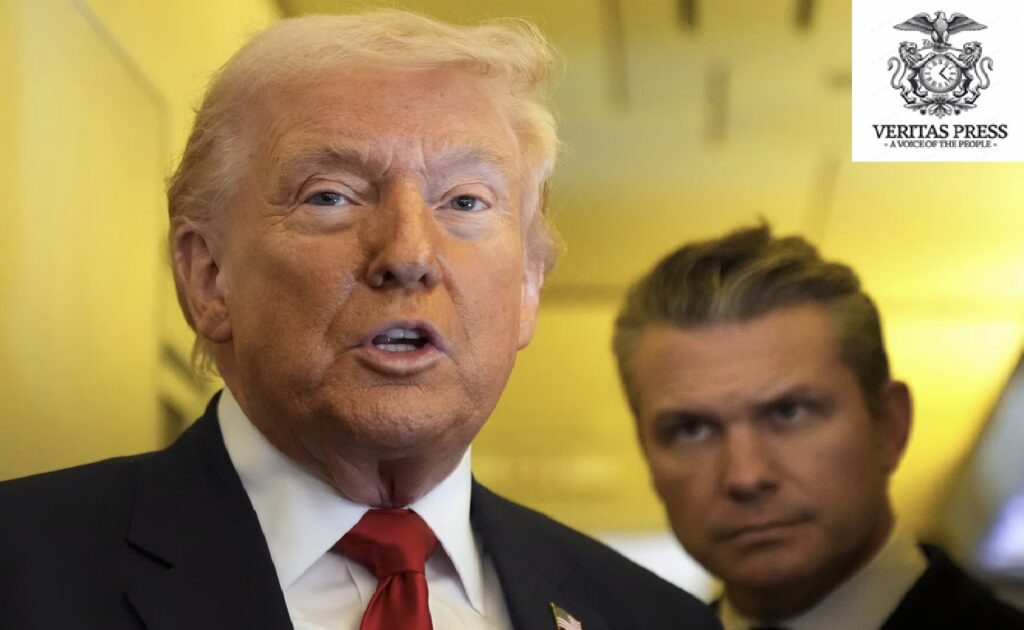
WASHINGTON, US – The United States and Israel are deepening their military campaign against Iran,

JERUSALEM — In the narrow, winding streets of the Old City, the silence is deafening.
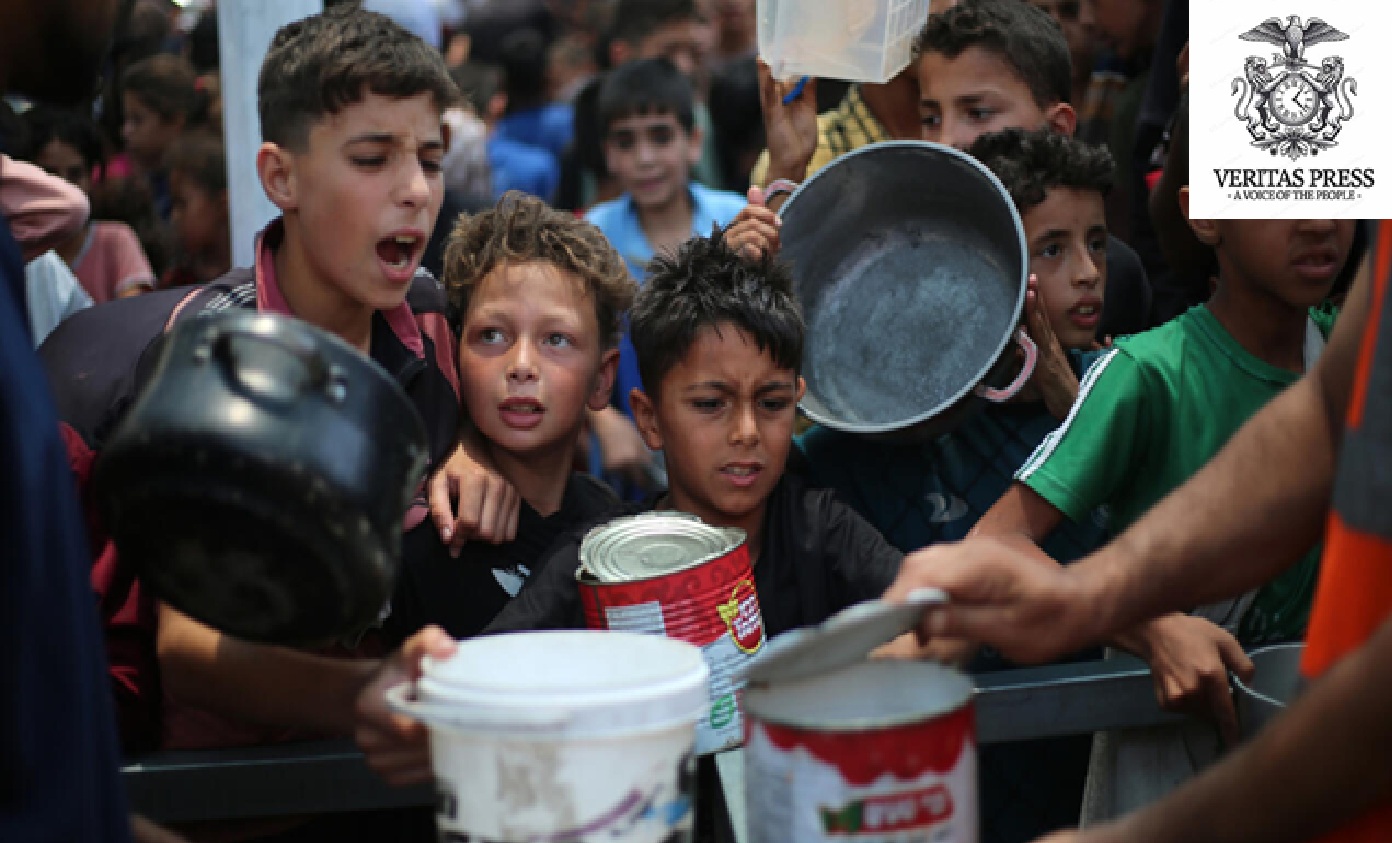
GAZA CITY — Israel’s continued closure of Gaza’s border crossings for more than ten consecutive
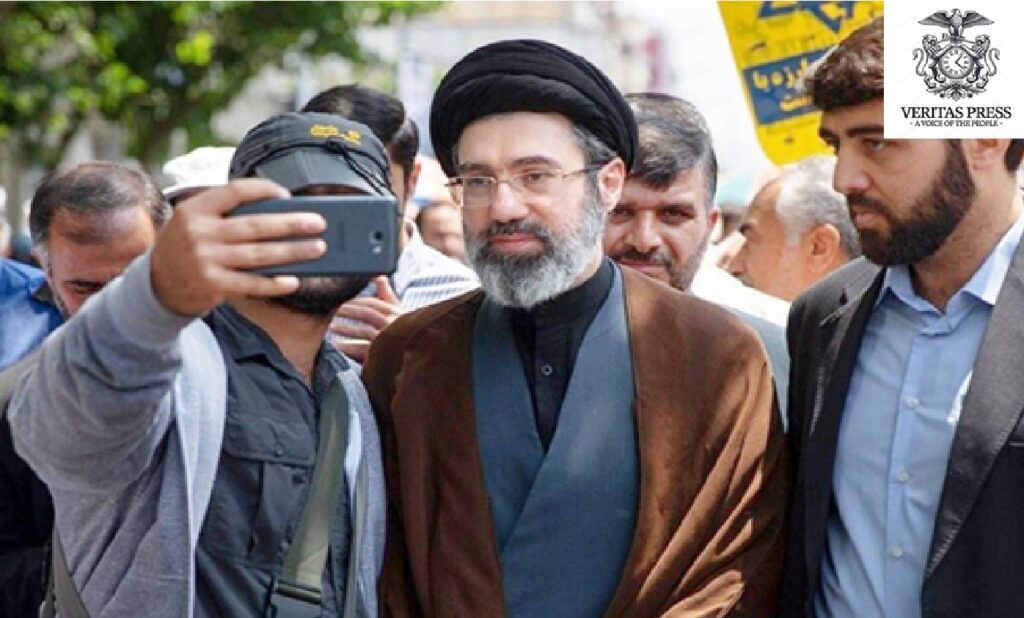
TEHRAN, IRAN — In the smouldering aftermath of the February 28 US-Israeli airstrikes that decapitated
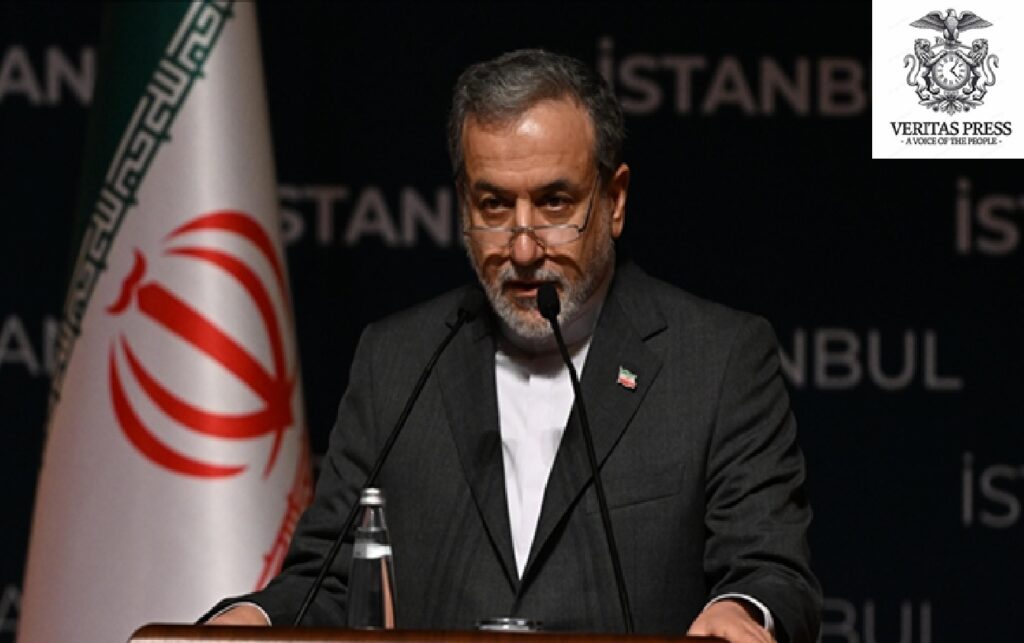
Tehran, Iran – The sudden death of Ayatollah Ali Khamenei in the joint US-Israeli strikes
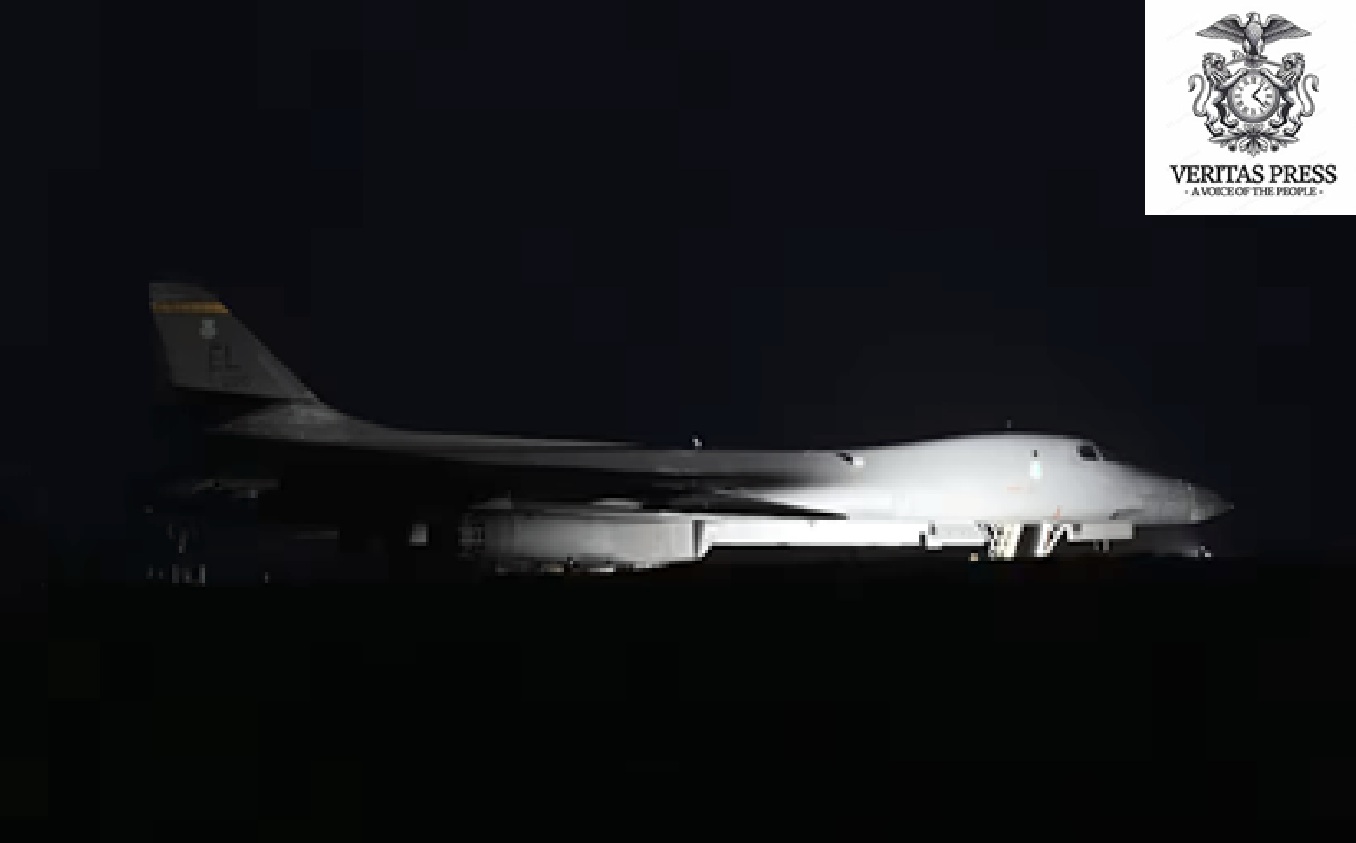
LONDON, UK – As the Middle East conflict entered its eighth day, the ominous silhouette
The sun rises over a shattered Tehran, not over the majestic Alborz mountains, but over