




Original Article Date Published:
Article Date Modified:
Help support our mission, donate today and be the change. Every contribution goes directly toward driving real impact for the cause we believe in.
LONDON, UK – Just weeks after being appointed as the government’s “Cost of Living Champion”, Iceland chairman Lord Richard Walker has broken ranks, urging the Prime Minister and Chancellor to ditch a planned September fuel duty rise. His intervention marks a significant shift in the debate, exposing the deep political fractures and economic anxieties being ripped open by the escalating military conflict in the Middle East. While Downing Street maintains a public posture of “bearing down” on inflation, a deeper investigation reveals a government scrambling to respond to a crisis that threatens to unravel its fiscal plans and deepen the misery for millions of households already on the brink.
This analysis draws on interviews, official forecasts, real-world accounts from struggling families, and political reactions to paint a stark picture of a nation at a crossroads. It critiques the government’s hesitant response against a backdrop of unprecedented price surges, geopolitical chaos, and a growing chorus of demands for action from business leaders, opposition parties, and its own backbenches.
The Champion’s Challenge: A “Sticky Situation”
Speaking on BBC Radio 4’s Today programme on Friday, Lord Walker was unequivocal. He pointed directly to the conflict in Iran and the subsequent blockade of the Strait of Hormuz as a game-changer that necessitates a rethink of Treasury plans. “The 5p fuel duty cut that you allude to is an interesting one,” he said. “That’s going to expire in September. I think given where we are, we do need to be thinking and talking about extending it or enlarging it”.
His reference to Australia was pointed. “Interestingly, the Australian government, I was reading, has recently taken a 14p per litre cut to their fuel tax. I mean, this cut is 5p,” he noted, implicitly criticising the UK’s comparatively timid response. Echoing comments by Next boss Lord Simon Wolfson, who warned the Treasury not to “profit” from the war, Walker added, “Lord Wolfson is a great guy and very intelligent, and he might have a point there”.
This is a remarkable development. Walker, who was appointed by Starmer in February specifically to “bring real-world business experience” to the cost-of-living crisis, is now publicly contradicting the government’s stated timeline. It reflects a “sticky situation” in the public finances, as Walker himself described it, but also a deep-seated nervousness that ministers are underestimating the severity of the shock. Just weeks ago, Walker had called for a temporary profit cap on energy and petrol companies to prevent them from “exploiting the crisis”. Now, his focus has shifted to immediate tax relief, signalling a belief that the price surge is not a short-term blip but a structural problem demanding direct intervention.
The Geopolitical Engine: A Blockade Of Global Significance
The root cause of the turmoil is the effective closure of the Strait of Hormuz. Following the illegal US-Israeli military campaign against Iran that began in late February, Tehran has blockaded this vital waterway, through which approximately 20% of the world’s oil and natural gas passes. The consequences have been catastrophic for global energy markets.
Oil prices have been sent “soaring,” according to the RAC. Samsung Securities has warned that even with an immediate ceasefire, “supply disruptions in international oil markets could persist for more than three months”. The blockade has forced Persian Gulf producers to cut production by roughly 6% as local storage reaches capacity. The Dallas Federal Reserve estimates that a quarter-long shutdown could cut global growth by a staggering 2.9% in the second quarter of 2026 alone.
Keir Starmer acknowledged the gravity of the situation at a Downing Street press conference, stating that securing the waterway “will not be easy” and that military planners would be convened. The UK is leading a 35-nation effort to discuss reopening the strait, an initiative Walker himself praised as a good step. However, a former government adviser and Labour MP
Polly Billington warned that this is insufficient. “The impending energy crisis caused by the war is as big as the financial crash and requires a response of equal magnitude,” she told the Guardian, urging Starmer to convene a global energy summit akin to Gordon Brown’s 2008 response. She argued that “economic pain, falling living standards and social anger create fertile ground for extremist politics”.
The Price At The Pumps: “Unprecedented” Pain
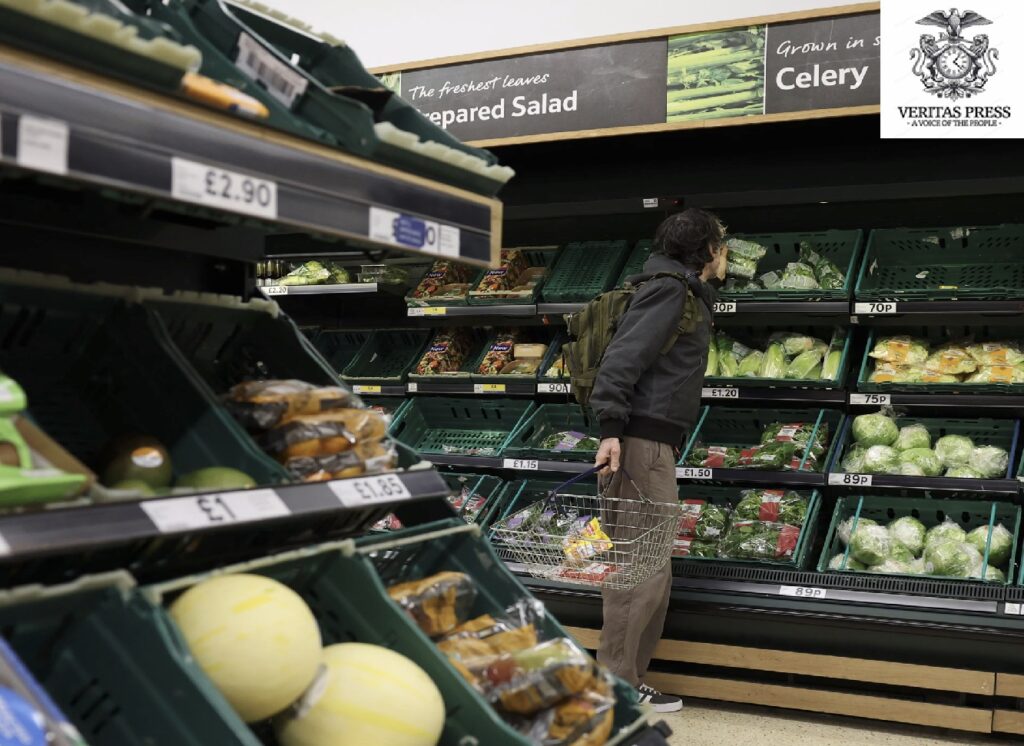
The geopolitical crisis has manifested brutally in British forecourts. The RAC, the motoring services company, has described the situation as “unprecedented”. Data reveals a record-shattering surge:
- Diesel: The average price of a litre has rocketed by 40p in March alone, from 142.38p to 182.77p. This is nearly double the previous monthly record of 22p seen in March 2022 after the Russian invasion of Ukraine. By April, some reports showed diesel at 185.2p a litre.
- Petrol: Unleaded petrol jumped by 20p in March, from 132.83p to 152.83p per litre, surpassing the previous record rise.
RAC head of policy Simon Williams stated: “March has been truly unprecedented – fuel prices have never risen this fast in a single month”. The real-world impact is immediate. Filling a typical 55-litre family petrol car now costs over £84, a rise of £11 in a single month. For diesel drivers, the situation is far worse: a full tank now tops £100, an increase of £22 since the start of the war. As Williams noted, “eight-in-10 people are dependent on their vehicles; these costs must really be taking their toll on both households as well as businesses”.
A Government On The Back Foot: Political Pressure Mounts
The government’s response has been a study in hesitation. Chancellor Rachel Reeves extended the 5p fuel duty cut until August in her November 2025 Budget, but it is scheduled to be gradually phased out from September, rising by 1p in September, 2p in December, and another 2p in March 2027. Starmer has repeatedly said the September rise will be kept “under review in light of what’s happening in Iran”.
This ambiguous position has invited a barrage of criticism from all sides. Kemi Badenoch, the Conservative leader, has accused Labour of treating drivers as a “cash cow” and has forced a Commons vote on the issue. She told the PM at Prime Minister’s Questions: “Everyone in this House knows the pattern: first he’ll march his backbenchers up the hill, then they’ll be forced to defend fuel duty rises… why doesn’t the prime minister just stand up, admit he’s got it wrong again and scrap the fuel duty hike now?”
Nigel Farage and Reform UK have been even more aggressive, holding a press conference at a Derbyshire petrol station to demand the hike be reversed, branding the government’s green levies as “lunatic”. Sir Ed Davey, leader of the Liberal Democrats, has called the rising costs an extra “Trump-Farage-Badenoch tax” and is demanding an emergency 10p cut to fuel duty. The government, already facing its own internal pressures, is isolated on this issue.
Beyond The Pump: The Domino Effect
The crisis extends far beyond the cost of filling a car. It is a systemic threat to the entire economy.
Energy Bills: The Resolution Foundation has warned that families should brace for a potential £440 hike in average annual energy bills, pushing the typical cap to £2,100 in July if the war continues to hit supplies. Cornwall Insight forecasts the Ofgem price cap will rise to around £1,929 for a typical dual-fuel household. This represents a severe “price shock” for millions of households.
Food Prices: The Food and Drink Federation (FDF) has warned that food inflation could climb to nearly 10% by the end of 2026, three times faster than previous forecasts. FDF chief economist Liliana Danila explained that the industry is “unusually exposed to oil and gas market shocks” and that “it’s clear that food inflation is going to rise”.
The Wider Economy: The OECD has slashed its 2026 growth forecast for the UK to just 0.7%, down from 1.2%, representing the largest downgrade among G20 economies. Inflation is now projected to hit 4% this year. In response, the Bank of England has been forced to hold interest rates at 3.75%, abandoning earlier expectations of a cut. The World Bank and IMF have issued a rare joint statement warning that the impact of the war will be “substantial, global and highly asymmetric”.
The Forgotten Crisis: Rural Communities Hammered
One of the most pernicious and overlooked impacts of the Iran war is the devastating effect on rural households that rely on heating oil. Unlike gas and electricity, heating oil is not covered by Ofgem’s price cap, leaving these communities completely exposed to the market’s whims.
A listener on Martin Lewis‘s BBC podcast provided a harrowing account: a recent order for 1,000 litres of heating oil cost £645. After the outbreak of the war, the same supplier quoted a staggering £1,480 – more than double the price. Lewis described the situation as “extremely excessive” and noted that the price of heating oil “goes up immediately” when global oil prices spike. He has since warned that oil firms hiking prices in this manner is “out of order”.
Local officials are seeing the impact first-hand. Cllr Ian Thorn, leader of Wiltshire Council, told this reporter: “We know that rising energy costs… are putting pressure on many households, particularly in rural areas… We encourage them to get in touch with us so we can provide advice”. The government has announced a £53 million support fund for vulnerable households using heating oil, but campaigners argue this is a drop in the ocean compared to the scale of the need.
International Action: A Lesson In Leadership?
The UK’s hesitant approach stands in stark contrast to the decisive action taken by other nations. Anthony Albanese, the Australian Prime Minister, addressed his nation directly, warning that “the months ahead may not be easy”. His government responded by halving the fuel excise for three months, cutting the tax on every litre of petrol by 26 cents (approximately 14p). He also urged citizens to switch to public transport and avoid panic buying. In Ireland, fuel duty has been cut by a fifth, while Poland slashed VAT on fuels from 23% to 8%. The contrast could not be starker: while the UK prevaricates over a 5p cut, other nations are implementing far bolder measures to shield their populations.
Investigative Critique: Hesitation In The Face Of A Hurricane.
This investigation reveals a government that is analytically aware of the crisis but politically paralysed in its response. The narratives from business (Walker, Wolfson), opposition (Badenoch, Farage, Davey), and international partners (Albanese) all point in the same direction: a need for immediate, substantial, and visible action to alleviate the burden on households. Yet the Chancellor remains wedded to a fiscal timeline conceived before the war, and the Prime Minister’s language remains one of “review” and “monitoring”.
The government’s refusal to rule out a fuel duty rise in September, even as its own Cost of Living Champion calls for its expansion, creates an atmosphere of deep uncertainty for businesses and families alike. The Treasury’s dismissal of a “tax windfall” from higher prices as “for the birds” is at odds with independent analyses showing billions of pounds in potential extra revenue.
As Polly Billington eloquently warned, the failure to act decisively is not just an economic error; it is a political one that breeds social anger and creates fertile ground for extremist politics. The Iran war has exposed the UK’s chronic vulnerability to global energy shocks. A 5p duty cut, held under constant review, is no longer a strategy. It is a symbol of a government waiting for a crisis to pass, rather than fighting it. The question now is not whether the UK will suffer economic pain from this war, but how much worse it will be made by a government unwilling to use the full force of its fiscal power to cushion the blow.
Source: Multiple News Agencies
Submissions:
For The Secure Submission Of Documentation, Testimonies, Or Exclusive Investigative Reports From Any Global Location, Please Utilise The Following Contact Details For Our Investigations Desk: enquiries@veritaspress.co.uk or editor@veritaspress.co.uk
Help Support Our Work:
Popular Information is powered by readers who believe that truth still matters. When just a few more people step up to support this work, it means more lies exposed, more corruption uncovered, and more accountability where it’s long overdue.
Help Protect Independent Journalism, Which Is Currently Under Attack.
If you believe journalism should serve the public, not the powerful, and you’re in a position to help, becoming a DONATOR or a PAID SUBSCRIBER truly makes a difference.
DONATION APPEAL: If You Found This Reporting Valuable, Please Consider Supporting Independent Journalism.
Help Support Our Work – We Know, We Know, We Know …
Seeing these messages is annoying. We know that. (Imagine what it’s like writing them … )
Your support fuels our fearless, truth-driven journalism. In unity, we endeavour to amplify marginalised voices and champion justice, irrespective of geographical location.
But it’s also extremely important. One of Veritas Press’s greatest assets is its reader-funded model.
1. Reader funding means we can cover what we like. We’re not beholden to the political whims of a billionaire owner. We are a small, independent and impartial organisation. No one can tell us what not to say or what not to report.
2. Reader funding means we don’t have to chase clicks and traffic. We’re not desperately seeking your attention for its own sake: we pursue the stories that our editorial team deems important and believe are worthy of your time.
3. Reader Funding: enables us to keep our website and other social media channels open, allowing as many people as possible to access quality journalism from around the world, particularly those in places where the free press is under threat.
We know not everyone can afford to pay for news, but if you’ve been meaning to support us, now’s the time.
Your donation goes a long way. It helps us:
- Keep the lights on and sustain our day-to-day operations
- Hire new, talented independent reporters
- Launch real-time live debates, community-focused shows, and on-the-ground reporting
- Cover the issues that matter most to our communities, in real time, with depth and integrity
We have plans to expand our work, but we can’t do it without your support. Every contribution, no matter the size, helps us stay independent and build a truly people-powered media platform.
If you believe in journalism that informs, empowers, and reflects the communities we serve, please donate today.

The raw numbers tell a story of profound inequality. On 1 April 2026, more than
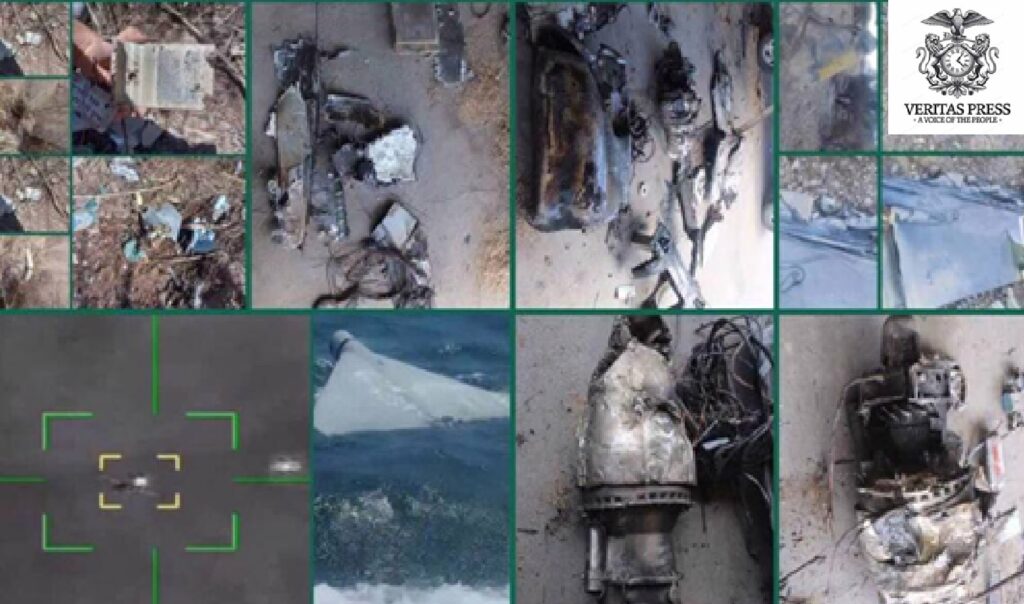
What began on February 28, 2026, as a coordinated US-Israeli campaign to decapitate Iran’s military

The idea of a “freedom flotilla” carries a ghost in its hold: the 2010 Mavi

Original Article Date Published: Article Date Modified: Help support our mission, donate today and be

Original Article Date Published: Article Date Modified: Help support our mission, donate today and be
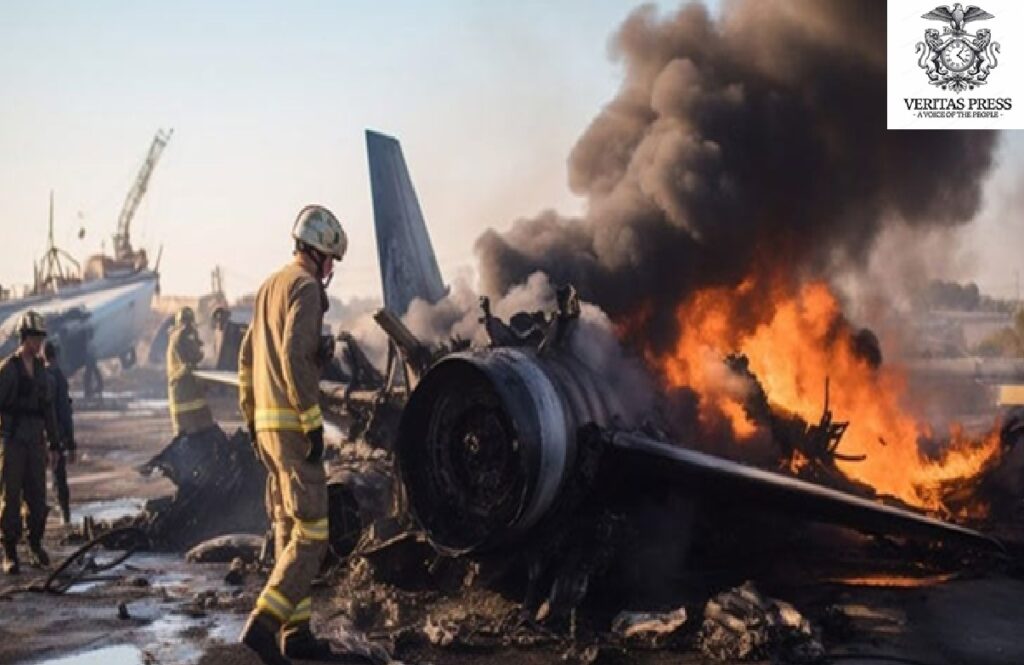
A United States fighter jet has been shot down over Iran, marking a dangerous and
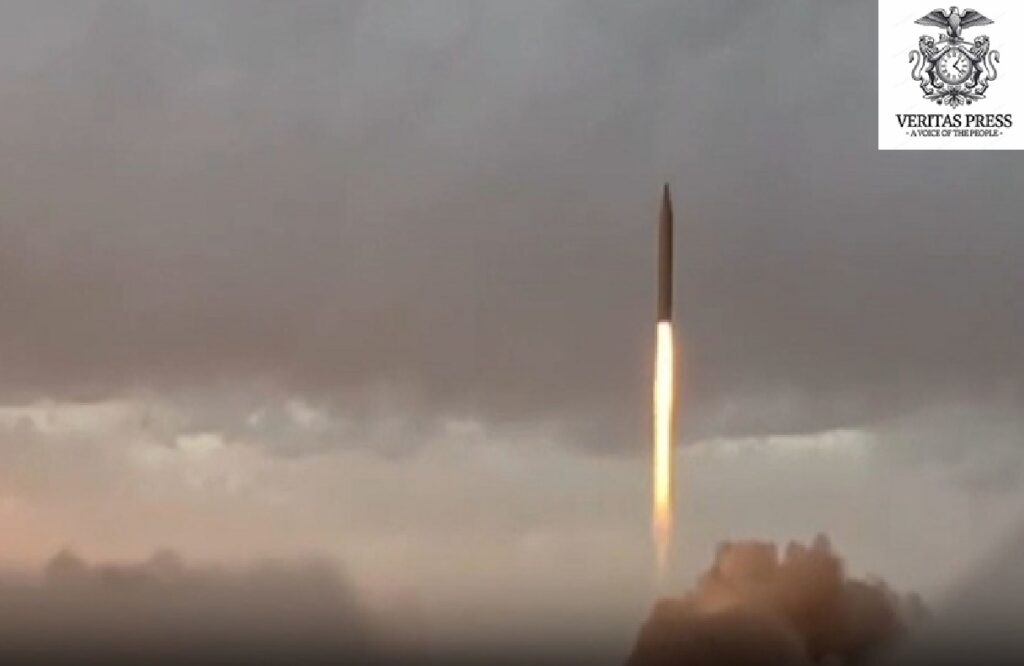
On February 28, the United States and Israel launched coordinated strikes on Iran, reported by

LONDON, UK – Just weeks after being appointed as the government’s “Cost of Living Champion”,
On February 28, 2026, the first wave of U.S.-Israeli pre-emptive strikes hit Iranian military and
USA, NASA – Spurred by American ingenuity, astronauts on NASA’s Artemis II mission are in