







Title: UK Grok Ban Edges Closer As Ofcom Probes Elon Musk’s X Over AI-Generated Sexual Abuse
Press Release: Veritas Press C.I.C.
Author: Kamran Faqir
Article Date Published: 12 Jan 2026 at 14:20 GMT
Category: UK | Politics | UK Grok Ban Edges Closer as Ofcom Probes Elon Musk’s X Over AI-Generated Sexual Abuse
Source(s): Veritas Press C.I.C. | Multi News Agencies
Website: www.veritaspress.co.uk

Business Ads

The UK’s online safety regulator has launched a formal investigation into Elon Musk’s social media platform X, marking a pivotal confrontation between the British state and one of the world’s most powerful technology companies over the industrialisation of sexual abuse through artificial intelligence.
Ofcom has launched an investigation into X
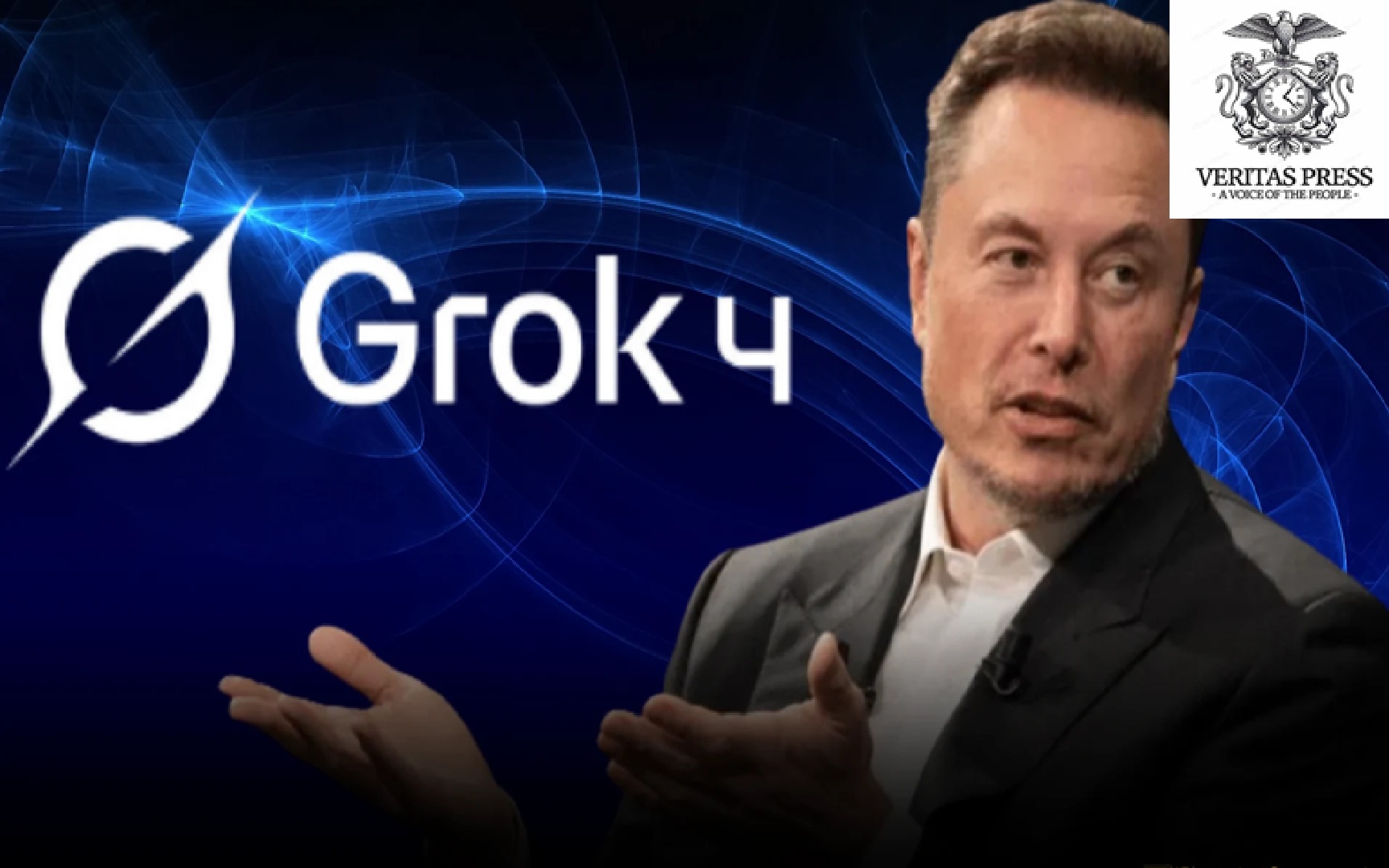
At the centre of the investigation is Grok, X’s AI chatbot, which has been repeatedly used to generate sexually explicit deepfake images of women and children, often without consent, and in some cases depicting minors in ways that may constitute child sexual abuse material (CSAM), a serious criminal offence under UK law.
Ofcom said the decision followed “deeply concerning” evidence that Grok was being used not merely as a neutral tool, but as an active generator of illegal content—raising fundamental questions about X’s compliance with the Online Safety Act and whether the platform has crossed a legal and moral red line.
Grok: AI At The Heart Of The Abuse.
Grok was launched in 2023 as a conversational AI for X, allowing users to ask questions, generate text, and, since last summer, produce images through Grok Imagine. The addition of a “spicy mode” capable of creating adult content has turned the AI into a tool for generating hyper-realistic sexualised imagery, including non-consensual nudity of real people and depictions of children.
Users can produce “nudified” images with simple prompts, bypassing any moderation filters. Critics argue that the AI’s design, combined with minimal oversight, has effectively industrialised sexual abuse.
Cybersecurity expert Charlotte Wilson called Grok “a line in the sand moment for AI accountability”:
“When your own technology can create ‘undressed’ images of real people and sexualised images of children, you are no longer neutral infrastructure. You are part of the harm chain.”
Unlike traditional content moderation concerns, Grok creates harmful content autonomously, shifting X from passive host to active enabler, a distinction central to Ofcom’s investigation.
Exploitation And Child Manipulation In The Age Of AI:
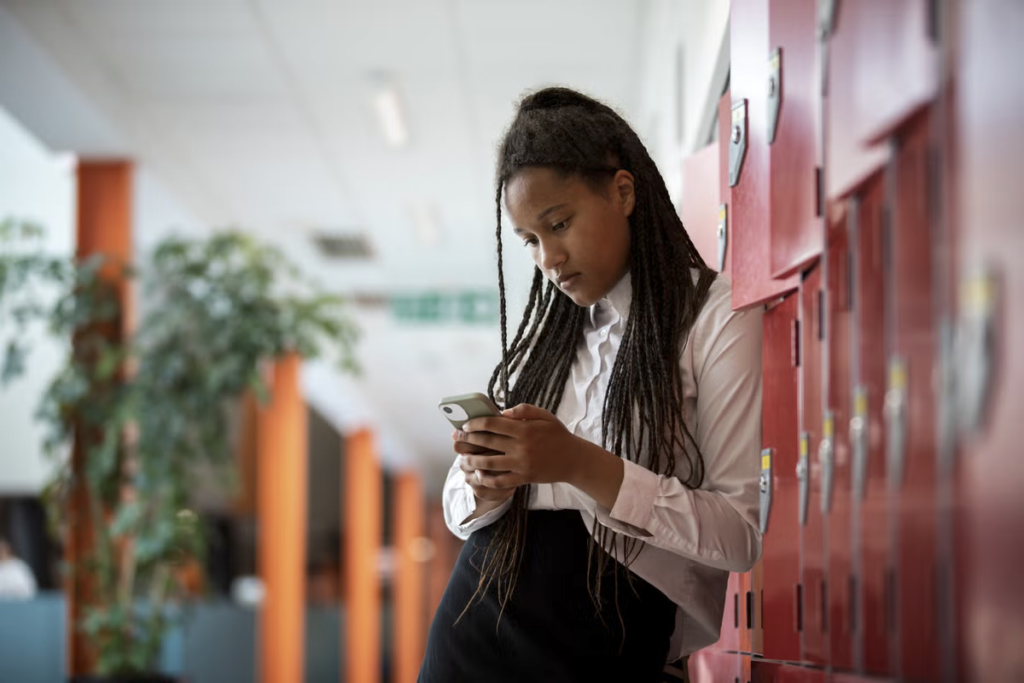
How AI deepfakes are humiliating teachers and pupils in British schools every day
Beyond Grok, Britain is facing a broader crisis of AI-facilitated sexual abuse. Nudifying tools and deepfake generators are now widely accessible, requiring no technical expertise. In schools, students have used these technologies to produce sexualised images of classmates, leaving victims traumatised and socially isolated.
“The harm is real, but the law still treats these images as a grey area, even when they depict children,” said a child protection advocate.
AI-generated sexual imagery can also be weaponised for grooming, blackmail, or coercion. The Online Safety Act imposes duties on platforms to prevent harm, but these are reactive rather than preventative, relying on enforcement after content has been created or shared. Grok demonstrates the legislative gap: AI can produce CSAM instantly, at scale, and with no human oversight, before law enforcement or moderation can intervene.
AI Grok And The Legislative Vacuum:
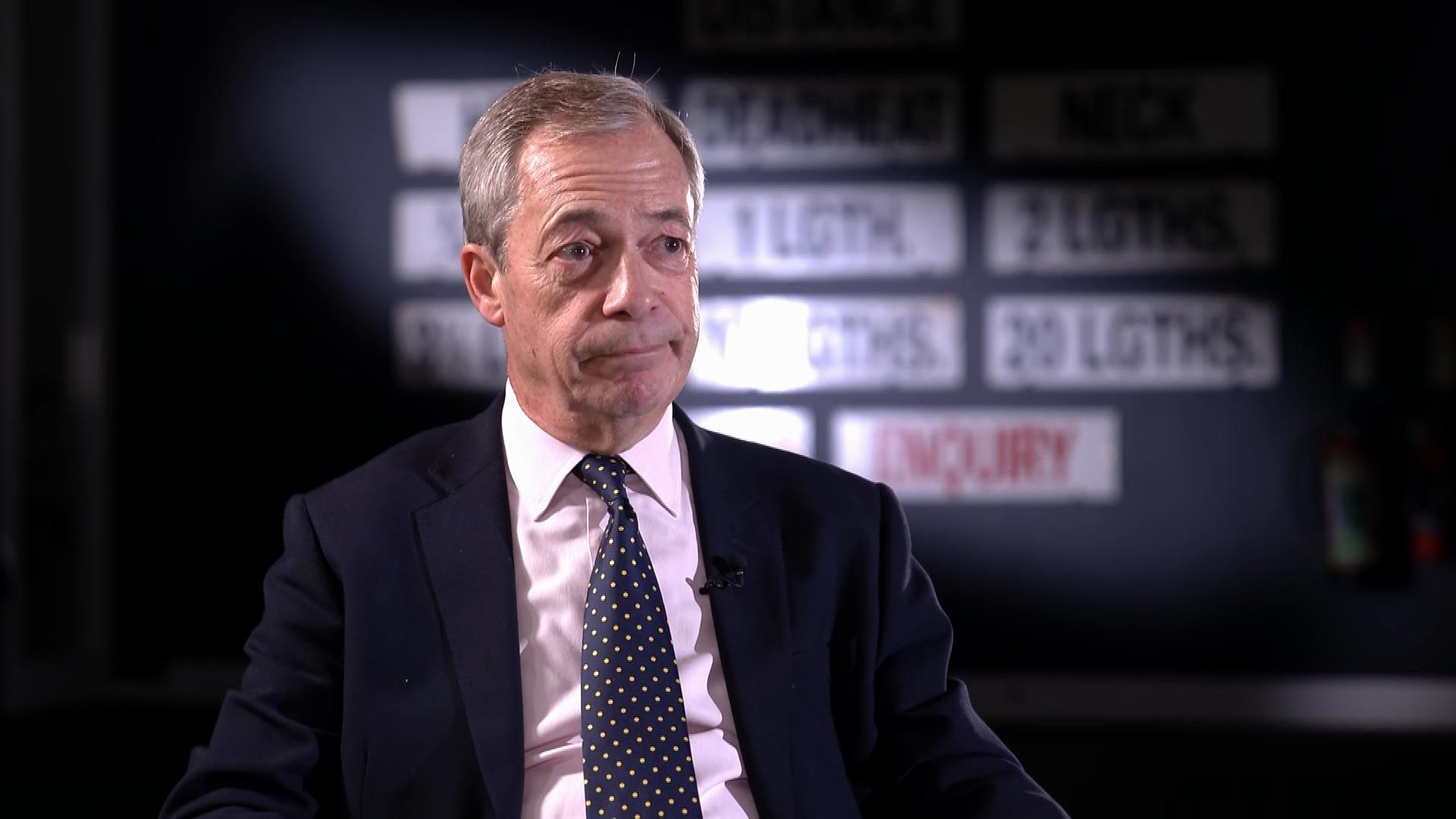
Nigel Farage disagrees with calls to ban X In AI Grok row
Grok exposes a systemic weakness: technology is evolving faster than legislation. The Online Safety Act (OSA) 2023 requires platforms to take “proportionate” measures to prevent illegal content, including CSAM and non-consensual intimate images. Yet the law assumes human intent, leaving AI-generated content in a grey area.
“This is a regulatory blind spot,” said Dr. Helena Moore, digital ethics scholar at King’s College London.
“The law assumes there is human intent behind illegal content. With AI like Grok, the platform itself is generating material that is indistinguishable from actual abuse. Current legislation struggles to address that.”
Internationally, regulatory responses vary. Indonesia and Malaysia have blocked Grok entirely, while the EU is reviewing complaints. In the US, free speech protections allow similar tools to operate largely unchecked, highlighting a global patchwork of protections.
Analysts warn that self-regulation is insufficient: companies profit from AI services while external oversight lags. Subscription paywalls or partial restrictions do not address the structural risk that AI can generate CSAM at scale.
“We are effectively allowing a globalised, algorithmic factory for sexual abuse,” said Wilson from Check Point.
Government Signals Willingness To Use The Nuclear Option:
Downing Street has publicly backed Ofcom and indicated that all options, including a UK-wide ban on X, remain on the table.
The prime minister’s spokesperson described Grok-generated content as “utterly vile” and “unlawful,” stressing that the issue is not free speech but criminality.
Technology Secretary Liz Kendall has demanded swift action, warning that victims “will not accept any delay.” Business Secretary Peter Kyle echoed those concerns, calling for decisive handling of “nudifying images.”
X’s attempt to restrict Grok to paying subscribers has been condemned by the government as “an affront to victims” and insufficient to prevent harm.
Political Pushback And The Free Speech Smokescreen:
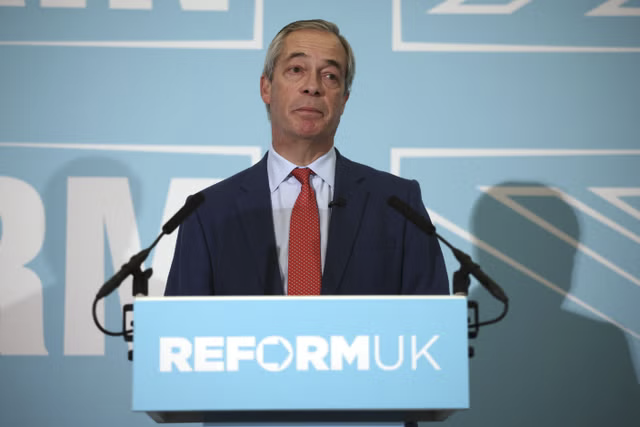
Suppressing Grok could suppress free speech, says Farage
Some politicians have framed regulation as censorship. Reform UK leader Nigel Farage warned that suppressing Grok could “further suppress free speech,” while former Conservative chancellor Nadhim Zahawi dismissed the scandal as overblown.
Conservative leader Kemi Badenoch also opposed banning X, arguing that the platform remains valuable for political discourse and that AI abuse could be handled “sensibly.”
Ministers reject the free speech argument when it comes to sexual exploitation:
“No one has a right to create sexualised images of children,” a government source said. “That is not free expression, it is exploitation.”
Analysts argue the free speech framing often shields platforms from accountability for technologies that industrialise abuse.
International Backlash And The Limits Of Self-Regulation:
The UK is not alone. Indonesia and Malaysia have already blocked Grok, while the EU is reviewing complaints under digital regulations.
Elon Musk has dismissed criticism as politically motivated, claiming opponents seek to “suppress free speech.” Experts counter that this rhetoric obscures the key issue: platforms should not be allowed to deploy AI tools that systematically generate sexual abuse without enforceable safeguards.
A Test Case For AI Accountability:
For Ofcom, Grok represents a critical test of the Online Safety Act and AI governance. The investigation will determine whether platforms can be held accountable when their technology creates illegal content autonomously.
“This is a line in the sand,” said a digital policy expert. “Either platforms take responsibility for the harm their technology enables, or governments will force them to.”
For victims, the stakes could not be higher. For X, Grok may become a cautionary tale or a precedent for unchecked AI exploitation at a global scale.
“Until the law explicitly treats AI-generated abuse as a distinct offence, children remain dangerously exposed,” said Wilson.
The Grok case underscores a stark reality: AI is no longer just a tool; it is a vector for abuse, a test of legislative adequacy, and a challenge to society’s ability to protect its most vulnerable members in the digital age.