




Original Article Date Published:
Article Date Modified:
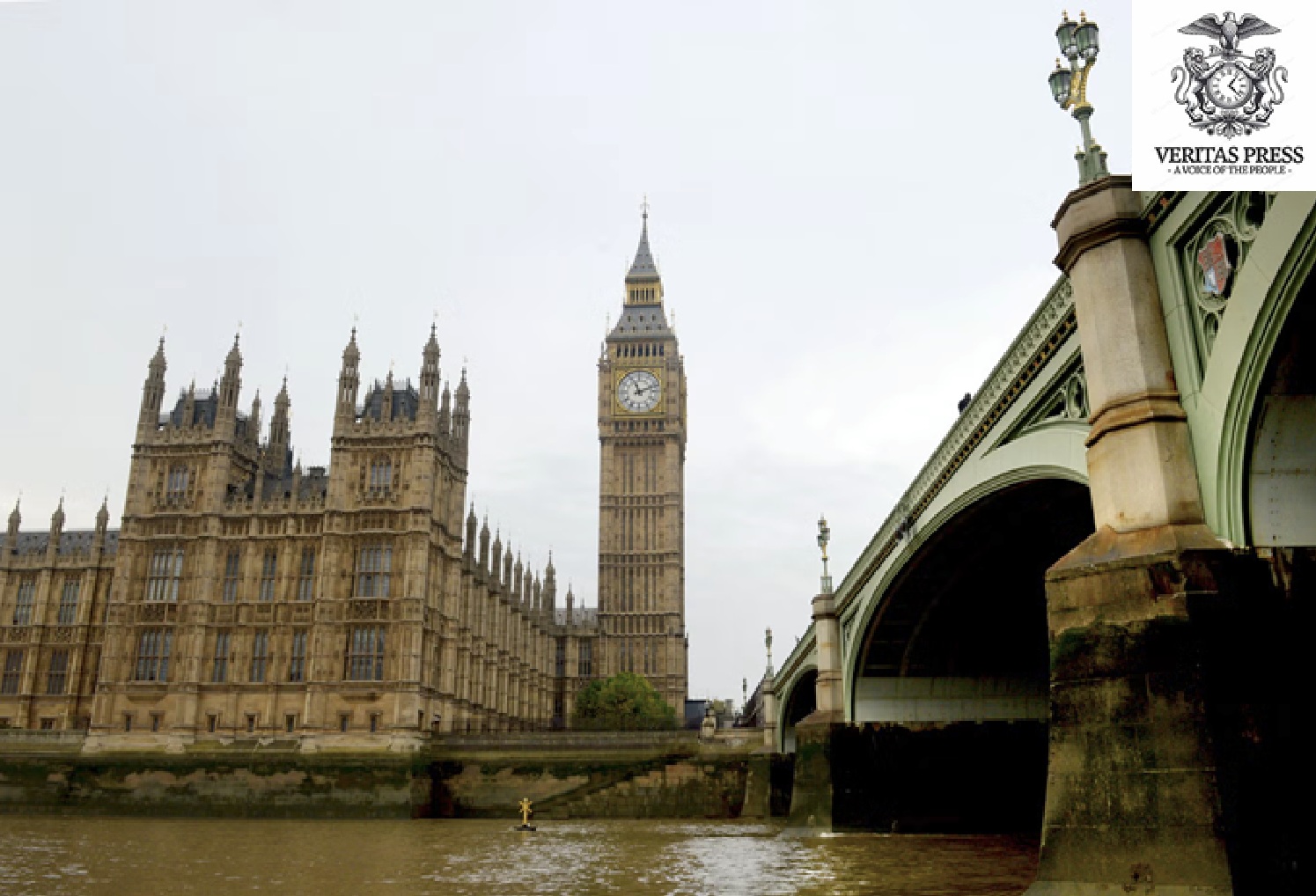
LONDON — The United Kingdom has plunged to its lowest-ever position on the global corruption scale, marking a symbolic low point for Britain’s standing in international governance and democratic integrity.
The annual Corruption Perceptions Index (CPI), compiled by anti-graft watchdog Transparency International, now ranks 182 countries on perceptions of public sector corruption. Britain scored 70 out of 100, where 0 is highly corrupt and 100 very clean, slipping to 20th place globally, its worst performance since a major CPI methodology overhaul in 2012. The drop reflects a cascade of political scandals, skyrocketing campaign donations, and mounting concerns over access-for-cash politics that critics say are eroding trust in British institutions.
Tracing A Decade Of Decline:
Britain’s latest CPI result marks the culmination of a ten-year slide from its position as one of the world’s most trusted Western democracies.
| Year | CPI Score | Global Rank | Notes |
| 2012 | 76 | 8 | Methodology revamp; UK still top 10 |
| 2015 | 81 | 7 | Strong perception of clean governance |
| 2018 | 80 | 11 | Early signs of erosion; peerage donations scrutinised |
| 2021 | 78 | 11 | Preceding election donations under the spotlight |
| 2023 | 71 | 20 | Epstein-linked controversies; pandemic procurement scandals |
| 2025 | 70 | 20 | Party donations and Mandelson‑Epstein revelations exacerbate the slide |
Analysts note that Western Europe’s integrity safeguards have failed to insulate the UK from political and financial entanglements. Campaign finance practices, honours tied to political loyalty, and opaque lobbying networks have contributed to worsening perceptions among experts and executives.
The Politics Of Corruption In Britain:
Transparency International identified several intertwined drivers of the UK’s slide:
Record Campaign Spending and Big Donations
Both major parties faced scrutiny after the 2024 general election:
- The Conservatives accepted roughly £15 million from a single donor, widely reported to be businessman Frank Hester.
- Labour was criticised after its largest donor, Waheed Ali, was granted privileged access to Downing Street following generous gifts to the Prime Minister’s family.
- Reports that Elon Musk considered a $100 million donation to Reform UK raised alarms about wealthy backers’ influence.
Experts warn that these trends commodify political access, creating a transactional culture that corrodes democratic legitimacy.
Elite Scandals And Public Trust:
The Epstein‑Mandelson affair has amplified concerns:
- U.S. Epstein file revelations show extensive ties between convicted sex offender Jeffrey Epstein and senior British political figures, including Lord Peter Mandelson.
- Metropolitan Police have launched a criminal investigation into Mandelson for alleged misconduct in public office, and he resigned from the House of Lords.
- Prime Minister Sir Keir Starmer publicly expressed regret over appointing Mandelson as UK ambassador to Washington, admitting he lied during vetting.
Critics say the scandal, at the intersection of elite networks, political access, and historical abuse, symbolises Britain’s failure to enforce effective safeguards and accountability.
Institutional Weaknesses:
Vacancies in key oversight roles, such as the Anti-Corruption Champion and Independent Advisor on Ministerial Interests, have left enforcement gaps. Advisory bodies and watchdogs, though established, lack statutory powers to discipline transgressions effectively.
Corruption And The Cost To Britain: Economic And Societal Fallout.
While the UK’s CPI ranking reflects perceived governance weaknesses, the real-world consequences of political corruption extend far beyond abstract scores. Cronyism and political influence now visibly affect energy policy, business conditions, wages, and financial reputation.
1. Green Energy Grid Delays and the Net‑Zero Agenda
- Ofgem reports that 210 of 340 wind and solar projects expected to connect to the grid in 2026–2027 are now forecast to miss deadlines, jeopardising net‑zero targets and energy security.
- Cronyism and regulatory inefficiencies have slowed approvals, with political priorities reportedly shaping project pipelines.
2. Burden on Small Businesses and Labour Policy
- New rules granting trade unions statutory access to workplaces could hit small and medium enterprises with an estimated £680m in compliance costs, adding to inflationary pressures.
- Experts warn that poorly consulted, politically influenced policies risk reducing investment and stifling SME growth.
3. Stagnating Wages and Living Standards
- According to the Resolution Foundation, lower-income UK families may wait 137 years to see their living standards double at current growth rates, a stark contrast with the doubling seen over the 40 years to 2005.
- Transparency International notes that political donations and lobbying distort spending priorities, diverting resources away from wage-boosting social programmes.
4. Financial Sector Exposure and Global Scandals
- The Epstein scandal has also exposed vulnerabilities in the UK’s financial sector, with banks such as HSBC and Barclays implicated in multi-billion-dollar U.S. lawsuits tied to offshore trusts linked to Epstein.
- Such entanglements undermine the UK’s reputation as a clean financial hub, threatening capital inflows and investment.
5. Political Patronage and Public Trust
Reliance on wealthy political donors and crony appointments undermines public service outcomes. When access, contracts, and appointments are linked to donations rather than merit, public trust erodes, compliance with regulations weakens, and economic resilience suffers.
A Broader Western Slide:
The UK is not alone. Established democracies are sliding on corruption perceptions, too. The United States, for example, reached a record low score of 64, placing 29th, its worst ranking since 2012. Transparency International cited concerns over the politicisation of justice, restrictions on civil society and NGOs, delayed anti-money‑laundering reforms, and threats to judicial independence, particularly under Donald Trump’s second administration.
Globally, the average CPI score has dropped to just 42, the lowest in more than a decade, with more than two-thirds of countries scoring below 50, signalling widespread public sector corruption.
Global Leaders And Laggards: Decade In Comparison.
| Country | 2012 Score / Rank | 2015 Score / Rank | 2018 Score / Rank | 2021 Score / Rank | 2023 Score / Rank | 2025 Score / Rank | Key Drivers / Notes |
| UK | 76 / 8 | 81 / 7 | 80 / 11 | 78 / 11 | 71 / 20 | 70 / 20 | Decline driven by party donations, cronyism, pandemic procurement scandals, Epstein‑Mandelson affair, reliance on wealthy donors, and weak statutory oversight. |
| US | 74 / 19 | 76 / 17 | 69 / 23 | 67 / 28 | 64 / 29 | 64 / 29 | Politicisation of justice, NGO/journalist restrictions, delayed AML reforms, big‑donor influence, and challenges to judicial independence. |
| Denmark | 90 / 1 | 90 / 1 | 90 / 1 | 90 / 1 | 89 / 1 | 89 / 1 | Robust statutory watchdogs, strong campaign finance laws, and separation of business and politics. |
| Finland | 88 / 2 | 88 / 2 | 88 / 2 | 88 / 2 | 88 / 2 | 88 / 2 | Transparent campaign finance, public accountability, and strong anti-corruption legislation. |
| Singapore | 87 / 3 | 87 / 3 | 87 / 3 | 87 / 3 | 87 / 3 | 87 / 3 | Strict anti-corruption laws, separation of politics and business, and enforceable oversight. |
| South Sudan | 12 / 178 | 11 / 179 | 11 / 180 | 10 / 181 | 13 / 182 | 13 / 182 | Conflict, weak institutions, and high public sector corruption. |
| Somalia | 11 / 180 | 11 / 180 | 10 / 181 | 11 / 181 | 11 / 182 | 11 / 182 | Fragile state, entrenched corruption. |
| Venezuela | 18 / 165 | 17 / 167 | 17 / 169 | 16 / 170 | 15 / 171 | 15 / 171 | State capture, elite enrichment, democratic collapse. |
What Britons Think:
The government‑released data in late 2025 that shows growing public concern about:
- Political influence and lobbying
- Foreign corrupt actors’ influence
- Domestic business and professional conduct
Confidence in the government’s ability to tackle corruption was notably low.
Government Response, Promises And Criticisms:
In response to the CPI findings, the government has pledged:
- Mechanisms to expel disgraced peers
- A review of the lobbying framework
- £15m funding for an expanded anti-corruption unit
Yet transparency advocates argue these steps are insufficient and slow, with only a fraction of recommended reforms implemented. Daniel Bruce, CEO of Transparency International UK, warned:
“Without bold action to curb big money, strengthen independent oversight, and restore faith in democratic processes, Britain risks entrenching a culture of cynicism and accepted corruption.”
Conclusion: At A Crossroads.
The UK’s CPI slide from top ten in 2015 to 20th in 2025 is not a statistical anomaly, it reflects political‑financial entanglements, elite influence, institutional fragility, and eroded public trust. Scandals like Epstein‑Mandelson, big‑money politics, and governance failures have stark economic and social consequences. Experts warn that without structural reform, rigorous oversight, and effective campaign finance regulation, Britain risks normalising cronyism and deepening democratic cynicism, undermining its global role as a transparent democracy.
TEHRAN, IRAN – Twenty-eight days after the assassination of Iran’s Supreme Leader Ayatollah Seyyed Ali
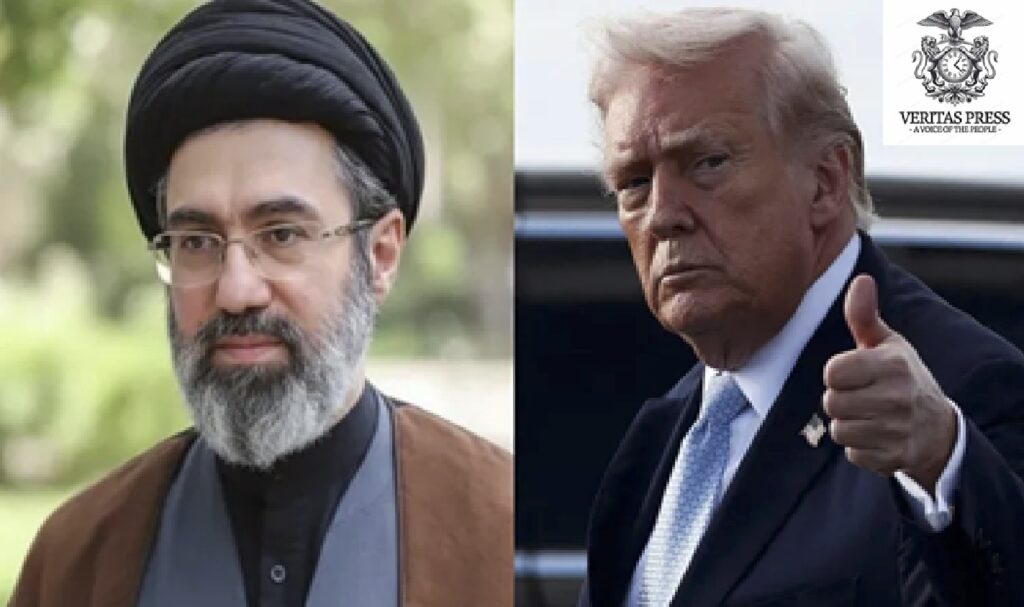
Original Article Date Published: Article Date Modified: Help support our mission, donate today and be

NEW YORK, US – On the night of March 26, 2026, Nerdeen Kiswani received a

JERUSALEM — For the 29th consecutive day, the heavy iron gates surrounding the Al-Aqsa Mosque

GAZA, March 27, 2026 — The cries of 28-day-old Adam Al-Ustaz shattered the silence of
TEHRAN – In the pre-dawn hours of March 27, 2026, the Islamic Revolution Guards Corps
MOSCOW, LONDON – In what marks a significant escalation in the prolonged confrontation between London

TEL-AVIV – When Lieutenant General Eyal Zamir, Chief of Staff of the Israel Defence Forces
GREEK ISLANDS – A controversial proposal by Israeli politician Avri Steiner to purchase Greek islands

TEHRAN, IRAN – In the early hours of Thursday, the Islamic Revolutionary Guard Corps (IRGC)