
Title: U.S. Military Strike On Venezuela, A Turning Point In U.S. Foreign Policy Or An Unlawful Act Of Imperialism?
Press Release: Veritas Press C.I.C.
Author: Kamran Faqir
Article Date Published: 03 Jan 2026 at 13:00 GMT
Category: Latin Americas-US | Venezuela | U.S. Military Strike on Venezuela, A Turning Point in U.S. Foreign Policy or an Unlawful Act of Imperialism?
Source(s): Veritas Press C.I.C. | Multi News Agencies
Website: www.veritaspress.co.uk

Business Ads

Washington/Caracas, A Coup Or A Capture? Conflicting Realities.
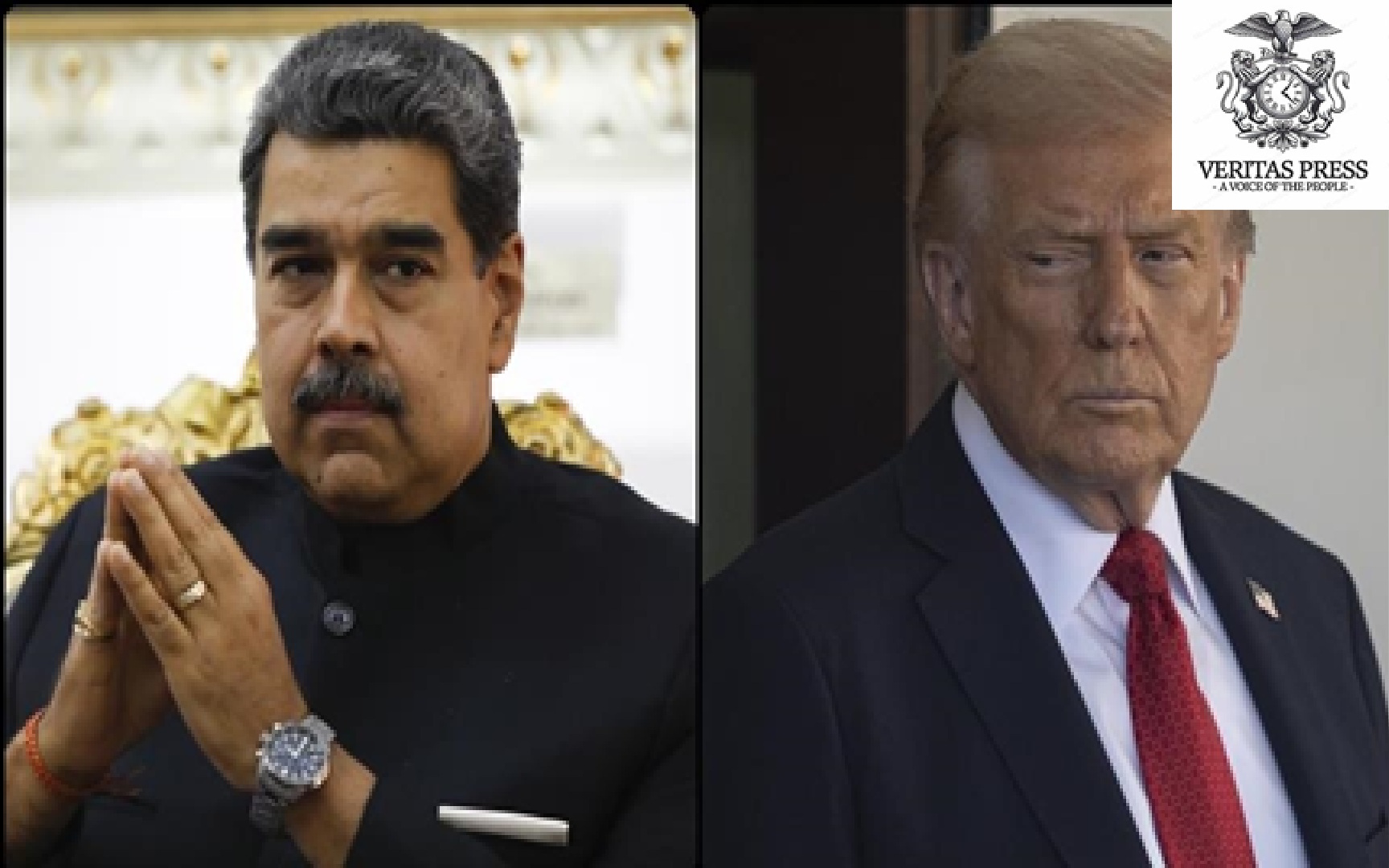
On January 3, 2026, U.S. President Donald Trump announced that the United States had conducted a “large-scale strike” inside Venezuelan territory and captured President Nicolás Maduro and his wife, Cilia Flores, flying them out of the country, a claim that remains unverified by independent journalists or international observers. Trump’s announcement, broadcast on his Truth Social platform with the promise of details in a planned press conference at his Mar-a-Lago estate, marks one of the most dramatic escalations in U.S.–Latin America relations in decades.
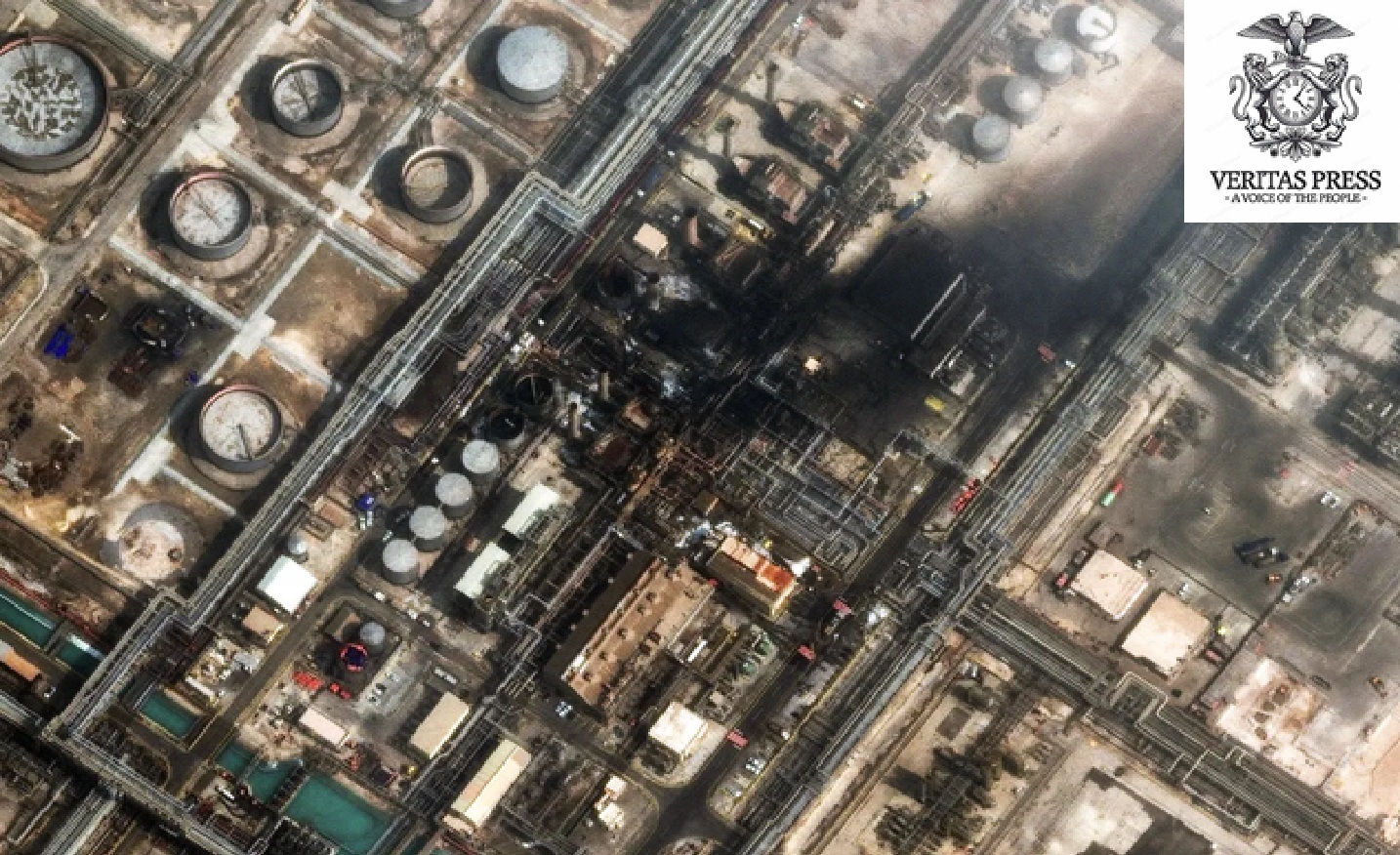
Trump framed the operation as a decisive blow against “narco-terrorism”, an allegation long advanced by his administration, and asserted it was conducted “in conjunction with U.S. law enforcement.” Reuters reported that explosions were heard across Caracas and other regions, with power outages and visible infrastructure damage in key military areas.
Yet Venezuelan authorities dispute any confirmation that Maduro or his wife are in U.S. custody. Vice President Delcy Rodríguez has publicly demanded “proof of life,” and the national government asserts it remains unaware of their whereabouts while rallying citizens to resist what it terms “military aggression.”
International Legal Experts Alarmed: ‘No Legitimate Justification’.
Legal scholars and international law experts have questioned the foundation for any military action against Venezuela absent an imminent threat or UN mandate. According to documented analysis of earlier U.S. strikes on alleged drug-smuggling vessels, part of Trump’s pressure campaign, legal authorities have described such use of force as violations of international law. Former US military law adviser Geoffrey Corn has stated that hitting alleged drug vessels, even if linked to Venezuelan interests, cannot be legitimately justified as self-defence under international law.
Independent United Nations experts have characterised previous U.S. military operations against Venezuelan targets in international waters as “extrajudicial executions” with no firm legal basis, pointing to prohibitions under the law of the sea and international human rights norms.
Marc Weller, a leading international law specialist at Chatham House, emphasised that actions against sovereign states without Security Council authorisation or clear self-defence justification breach the UN Charter’s prohibition on the use of force. “International law simply does not permit such unilateral interventions,” he said.
U.S. Political Divisions: Congress And Constitutionality.
Within the United States, the strike has fuelled deep political division. Democratic Senator Ruben Gallego condemned the operation as “illegal,” stressing that Congress has neither declared war nor authorised the use of military force in Venezuela. Republican Senator Mike Lee, initially uncertain of the legal basis, conceded after speaking with Secretary of State Marco Rubio that the president might be invoking Article II powers to act unilaterally, a constitutional interpretation that remains contentious.
Legal analysts have noted that without congressional approval, even actions framed as law enforcement, such as apprehending a foreign head of state, could exceed executive authority, raising the spectre of a constitutional crisis. Critics argue that such an operation against a sovereign state’s leadership is tantamount to kidnapping on an international scale.
Civilians On The Ground: Panic, Displacement, And Unverified Casualties.
Photographs and eyewitness accounts from Caracas depict civilians fleeing streets amid explosions, seeking refuge in basements and markets, and hospitals reporting an influx of wounded, though precise casualty figures remain unavailable amid the fog of conflict. The Associated Press documented scenes of panic as power failures crippled neighbourhoods shortly after the reported airstrikes.
With Venezuelan state media and official outlets describing the strikes as assaults on both civilian and military infrastructure, independent verification of the scale of civilian harm is urgent but currently lacking.
Maduro’s Narrative: ‘Illegal Warmongering’ And Sovereignty Violated.
In recent interviews before the strike, Maduro had called on Trump to end what he described as “illegal warmongering” and to engage in “serious talks,” emphasising Venezuela’s willingness to cooperate on counter-narcotics, rebutting claims used to justify the U.S. campaign.
Following the strikes, Caracas has portrayed the U.S. action as imperialist aggression aimed at seizing Venezuela’s vast oil, mineral, and strategic resources, echoing a long historical memory in Latin America of external interference. Many Venezuelan state leaders have invoked constitutional articles designed to promote “armed struggle” against invasion and called for national mobilisation.
Global Reaction: Deep Polarisation And Legal Condemnations.
International responses were swift and overwhelmingly critical:
- Russia denounced the U.S. move as “an act of armed aggression”, prioritising ideological hostility over diplomacy.
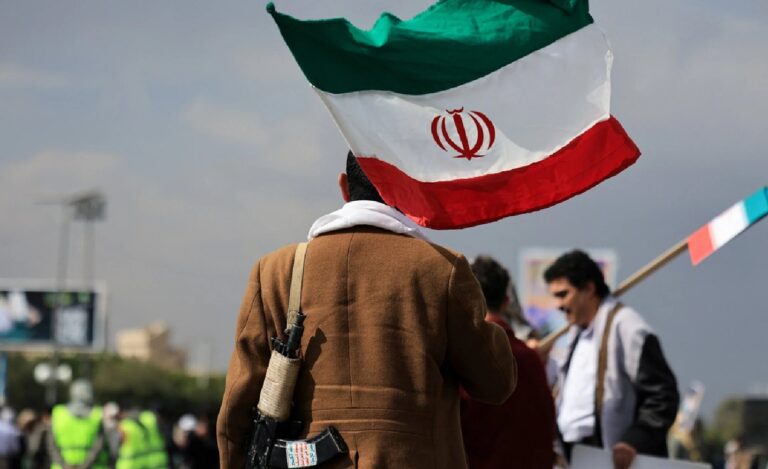
- Iran and Cuba condemned the strike as a violation of sovereignty and demanded collective international action.
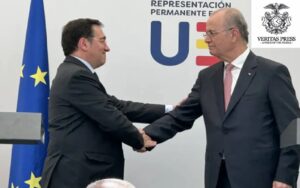
- Spain and other EU states urged restraint and offered to mediate, stressing that international law must be upheld.
- Latin American leaders, from Chile’s Gabriel Boric to Colombia’s Gustavo Petro, rejected the use of force and called for peaceful resolution through regional mechanisms.
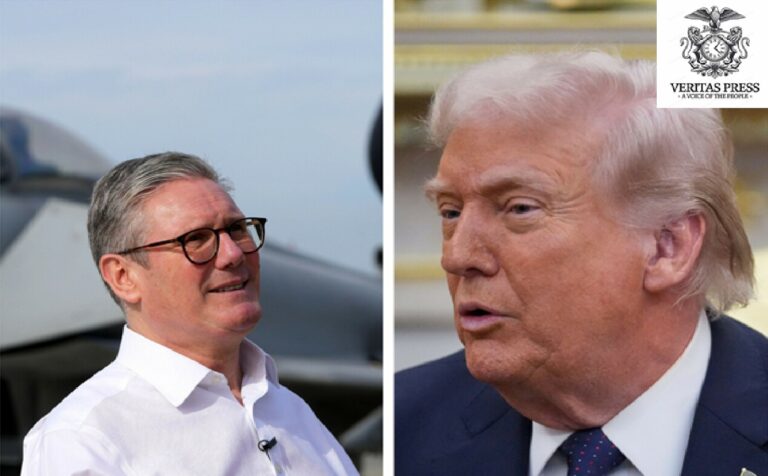
Only a handful of voices in Western political spheres, such as controversial commentators in the UK, offered cautious support, framing the intervention as a deterrent to other global powers like China or Russia. However, legal experts uniformly emphasise that such rhetoric does not change the fact that international norms bar unilateral overthrow of a sovereign government.
Political Context: From Sanctions To Military Build-Up.
This unprecedented escalation did not emerge overnight. Trump’s administration had spent months combining economic, military, and diplomatic pressure:
- Sanctions on Venezuelan oil firms and tankers, deepening the economic strain on Caracas’ main revenue source.
- A naval blockade and lockdown on sanctioned vessels, raising legal debate over blockade vs quarantine definitions.
- A steady build-up of U.S. naval and air assets in the Caribbean, described in November by military analysts as “unprecedented in decades.”
Critics have repeatedly questioned whether these actions were truly about combating drug trafficking or were instead intended to pressure for Maduro’s removal and facilitate access to Venezuela’s strategic resources.
Opposition Voices: Divided Responses Within Venezuela.
Venezuelan opposition figures are themselves divided. Some, like Maria Corina Machado, previously expressed support for U.S. pressure against Maduro’s “narco-terrorist regime,” arguing it could save lives and restore democratic governance.
Yet large segments of the opposition have also warned that foreign military intervention could deepen humanitarian suffering and strengthen authoritarian narratives used by Maduro’s allies to justify repression.
What Comes Next: Chaos, Negotiations, Or Wider Conflict?
With no independent confirmation of Maduro’s status, significant questions remain:
- Where is Maduro being held, and on what legal basis?
- Has Congress authorised this use of force?
- What will be the reaction of the Venezuelan military, will it fragment or resist?
- Can diplomatic channels, including the UN Security Council, reverse or contain this escalation?
Regional analysts warn that even if Maduro is removed, Venezuela risks descending into chaos or civil conflict, with competing factions vying for control amid economic collapse and international intervention. The operation’s long-term geopolitical impacts, from regional migration to Latin America’s alignment with global powers, may reverberate for years.
Conclusion: Regime Change By Force, Resources By Design.
Stripped of its rhetoric, the assault on Venezuela reveals a familiar architecture of power, one in which regime change, resource control, and geopolitical containment converge, and civilian suffering becomes collateral to strategy. What has been presented as a “law-enforcement” operation collapses under scrutiny when viewed alongside months of sanctions, maritime seizures, military build-up, and open demands for Venezuela to surrender its oil, land, and strategic assets.
This crisis is not simply a military episode; it represents a fundamental challenge to the post-World War II international order. Unilateral military action against a sovereign state’s leader, absent transparent legal justification, congressional authorisation, UN mandate, or global consensus, sets a precedent that international legal scholars have repeatedly described as dangerous, destabilising, and unlawful. If normalised, such actions erode the already fragile constraints on the use of force, replacing law with power and precedent with coercion.
US and Israeli strategic alignment is central to this moment. Venezuela is not merely an authoritarian state in Washington’s narrative; it is a geopolitical prize. With the world’s largest proven oil reserves, critical Caribbean maritime routes, and a central role in supplying discounted crude to China, Venezuela sits at the intersection of energy security and great-power competition. Weakening or removing the Chavista state apparatus advances multiple objectives at once: reclaiming nationalised energy assets, reasserting Western control over shipping lanes and tanker flows, and constricting China’s access to alternative oil markets beyond US influence.
The so-called “quarantine” or blockade of Venezuelan oil has therefore functioned not only as economic pressure but as an assertion of maritime dominance, determining who may trade, transit, insure, or profit from energy flows in the region. Trump’s own language, demanding that Venezuela “return” oil, land, and assets, dispensed with diplomatic ambiguity and exposed a logic closer to extraction than accountability. Israeli security doctrine, long centred on pre-emptive force and extraterritorial enforcement, has provided an ideological and operational template for this approach, now replicated far beyond the Middle East.
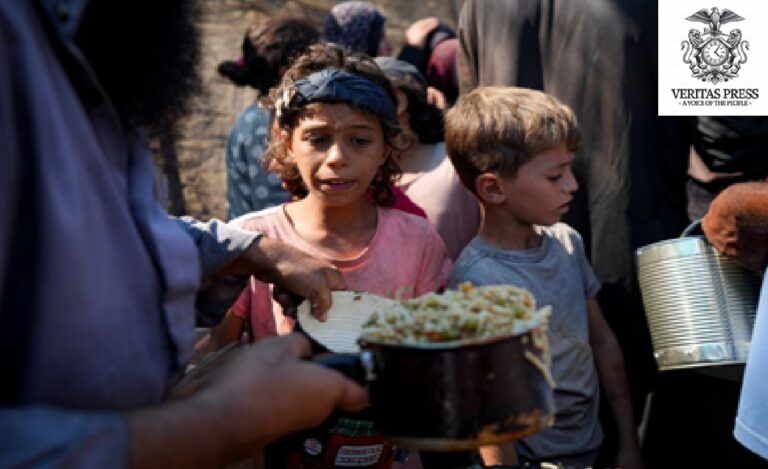
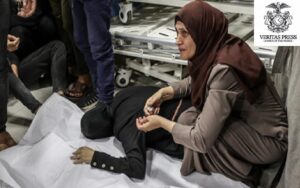
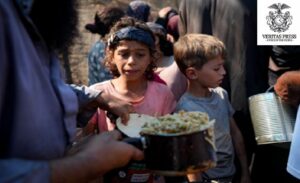
For Venezuelan civil society, these strategic calculations translate into a lived catastrophe. Doctors speak of hospitals pushed past breaking point, aid workers of families displaced overnight, and educators and psychologists of children absorbing yet another layer of trauma. Human rights organisations warn that militarisation and sanctions together function as collective punishment, concentrating suffering among the poor while shielding political and economic elites. This operation was not designed with Venezuelans’ consent, nor is it being experienced as liberation.
The Maduro government’s record of repression, corruption, and economic misrule is real and extensively documented. But authoritarianism does not nullify sovereignty, nor does it license foreign powers to impose regime change by force. History, from Iraq to Libya, offers a stark warning: interventions justified in the name of justice and security often yield state collapse, protracted violence, and mass displacement, while oil contracts, maritime routes, and geopolitical alignments quietly realign in favour of the interveners.
As the world watches, the most pressing imperatives remain clear: independent verification of events, protection of civilian life, strict adherence to international law, and urgent diplomatic engagement to prevent further bloodshed and regional destabilisation. Without these, the language of justice becomes a veneer for domination, and humanitarian concern a rhetorical shield for strategic conquest.
The defining question, then, is no longer whether Nicolás Maduro should remain in power. It is whether the international community will accept a precedent in which military force replaces law, resource extraction masquerades as accountability, and civilian lives are treated as expendable variables in a contest to control oil, trade routes, and global influence.
For Venezuelans, the consequences are already unfolding, not in communiqués or courtrooms, but in darkened hospitals, empty kitchens, and homes shaken by fear. And for those engineering this intervention, the reckoning is unavoidable: a future built on regime change, resource seizure, and maritime domination cannot credibly be called liberation, only control.