





Original Article Date Published:
Article Date Modified:
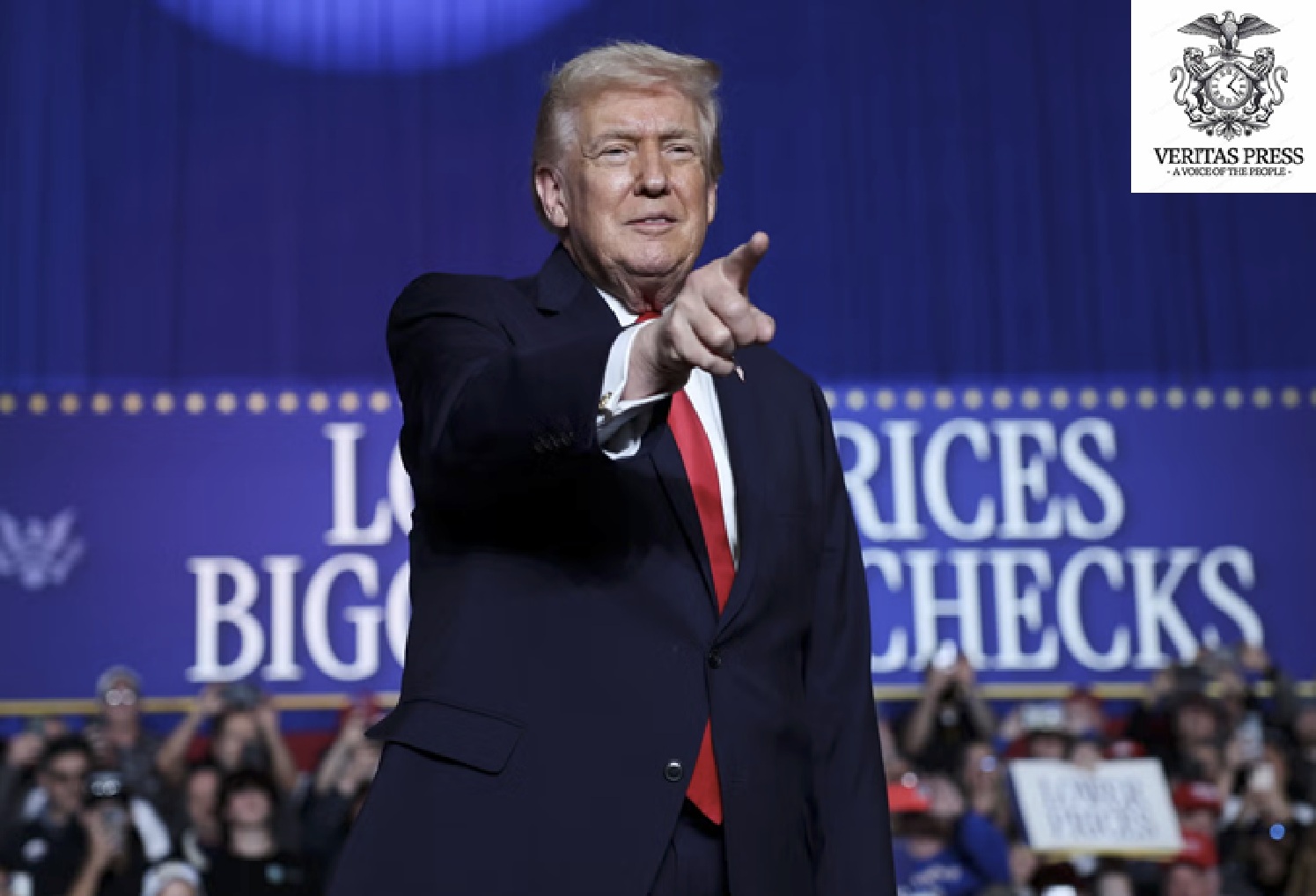
Despite President Donald Trump’s declaration that he is “very proud” of the U.S. economy, reality on the ground tells a far more troubling story, one of inflationary anxiety, widespread financial insecurity, and escalating warnings that both the U.S. and the global economy could be sliding toward recession. What Trump calls success, ordinary Americans, economic experts, and even local leaders like Zohran Mamdani describe as slowing economic momentum and rising structural risks.
Rhetoric Vs. Reality: Trump’s Proud Claims And Public Disillusionment.
In a nationally broadcast Super Bowl interview, President Trump insisted the U.S. economy was entering what he calls the “Trump economy,” touting billions in investment, manufacturing growth, and future factory openings. Yet independent surveys reveal a stark disconnect:
- 90 % believe the U.S. is in a cost-of-living crisis, with eight in ten seeing consumer prices rise since Trump assumed office in January 2025.
- Over half of households struggle to pay bills on time, and many have been forced to relocate due to unaffordable housing.
- Polls show a majority disapprove of Trump’s economic performance, particularly on inflation and affordability.
Trump’s claims often rely on select economic projections, such as overly optimistic GDP figures not yet supported by official data, a discrepancy highlighting the widening gap between political narrative and lived reality.
How Inflation Became Politically Toxic, And Economically Destructive:
Trump has repeatedly dismissed concerns about inflation, labelling the cost-of-living crisis a “scam” or a Democrat-crafted “con-job.” Yet rising prices for groceries, energy, housing, and transportation remain a daily reality for millions.
Economists warn that:
- Tariffs increase prices directly and indirectly, pushing up costs for domestic goods and services.
- A weaker dollar, touted as beneficial for exports, raises import costs, further squeezing household budgets.
- Central banks face a policy dilemma: tightening risks slowing growth; easing risks renewed price pressures.
These dynamics have eroded consumer purchasing power, particularly for working- and middle-class families whose wages fail to keep pace with rising costs.
Rising Recession Risks: U.S. And Global Economic Slowdown.
International economists have escalated warnings about recession risk, citing trade tensions, policy uncertainty, and investment hesitation:
“We are entering a new era,” said IMF Chief Economist Pierre‑Olivier Gourinchas, noting global trade and growth forecasts have been revised downward due to tariffs and uncertainty.
According to the IMF’s World Economic Outlook, U.S. GDP growth is projected to slow to 1.8 % in 2025, with continued weakness in 2026, as trade tensions raise costs and temper investment. Goldman Sachs economists similarly flag rising odds of a U.S. recession as tariff impacts reduce real incomes and suppress spending.
Global markets have reacted nervously: escalating trade retaliation, particularly between the U.S. and China, wiped trillions off global market valuations, triggering fears of a broader international slowdown.
Structural Pressures Contradicting Administration Messaging:
Beneath Trump’s optimistic rhetoric, the U.S. economy is facing persistent structural pressures:
- Inflation remains entrenched, eroding real incomes.
- Wage stagnation leaves families financially strained.
- Rising household debt increases vulnerability to shocks.
- Job losses, particularly in manufacturing, point to sectoral weakness.
- Trade and tariff uncertainty suppress investment and raise costs.
- Weakened global demand threatens exports and growth.
- Municipal fiscal gaps, highlighted by local leaders, constrain services critical to economic stability.
These forces reveal an economy far less resilient than administration messaging suggests, creating systemic vulnerabilities at both domestic and global levels.
A Nation In Financial Stress: Job Losses, Budget Gaps, And Local Slowdown.
January 2026 saw the worst job losses for that month since the Great Recession, with manufacturing particularly hard-hit. Wage growth has struggled to keep pace with inflation, leaving households with shrinking real incomes.
At the municipal level, New York City Mayor Zohran Mamdani warned that the city faces its most severe fiscal constraints since the 2008 downturn, describing budget shortfalls, underfunded services, and affordability crises threatening basic urban functions. Mamdani’s warnings underscore that structural weaknesses are not confined to Washington but are felt in cities across the country.
Expert Voices: Economists Sound The Alarm.
International Monetary Fund
“Tariffs represent a significant risk to the global outlook at a time of sluggish growth, and uncertainty is weighing on trade and investment.” — Kristalina Georgieva, IMF Managing Director
IMF Chief Economist
“This global economic system that has operated for the last eighty years is being reset.” — Pierre‑Olivier Gourinchas
Global Investment Bank Analysis
“The probability of a U.S. recession has increased significantly due to the tariff drag on real income and consumer spending.” — Goldman Sachs analysts
Federal Reserve Perspective
Policymakers acknowledge that trade policies and persistent inflation complicate their mandate, and that uncertainty can translate into weaker investment and slower job growth.
Mapping The Crisis: Key Economic Indicators
| Structural Pressure | Effect on the Economy | Broader Implications |
| Persistent inflation | Erodes real incomes | Reduces consumer spending, increases financial stress |
| Stagnant wages | Limited upward mobility | Lowers household resilience against shocks |
| Rising household debt | Greater financial fragility | Amplifies the risk of recession |
| Job losses (manufacturing) | Rising unemployment | Reduces aggregate demand |
| Tariff-driven cost increases | Inflation persists | Slows domestic investment, affects global trade |
| Weakened global demand | Lower export growth | Amplifies domestic slowdown |
| Municipal fiscal gaps | Underfunded services | Exacerbates local economic strain |
This table highlights structural pressures directly contradicting the administration’s upbeat messaging.
The Political And Social Fallout:
The disconnect between narrative and reality is increasingly visible politically:
- Trump’s net approval on economic management is deeply negative, with widespread concern over inflation and affordability.
- Even some of his 2024 voter base is beginning to blame him for rising costs.
- Leaders like Mayor Mamdani stress that macroeconomic stressors are manifesting in daily hardship for working Americans, from housing instability to rising bills.
Policymakers face a choice: address structural weaknesses through a broader economic strategy or risk deeper stagnation as domestic and international pressures mount.
Conclusion: Pride, Policy, and a Precarious Economic Moment
President Trump’s insistence on pride in the economy masks glaring contradictions: entrenched inflation, uneven job growth, and warnings from international and local leaders highlight real economic vulnerabilities. Polls reveal that most Americans feel financially insecure, and experts warn that ignoring these structural pressures risks a domestic slowdown and global recession.
This is not mere partisan debate, it is a critical examination of economic outcomes versus political narrative, with everyday citizens caught between political spin and systemic economic stress. As trade uncertainty, inflation, and fiscal strain mount, the consequences of denial may be far-reaching, tangible, and lasting.
TEHRAN, IRAN – Twenty-eight days after the assassination of Iran’s Supreme Leader Ayatollah Seyyed Ali
Original Article Date Published: Article Date Modified: Help support our mission, donate today and be

NEW YORK, US – On the night of March 26, 2026, Nerdeen Kiswani received a

JERUSALEM — For the 29th consecutive day, the heavy iron gates surrounding the Al-Aqsa Mosque

GAZA, March 27, 2026 — The cries of 28-day-old Adam Al-Ustaz shattered the silence of
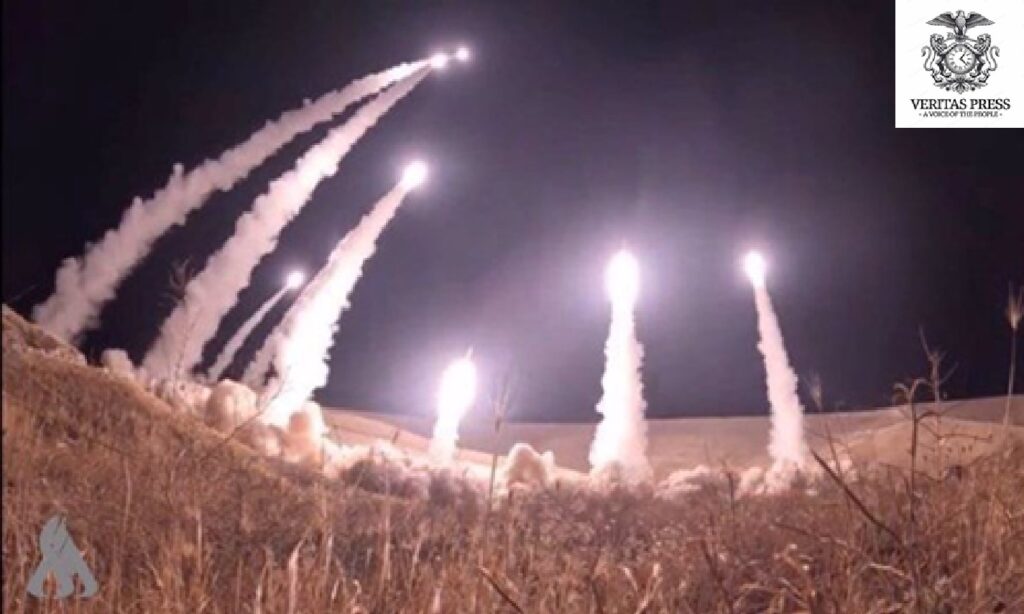
TEHRAN – In the pre-dawn hours of March 27, 2026, the Islamic Revolution Guards Corps
MOSCOW, LONDON – In what marks a significant escalation in the prolonged confrontation between London

TEL-AVIV – When Lieutenant General Eyal Zamir, Chief of Staff of the Israel Defence Forces

GREEK ISLANDS – A controversial proposal by Israeli politician Avri Steiner to purchase Greek islands

TEHRAN, IRAN – In the early hours of Thursday, the Islamic Revolutionary Guard Corps (IRGC)